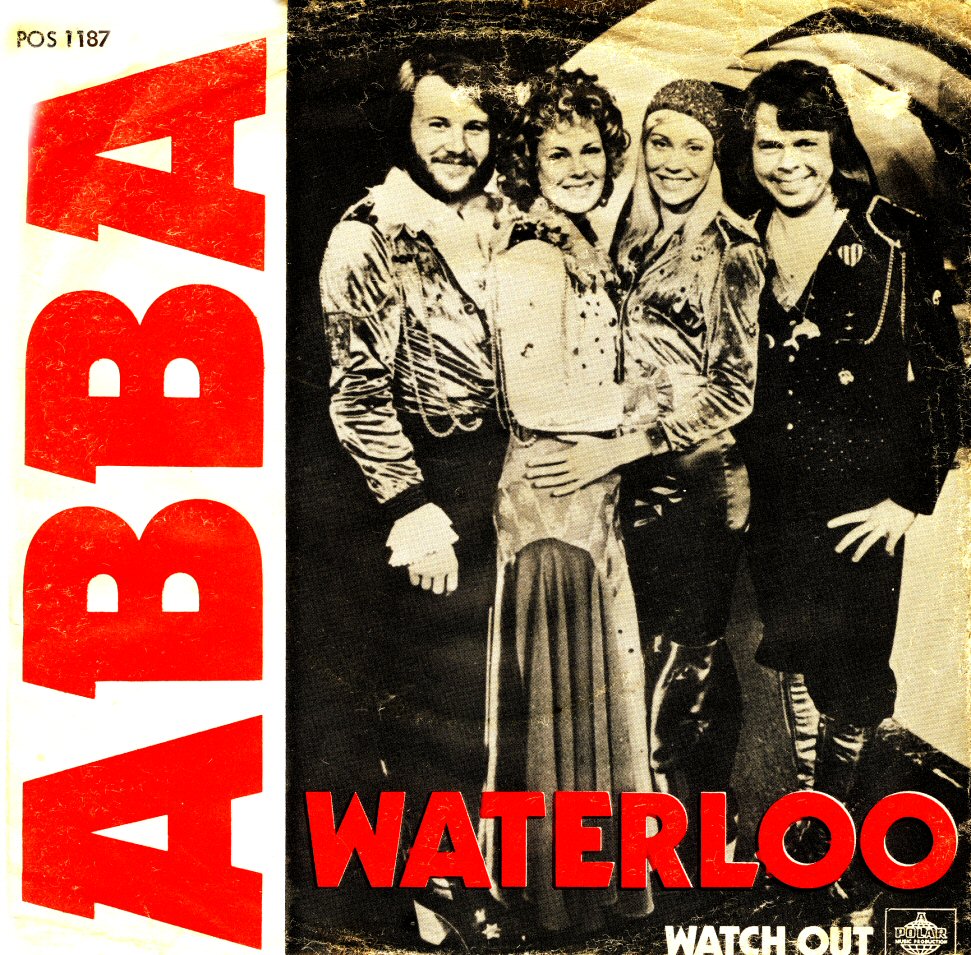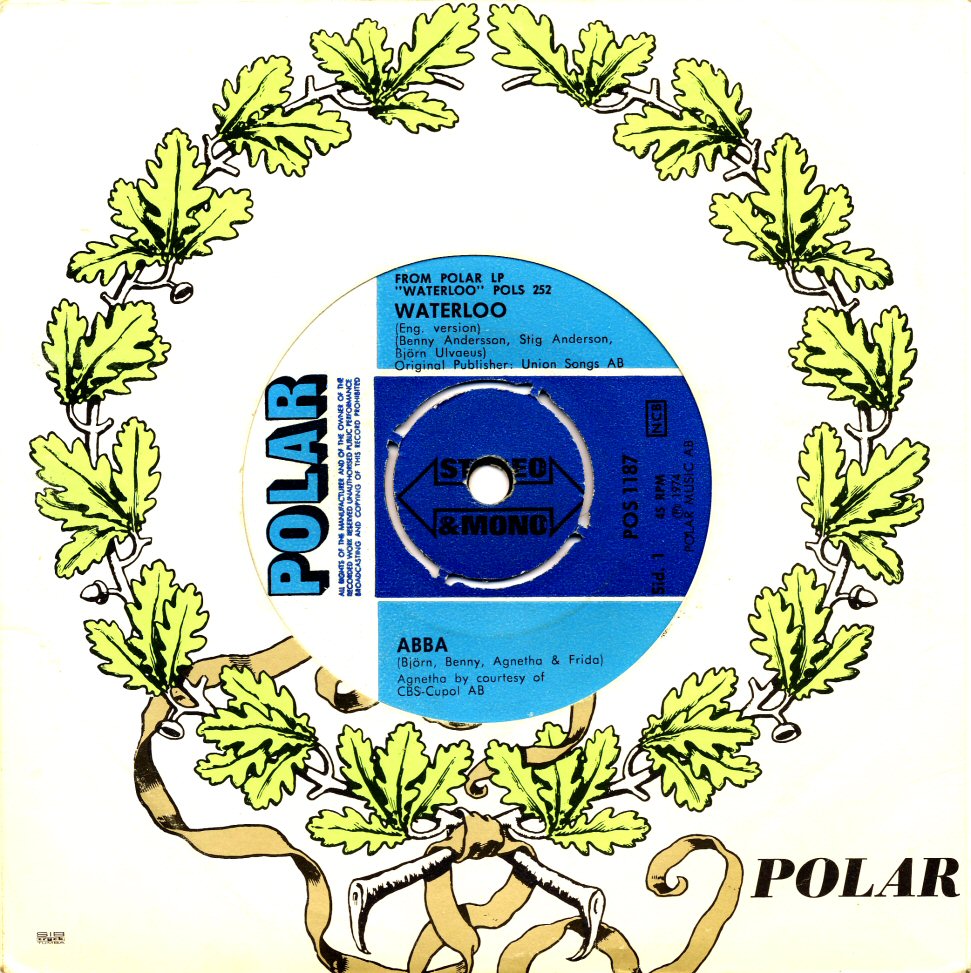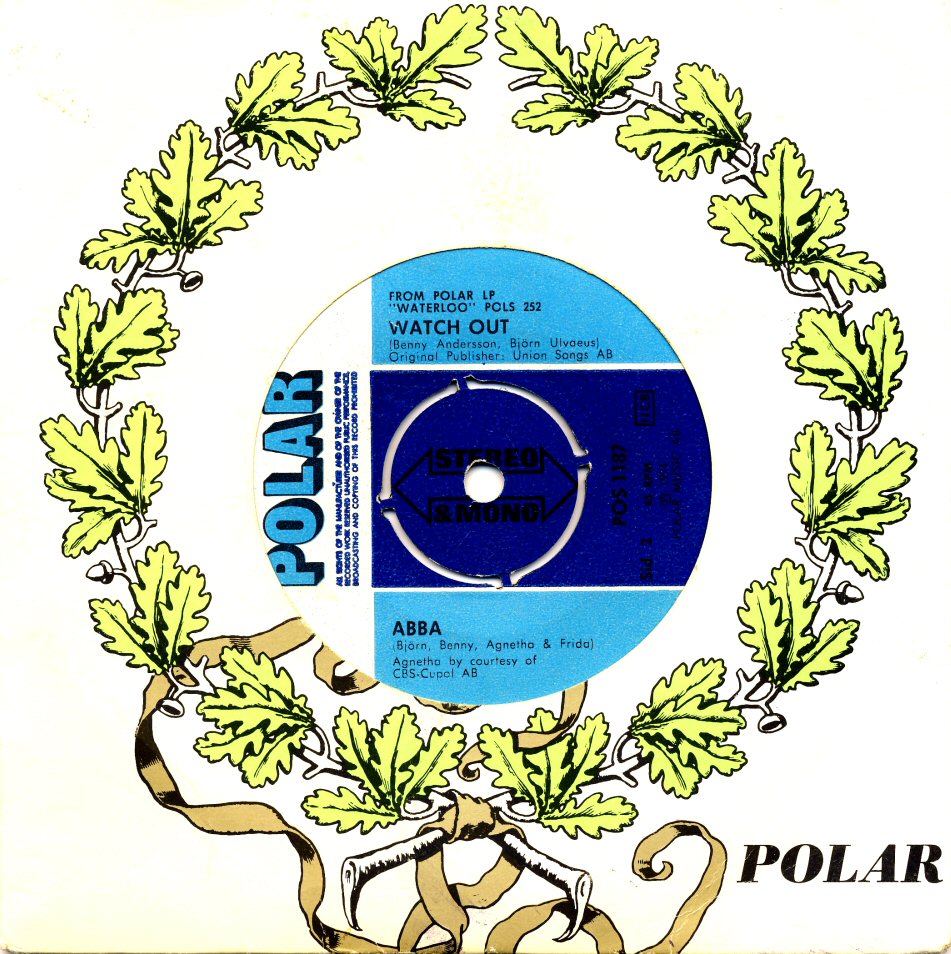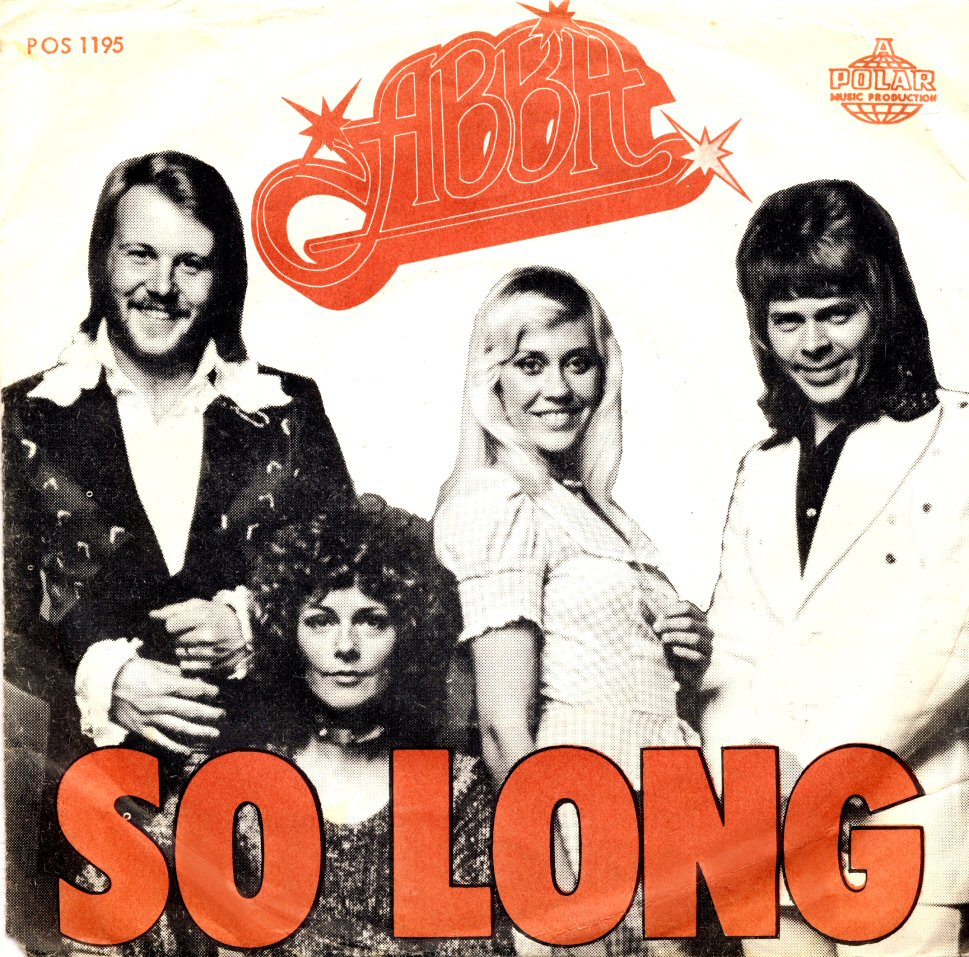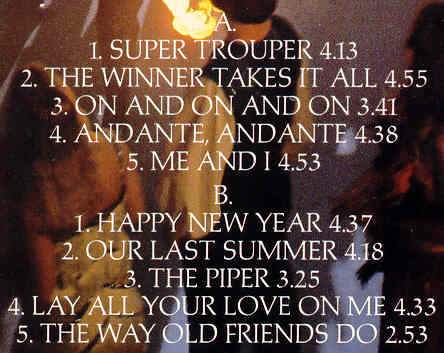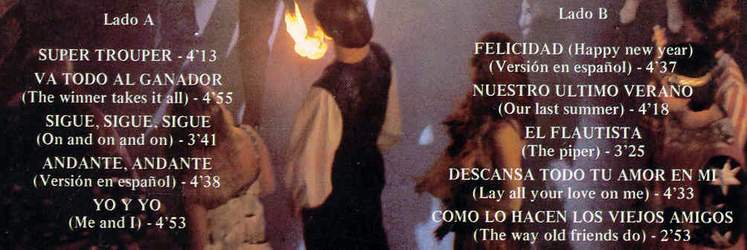
on the records

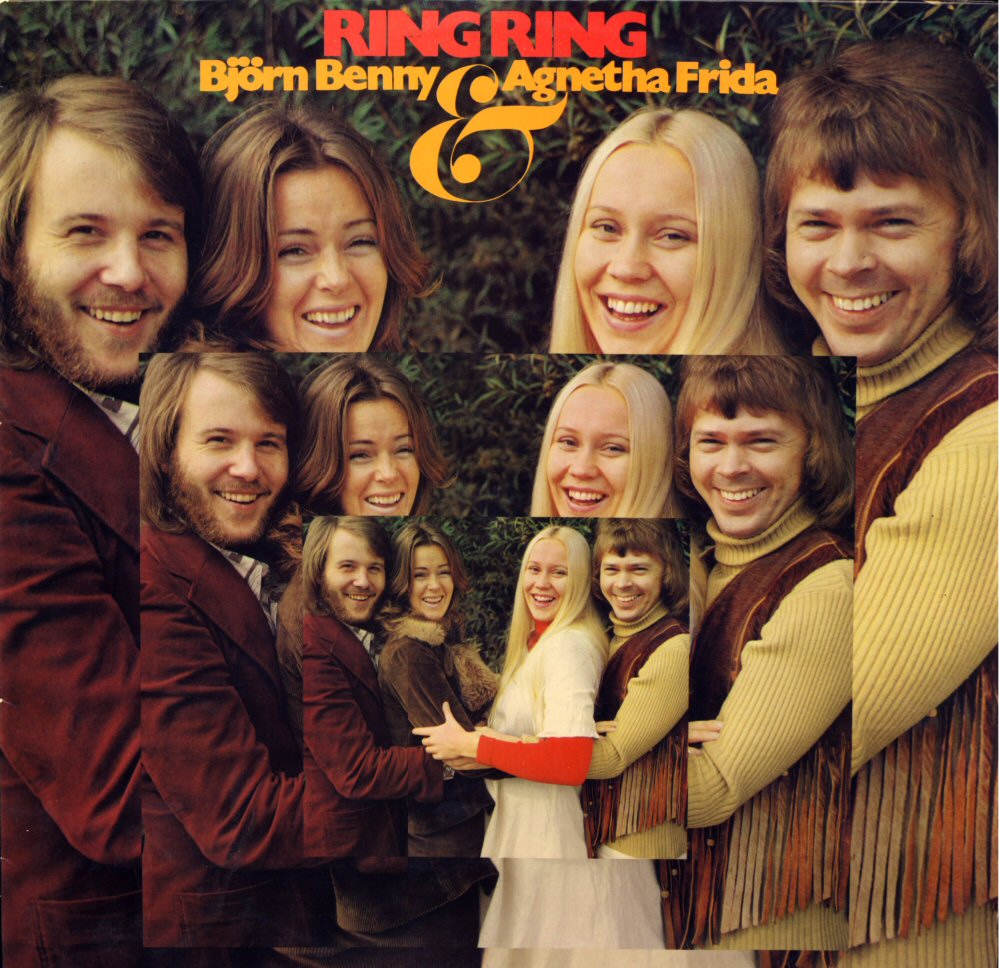
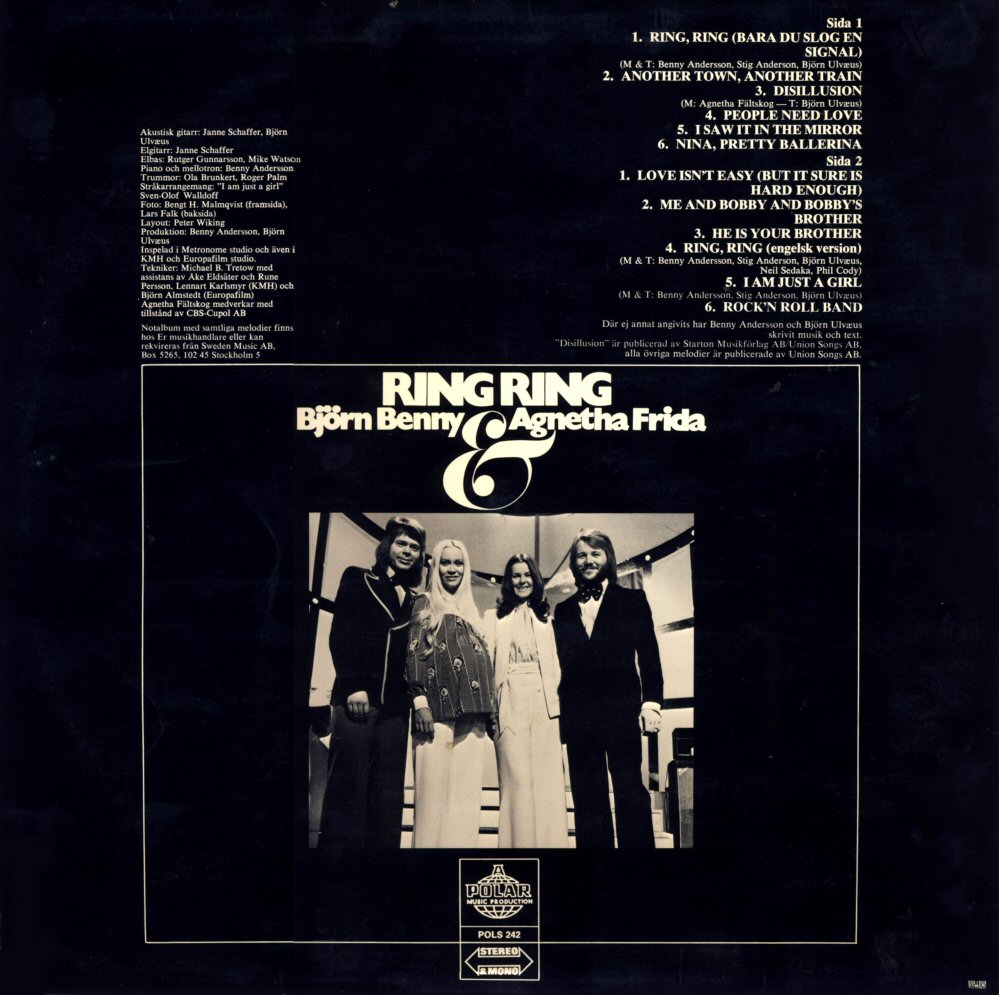
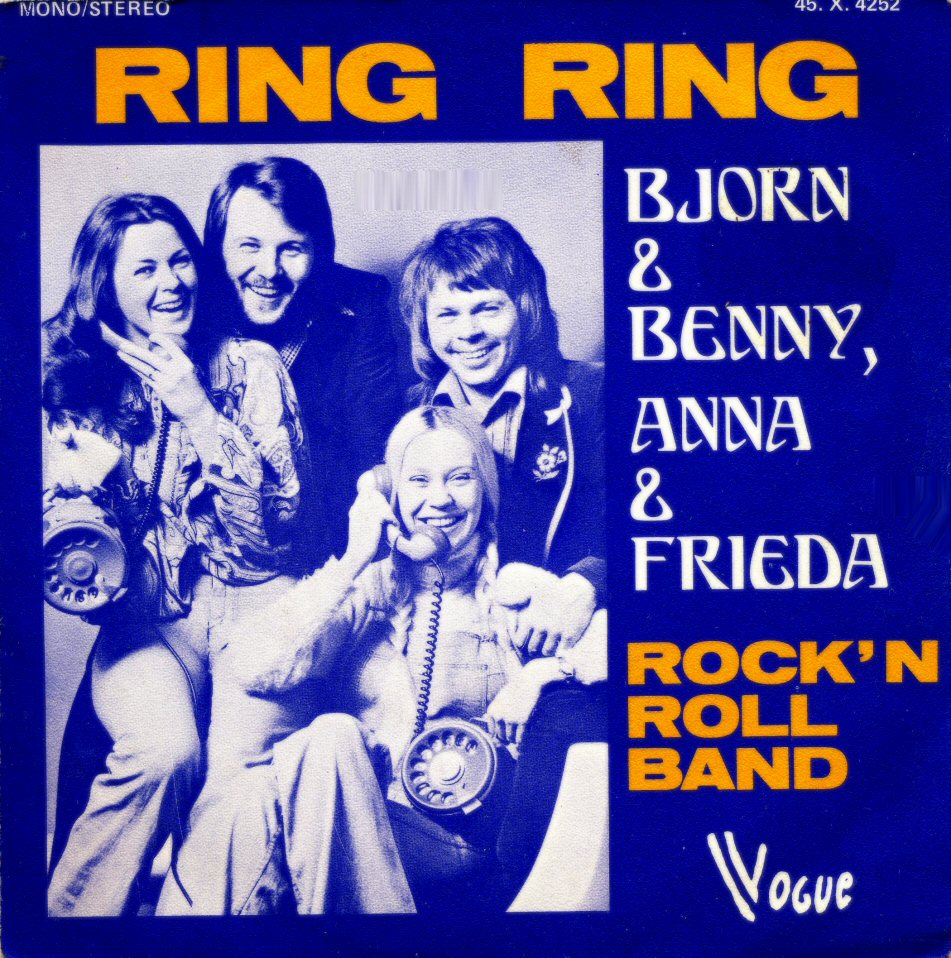
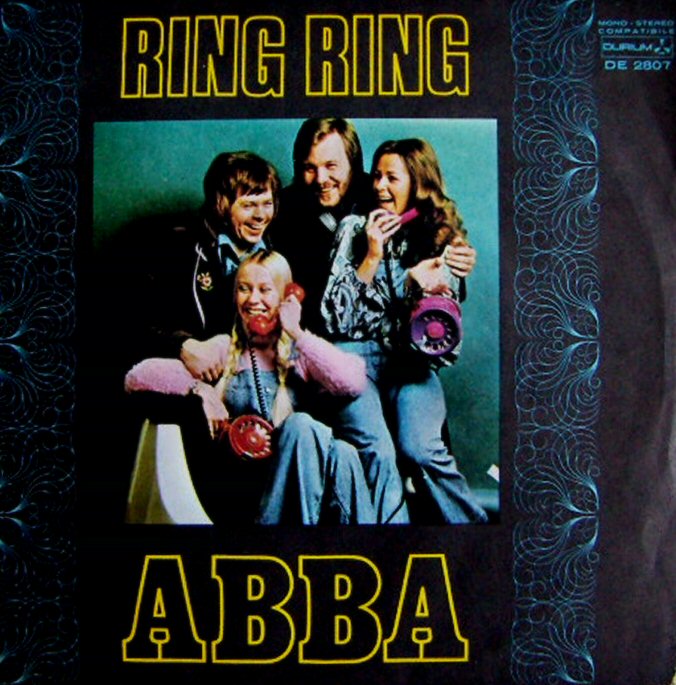
Ring Ring - release March 26, 1973
|
|
|
|
|
|
ABBA before ABBA
The first album released by Benny, Björn, Agnetha & Frida as a group was "Ring Ring". This release was not well-known internationally one year later when the four names became initials and created the name ABBA. The album does not sound so much ABBA and is kind of mixed products delivered by the foursome. It is a historical fact that Agnetha contributed with one own composition "Disillusion". It was pity that she did not have enough self-confidence and her contribution as a songwriter occurred only twice during the ABBA time - here with "Disillusion" and on the 1979 World Tour with "I'm Still Alive" - the latter never officially released. Björn had still most leadvocals on this album but even the girls were "allowed" to sing a little solo - Frida in "Me & Bobby & Bobby's Brother" with quite catchy melody but quite stupid lyrics and Agnetha in her own "Disillusion". It is maybe not 100% true if you say that the album had no ABBA sound at all. If you listen to "Nina Pretty Ballerina" you can hear the first signs of the sound that would be called for the ABBA sound in the future. Even more hits could be found on this LP, among them their very first single "People Need Love" from 1972, probably the biggest hit from this period "Ring Ring" and of course the group's early favorite "He Is Your Brother" which was still performed live on their World Tour in 1977. The album was recorded at the Metronome Studio in Stockholm with the musicians who would follow the group until the end in 1982.
The singles 1972
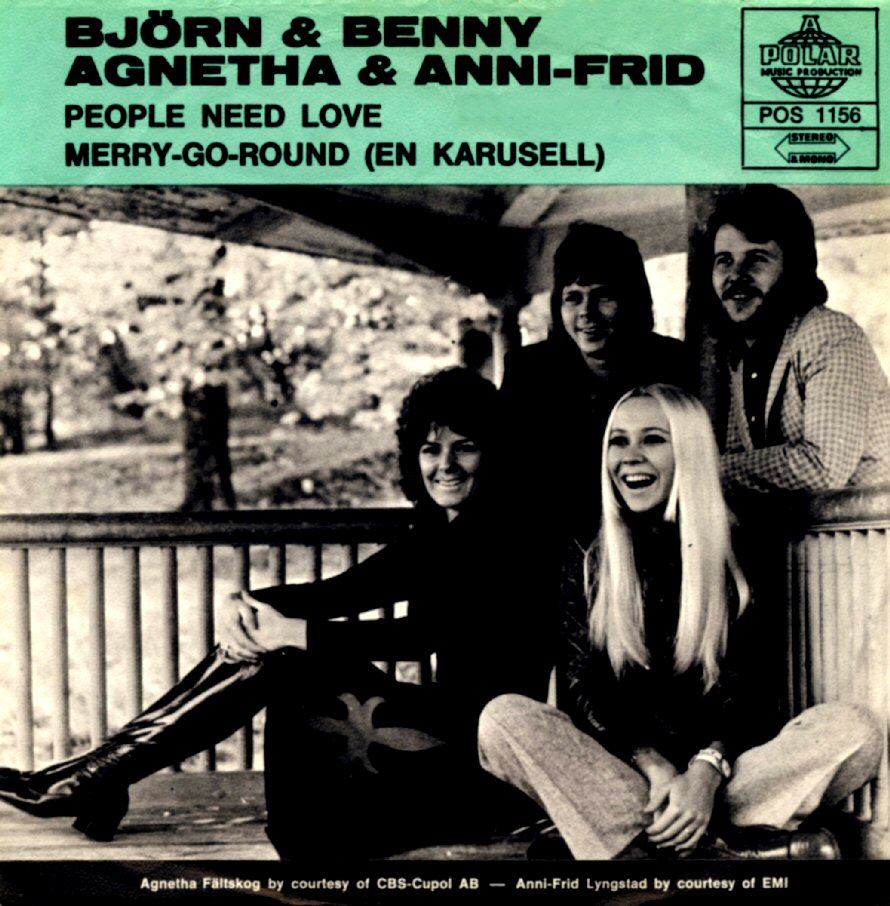
People Need Love/Merry-Go-Round
June 1, 1972
Sweden #17 US #115
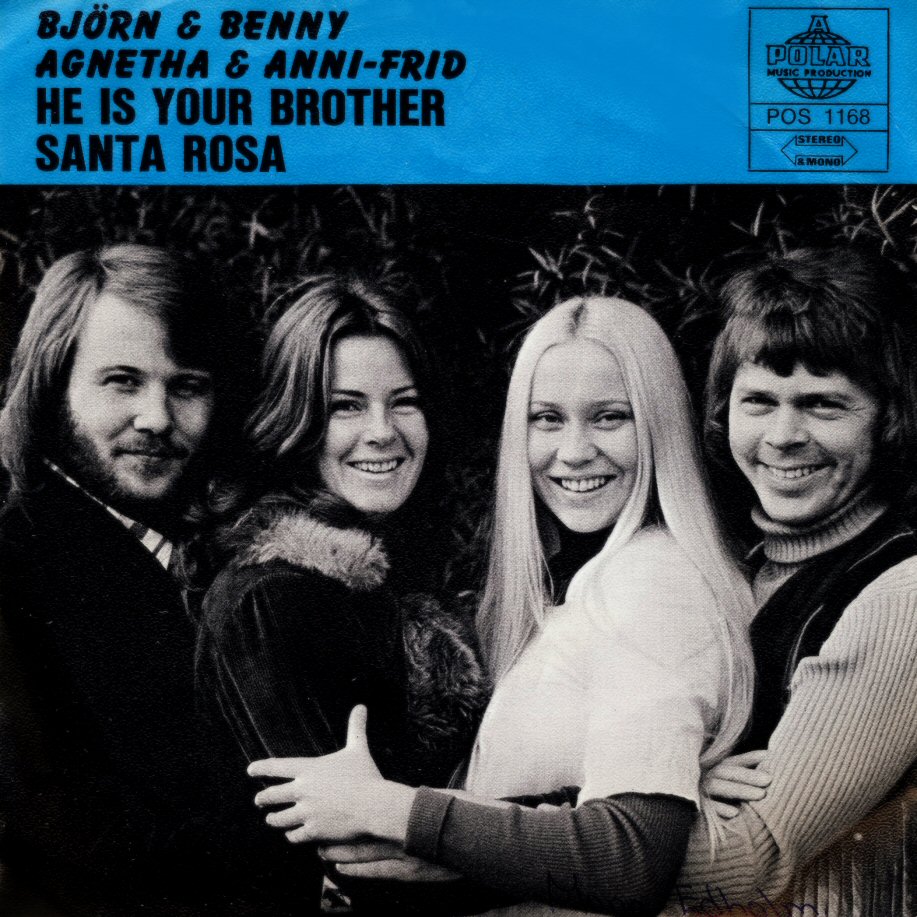
He Is Your Brother/Santa Rosa
November 1, 1972
1973
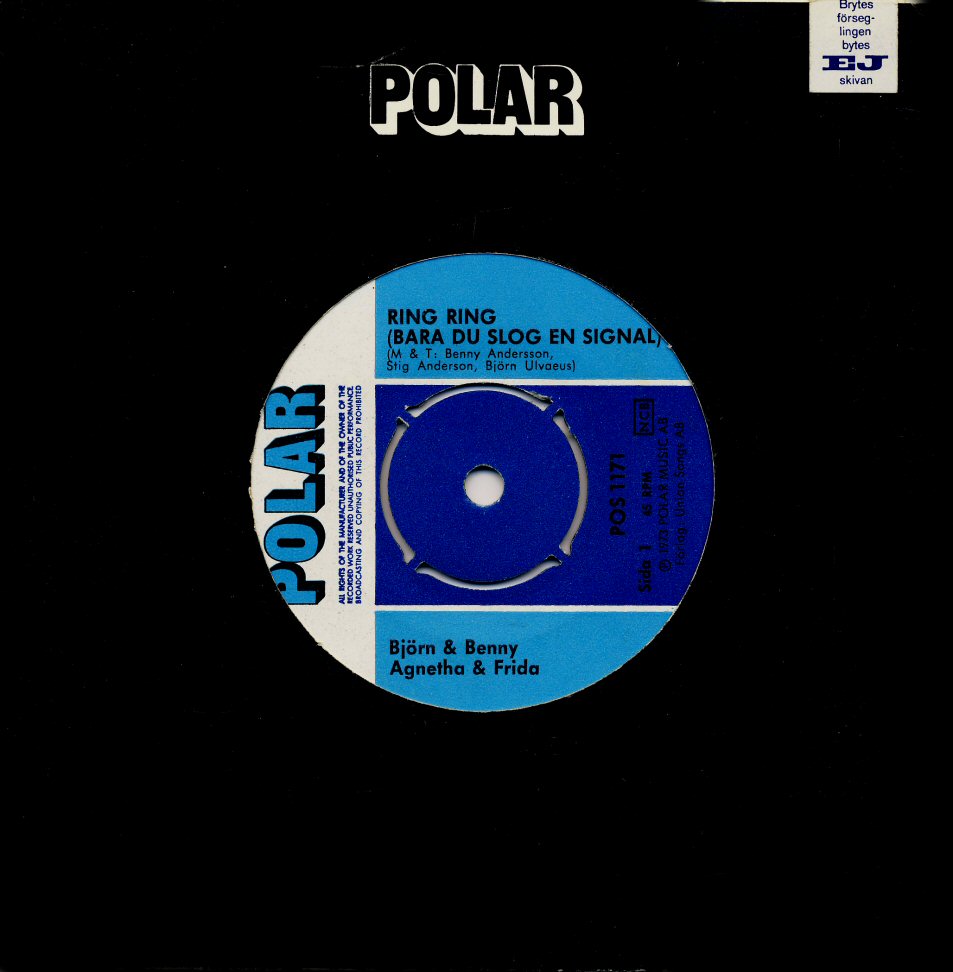
Ring Ring (Bara du slog en signal)/Åh vilka tider
February 14, 1973
Sweden #2
Ring Ring(English version)/She Is My Kind of Girl
February 19, 1973
Sweden, Norway #2, Belgium #1, Austria #2
|
Denmark |
France |
Italy |
|
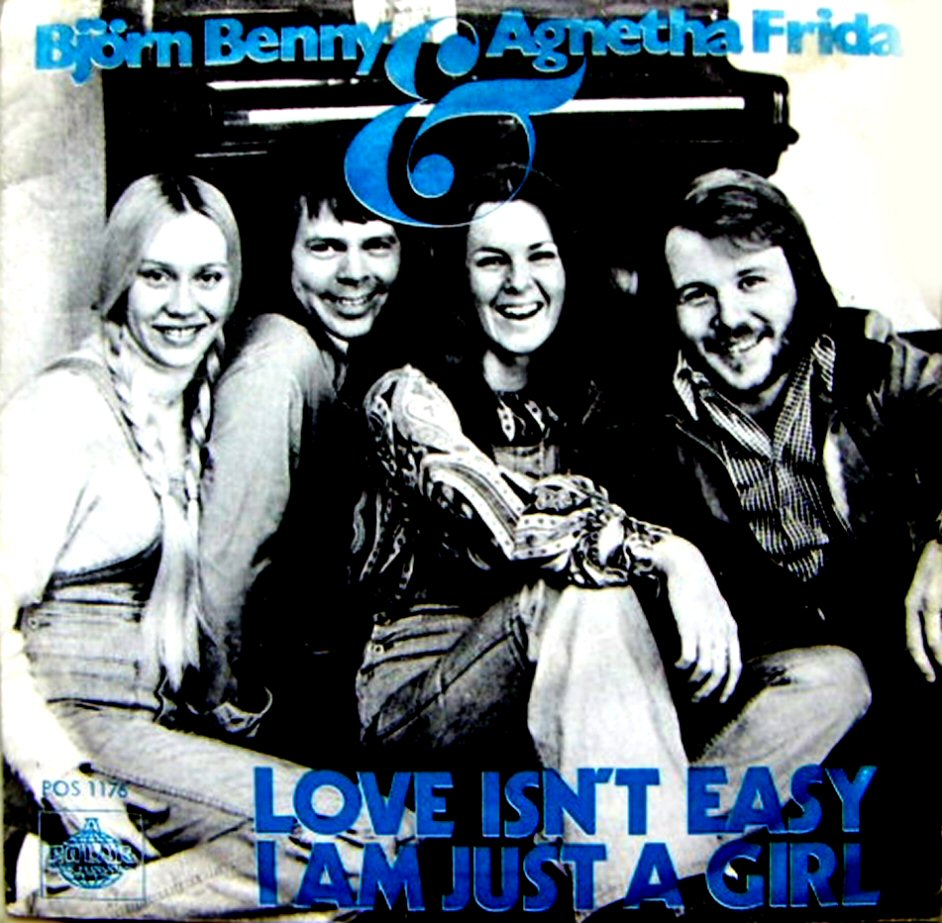
Love Isn't Easy (But It Sure Is Hard Enough)/I Am Just A Girl
June 1973
"Waterloo" - release March 4th, 1974
|
|
|
|
|
|
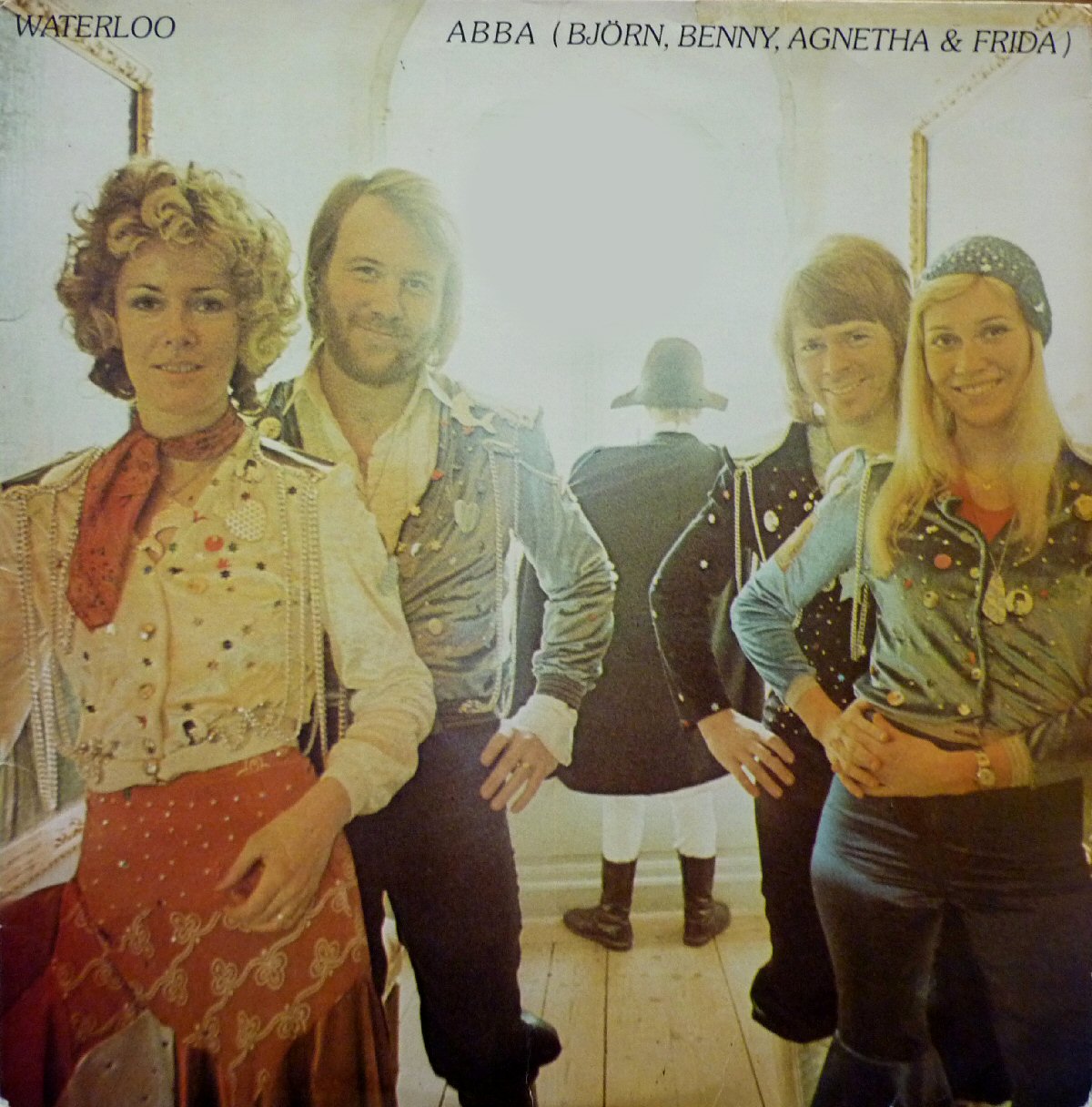
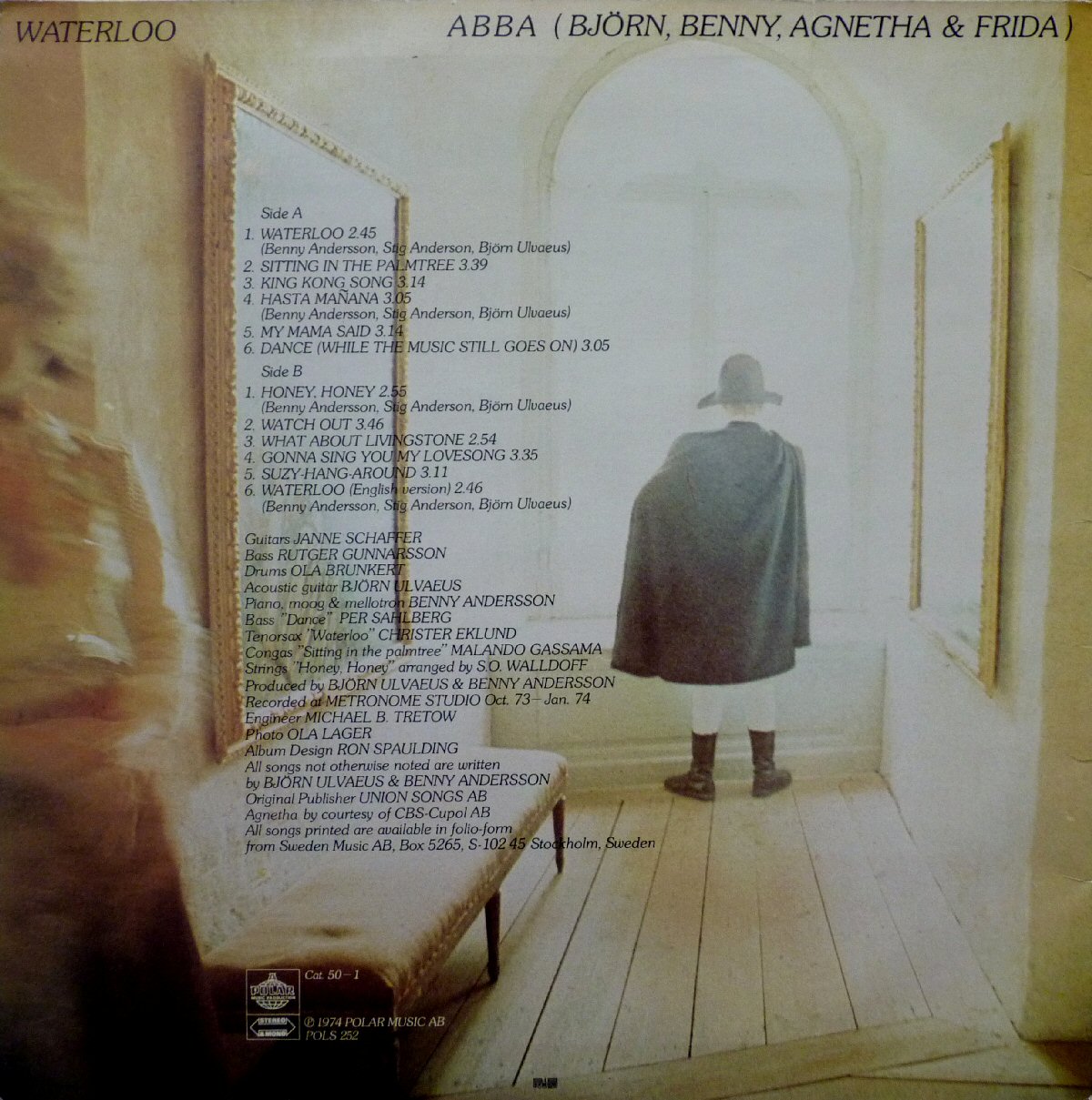
Waterloo - the second first album
"Waterloo" was the group's second LP but the first released internationally after the victory in Brighton. It contains very mixed music - some good songs and strong melodies but even several compositions that Björn and Benny are not so proud of today. The title song became a big Eurovision hit which topped charts in many countries all over the world. But it was not so easy to find a song for the follow up single which was strong enough.
In Great Britain ABBA tried to re-promote "Ring Ring" (why?) but the British audience did not like it. It was the first flop which would be followed by more. It went better for ABBA in other European countries and "Honey Honey" became a quite successful second single in many countries but not in UK. One of the strongest melodies ABBA ever did was "Hasta Mañana" which was released as a single in certain territories but it never became a big hit. Agnetha's "profile" in ABBA as the "tragical" singer taking all the leading parts in songs about lost love seemed to be clear already on this LP.
Two small "disasters" on this album are definitely "Watch Out" and "Suzy-Hang Around". Benny adds "King Kong Song" to his list of "ABBA Wood" - the songs which should have not been released at all. But if you listen carefully to the girl's scream on this track so you almost start to like it.
"Sitting in the Palmtree" has a good melody and quite good vocals but it seems to be anonymous on the album as well as "My Mama Said" which is being sung by the girls very "low" in a way. Another quite odd song is "What About Livingstone" with a good melody and quite funny lyrics.
Frida's voice works wonderfully in the beautiful ballad "Gonna Sing You My Lovesong". It was the first love song of this kind interpreted by Frida but more were to come. The album was released in several versions. The official one released in Sweden contained both the English and the Swedish versions of the song "Waterloo". The Epic issue for Great Britain had "Ring Ring" as a "bonus" track. The cover shots were taken at the Gripsholm Slott in Mariefred outside Stockholm - not far away from Frida's hometown Torshälla. go.to/Waterloo for more info.
The singles 1974
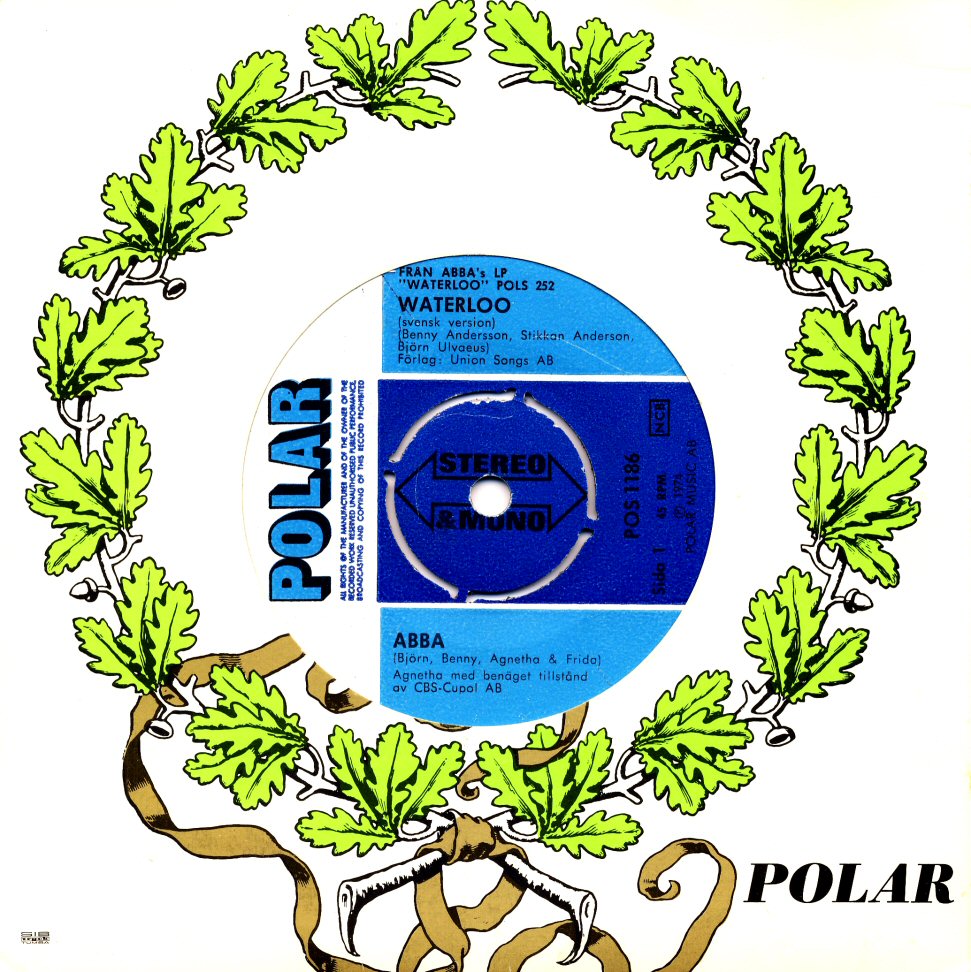
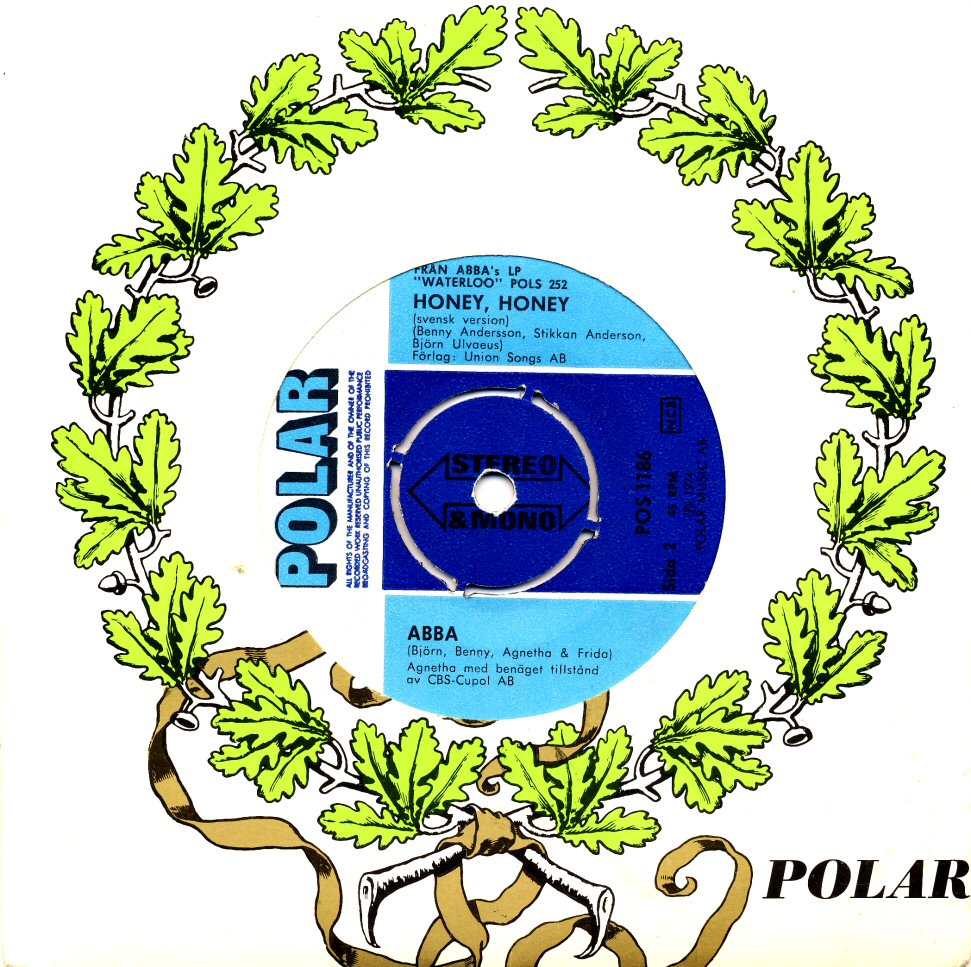
Waterloo/Honey Honey (Swedish versions)
March 4, 1974
Sweden #1
|
|
|
|
|
|
Waterloo (English version)/Watch Out
March 4, 1974
Sweden #3 UK #1 Germany #1
US chart entry June 22, 74, highest pos. #6, 12 weeks
UK chart entry Apr 20, 74, highest pos. #1, 9 weeks
|
|
|
|
|
|
Honey Honey/King Kong Song
April 1974
US chart entry Oct 12, 1974; #27, 4 weeks
Germany #2

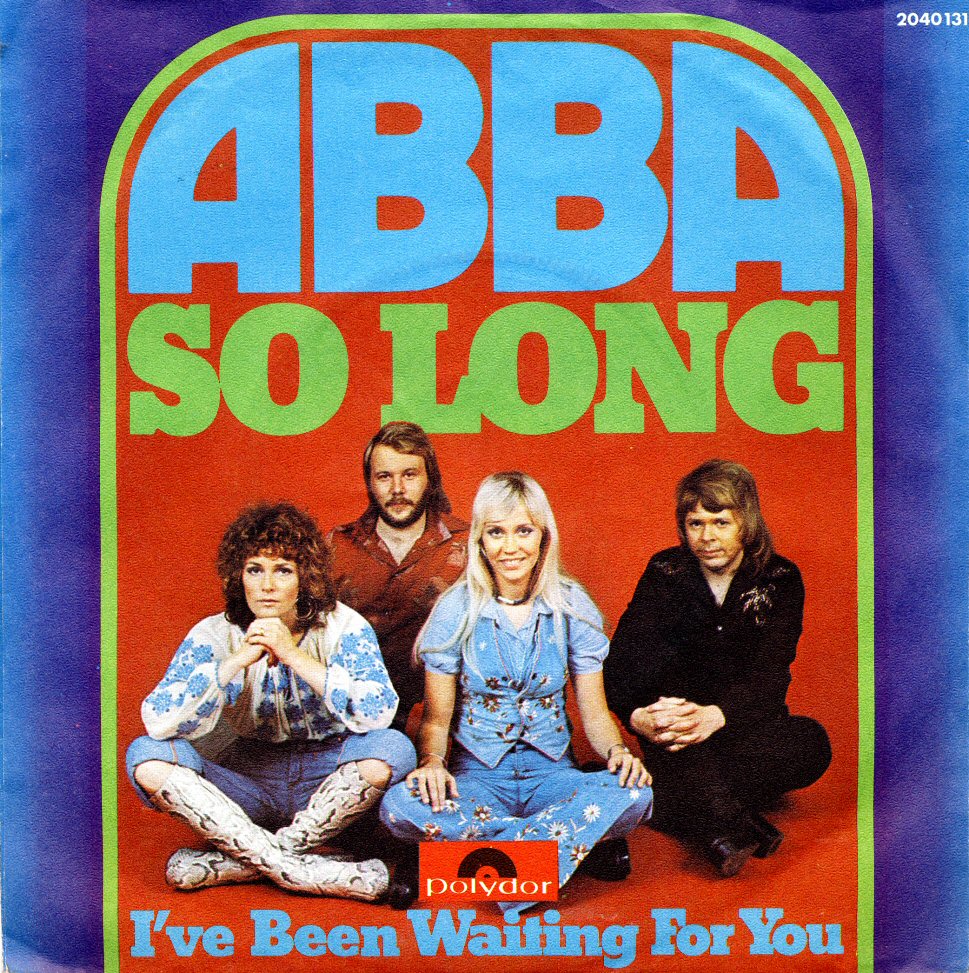
So Long/I've Been Waiting For You
November 18, 1974
Sweden #7 Germany #11
|
|
|
|
|
|
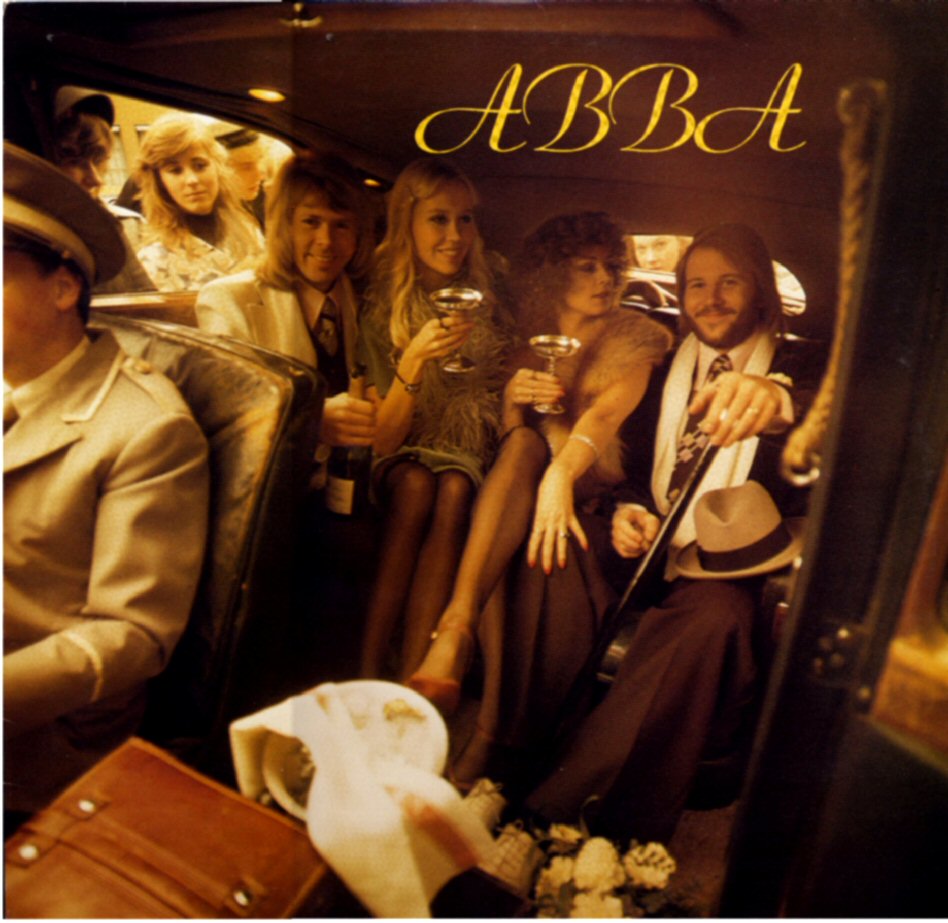
"Abba" - release April 21, 1975
|
|
|
|
|
|
One more try
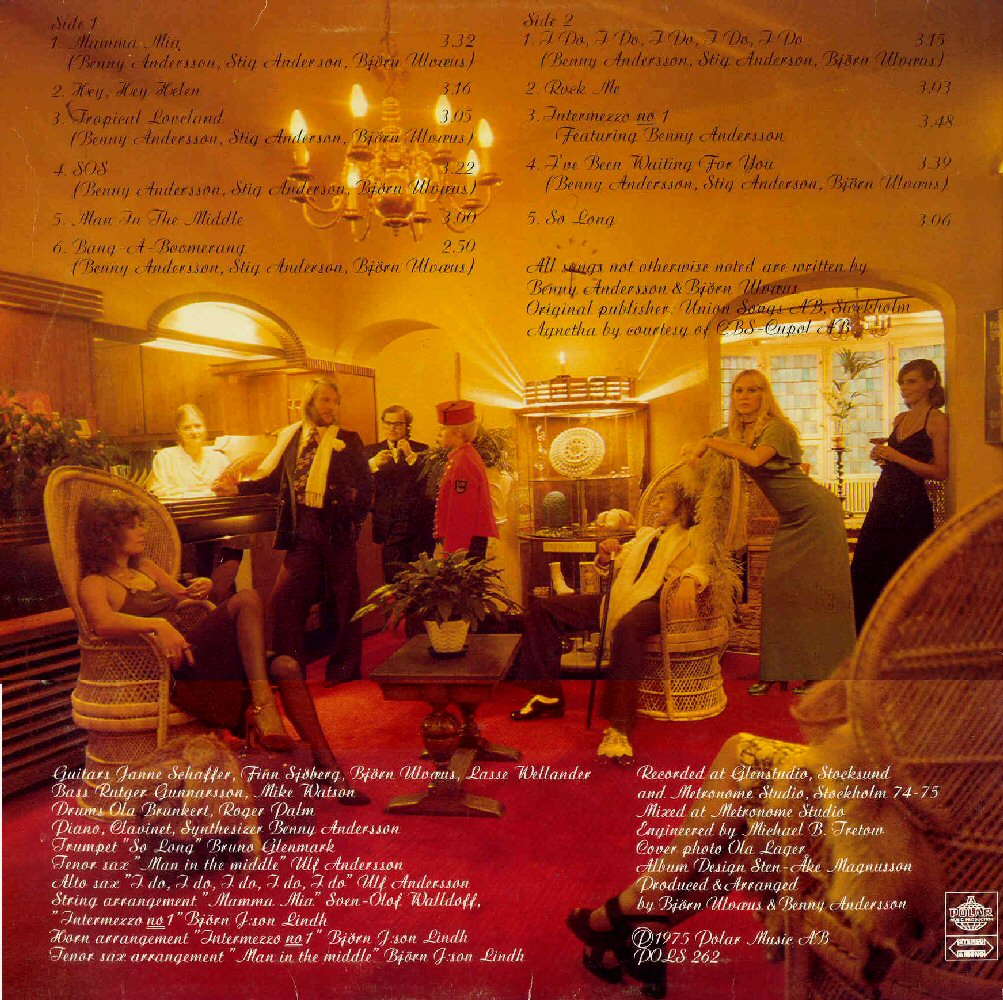
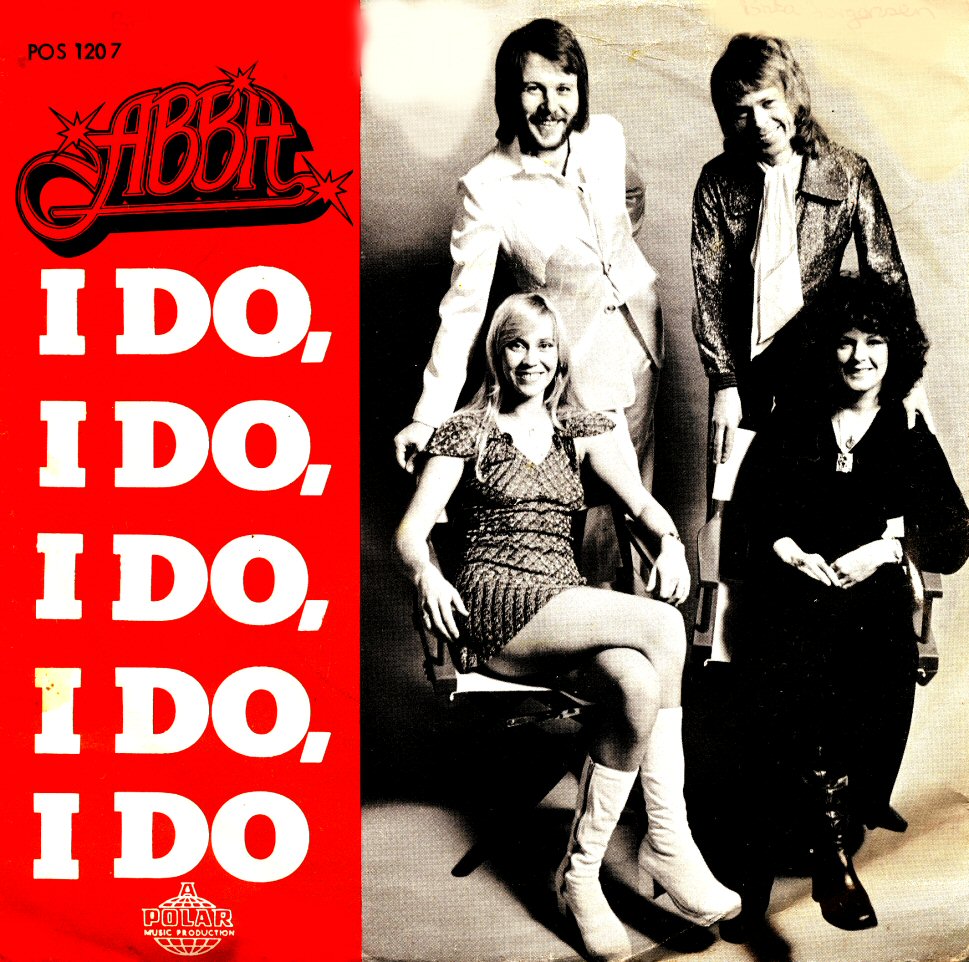
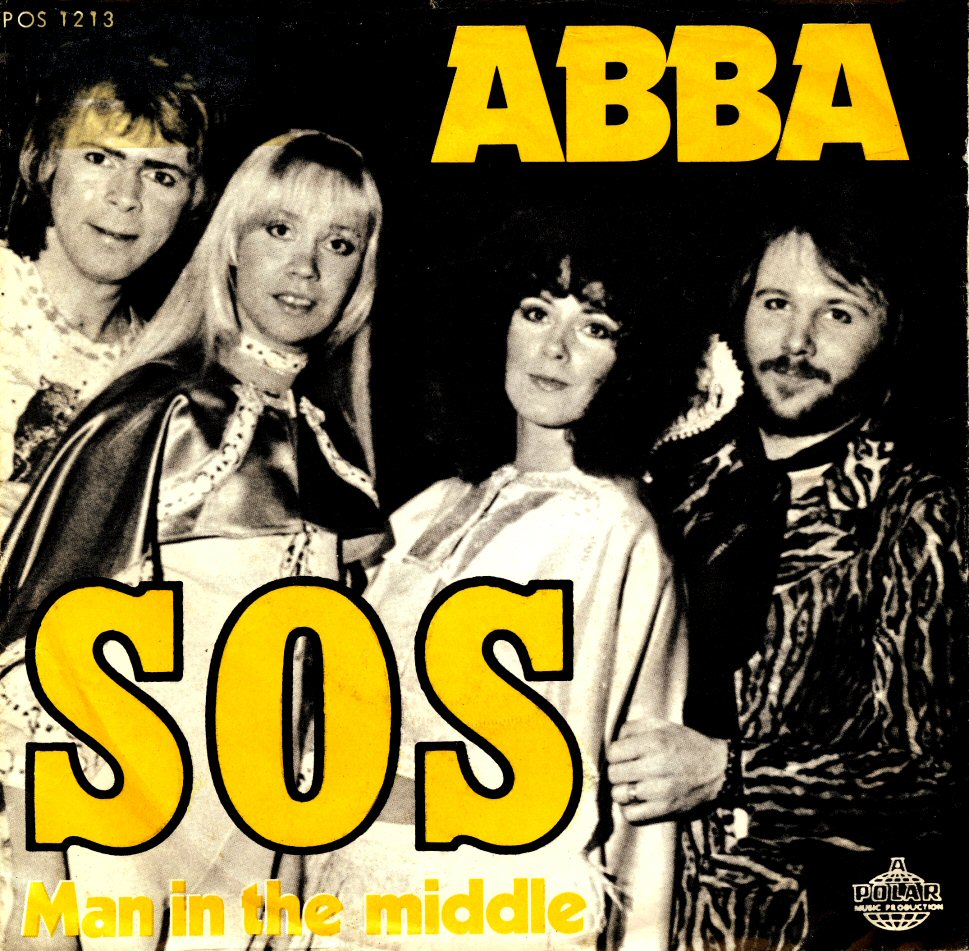
The 1975 album was called simply "ABBA" and it was released all over the world after 18 horrible months without any chart hit in Great Britain. Björn and Benny decided to release the schlager inspired "I Do I Do I Do I Do I Do" as the first single. The melody was extremely strong and everybody in the ABBA team hoped that it would reach high position place on the British chart but it didn't. The song became though a big hit in many other countries but it was not enough for the UK. ABBA needed Agnetha's help. And ABBA got Agnetha's help in one more "tragical" song "SOS" which became a smash hit all over the world including Great Britain where it reached no 6 on the single chart.
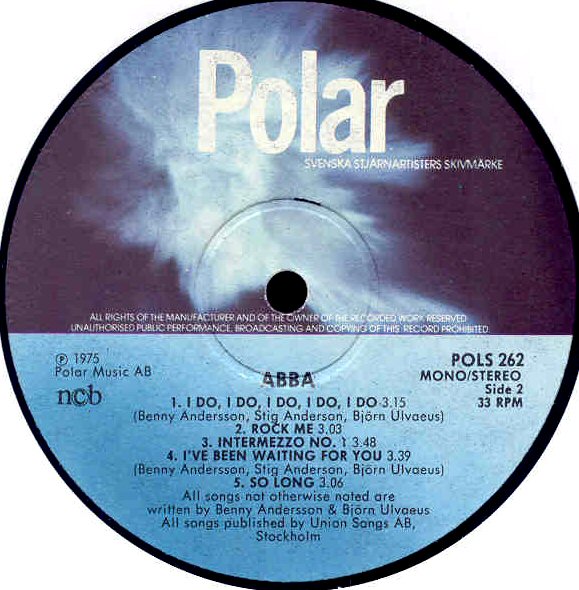
The album "Abba" was the first step towards creating the girls voices as the main ones in the group's sound. Agnetha had lead in two songs ("SOS" and "I've been Waiting for You" - one more beautiful ballad). Frida had only one leadvocal in a song which probably is not the best one - a kind of reggae piece "Tropical Loveland". Björn can be heard in a quite horrible production called "Man in the Middle" and much better "Rock Me" which became hit in Australia. Even Benny received his 3 minutes 48 seconds on the album performing "Intermezzo No 1" - one of the rare instrumental pieces recorded by ABBA for album release.
Agnetha and Frida sang together on the other tracks and among them the smash hits "Mamma Mia", "So Long" and of course "I Do I Do I Do I Do I Do". "Bang-A-Boomerang" and "Hey Hey Helen".
I Do I Do I Do I Do I Do/Rock Me
April 1975
UK #38 chart entry July 12, 1975; 6 weeks
US #15 chart entry March 27, 1976; 8 weeks
Germany #6
|
|
|
|
|
|
SOS/Man In The Middle
June 1975
UK #6 chart entry September 20, 1975; 10 weeks
US #15 chart entry November 10, 1975; 8 weeks
Germany #1
|
|
|
|
|
|
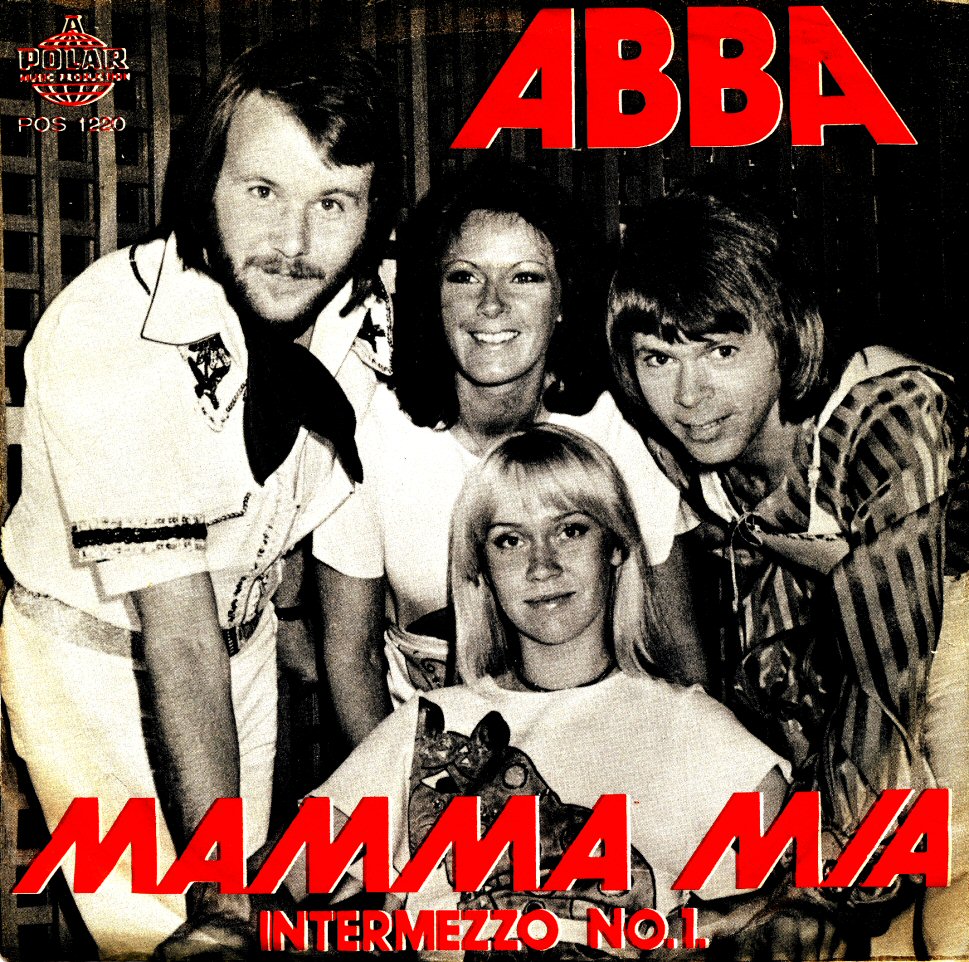
Mamma Mia/Intermezzo No. 1
September 1975
UK #1 chart entry December 13, 1975; 14 weeks
US #32 chart entry June 19, 1976; 4 weeks
Germany #1
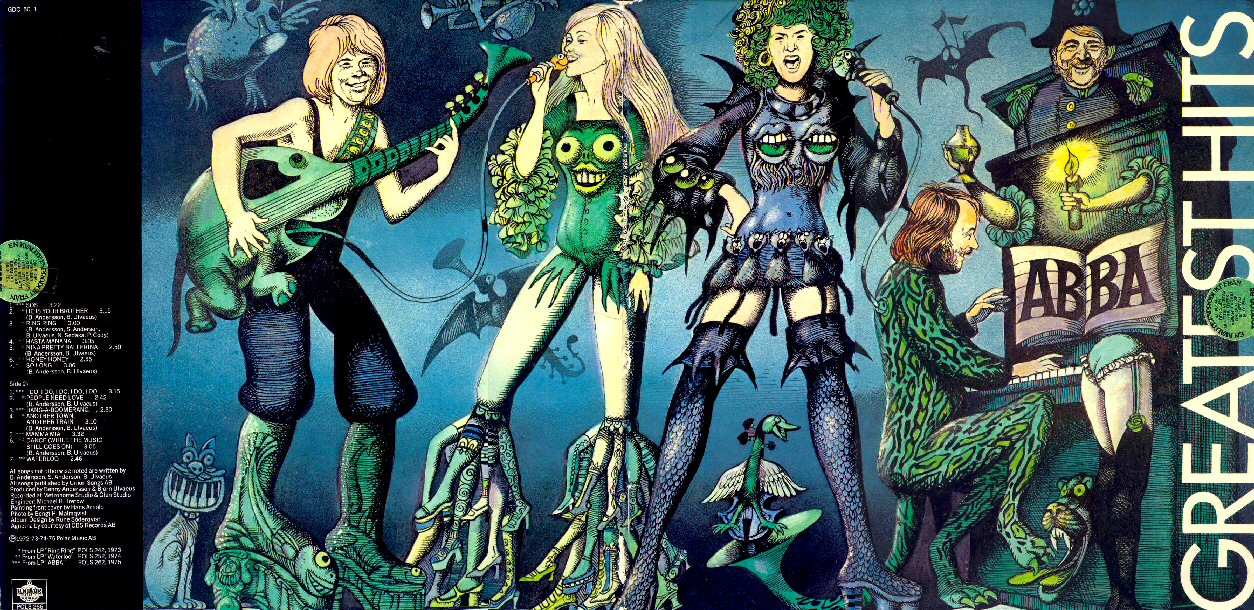
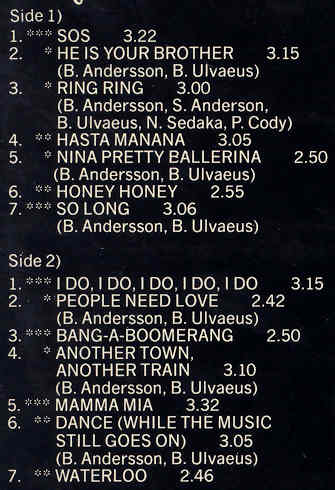
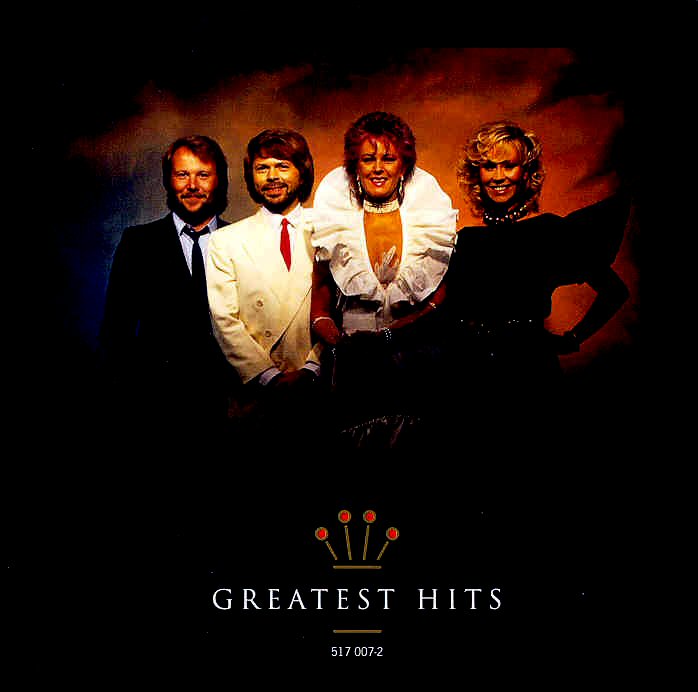
Greatest Hits, November 17, 1975
|
|
|
|
|
|
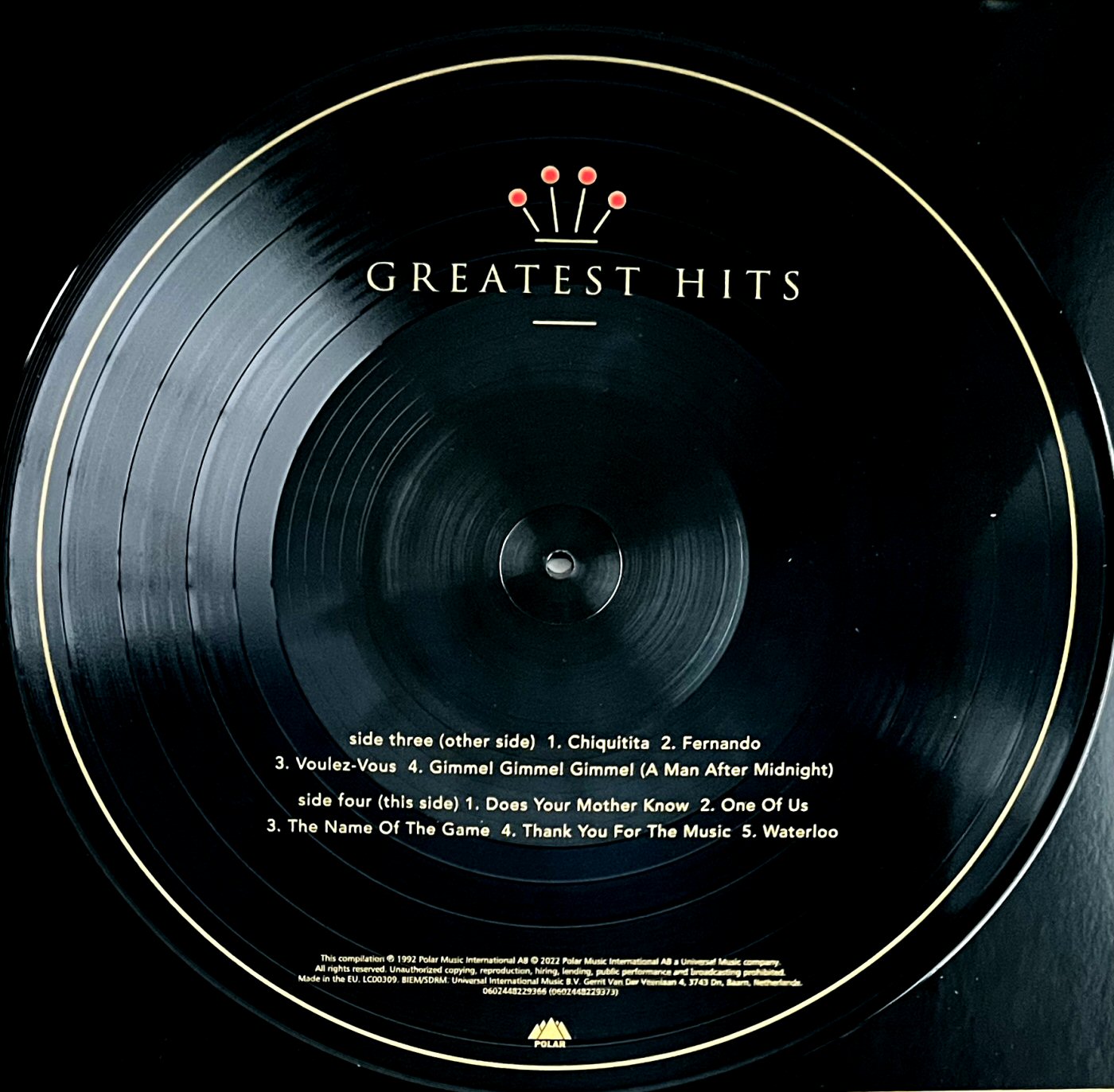
The very first version of the first Greatest Hits album released by the group. This version was released in Sweden in November 1975 and included their biggest hits from the first 3 albums. The same album with different cover and one bonus track, a new recorded "Fernando" would be released in UK and USA at the beginning of 1976.
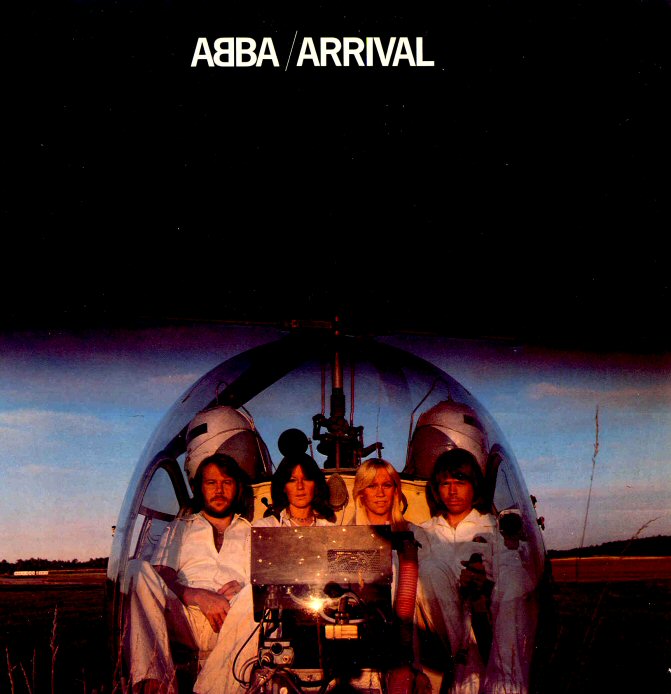
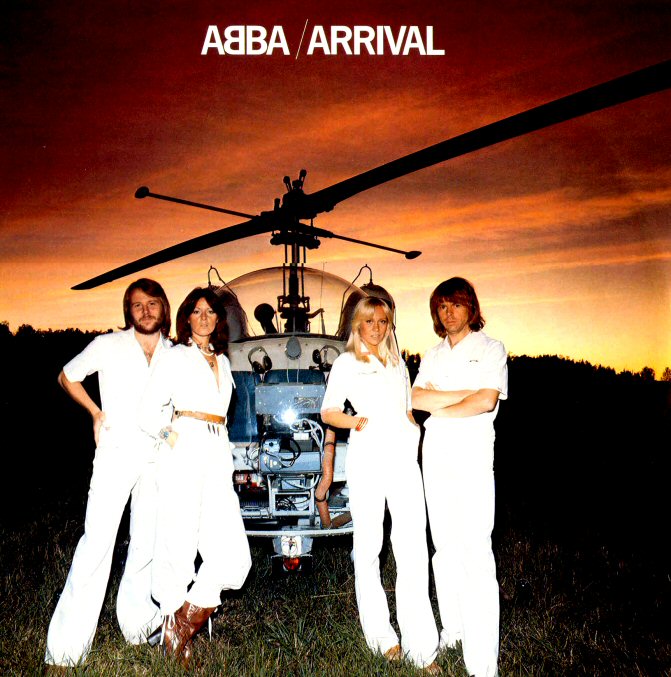
Arrival, release October 11, 1976
|
|
|
|
|
|
The real arrival
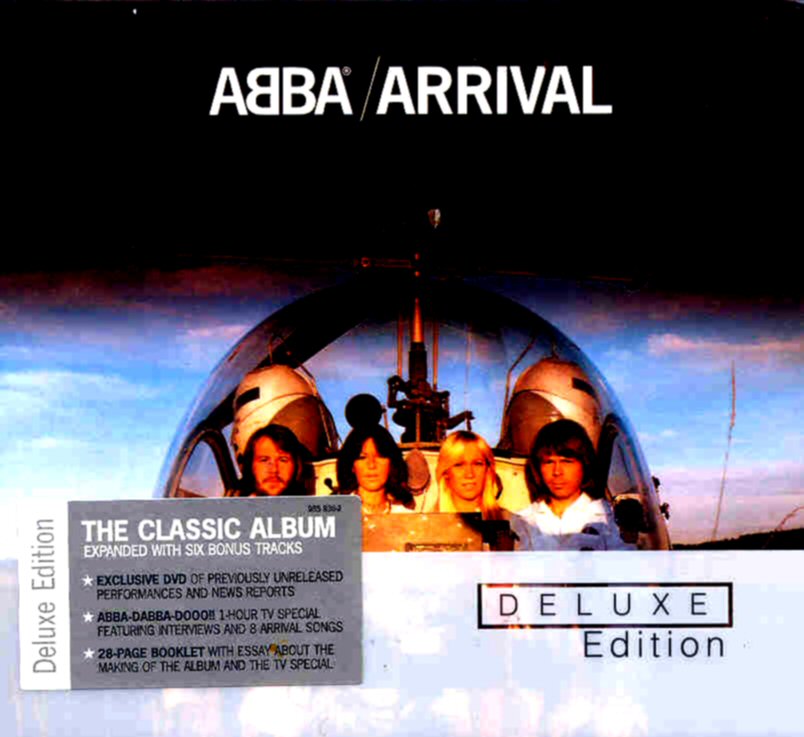
Arrival was the fourth ABBA album and probably one of their best. The long recording session brought only 10 new songs but each of them was a real masterpiece. Frida had leadvocal on two huge single hits: "Knowing Me Knowing You" and "Money Money Money". Agnetha sang "My Love My Life" and "When I Kissed the Teacher". None of them was released as a single but both still belong the strongest songs on the "Arrival" album. Björn was no longer interested in singing leadvocals and he had lead in only one song - "Why Did It Have To Be Me". The alternate version of the song with the both girls singing was called "Happy Hawaii" and was released on the B-side of the single "Knowing Me Knowing You".
An instrumental track "Arrival" featured Benny with background choirs performed by all four members. It was for the second and the last time ABBA would include an instrumental track on their album.
ABBA's smash hit Fernando was not included on the version of the LP released all over the world except the Australian version of the album. One of Agnetha's favorites That's Me would become a big hit in Japan in 1977. One more stark melody with maybe a little bit stupid lyrics is Dum Dum Diddle which was performed live on the TV special "ABBA-Dabba-Do". For many ABBA fans this album is the most favorite one and back in 1976 when the LP was released it was probably the best pop album in the world.
The photo sessions for the album cover were taken on the Barkarby airfield outside Stockholm (see ABBA related places)
The singles
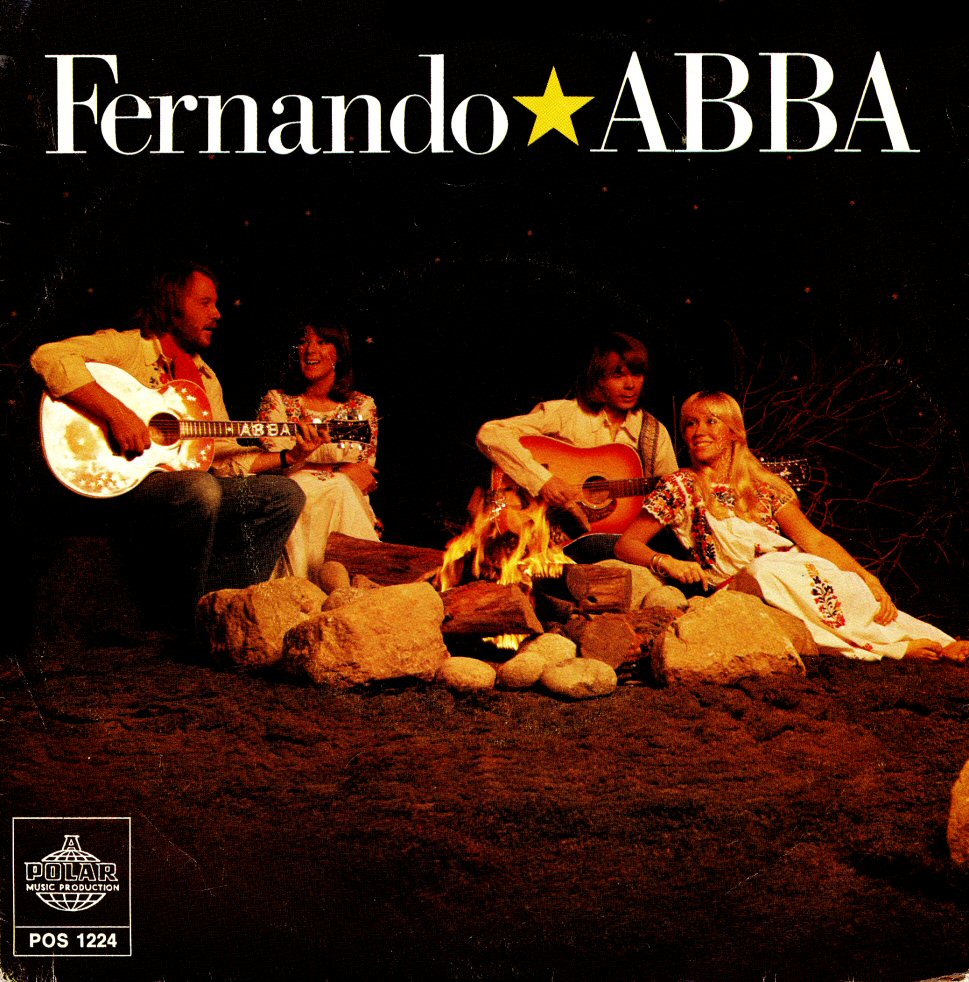
Fernando/Hey Hey Helen
March 1976 (in certain territories B-side Tropical Loveland)
Sweden #2
UK #1 chart entry March 27, 1976; 15 weeks
US #13 chart entry September 25, 1976; 11 weeks
Germany #1
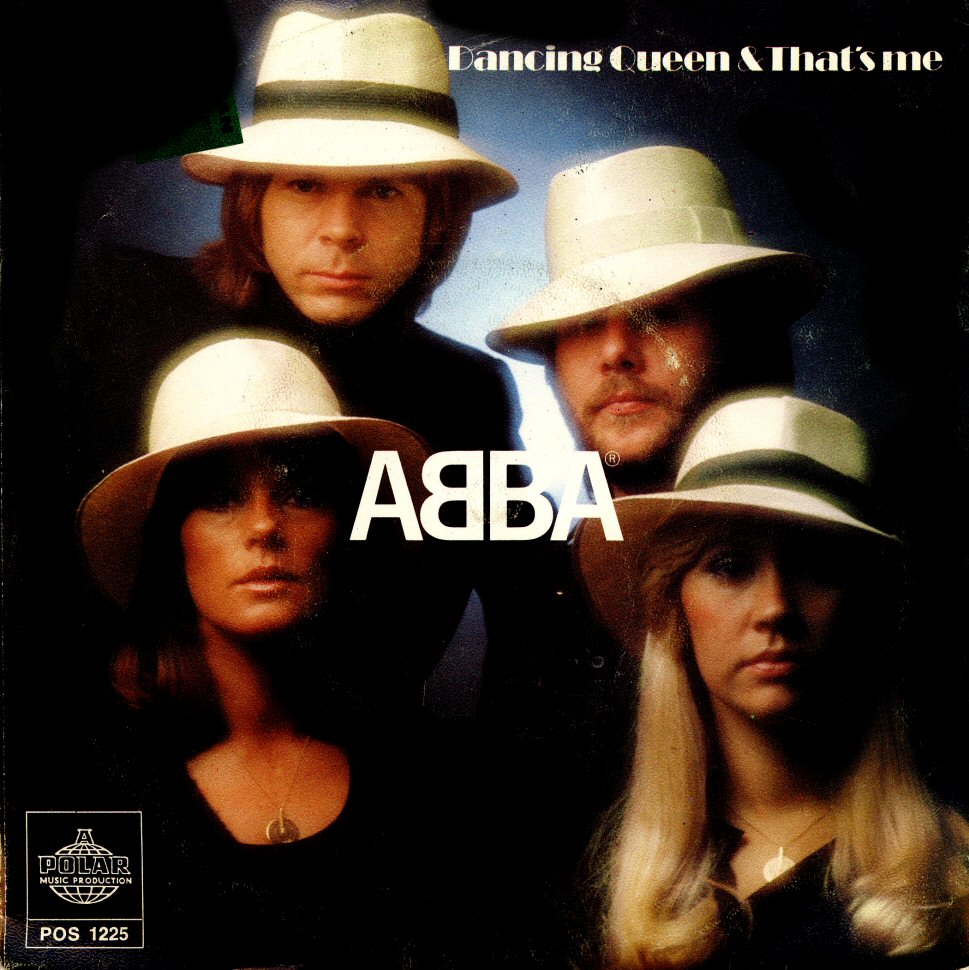
Dancing Queen/That's Me
August 16, 1976
Sweden # 1
UK #1, chart entry August 21, 1976; 15 weeks
US # 1, chart entry January 22, 1977; 15 weeks
Germany #1
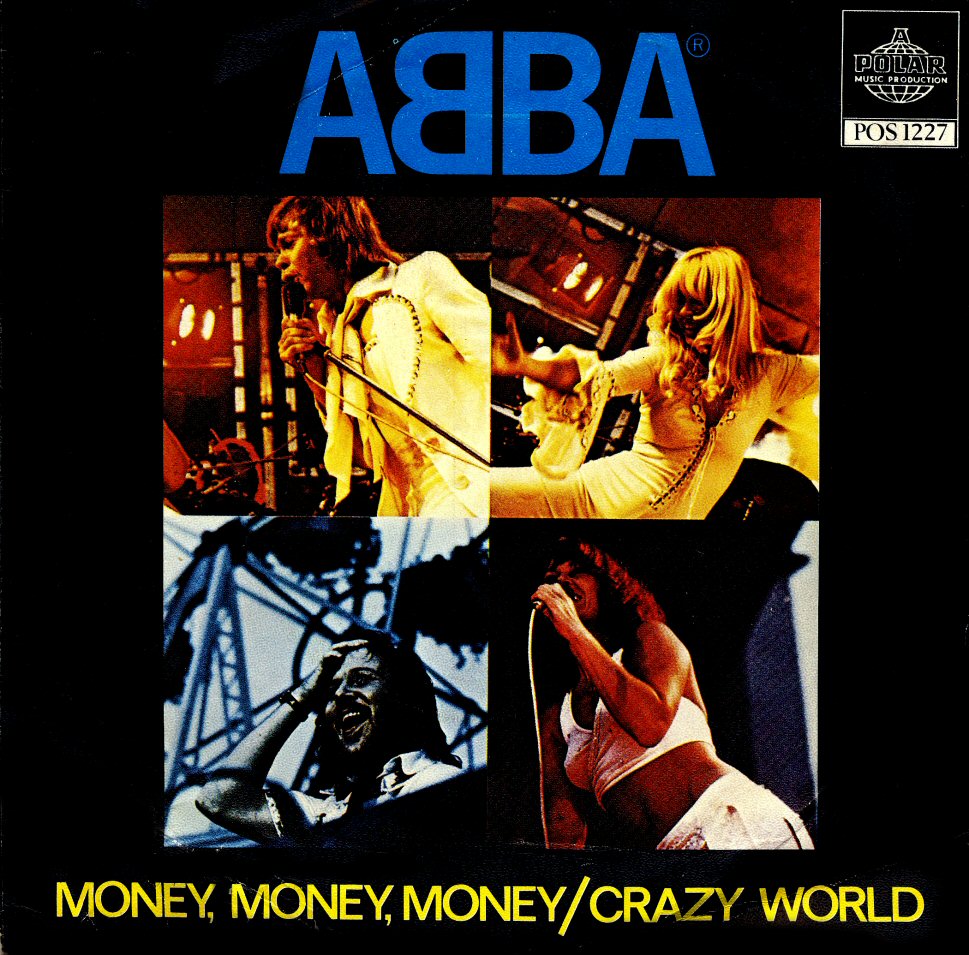
Money Money Money/Crazy World
November 1, 1976
UK #3 chart entry November 20, 1976; 12 weeks
US #56 Germany #1
Knowing Me Knowing You/Happy Hawaii
February, 18, 1977
UK #1 chart entry February 26, 1977, 13 weeks
US #14 chart entry April 6, 1977, 10 weeks
Germany #1

ABBA The Album, release December 12, 1977
|
|
|
|
|
|
The white album
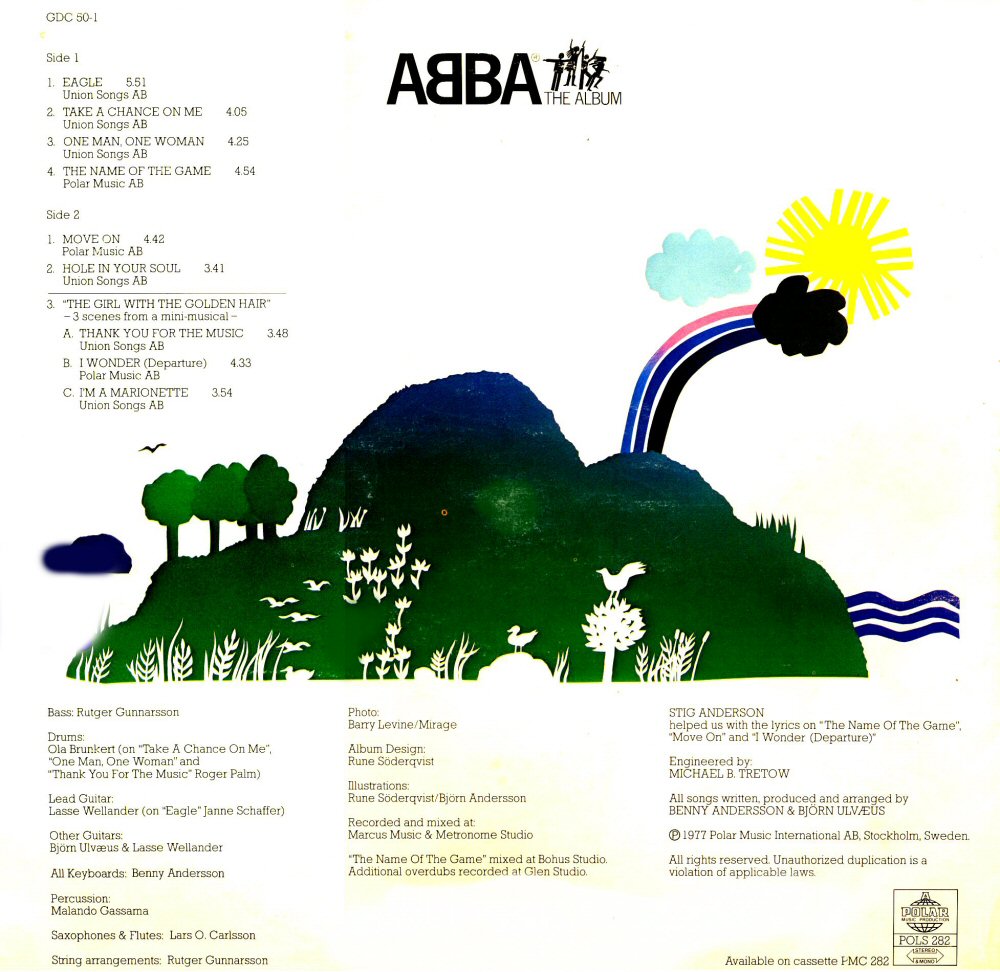
This is my favorite ABBA album. I cannot write anything wrong about it because I simply love it. The period of 1976-78 which brought only two albums was probably the best period in ABBA's career.
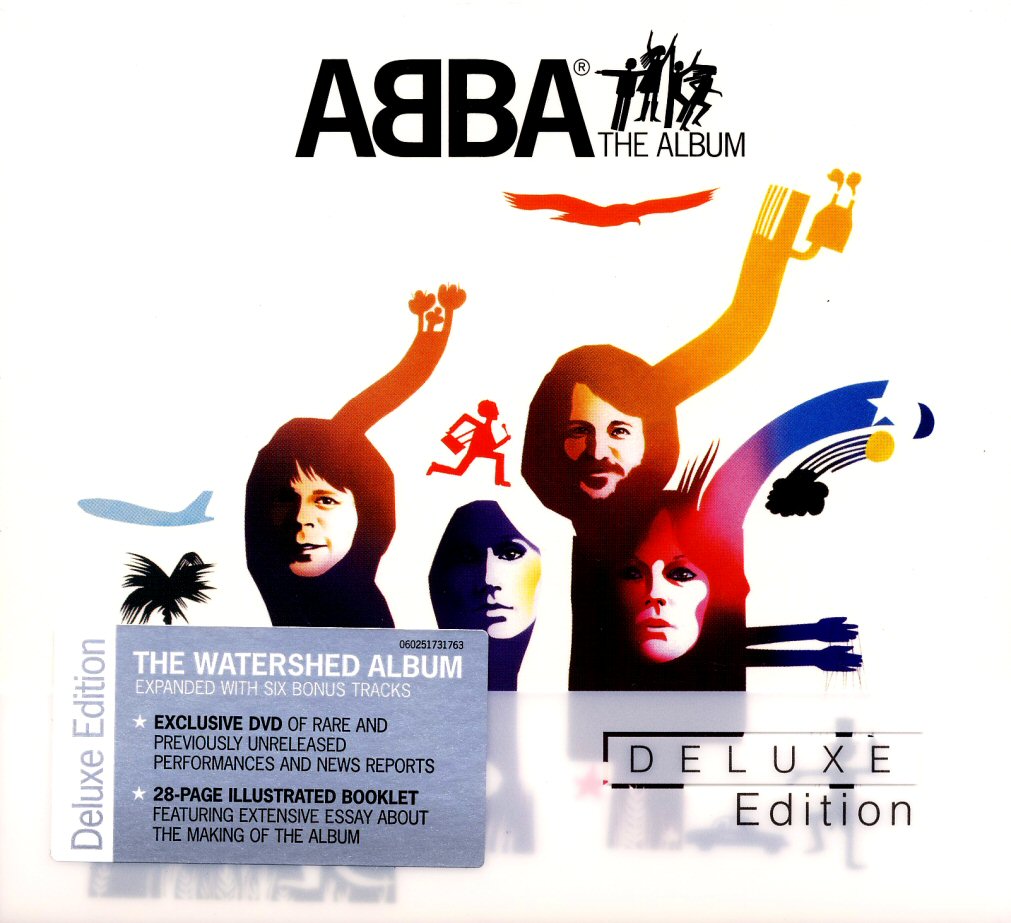
This recording session did not bring many songs but all of them were very mature and very different to the pop pieces released on the previous album "Arrival". Even the cover featured a new, more advanced style. No picture with four happy faces but a painting which was connected to the film project "ABBA The Movie". The opening track "Eagle" belongs to the very top of ABBA classics. It is even the longest song ABBA ever recorded with its 5 minutes 51 seconds. The lyrics were much more interesting and sometimes abstract. Of course there were several pop hits on this LP as well as for instance the second track on this LP was "Take A Chance On Me" which became a real smash hit in both Europe and USA.
Frida sang two beautiful songs: "One Man One Woman" and "I Wonder (Departure)". Agnetha had leadvocals in the ABBA anthem "Thank You For The Music", "Move On" and "Take A Chance On Me".
One more chart topper "The Name of the Game" was performed by the both ladies. The final track on "The Album" entitled "I am A Marionette" had been maybe the most dramatic performance during the ABBA Tour in 1977 but its studio version did not become so good even if it is a wonderful song.
"ABBA The Album" was released in two versions: "the white one" in Sweden & internationally and "the blue one" with gatefold sleeve in Great Britain at the beginning of 1978. The inner sleeve features a picture taken on the Riddarholmen island in Stockholm - go to/ABBA related places.
The singles 1977
The Name Of The Game/I Wonder (Departure) live version
October 17, 1977
Sweden #2
UK #1 chart entry October 22, 1977; 12 weeks
US #12 chart entry January 28, 1978; 9 weeks
Germany #7

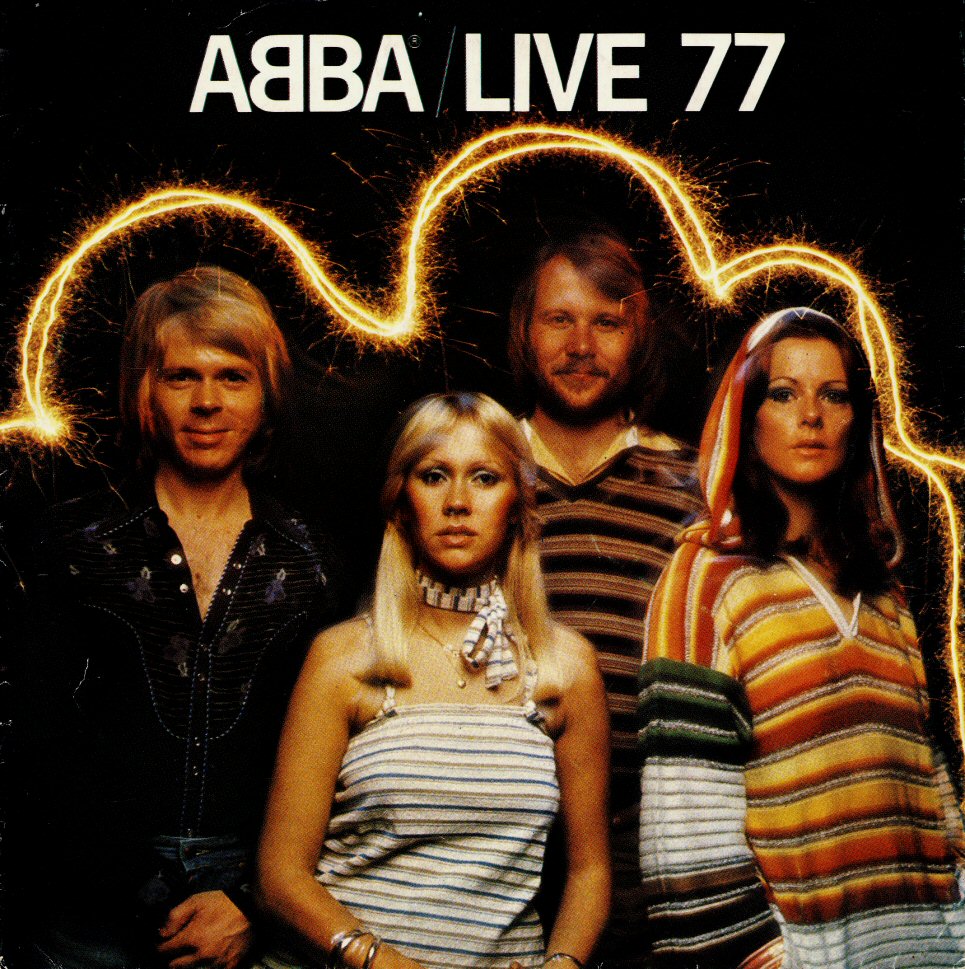
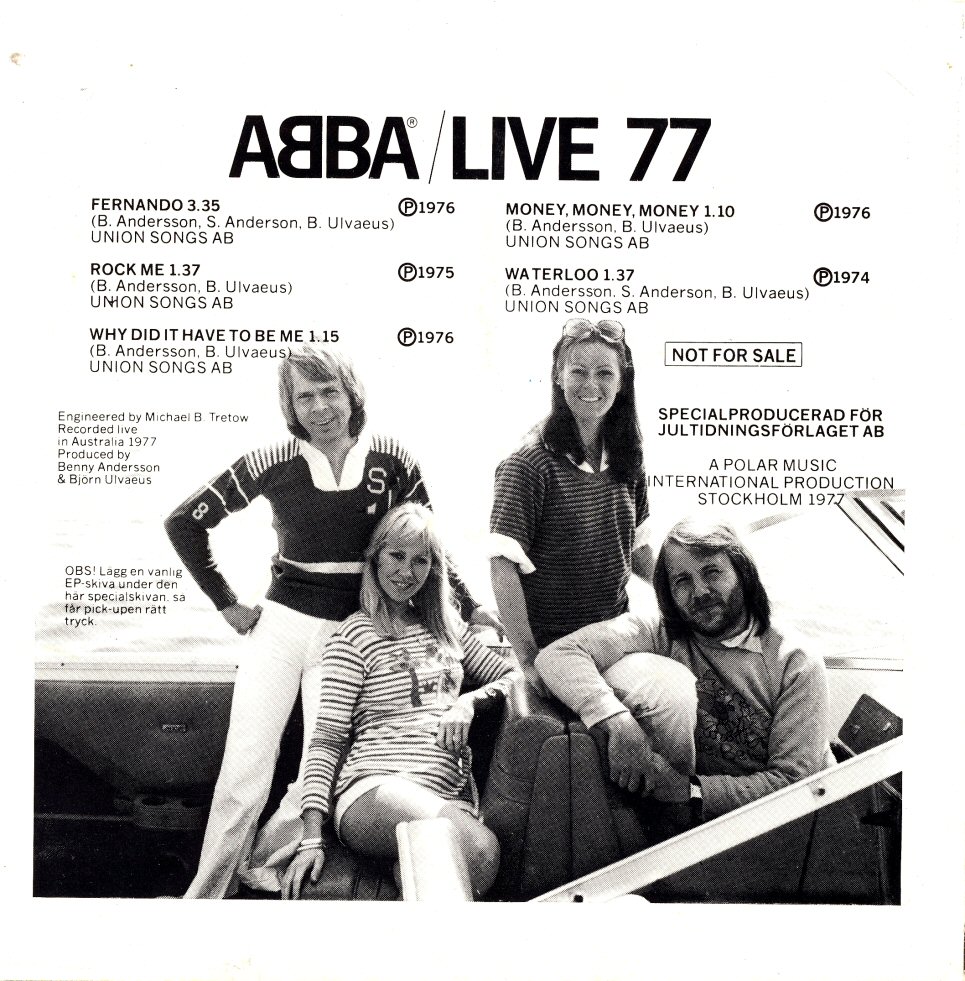
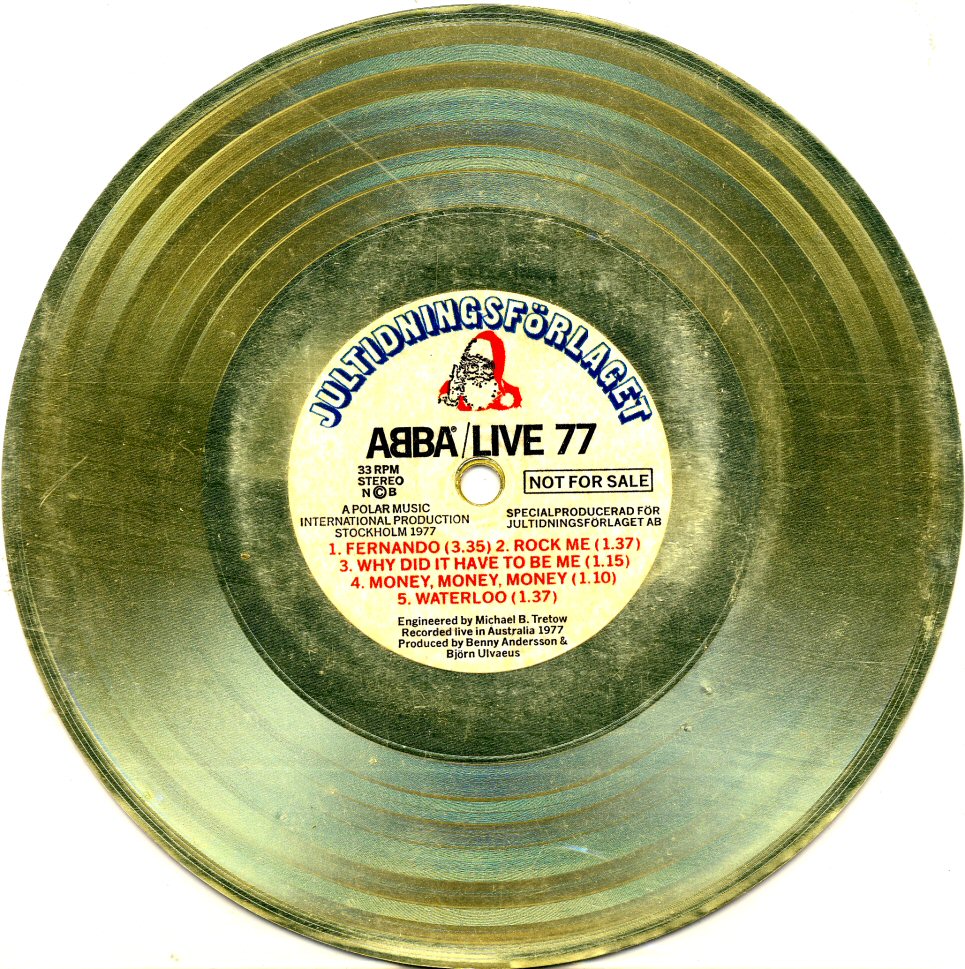
ABBA Live 1977 - flexi disc - no commercial release
December 1977
including:
Fernando/Rock Me/Why Did It Have To Be Me/Money Money Money/Waterloo
|
|
|
|
|
|
The singles 1978
Take A Chance On Me/I am A Marionette
January 1978
UK #1 chart entry February 4, 1978; 10 weeks
US #3 chart entry May 6, 1978; 14 weeks
Germany #3

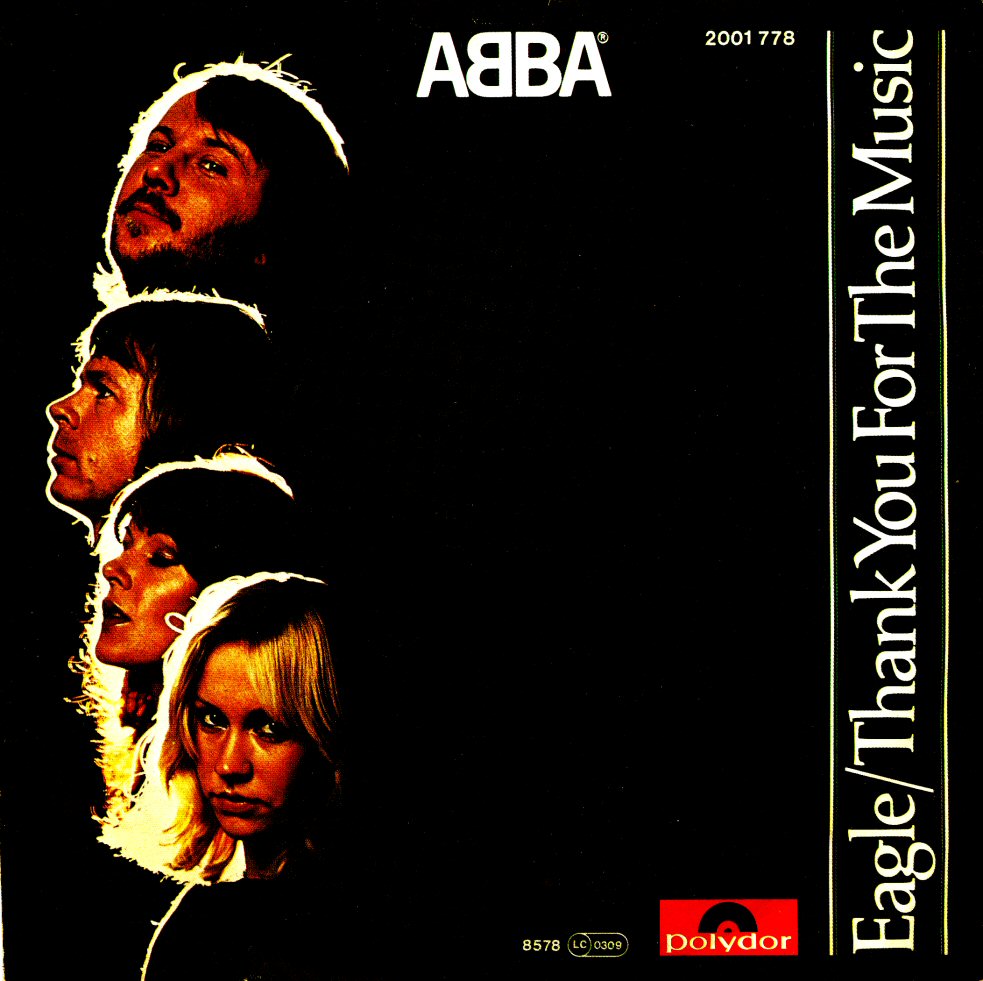
Eagle/Thank You For The Music
May 1978 (in certain territories)
Germany #8
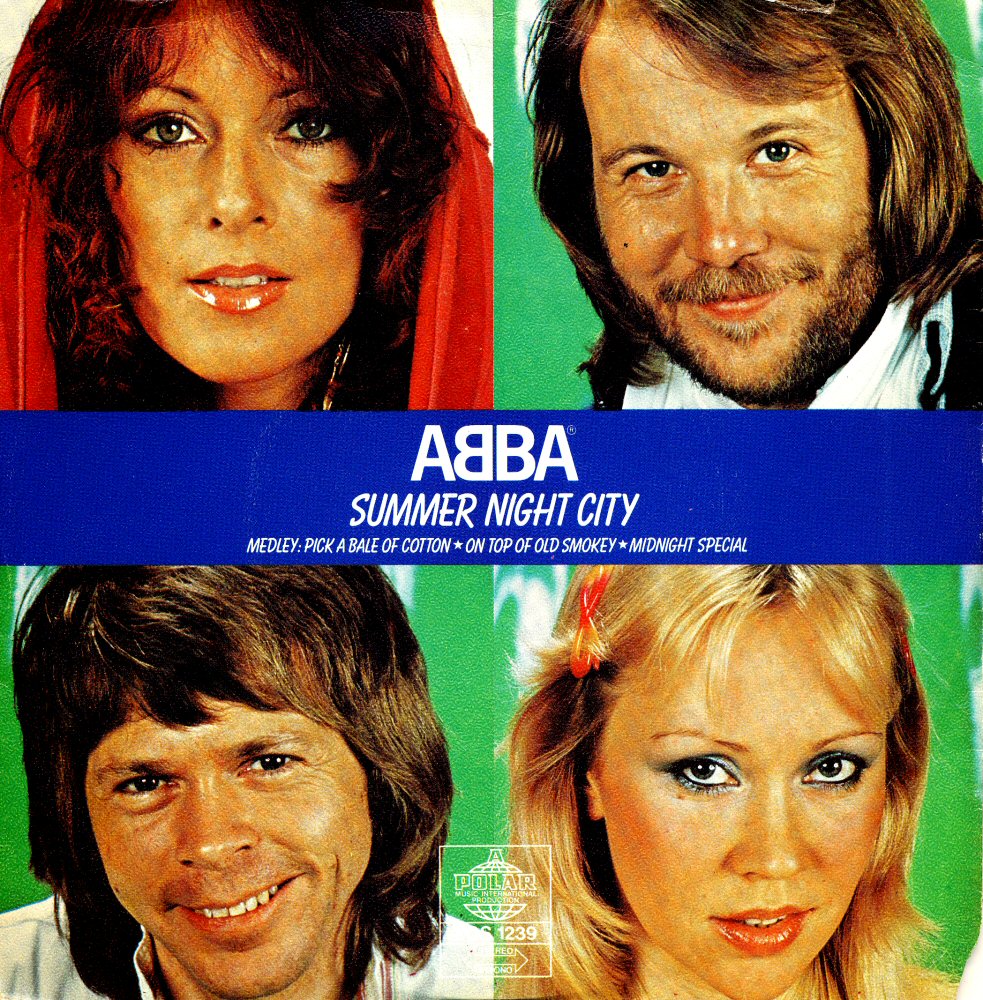
Summer Night City/Medley: Pick a Bale of Cotton, On Top of Old Smokey, Midnight Special
September 6, 1978
Sweden #1
UK #5 chart entry September 16, 1978; 9 weeks
Germany #6
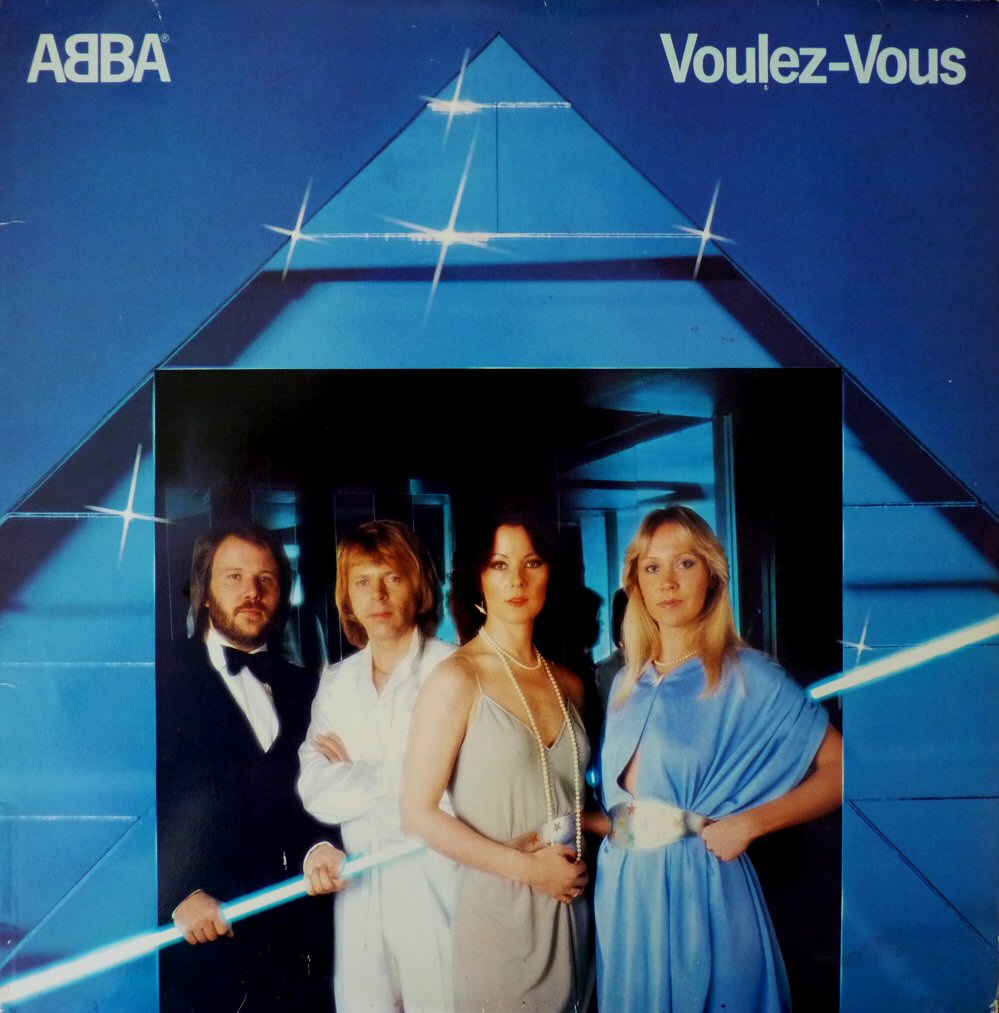
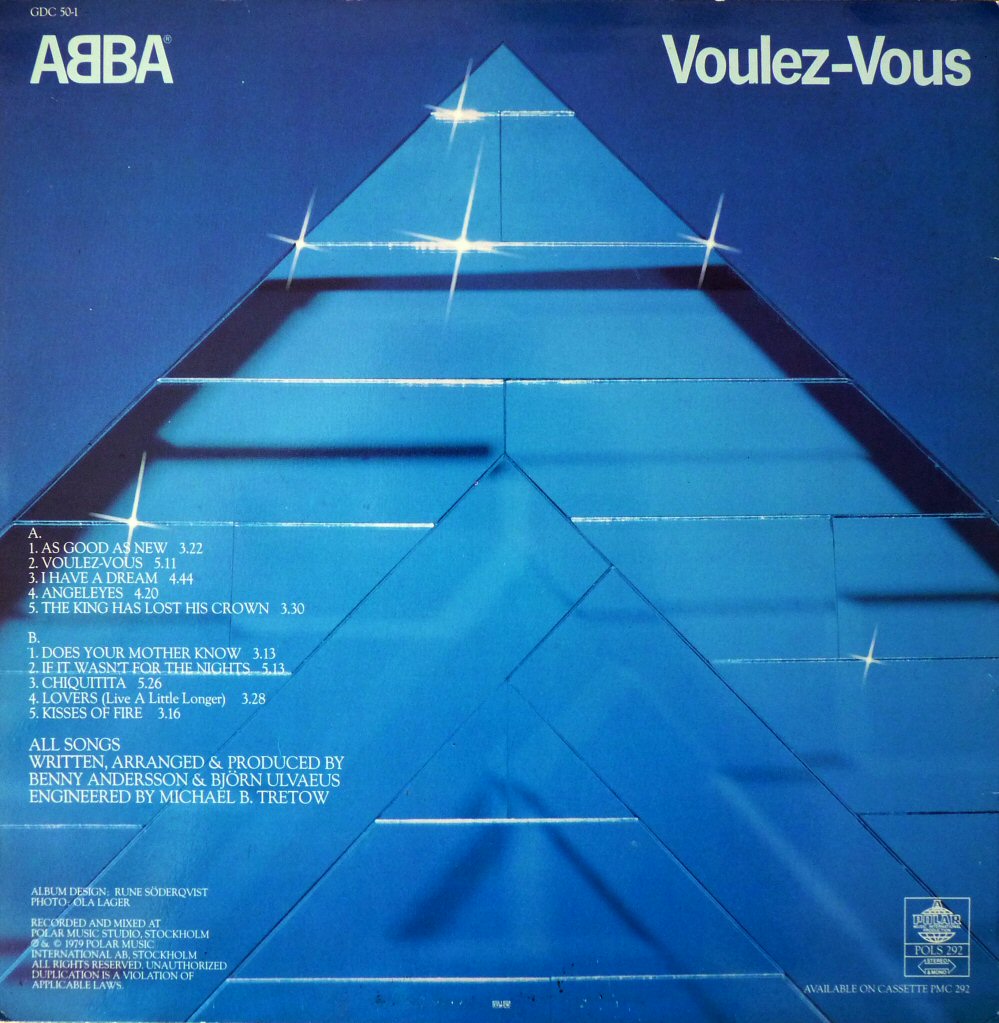
Voulez-Vous, release April 23, 1979
|
|
|
|
|
|
Voulez-Vous? or not?
"Voulez-Vous" was a very awaited album which finally came at the beginning of 1979. After the release of "ABBA The Album" at the end of 1977 and "ABBA The Movie" at about the same time almost nothing happened in 1978. "Summer Night City" was the new song that was released in 1978. It took long time for Björn and Benny to write new songs. Undoubtedly they suffered of a kind of lack of creativity by that time. They threw a lot of new-written material and had difficult to decide which songs should be released.
It was not only the lack of creativity but also the divorce in the group (Björn and Agnetha) which made the atmosphere in the ABBA camp much more heavy. If you listen to this album you can almost hear it.
Agnetha had lead vocal on the first album track "As Good As New" which is a good up-tempo number even if it feels sometimes a little bit messy. The following two single hits - "Voulez-Vous" and "I Have a Dream" are quite typical ABBA songs - the first a piece of good disco music the latter a Greek inspired ballad which was performed by Frida but probably not the best song Frida ever performed.
"Angeleyes" which became later "Angel Eyes" (the original title featured one word which is called by Swedish language teachers for "Swenglish" - a misspelling) was a song which the group members themselves did not like so much but they decided to release it as a single anyway. The last track on the A-side is a wonderful piece sung by Frida "The King Has Lost His Crown". This song should have deserved a little better fate than B-side of the single "Gimme Gimme Gimme" in the autumn 79.
One more big single hit from this album "Does Your Mother Know" was sung surprisingly by Björn and it's maybe a little pity but it did well on the charts anyway. The best song on the album "If It Wasn't For the Nights" was from the beginning thought as the first single from the album but the group decided to release "Chiquitita" instead. Two strong songs were closing the "Voulez-Vous" album though - underestimated wonderful composition "Lovers (Live a Little Longer)" performed by Frida and "Kisses of Fire" sung by Agnetha.
Some people love this LP and some people hate it and I still don't know...
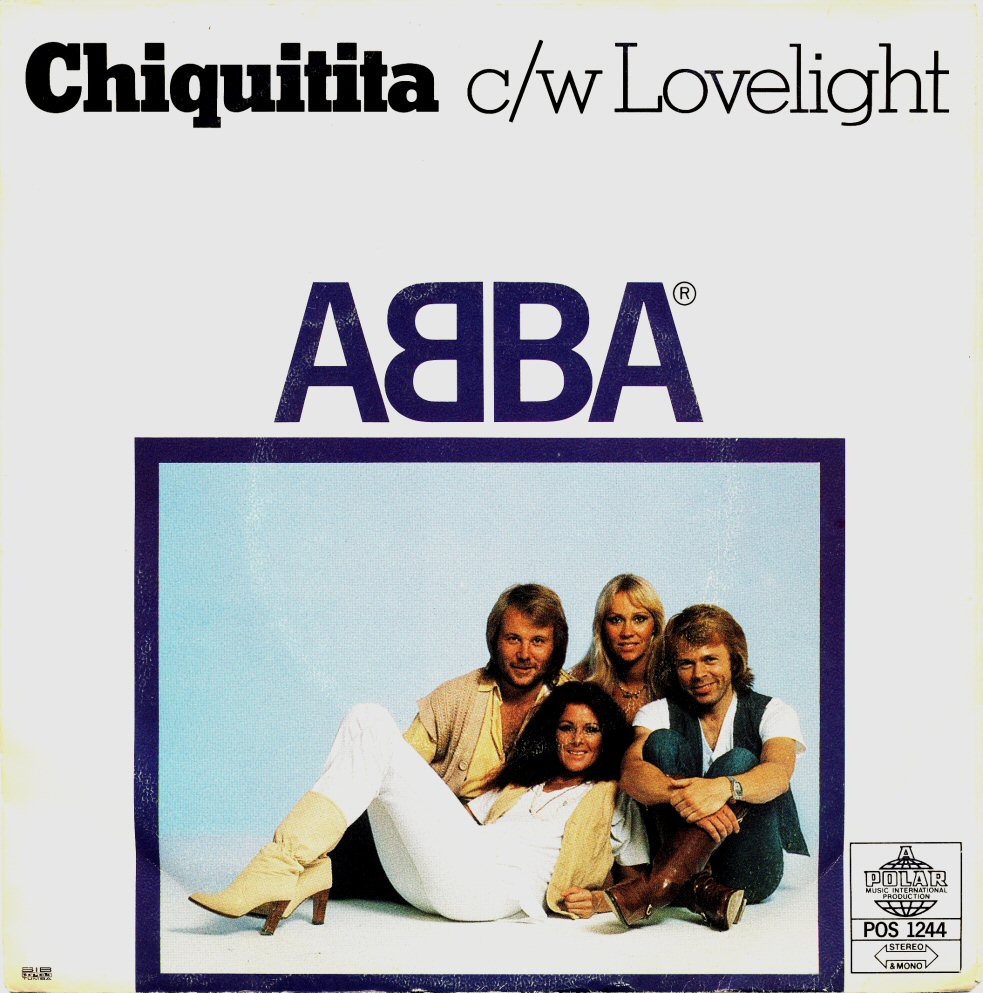
Chiquitita/Lovelight
January 16, 1979
Sweden #2
UK #2 chart entry February 3, 1979; 9 weeks
US #29 chart entry December 8, 1979; 6 weeks
Germany #3
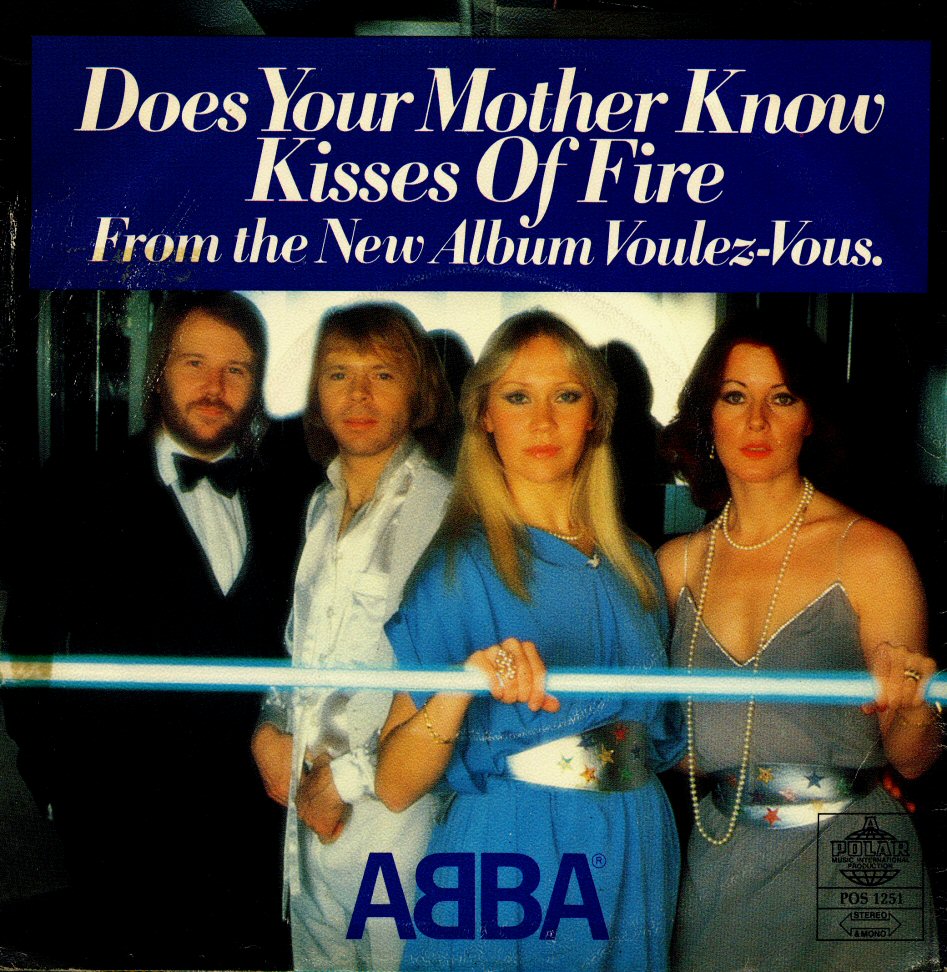
Does Your Mother Know/Kisses Of Fire
April 1979
UK #4 chart entry May 5, 1979; 9 weeks
US #19 chart entry June 9, 1979; 10 weeks
Germany #10
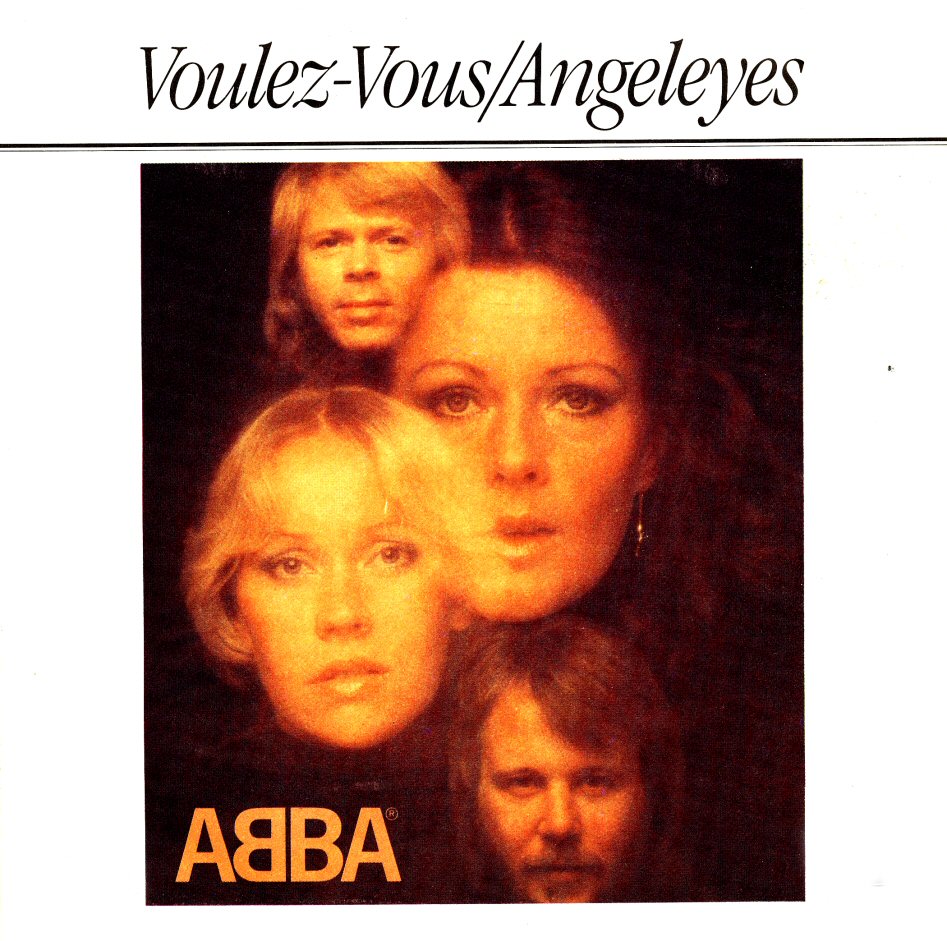
Voulez-Vous/Angeleyes
August 1979
UK#3 chart entry July 14, 1979; 11 weeks
US´#80 Germany #14
Greatest Hits Vol. 2, release October 29, 1979
|
|
|
|
|
|
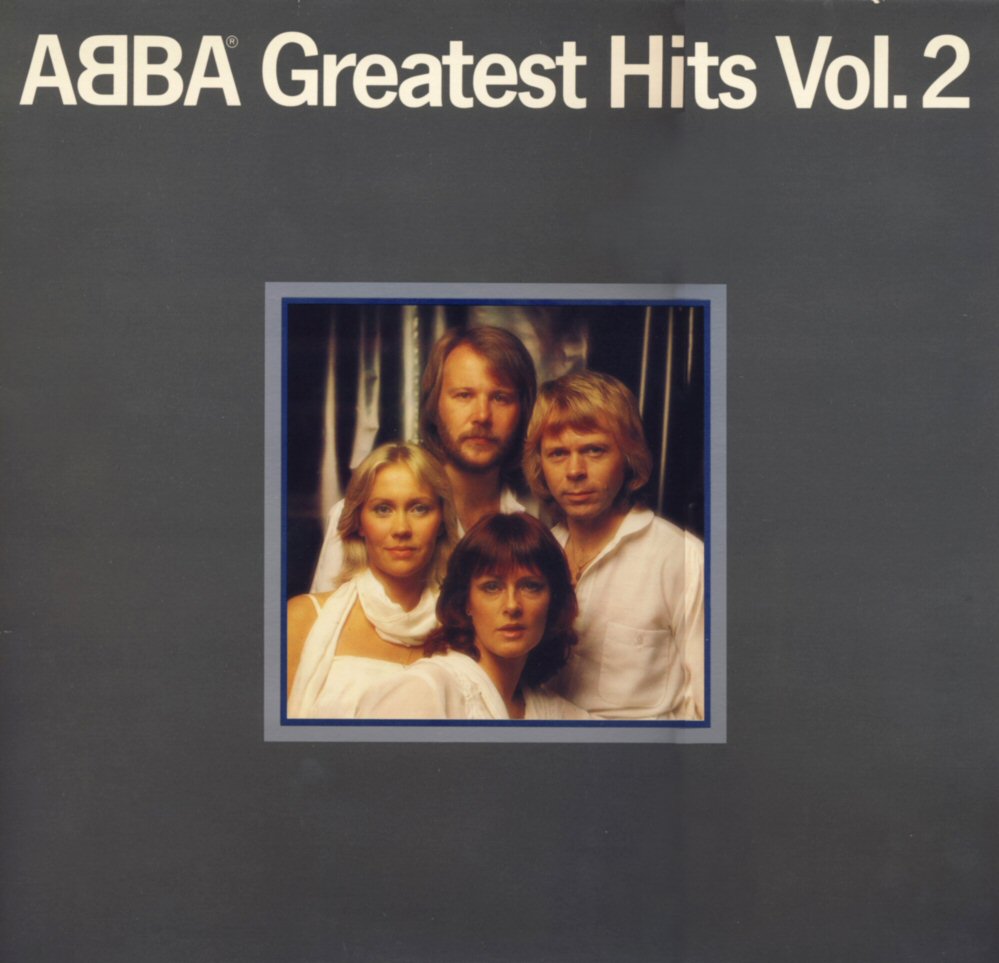
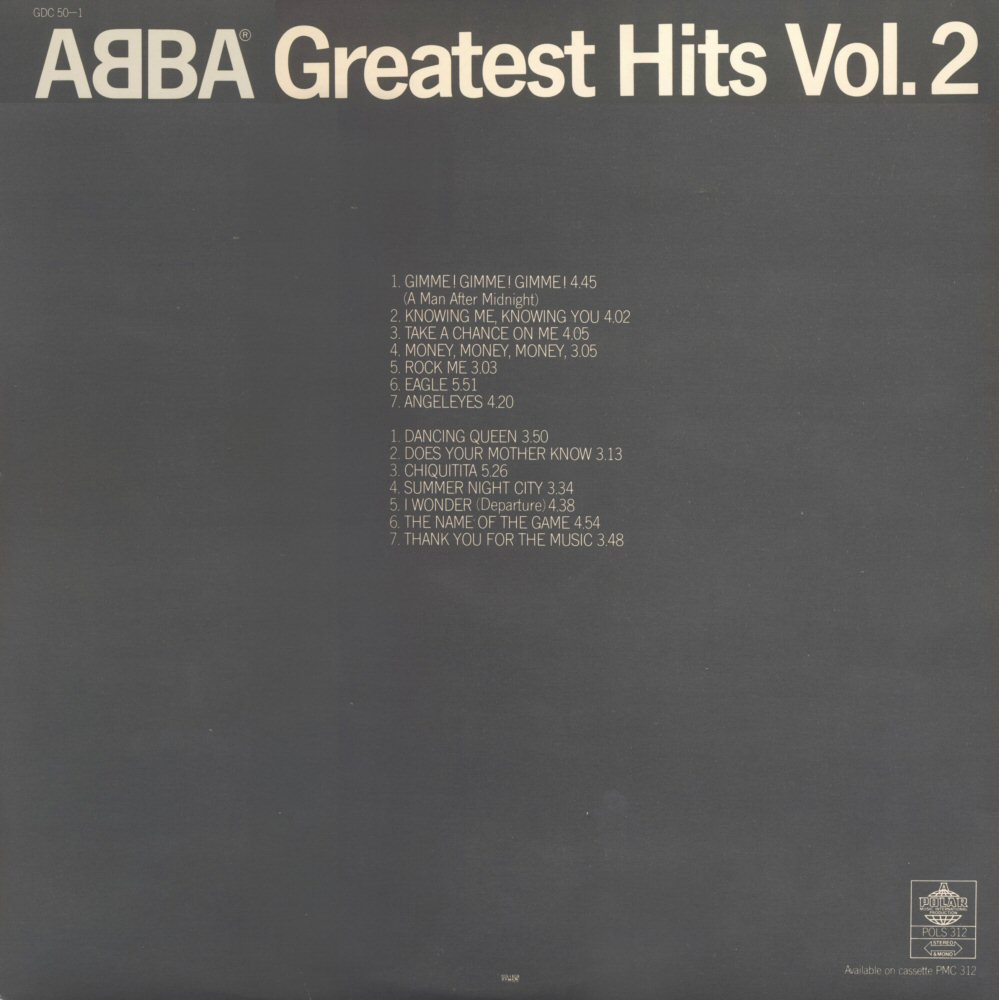
The compilation album with all the hits and some non-single tracks recorded between 1975 and 1979 was released worldwide while ABBA were on their second world tour. The album contained one new song "Gimme Gimme Gimme (A Man After Midnight)" and 13 other tracks.
The singles 1979 /cont/
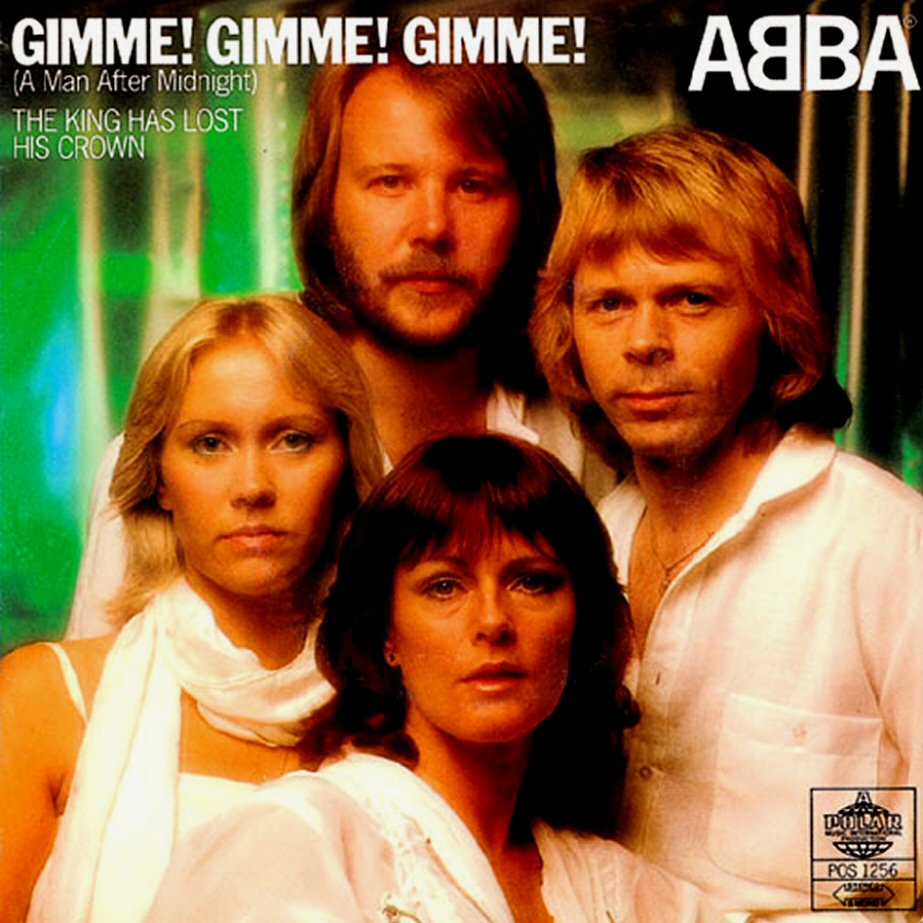
Gimme! Gimme! Gimme! (A Man After Midnight)/The King Has Lost His Crown
October 1979
Sweden #16
UK #3 chart entry October 20, 1979; 12 weeks
Germany #3
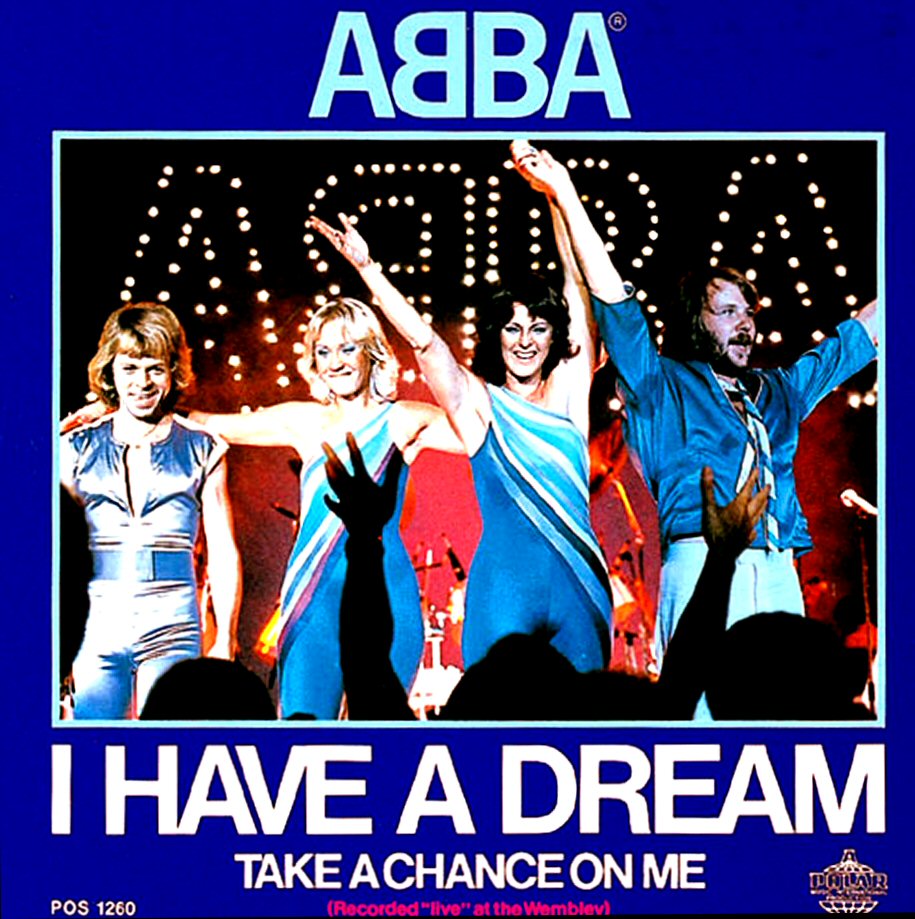
I Have A Dream/Take A Chance On Me (live)
December 1979
UK #2 chart entry December 15, 1979; 10 weeks
Germany #4
Gracias Por La Musica, release June 23, 1980
|
|
|
|
|
|
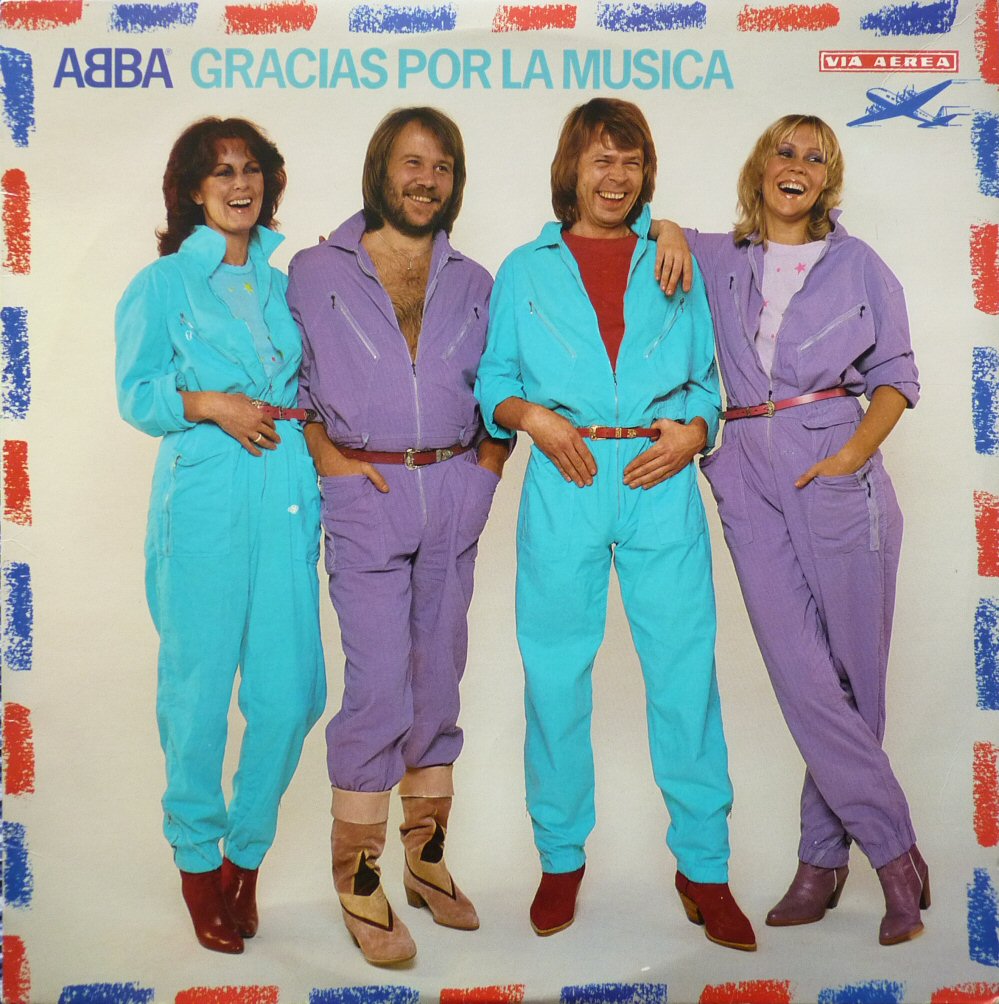
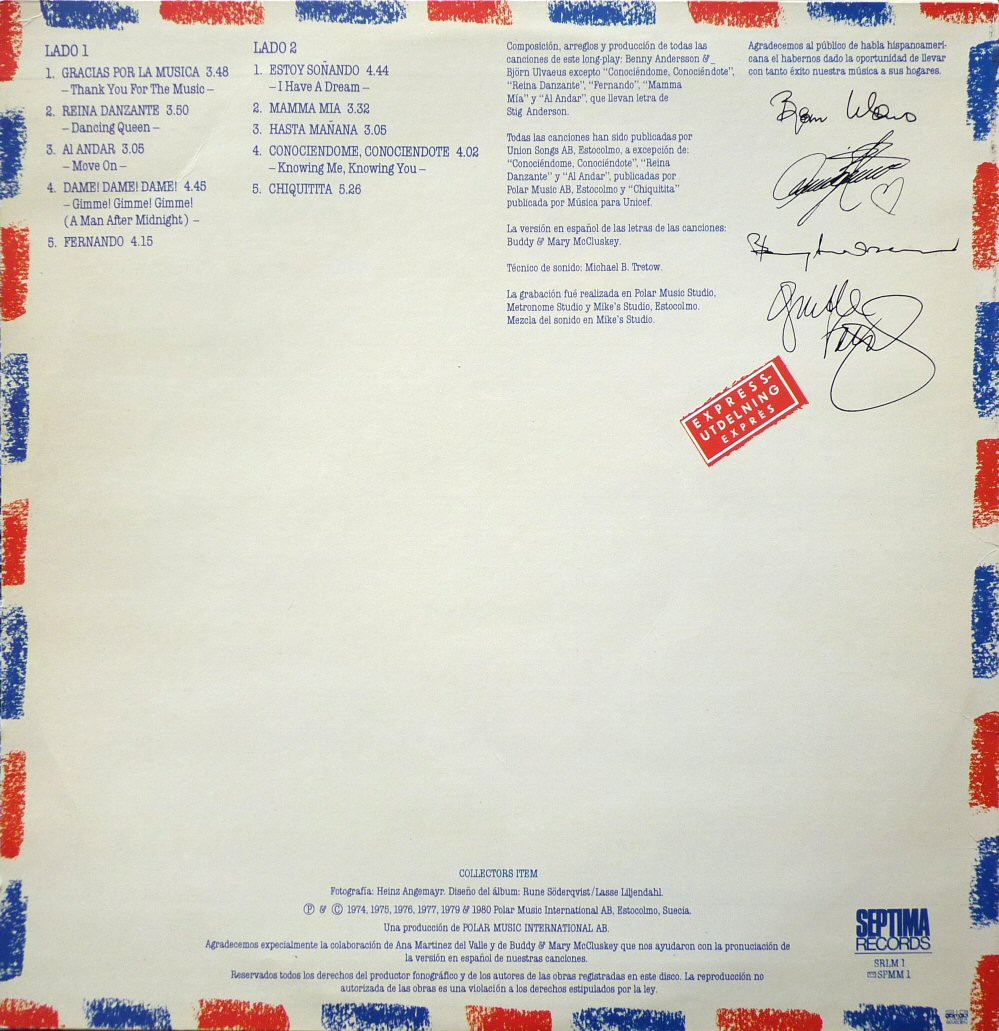
Due to the great success of "Chiquitita" sung in Spanish in South America and Spain ABBA decided to record a whole album in Spanish. The main work was done by Agnetha and Frida in January 1980. Benny and Björn were working only with the promotion of the album in Spain.
more go.to/Gracias Por La Musica
Super Trouper, release November 3rd, 1980
|
|
|
|
|
|
Simply super!
"Super Trouper" was released in the Autumn of 1980. Benny had just discovered the world of synthesizers and it is heard very clearly on this album. It is not so difficult to see Benny and Micke Tretow sitting in the studio and trying to create new sounds.
Björn delivered the best up-to-date lyrics featuring of course "The Winner Takes It All". The title track was written only a couple of weeks before the release of the album but it sounds as if it had been recorded with the other songs and thought from very beginning to be the title song. It was sung by Frida and became the second no 1 single from this LP in the UK.
But the biggest hit in 1980 and one of the biggest ABBA hits ever was "The Winner Takes It All" where Agnetha sang about her own... divorce. Lots of feelings and of course lots of sadness no doubt the best choice for Agnetha to sing leadvocal. "The Winner Takes It All" backed by "Elaine" (a non-LP track) was released on the single in the summer 1980 and I can still recall that it was a beautiful summer in Europe.
A new, heavy sound was represented by "On and On and On" which was played in all disco clubs in Europe. The lyrics are maybe little hard to understand and even Björn himself does not know exactly what he wanted to express with them.
Two songs sung by Frida close the side A of the LP. "Andante Andante" is a nice ballad which is very suitable for listening in the summertime and "Me and I" is much more psychological song about two sides of the same person. The first song on the B-side "Happy New Year" is still being played as a New Year's anthem and... I still don't know how Björn knew that something would happen in the world in 1989 (the end of communism in Europe and the reunion of Germany). Agnetha was singing lead vocals with some Swedish accent especially in the word "champagne".
"Our Last Summer" was one more "summer" song sung by Frida on the LP released in the dark autumn. The story in this song was about a summer love in Paris.
One of the most underestimated songs on the album is definitely "The Piper" with a great melody and interesting lyrics.
Agnetha had one more single hit on the album: "Lay All Your Love On Me". This dance song was released in the summer of 1981 as a maxi single. Nobody expected that it would enter Top Ten on the British charts but it did reaching position no 7.
Finally an interesting surprise "The Way Old Friends Do" in live version from Wembley. It is still a mystery to me why this track was included on this LP. Agnetha said in an interview that "this song went out so well" that they decided to release it on the LP. The omitted track "Put On Your White Sombrerro" (released in 1994 on the ABBA Box) would be a much better choice for including on this album.
The cover was very good during the LP period but it is not so god in the CD period as the faces are too little. Both the cover and a couple of videos were made during this afternoon at the beginning of October 1980.
The singles 1980
The Winner Takes It All/Elaine
July 21, 1980
Sweden #2
UK #1 chart entry August 2, 1980; 10 weeks
US #8 chart entry December 27, 1980; 16 weeks
Germany #4

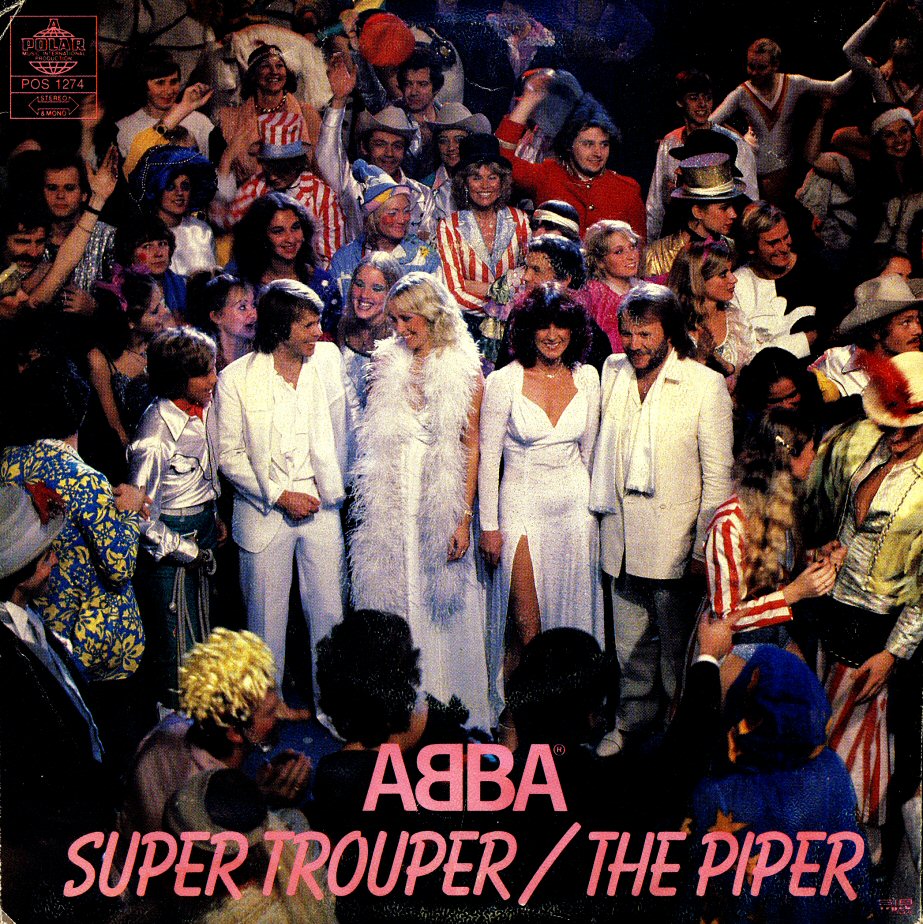
Super Trouper/The Piper, November 1980
Sweden #11
UK #1 chart entry November 15, 1980; 12 weeks
US #45 Germany #1
Lay All Your Love On Me/On And On And On 12"
UK #7 chart entry July 18, 1981; 7 weeks

The Visitors, release November 30, 1981
|
|
|
|
|
|
The last album
Benny and Frida separated at the beginning of 1981 and nobody thought that ABBA would continue. But they did and it was hard time as they say today. It was difficult to write new songs and it was difficult to work together because they did not want to work together any more. It took more than one year to complete this album containing only 9 songs. They released all stuff they recorded during those sessions.
Agnetha and Frida did not sing together any more. Agnetha had leadvocal in four songs as well as Frida and one song was sung by Björn.
The opening track "The Visitors (Crackin' Up)" sung by Frida was about dissidents in East Europe. Björn did not want to reveal more about it. The melody was quite different to the "usual" ABBA - dark in some way. Even Frida's voice was different here.
"Head Over Heels" was sung by Agnetha and it was a "funny" song which probably described Frida a little if you watch the video.
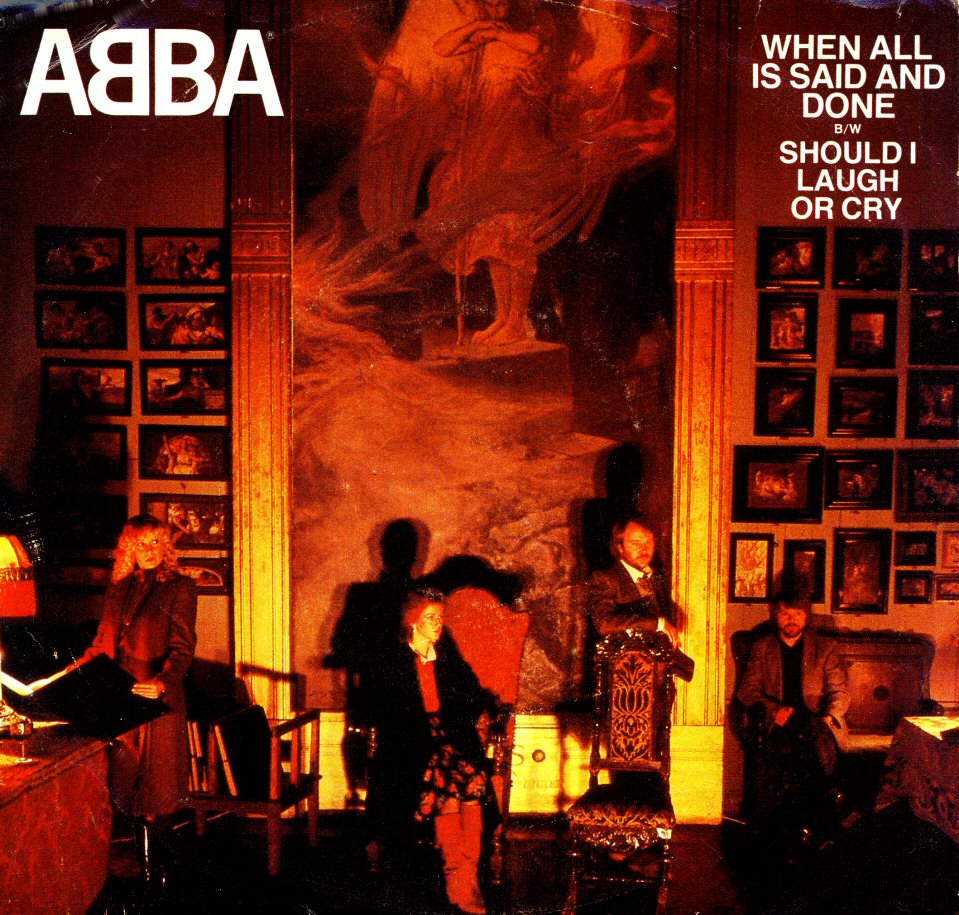
One more "dark" song was "When All Is Said And Done" which was. Frida and Benny's own "divorce song".
My absolute favorite "Soldiers" seems to be totally forgotten. Heavy sound and lyrics not necessarily about unhappy love can be a good mix for Agnetha's voice anyway.
Frida got a possibility to try musical again performing "I Let The Music Speak". Absolutely different song in many ways being one more confirmation that Björn and Benny wanted to start their musical career.
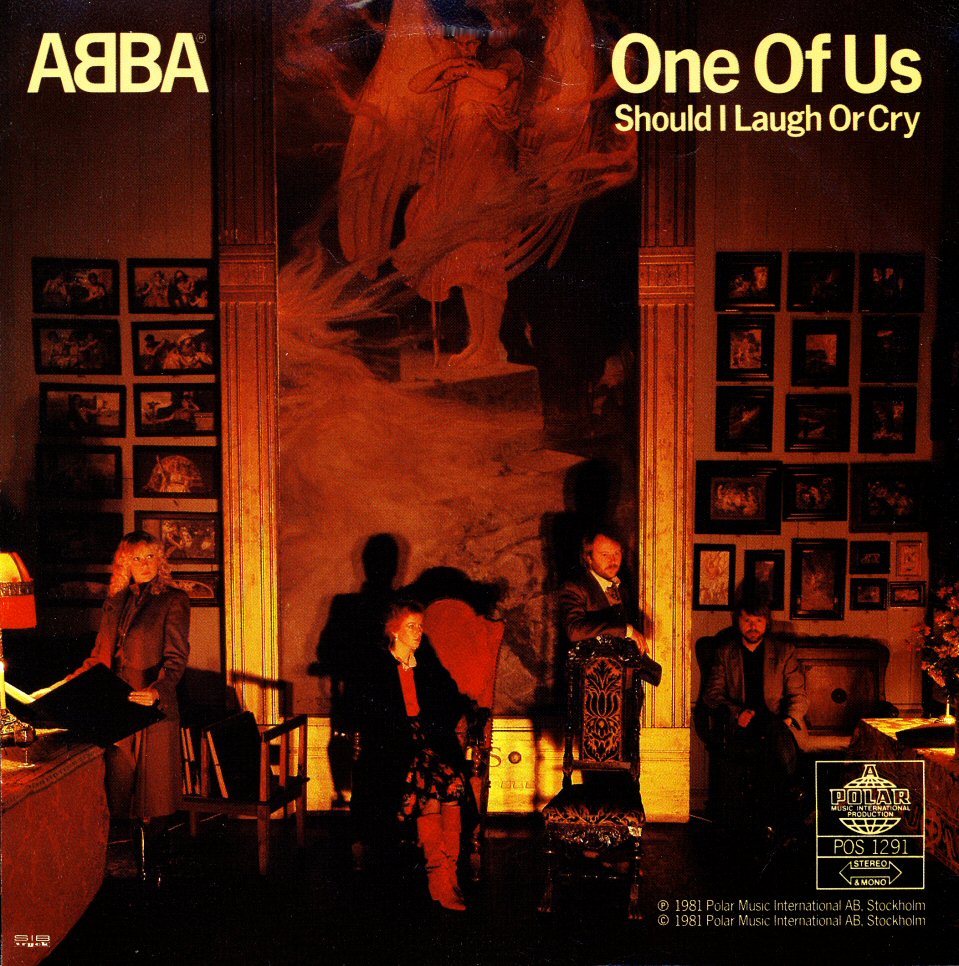
"One of Us" brings us back to the old and classical ABBA. It was natural to release this song as the first single from the album as there were not so many choices. While "One of Us" tried to conquer Europe (with quite good results) "When All Is Said and Done" was chosen for USA.
Björn had leadvocal in "Two For The Price of One" - the song which does not fit on this album but it was quite funny anyway.
A beautiful ballad sung by Agnetha "Slipping Through My Fingers" was about her daughter Linda.
The last song on the album performed by Frida and Benny was "Like An Angel Passing Through My Room".
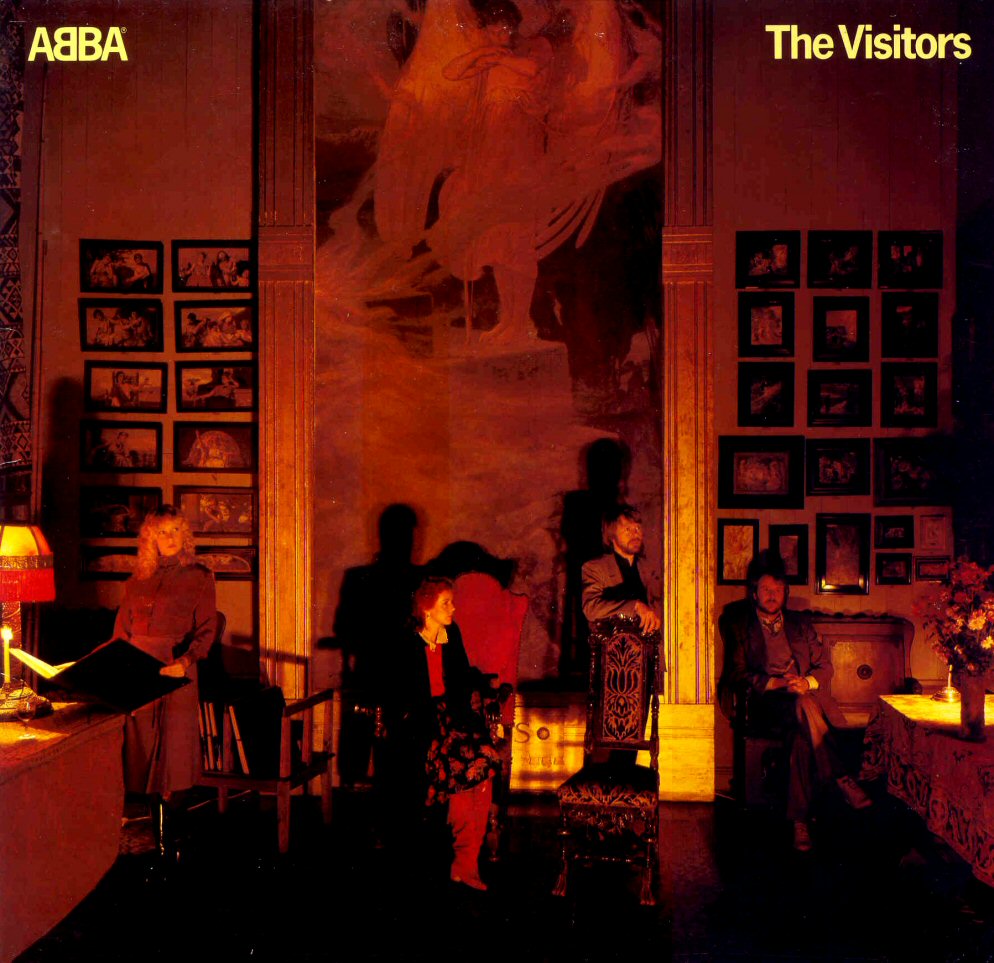
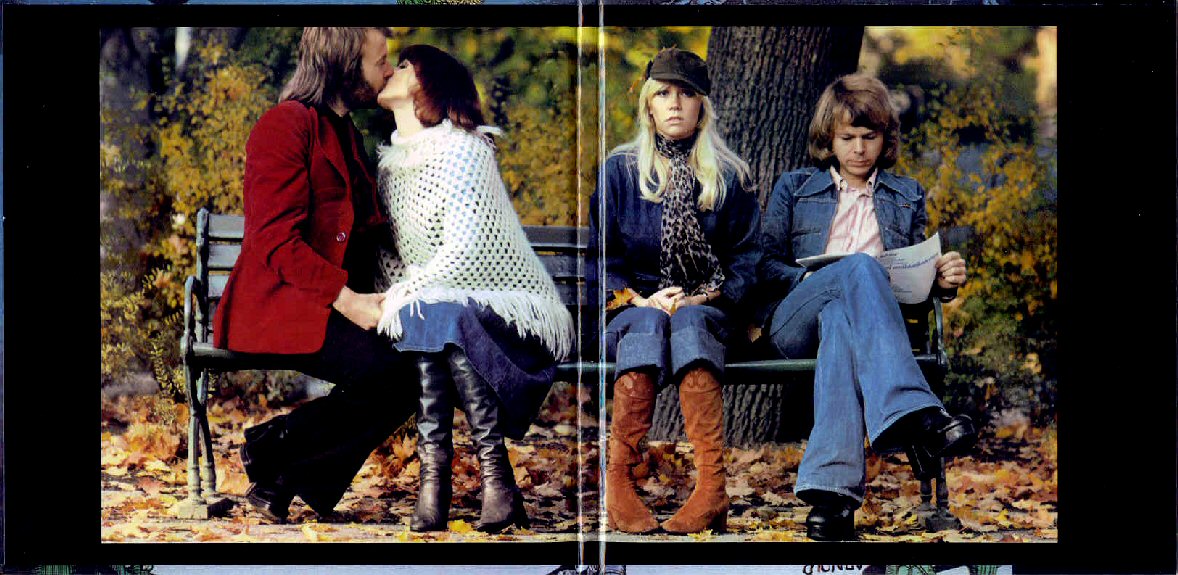
The cover shows four people sitting and standing and thinking about four different things as if they did not know each other. Everybody thought in December 81 that the ABBA story was definitely over but it was not. Not yet.
One Of Us/Should I Laugh Or Cry
December 7, 1981
Belgium, Netherlands, West Germany #1 Sweden #2
UK #3 chart entry December 12, 1981; 10 weeks
When All Is Said And Done/Should I Laugh Or Cry
was released in USA and some other territorries as the first single from "The Visitors"
US #27, chart entry February 6, 1982; 8 weeks
Head Over Heels/The Visitors
March 19, 1982
UK #25 chart entry February 20, 1982; 7 weeks
West Germany #19 chart entry March 8, 1982

The Singles - The First Ten Years, release November 8, 1982
|
|
|
|
|
|
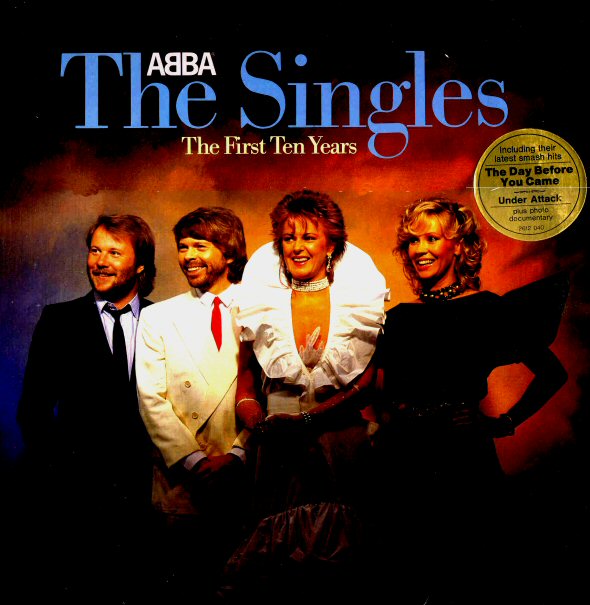
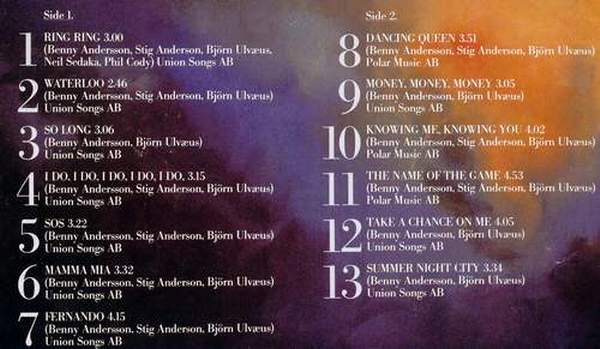
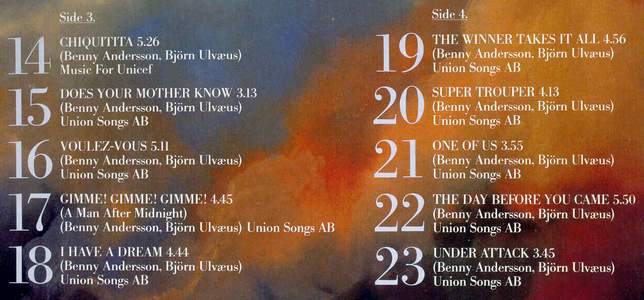
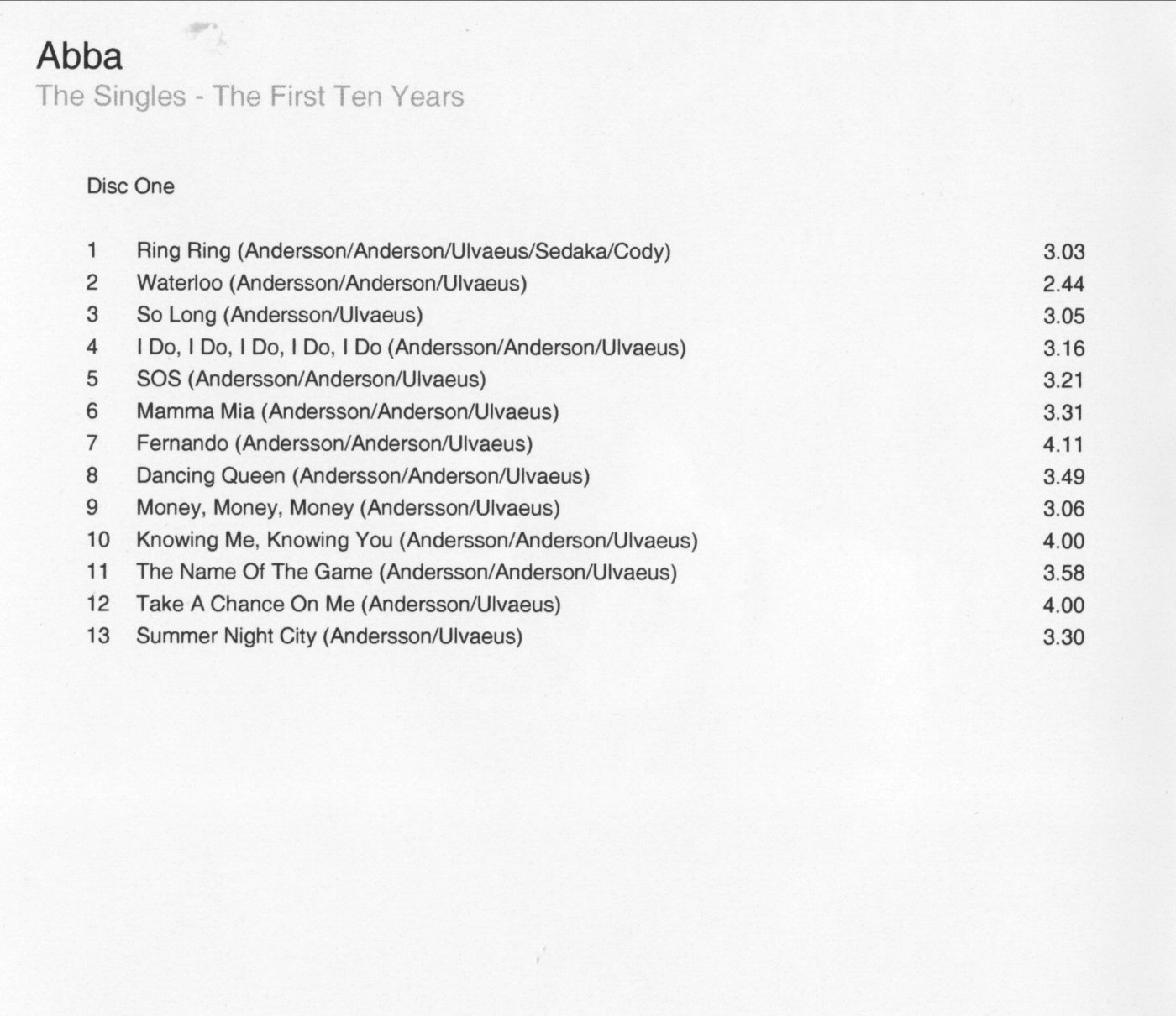
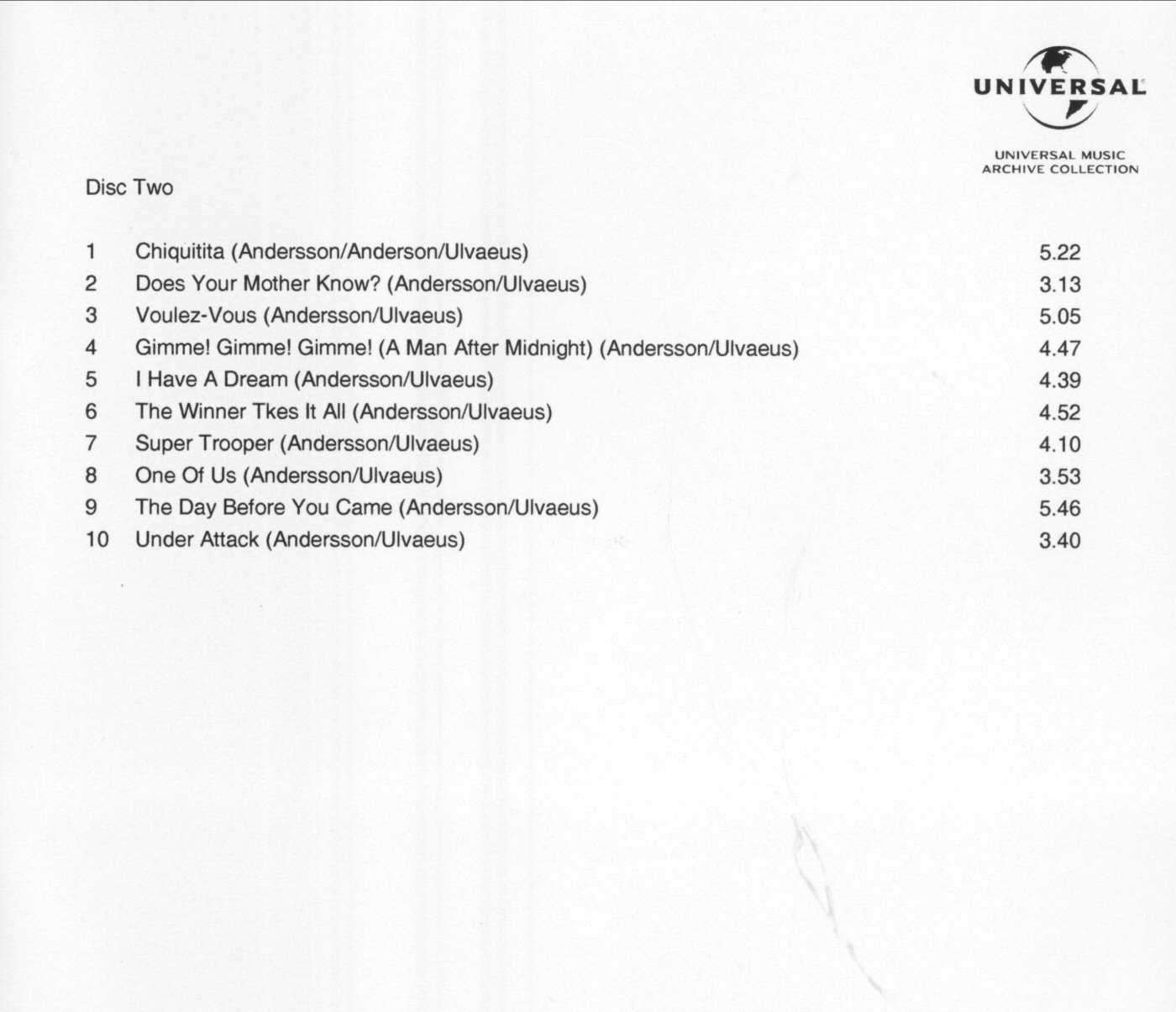
The very last release from ABBA as active group by that time. This double official compilation album contained 23 songs. Two of them were new, recorded in the summer of 1982 the other 21 the biggest ABBA hits. Totally 4 new songs would be released on two new singles in 1982 and in the beginning of 1983.
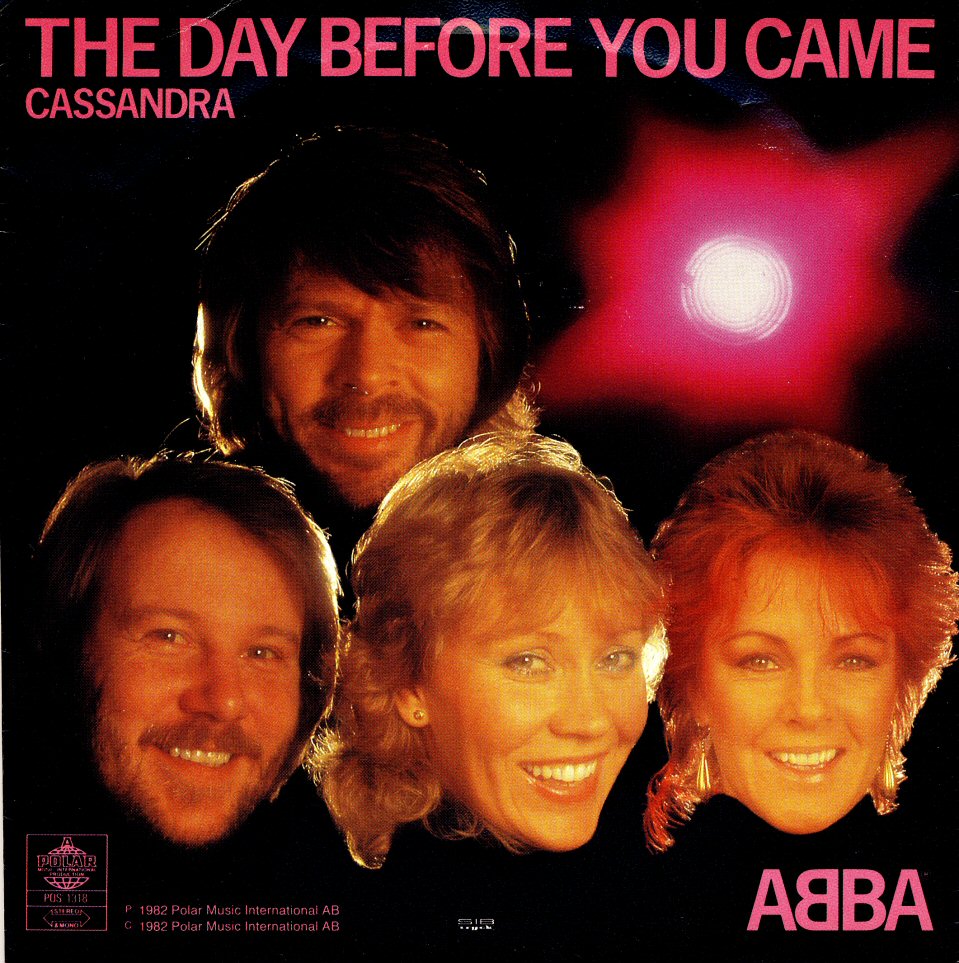
The Day Before You Came/Cassandra
October 18, 1982
UK #32 chart entry October 23, 1982; 6 weeks
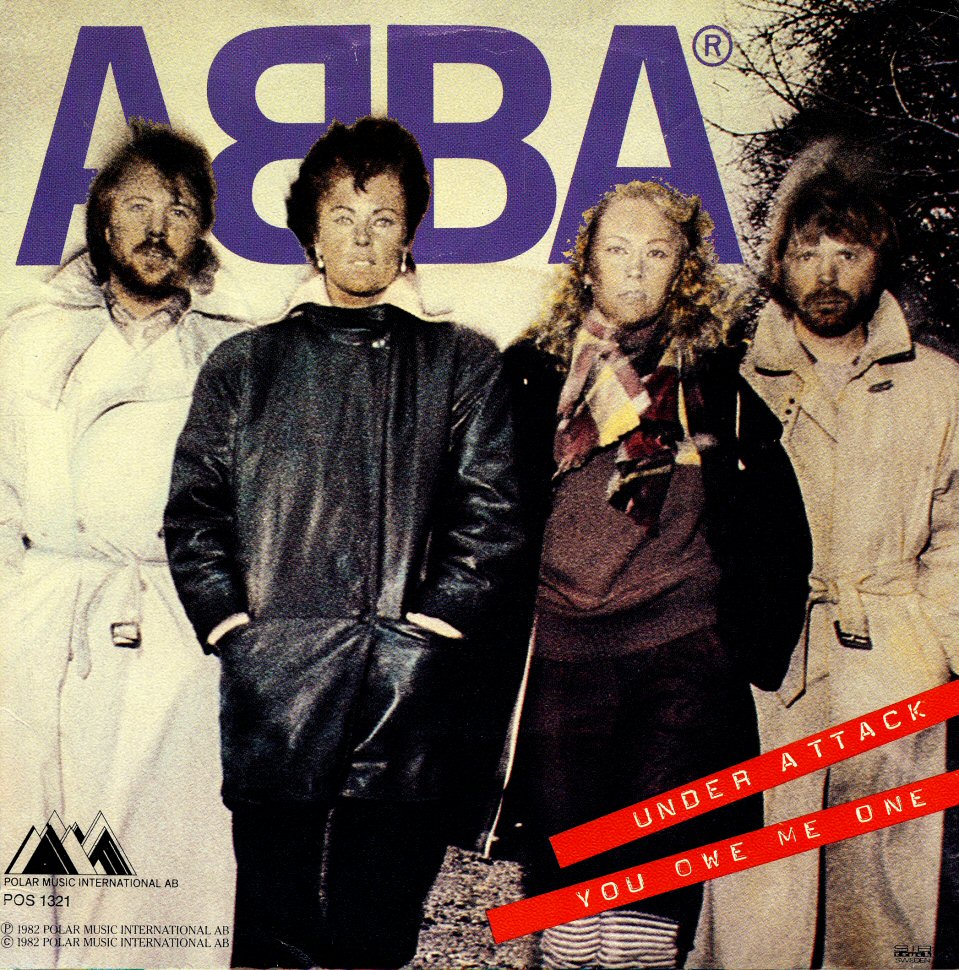
Under Attack/You Owe Me One
February 21, 1983 (Scandinavia)
UK # 26 chart entry December 11, 1982; 8 weeks
West Germany #22, chart entry January 3, 1983
Thank You For The Music - UK compilation release November 1983
|
|
|
|
|
|
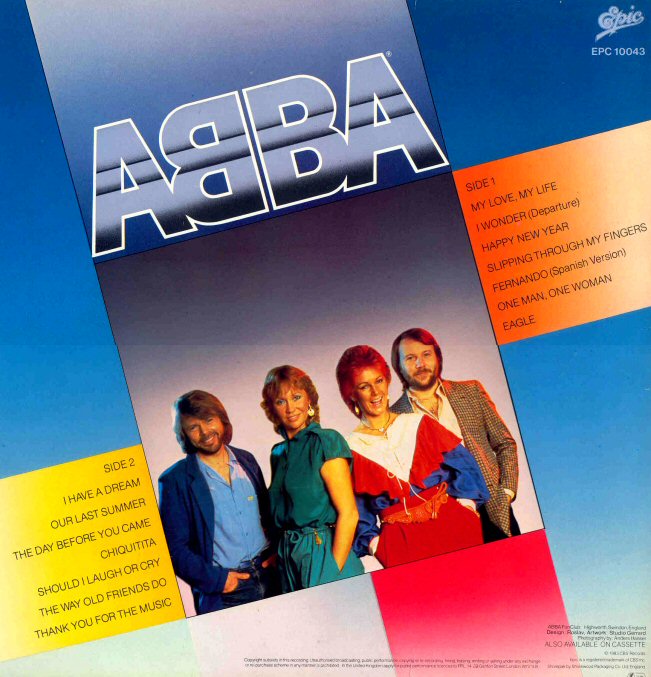
The last successful ABBA compilation in this decade contained 14 ballads. The compilation reached number 17 on the British chart and stayed there for 12 weeks. Some rarities as "Should I Laugh Or Cry" (never previously released on LP) and Spanish version of "Fernando" were included.
Thank You For The Music/Our Last Summer
November 12, 1983
UK #33 chart entry November 12, 1983; 6 weeks
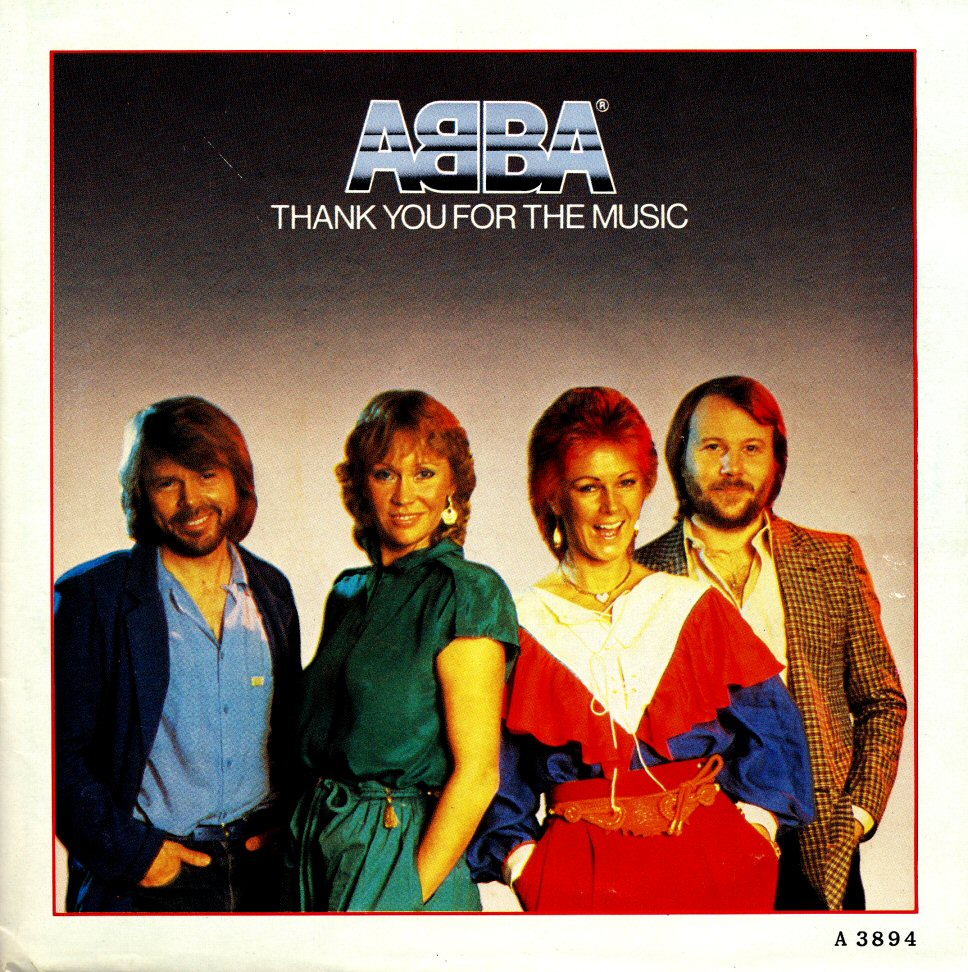
ABBA compilations from all over the world
go.to/ABBA The Compilations & More
ABBA Live, release August 18, 1986
|
|
|
|
|
|
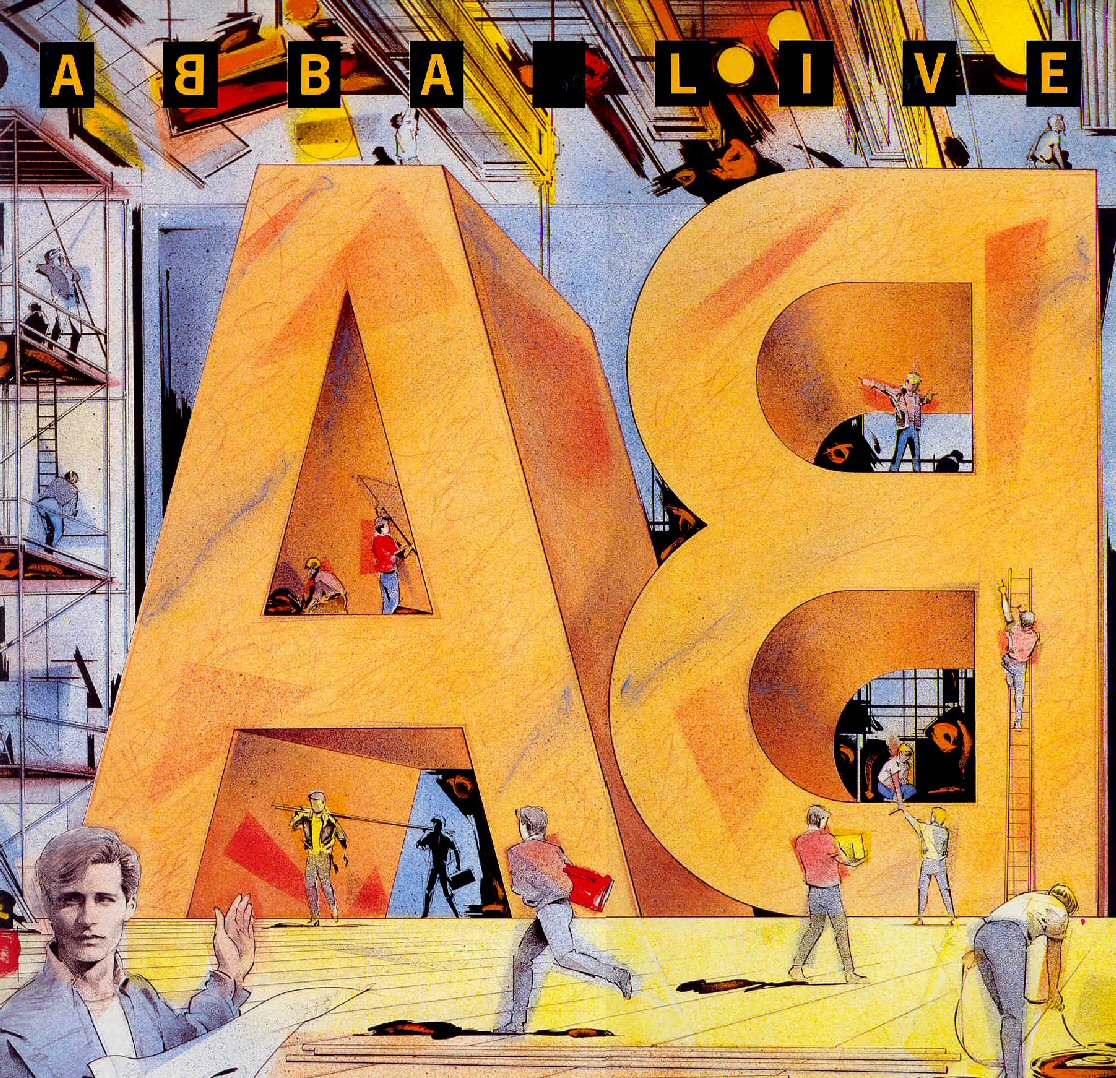
This "live" album featured songs from various performances both from the 77 & 79 tours and the Dick Cavett show in 1981. All material had been remixed in the studio by Michael B. Tretow and it sounded as something between studio and live recording. There is not so much "live" feeling there and the songs were not released in the same order as ABBA performed them in concert. The first track on the album was "Dancing Queen" which originally used to be the last track on ABBA concerts in 1979. One of the best ABBA performances "Summer Night City" was not included. It appeared on Swedish compilation album "Sommarlov" in 1983 (go.to/ABBA compilations for more info). The album was released on LP and CD and the latter contained 4 extra tracks (Money Money Money/The Name Of The Game/Eagle and On And On And On).
go.to//
1992 1993 1994 1996 1998 1999 2001 2002 2003 2004 2005 2006 2007 2008 2009 2010 2011 2012 2013 2014 2021 2022
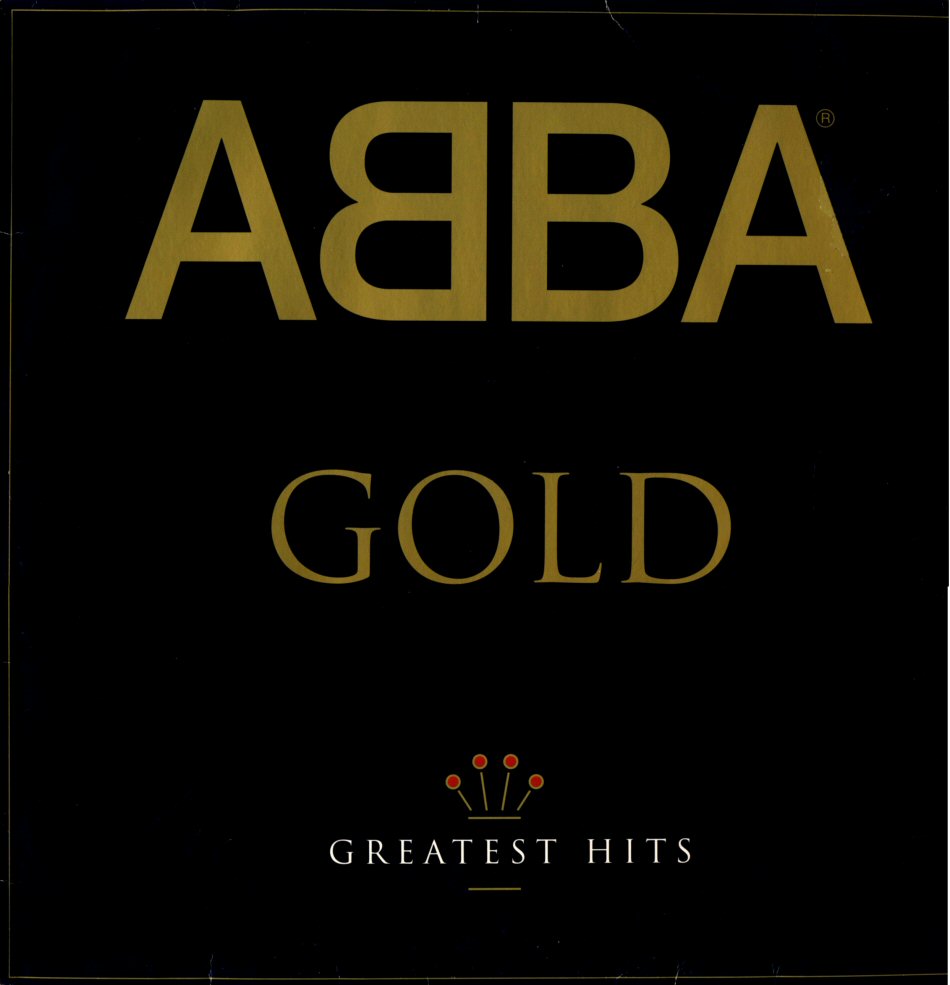
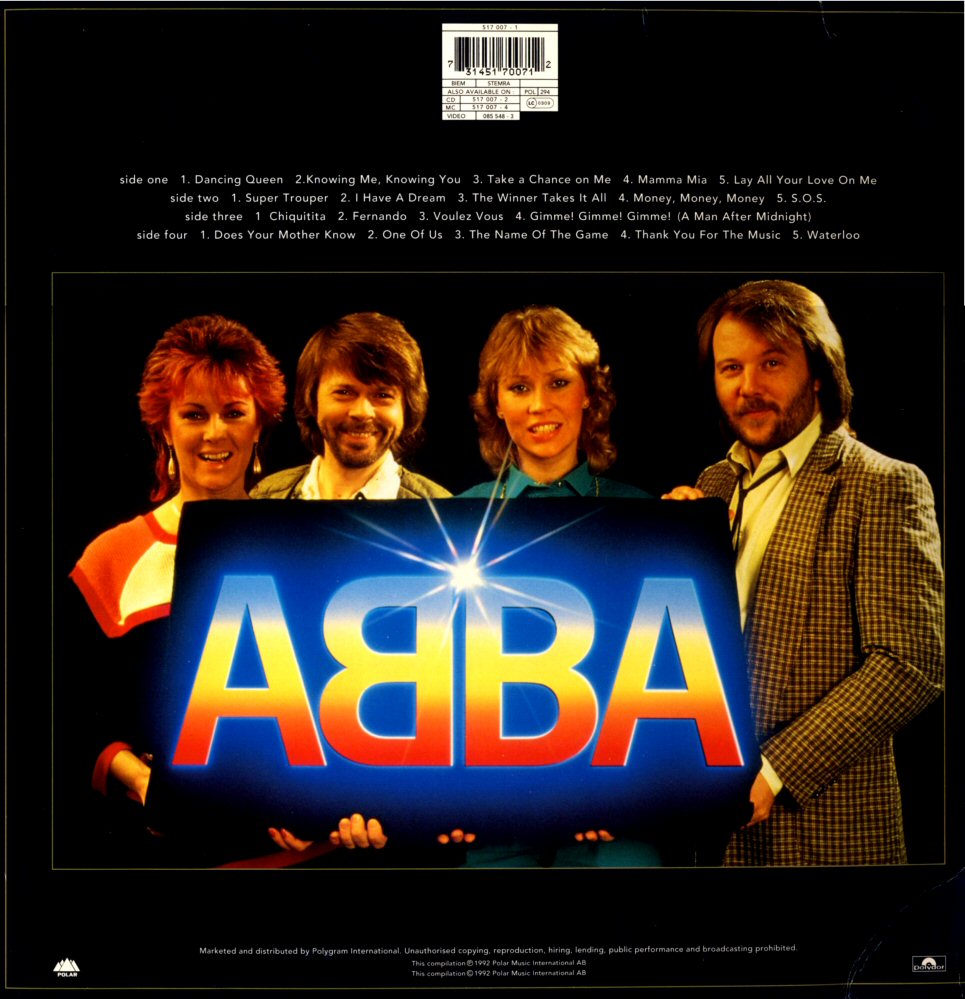
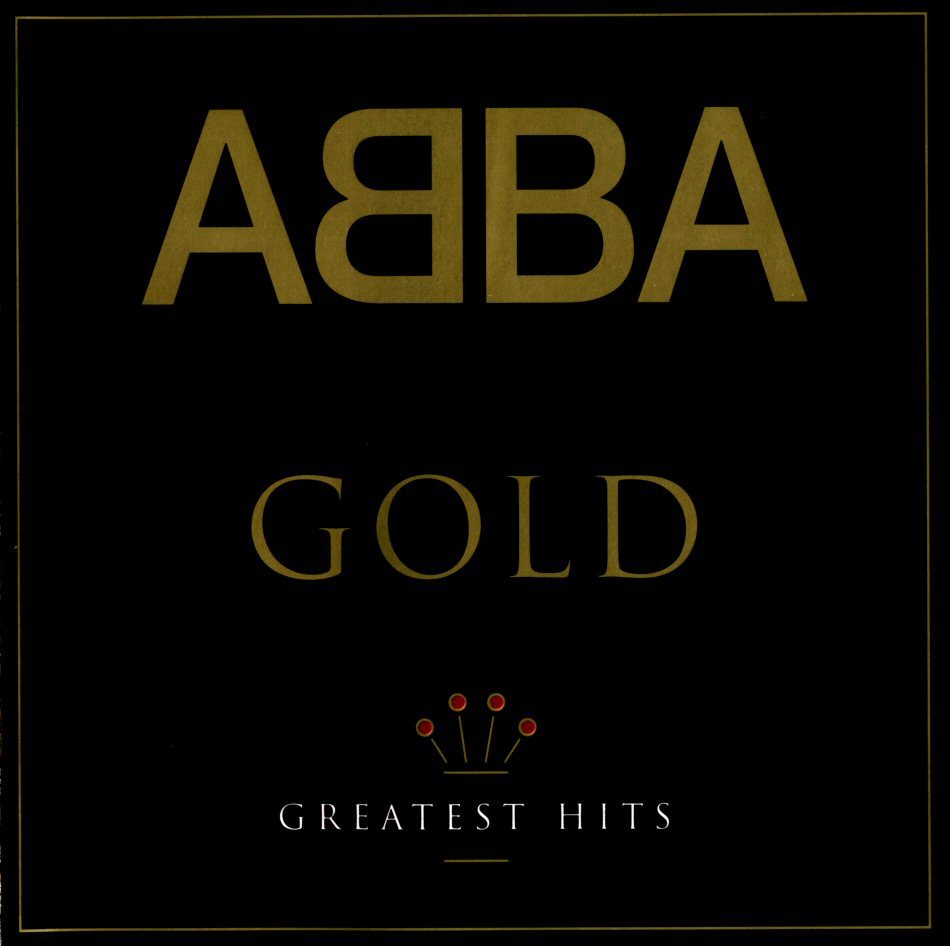
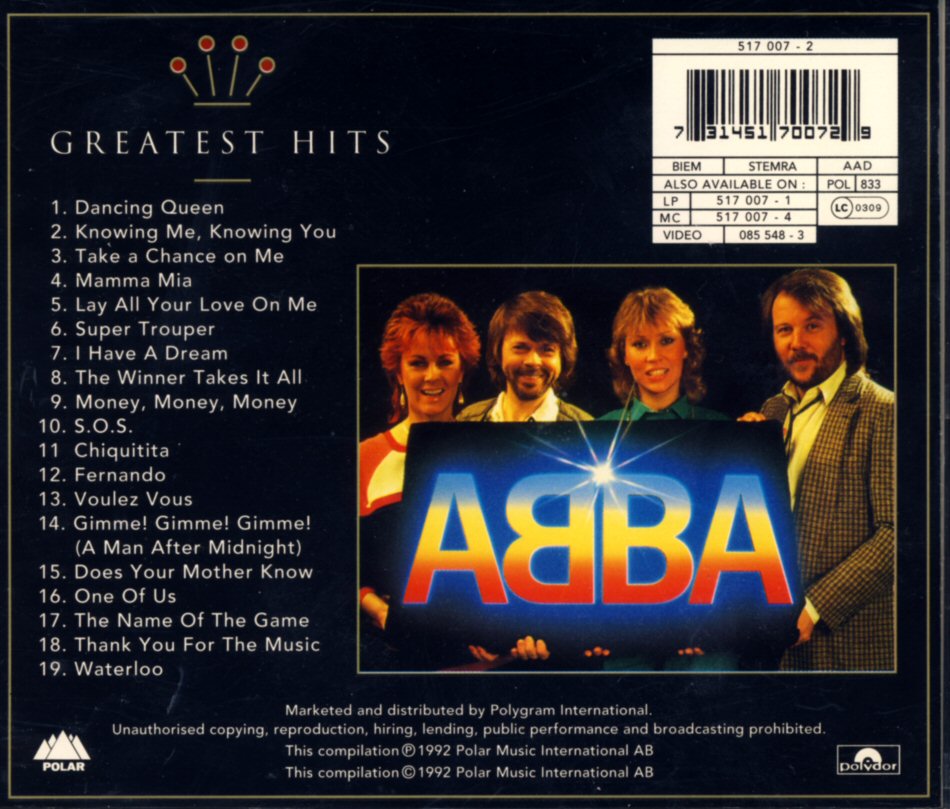
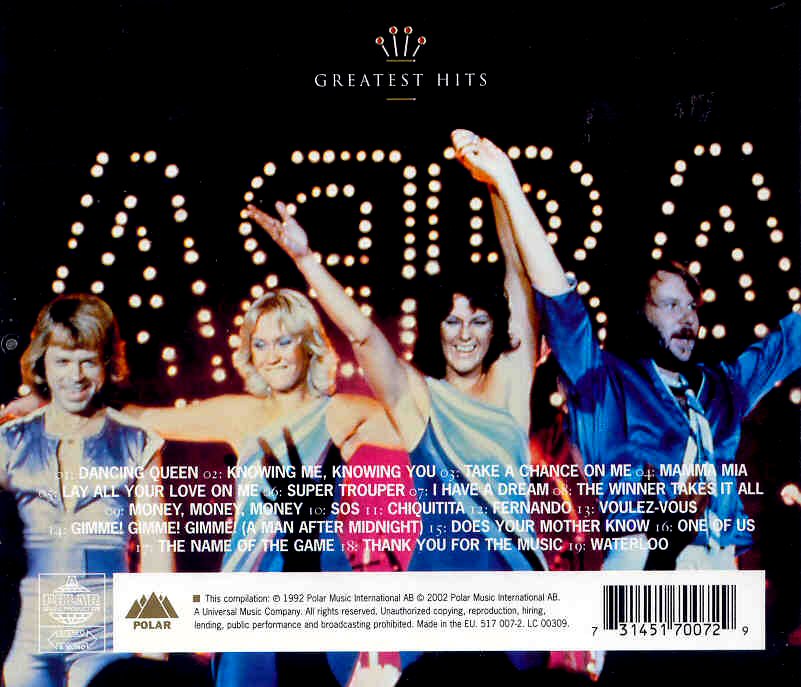
ABBA Gold, release September 21, 1992
The release of ABBA Gold started the revival in the autumn 1992. The album contained remastered versions of their 19 greatest hits.
|
|
|
|
|
|
The singles
Dancing Queen/Lay All Your Love On Me
(+The Day Before You Came/Eagle - maxi version)
August 24, 1992
UK #16, chart entry September 5, 1992; 5 weeks
|
|
|
|
|
|
Voulez-Vous (4.21)/Summer Night City/Gimme Gimme Gimme/I Do I Do I Do I Do I Do
October 26, 1992
|
|
|
|
|
|
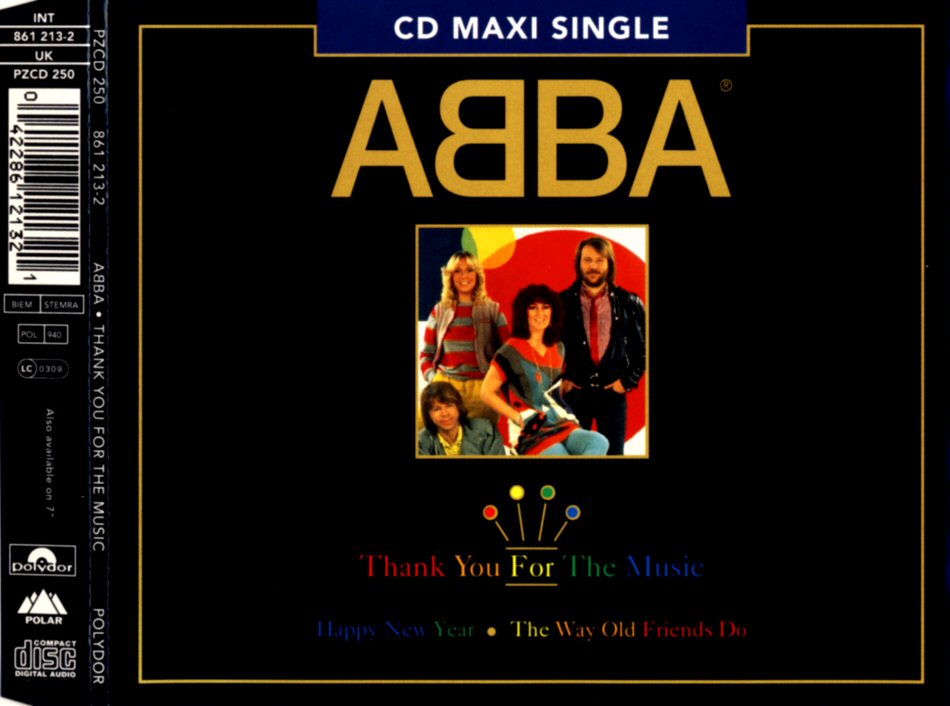
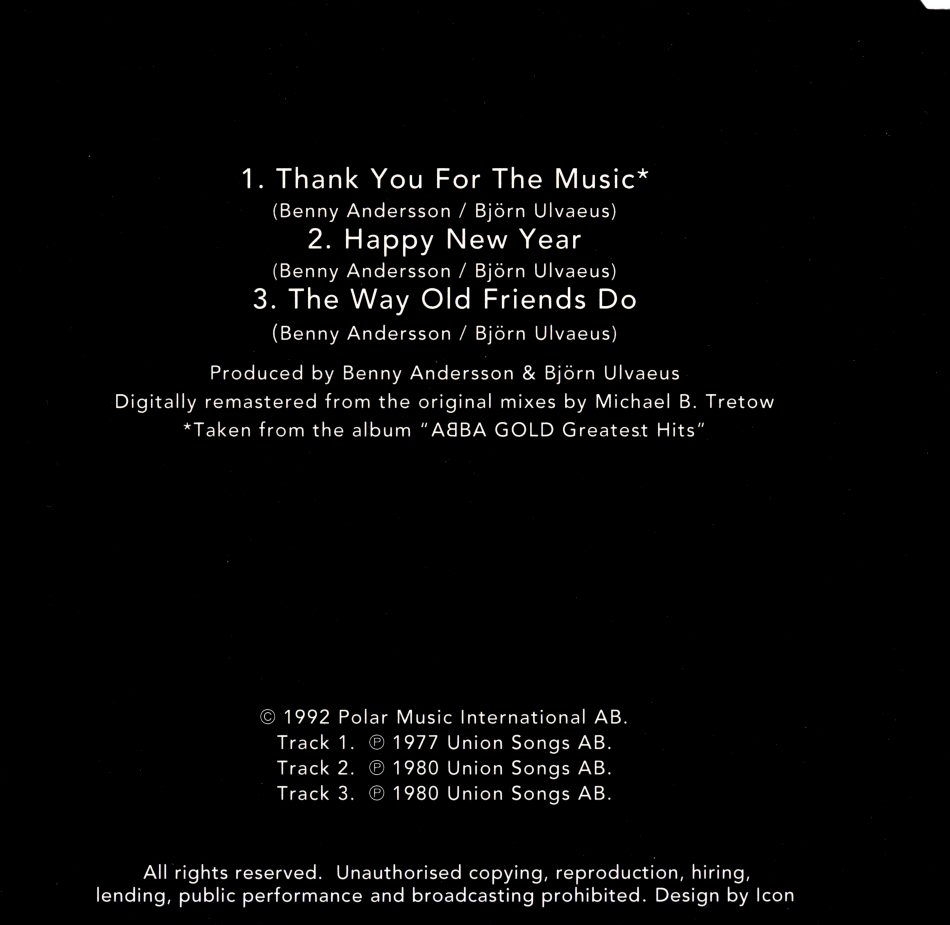
Thank You For The Music/Happy New Year/The Way Old Friends Do
December 14, 1992
|
|
|
|
|
|
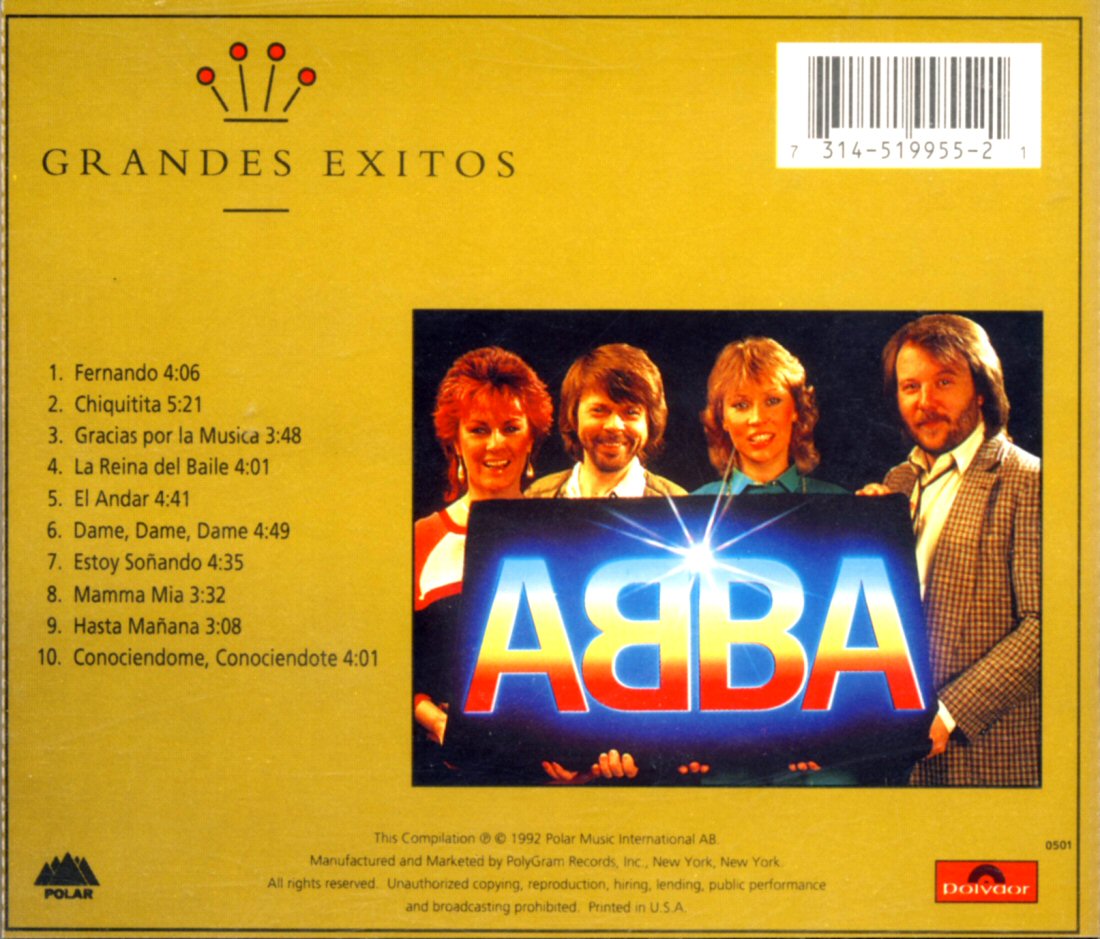
ABBA Oro, 1992
This compilation contained 10 songs sang in Spanish which had been originally released on the 1980 album "Gracias Por La Musica". Partly different track listing with Fernando and Chiquitita as opening tracks. (see even: ABBA The Spanish adventure section)
|
|
|
|
|
|
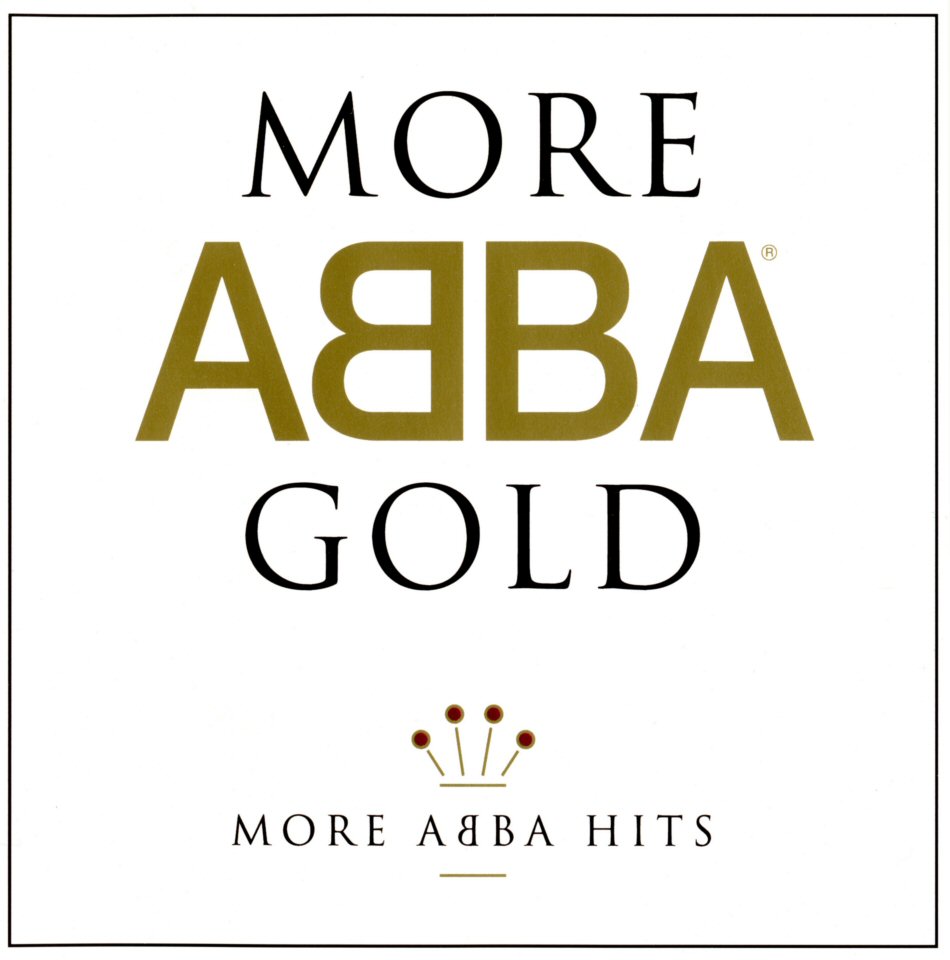
More ABBA Gold, release May 24, 1993
This compilation became a big sensation for all ABBA fans as it contained previously unreleased track "I Am The City" from ABBA's last recording sessions in 1982.
|
|
|
|
|
|
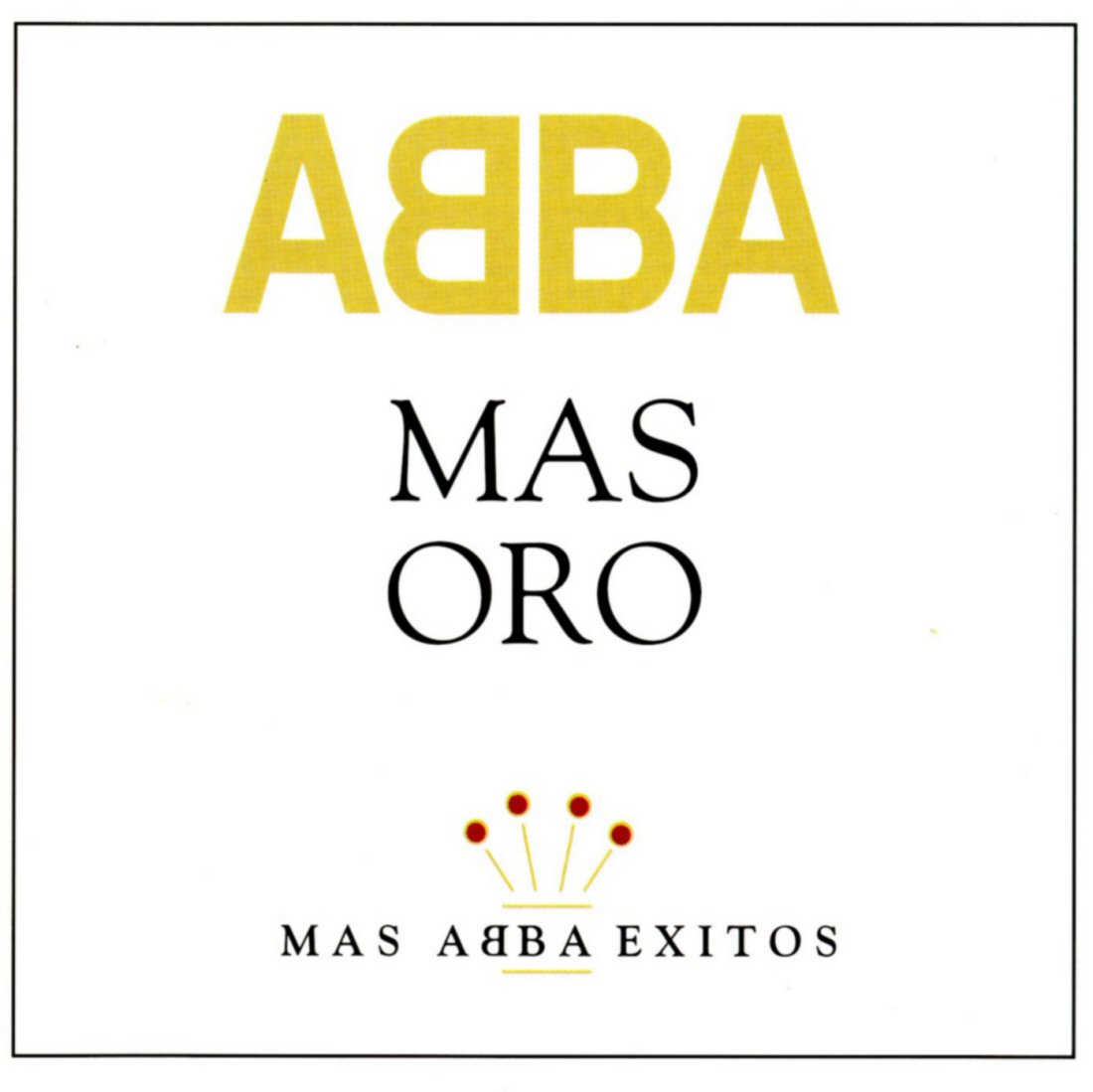
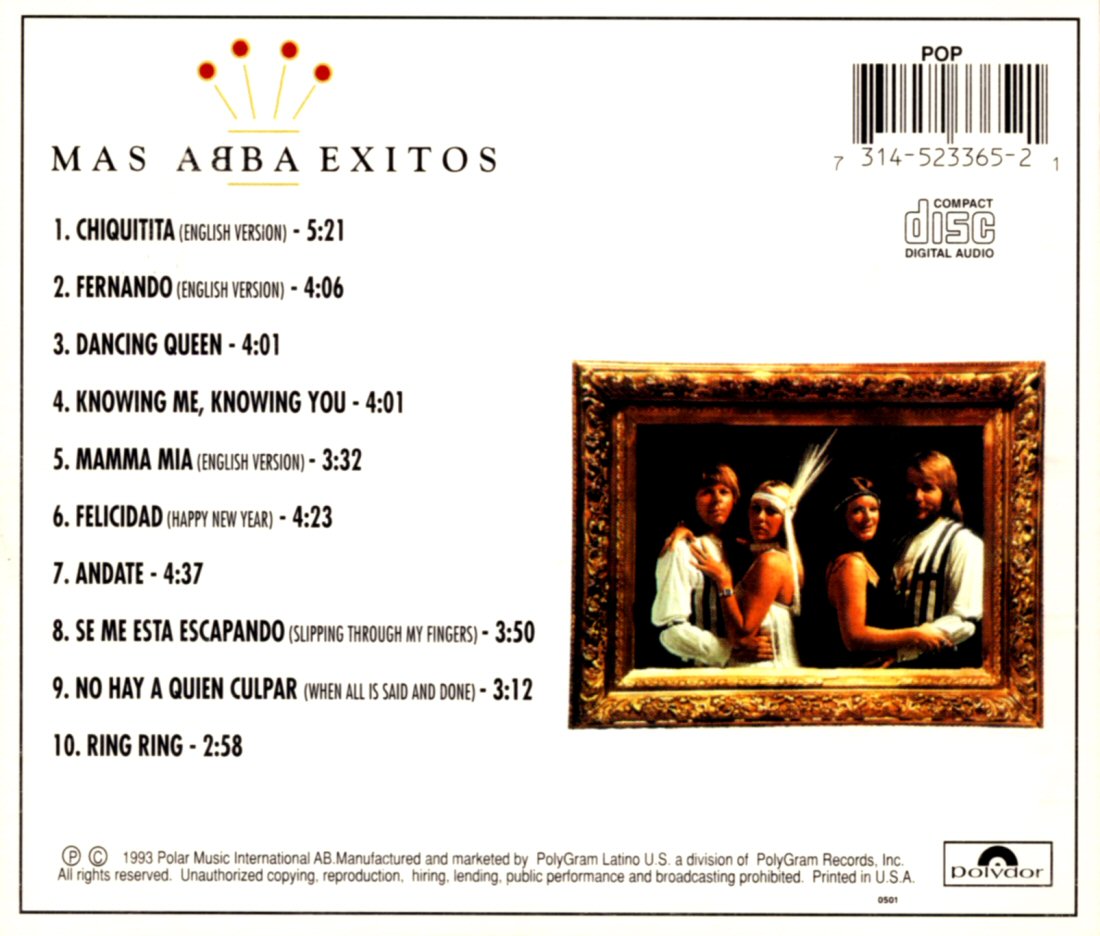
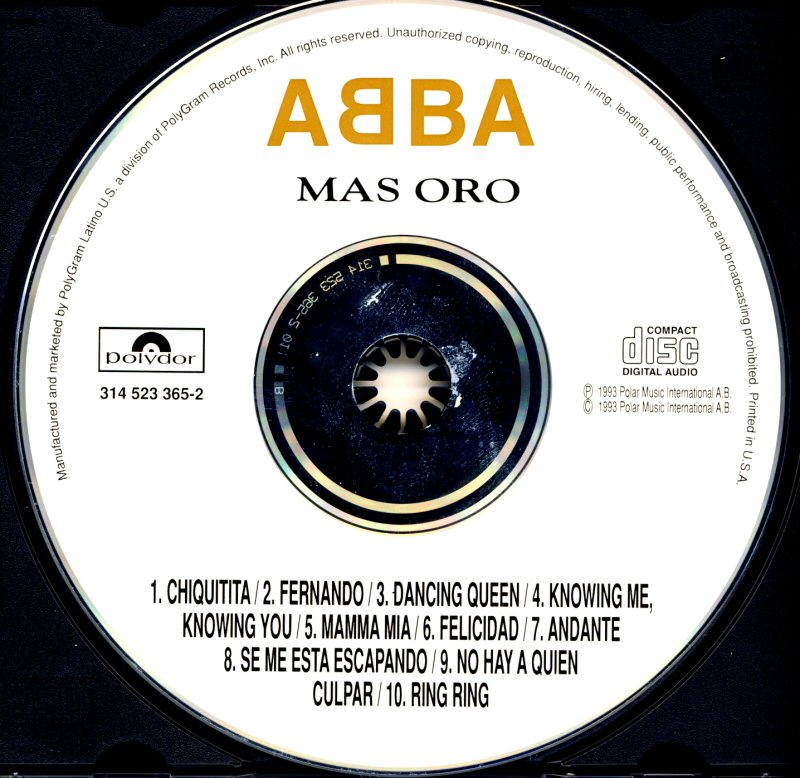
ABBA Mas Oro
This CD was released by Polygram Latino in USA and it contained 5 Spanish tracks never released on CD before. Probably the most bizarre compilation with a mix of English and Spanish language ABBA recordings and some mistakes in the titles - Andante Andante for instance got here a new name "Andate".
|
|
|
|
|
|
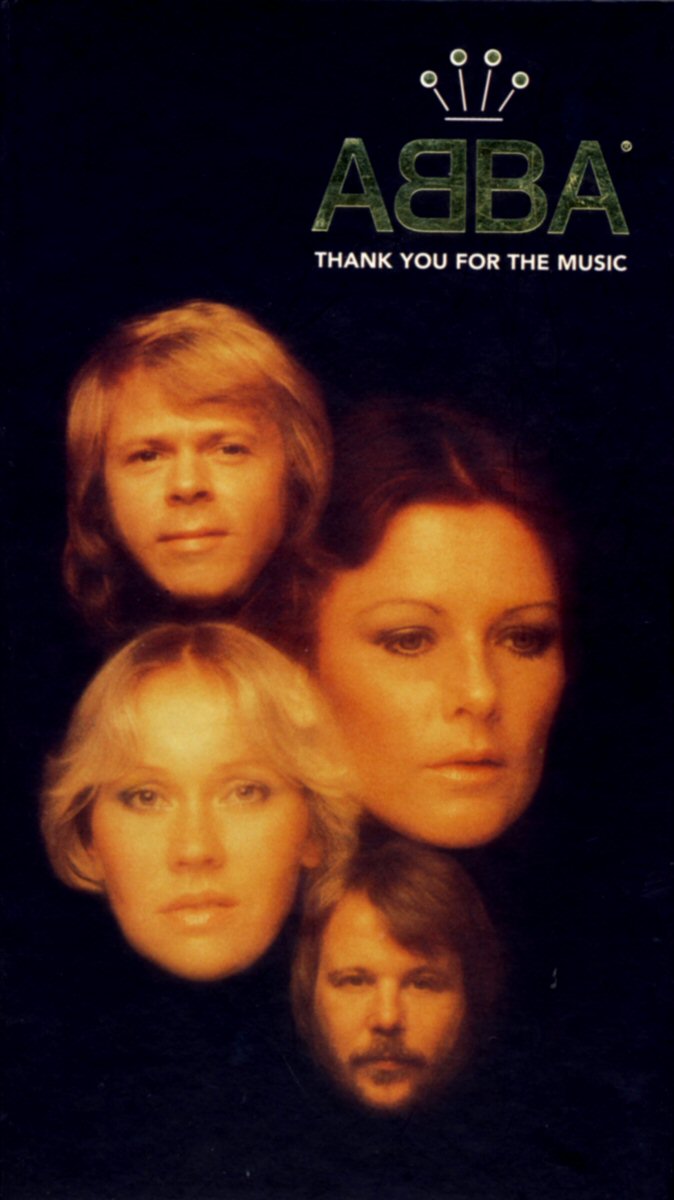
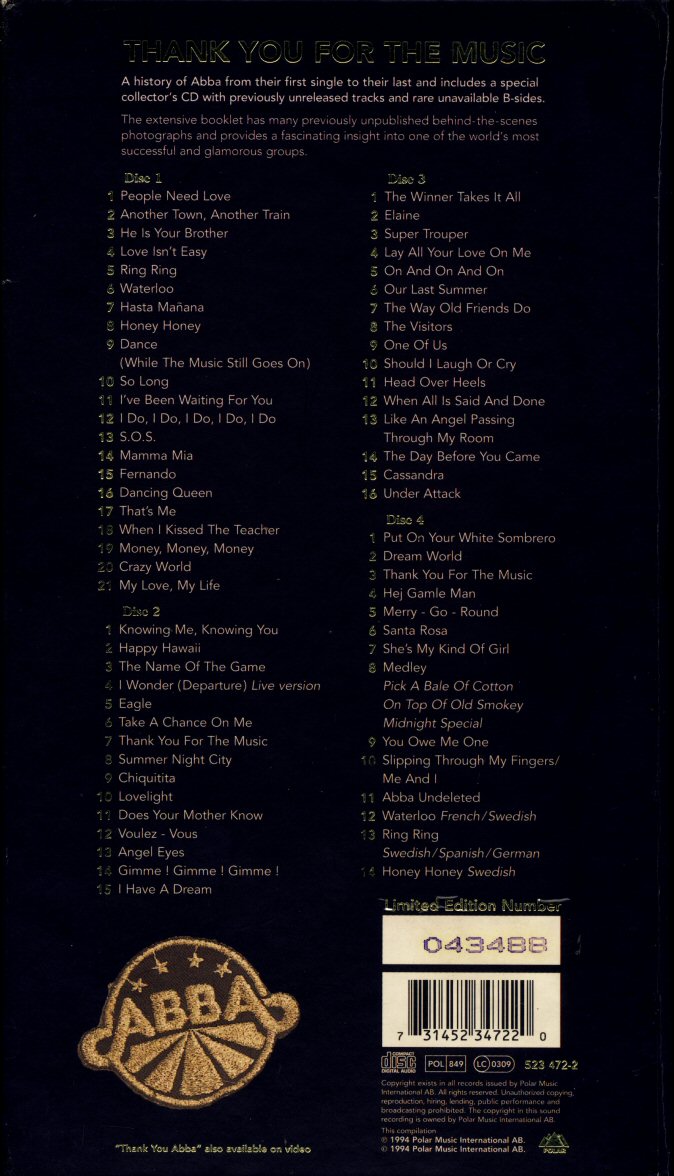
Thank You For The Music, October 31, 1994
(Box 4 CD)
This box with 4 CDs contained lots of rarities, alternate mixes and previously unreleased songs as Put On Your White Sombrere, Dream World and Thank You For the Music (Doris Day version). Later re-released in different size.
|
|
|
|
|
|
Forever Gold, October 18, 1996
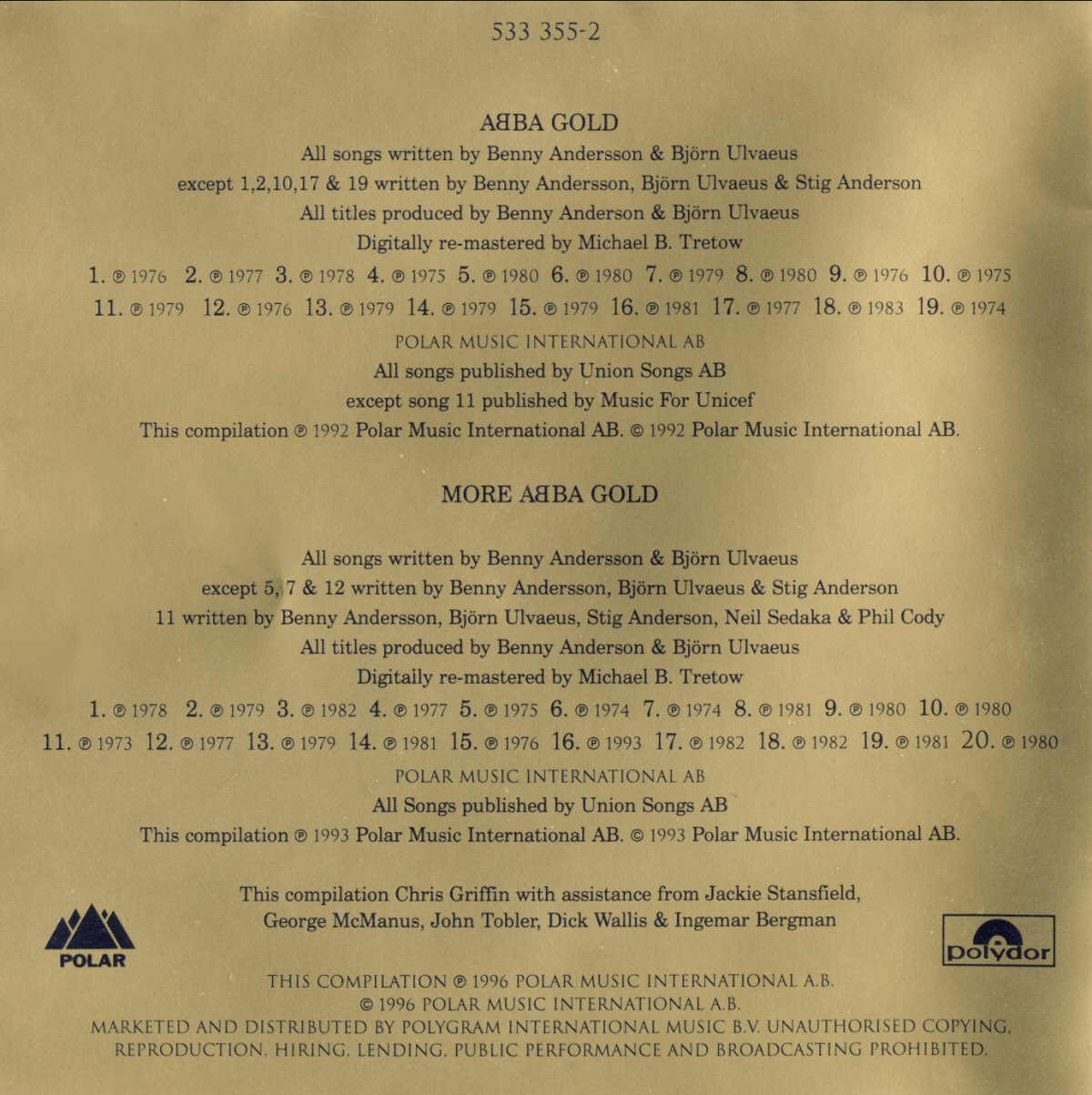
ABBA Gold & More ABBA Gold in one package. Germany #50, Belgium #20.
 |
 |
 |
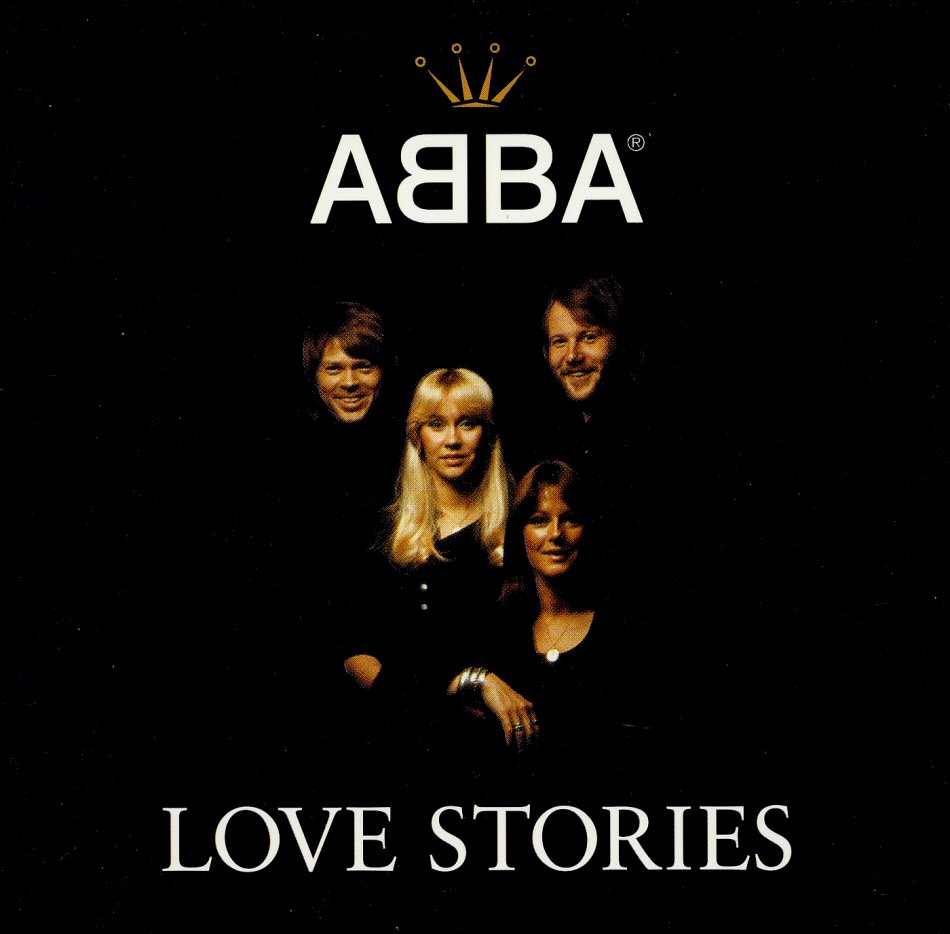
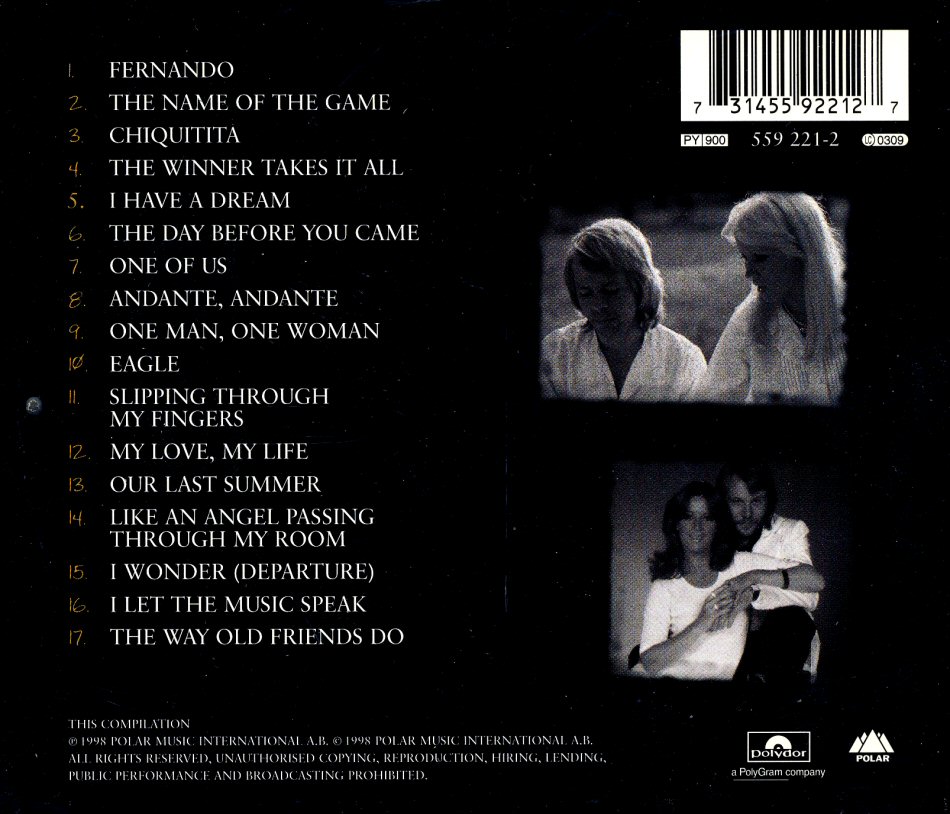
Love Stories, autumn 1998
The compilation of ABBA's ballads which included 17 songs. The CD entered charts in several countries:
Switzerland #47, 2 weeks, Austria #15, 15 weeks, Finland #23, 5 weeks, Norway #30, 5 weeks, New Zeeland #24, 4 weeks.
|
|
|
|
|
|
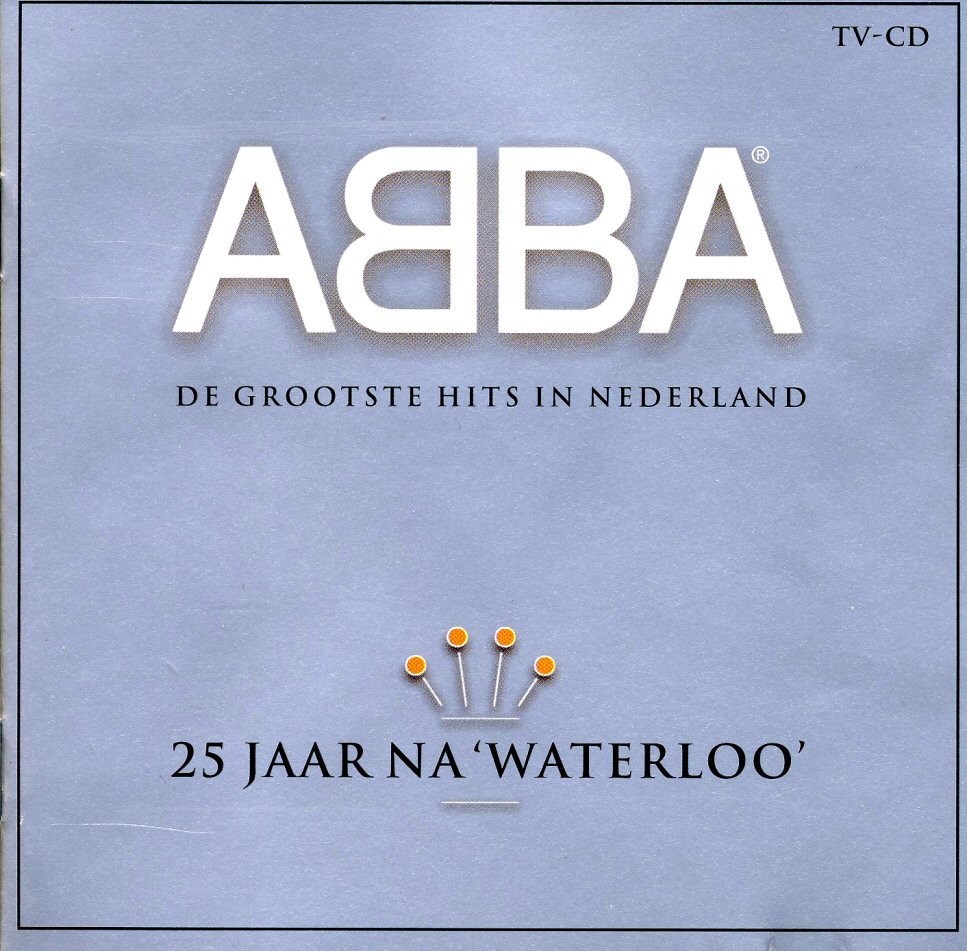
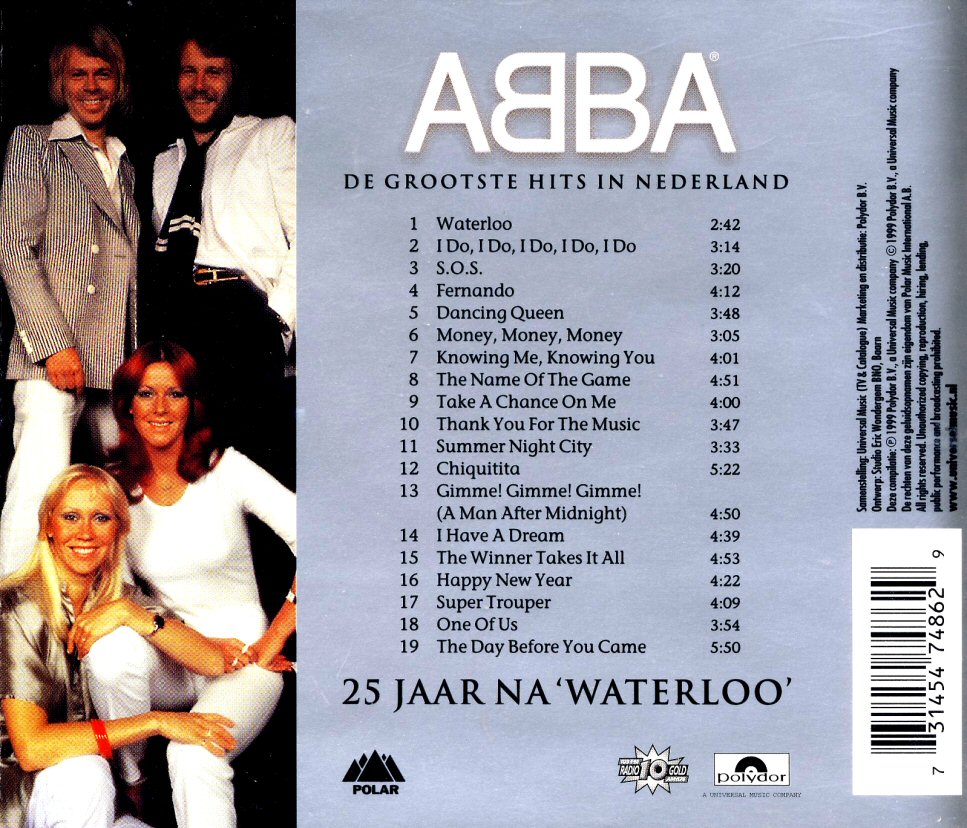
ABBA - 25 Jaar na Waterloo
De grootste hits in Nederland
The ABBA compilation released in Holland at the end of March 1999. The album entered the Dutch chart on April 10th, 1999 where it stayed for 51 weeks reaching #1.
|
|
|
|
|
|
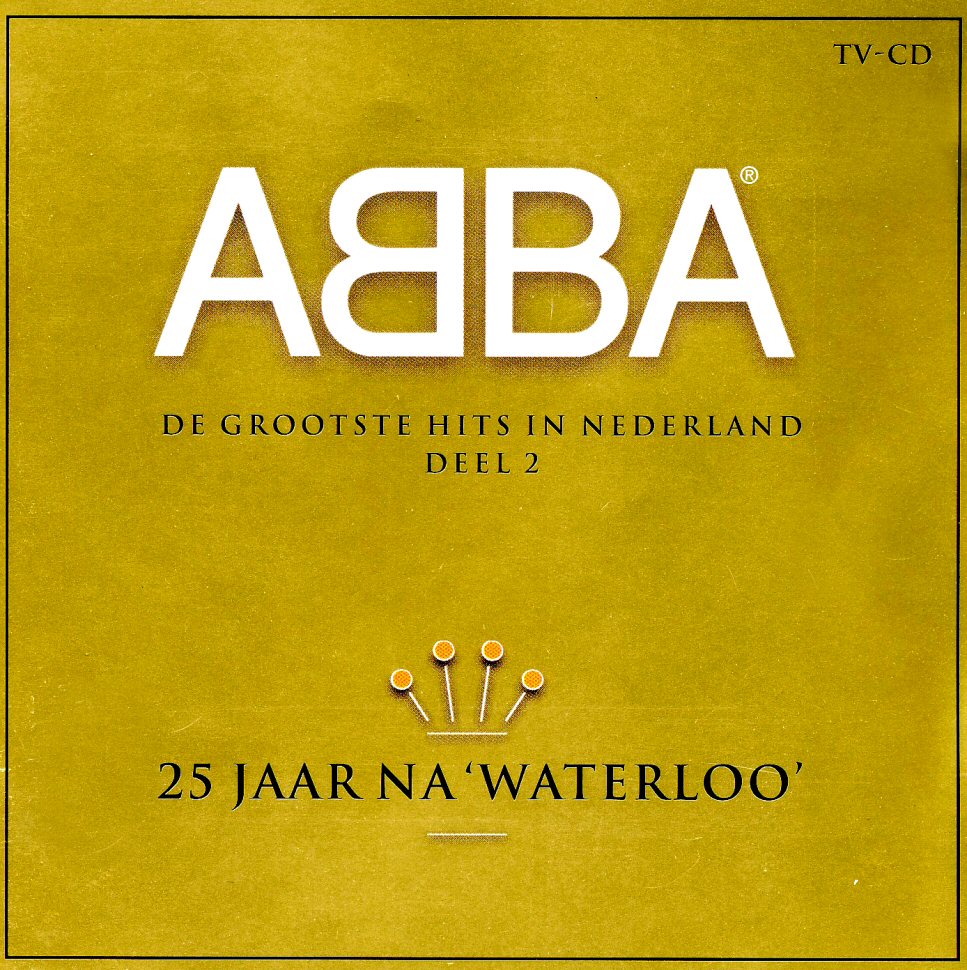
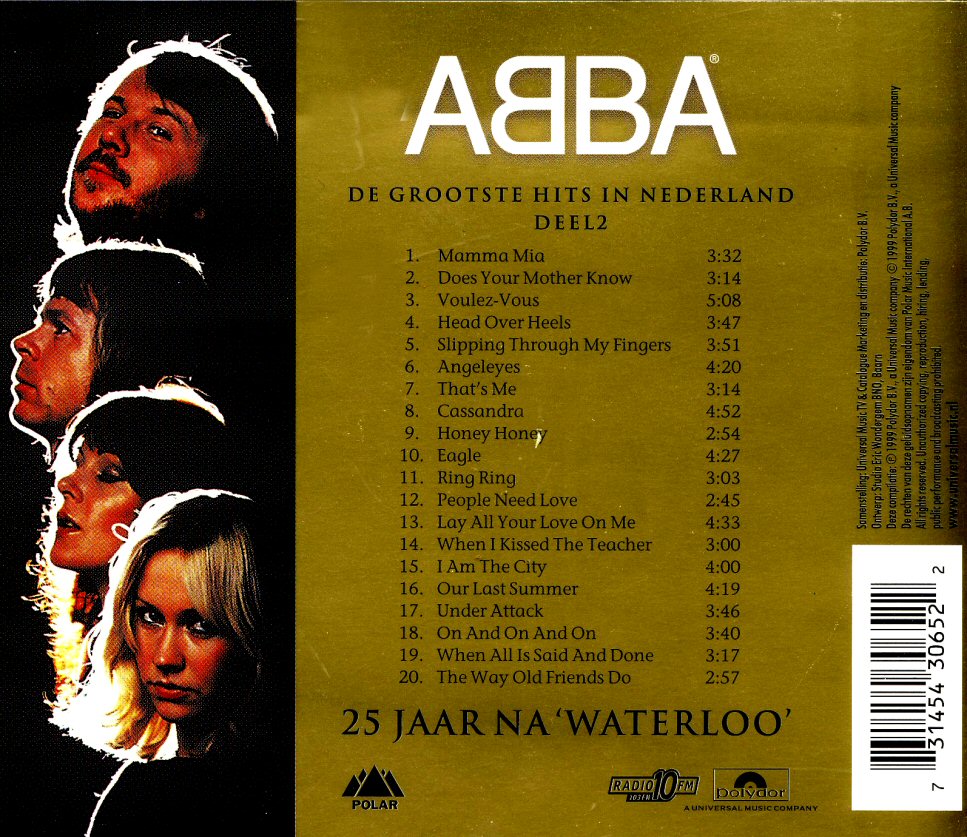
ABBA - 25 Jaar na Waterloo
De grootste hits in Nederland deel 2
The second release in the series "25 Jaar na Waterloo" in Holland entered the Dutch chart on October 1st, 1999. The compilation stayed on the chart for 23 weeks reaching #7.
|
|
|
|
|
|
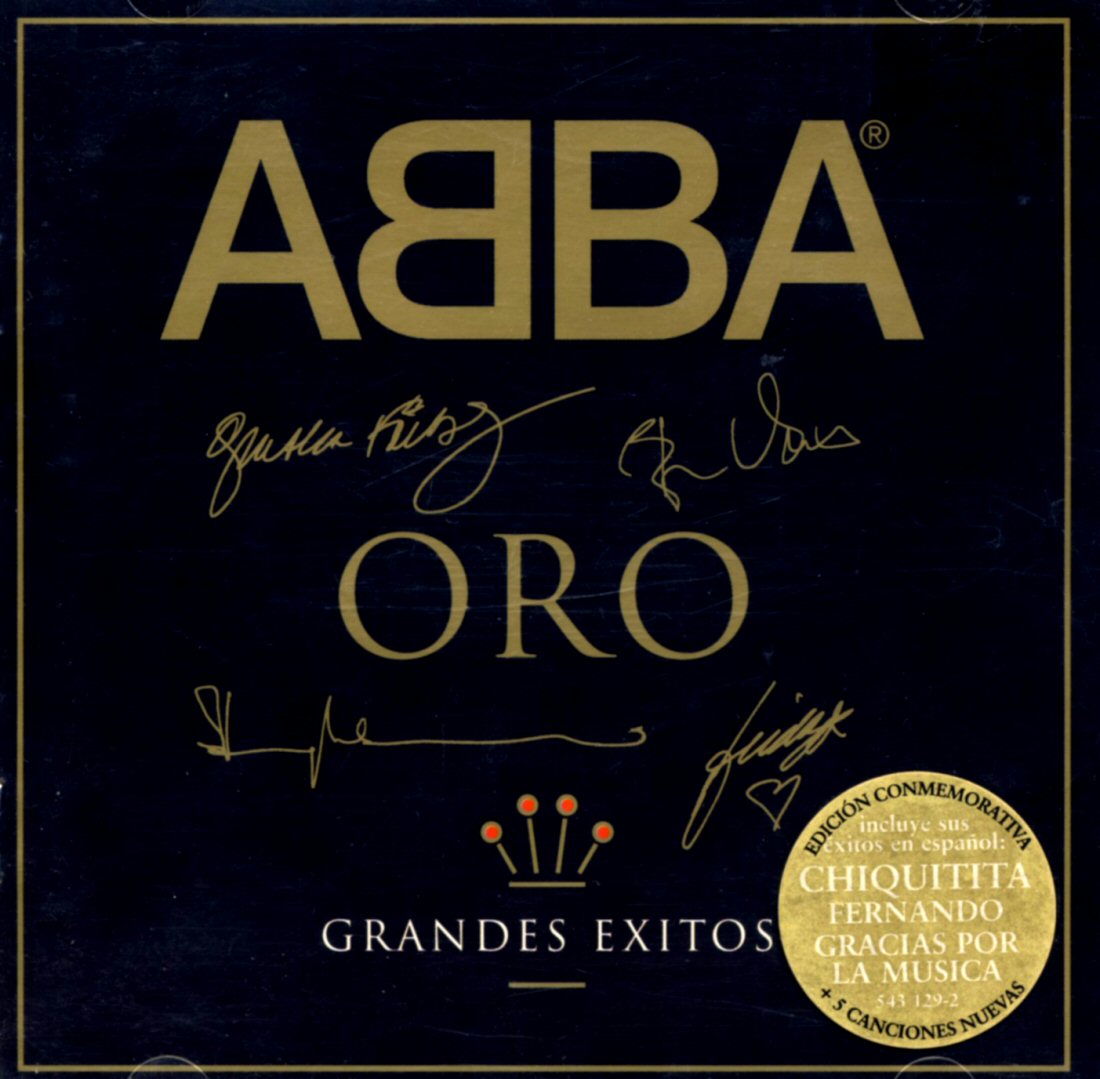
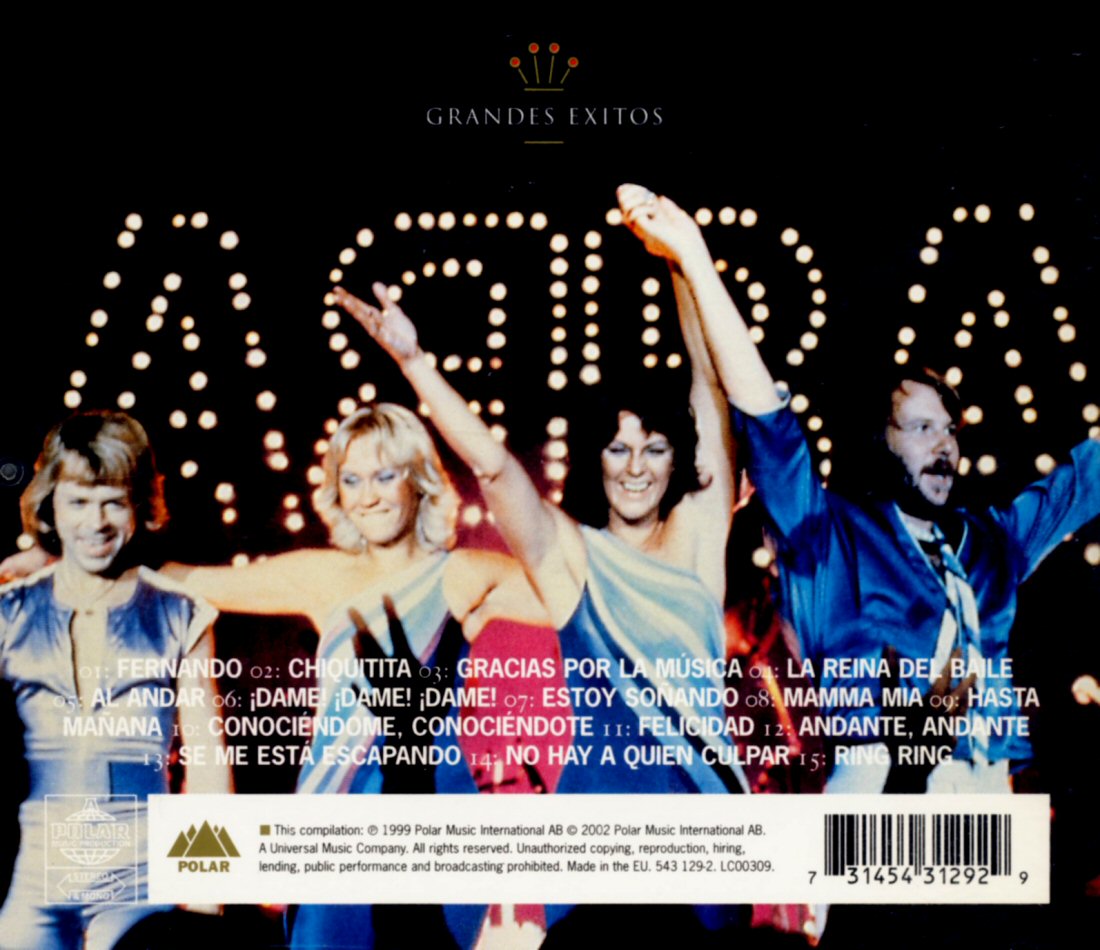
ABBA Oro - Grandes Exitos - release November 25, 1999
This compilation featured all 15 songs recorded by ABBA in Spanish between 1973 and 1981.
|
|
|
|
|
|
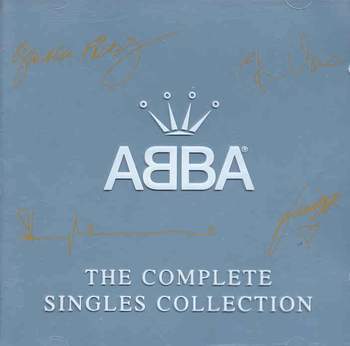
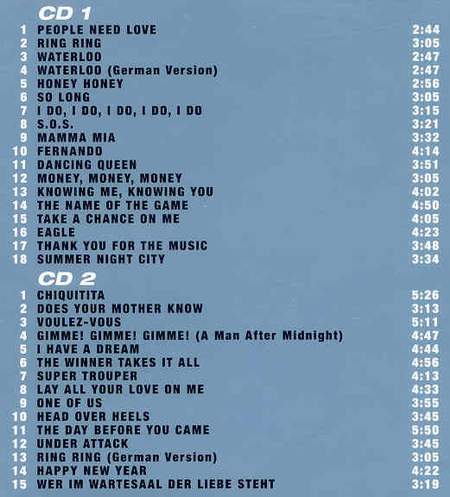
The Complete Singles Collection - Germany
|
|
|
|
|
|
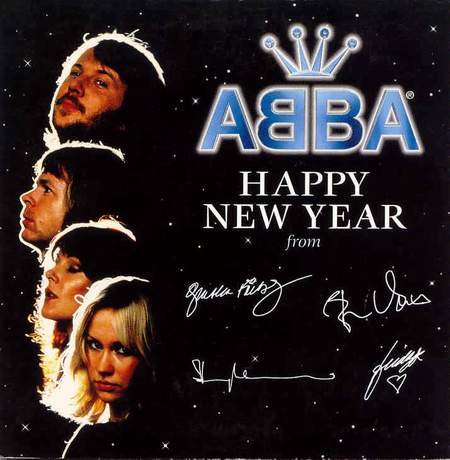
Happy New Year/Andante Andante
Christmas 1999
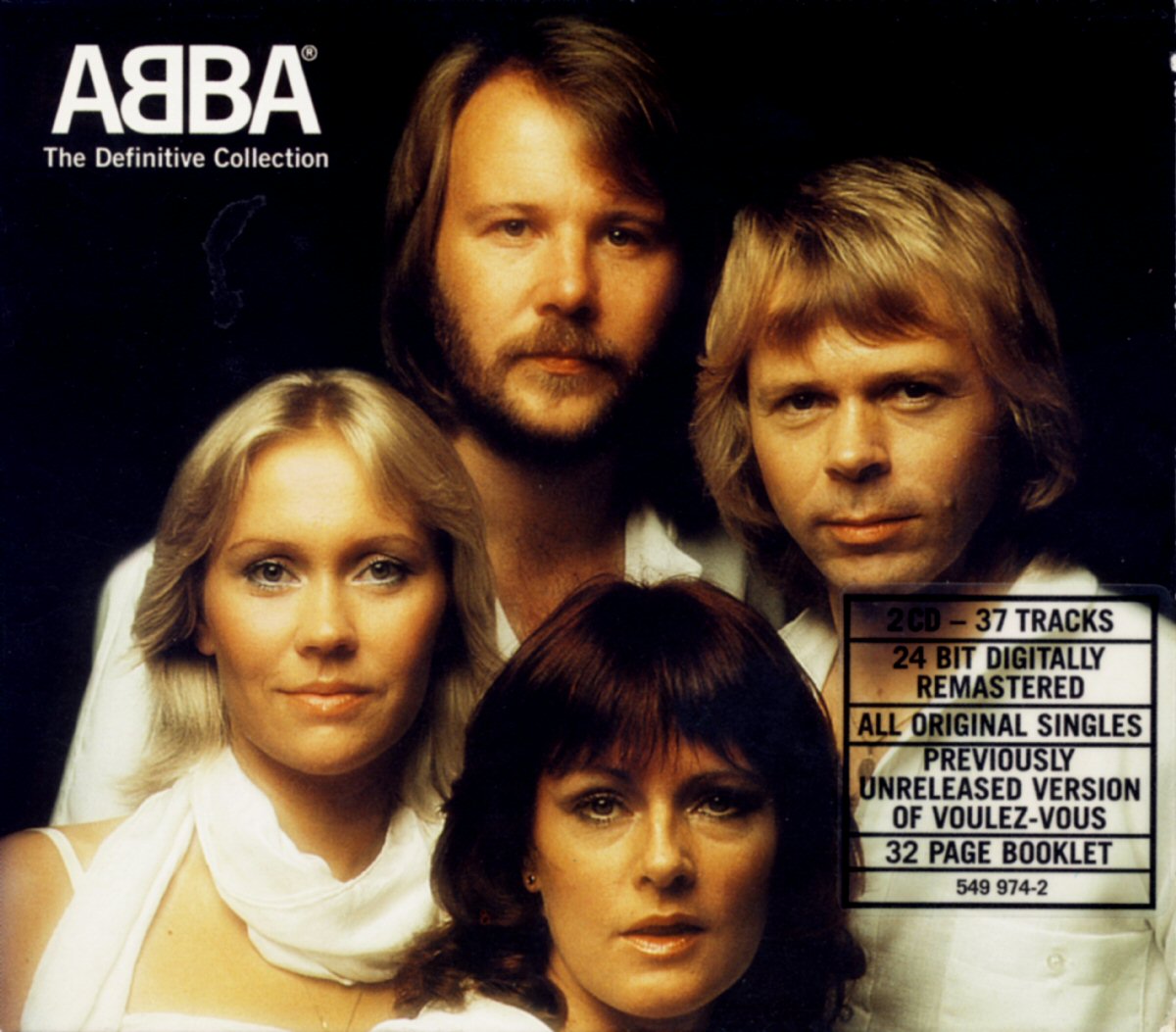
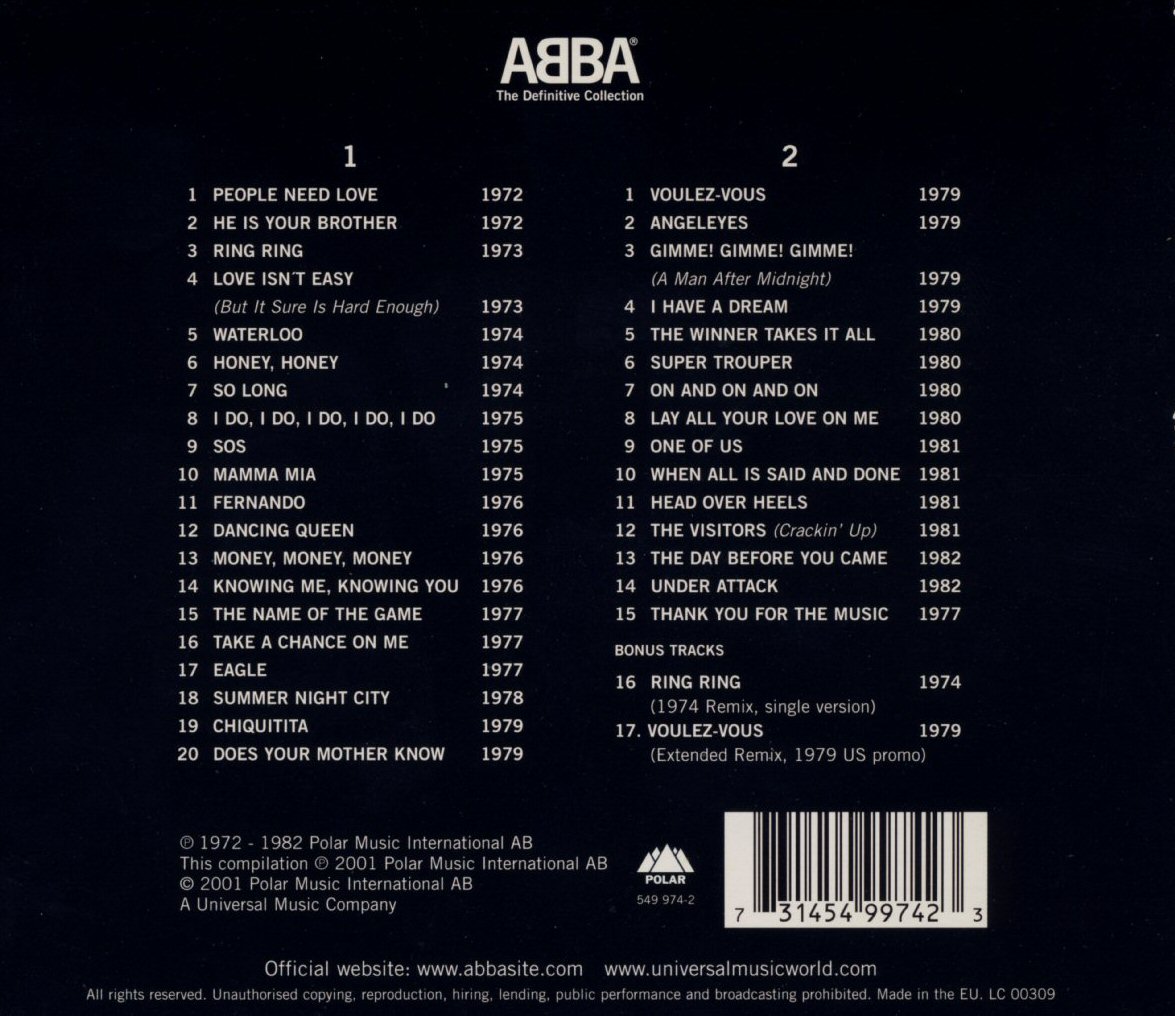
The Definitive Collection - release November 2, 2001
|
|
|
|
|
|
 |
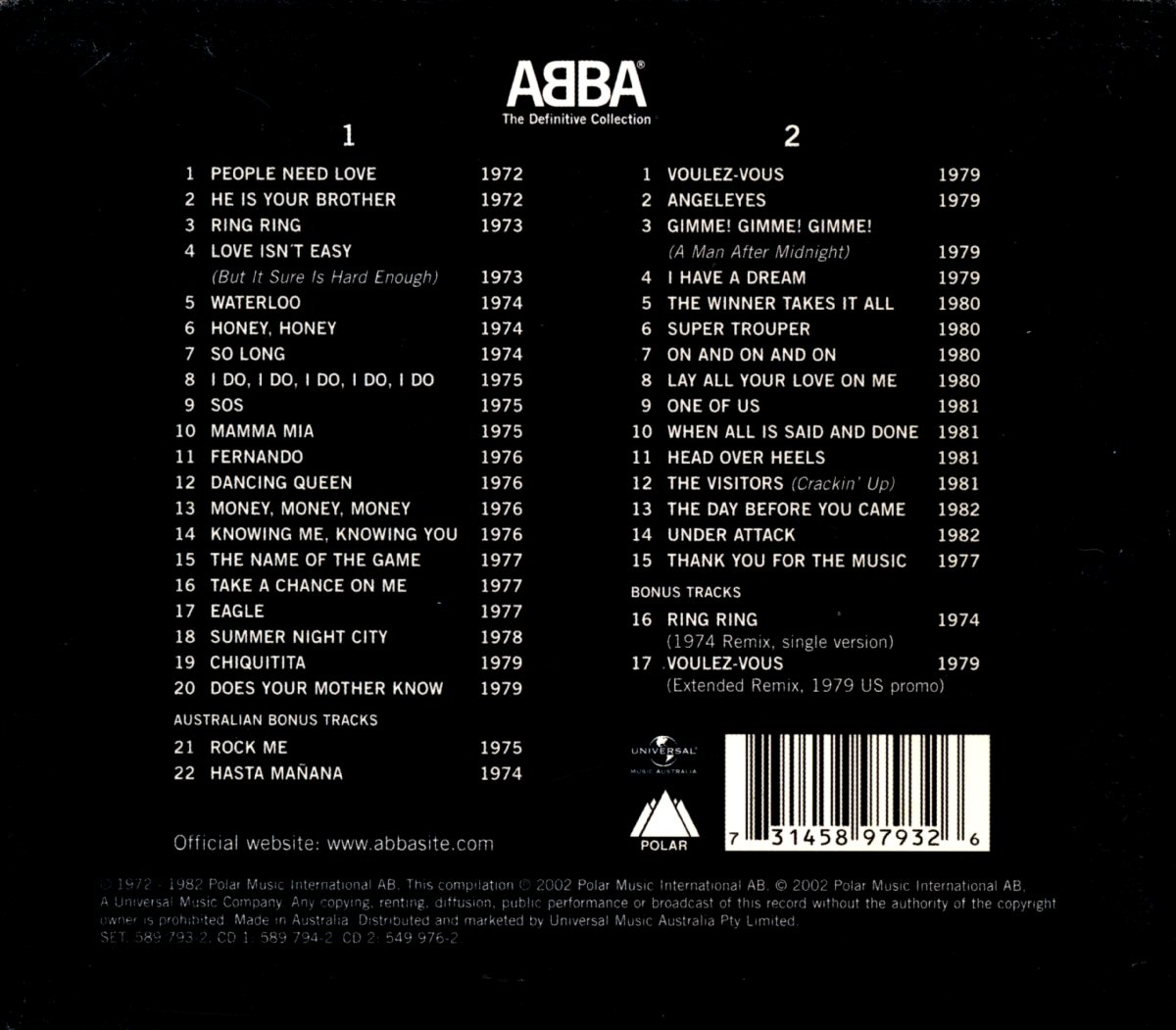 |
The Australian edition contains two extra tracks: Hasta Mañana and Rock Me |
The 10th Anniversary Editions of Gold & Oro
|
|
|
|
|
|
 |
 |
 |
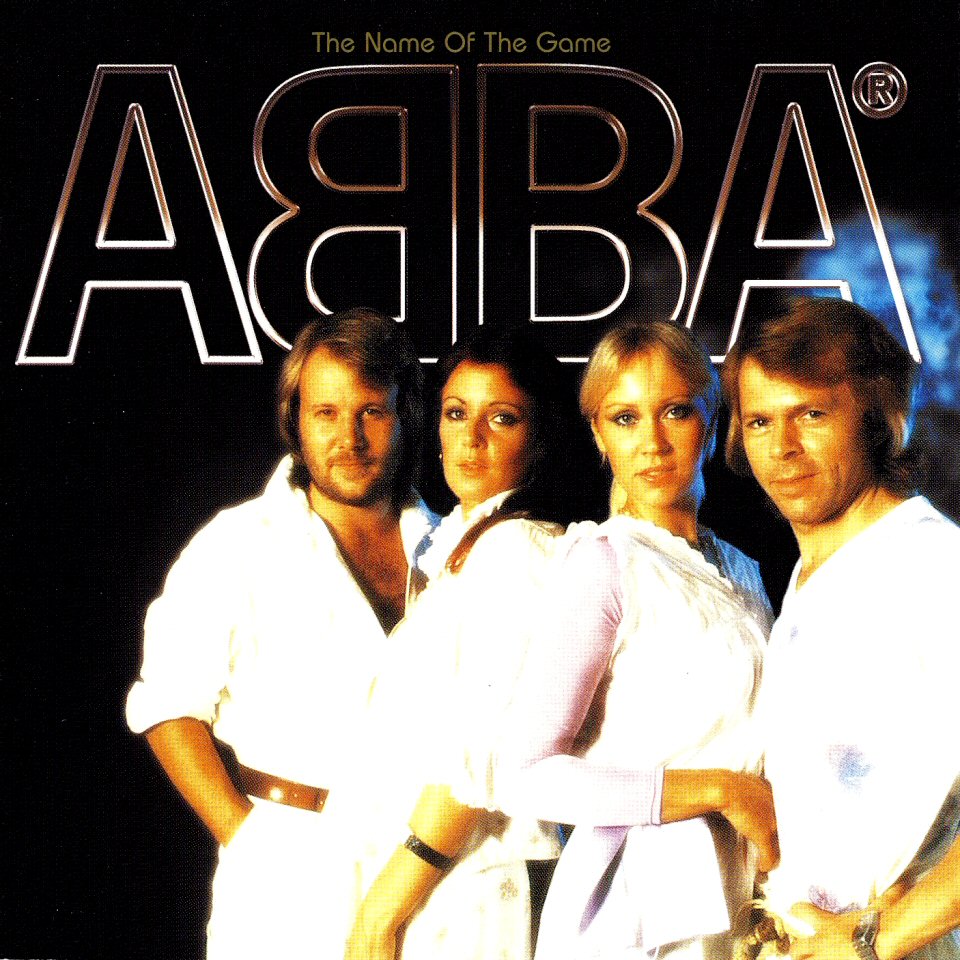
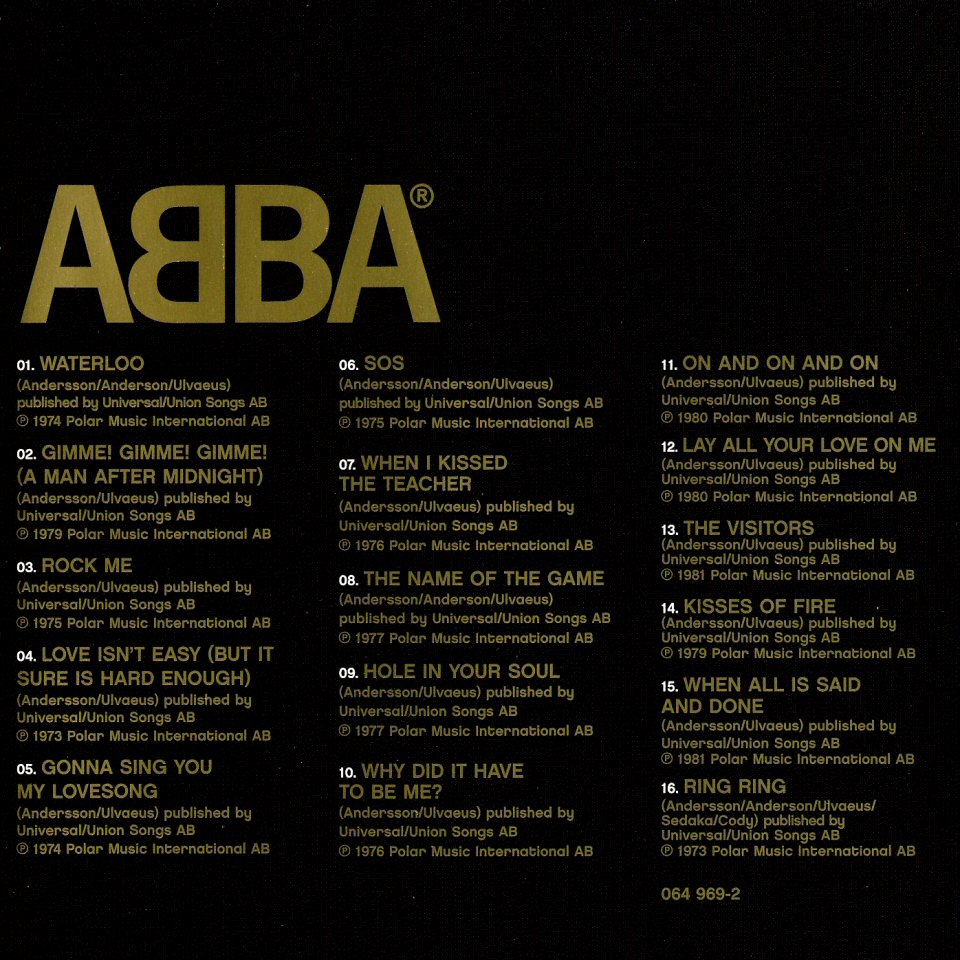
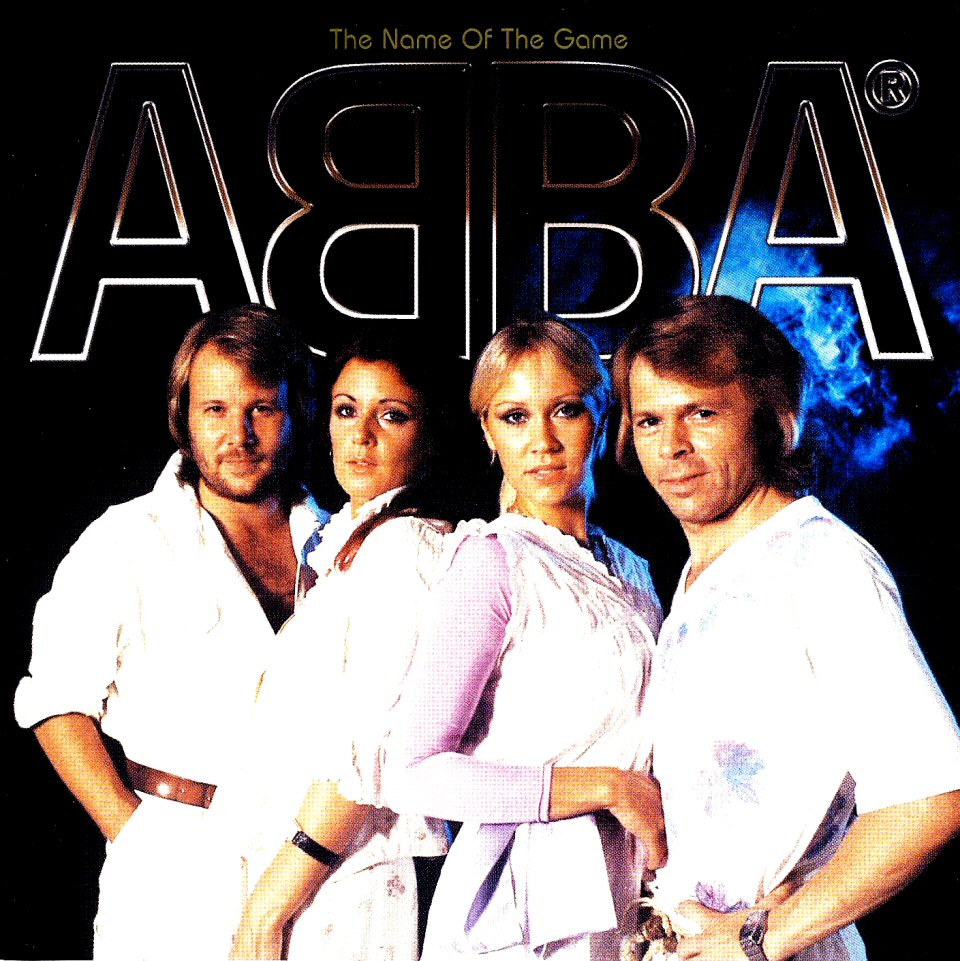
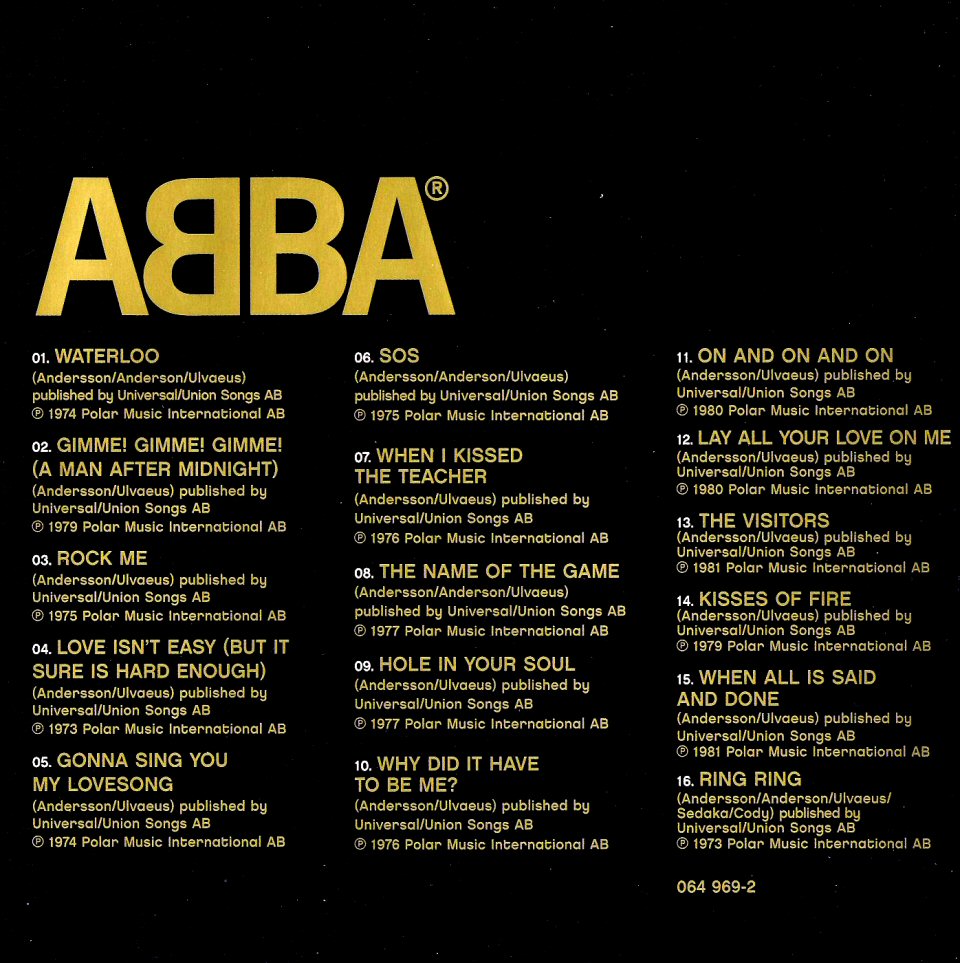
The Name Of The Game - compilation 2002 (the 1st edition UK)
|
|
|
|
|
|
A compilation CD released in UK in the Autumn of 2002. The European release in the beginning of 2003 featured a slightly changed cover and different picture inside the booklet but the same songs.
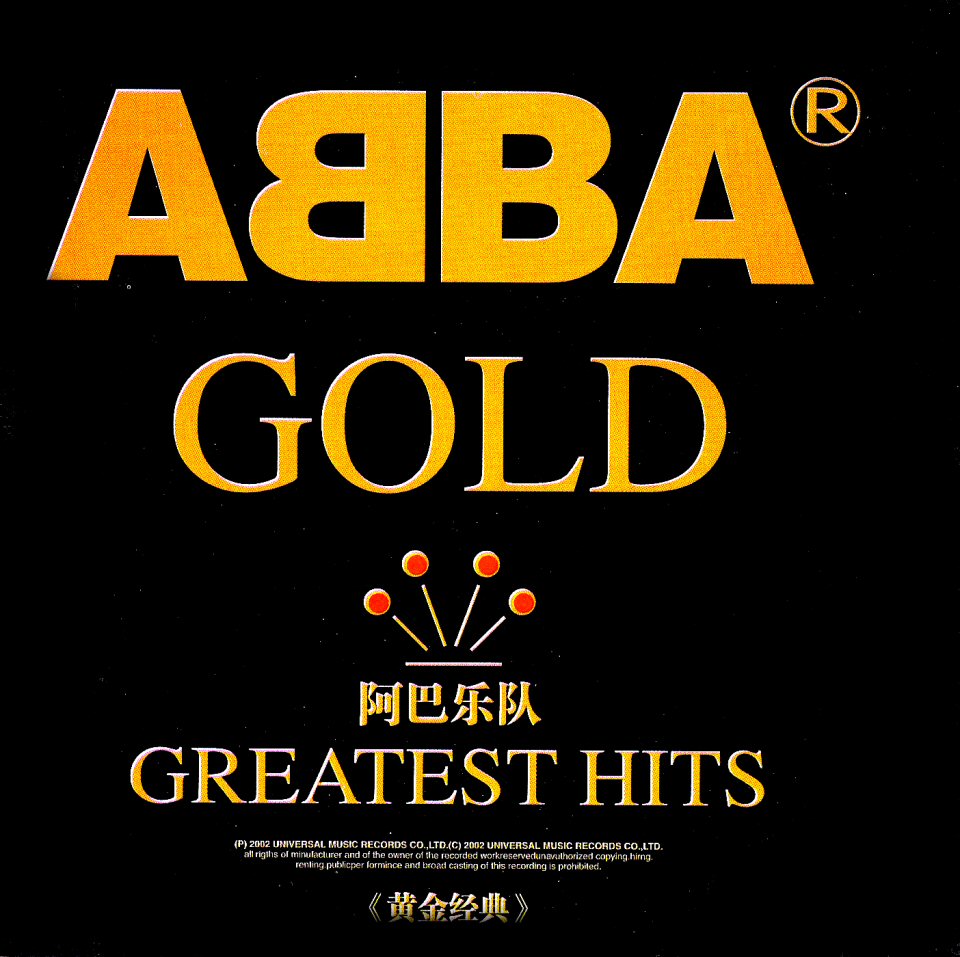
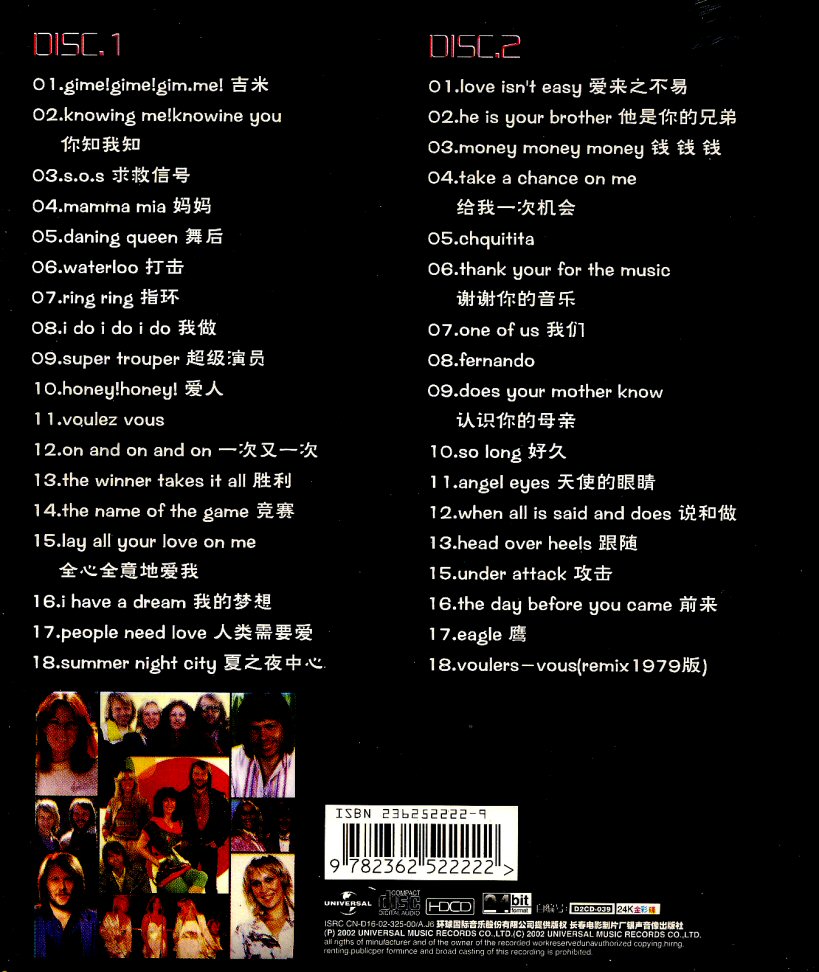
ABBA Gold in China
|
|
|
|
|
|
ABBA Gold compilation (2 CD) was released in China in 2002. Though it was released by Universal, the compilation has nothing to do with the original ABBA Gold released in 1992 and re-relased in 2002. The Chinese Gold compilation has 2 CDs with completely different track listing. There are totally 36 songs including the 1979 remix of Voulez-Vous. In the booklet there are both lyrics to the most of the songs and some trivia about the group and the songs.
The Name of the Game - the 2nd European edition
|
|
|
|
|
|
The same track listing as on the 2002 edition but some changes in the booklet. Even the cover slightly changed.
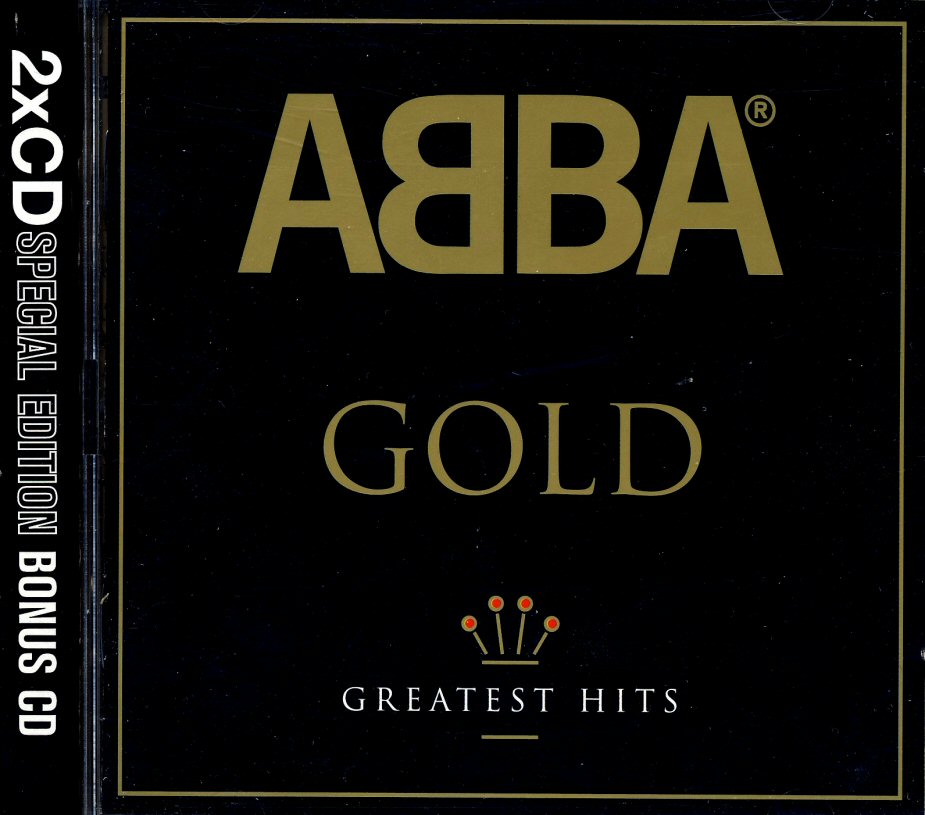
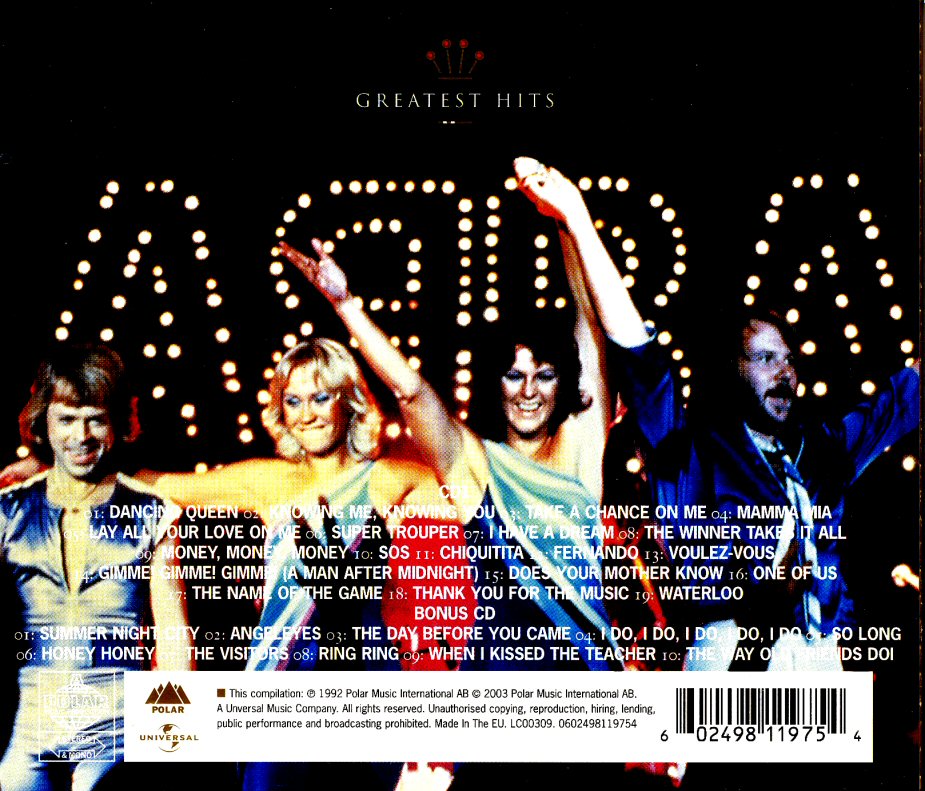
ABBA Gold 2xCD special edition, September 29, 2003
|
|
|
|
|
|
One more ABBA Gold release. This time 2 CDs. The bonus CD includes 10 songs previously released on "More ABBA Gold". This compilation was released in Sweden on September 29, 2003.
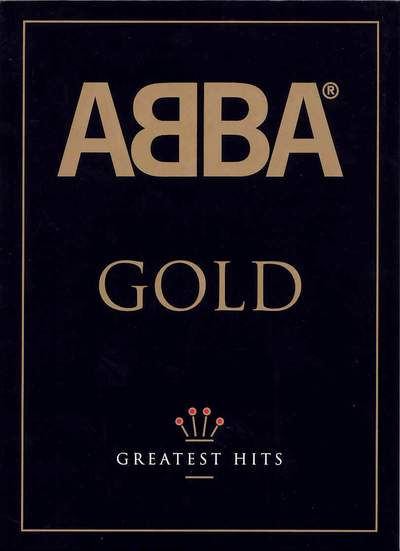
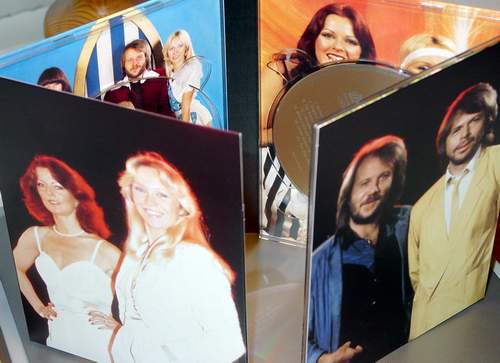
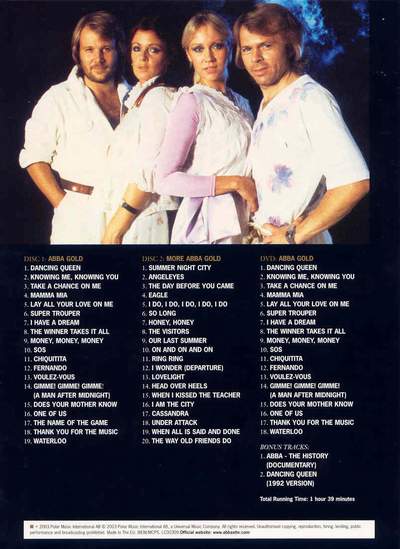
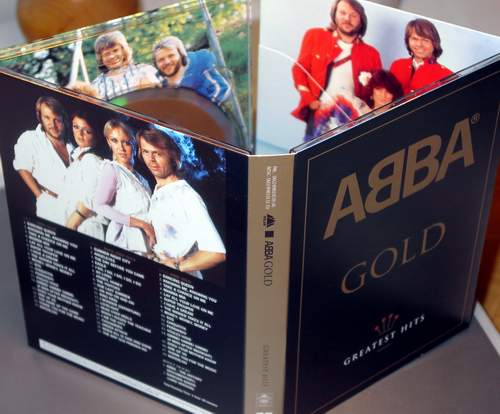
ABBA Gold - The box, November 2003
|
|
|
|
|
|
A compilation box containing 2 CDs (ABBA Gold + More ABBA Gold) and 1 DVD (ABBA Gold). The box was released in November 2003
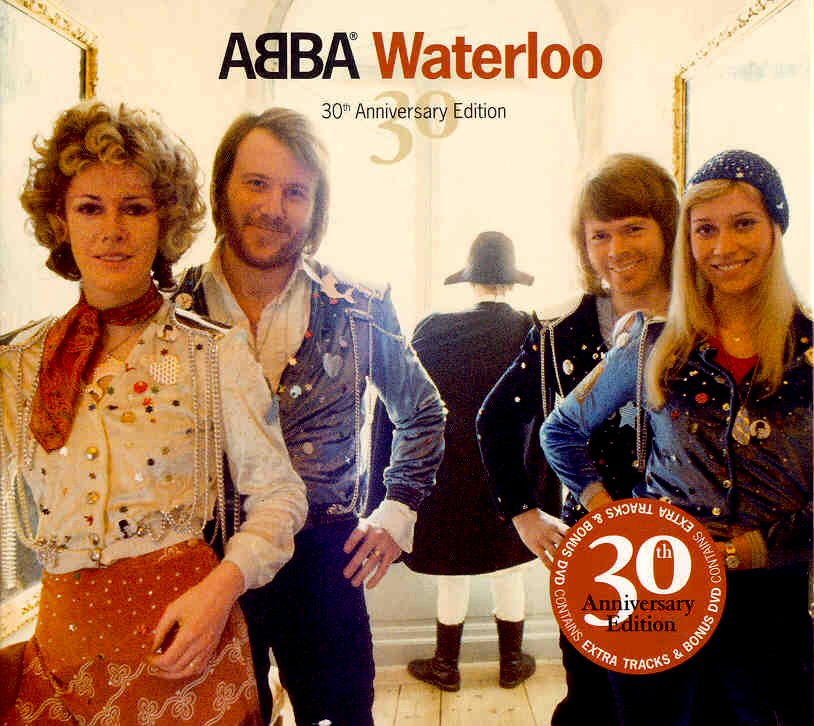
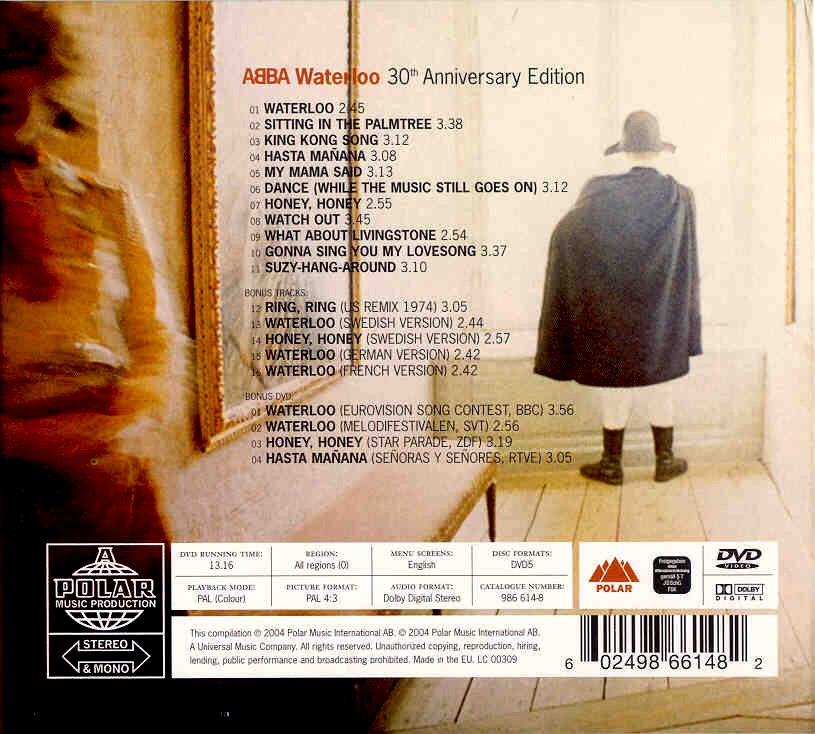
Waterloo - 30th Anniversary Edition
|
|
|
|
|
|
This great release contains a DVD with four rare videos. Two Waterloo performances from Stockholm and Brighton, Honey Honey from German TV and Hasta Mañana from Spanish TV.
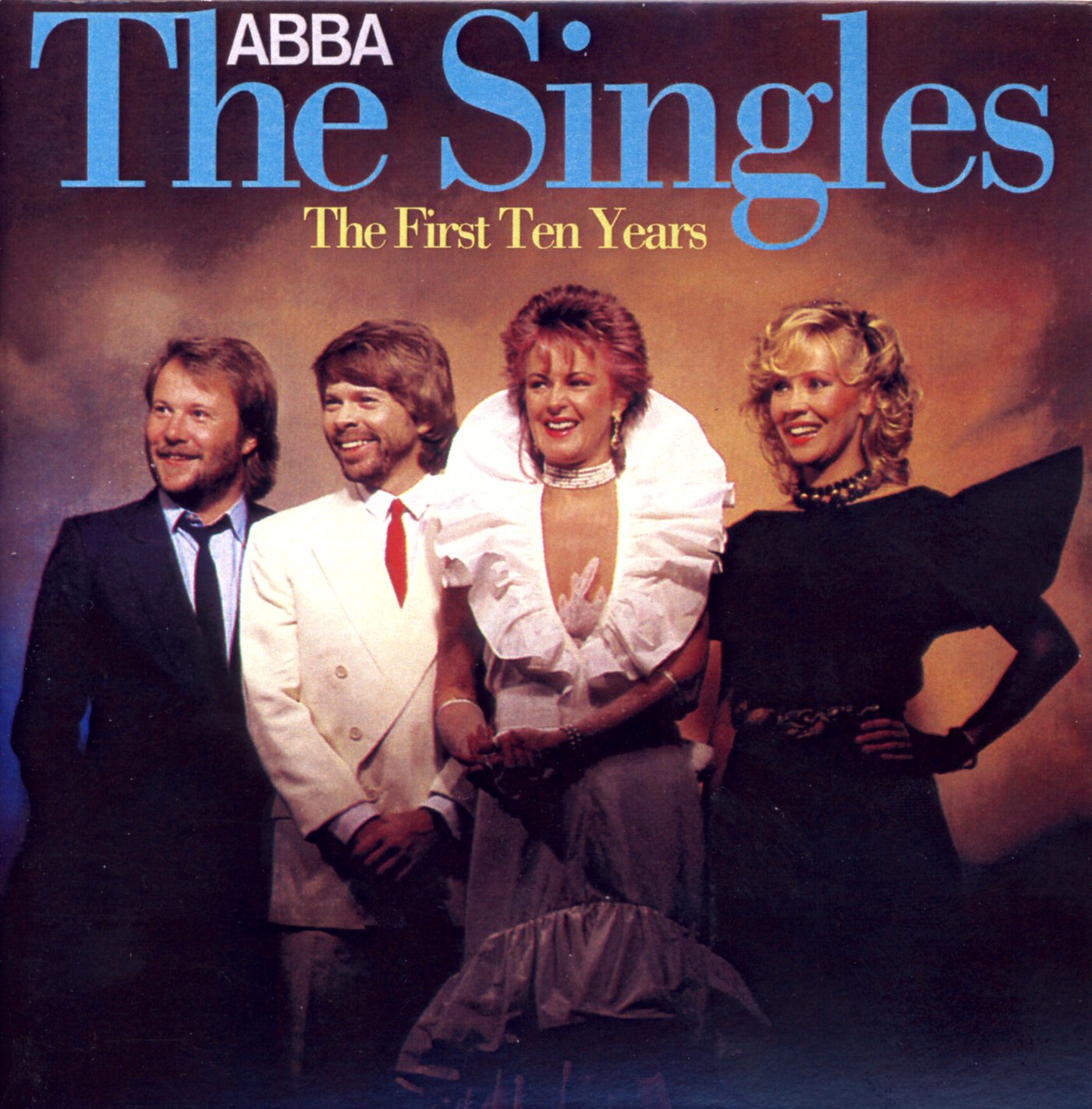
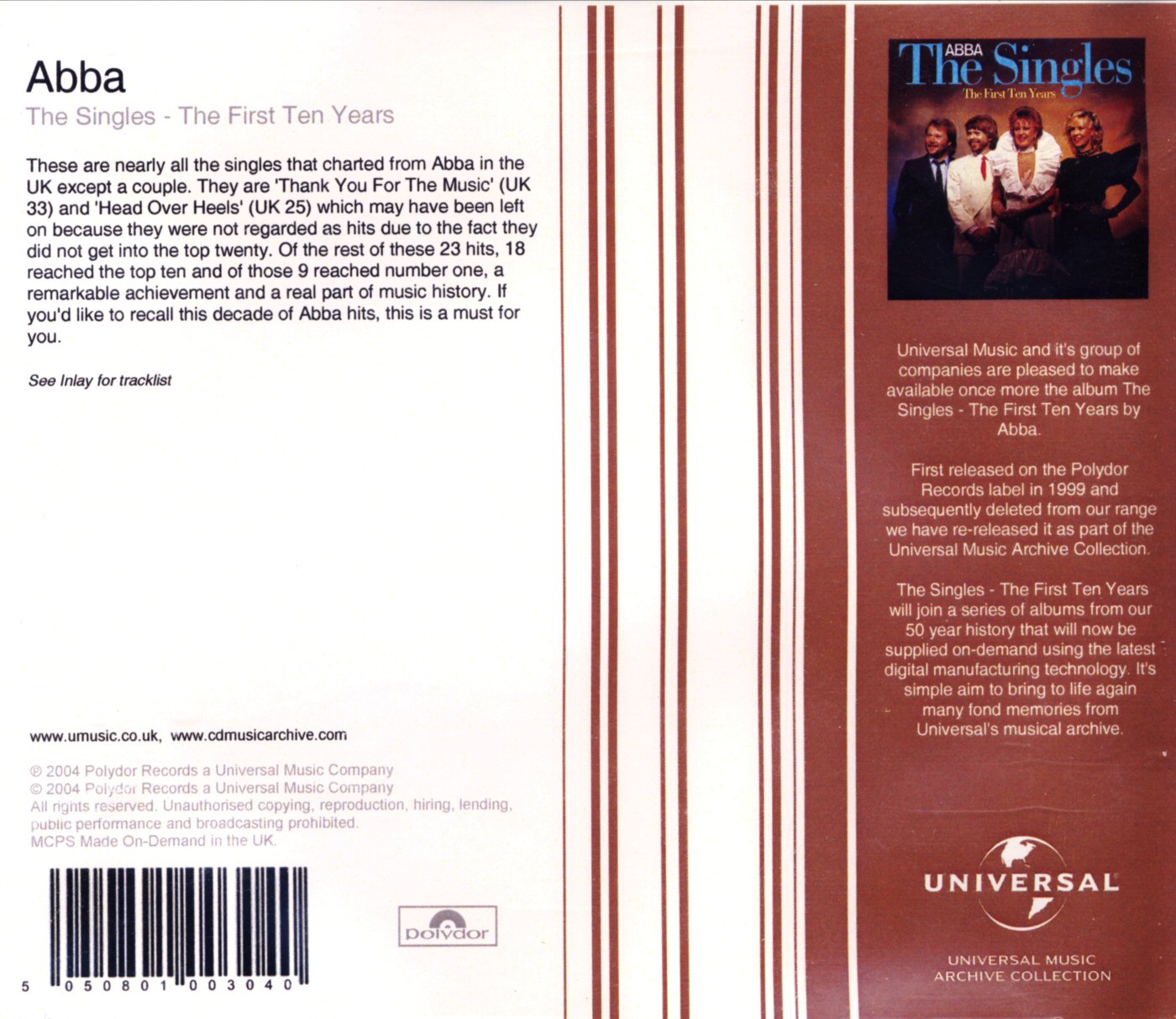
The Singles - The first ten years (the 2004 edition)
The re-release of the 1982 compilation album in the series "Universal Music Archive Collection". Almost all ABBA albums have been re-released in this series in 2004 in Great Britain. The interesting detail on the cover is that the first "B" in ABBA is not reversed.
|
|
|
|
|
|
The Complete Studio Recordings - The box, November 8, 2005
|
|
|
|
|
|
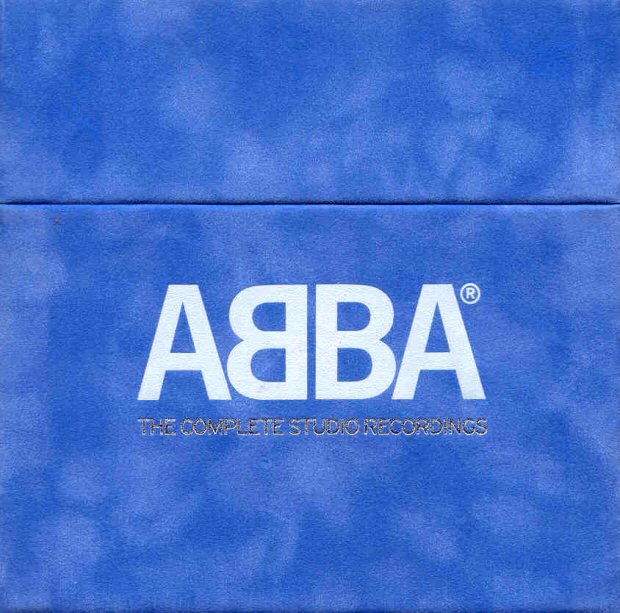
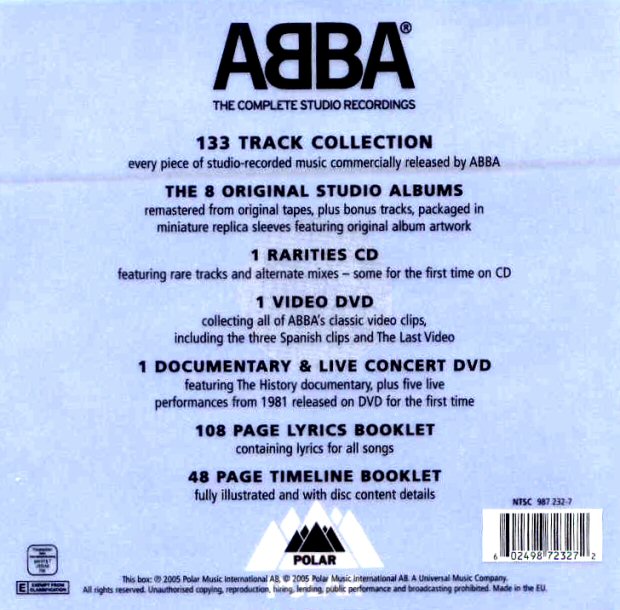
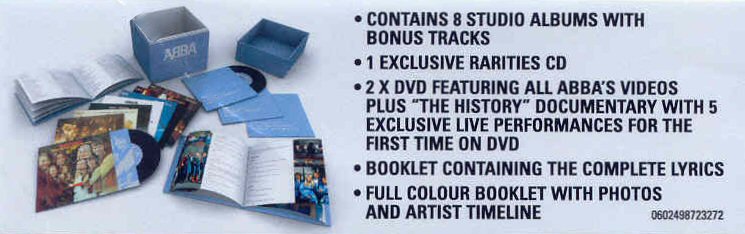
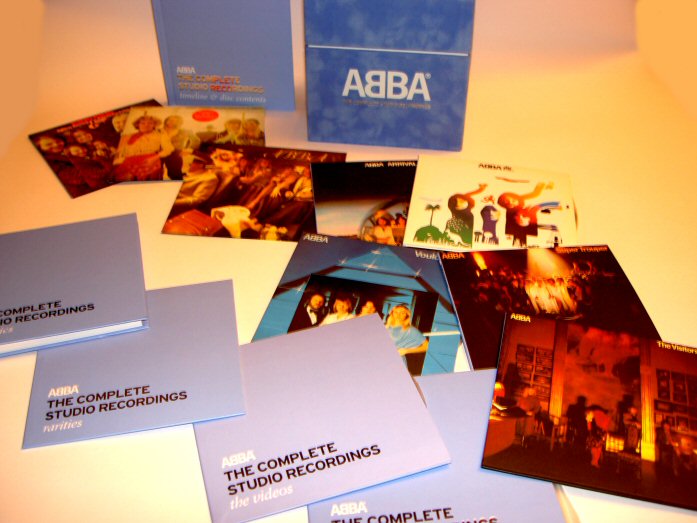
The box contains all ABBA studio albums + bonus tracks (different language versions, B-sides of the singles). Original covers scanned for this release.
A whole CD with alt versions of some of ABBA songs incl. alt mix of "Waterloo", the long version of "On and On and On" and the original 1975 mix of Medley released on the B-side of the single "Summer Night City". Two DVD contain all ABBA videos, ABBA The History and 5 songs performed live in "Dick Cavett meets ABBA" show from 1981. Release in Sweden November 8th, 2005
Greatest Hits - the 30th Anniversary Edition
|
|
|
|
|
|
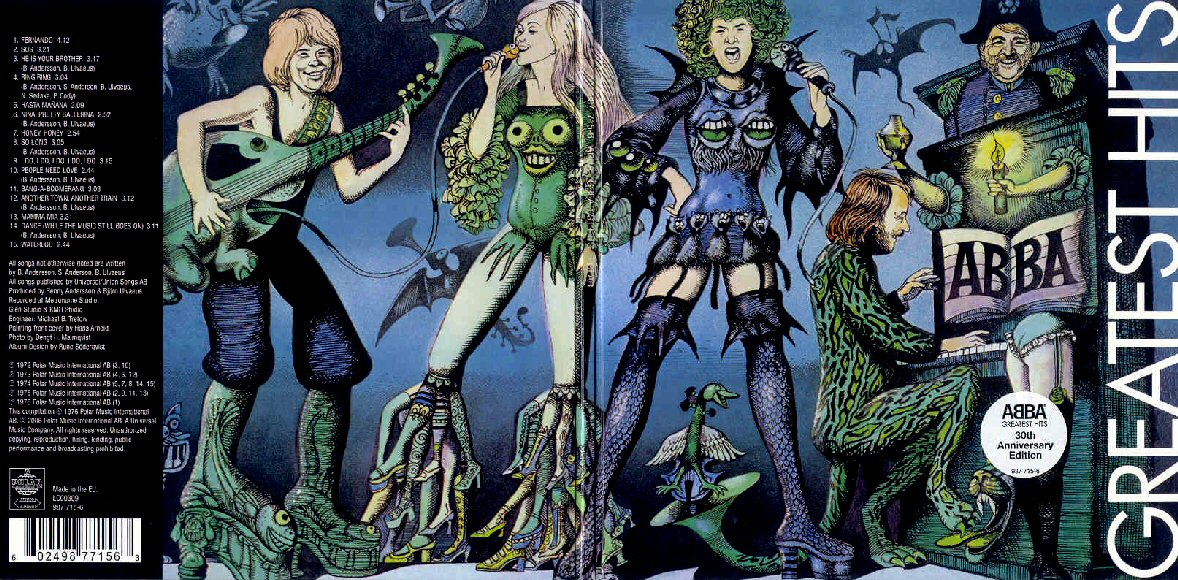
The CD re-release of the 1975/76 Greatest Hits album with the 1976 edition track listing and the 1975 edition cover.
Arrival - Deluxe Edition, October 9, 2006
|
|
|
|
|
|
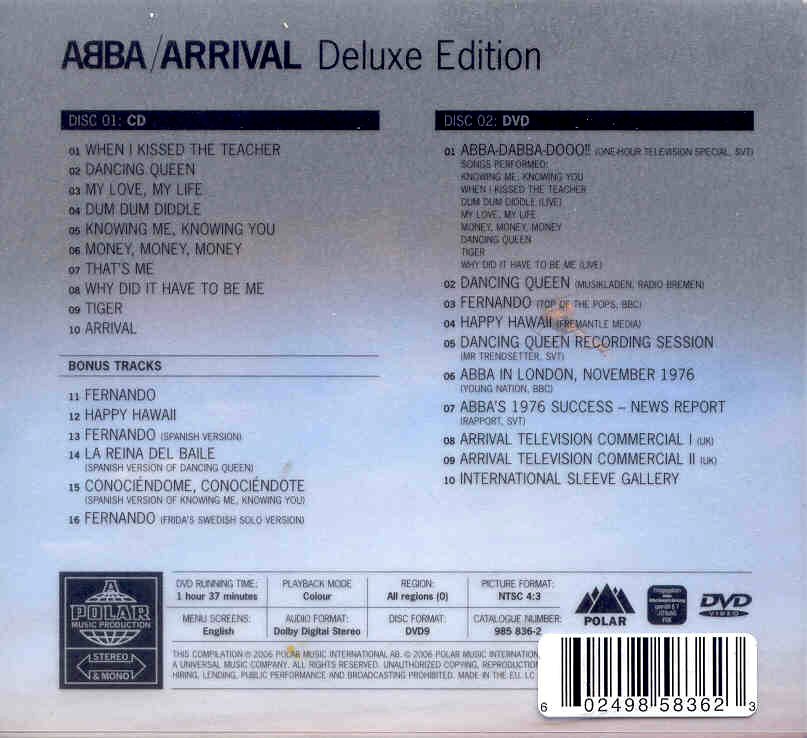
The 30th anniversary of the release of "Arrival" was celebrated with the special CD/DVD edition of the album. The CD contains the original album and 6 bonus tracks (Fernando in three language versions, Happy Hawaii and the Spanish versions of Dancing Queen and Knowing Me Knowing You). The DVD contains the promo show "ABBA-Dabba-Do" made by Swedish TV in the summer of 1976, excerpts from German Musikladen and British Top of the Pops as well as Arrival commercials and coverage of ABBA's visit in London in November 1976. Two very rare documentaries from Swedish TV are added.
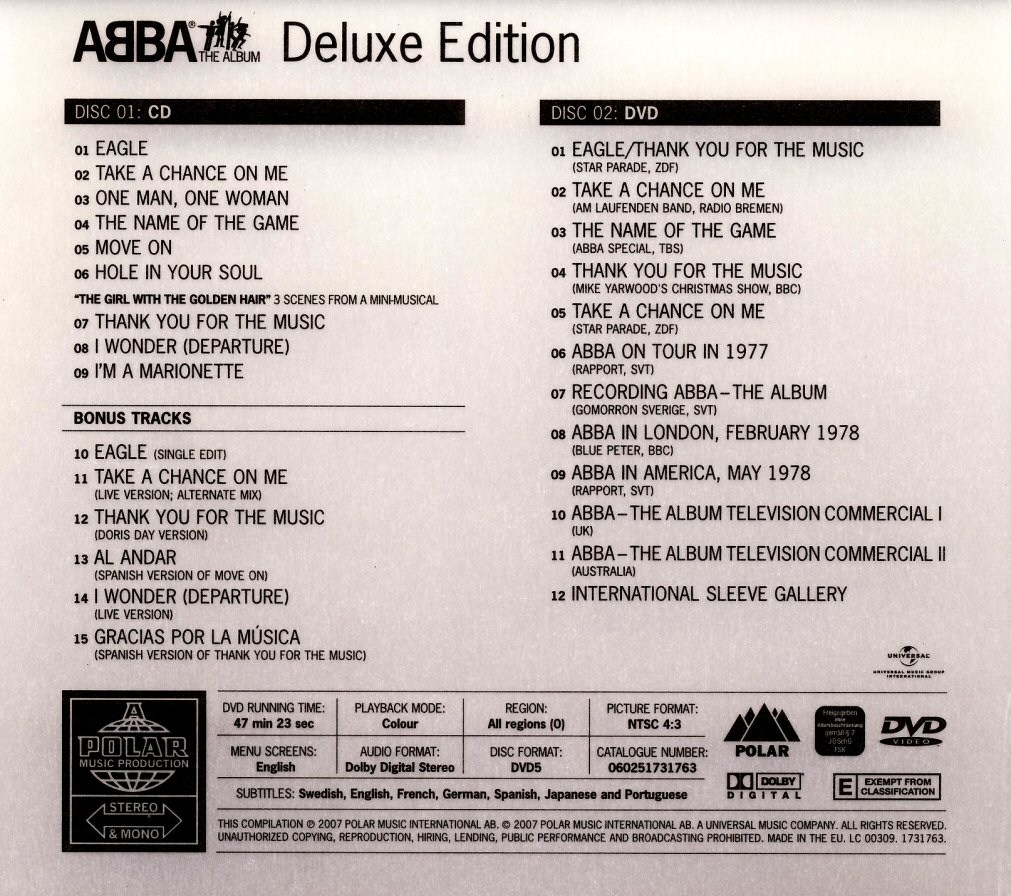
ABBA The Album - Deluxe Edition, October 15, 2007
The CD contains 15 tracks - 9 songs which were released on the original album in 1977 and 6 bonus tracks. The bonus tracks are the single edit of Eagle, alternate mix of the live version of Take A Chance On Me, the well-known Doris Day version of Thank You For The Music, the live version of "I Wonder" and the 1980 Spanish versions of Move On and Thank You For The Music.
The DVD contains performances from West Germany, UK, Japan and some documentaries from Swedish TV and the commercials for ABBA The Album and ABBA The Movie previously released on the bonus DVD in ABBA The Movie box.
|
|
|
|
|
|
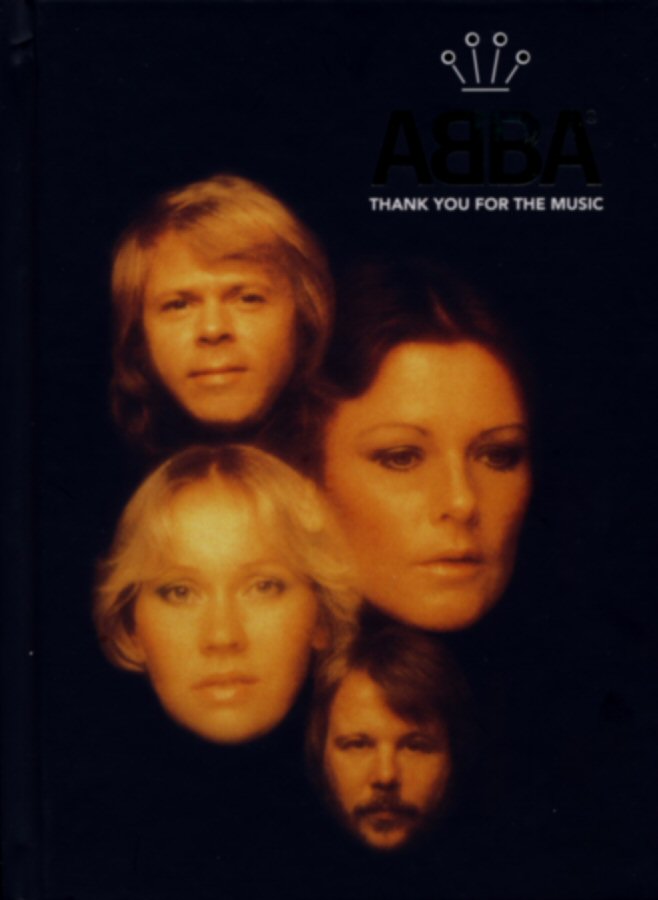
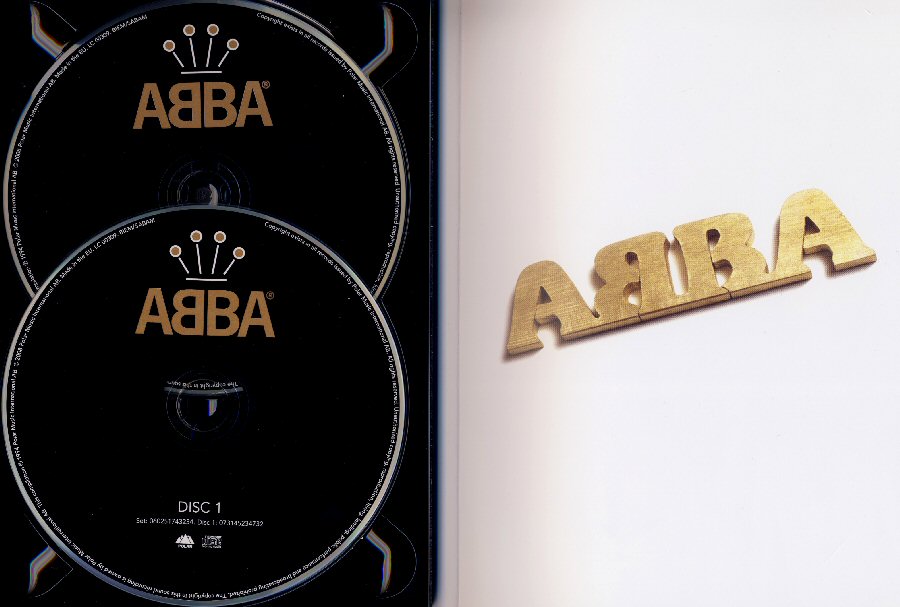
Thank You For The Music - the box, August 13, 2008
 |
 |
 |
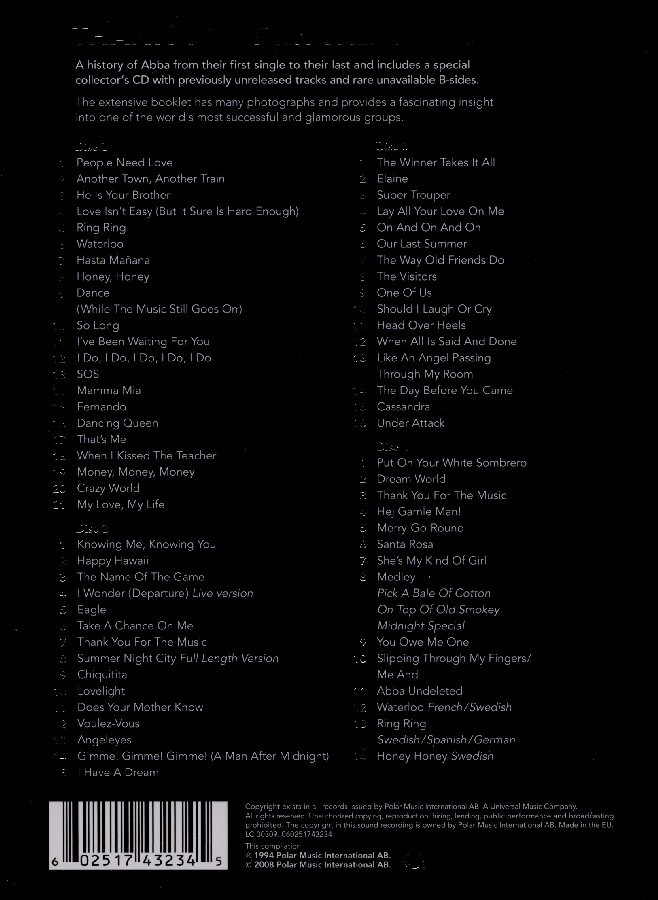 |
The 2008 re-release of the 1994 ABBA box "Thank You For The Music" (out in Sweden August 13) features new format, new booklet and new lay-out. The songs though remain the same as on the original 1994 release. The picture choice for the booklet is disappointing - only very well-known shots taken during famous photo sessions. Nice done but for the new generation of ABBA fans...
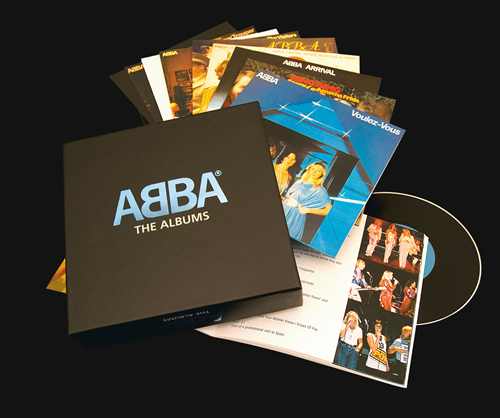
ABBA The Albums - the box, October 22, 2008
The box with 9 CDs featuring all original ABBA albums and one bonus CD with single tracks and rarities
 |
 |
ABBA in Japan DVD, October 26th, 2009
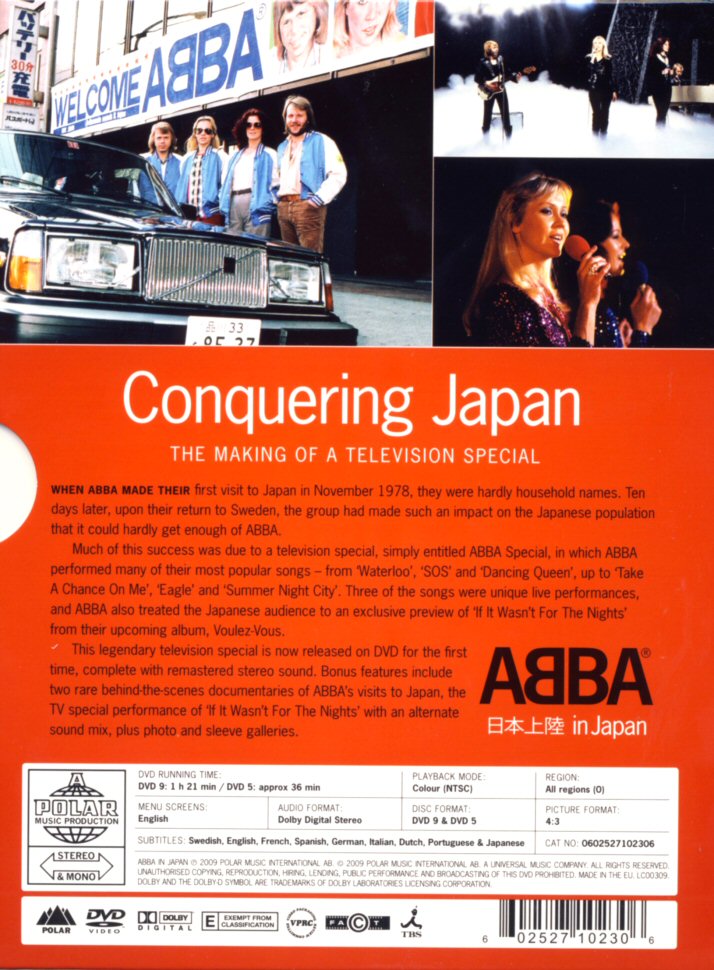
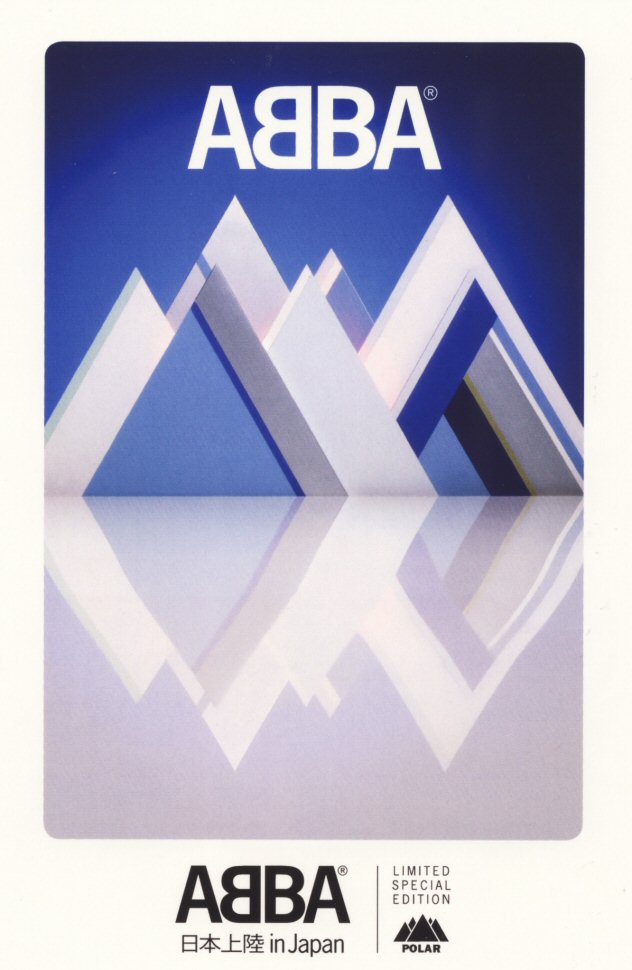
The DVD ABBA in Japan was released in Sweden on October 26th, 2009. The special edition of the DVD contains 2 discs. The special edition features even special attachments as the tour sticker and three photo cards and a special booklet with the Japanese story of ABBA. The running time is: 1 h 21 m (disc 1) and 36 m (disc 2).
Disc 1
The TV show 1978
Eagle, Take A Chance On Me, Money, Money, Money, SOS, That's Me, Tiger, Dancing
Queen, Waterloo, Fernando, Summer Night City, The Name Of The Game, Knowing Me,
Knowing You, If It Wasn't For The Nights, Thank You For The Music
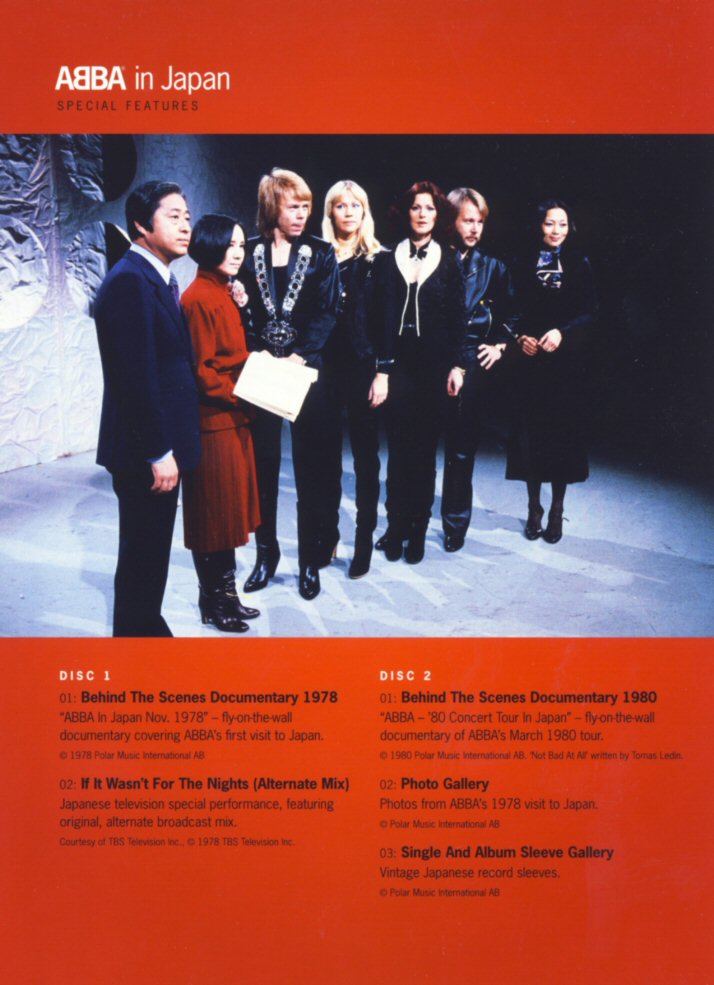
Behind The Scenes Documentary 1978
If It Wasn't For The Nights (Alternate Mix)
Disc 2
Behind The Scenes Documentary 1980
Photo Gallery
Single And Album Sleeve Gallery
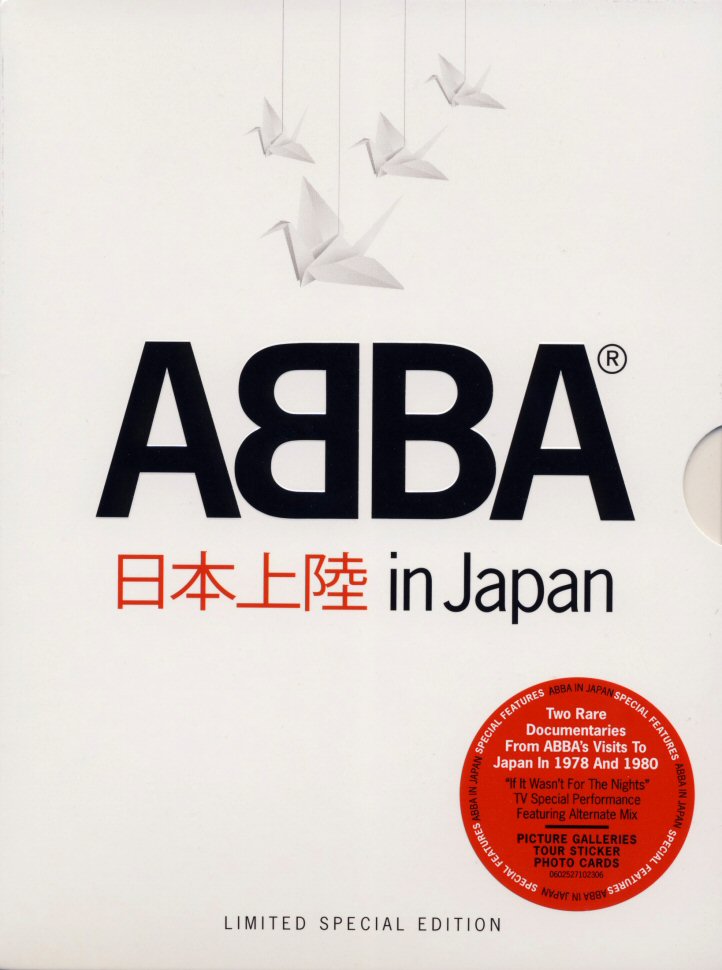 |
 |
 |
 |
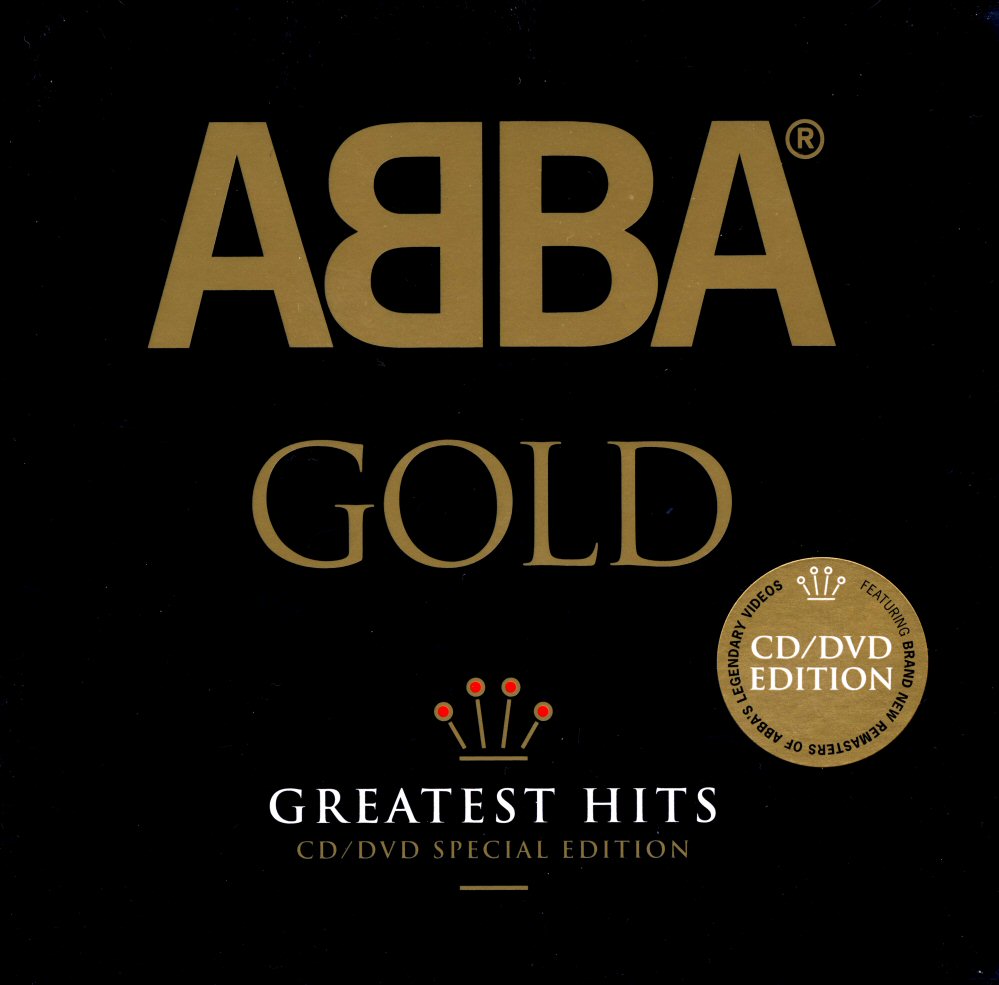
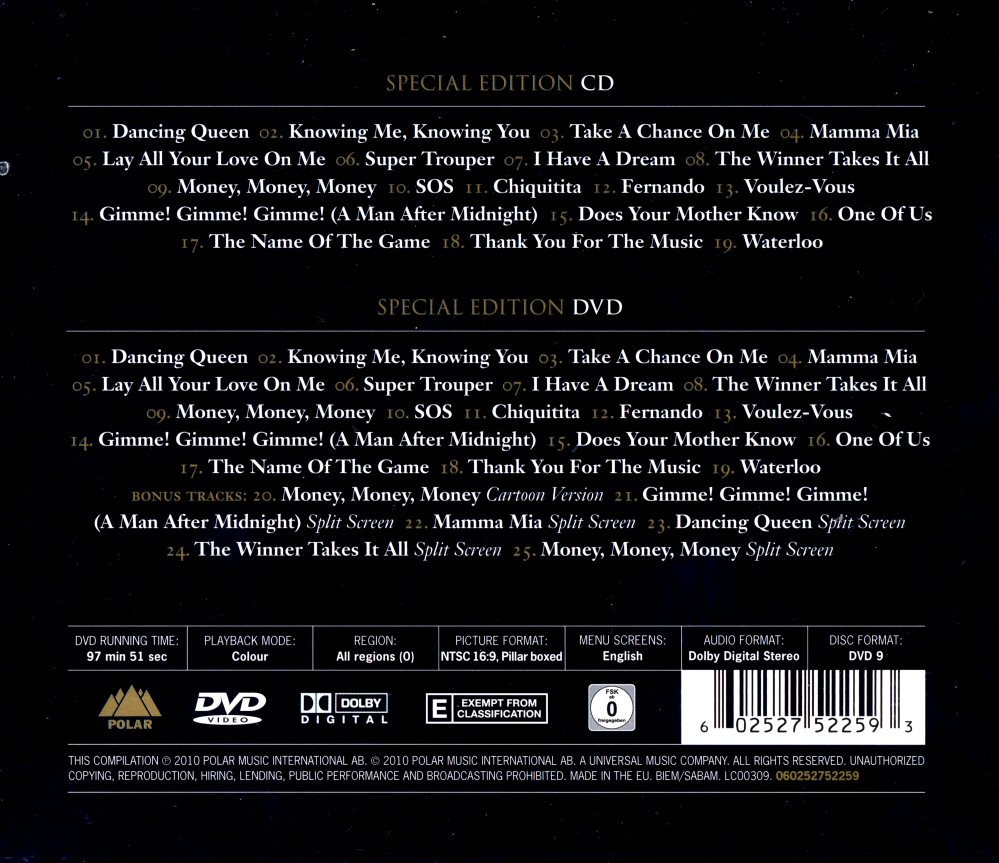
ABBA Gold, CD+DVD, December 6, 2010
The 2010 edition of ABBA Gold features DVD with new remasters of ABBA videos and a bonus video "Money Money Money" - cartoon version.
 |
 |
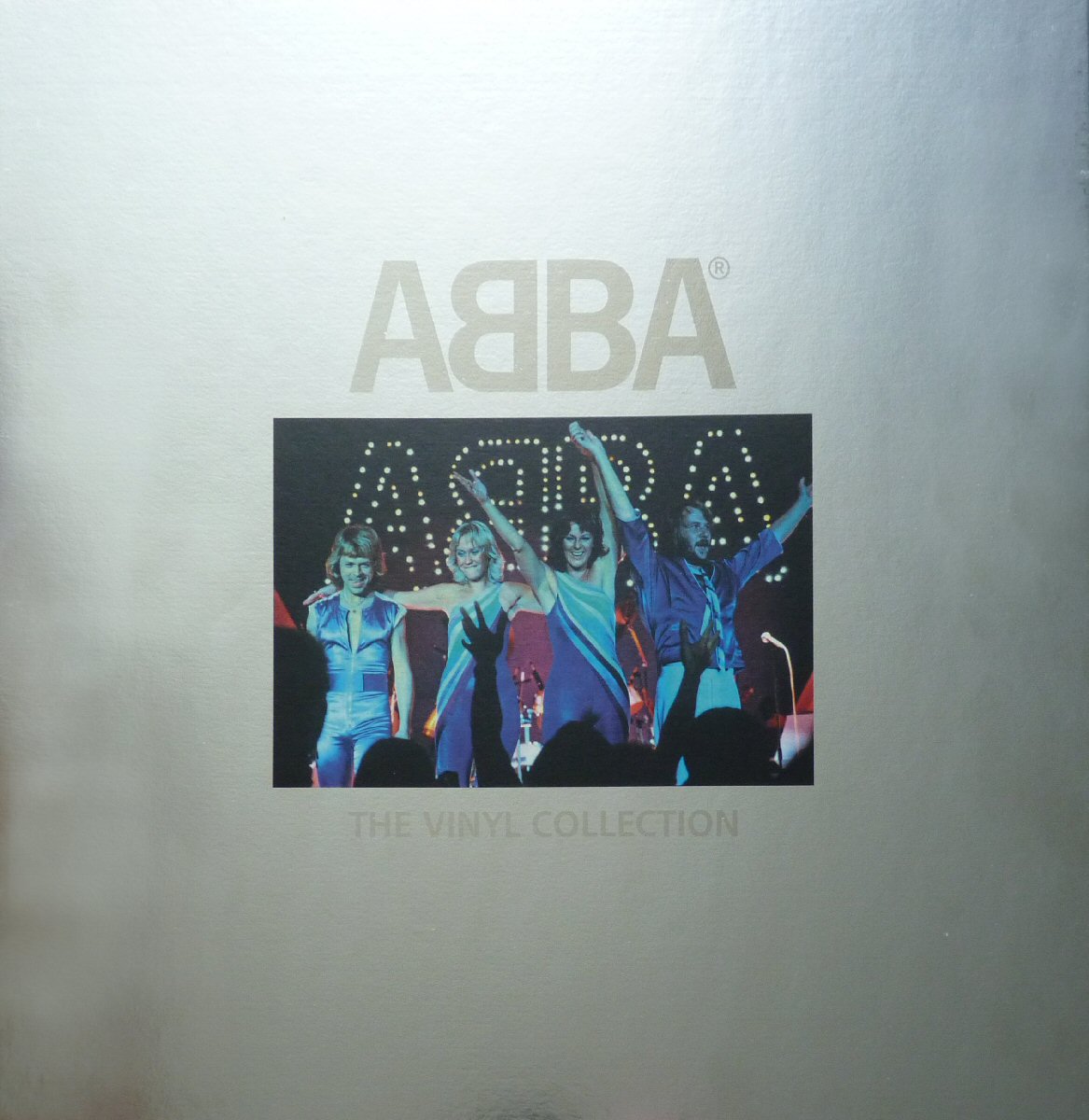
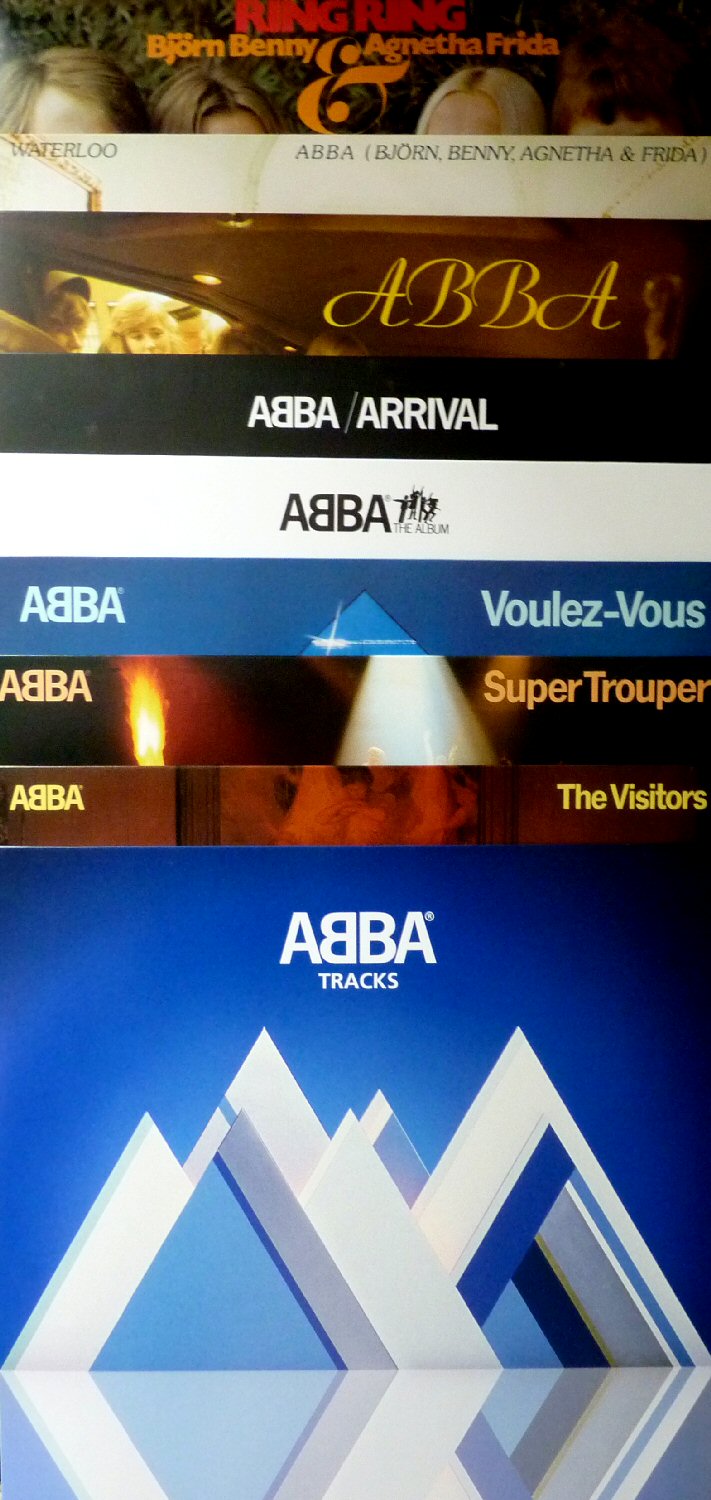
ABBA The Vinyl Collection, December 6, 2010
see: ABBA after 1982 for details
 |
 |
 |
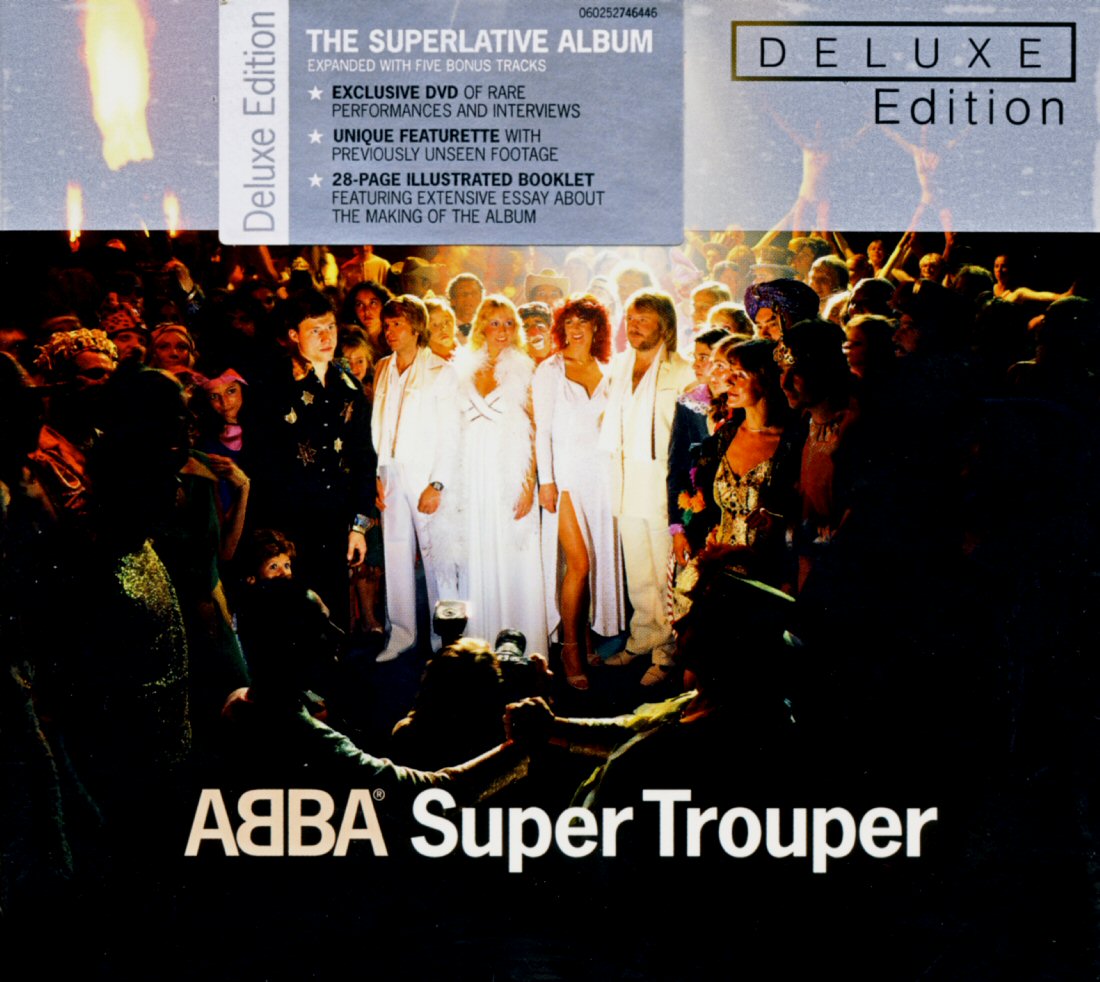
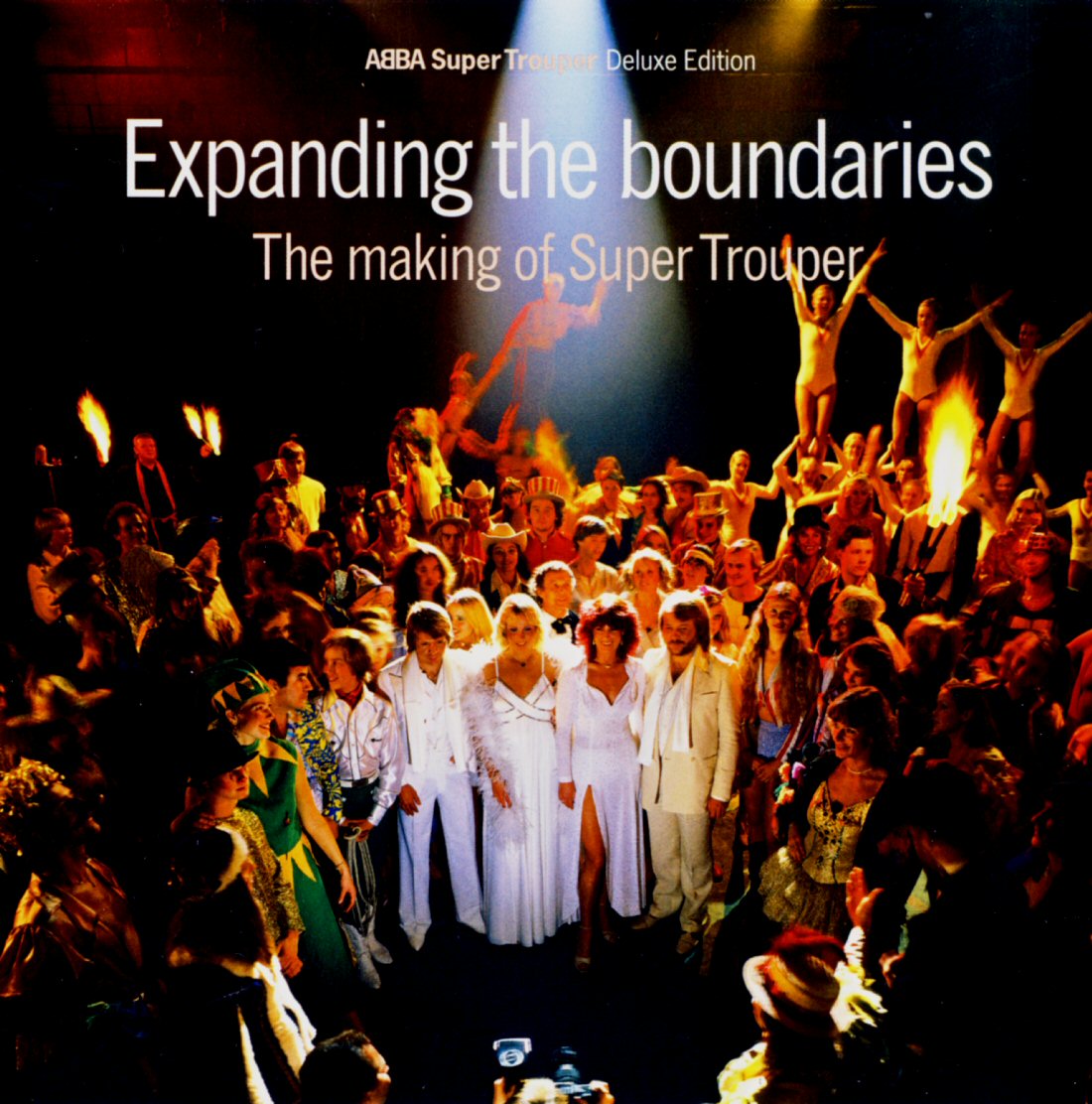
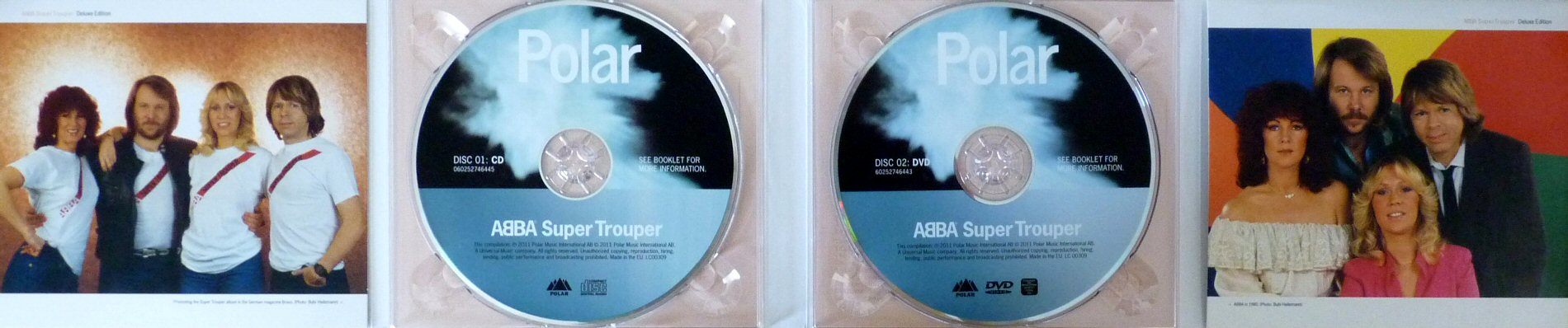
Super Trouper - deluxe edition, May 9, 2011
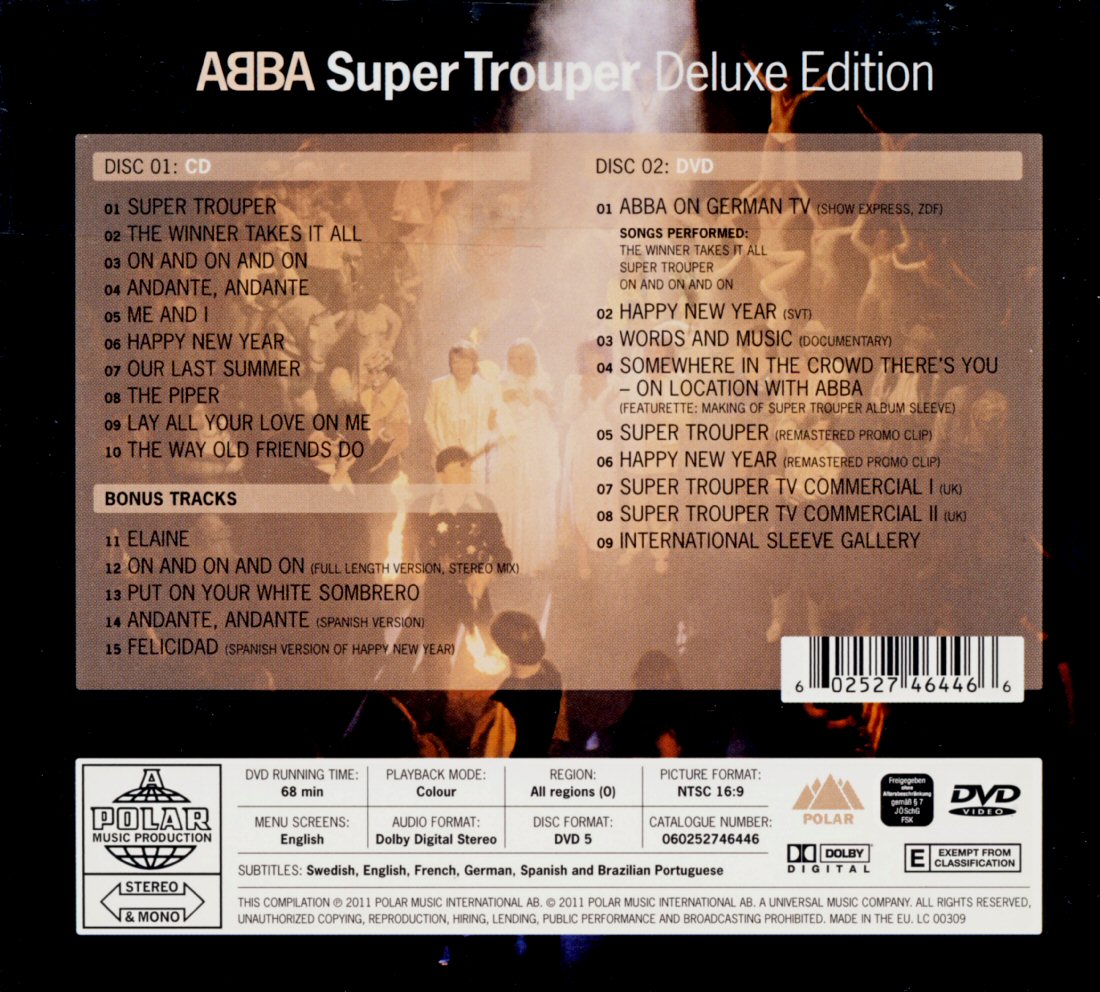
The CD contains 15 tracks - 10 songs from the original release of the album and 5 bonus tracks. The bonus tracks are: "Elaine", "Put on Your White Sombrero", "On and On and On" (extended version in stereo) as well as Spanish versions of "Andante Andante" and "Happy New Year" ("Felicidad").
The DVD features: ABBA in Show Express (ZDF) 1980, "Happy New Year" (SVT), "Words and music" (documentary), "Somewhere in the crowd there's you - on location with ABBA", promo videos for "Super Trouper" and "Happy New Year" and finally two "Super Trouper" commercials and the picture gallery.
 |
 |
 |
 |
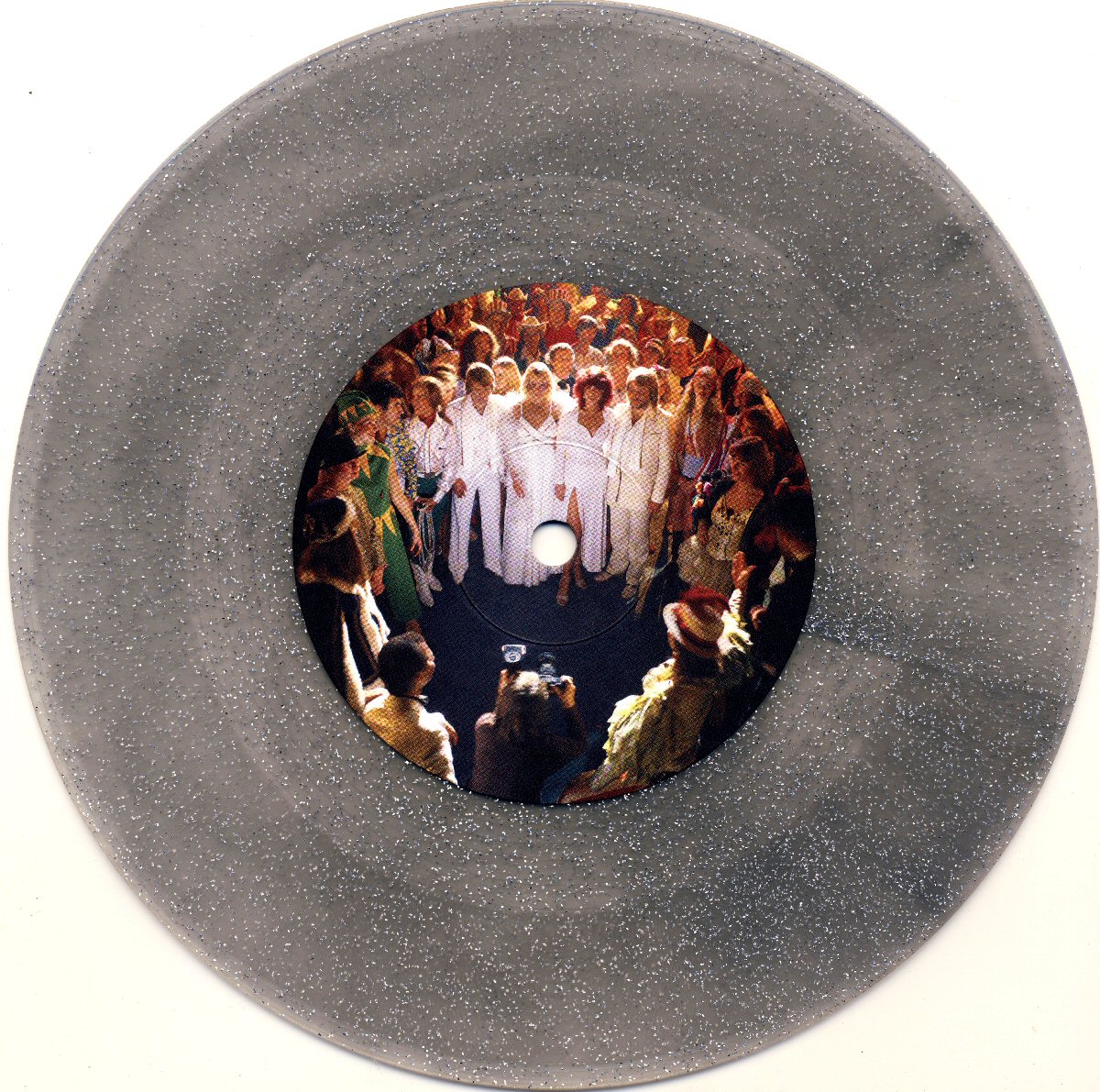
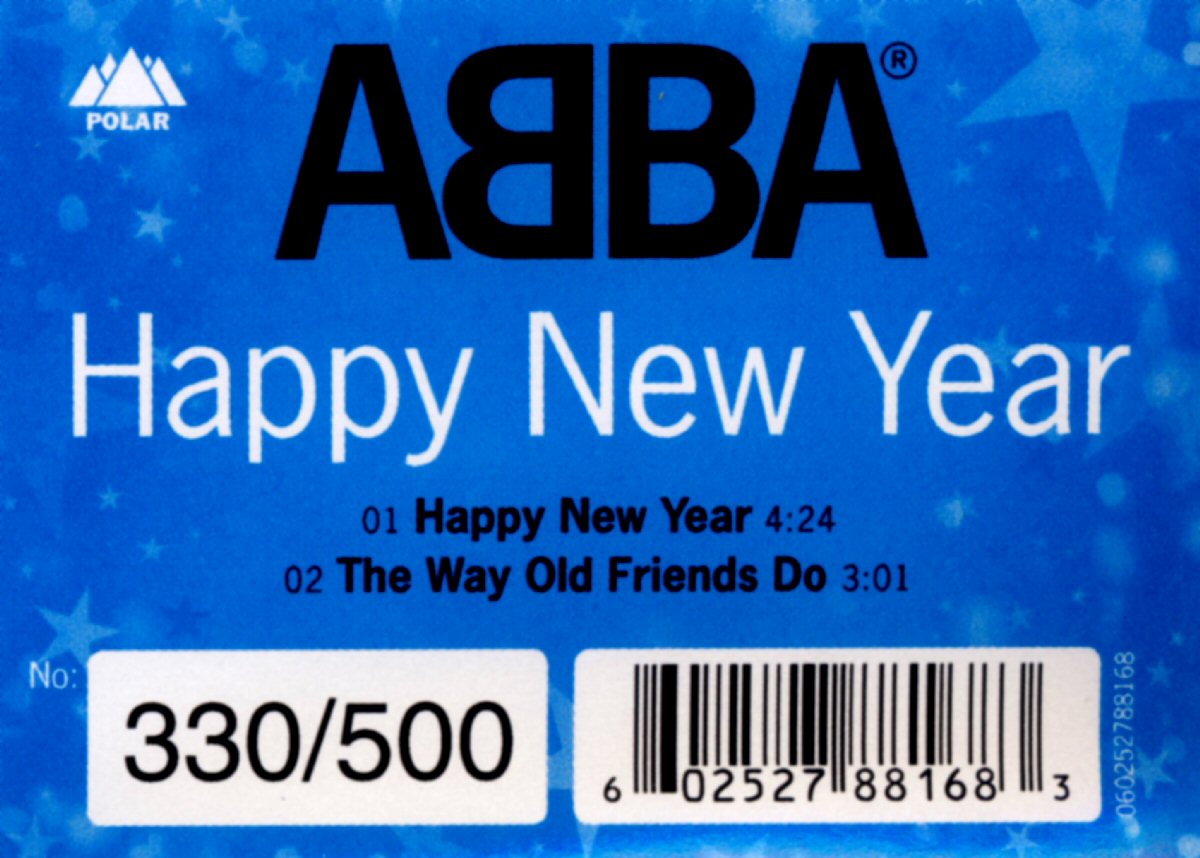
Happy New Year/The Way Old Friends Do
The single in limited edition of 500 pieces was released on November 30th, 2011.
 |
 |
 |
 |
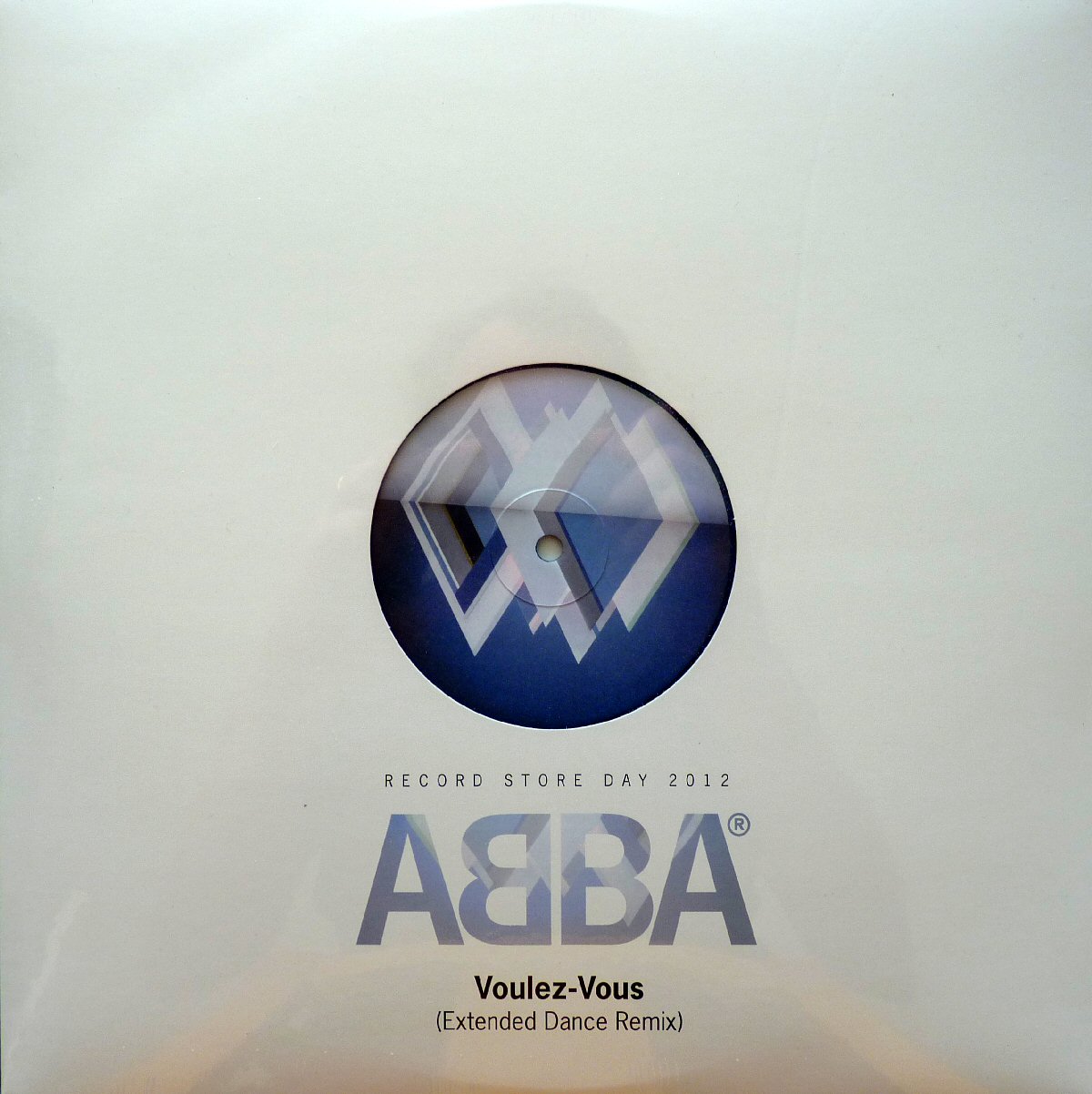
Voulez-Vous/If It Wasn't For The Nights
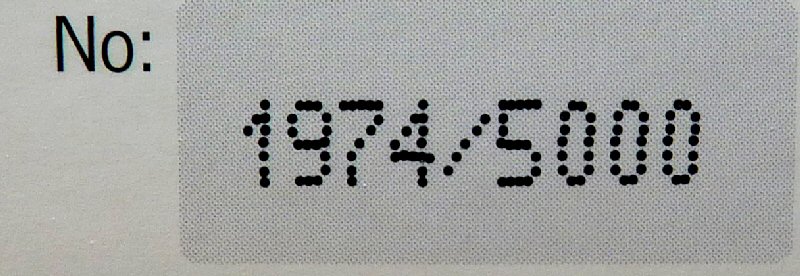
A 12" single featuring an extended version of "Voulez-Vous" b/w "If It Wasn't For The Nights" released on April 19th, 2012. Limited edition 5000 ex.
Here is the record number 1974 (!!!) in this limited edition.
 |
 |
 |
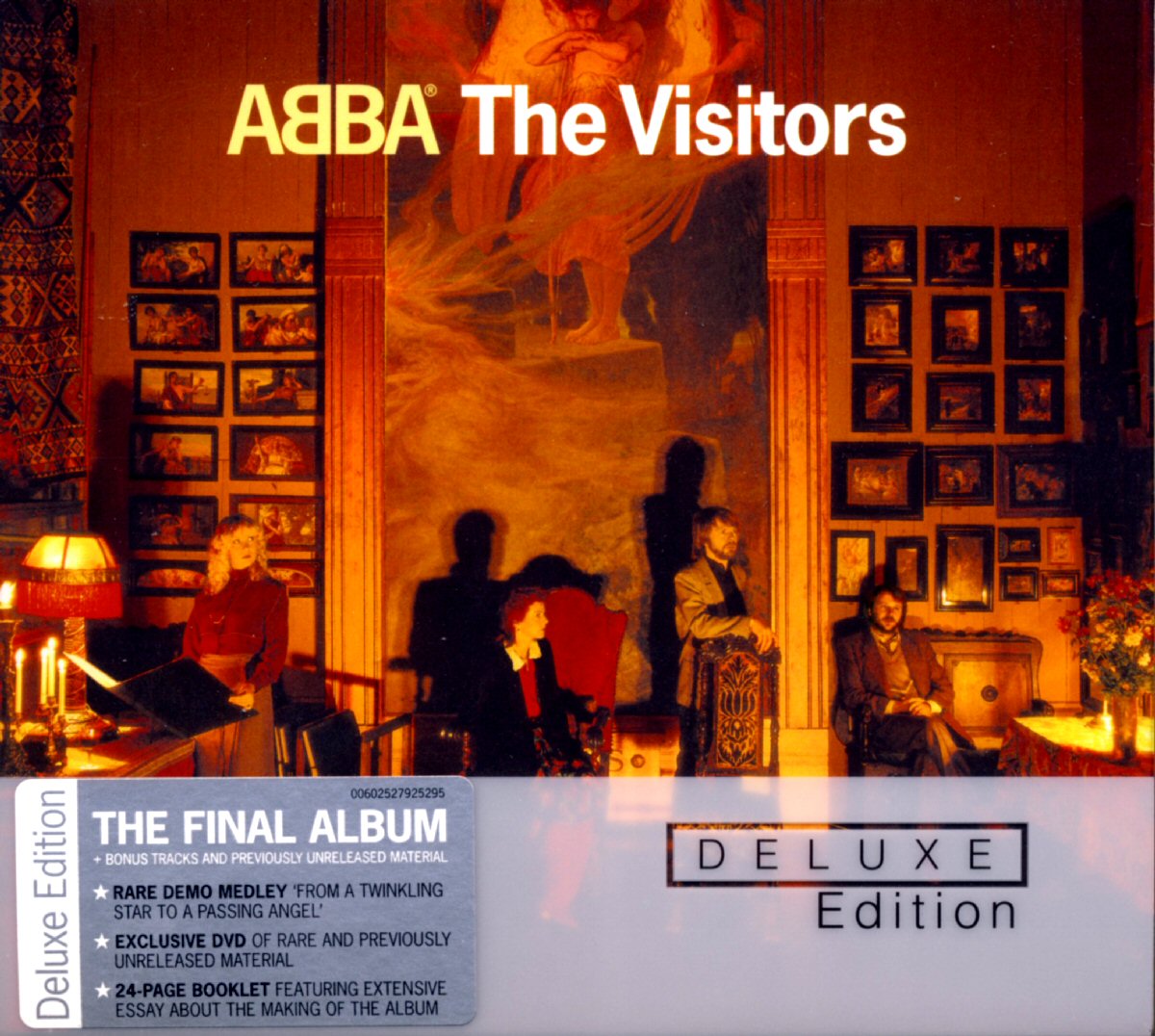
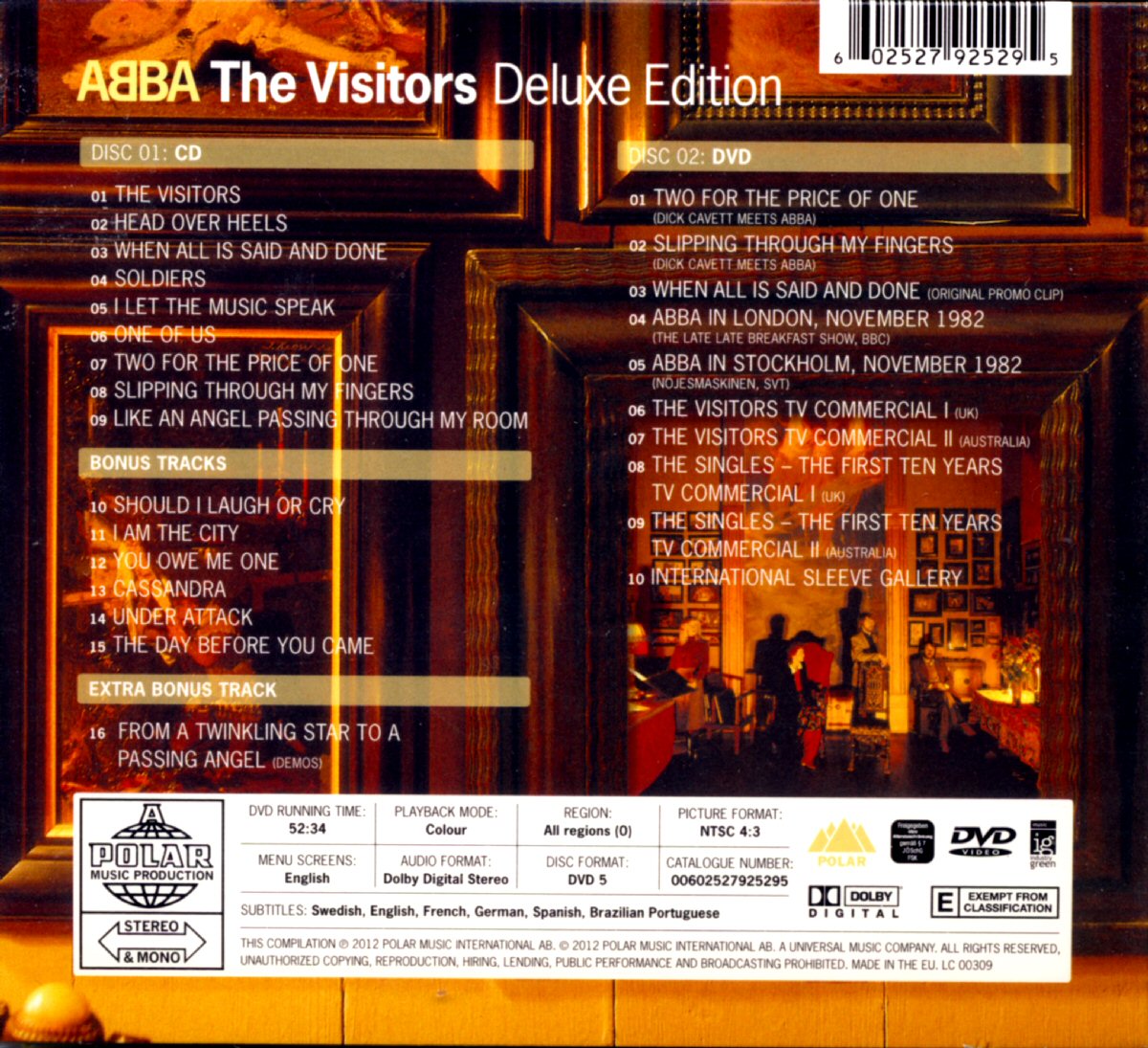
The Visitors - deluxe edition, April 23, 2012
The CD contains 16 tracks - 9 songs from the original release of the album, 6 bonus tracks and one extra bosnus track featuring a medley of demos of "Like An Angel Passing Through My Room".
The DVD contains two songs from the show "Dick Cavett meets ABBA", ABBA in London in November 82, ABBA in Stockholm, November 82 as well as commercials for "The Visitors" and "The Singles - The First Ten Years".
 |
 |
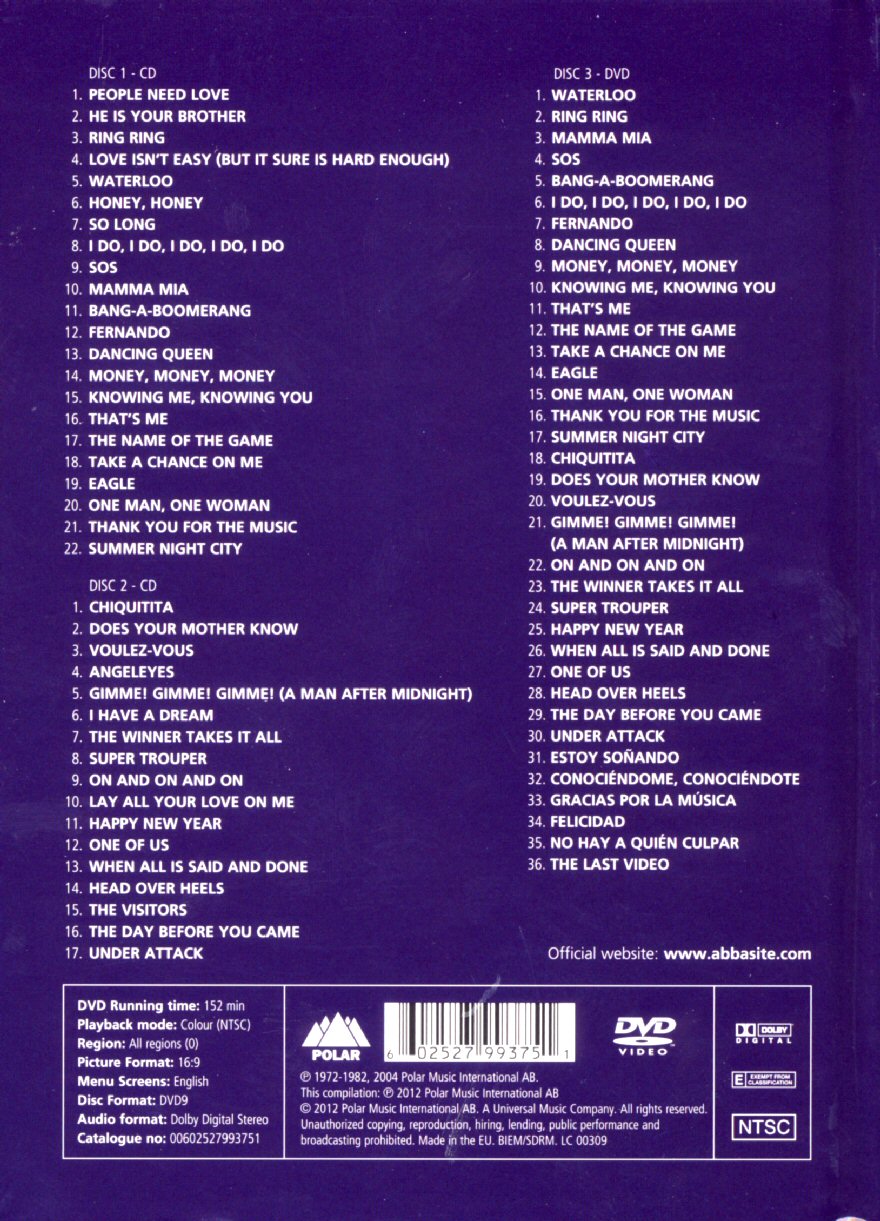
The Essential Collection - May 28th, 2012 (Germany)
Two CDs and one DVD with all English and Spanish language videos featuring two previously unreleased officially videos: "Conociendome Conociendote" and "Gracias por la musica".
|
|
|
|
|
|
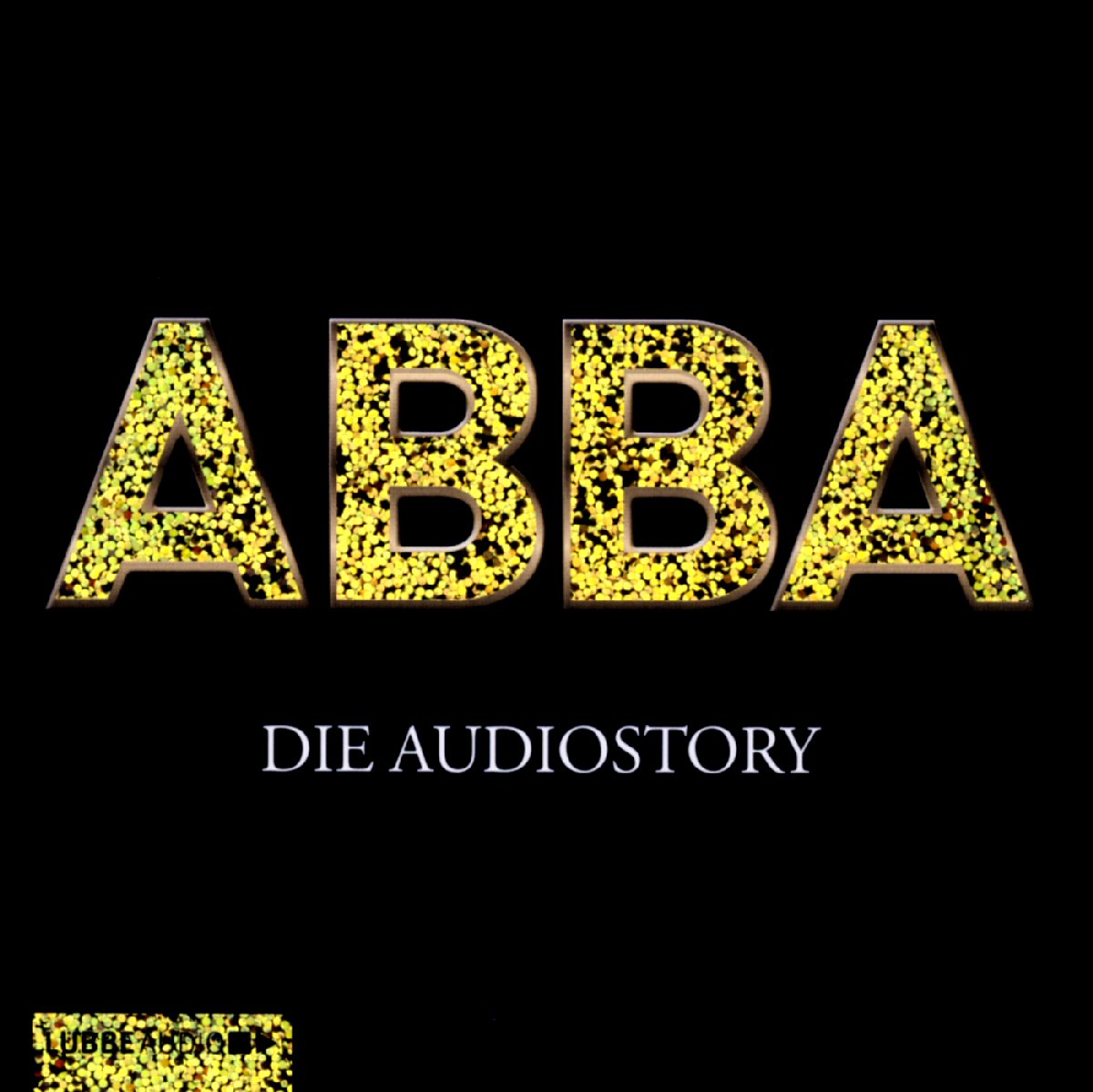
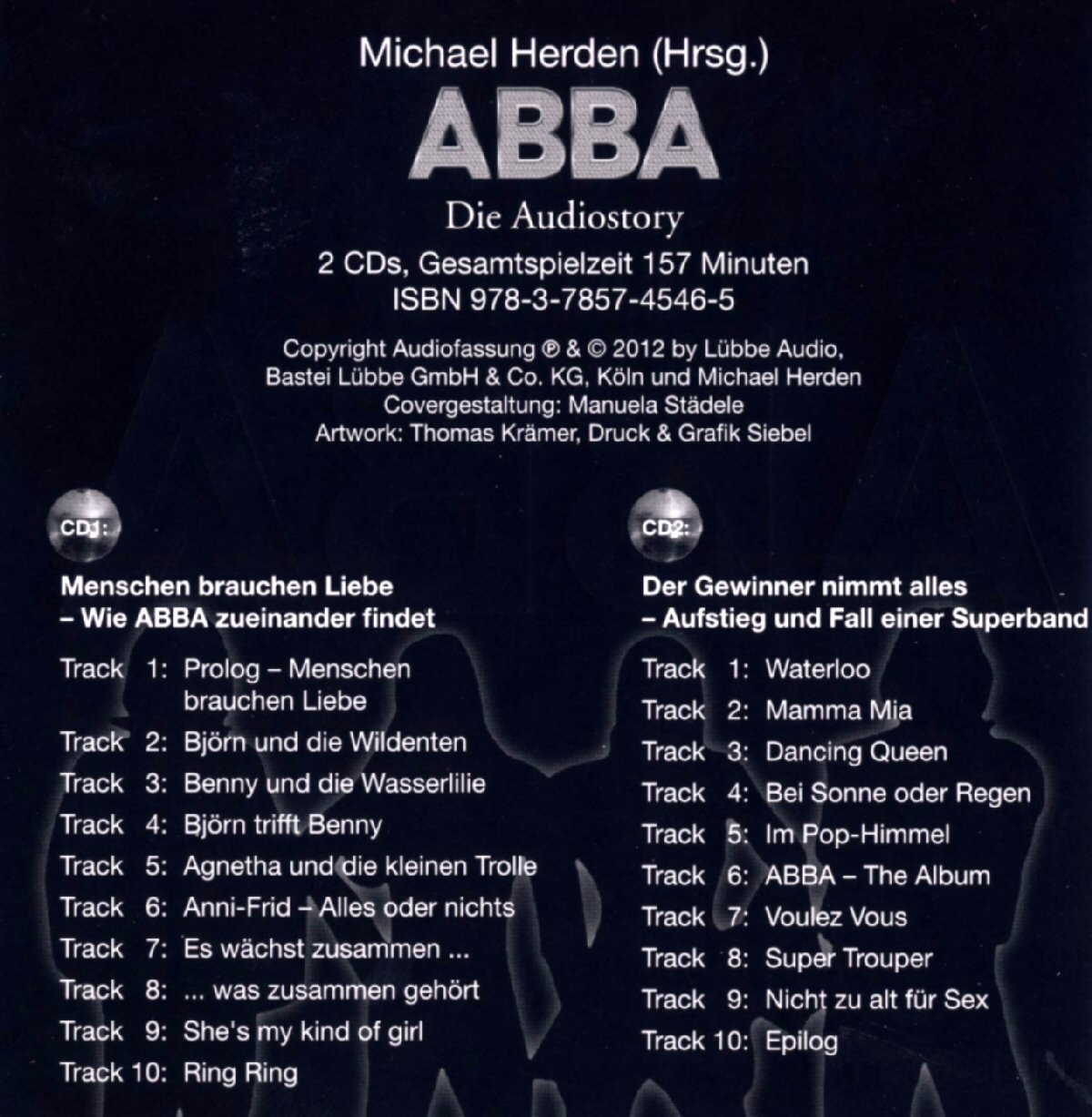
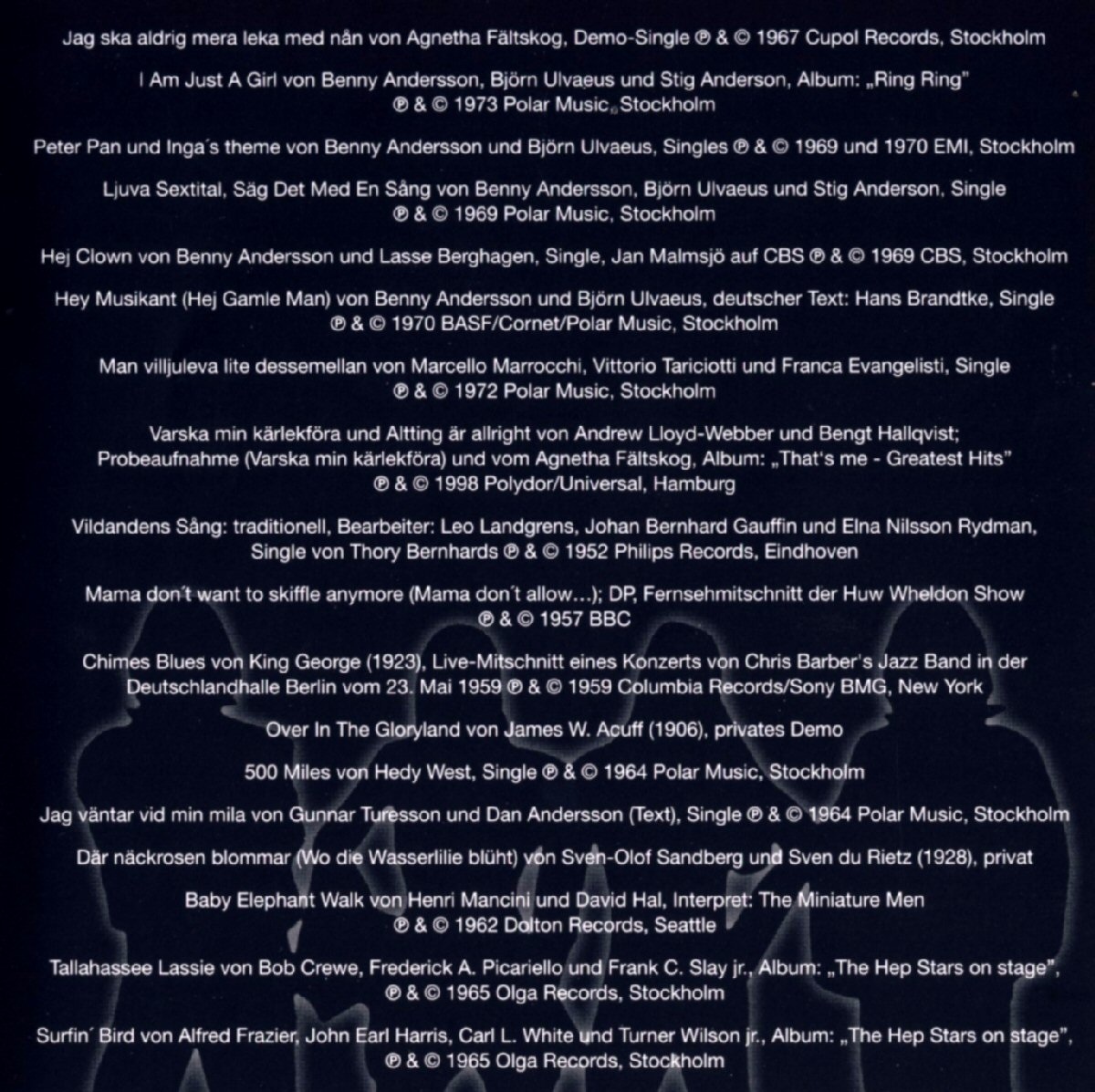
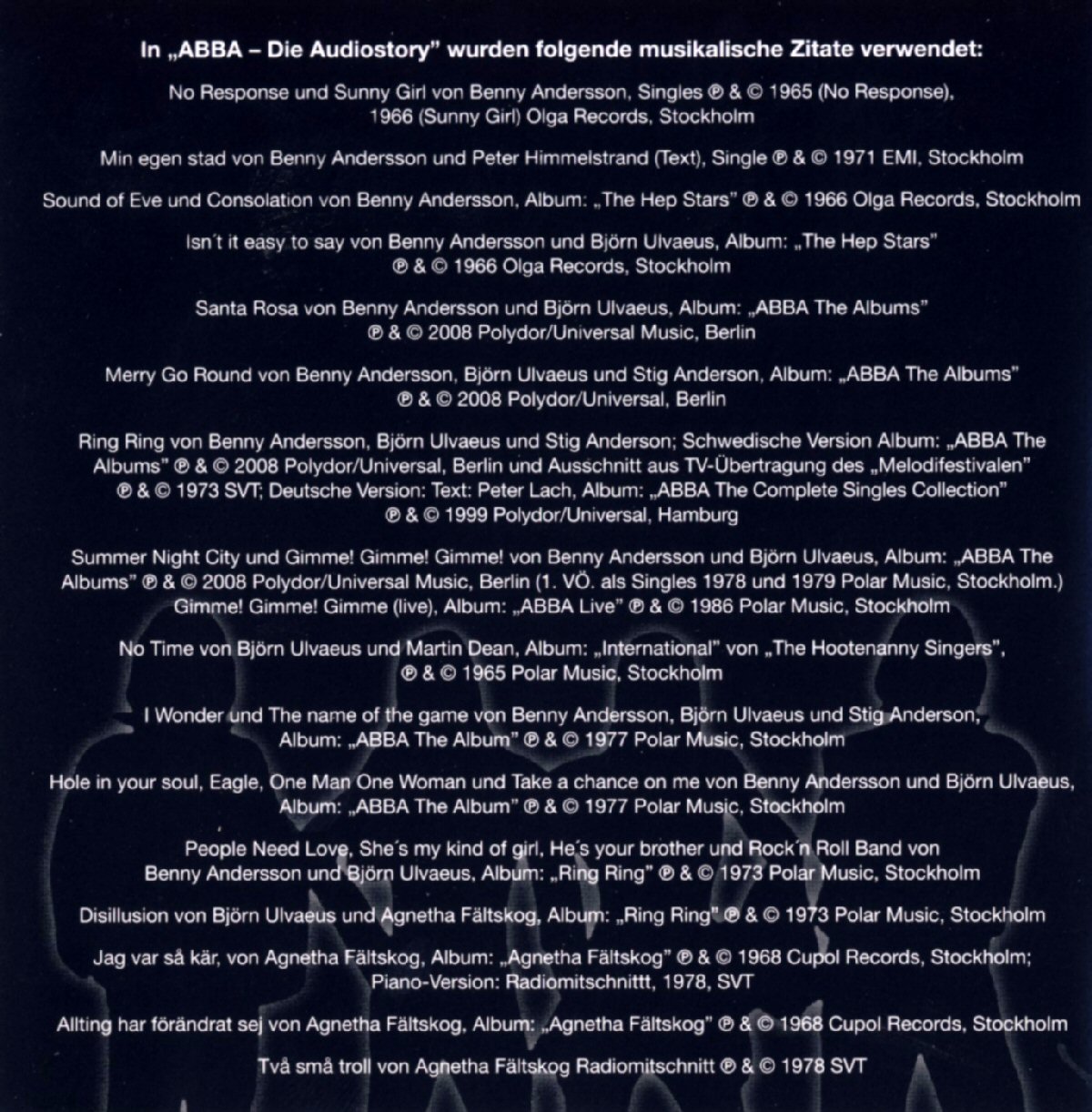
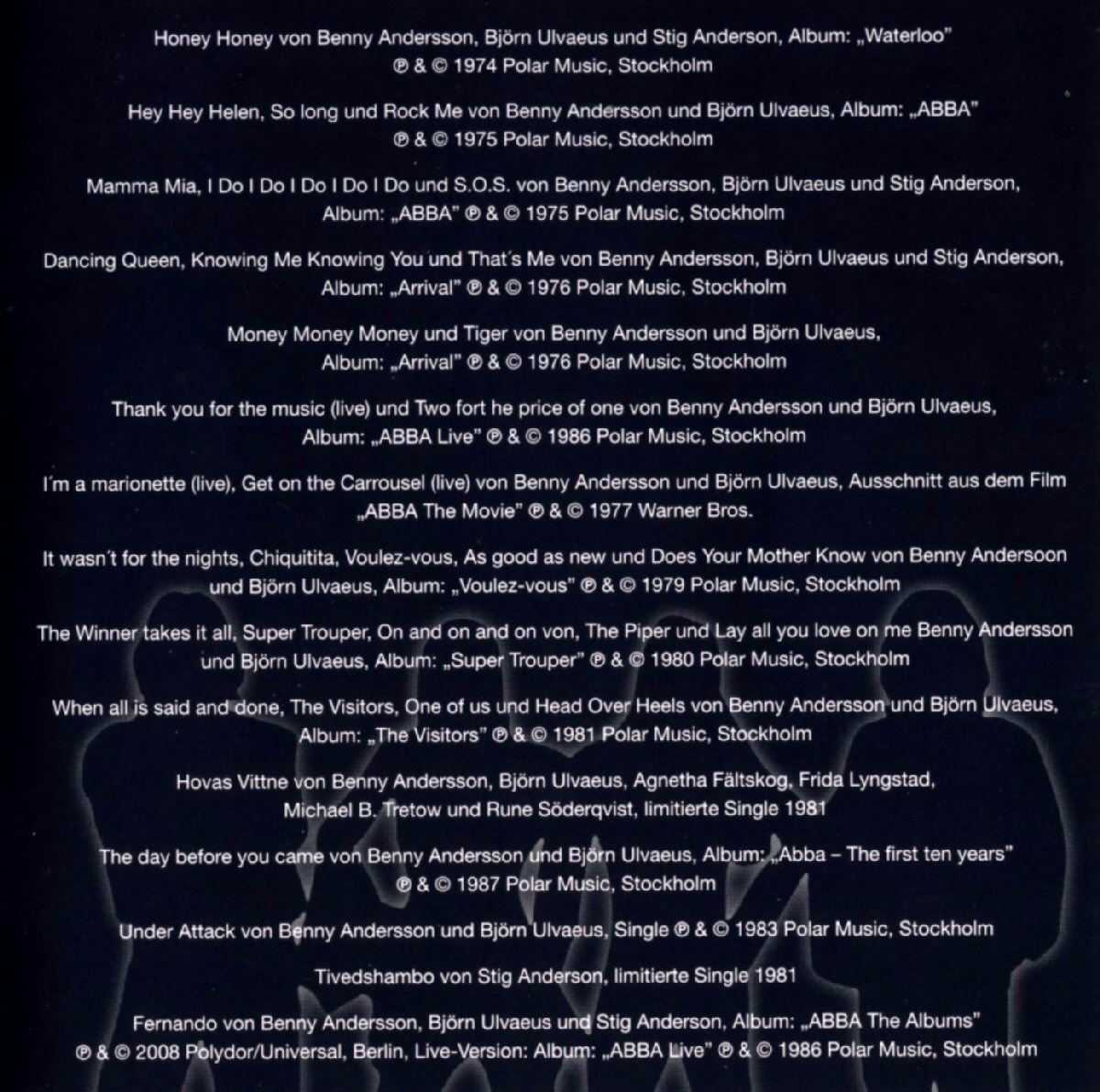
ABBA Die Audiostory - 2012 (Germany)
Audio book featuring lots of rare material and previously unheard demos and live performances
 |
 |
 |
 |
 |
 |
 |
 |
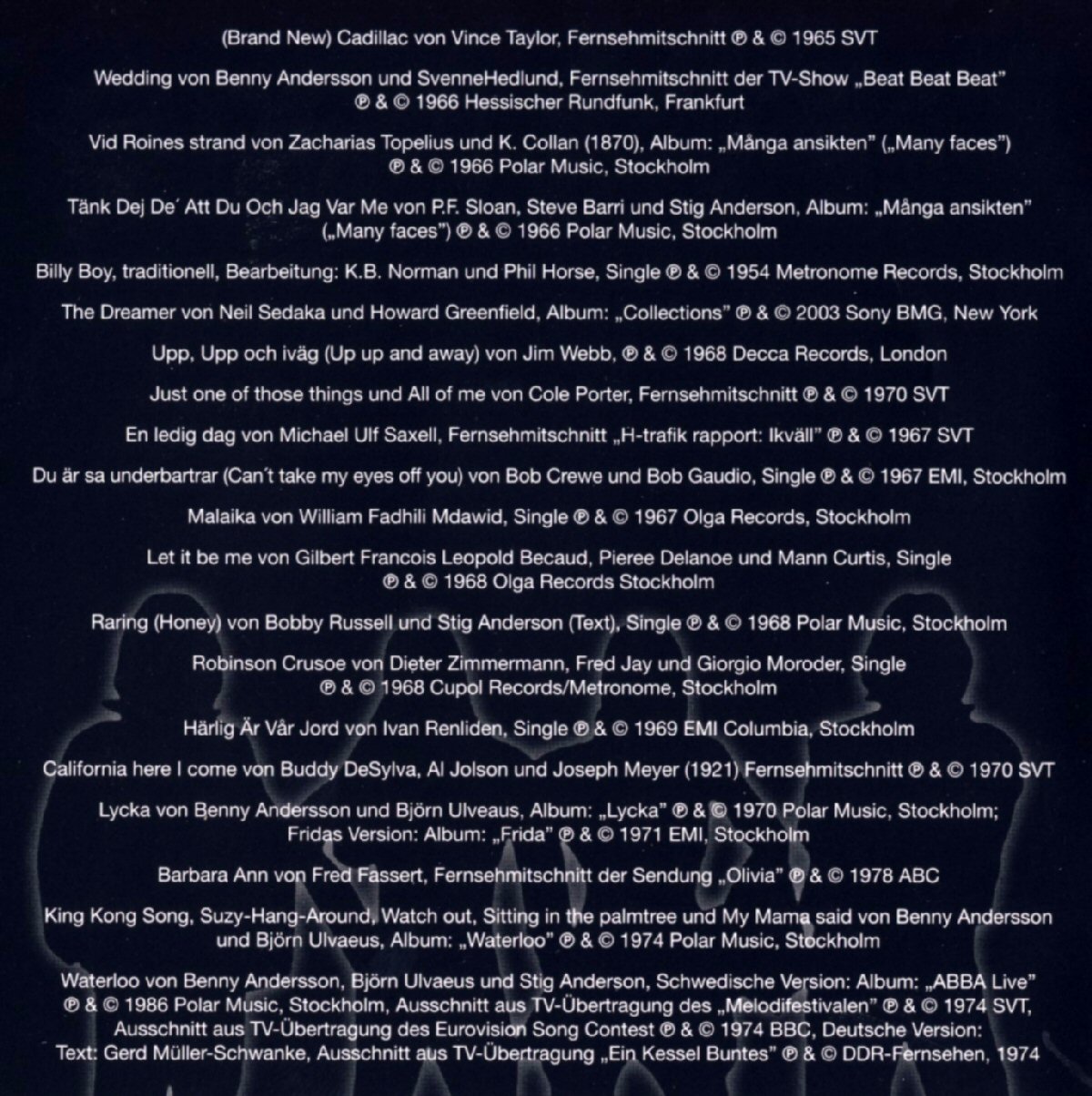
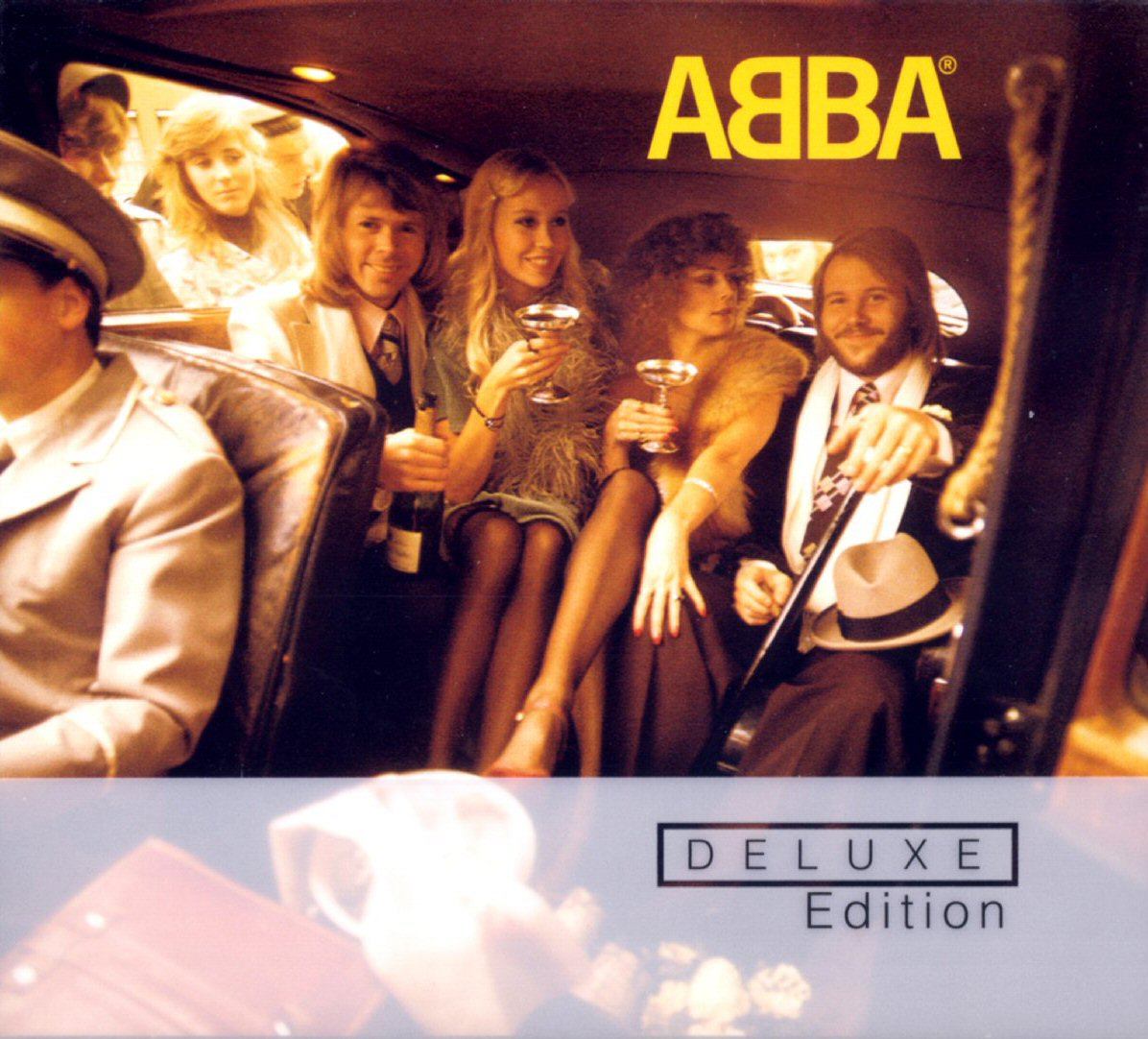
Abba - the deluxe edition - November 19th, 2012
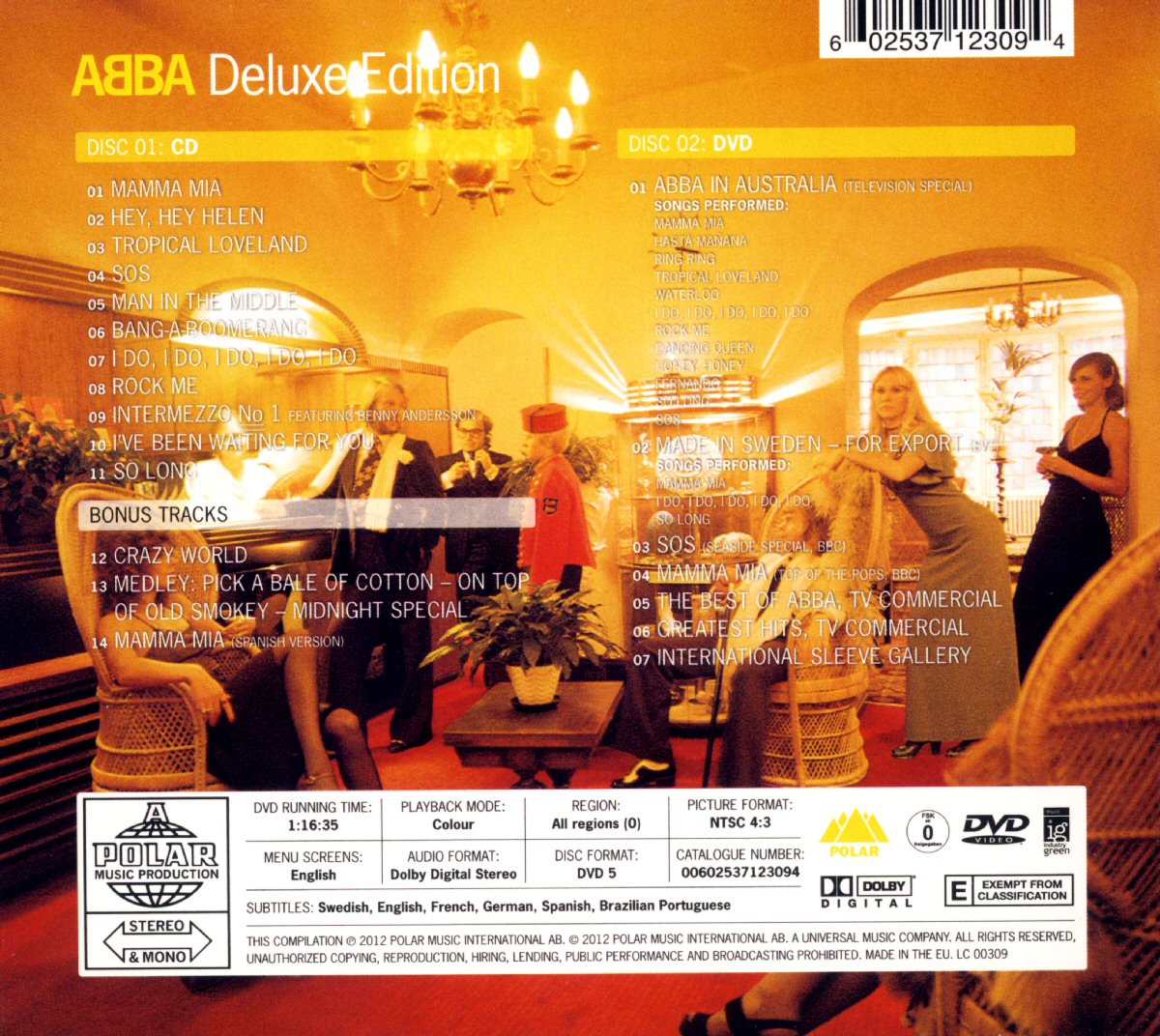
The deluxe edition of the 1975 "Abba" album saw its release on November 19th, 2012 (Scandinavia). The CD containes 11 songs from the original album and 3 bonus tracks: Crazy World, Medley (recorded in 1975 and released as a B-side of the single "Summer Night City" in 1978) and Spanish version of "Mamma Mia" recorded in 1980 for the album "Gracias por la musica". The DVD features the TV show "ABBA in Australia", three songs from the Swedish show "Made in Sweden for export", "SOS" from Seaside special (BBC), "Mamma Mia" from Top of the Pops (BBC) as well as commercials for "The best of ABBA" LP and "Greatest Hits" LP (with some unknown footage with ABBA pretending to be in a recording studio). The DVD running time 77 minutes.
 |
 |
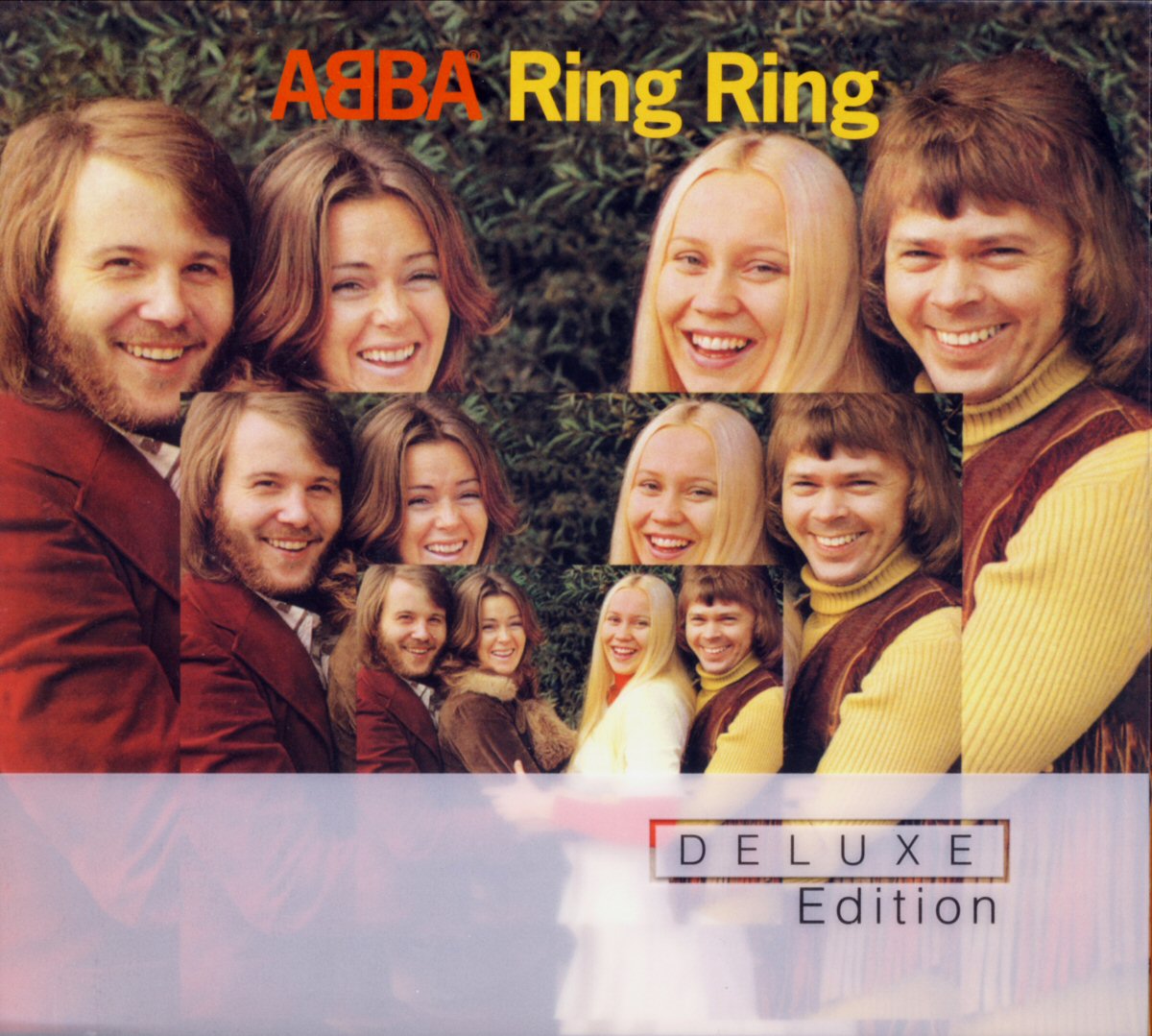
Ring Ring - the deluxe edition - October 14th, 2013
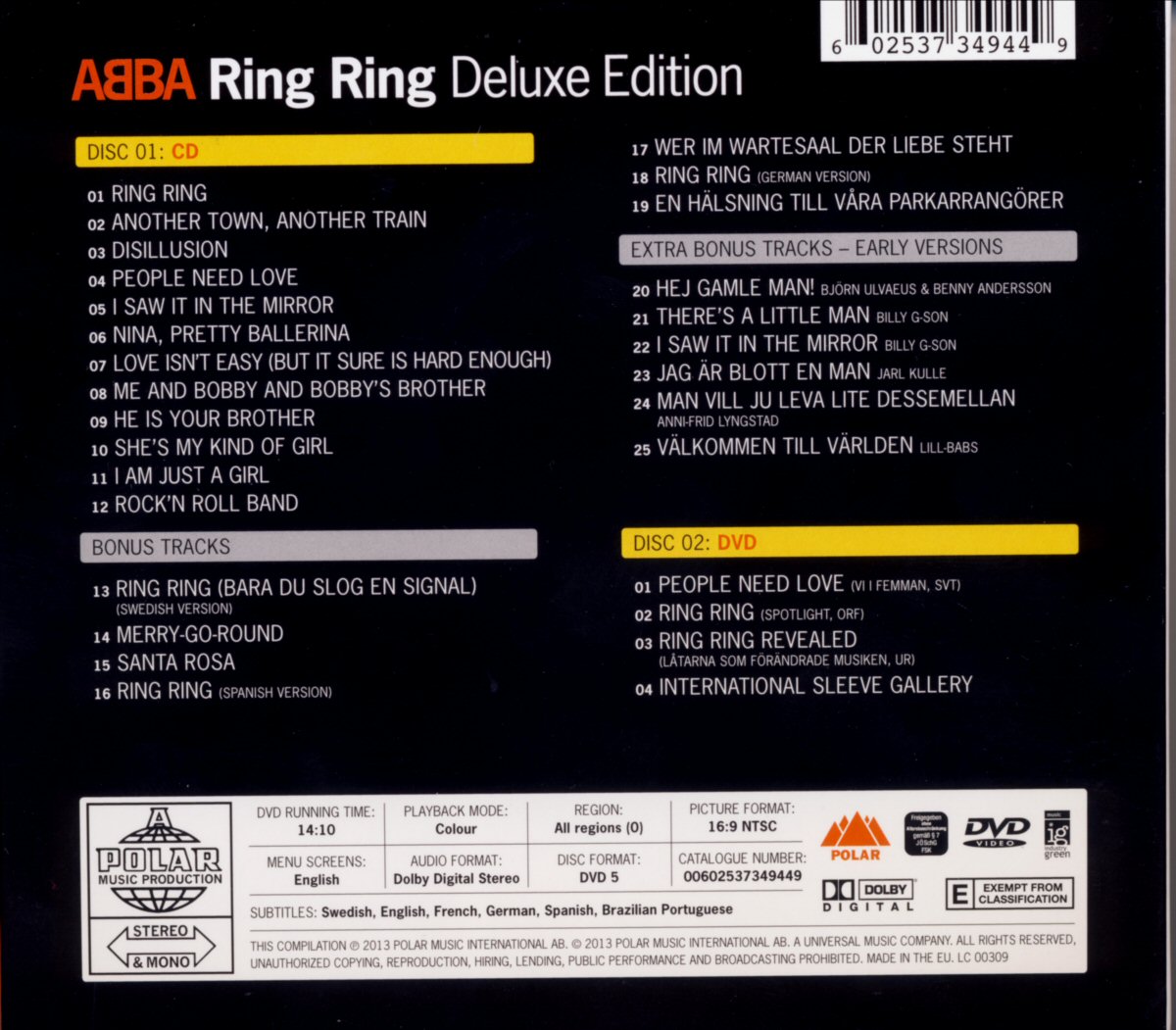
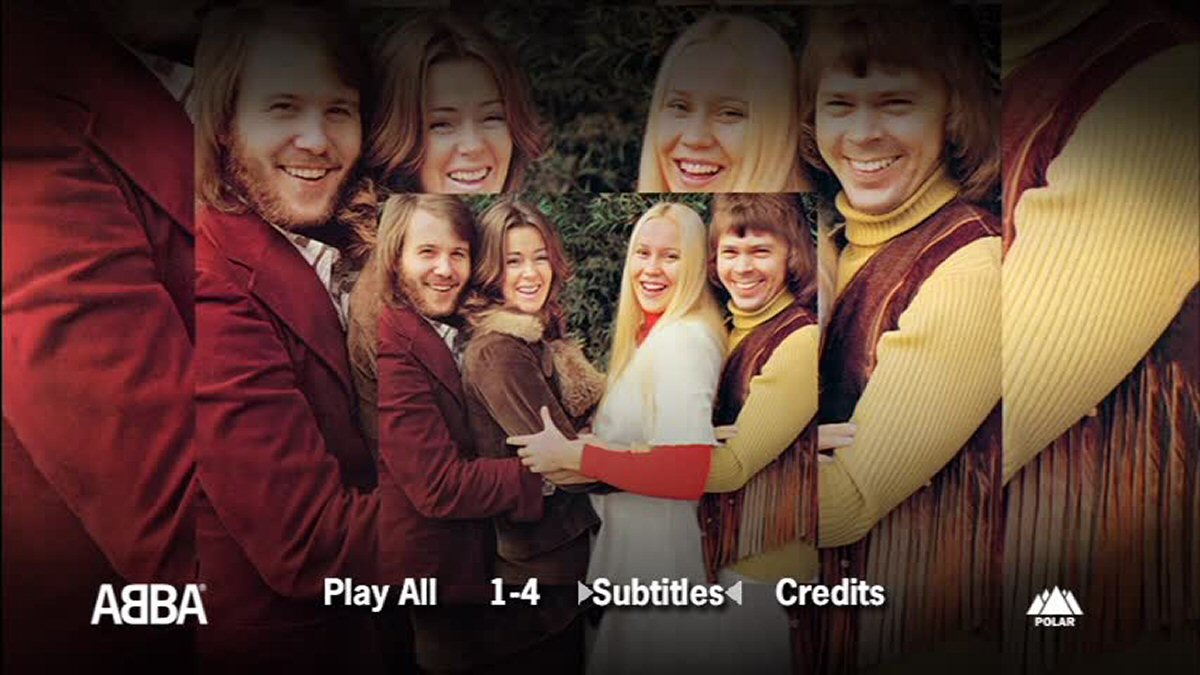
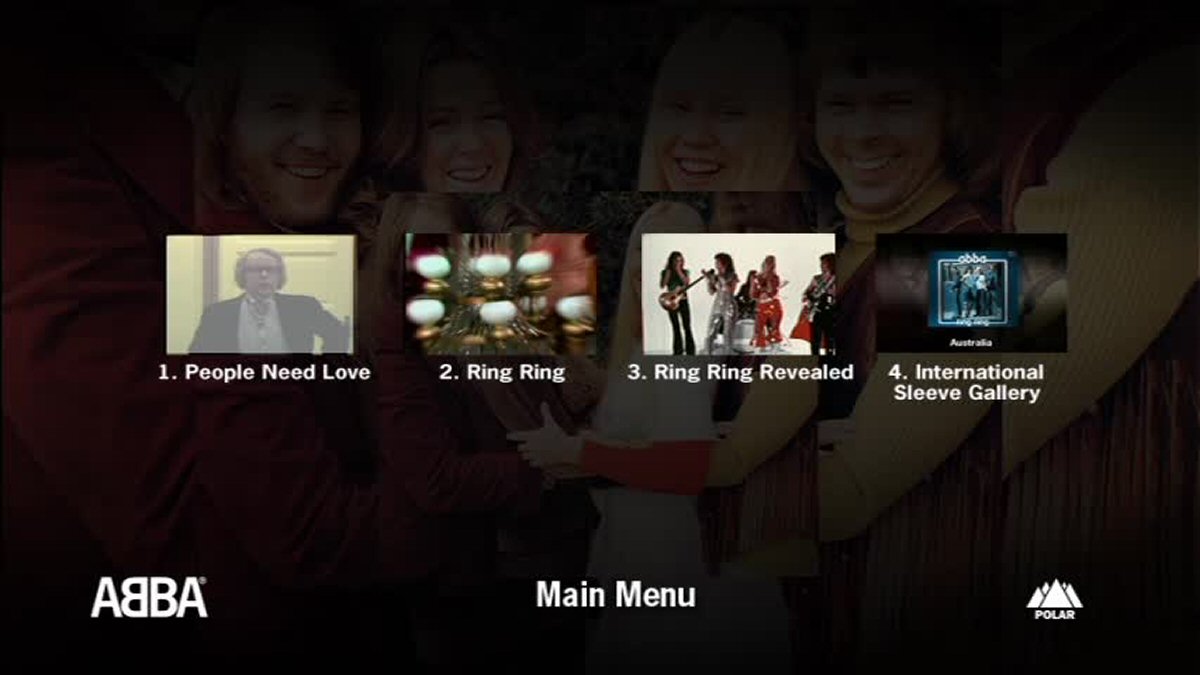
The deluxe edition of ABBA's first album "Ring Ring" saw its release in Sweden and other European countries on October 14th, 2013. The CD features the original 12 songs which were released on the LP in 1973 and bonus tracks. The DVD contains two videos (People Need Love from Swedish TV and Ring Ring - without Agnetha!!! - from Austrian TV) and the "TV-Special" where Benny is telling about the recording of the Ring Ring album.
 |
 |
 |
 |
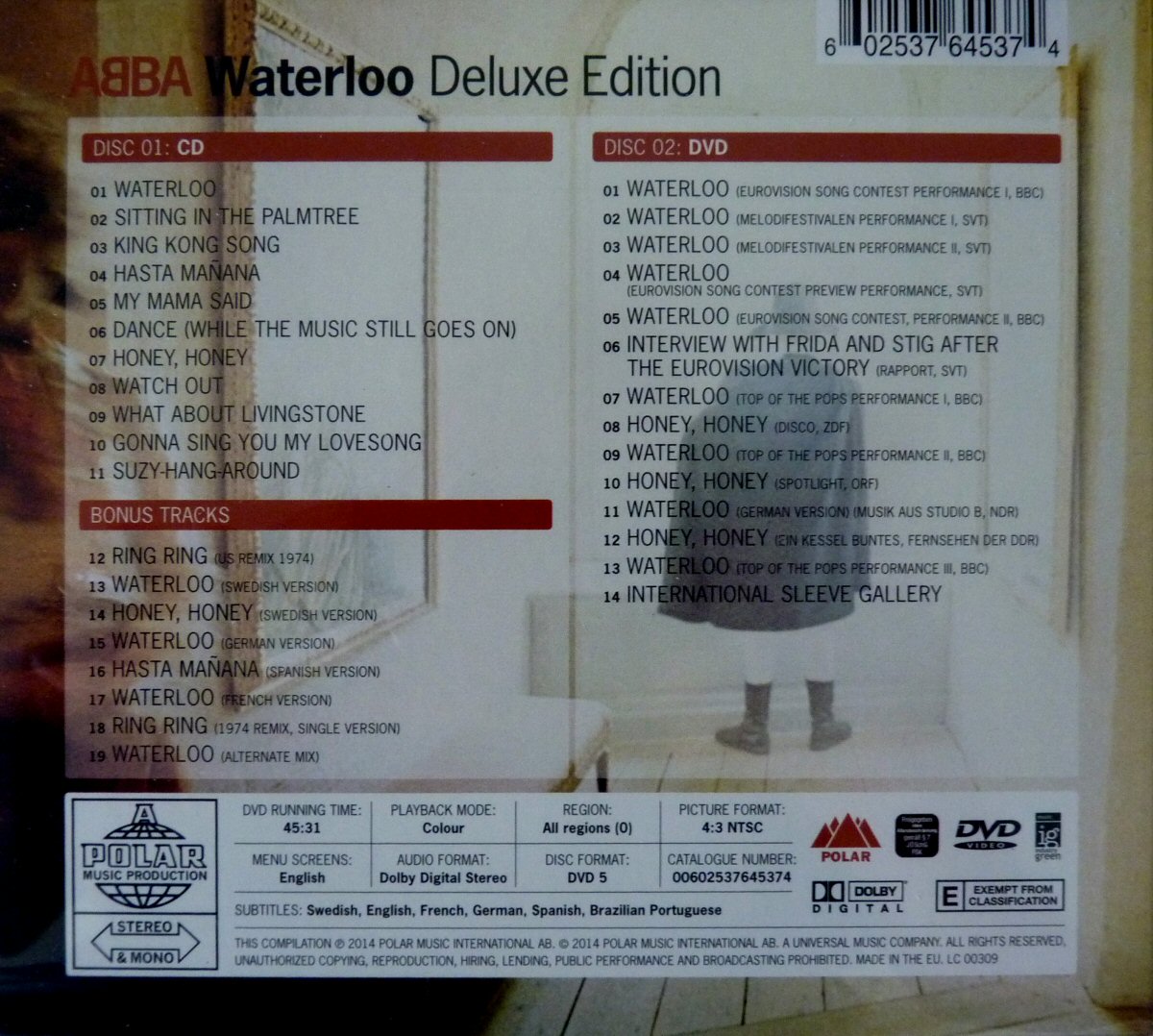
Waterloo - the deluxe edition - April 7th, 2014
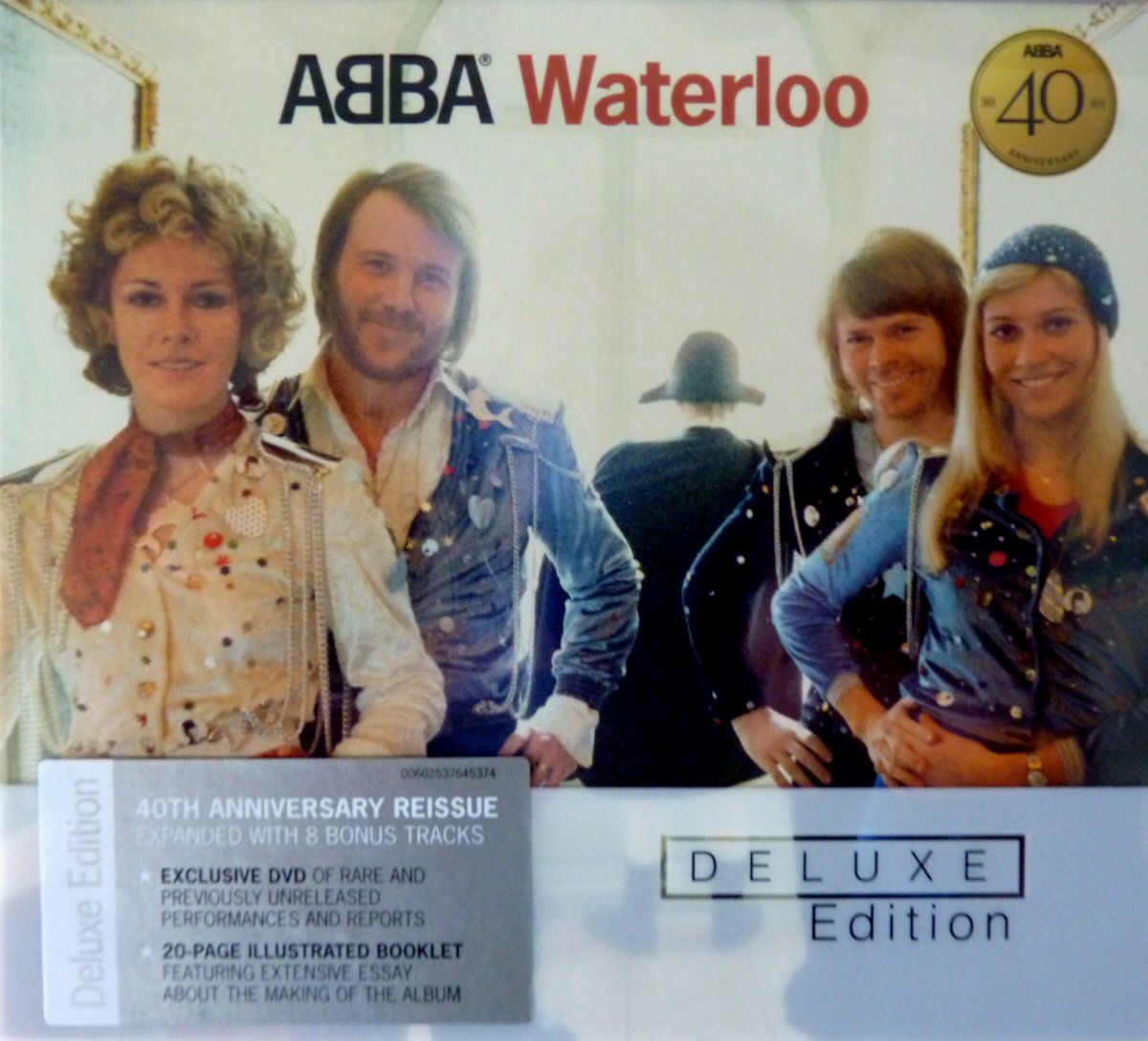
A new deluxe edition of the album "Waterloo" saw its release in Sweden on April 7th, 2014. This is the 40th anniversary edition which has different tracking list on CD and different contents on DVD comparing to the first deluxe version released ten years later as the world celebrated the 30th anniversary of the victory in Brighton in 1974.
 |
 |
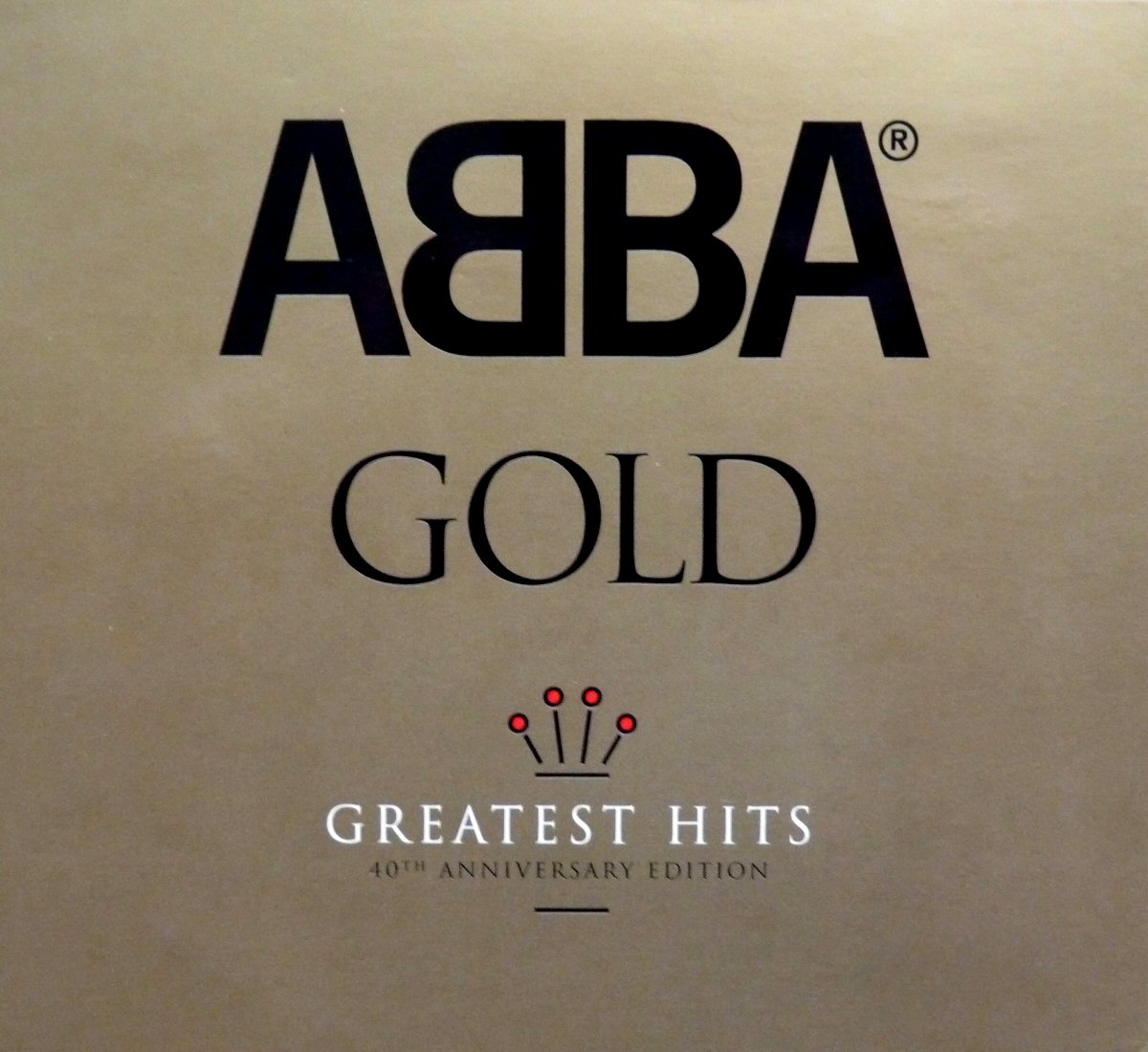
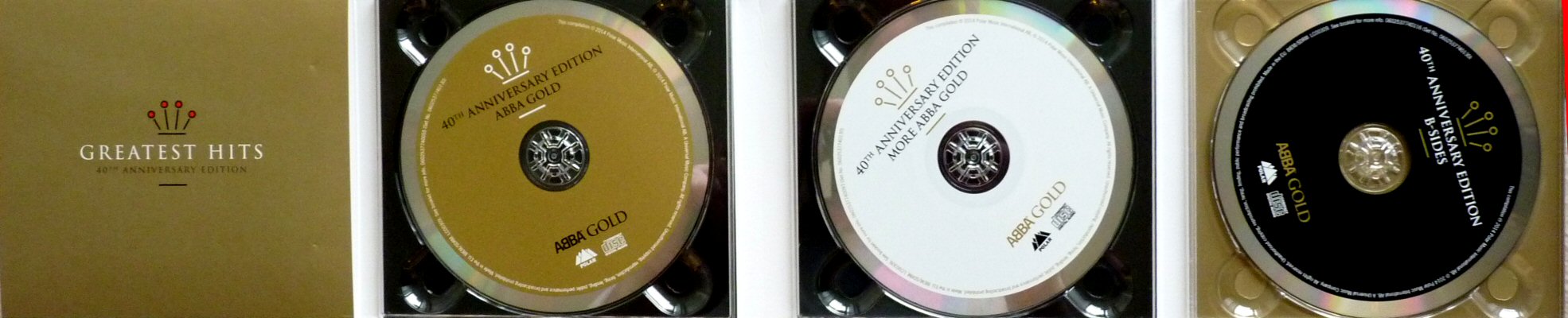
ABBA Gold - April 7th, 2014
The anniversary edition of ABBA Gold featuring 3 CDs.
 |
 |
 |
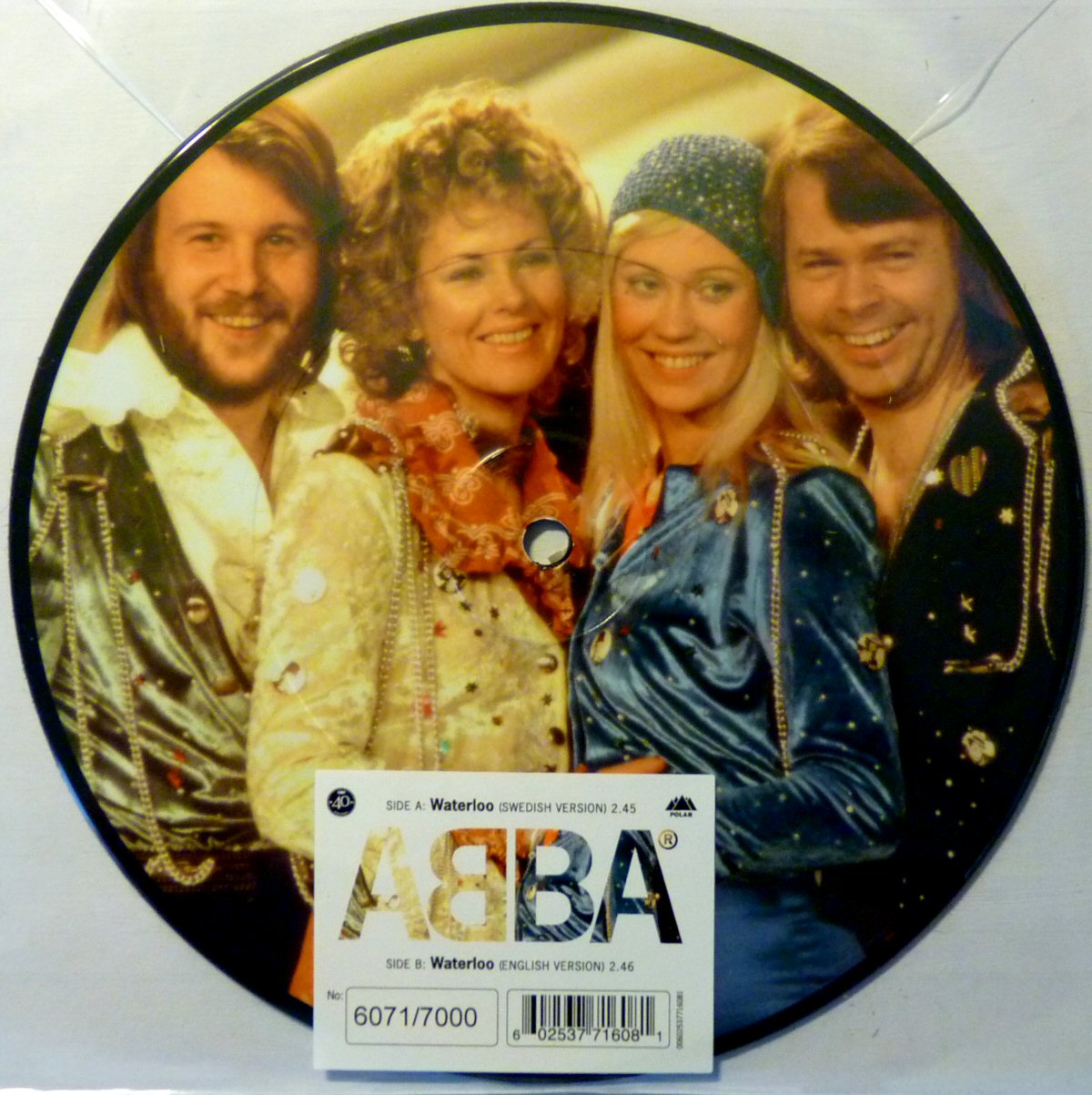
Waterloo - picture disc - April 7th, 2014
The single contains the Swedish and English language versions of "Waterloo".
 |
 |
ABBA The Singles box - May 5th, 2014
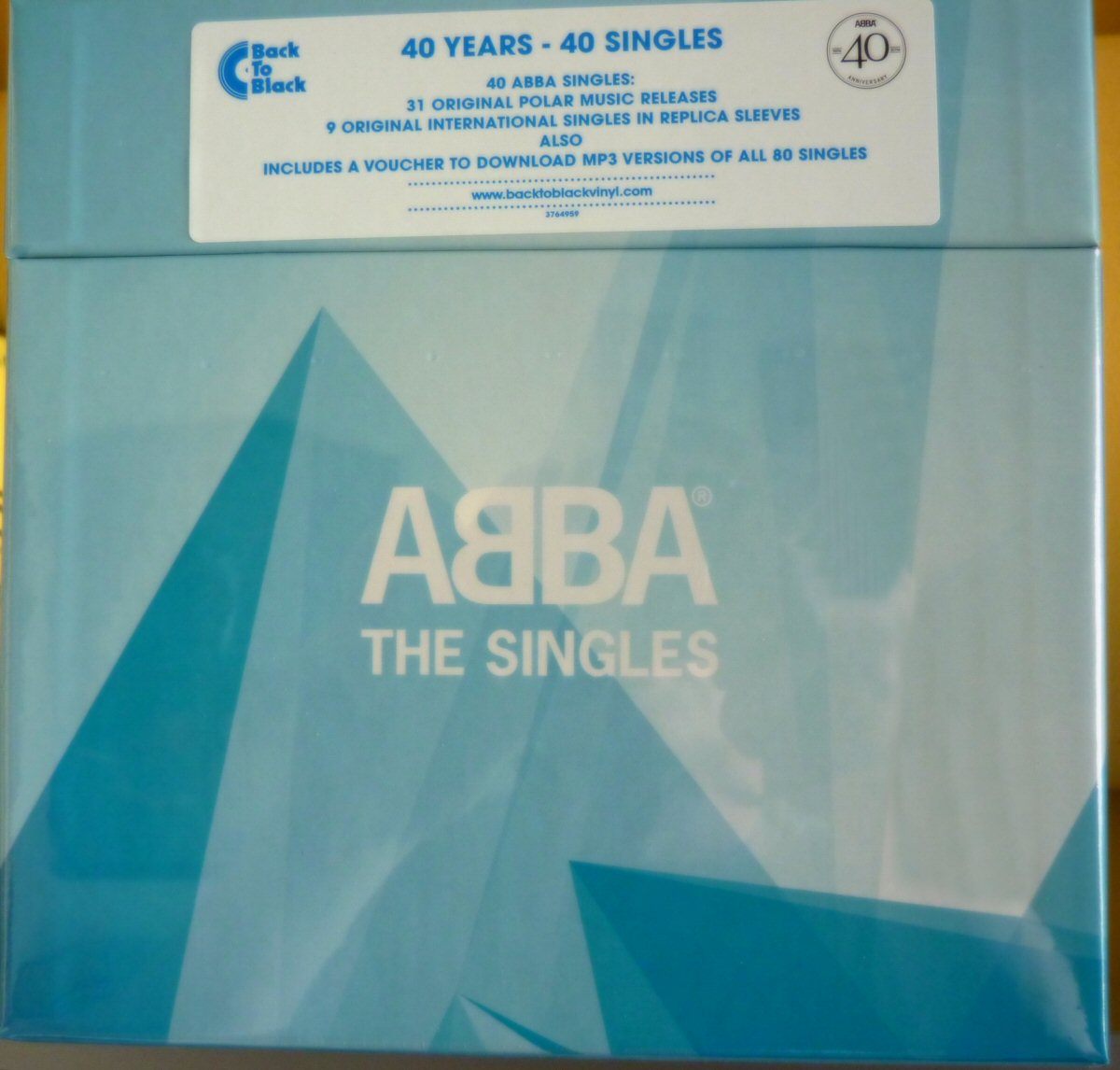
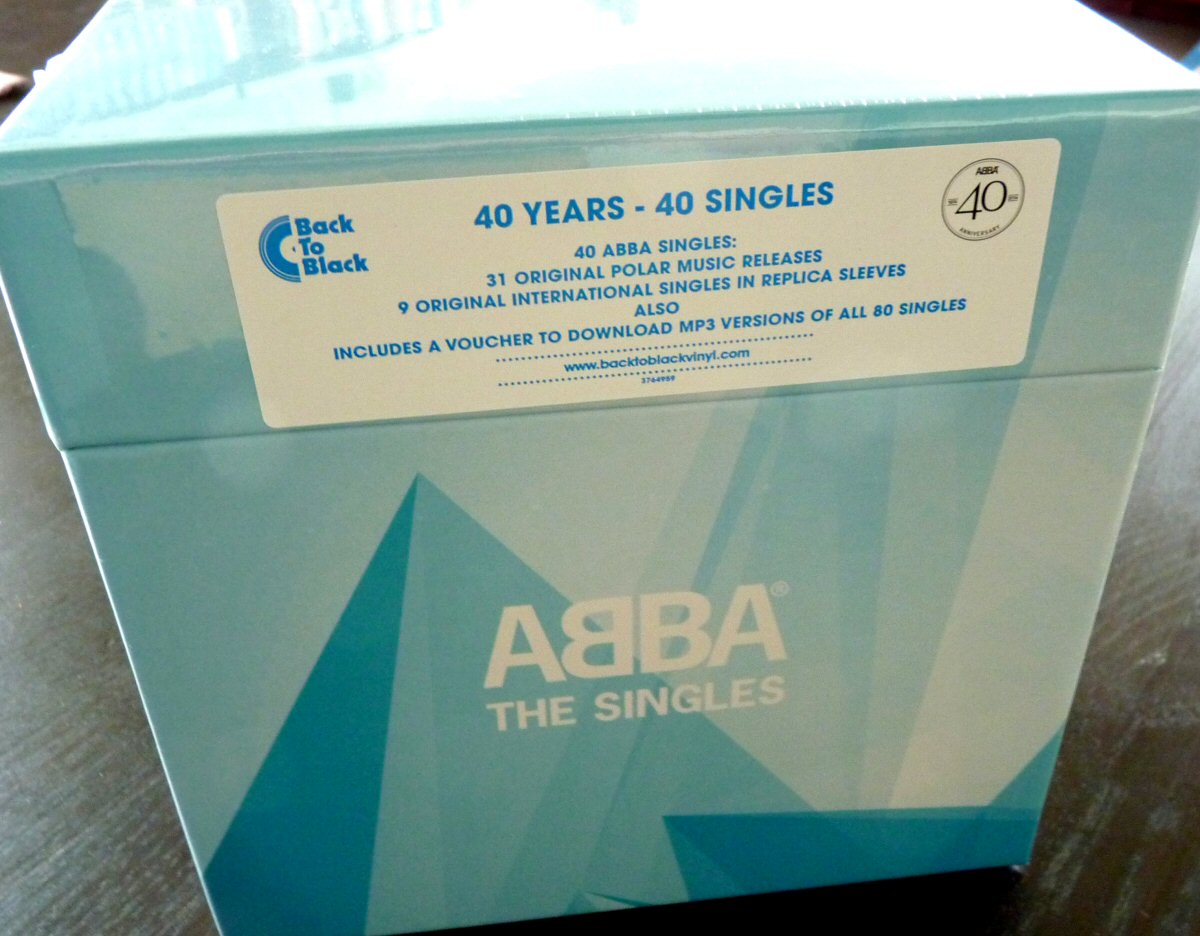
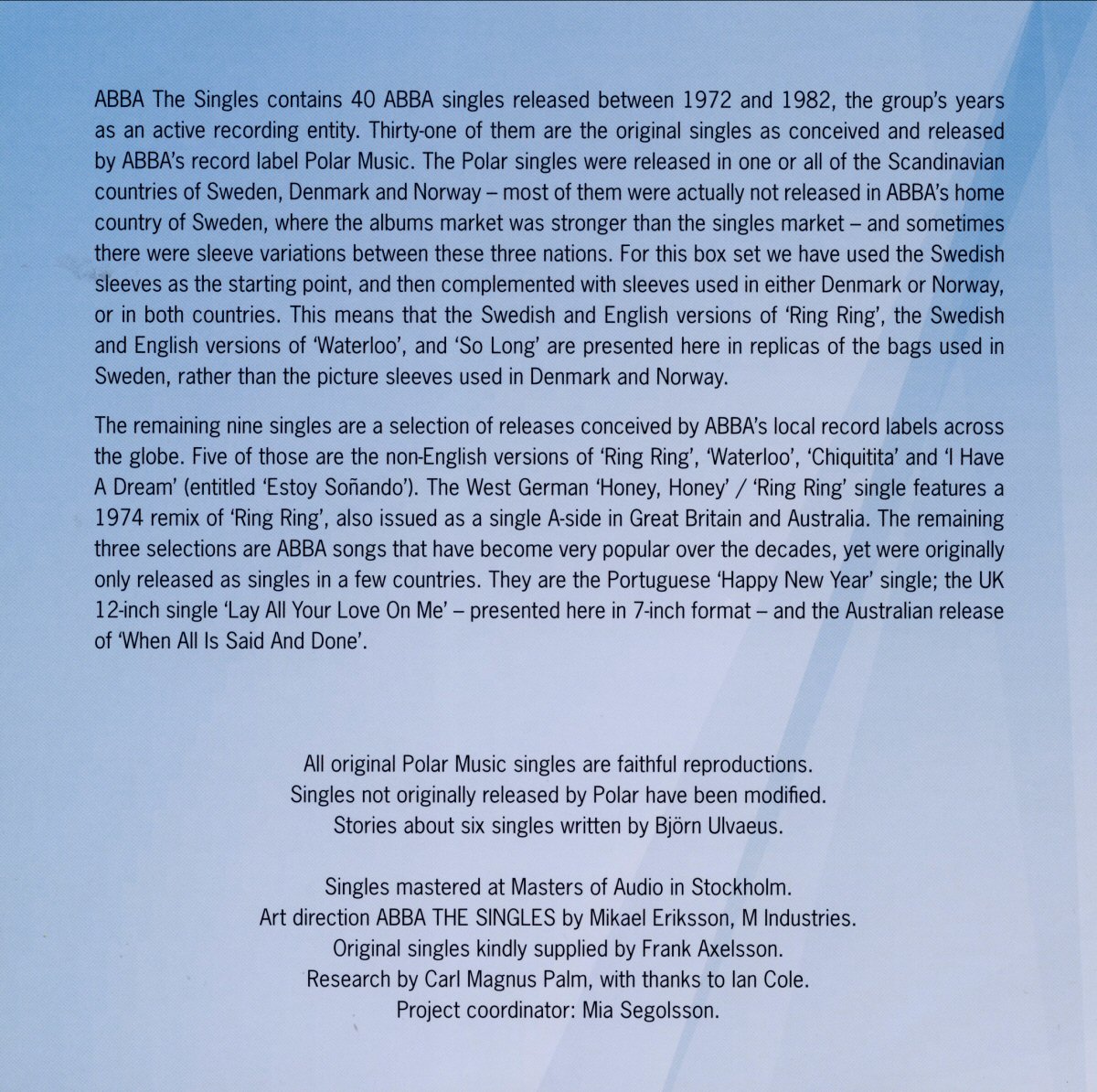
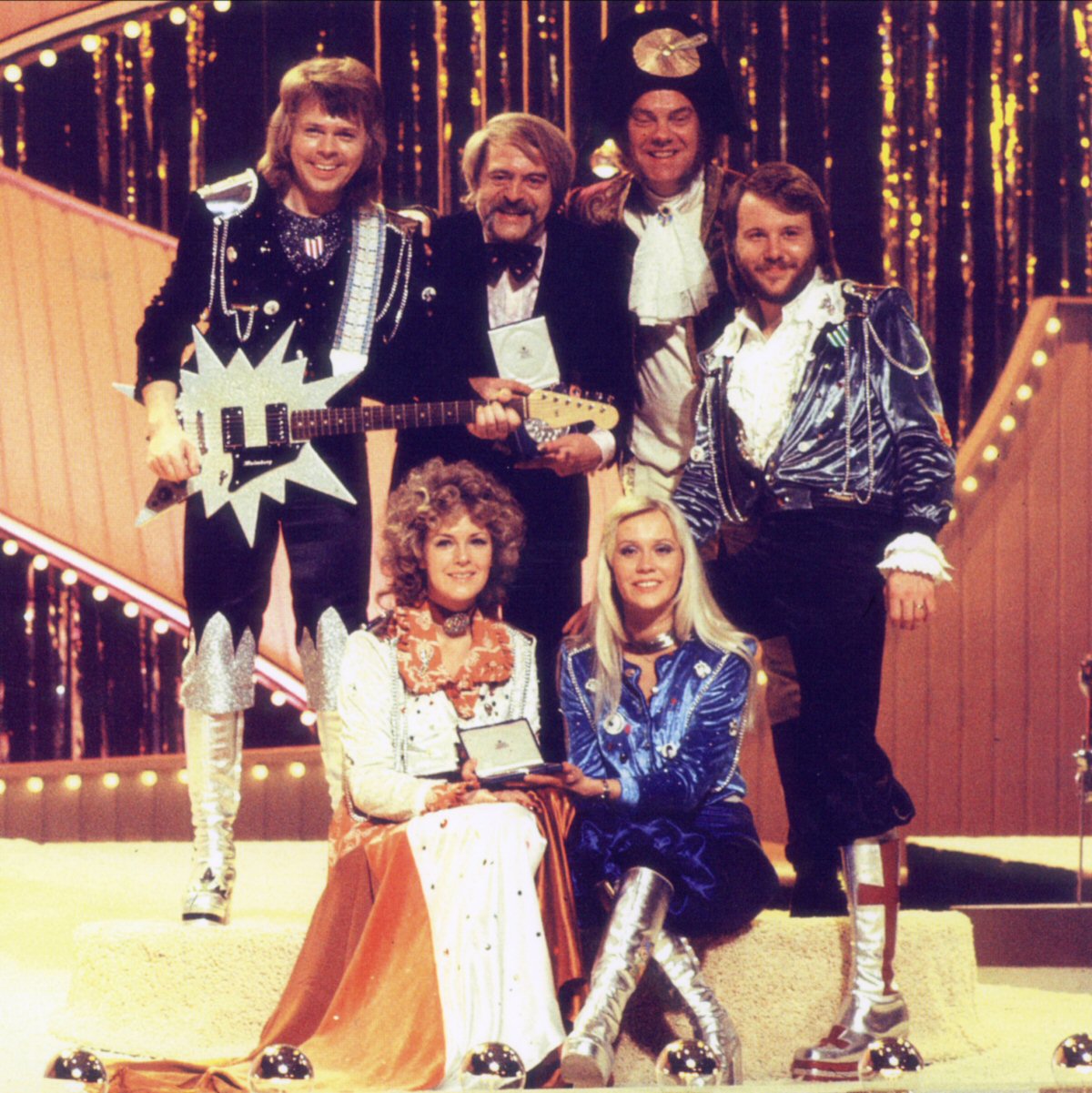
The box contains replicas of 40 ABBA singles released originally in Sweden and other countries all over the world.
 |
 |
 |
 |
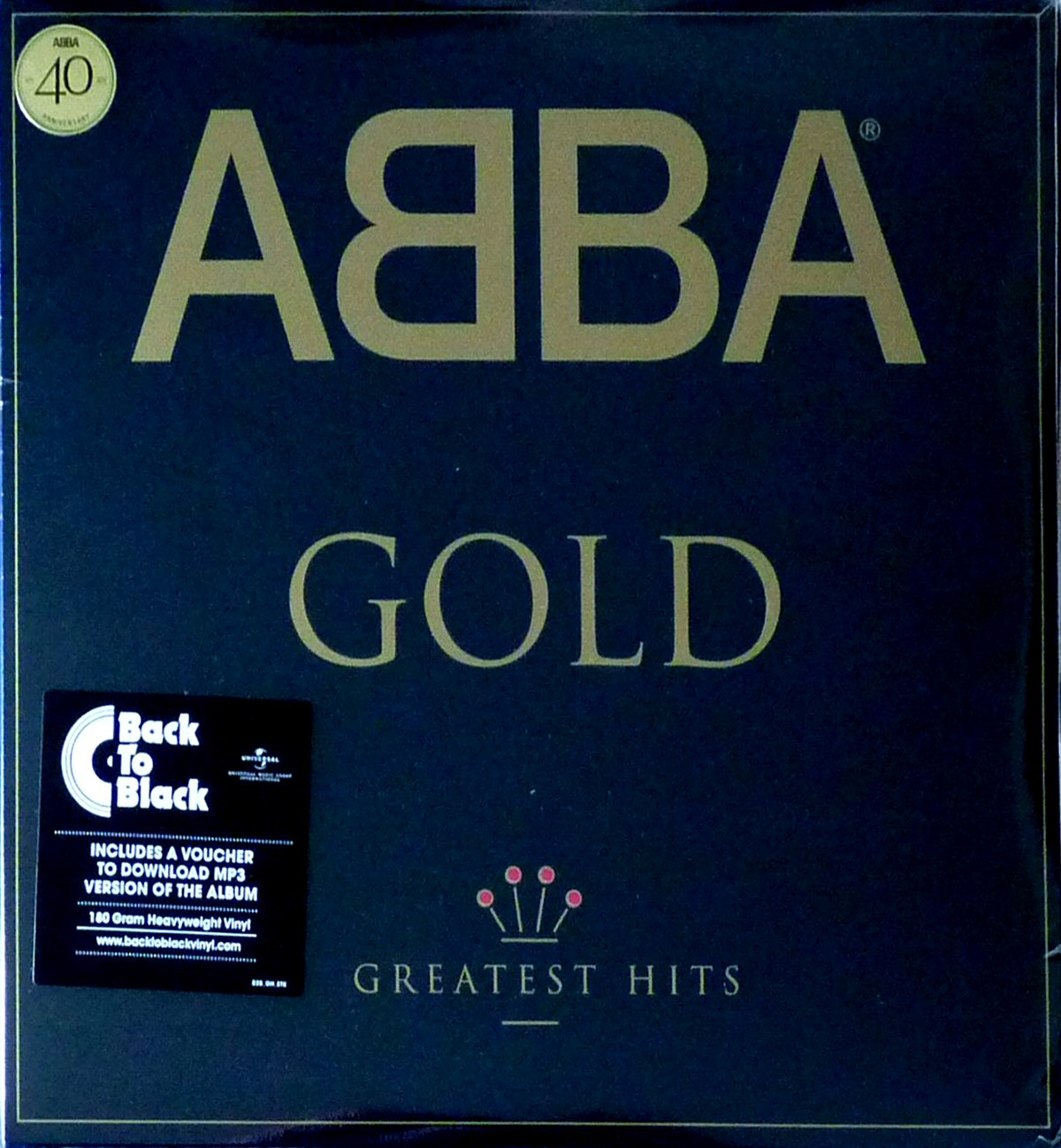
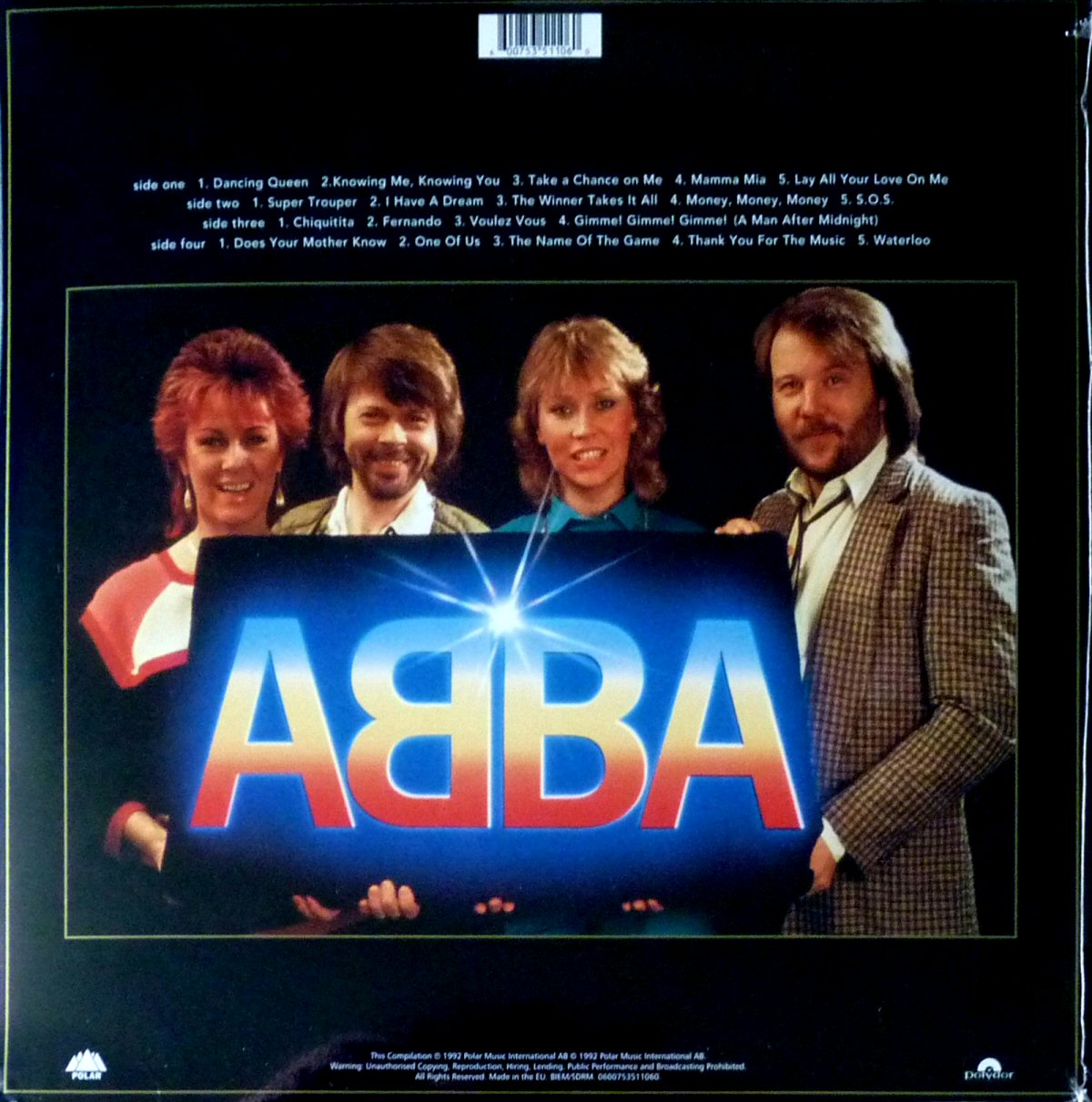
ABBA Gold - June 30th, 2014
The 40th anniversary re-release of ABBA Gold on 2 LPs.
 |
 |
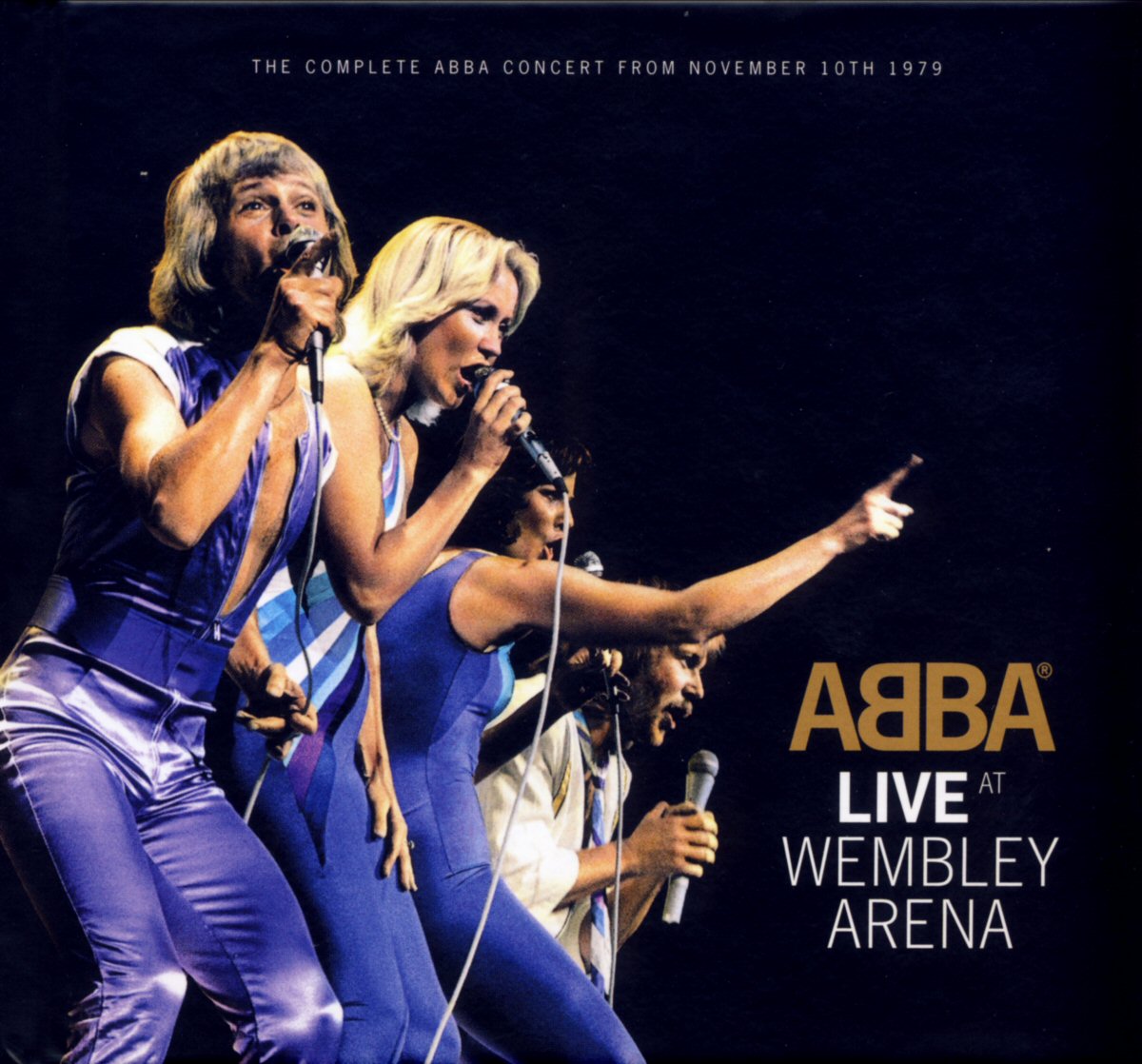
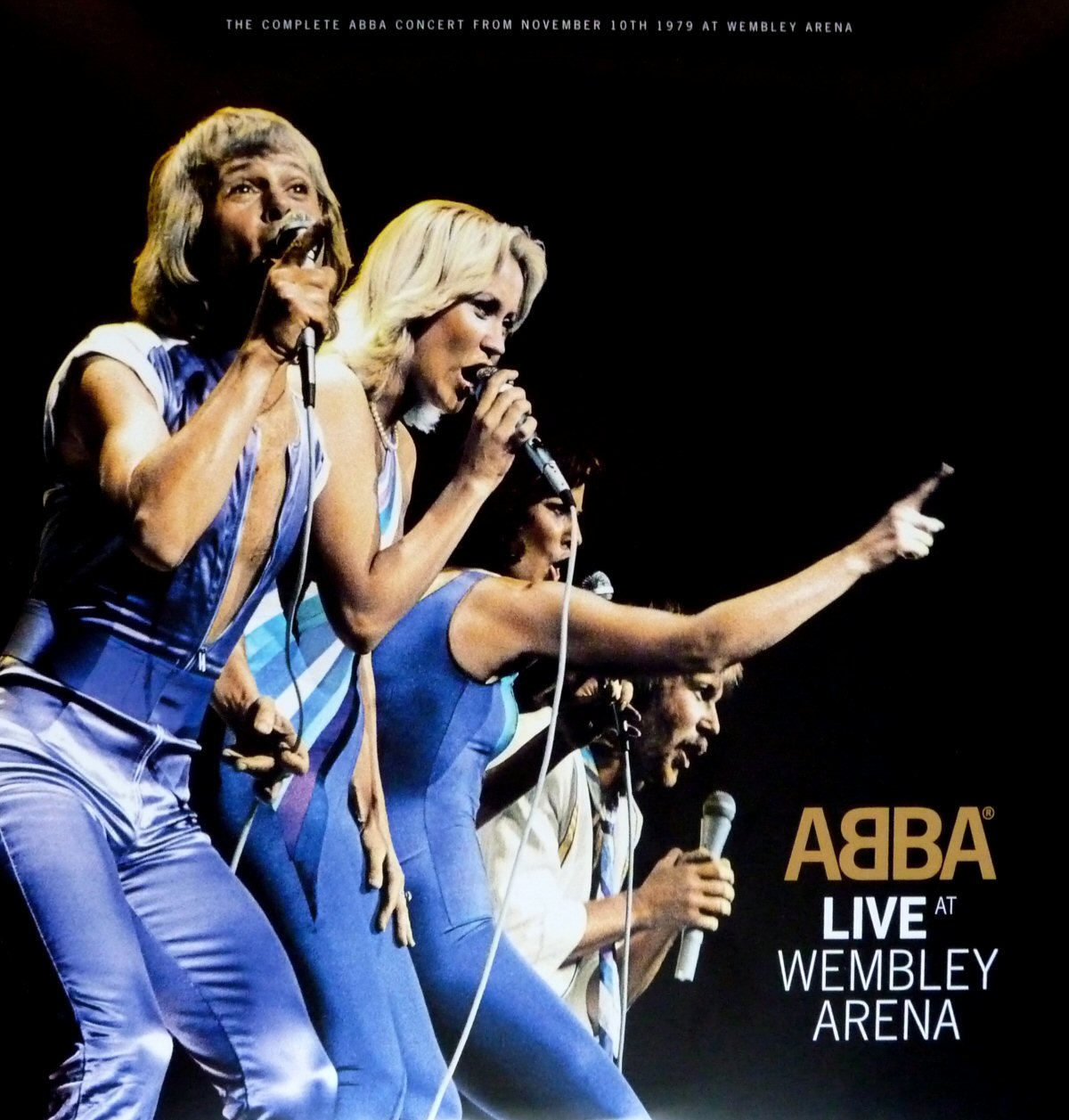
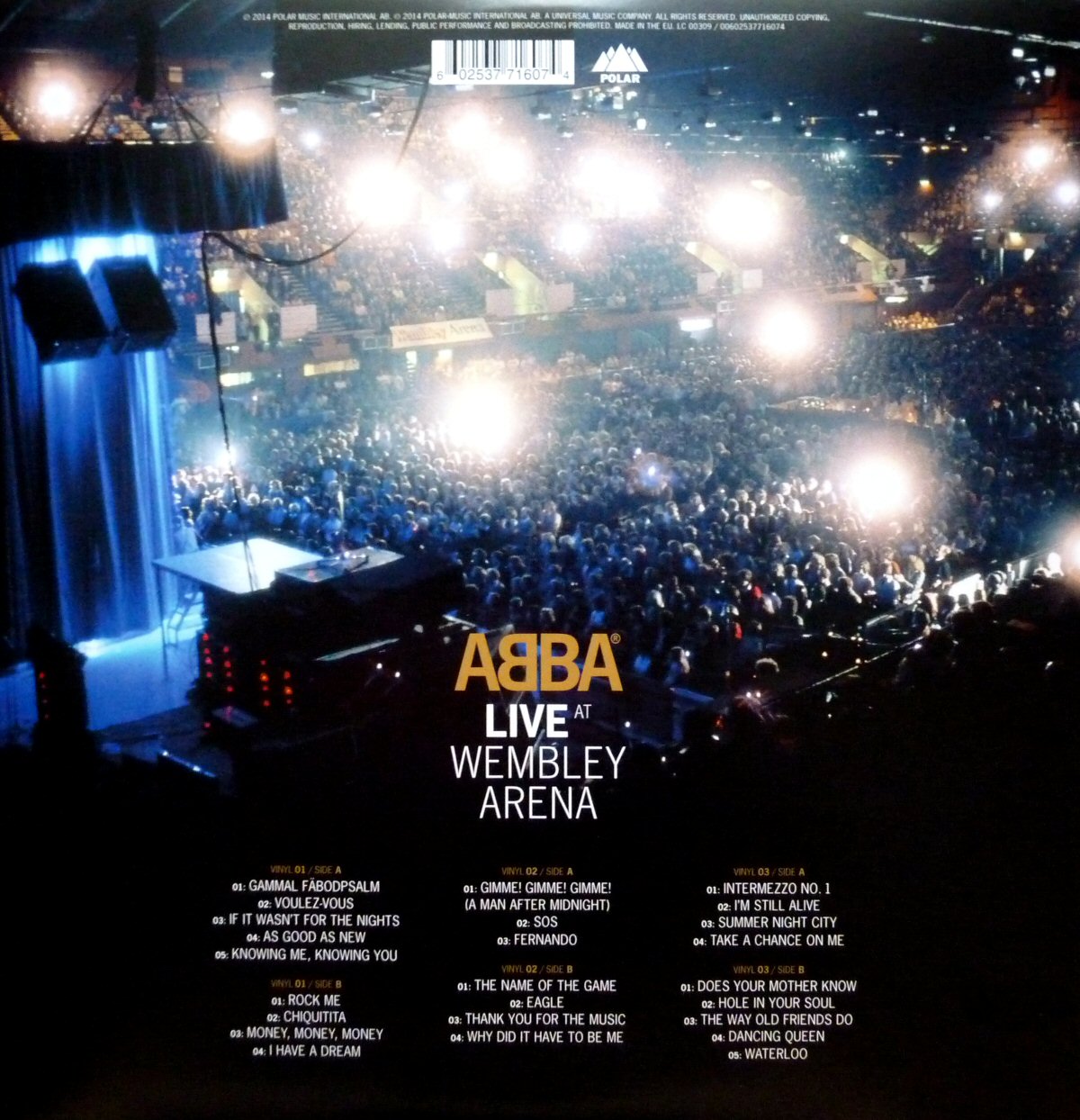
ABBA Live at Wembley Arena - September 29th, 2014
ABBA Live album available as 2CD and 3 LP
 |
 |
|||
 |
 |
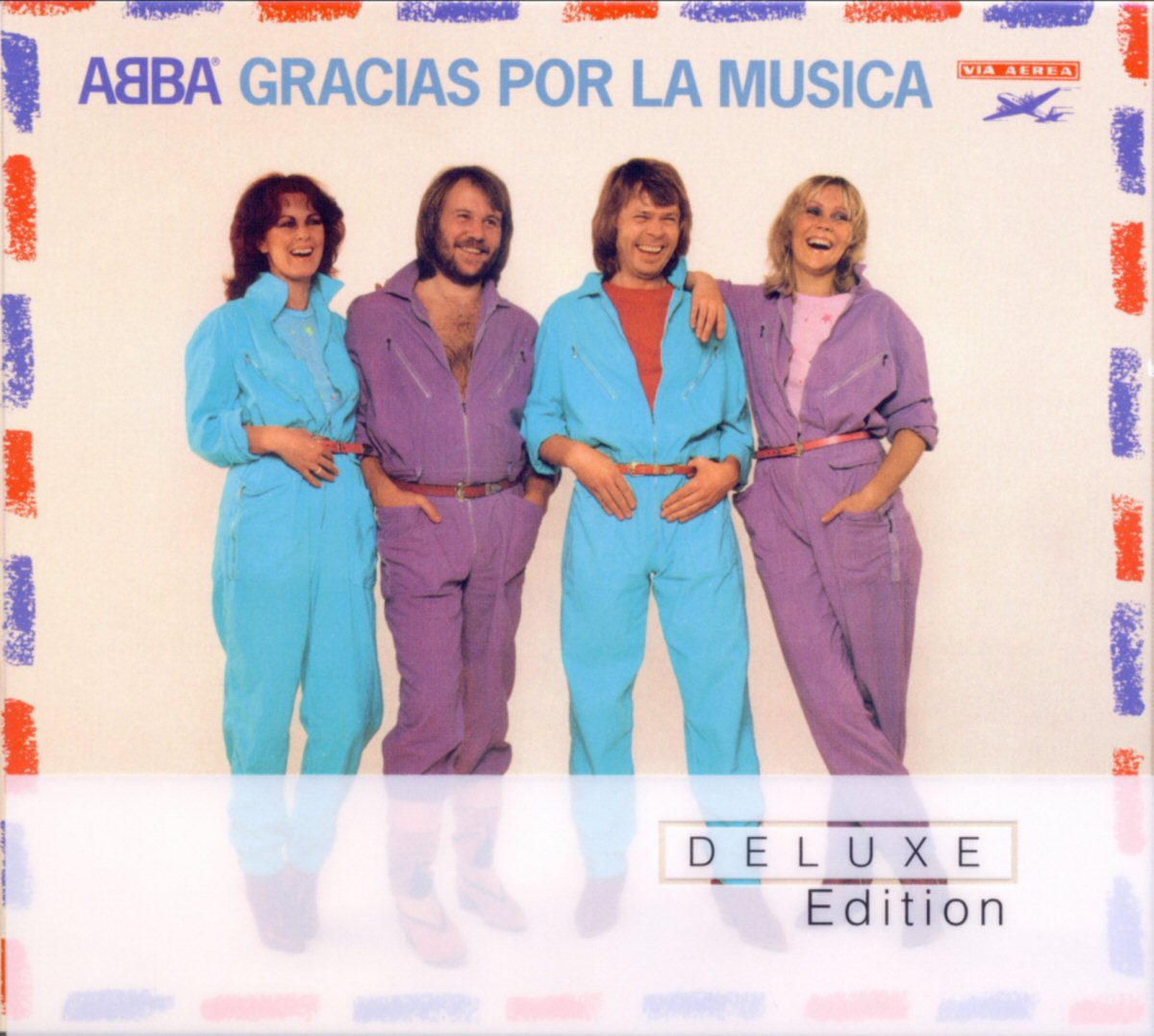
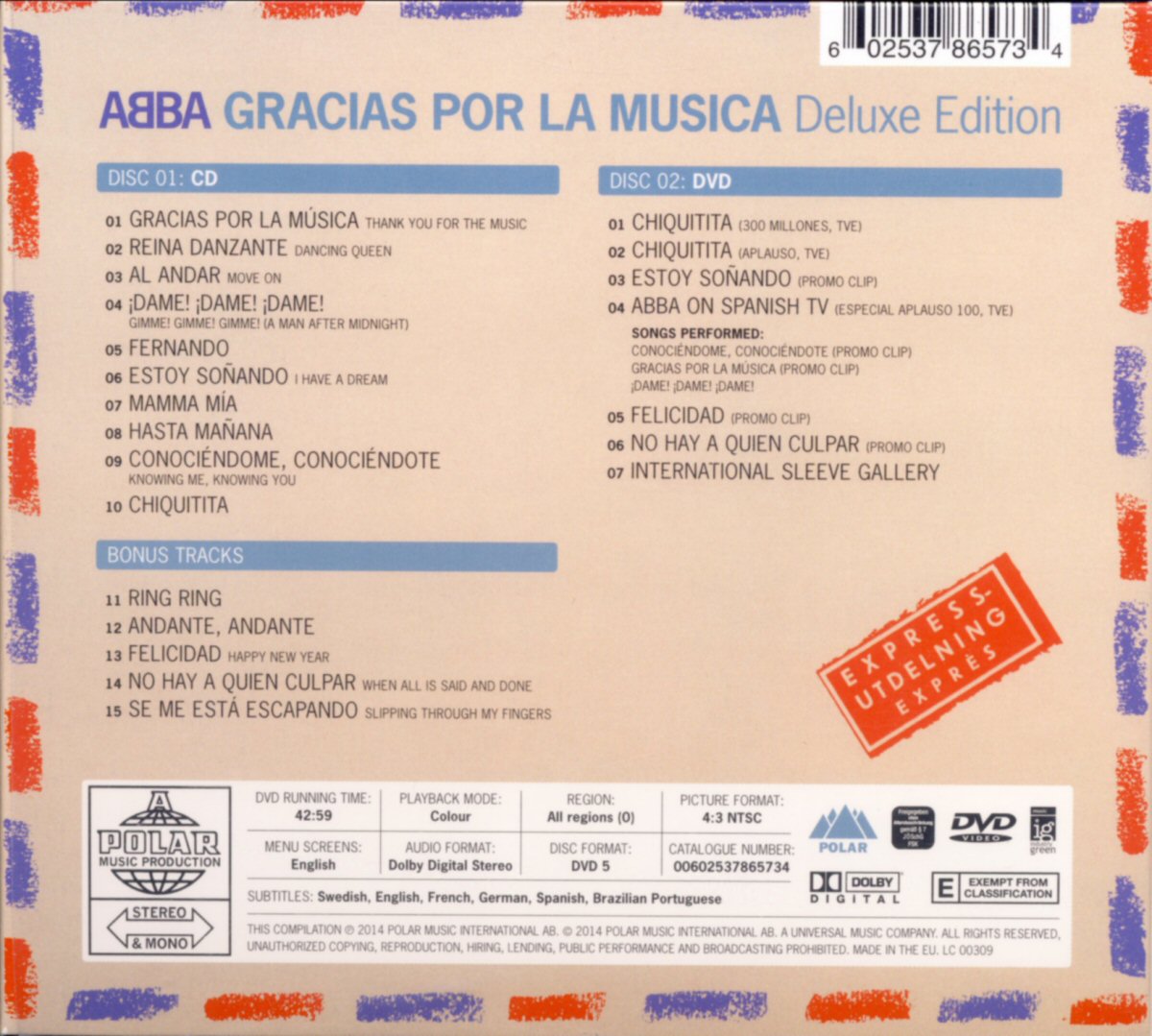
Gracias por la musica - the deluxe edition - November 10th, 2014
Original album with ten songs in Spanish and 5 bonus tracks. DVD with 42 minutes of promotion of the album on Spanish TV.
 |
 |
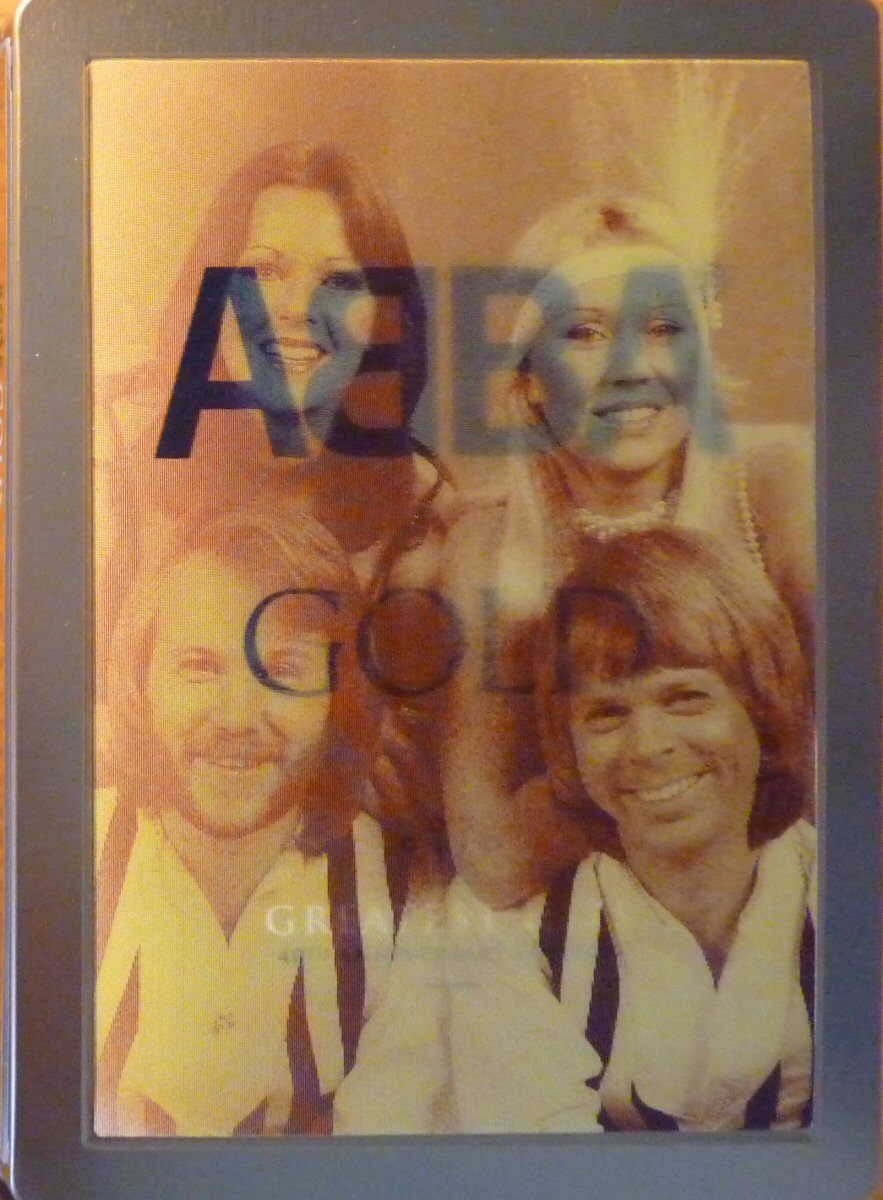
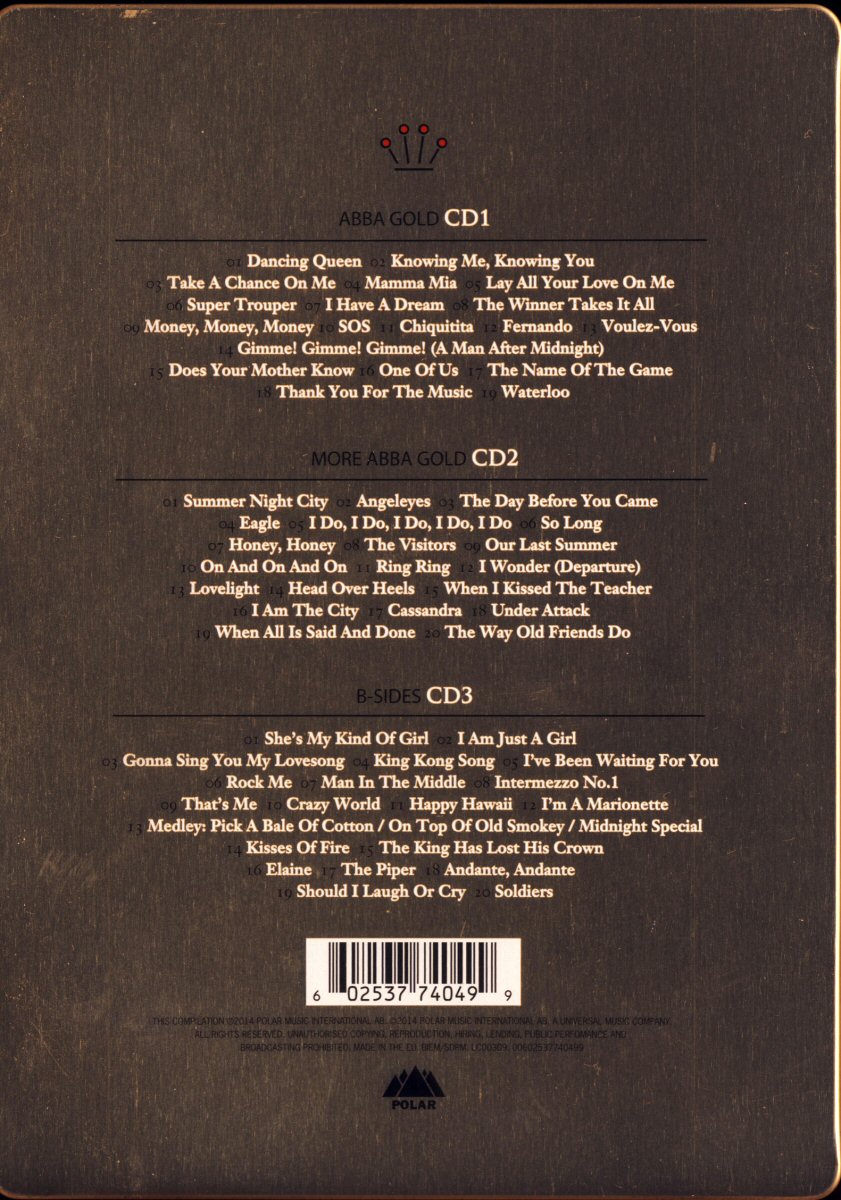
ABBA Gold - Limited steel box (3 CD) - November 11th, 2014
The 40th anniversary edition of ABBA Gold in limited steel box (3 CD). The steel box edition with magnetic lenticular cover.
 |
 |
 |
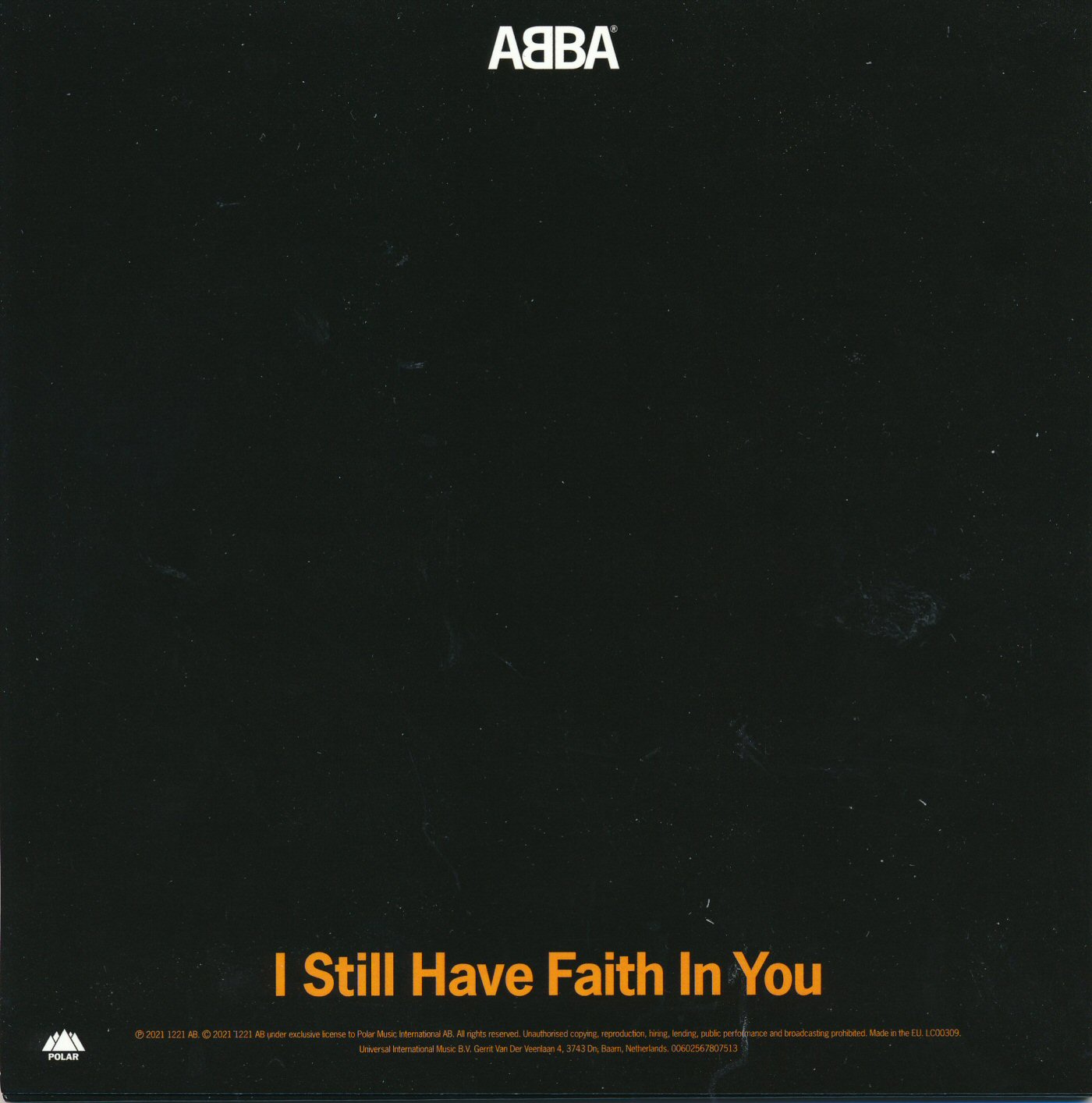
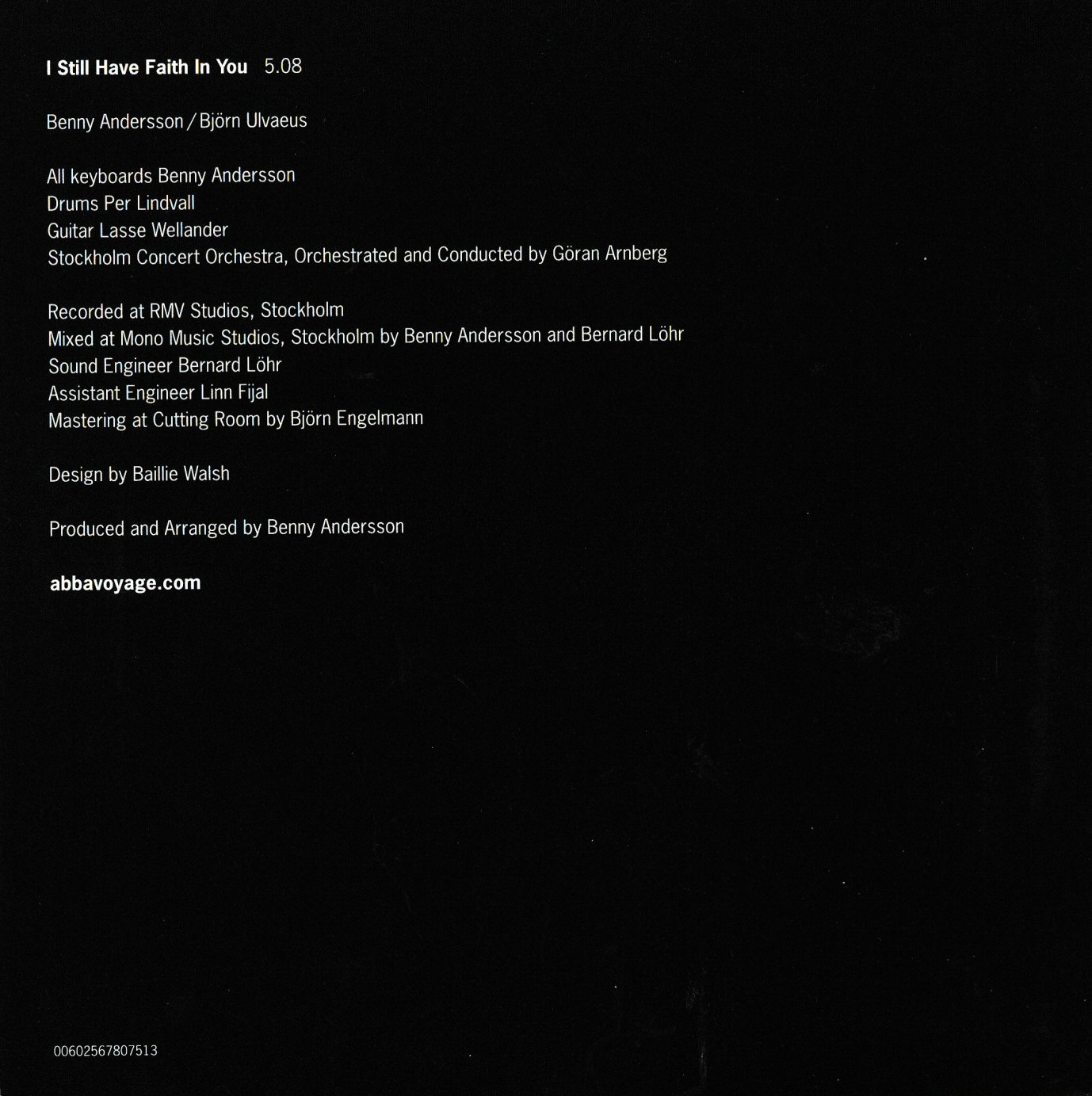
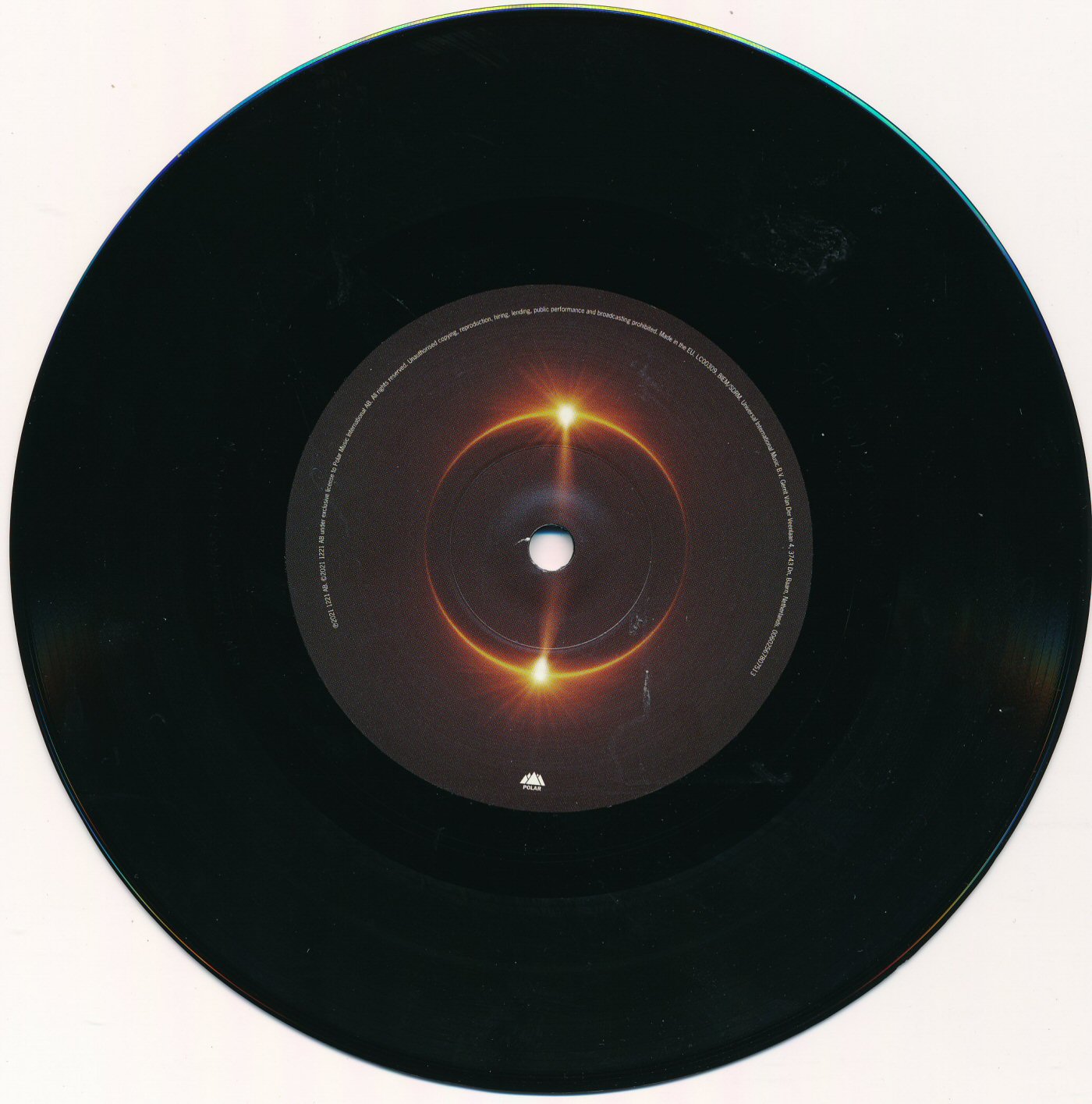
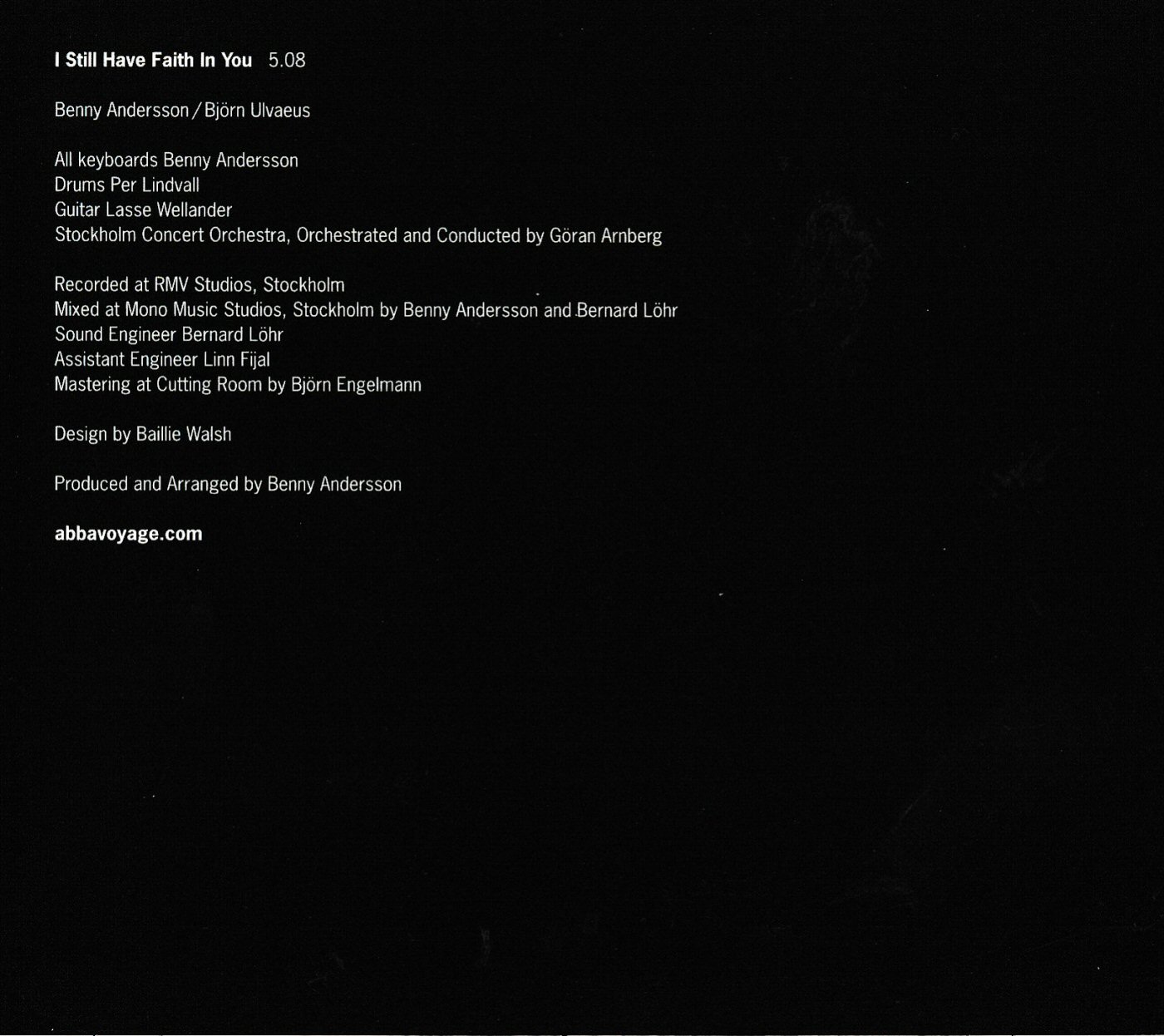
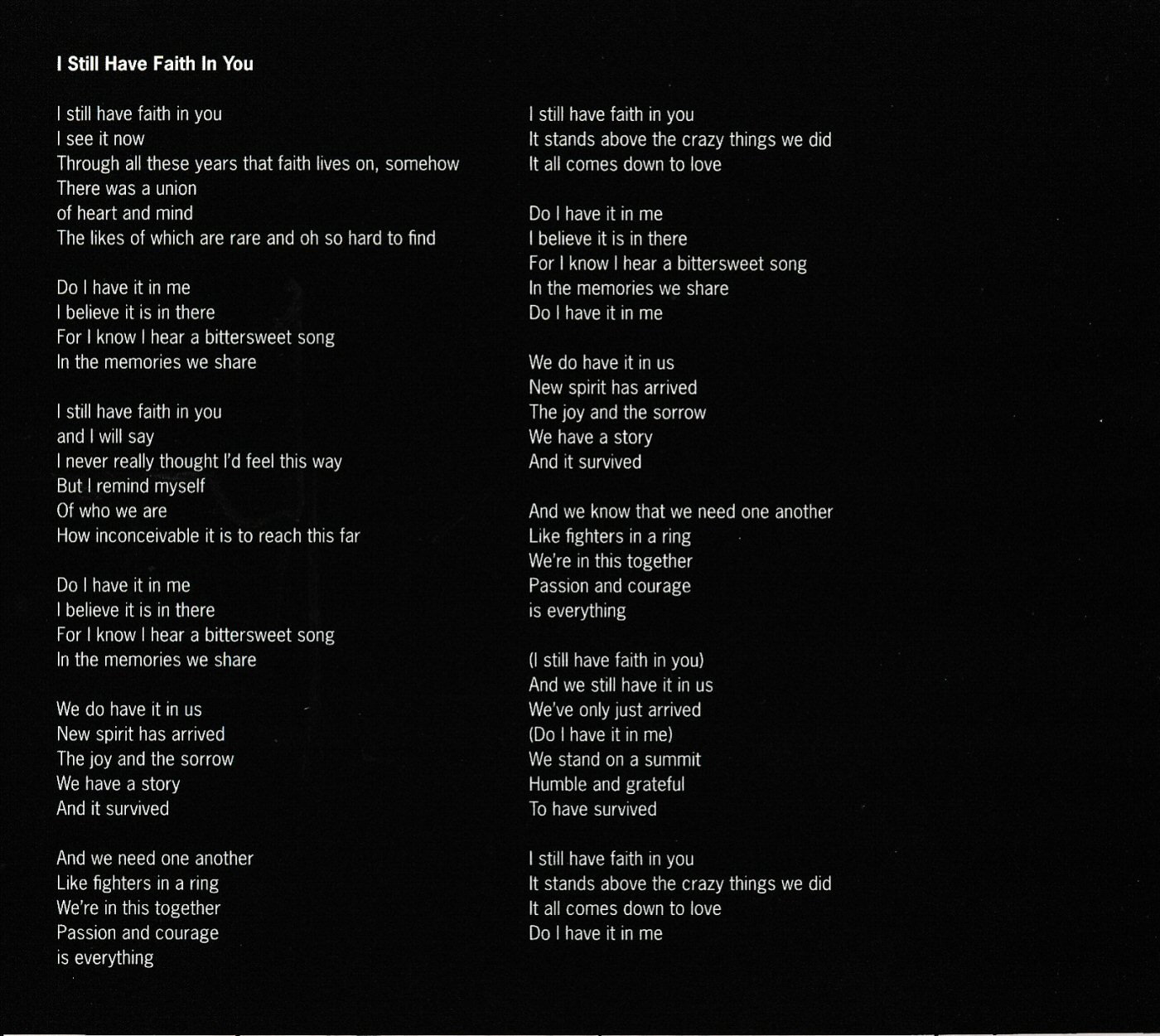
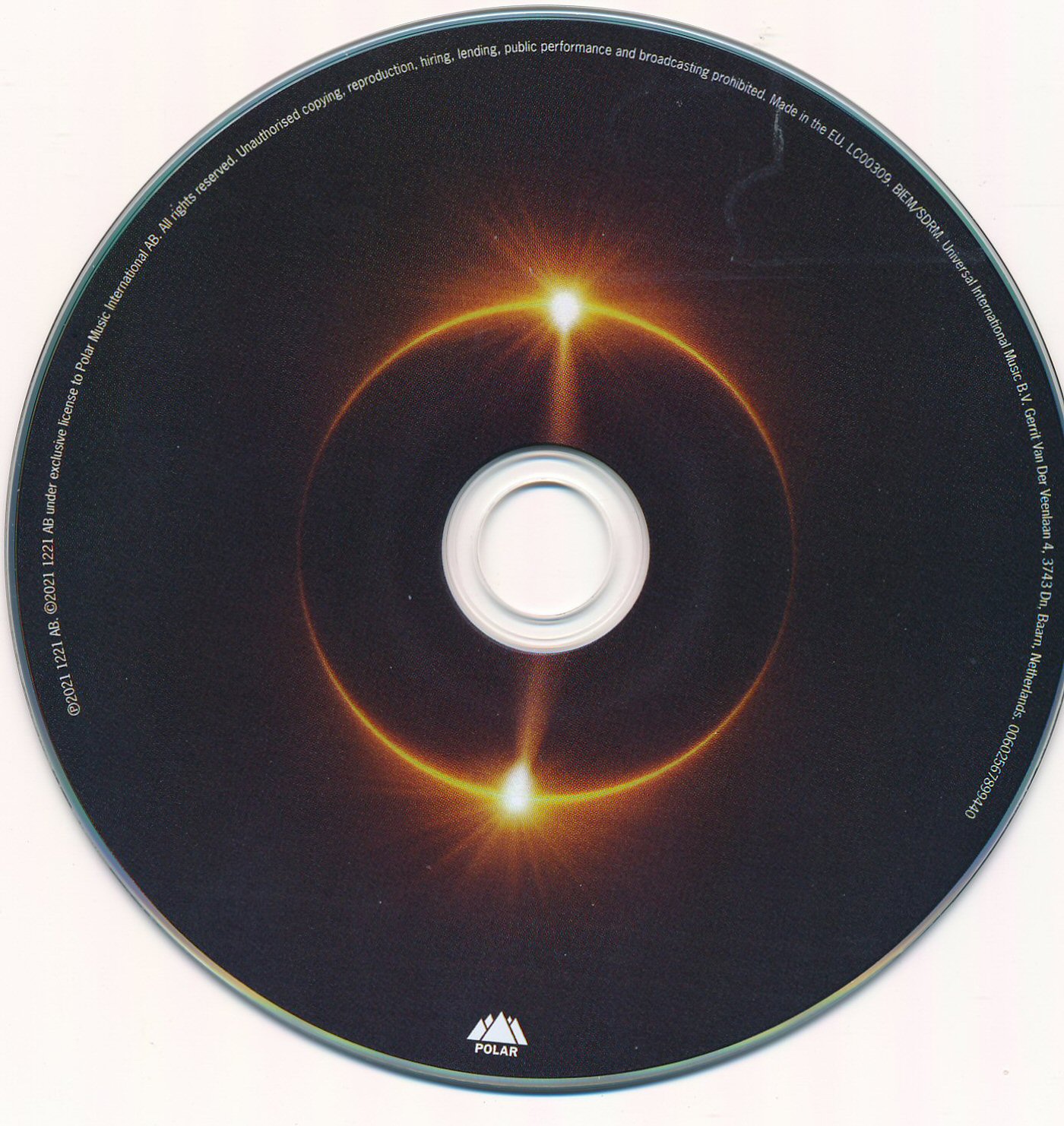
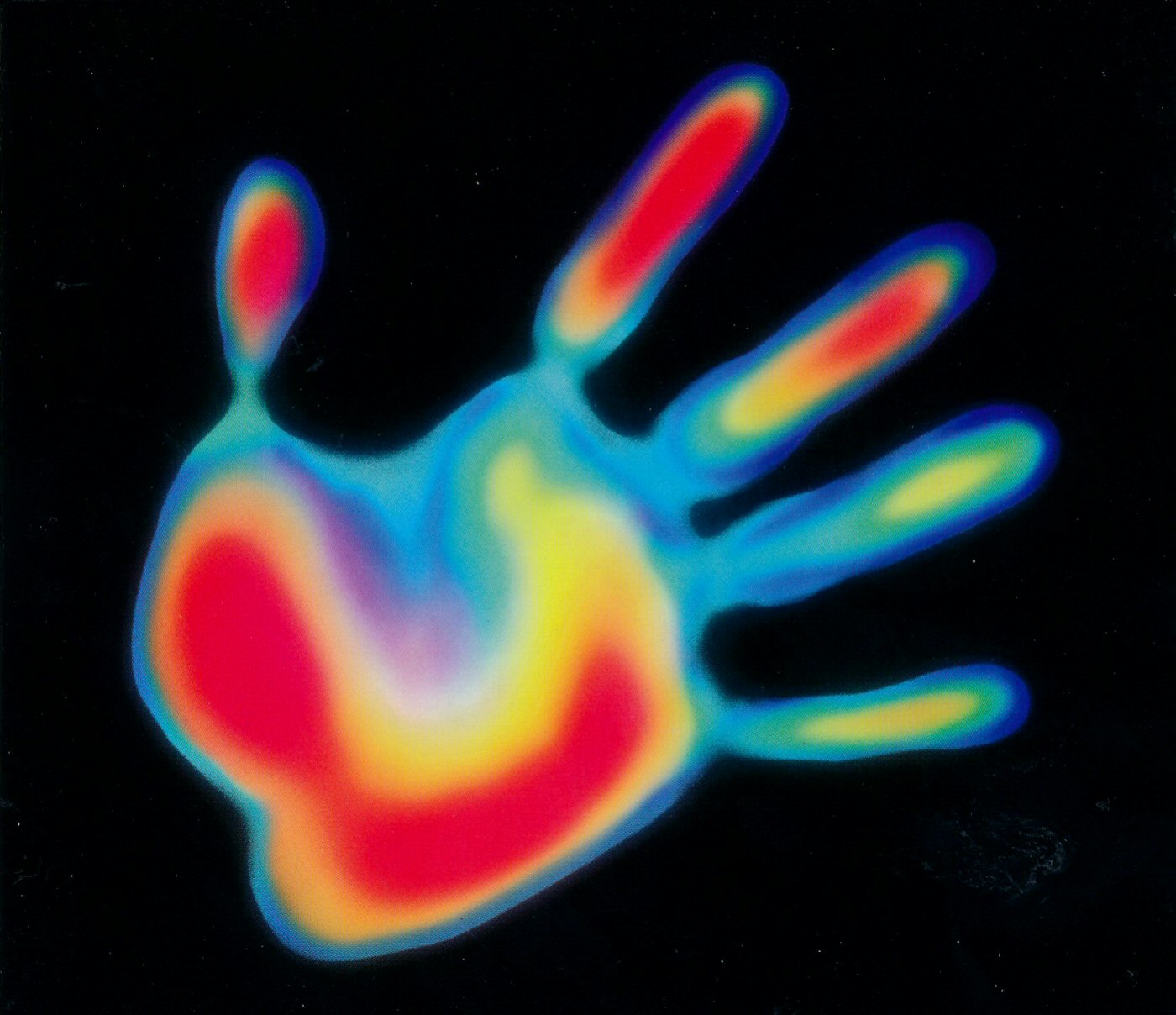
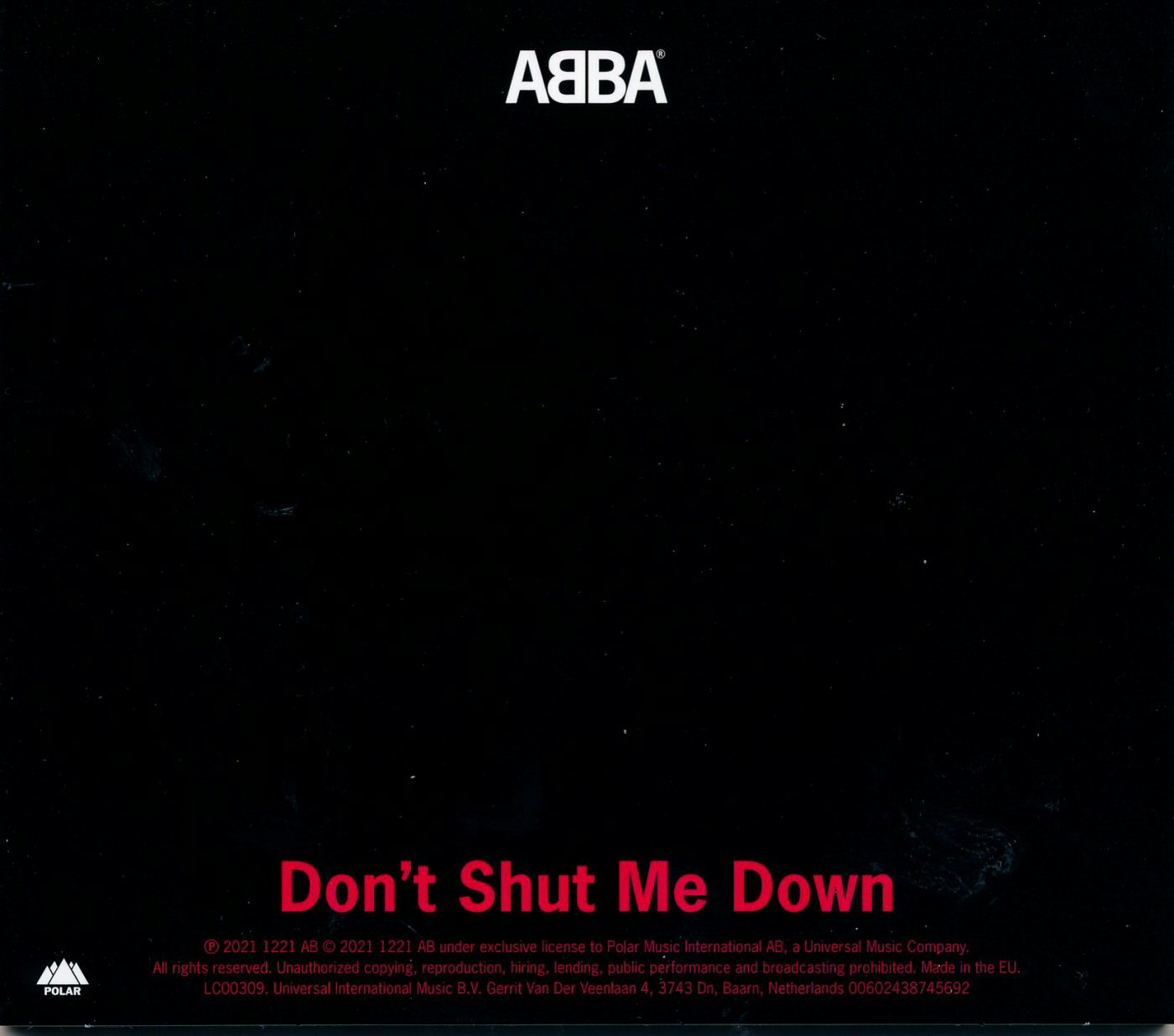
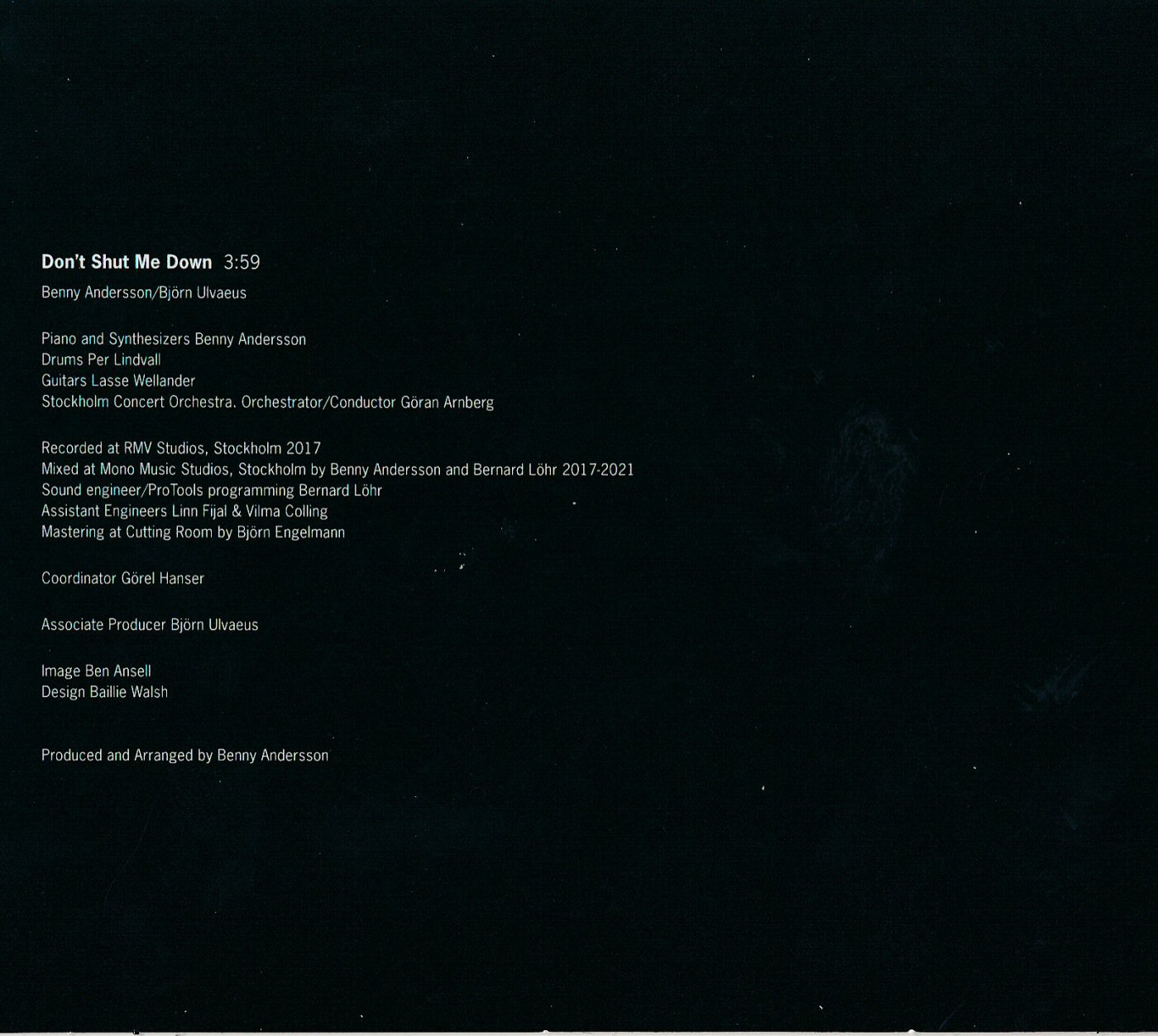
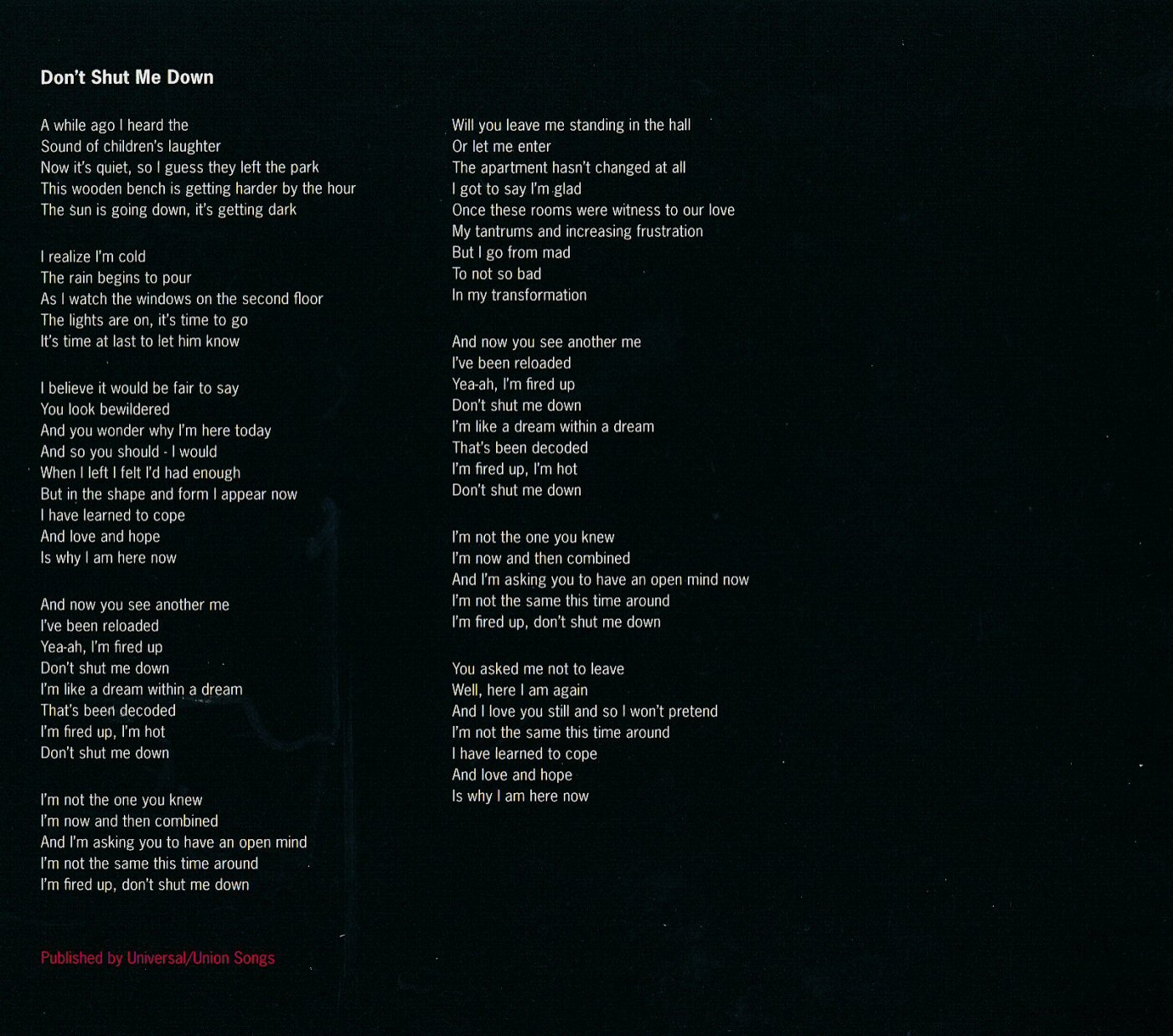
I Still Have Faith in You - SP, CD-SP / Don't Shut Me Down - SP
release: September 21, 2021
 SP SP |
 |
 |
 |
 |
 CD-SP CD-SP |
 |
 |
 |
 |
 CD-SP CD-SP |
 |
 |
 |
 |
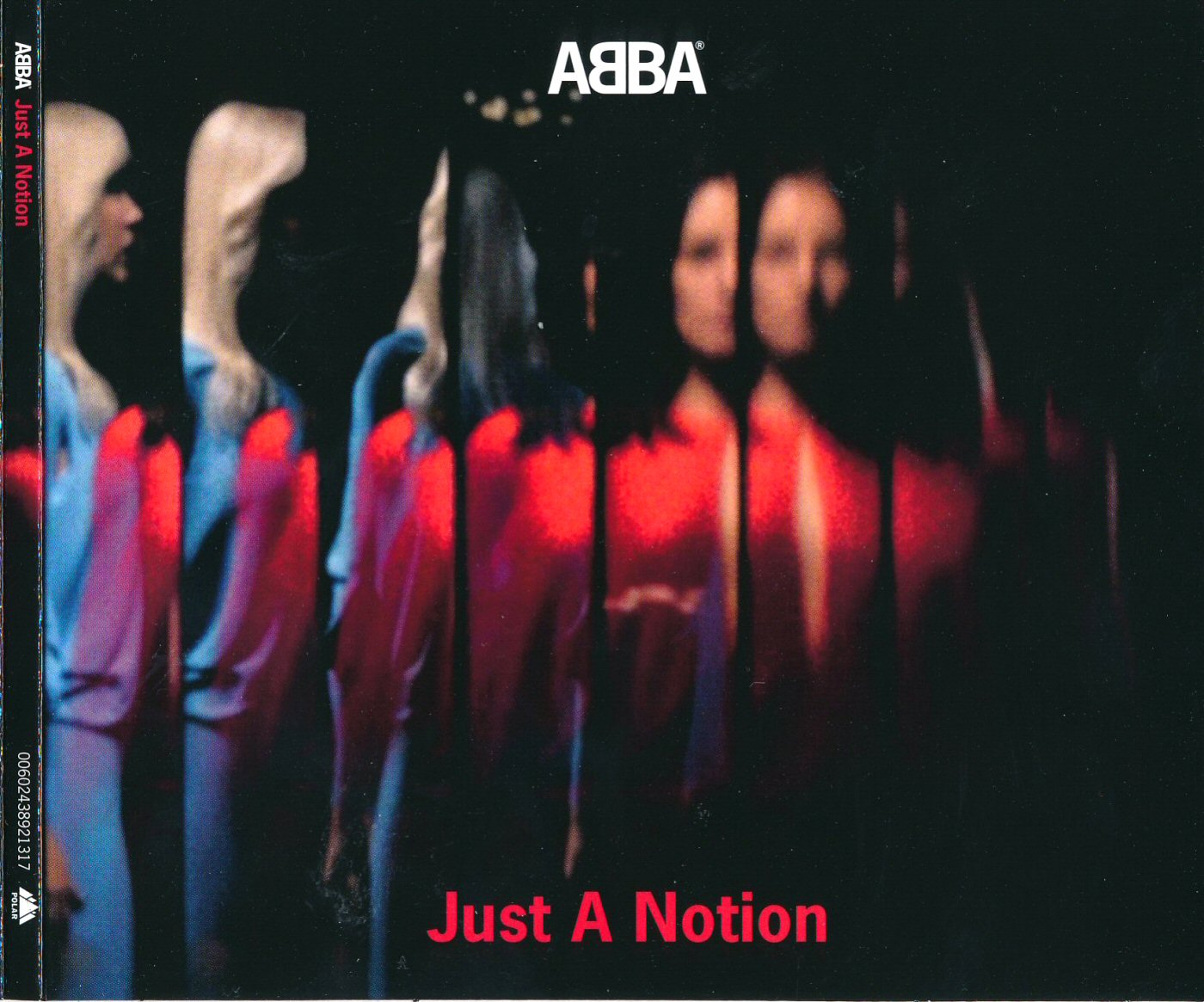
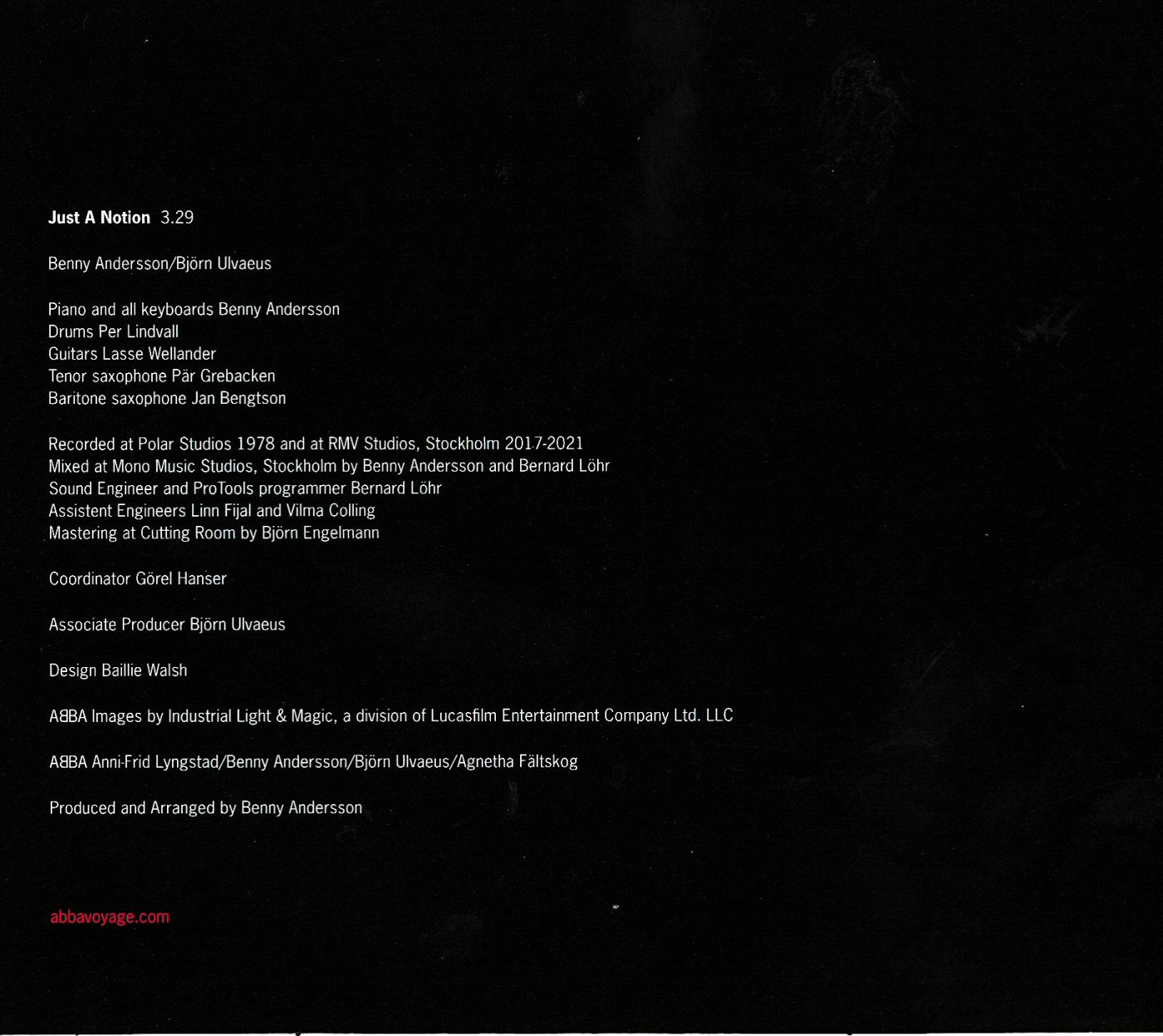
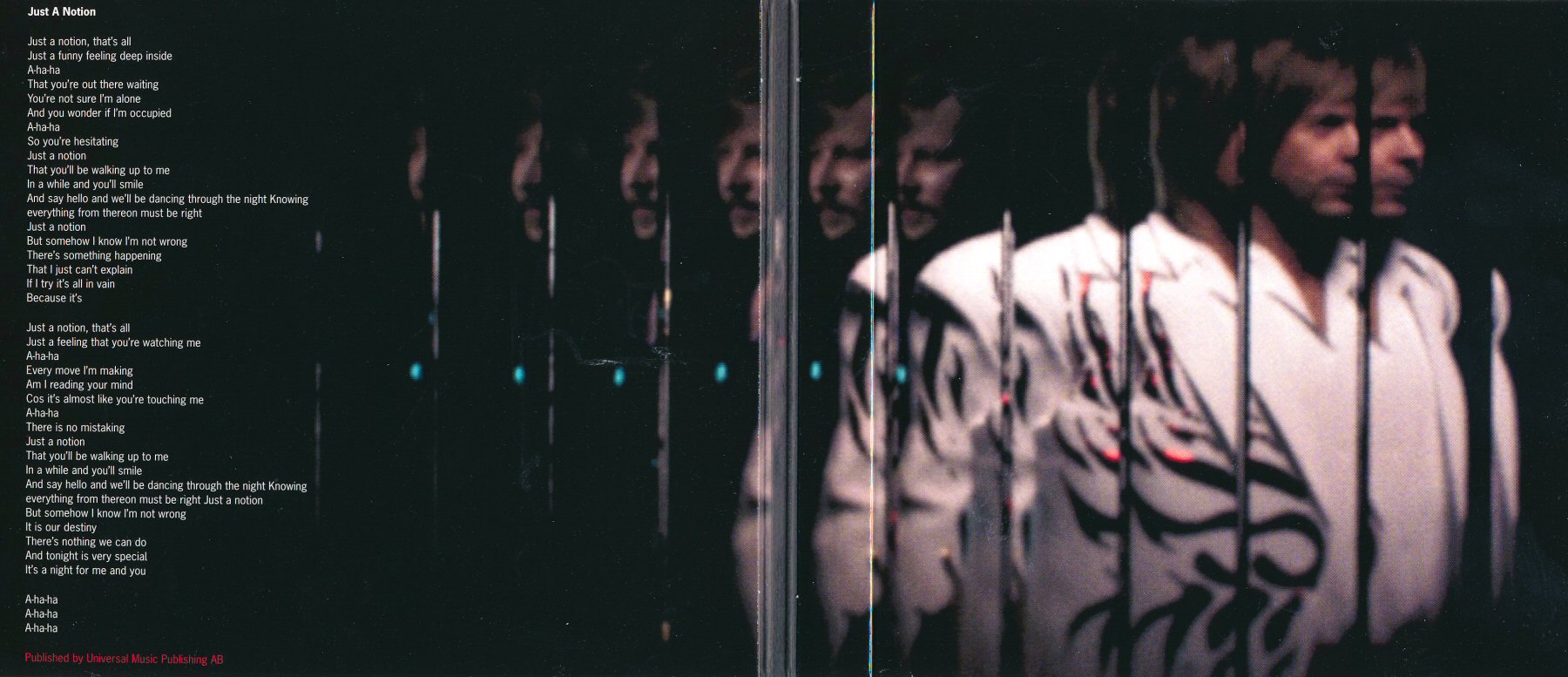
Just a Notion - SP
release: October 22nd, 2021
 |
 |
 |
 |
 |
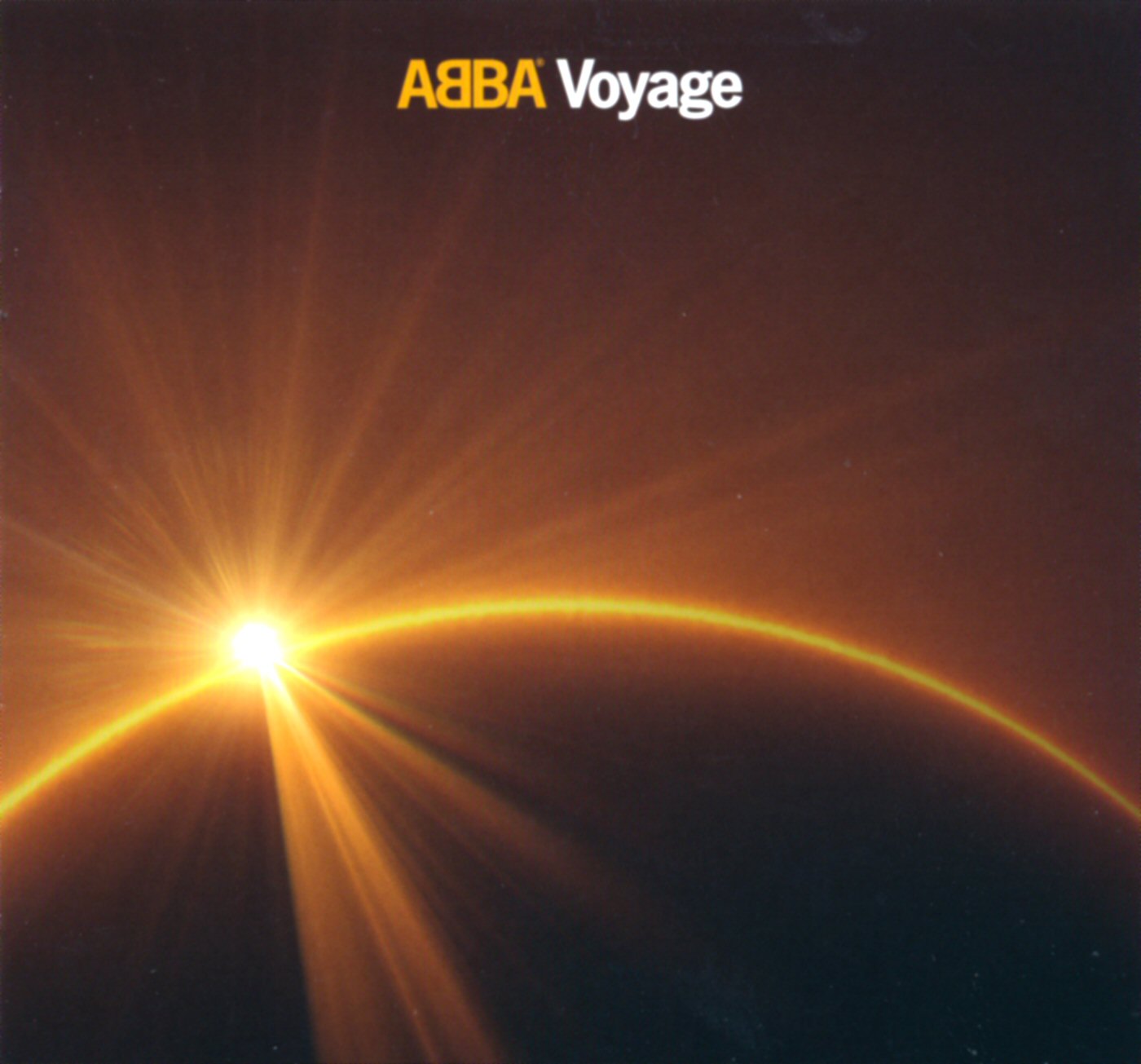
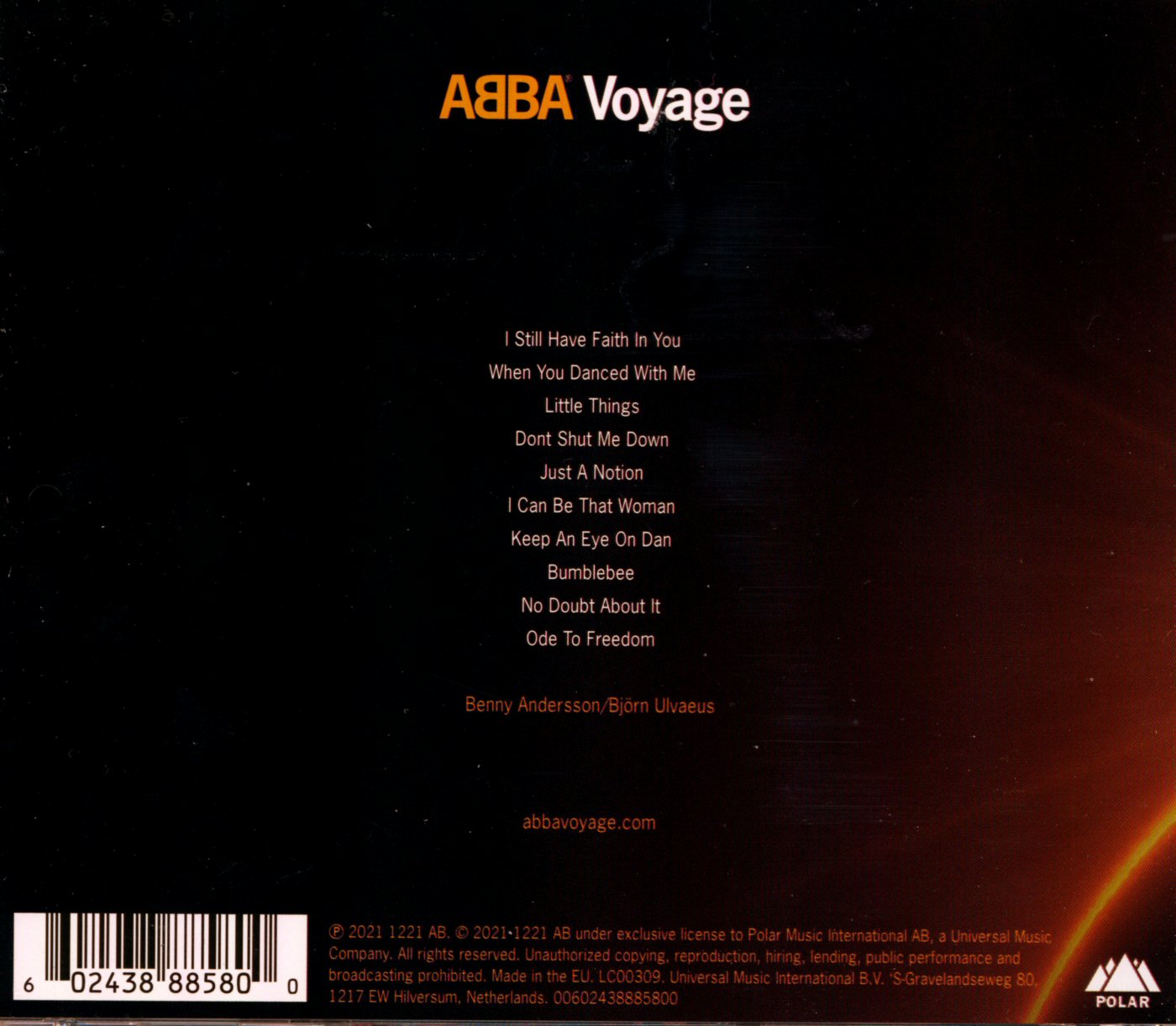
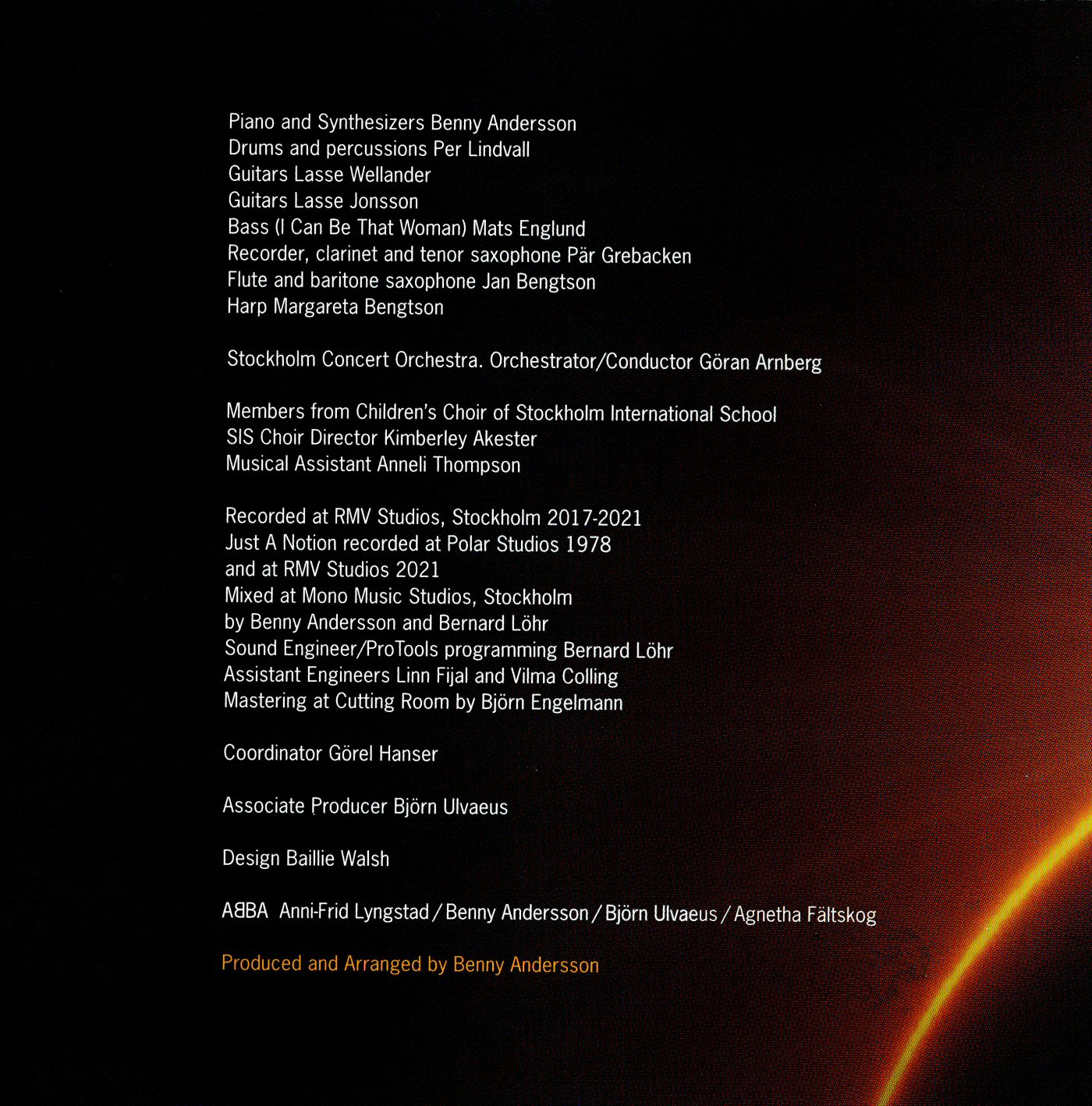
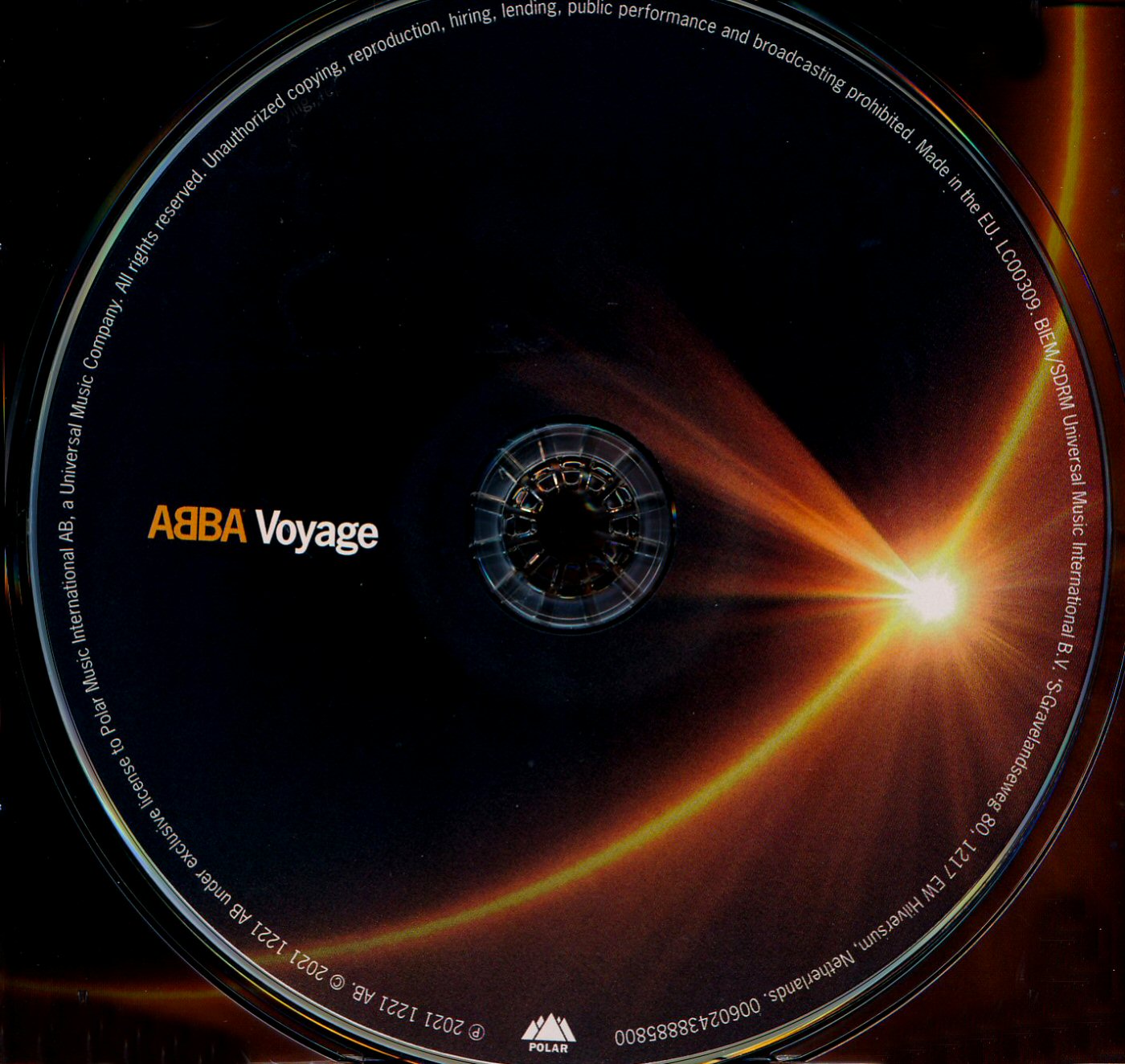
Voyage - CD/LP/MC
release: November 5th, 2021
 |
 |
 |
 |
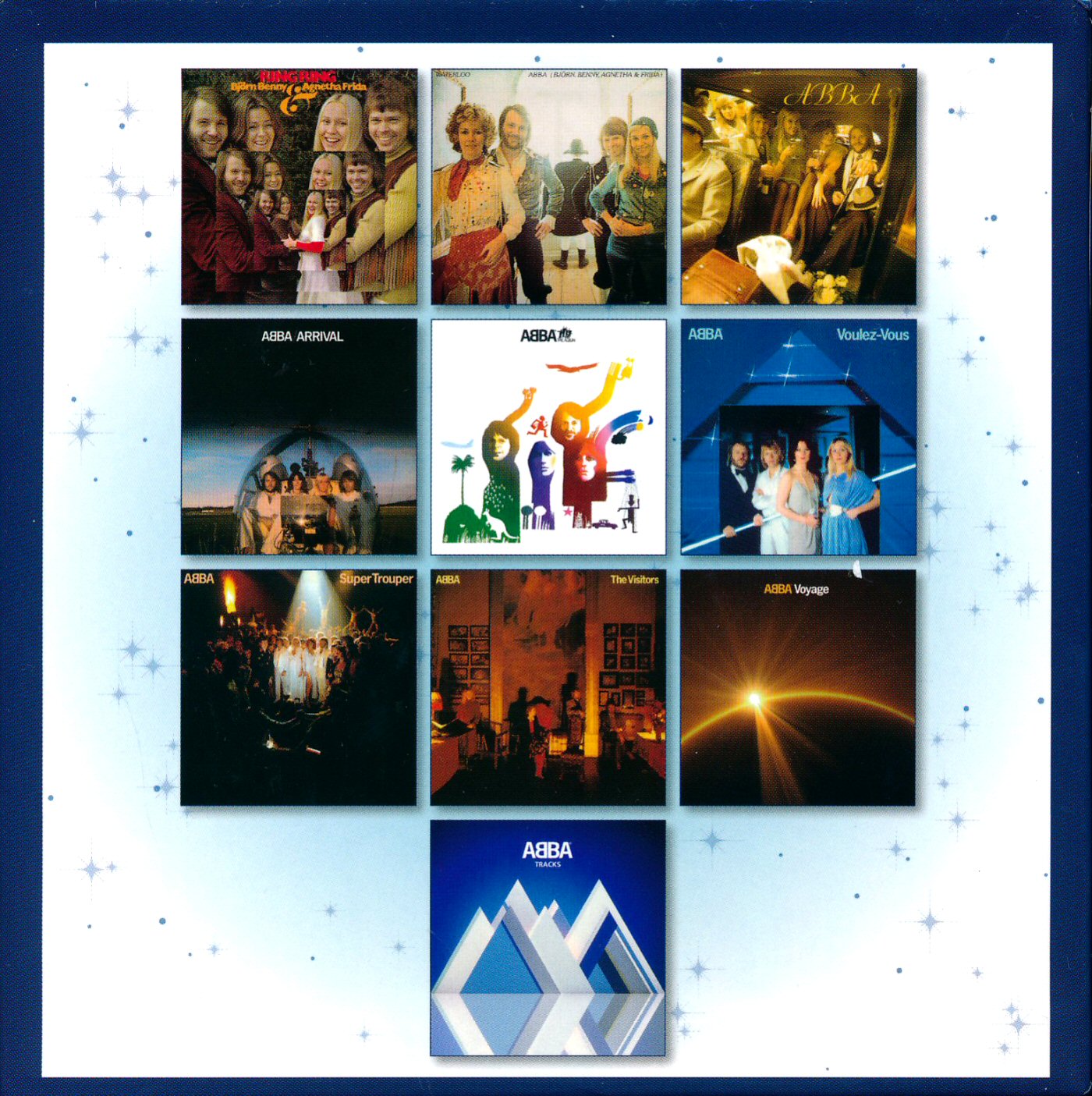
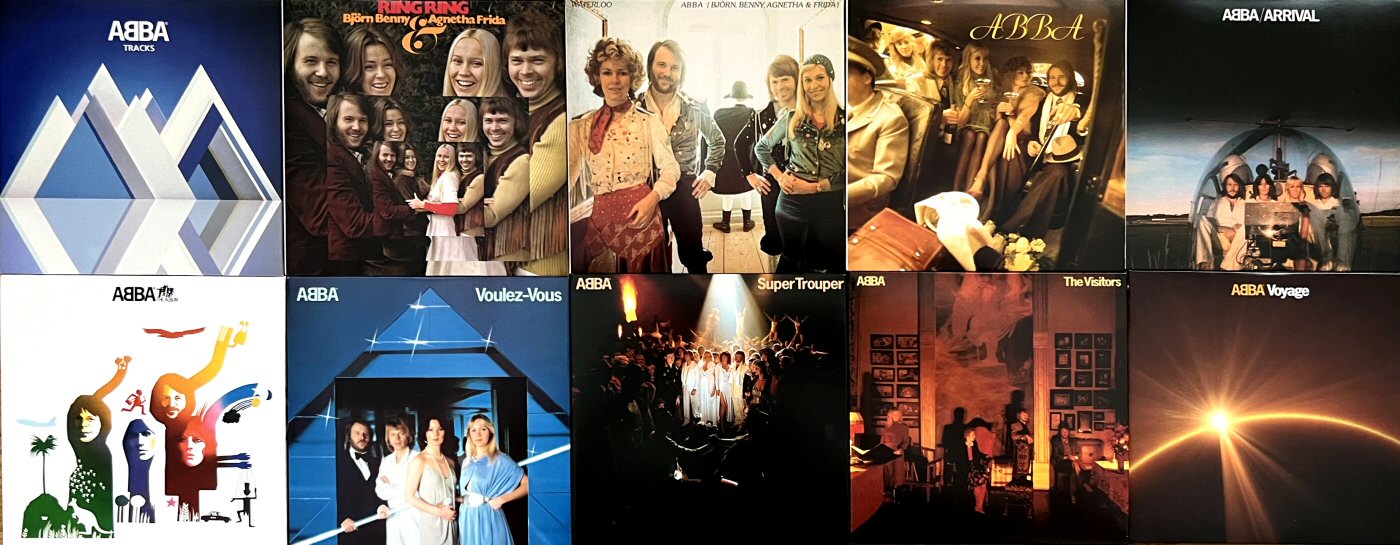
ABBA CD album box set
release: May 27,th, 2022
 |
 |
 |
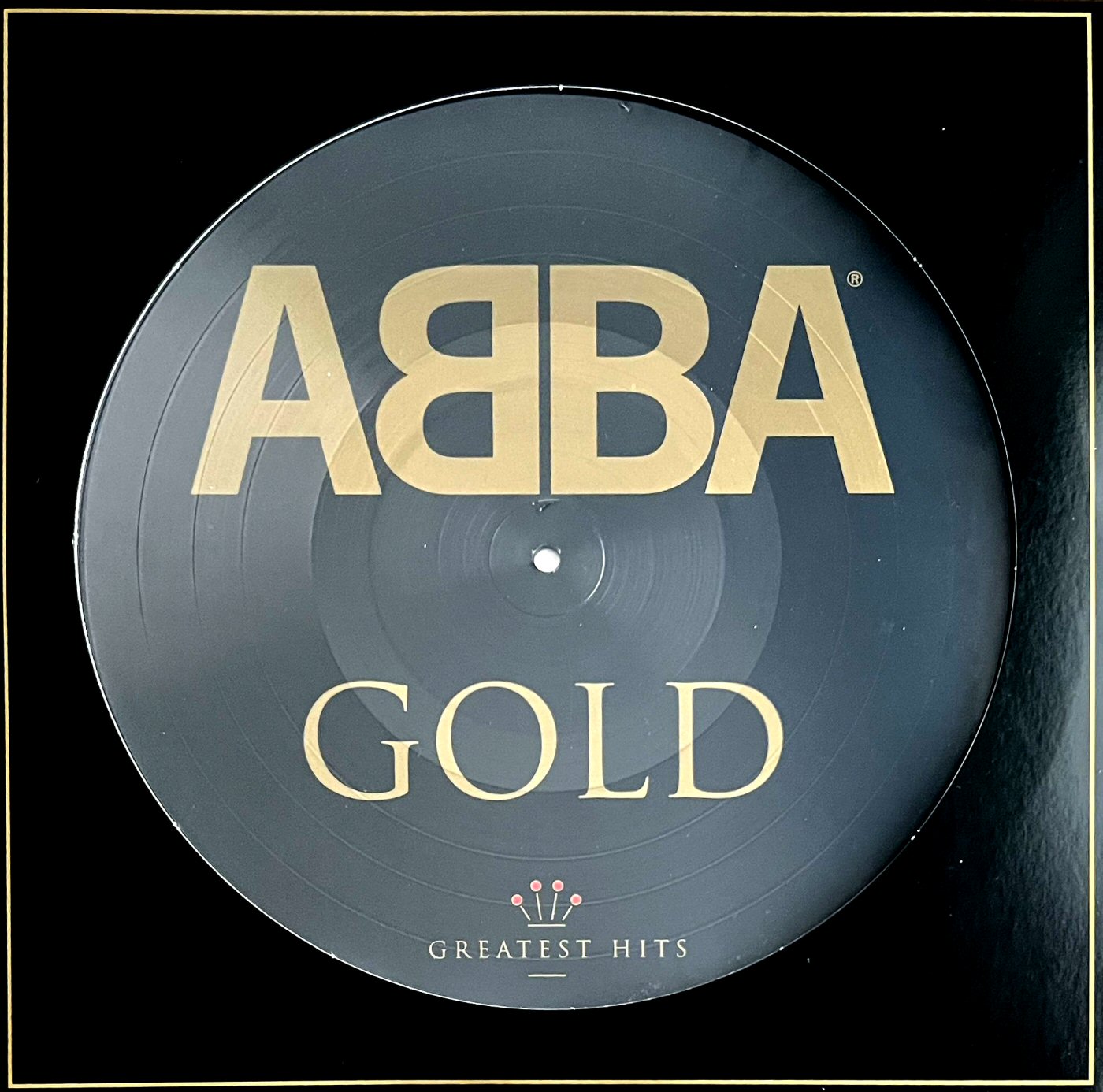
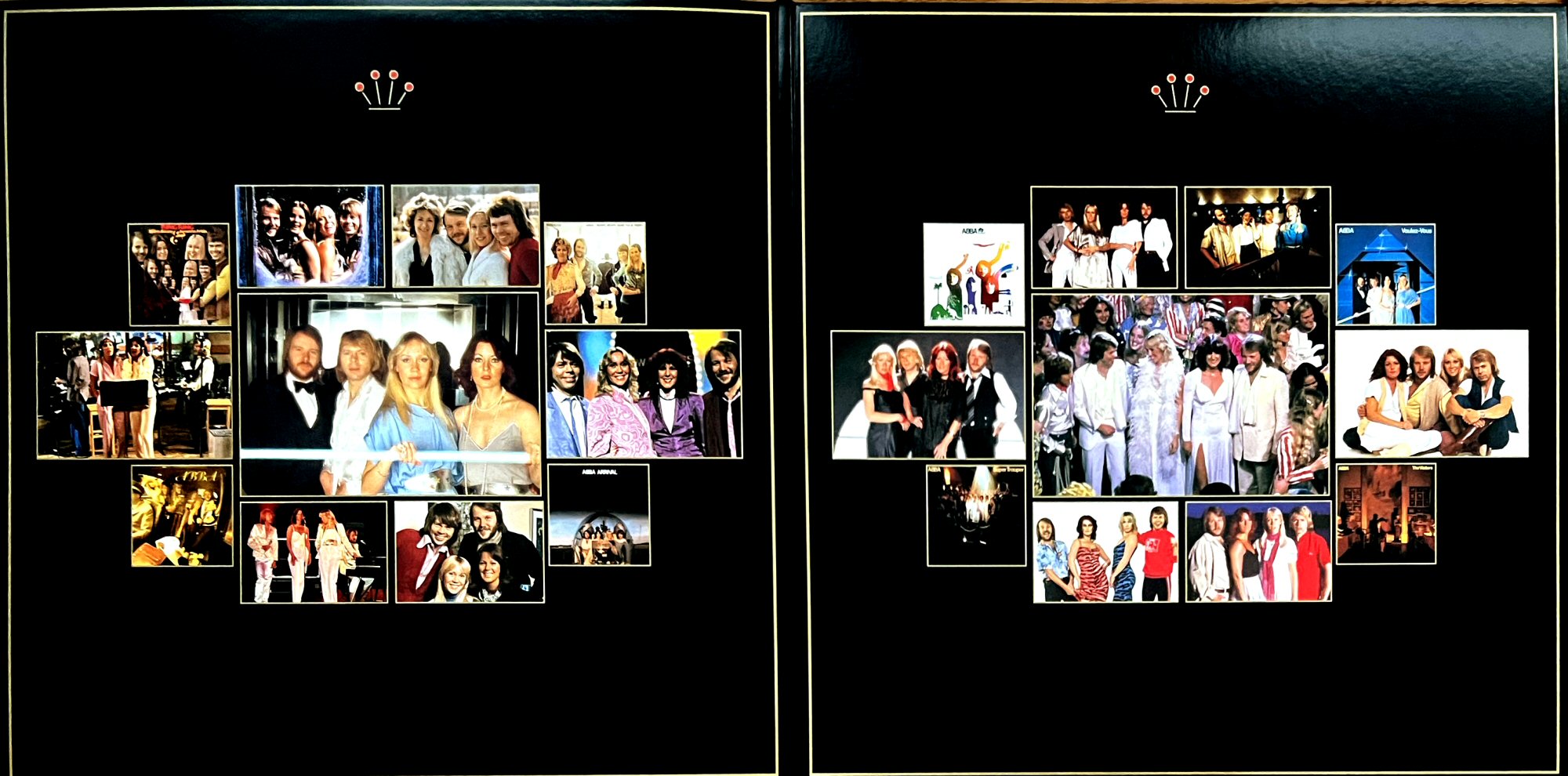
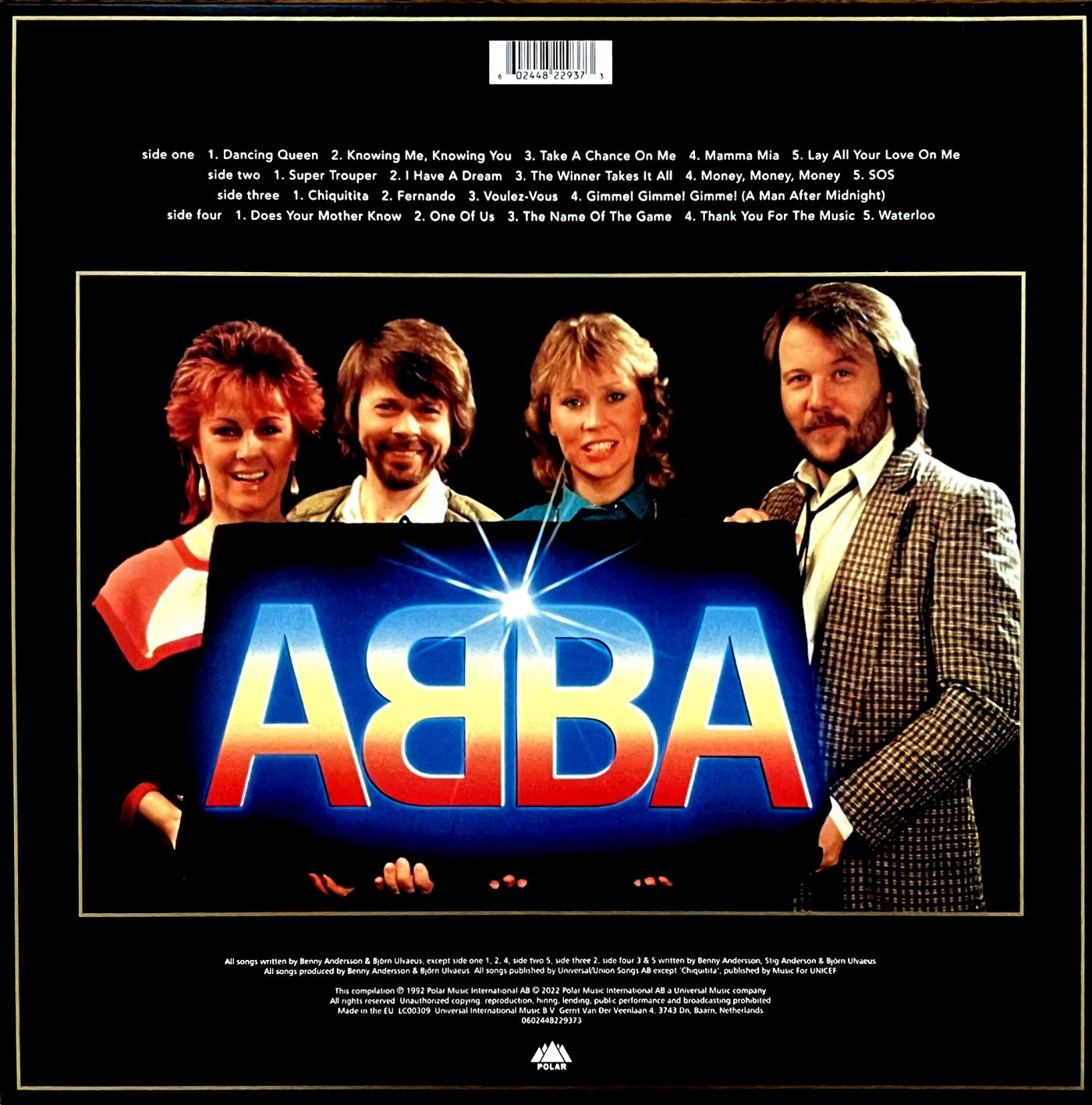
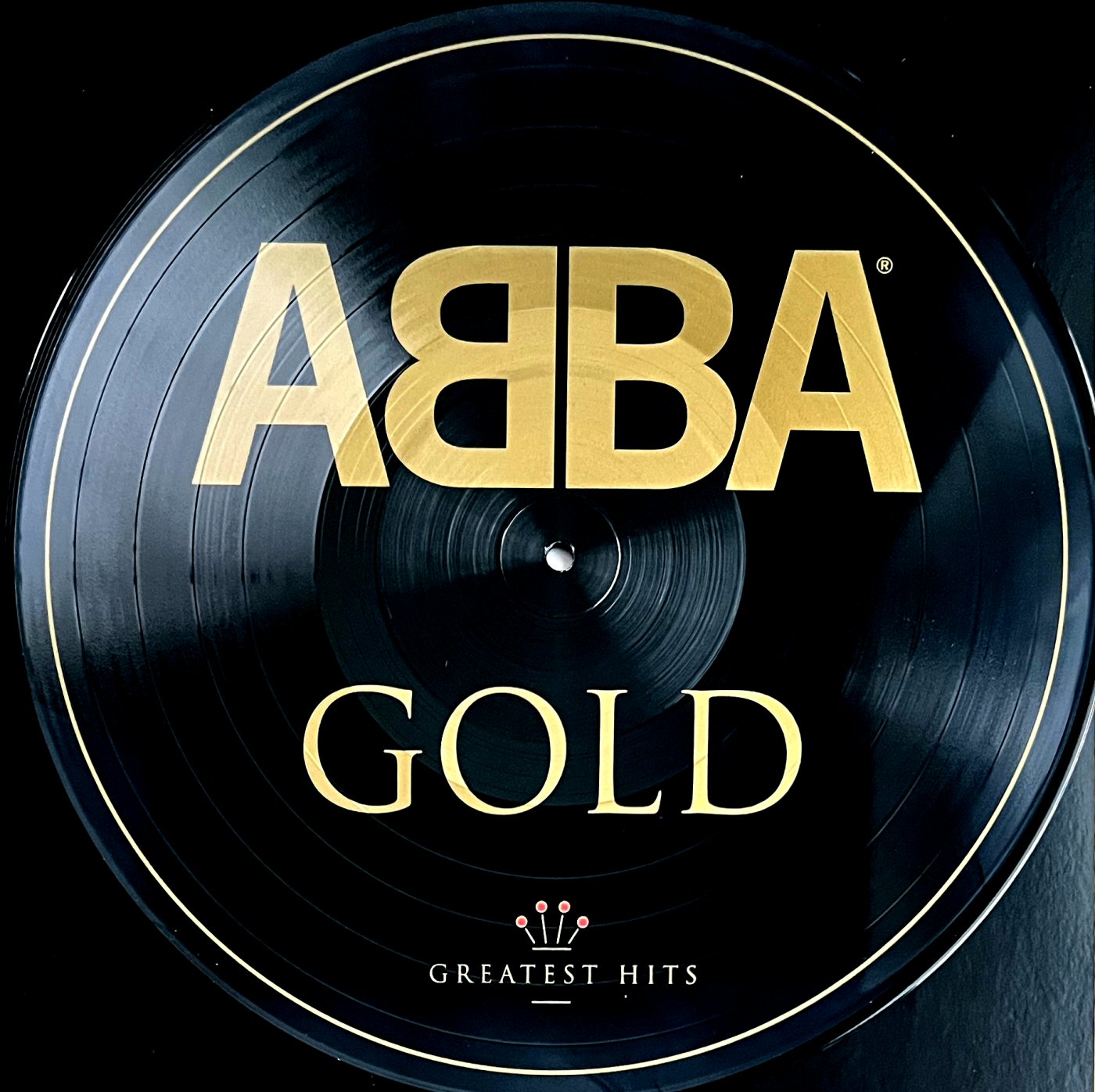
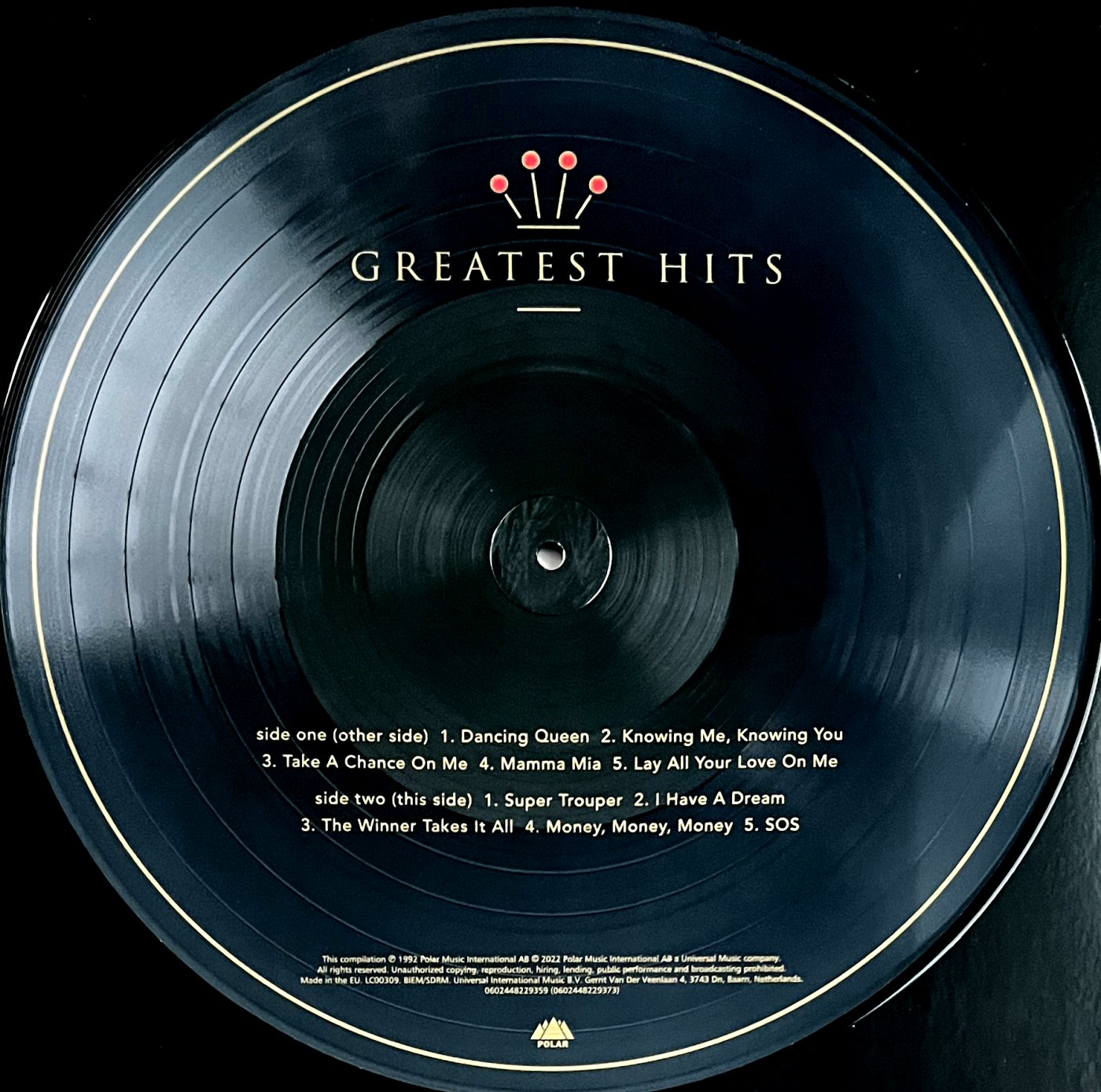
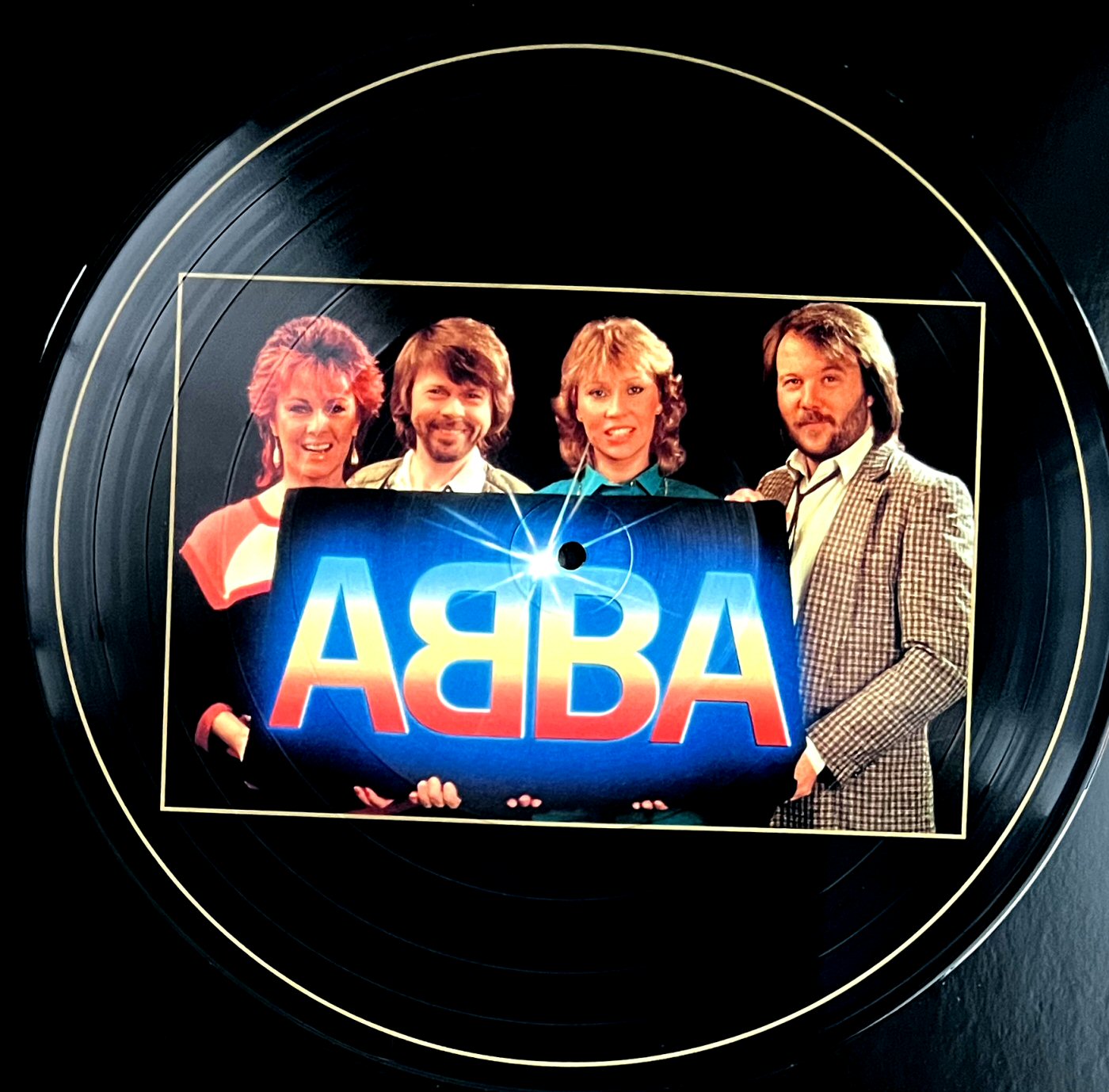
ABBA Gold - 30th anniversary edition
release: September 23rd, 2022
 |
 |
 |
 |
|
 |
 |
 |
 |