go.to/
1974 1976 1979 1980 1981 1982 1983 1988 1990 1992 1993 1999 2004 2014
The presence in the Spanish language territories was of course very important for ABBA. They were probably the first pop act ever recording a whole album in Spanish and during the later period of their career releasing alternate versions of their studio albums including some tracks sung in Spanish.
Eurovision on Spanish TV
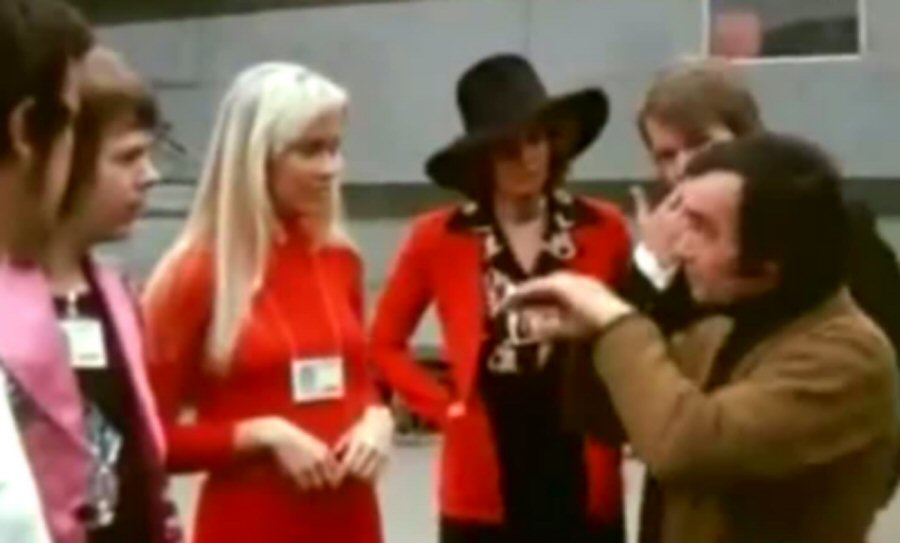
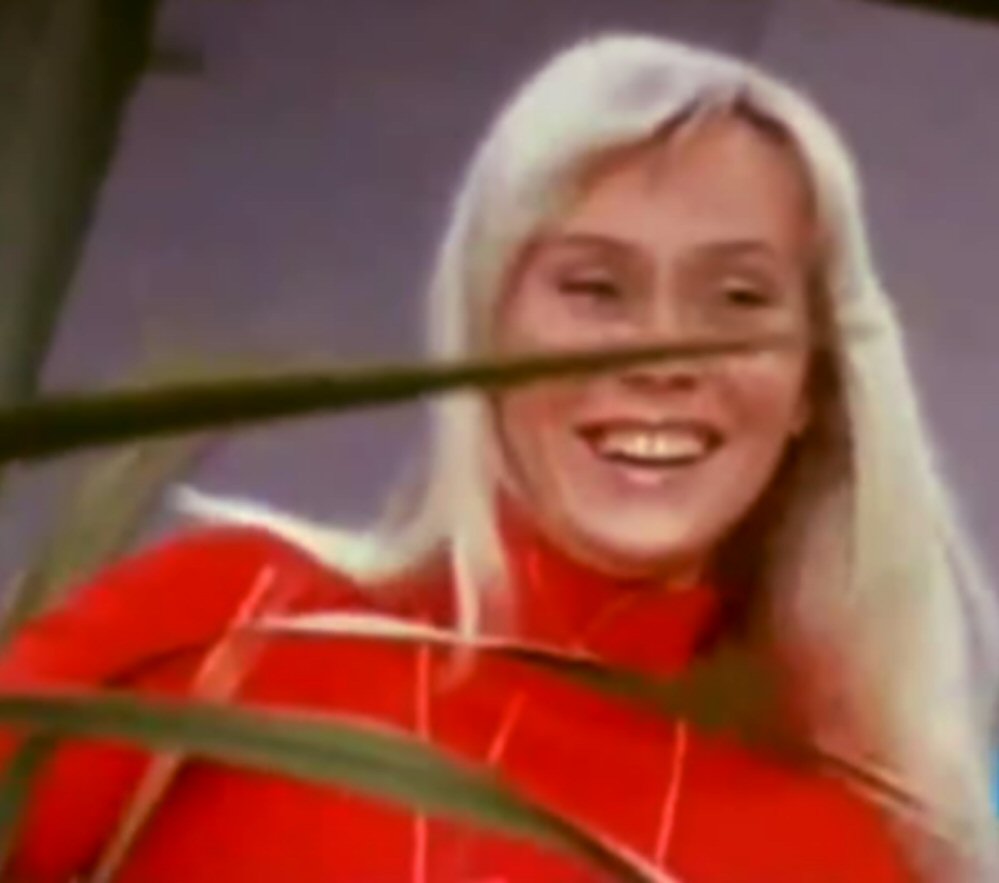
ABBA were presented on Spanish TV on the Eurovision night, April 6th at 8.30 p.m in the show "Informe semanal".
 |
 |
 |
 |
Waterloo - the single in Spain
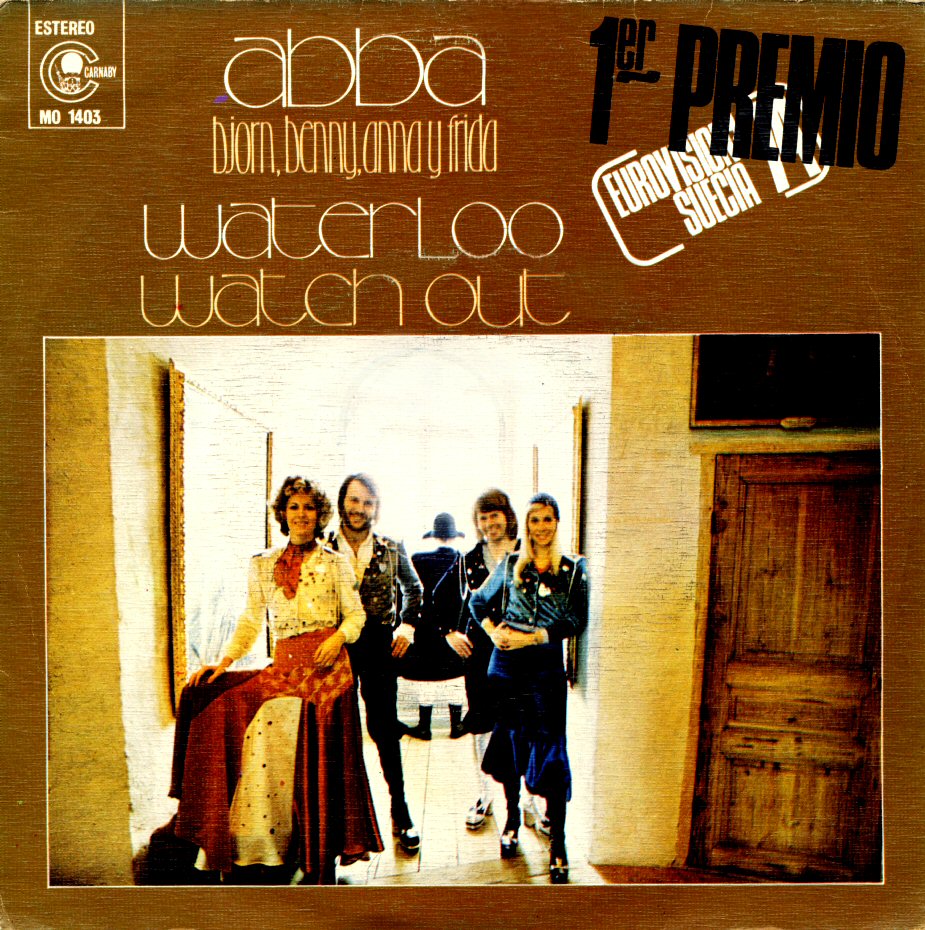
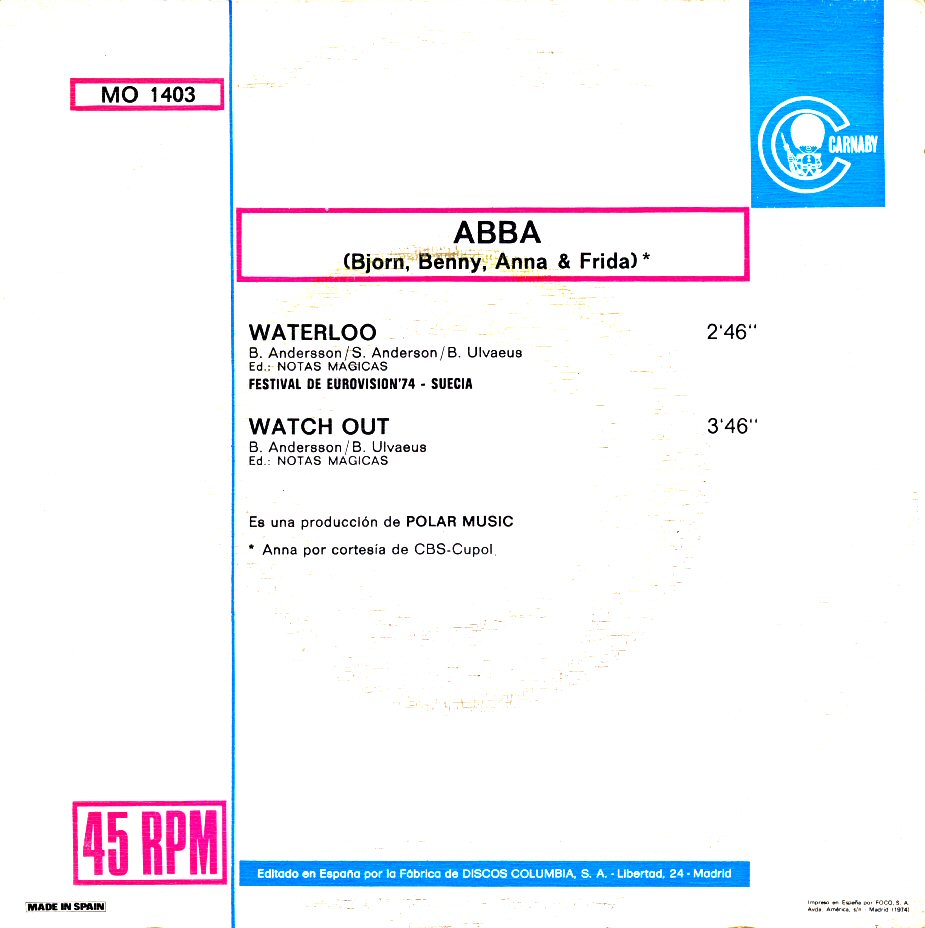
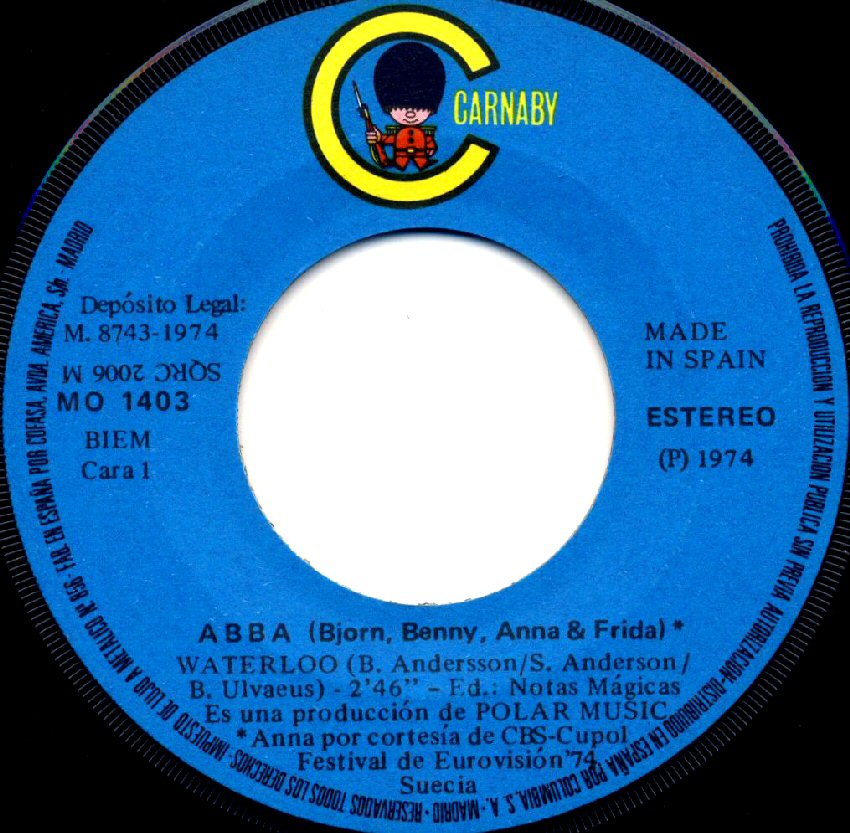
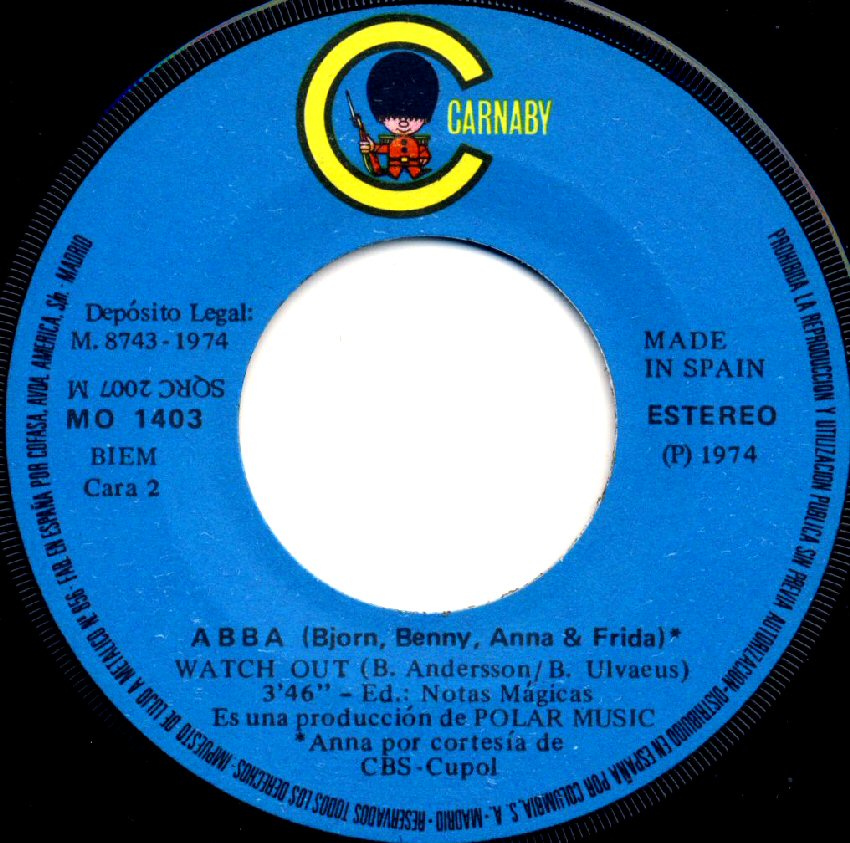
The single "Waterloo" b/w "Watch Out" was released in Spain in April 1974. The cover featured a wider shot from the "Gripsholms"-session (see ABBA related places) and it had especially designed lay-out. The single was very successful on the Spanish single chart where it stayed for 15 weeks reaching #3.
 |
 |
 |
 |
Waterloo - the album in Spain
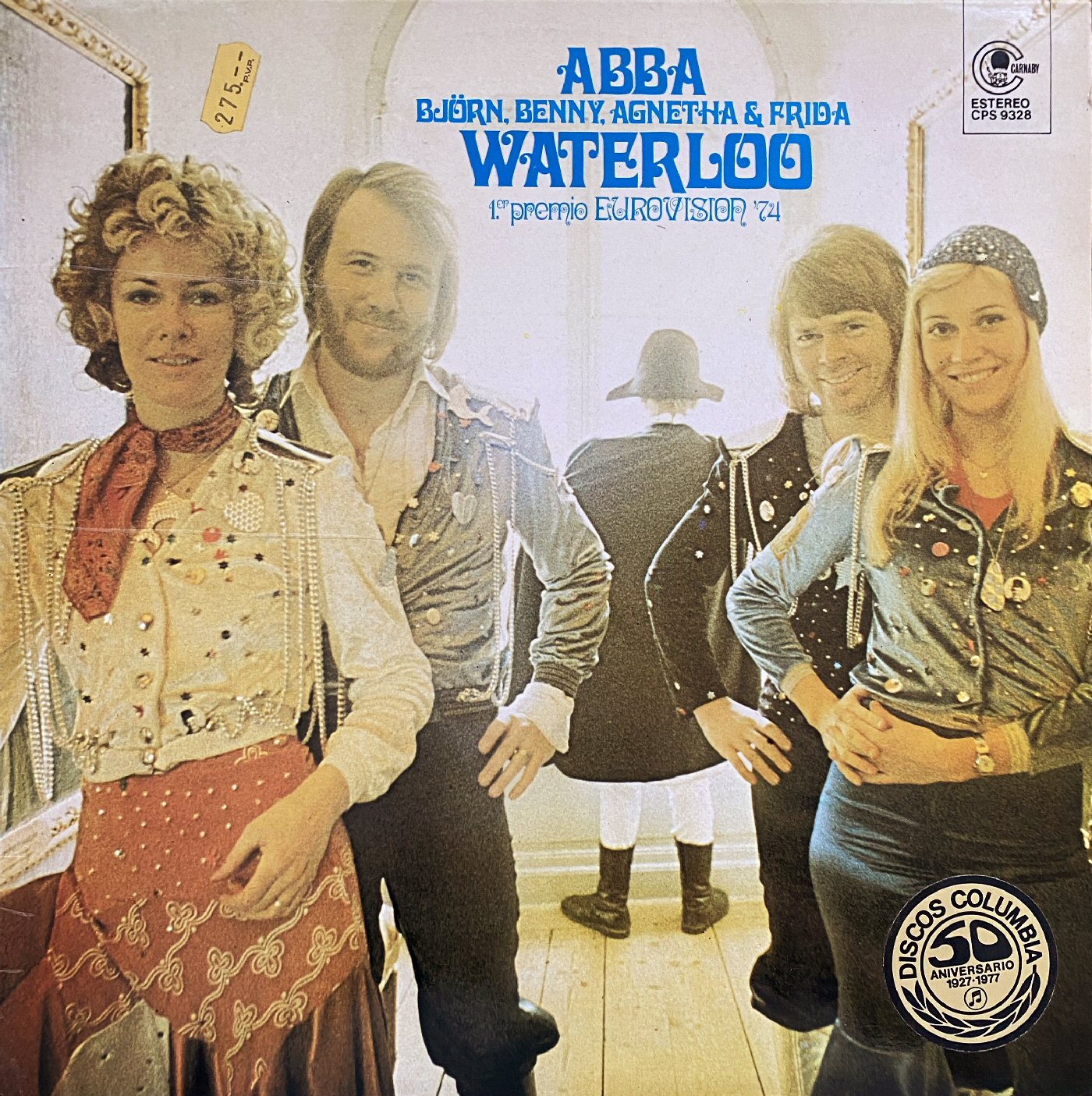
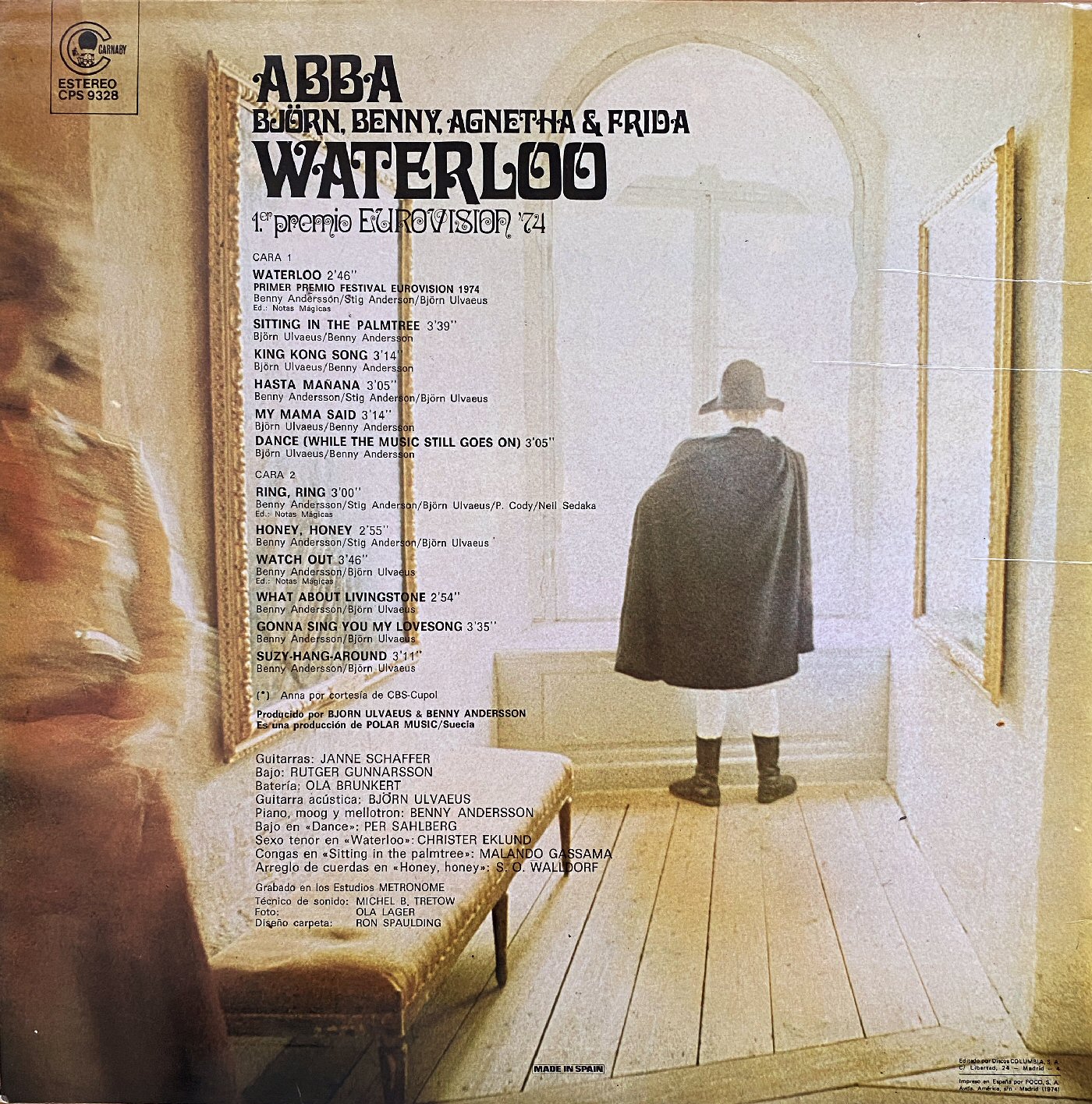
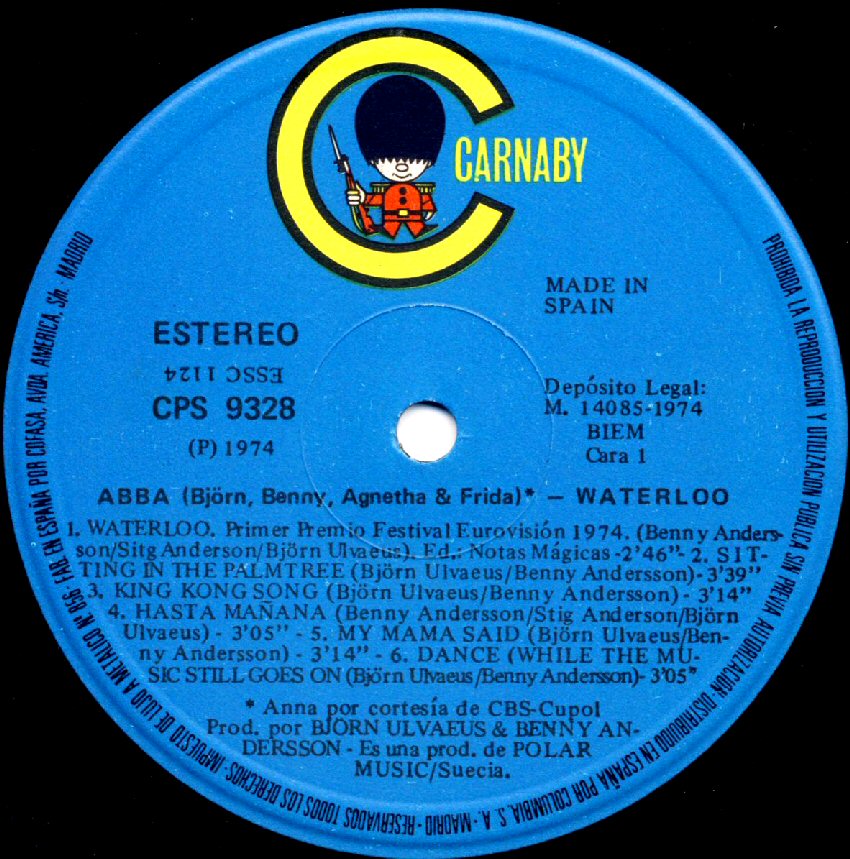
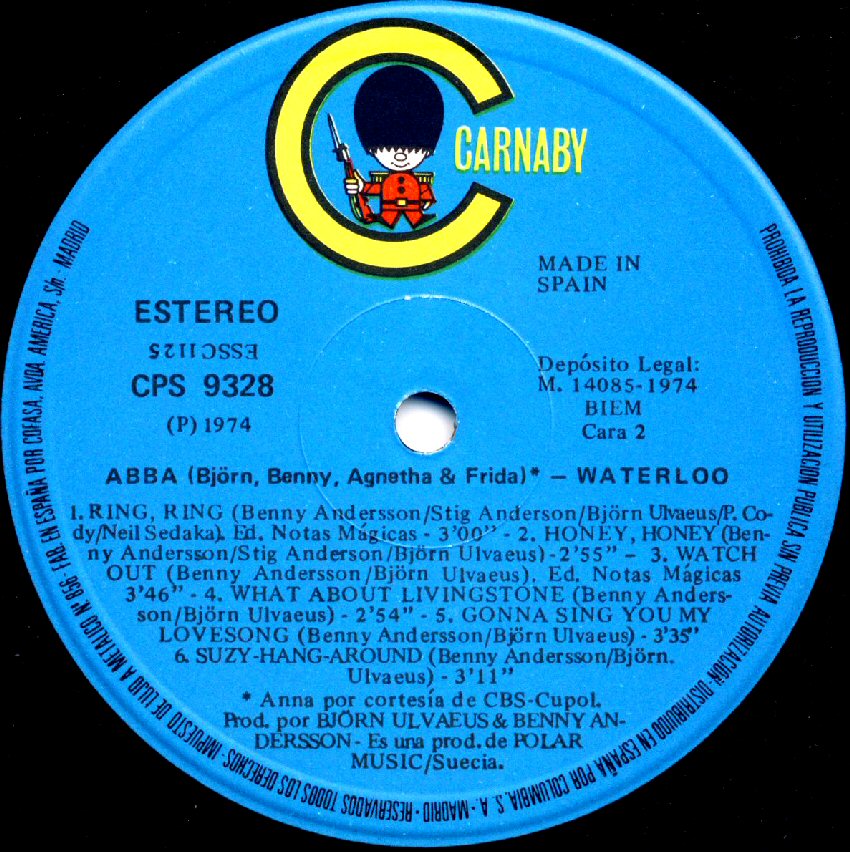
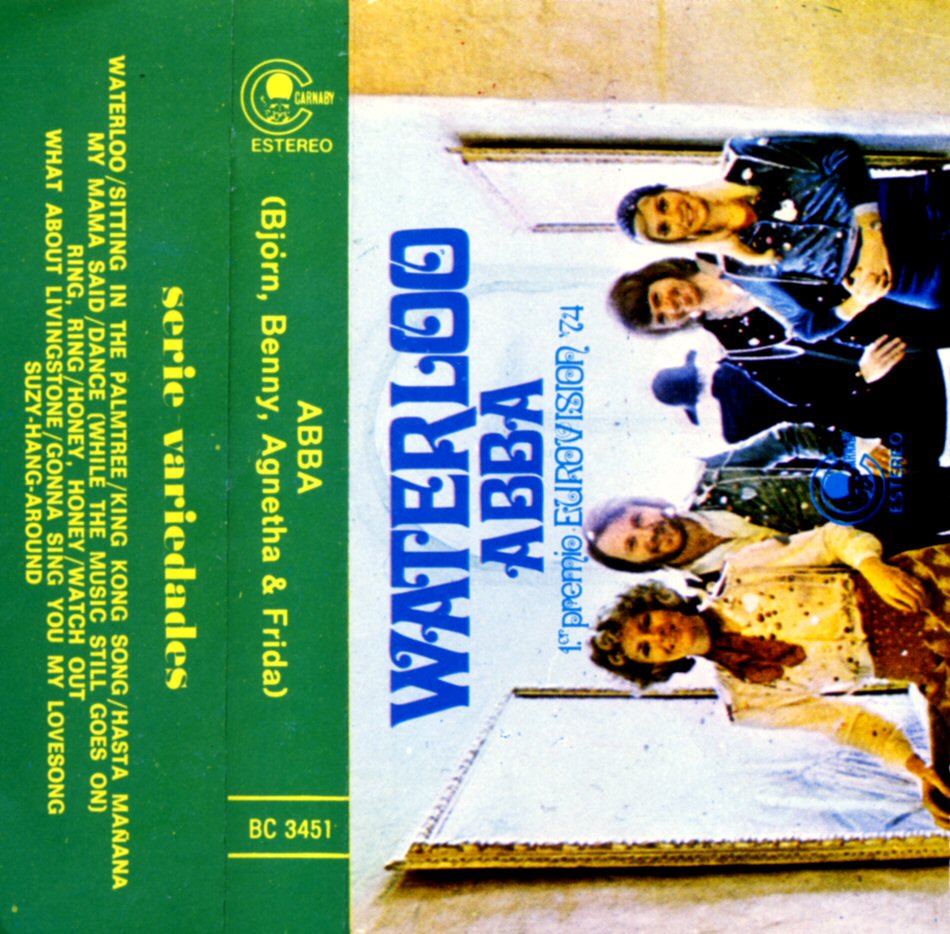
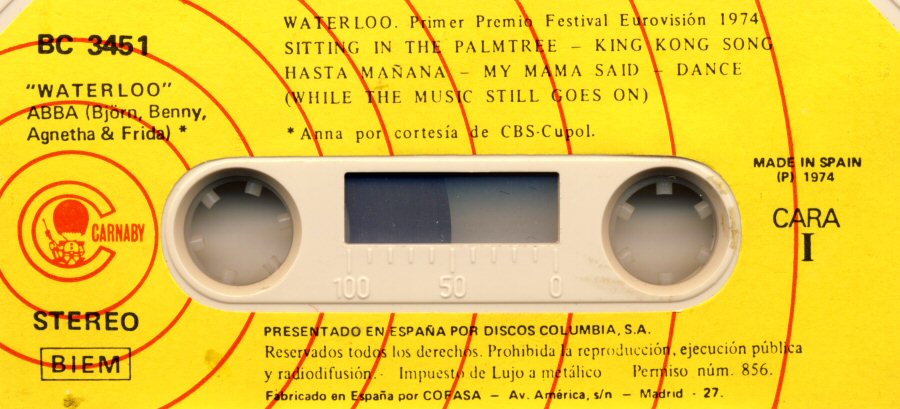
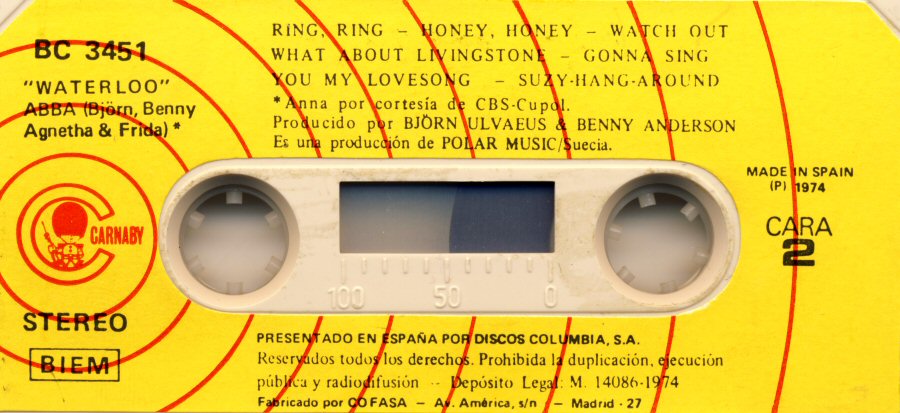
The album "Waterloo" saw its release in Spain at the beginning of May 1974. Under the title of the album there was even a plain information that the group had won the 1974 Eurovision Song Contest. The Spanish album cover had different design comparing to the other releases but the same cover photo. The track listing was slightly different to the original Swedish release as it was Ring Ring that opened side B and not Honey Honey. The album was released by the Spanish record company "Carnaby".
 |
 |
 |
 |
|
 |
 |
 |
 |
The promotion in Spain
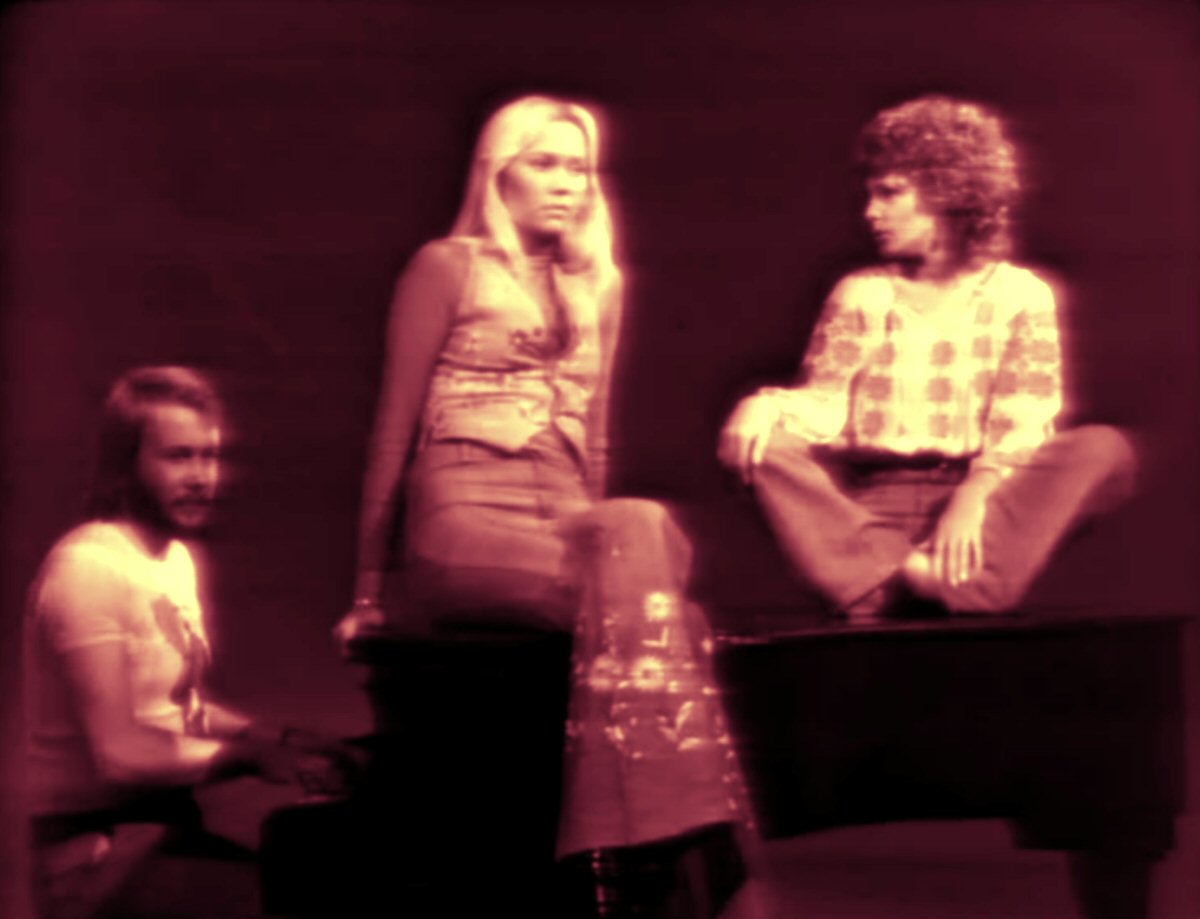
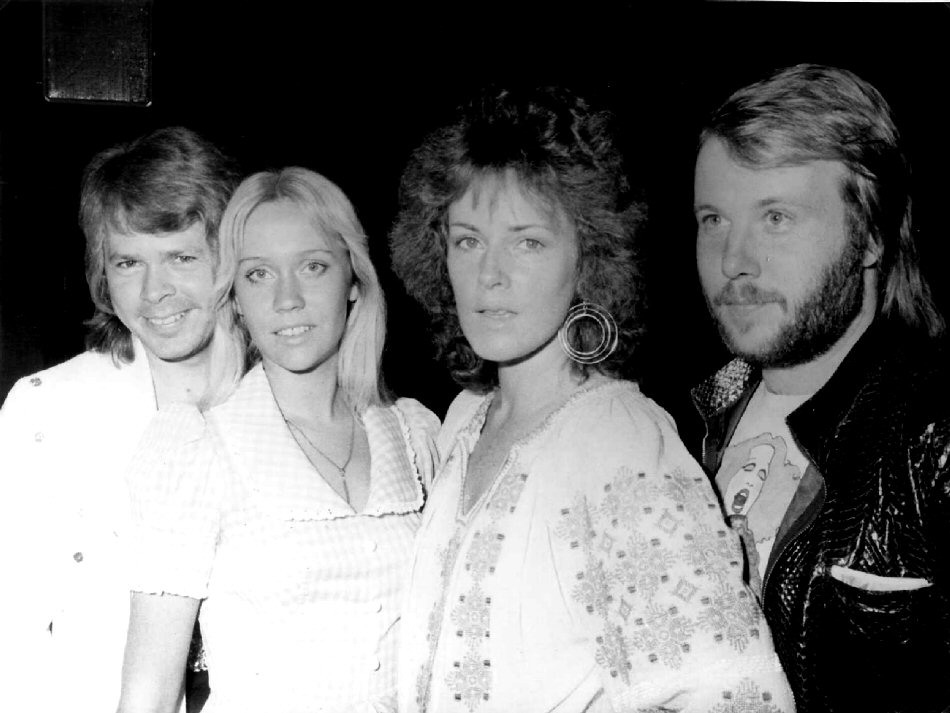
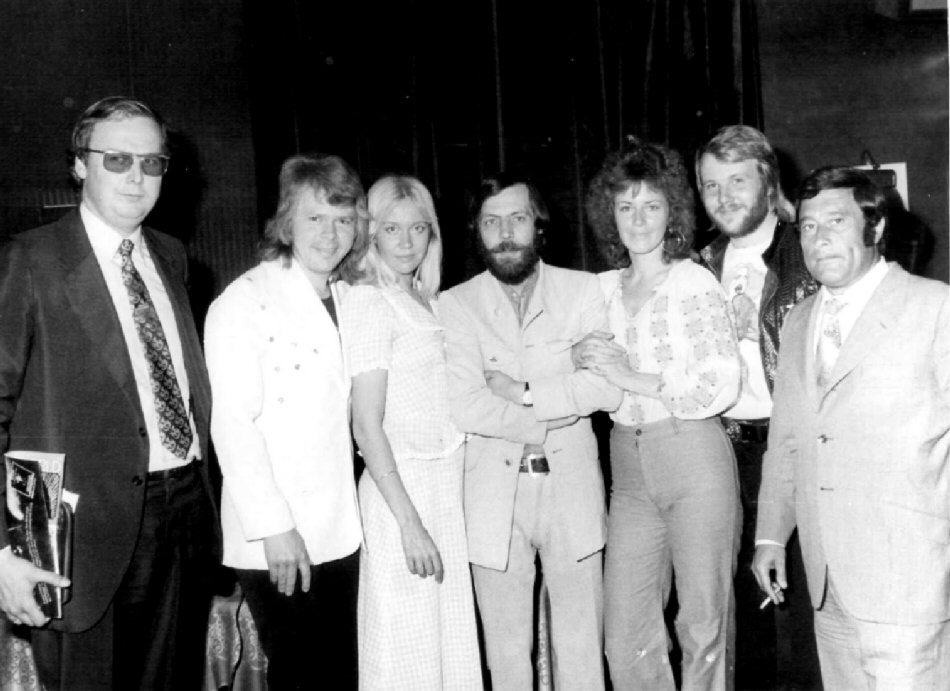
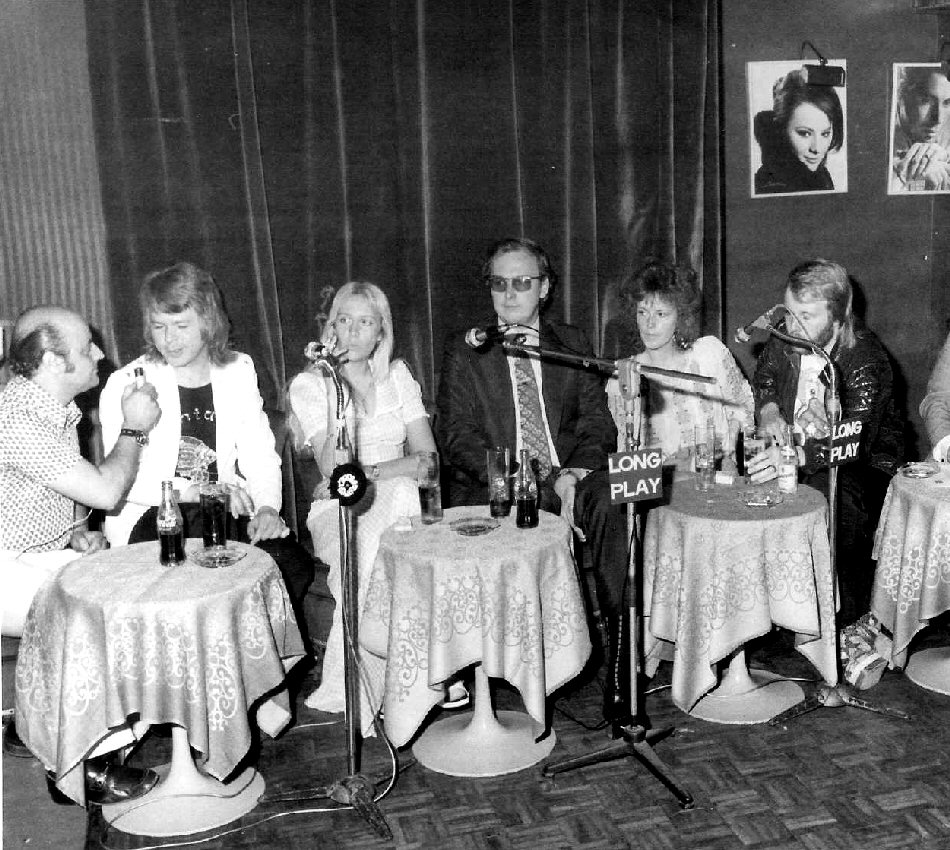
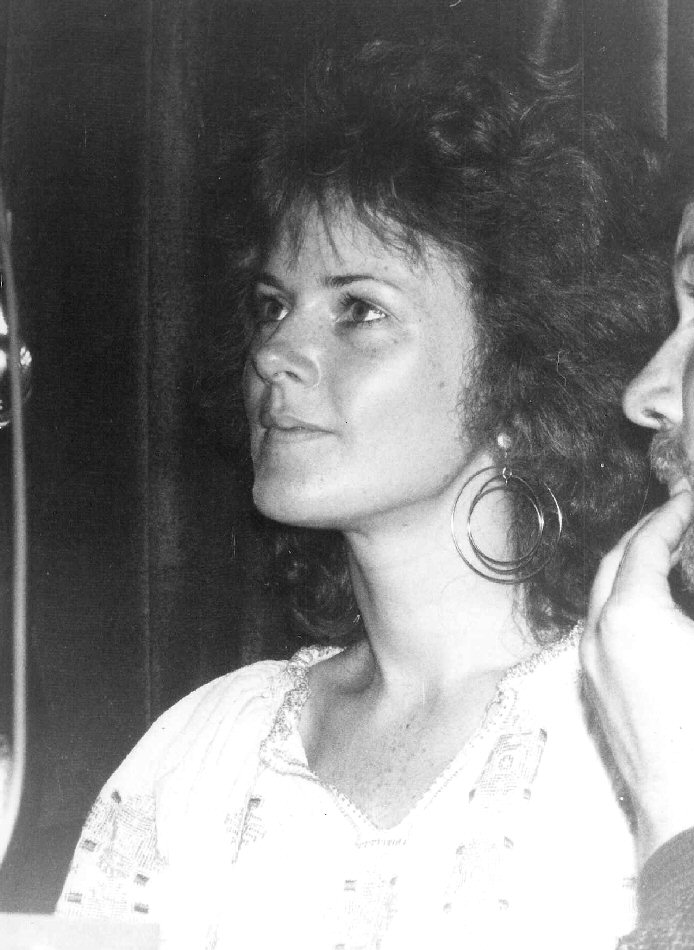
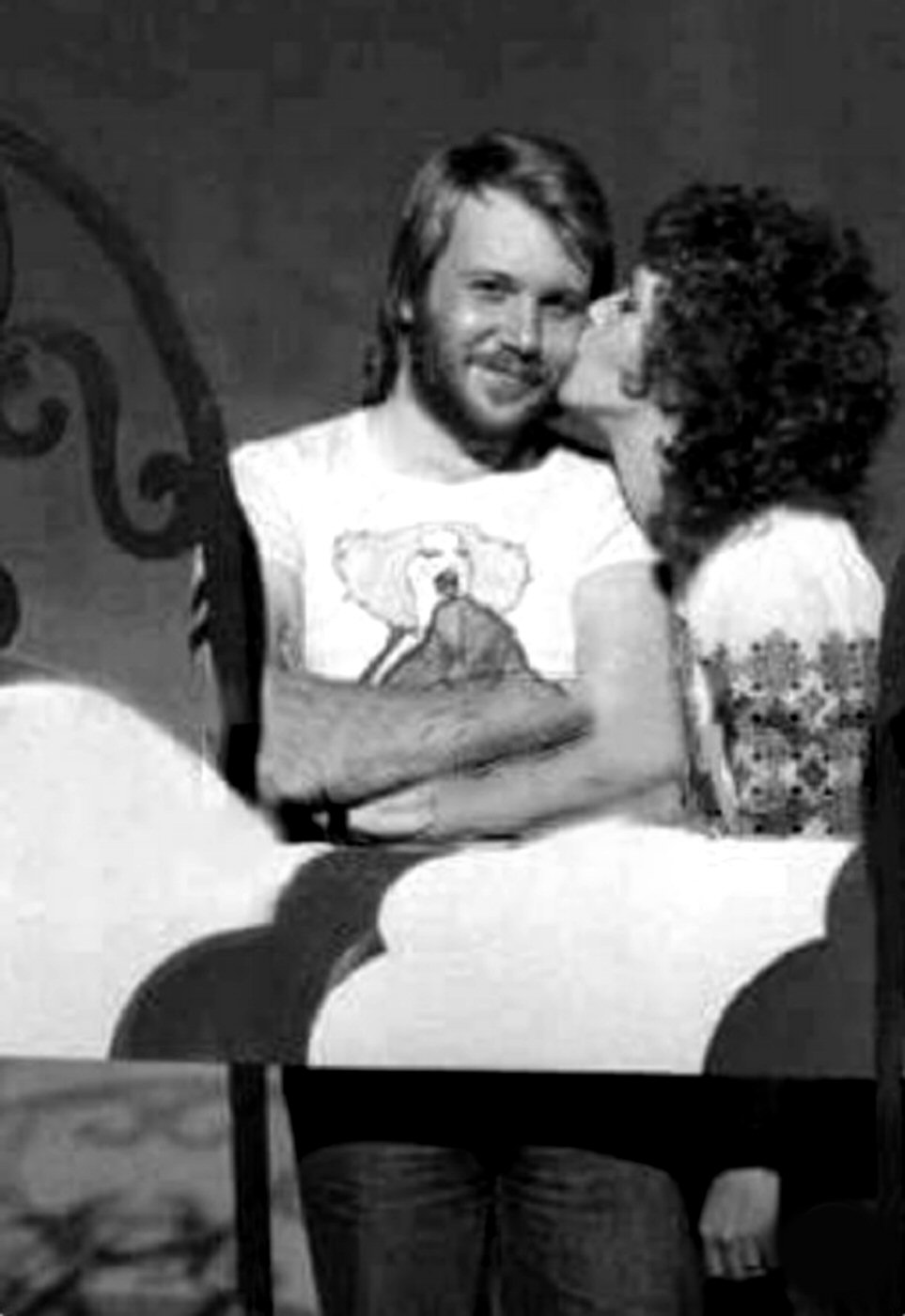
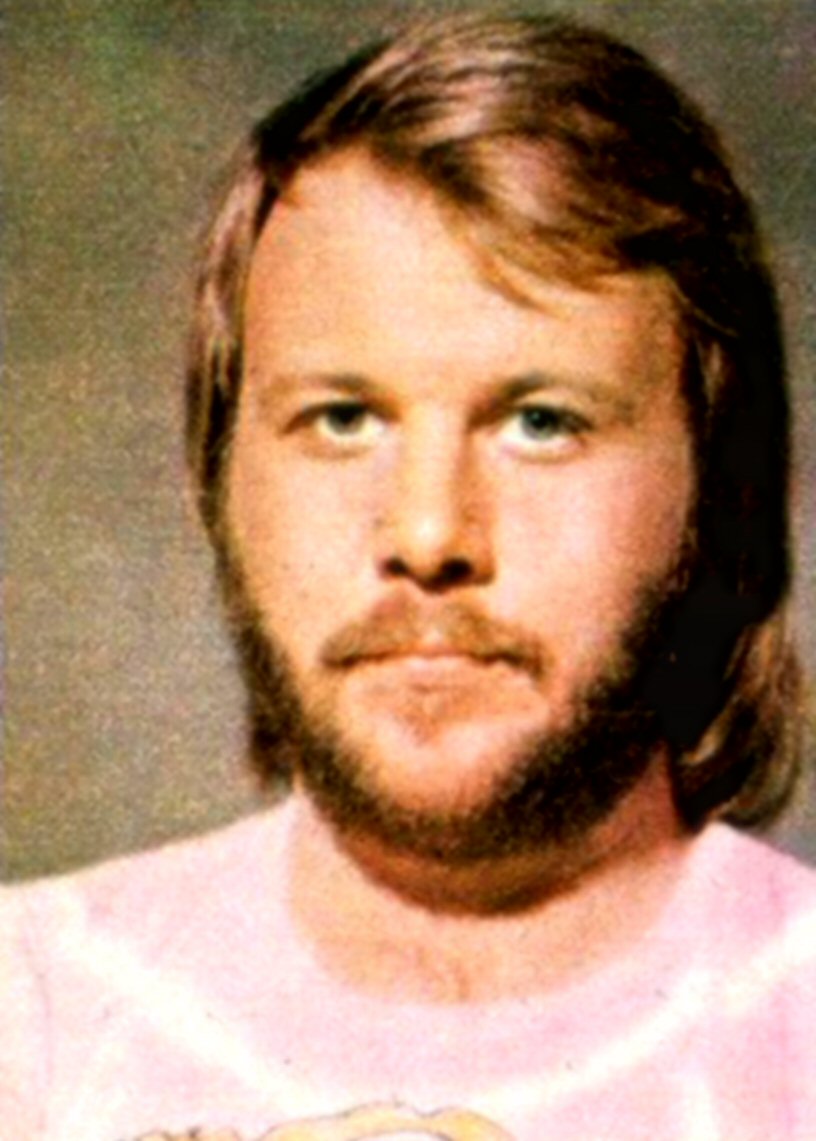
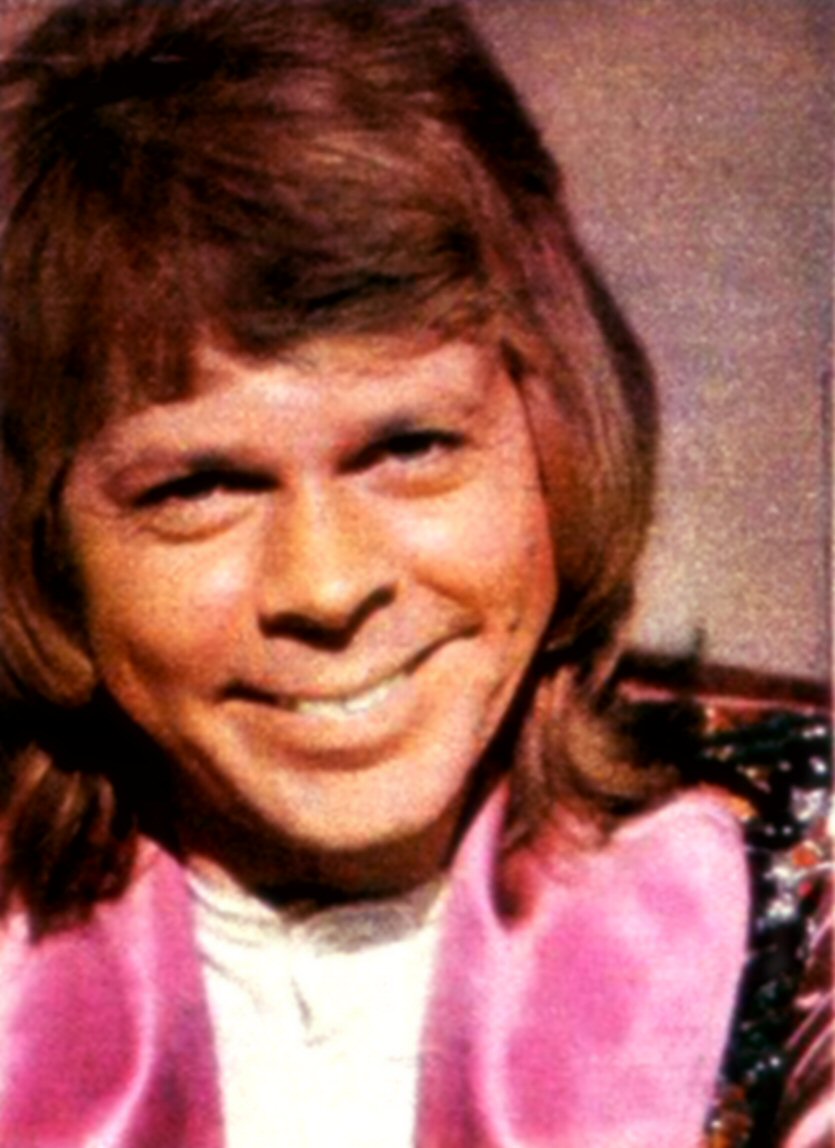
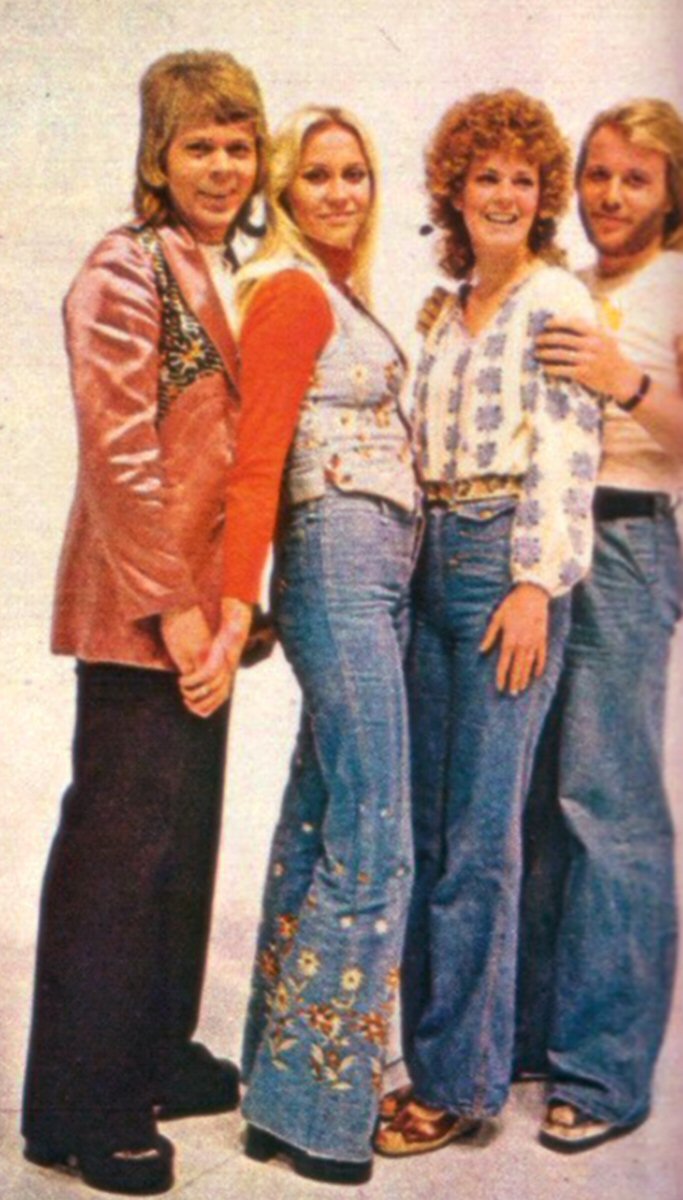
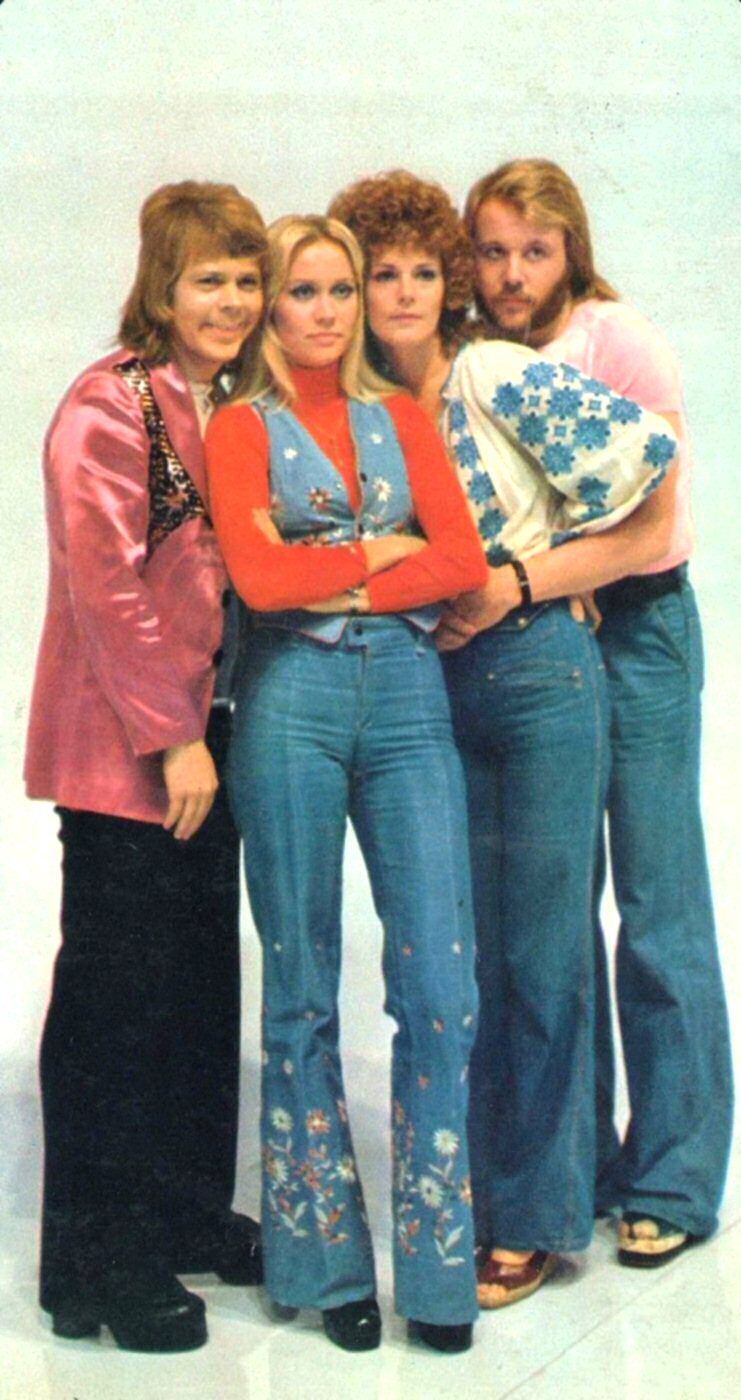
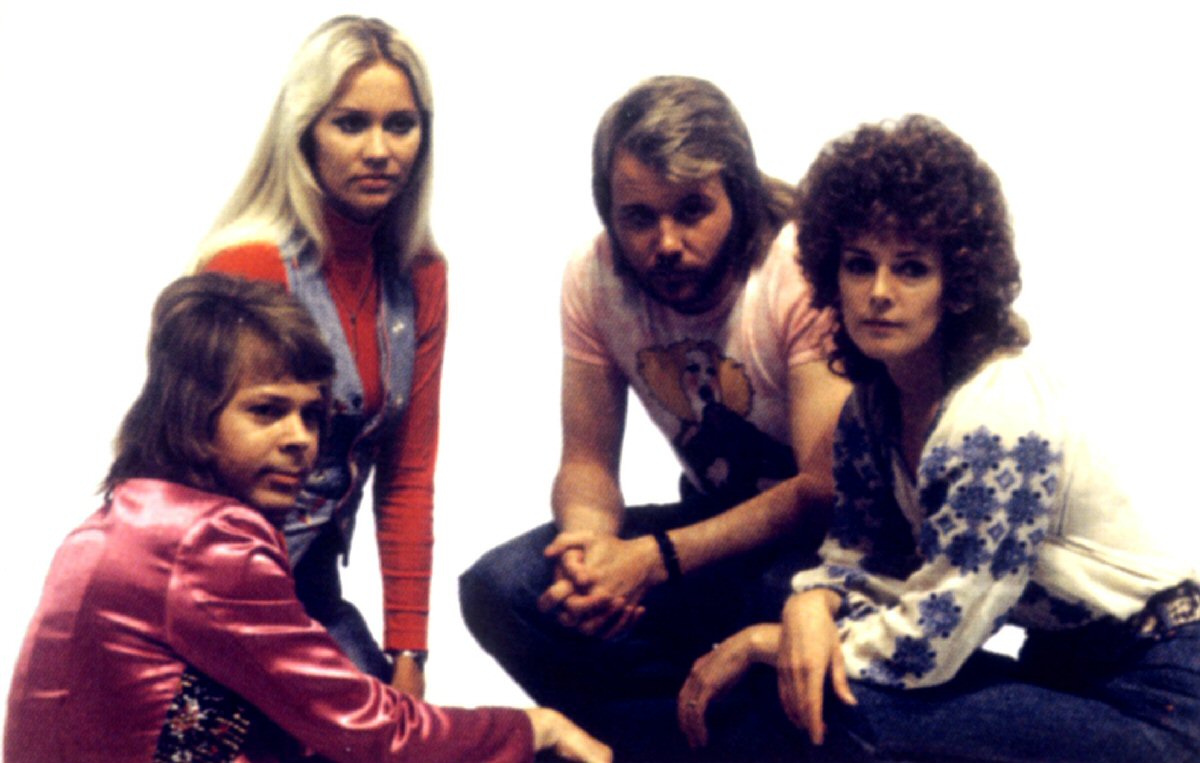
The first ABBA appearance Spain took place on May 22th, 1974. The group made a two-day-promotional trip to Madrid. A press conference was held at Long Play Disco in the capital of Spain as well as several photo sessions and finally recording of a TV special.
 |
 |
 |
 |
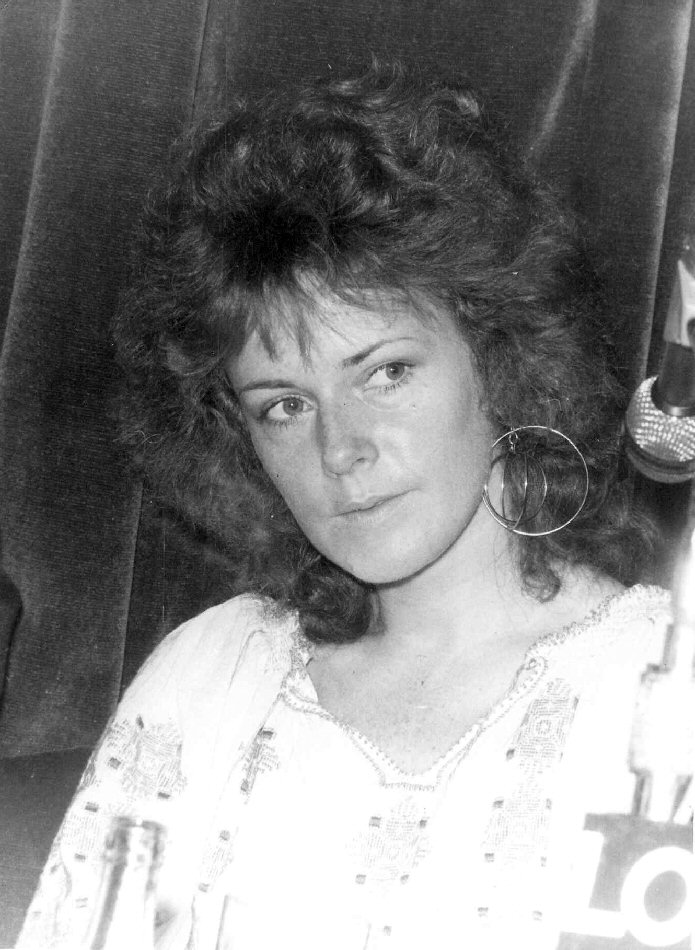 |
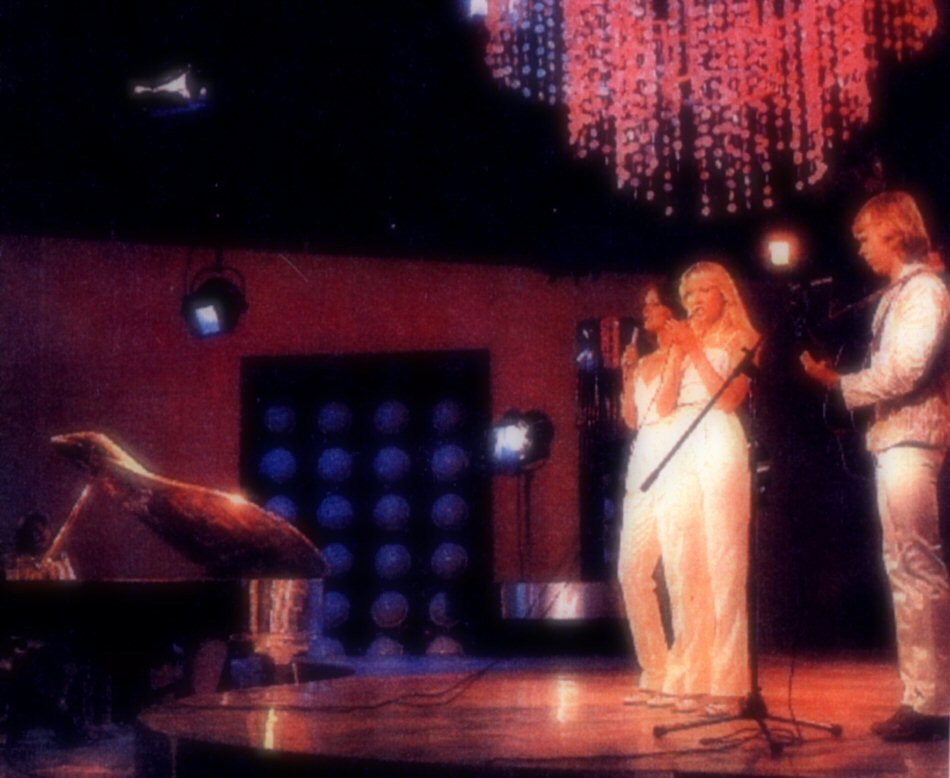
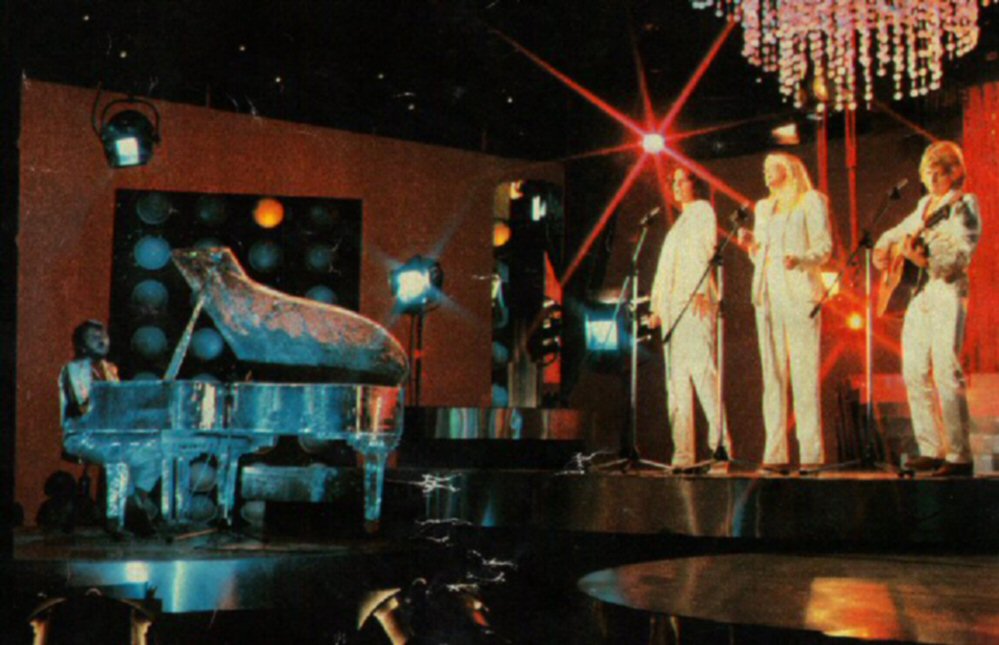
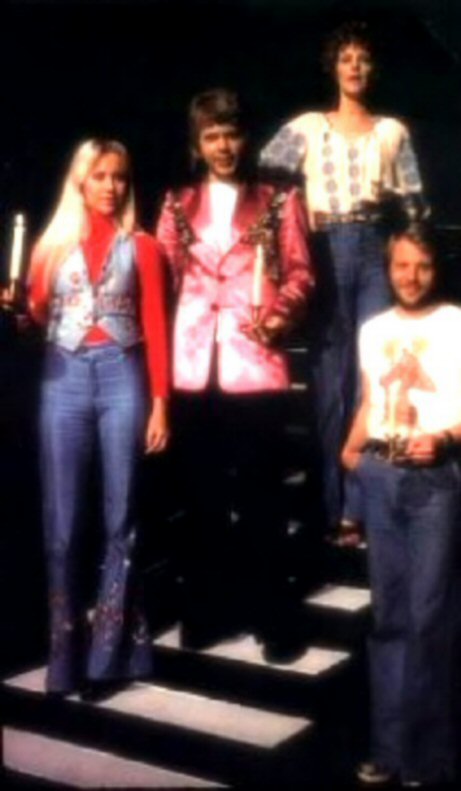
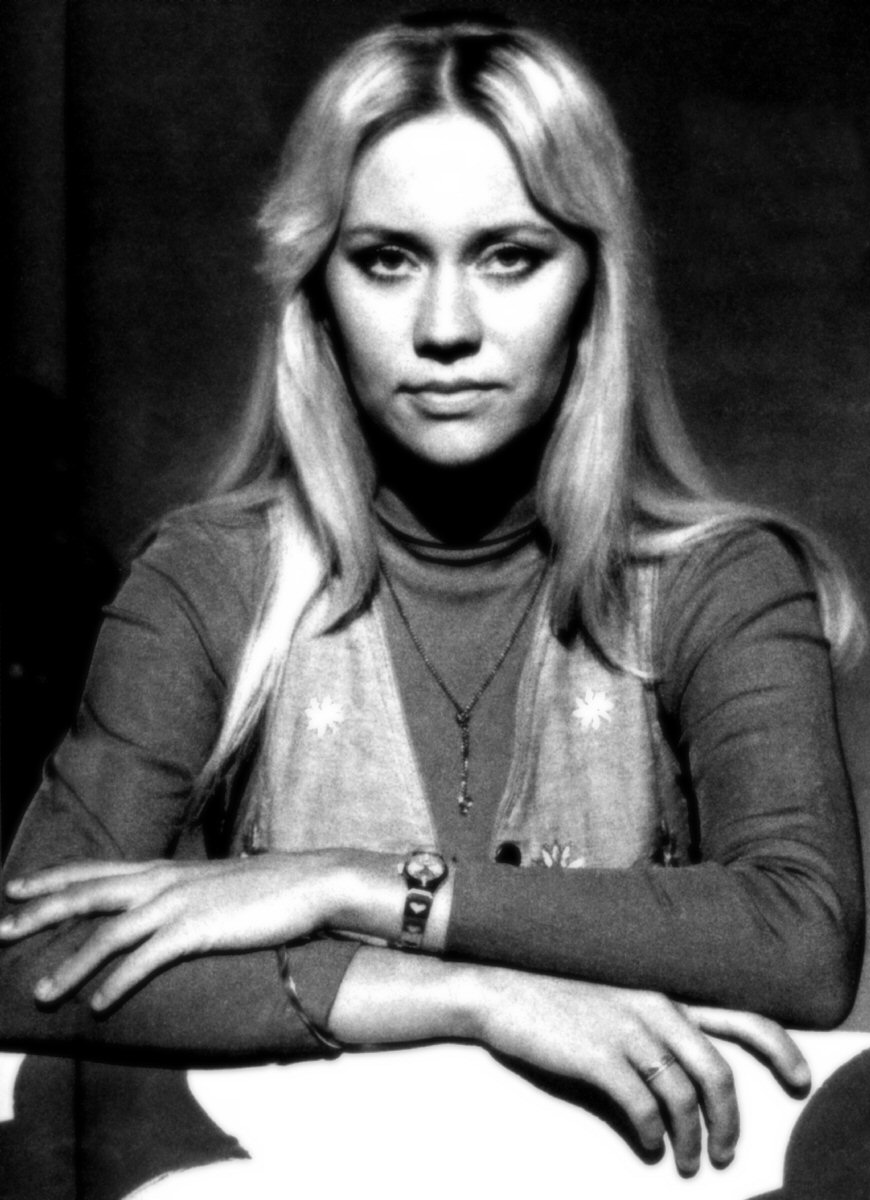
They performed four songs: "Waterloo", "Ring Ring", "Hasta Manana" and "Honey Honey". "Ring Ring" was presented in its re-recorded, heavier US version. Björn showed his language skills presenting the group in Spanish. The Spanish version of "Ring Ring" was never used as a playback in any of their performances for Spanish speaking territories.
The show
|
|
|
|
|
|
 |
 |
 |
 |
 |
 |
 |
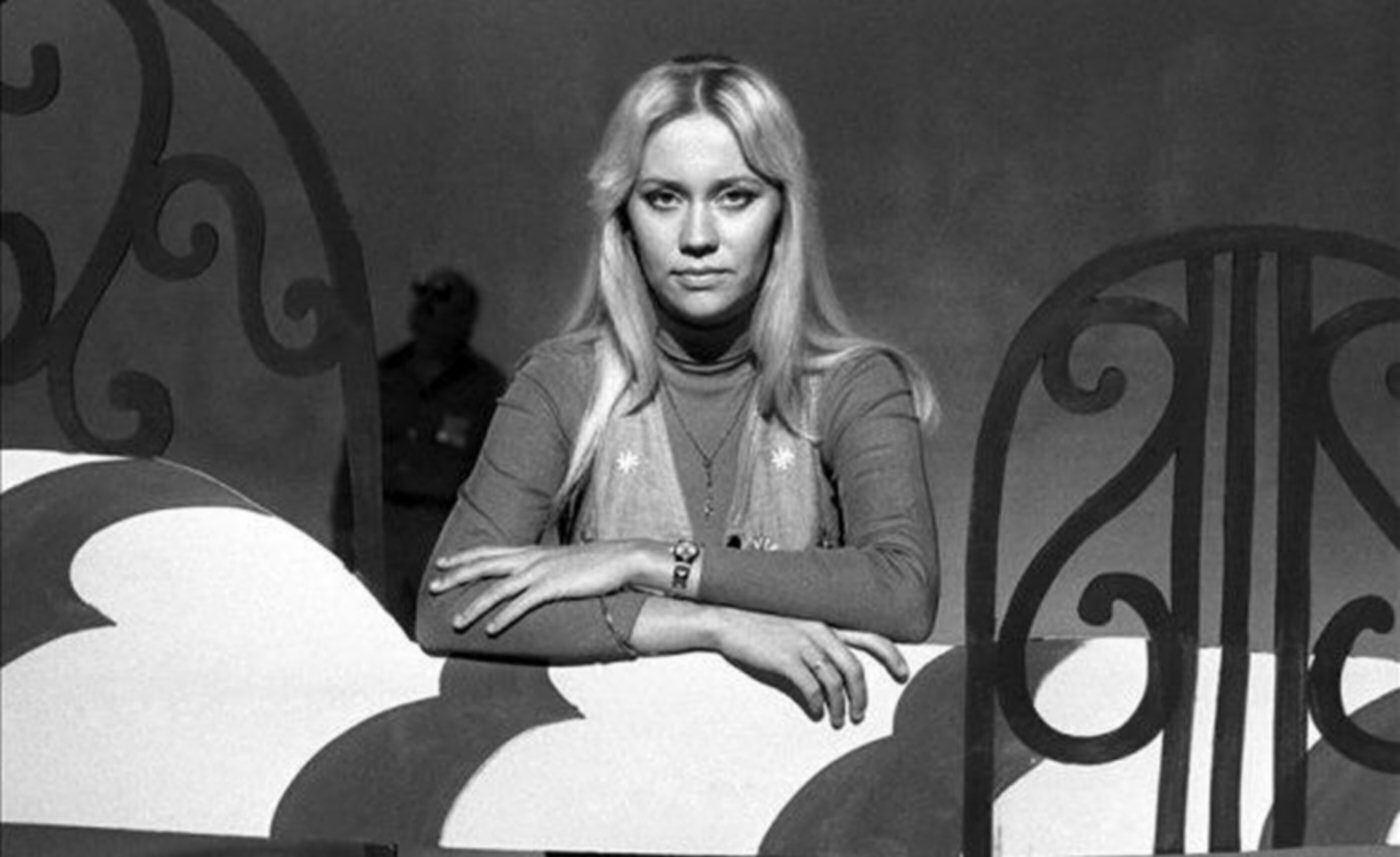 |
Photo sessions
 |
 |
 |
 |
|
 |
 |
 |
 |
|
 |
 |
 |
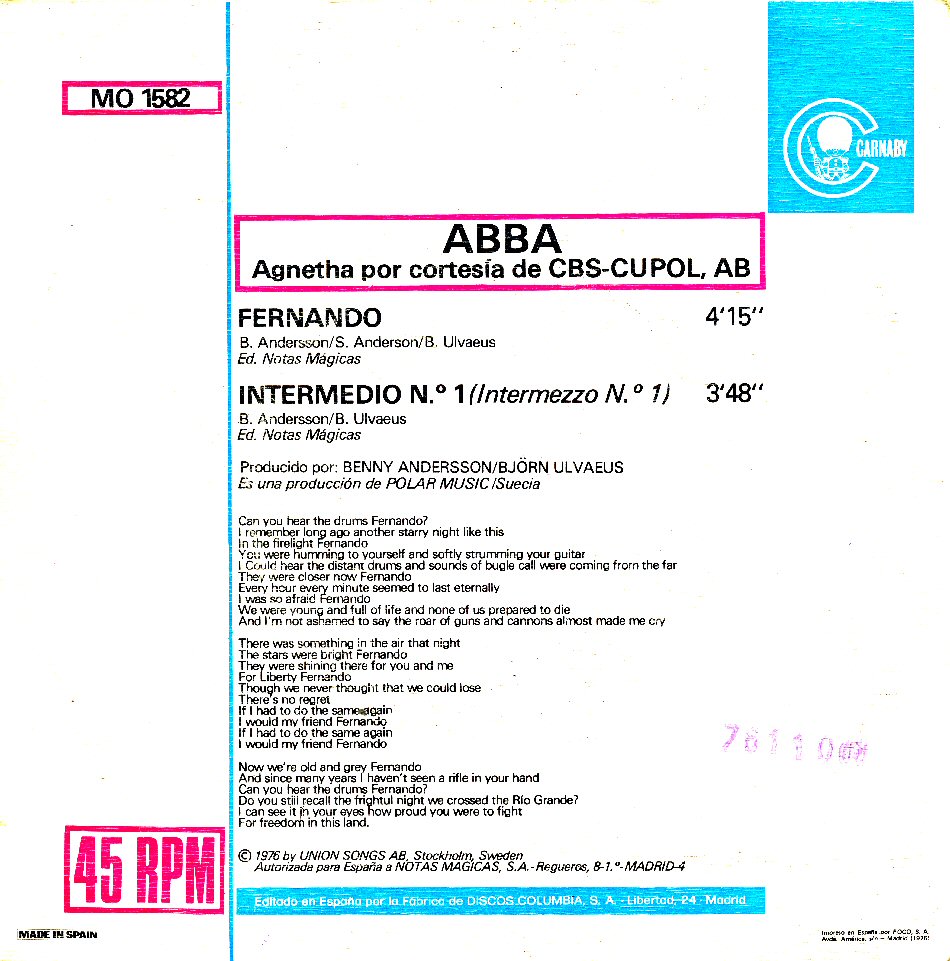
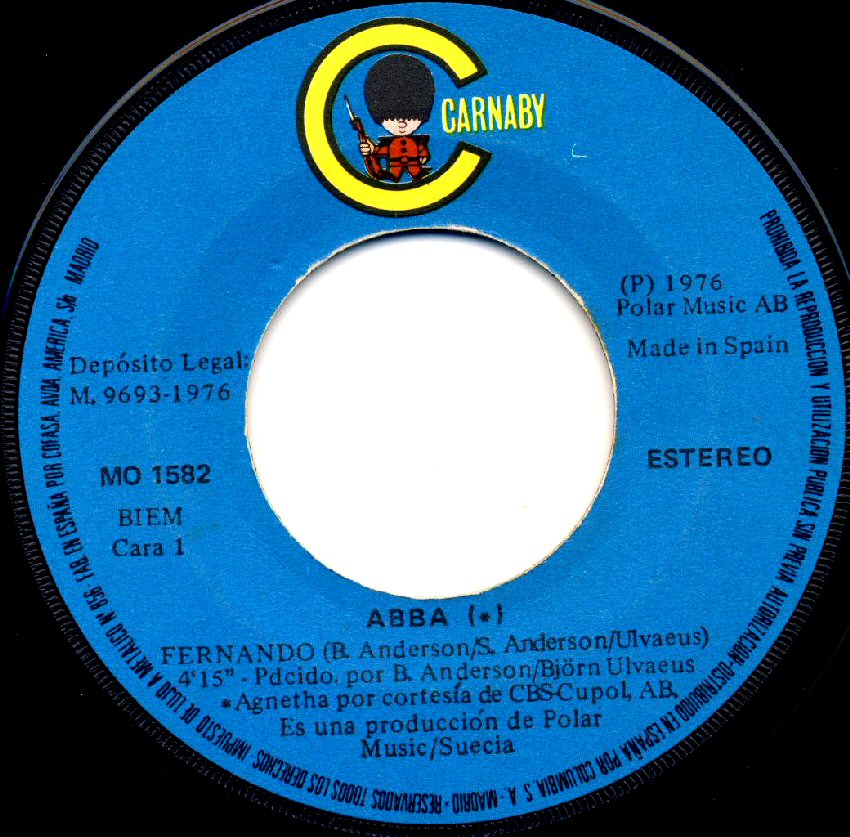
Fernando - the single in Spain
The single with Spanish flavored song "Fernando" b/w "Intermezzo No. 1" was released in Spain in March 1976. "Fernando" became a big hit all over the world and even in the Spanish language territories. In Spain it stayed on the single chart for 24 weeks reaching #3.
 |
 |
 |
 |
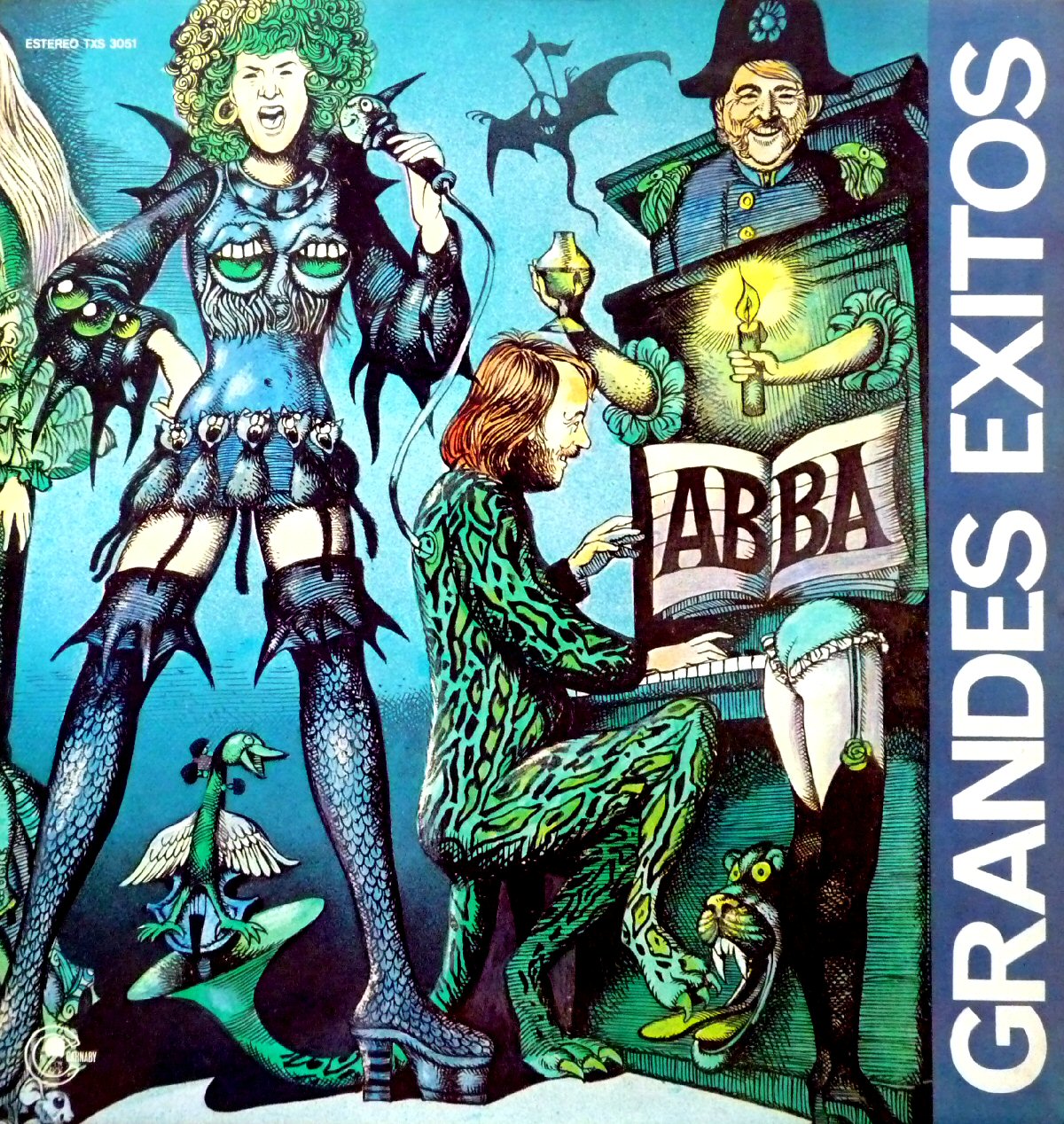
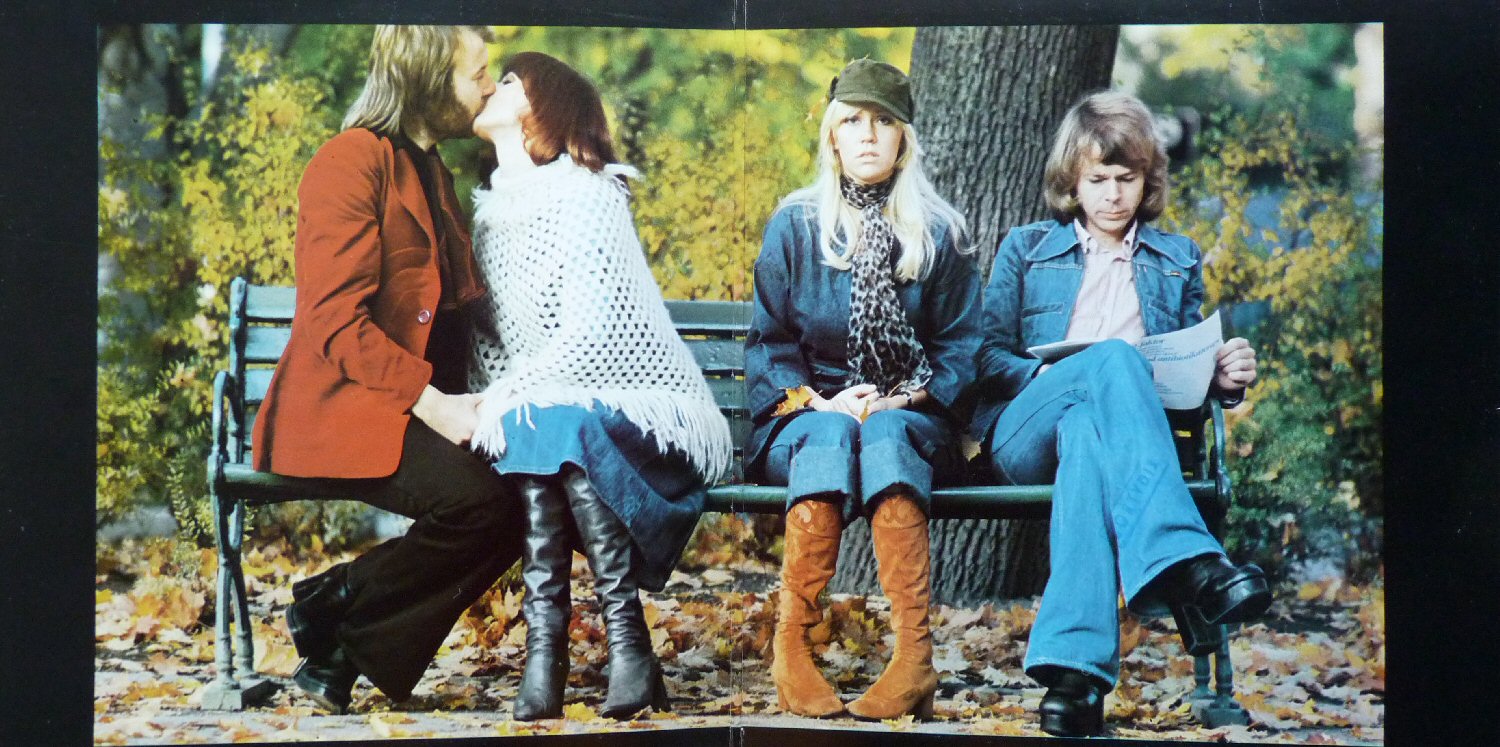
Grandes exitos
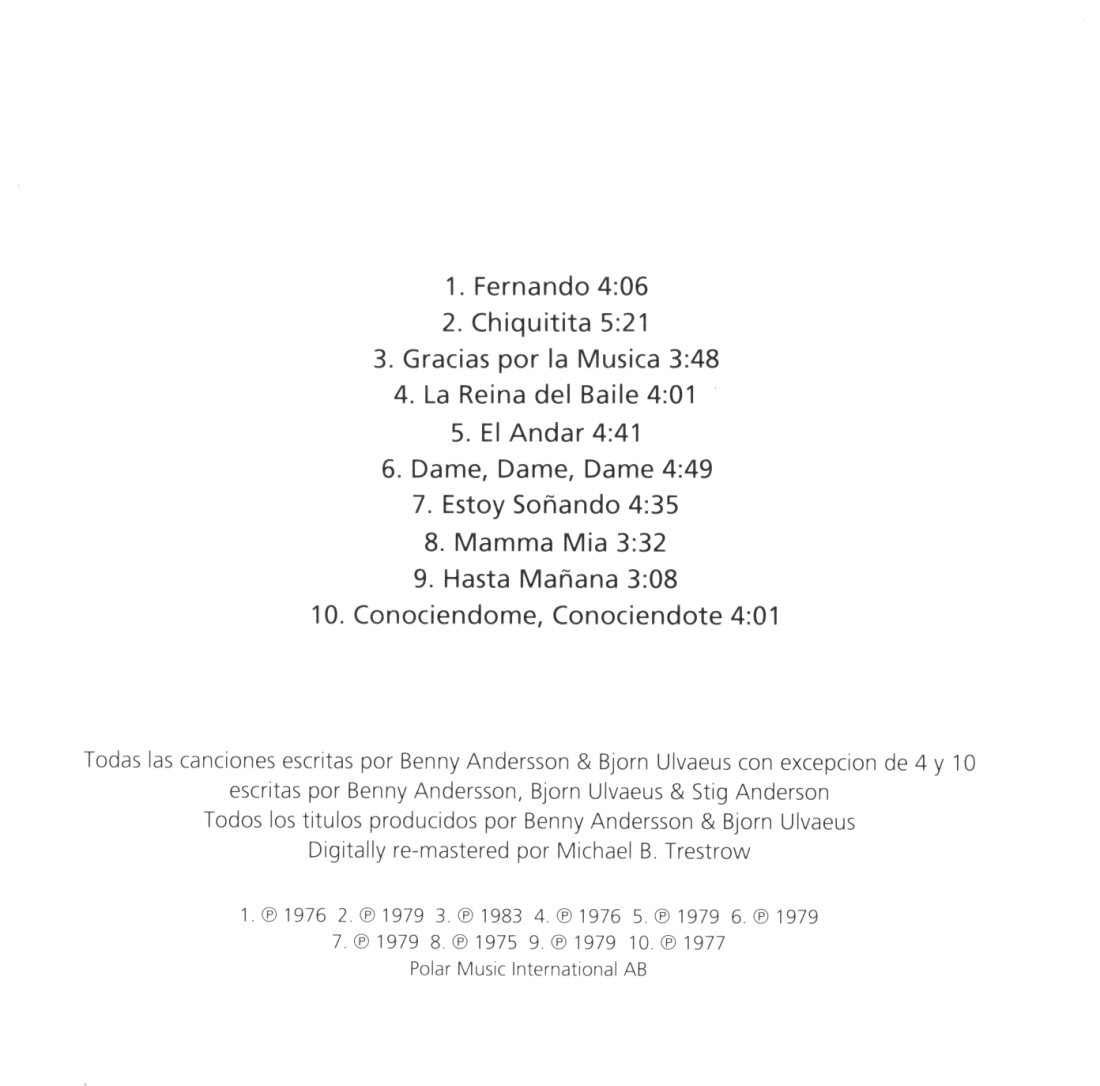
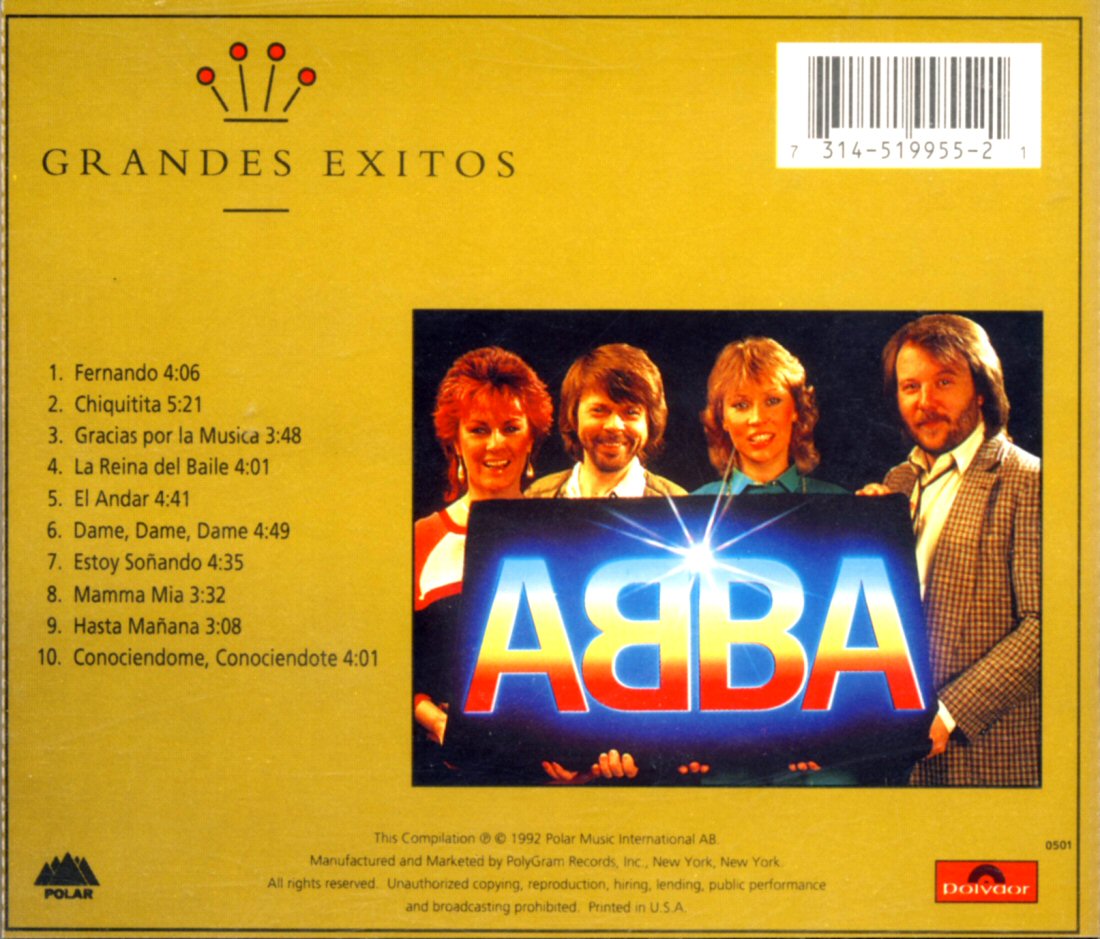
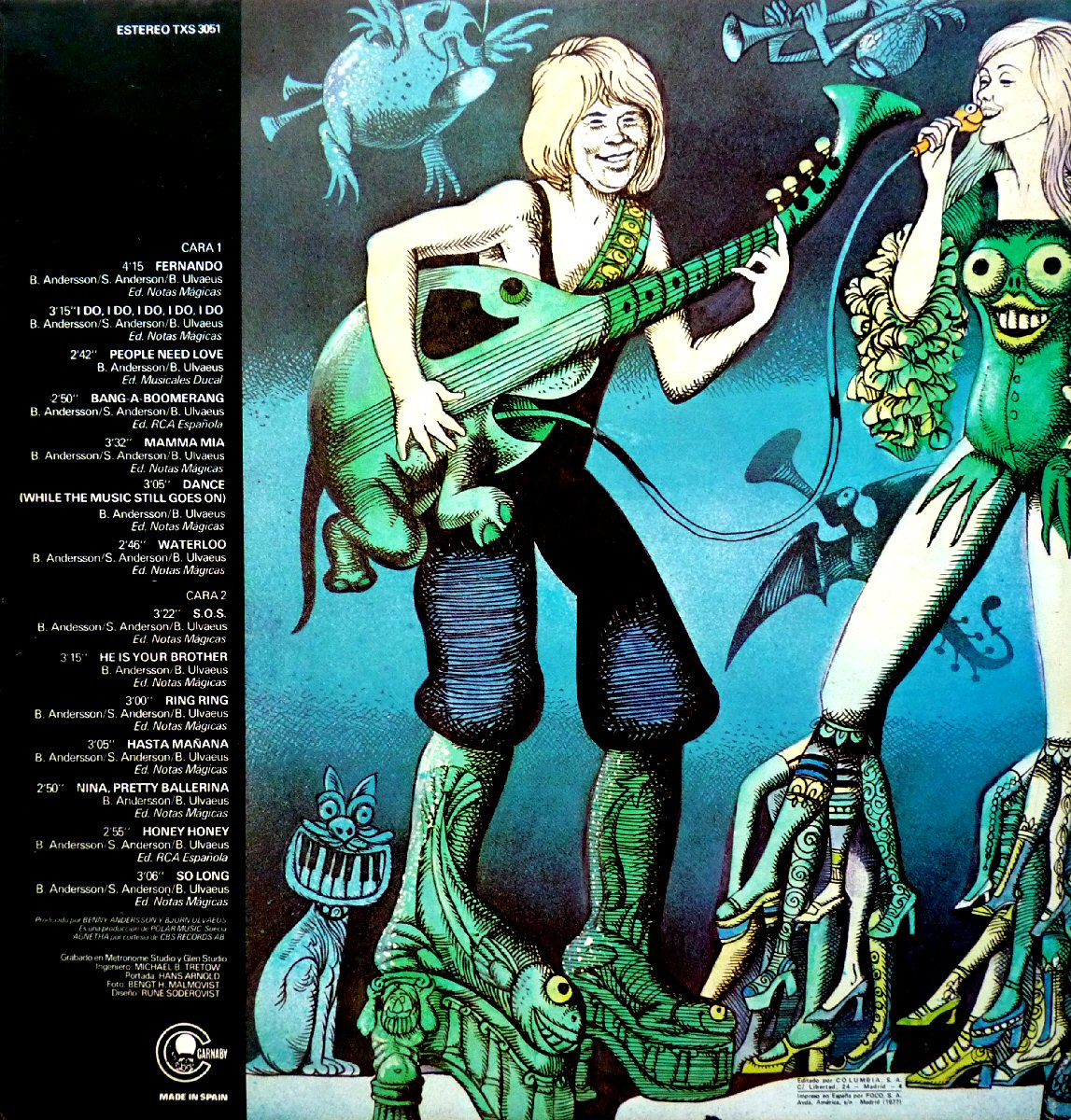
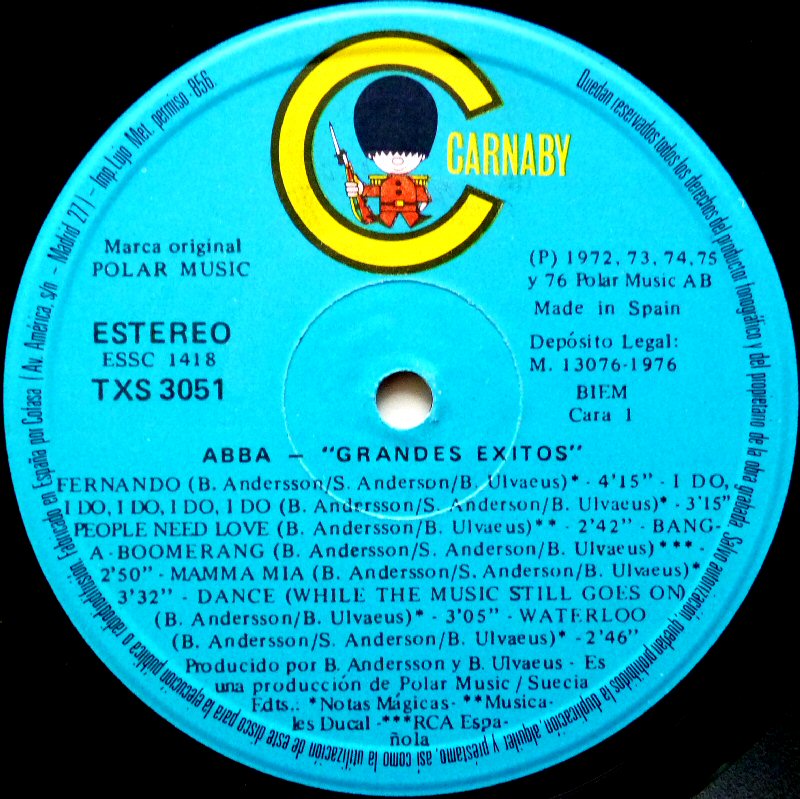
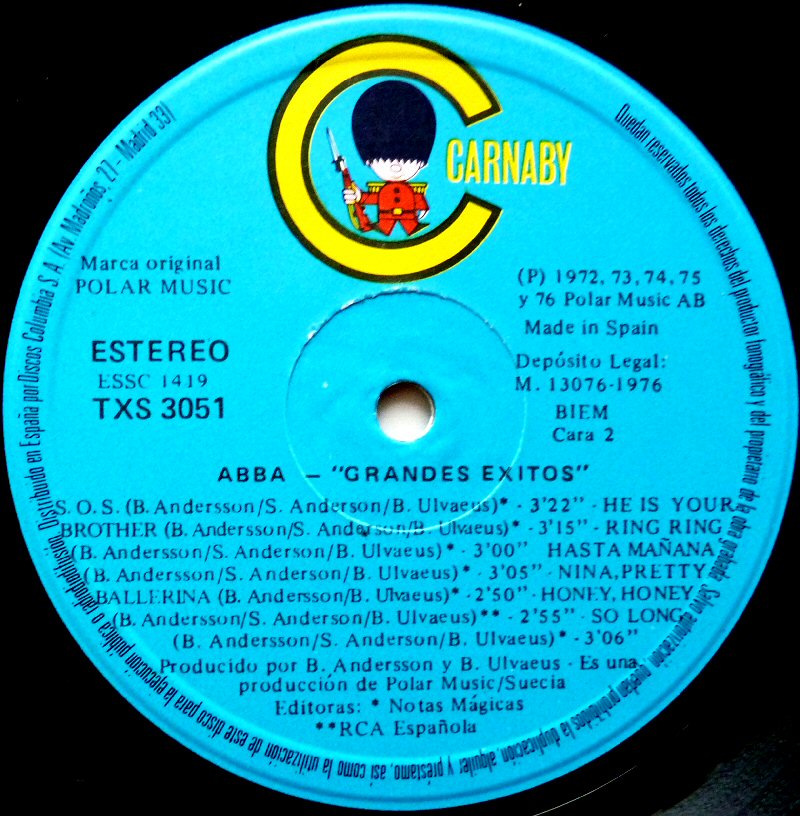
The compilation album "Greatest Hits" received in Spain the title "Grandes exitos". The cover was surprisingly the same as on the Scandinavian released and not the international ones. The track list was partly changed comparing to the Scandinavian and international releases. The album contained "Fernando" but not "Another Town Another Train.
 |
 |
 |
 |
 |
ABBA in "La noche de Lina Morgan"
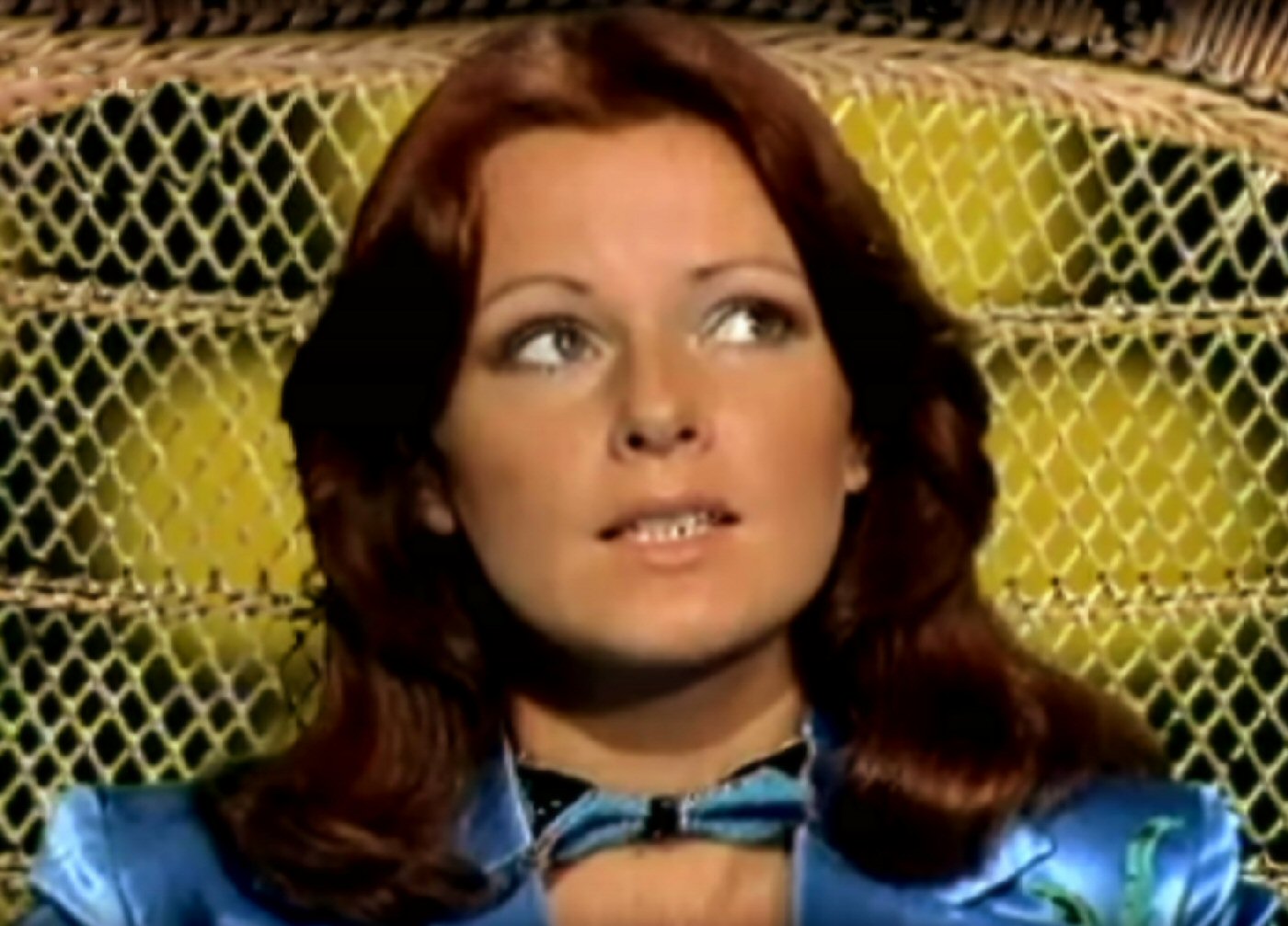
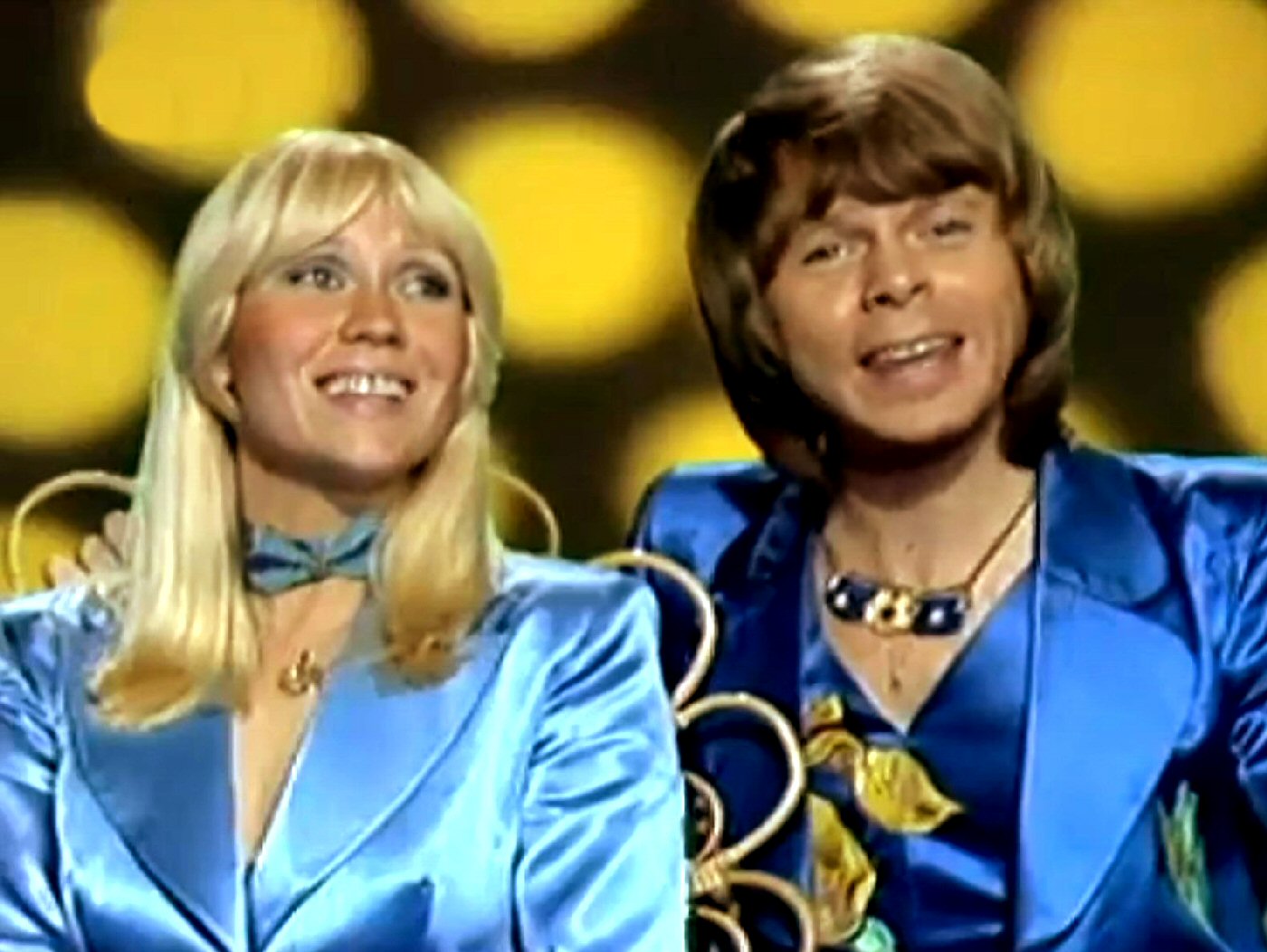
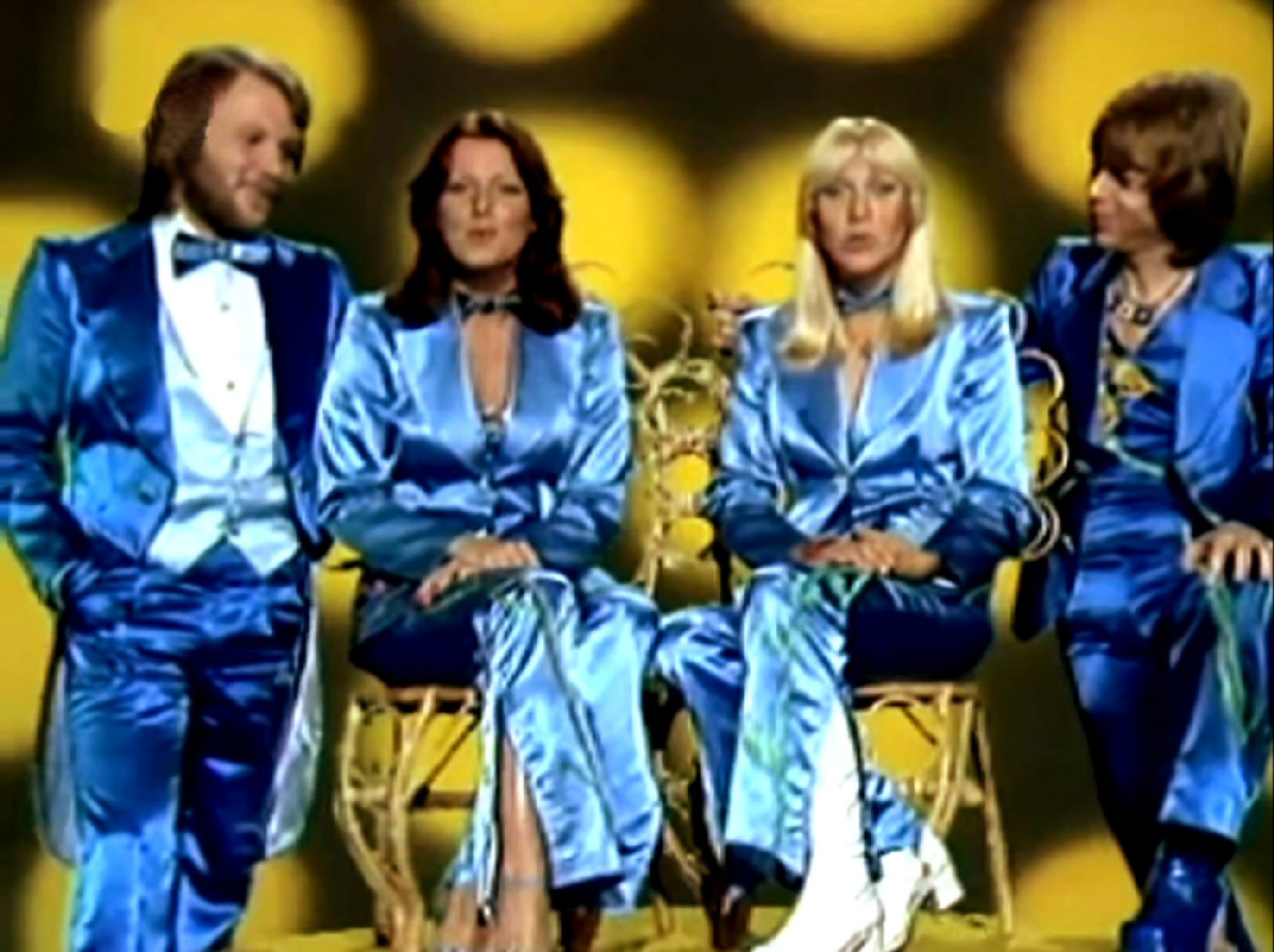
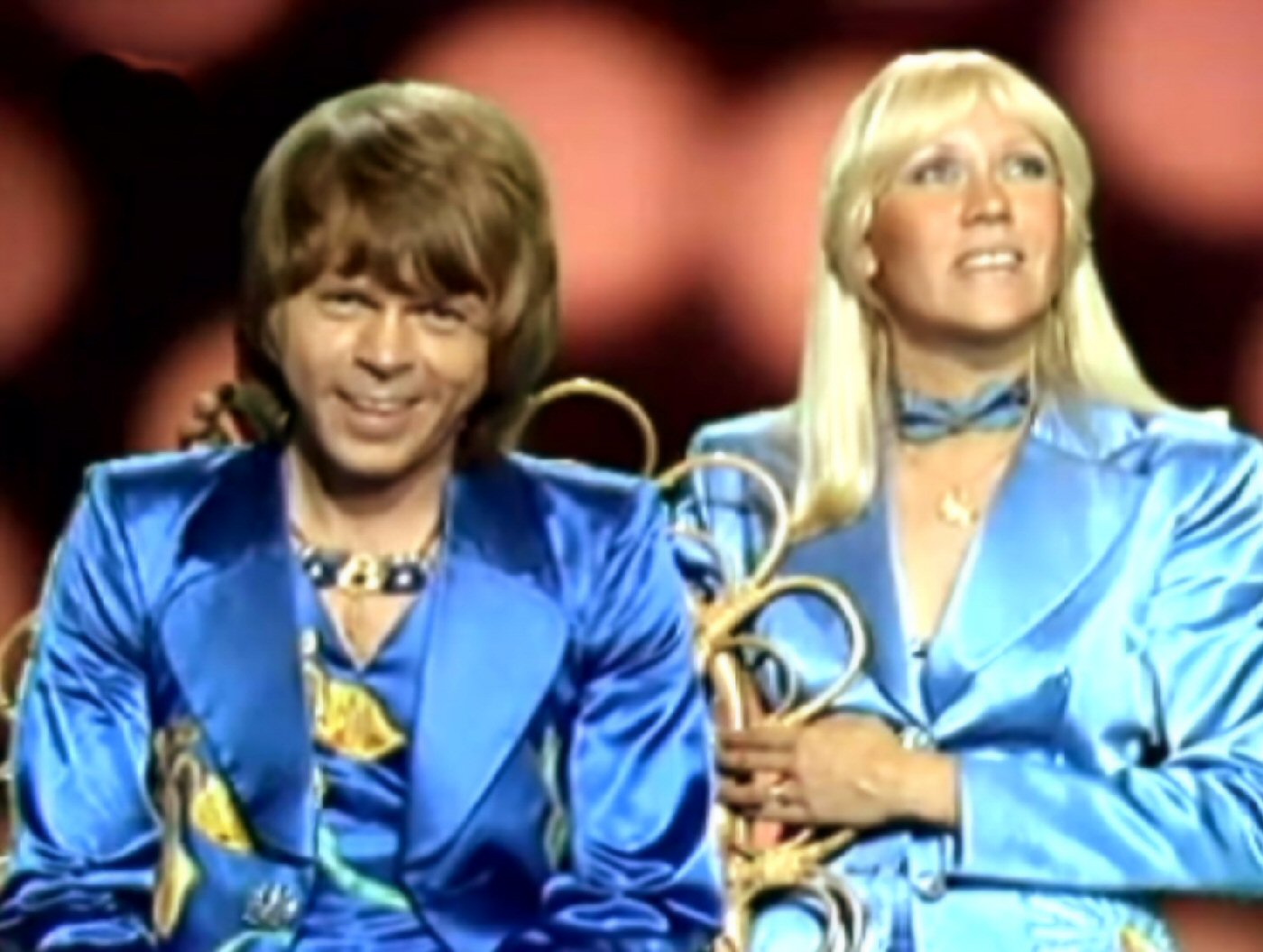
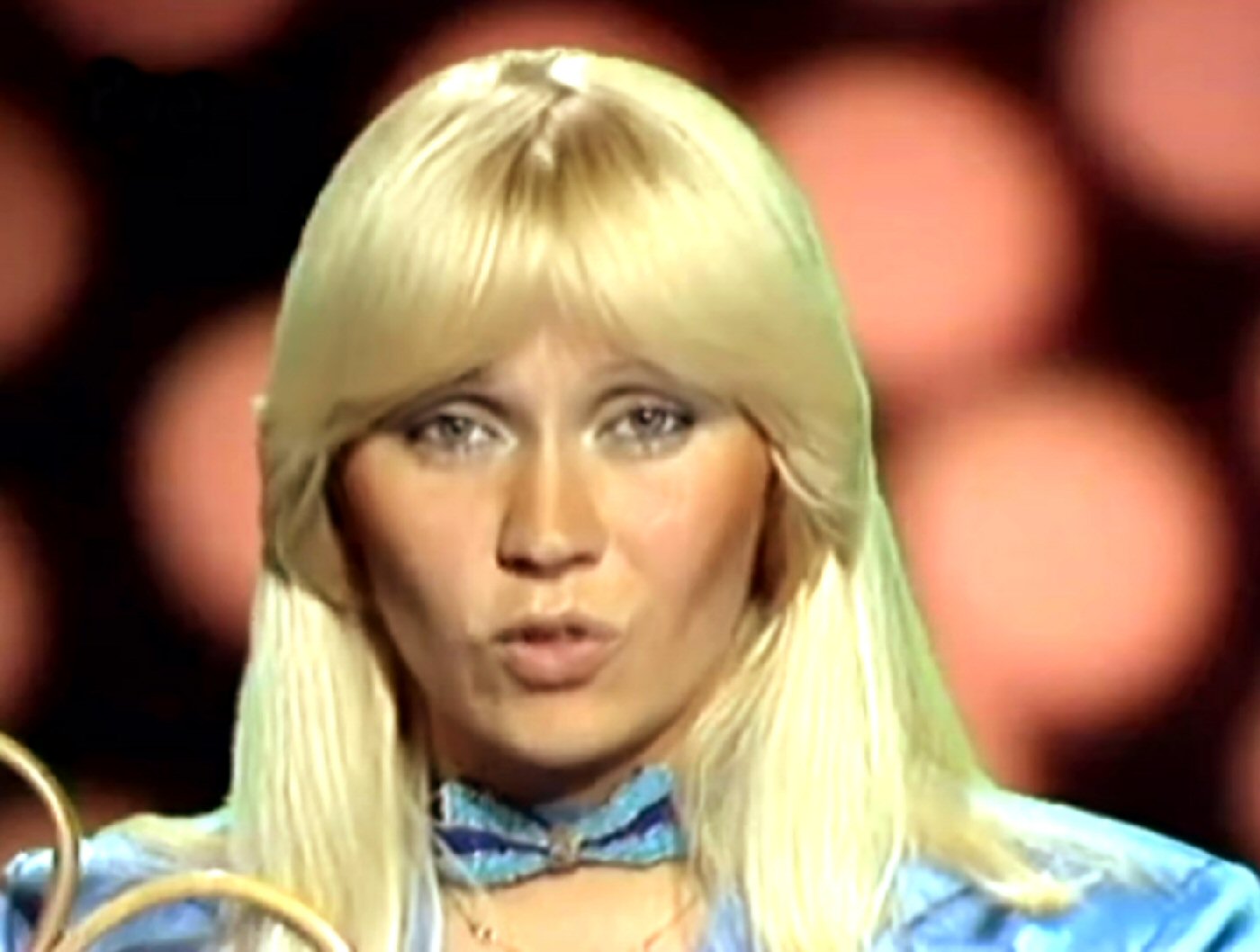
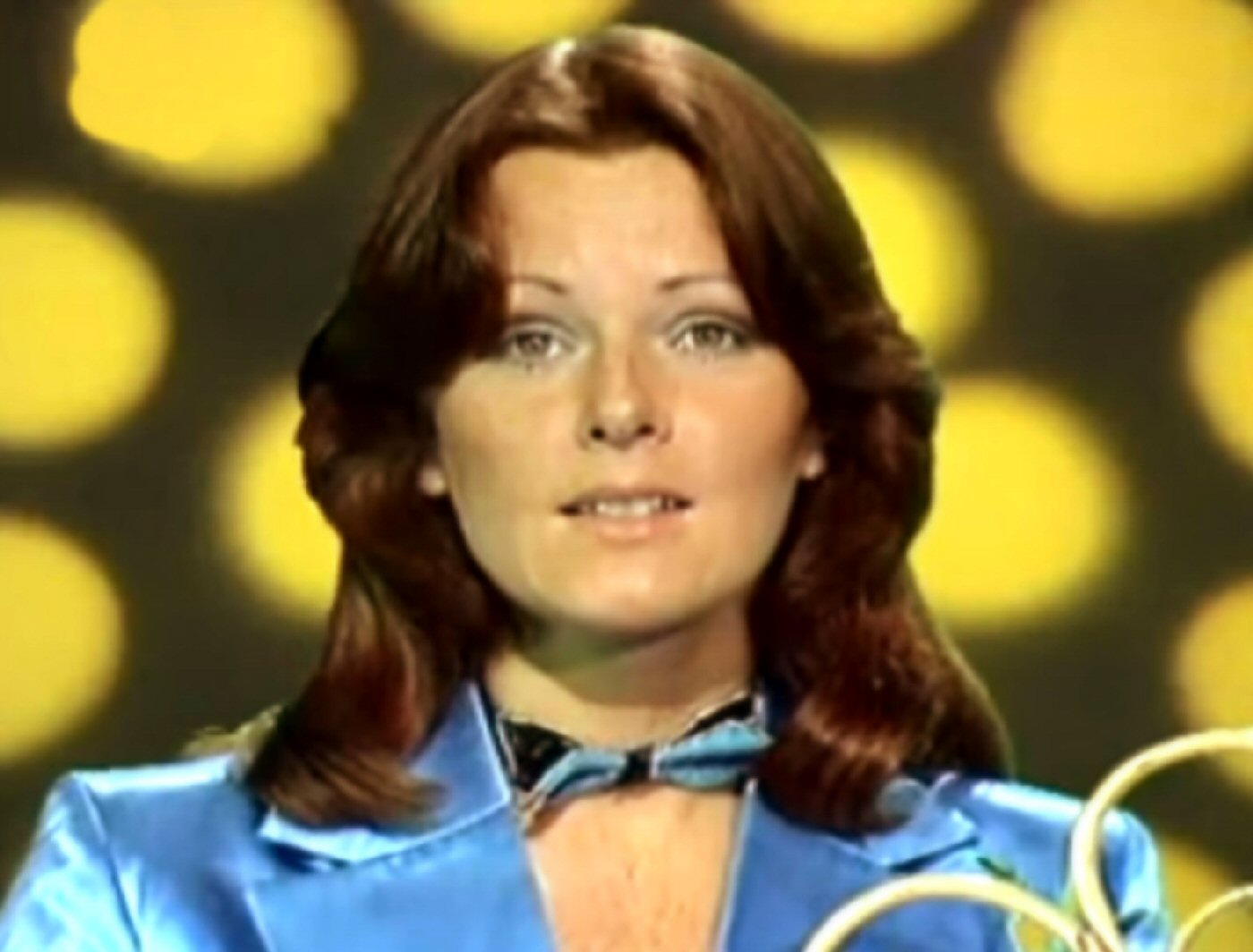
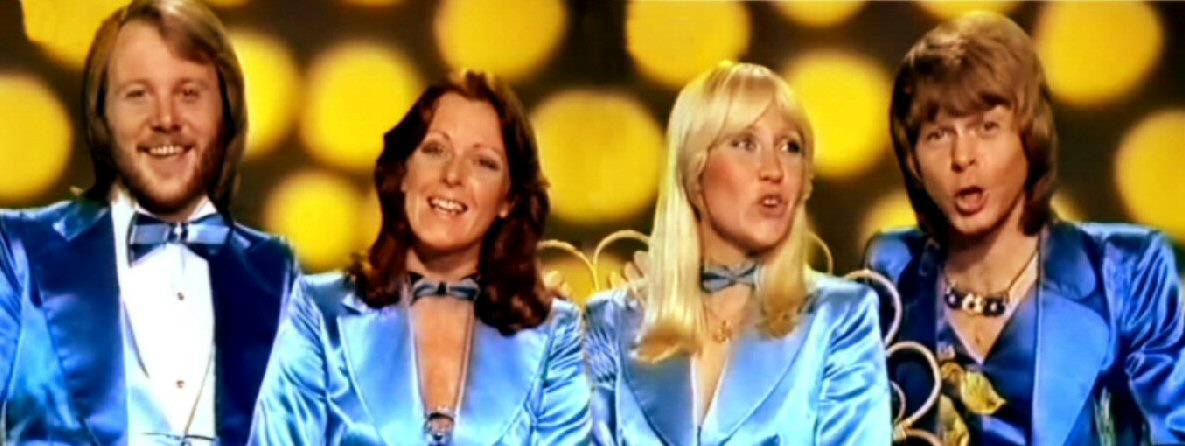
ABBA taped in Sweden two performances in the studio in Stockholm for the show "La noche de Lina Morgan". The songs were: Waterloo and their latest single hit Fernando. These videos featured ABBA in their blue clothes from the period. The show featuring ABBA was broadcasted in Spain on June 5th, 1976.
 |
 |
 |
 |
 |
 |
 |
 |
 |
 |
Chiquitita - the Spanish single
The following years would not bring any promotion appearances in Spain or South America. The group was concentrated on being successful in Great Britain and USA in the first hand. It took quite a long time before ABBA could be sure that they are not a one-hit wonder anymore.
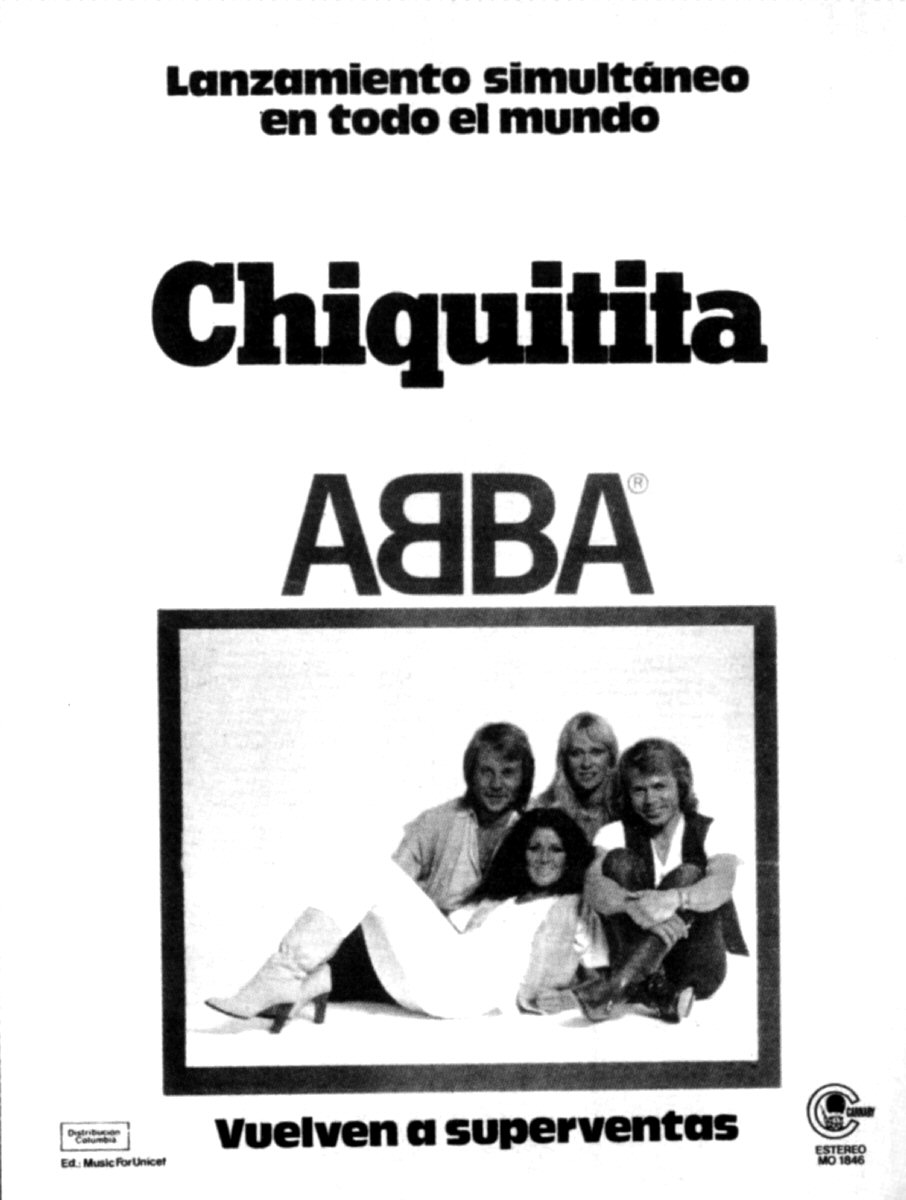
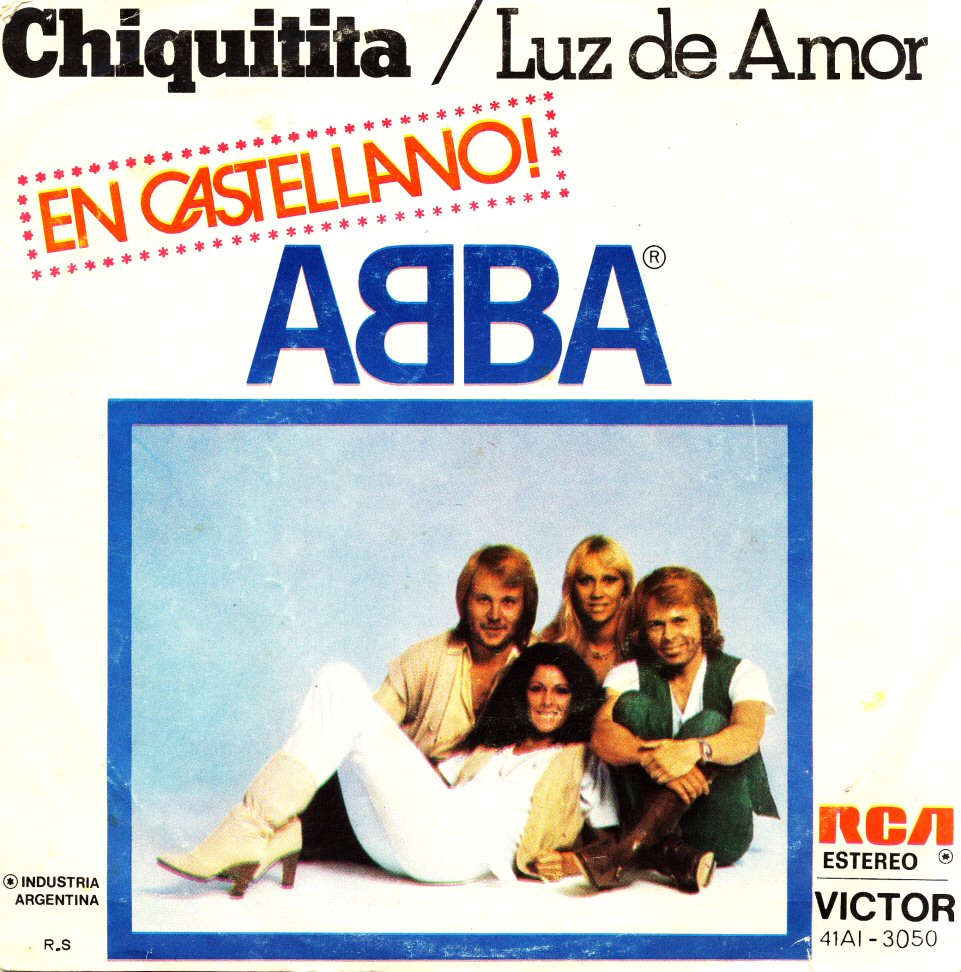
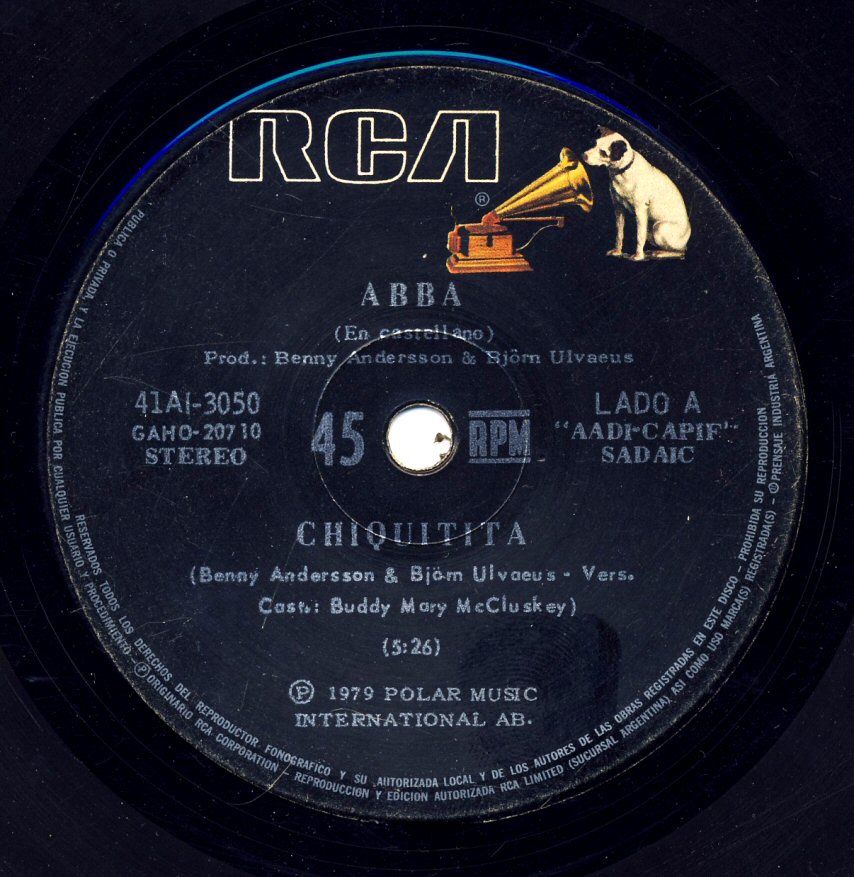
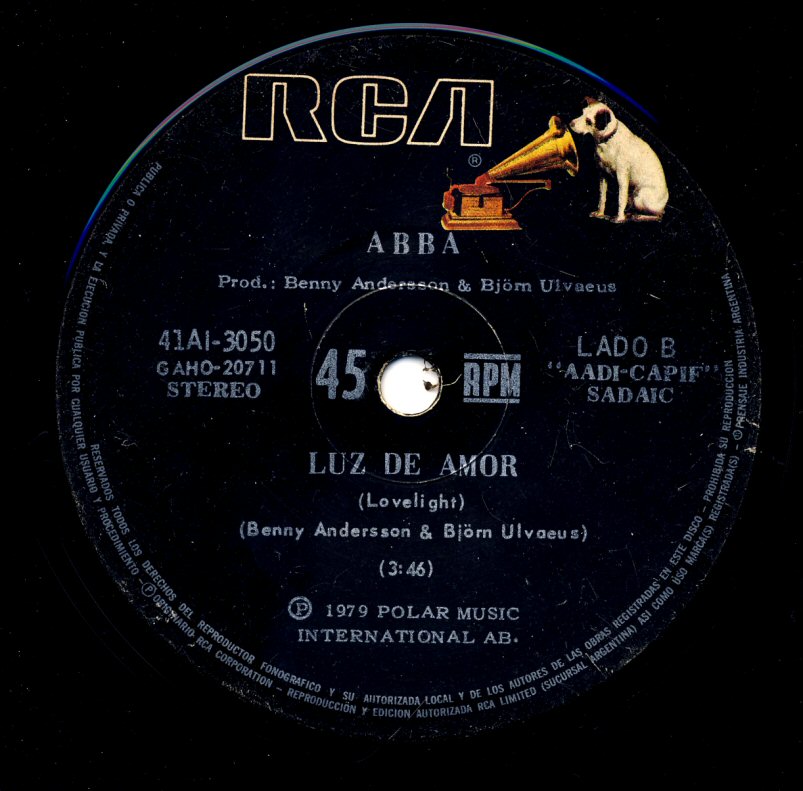
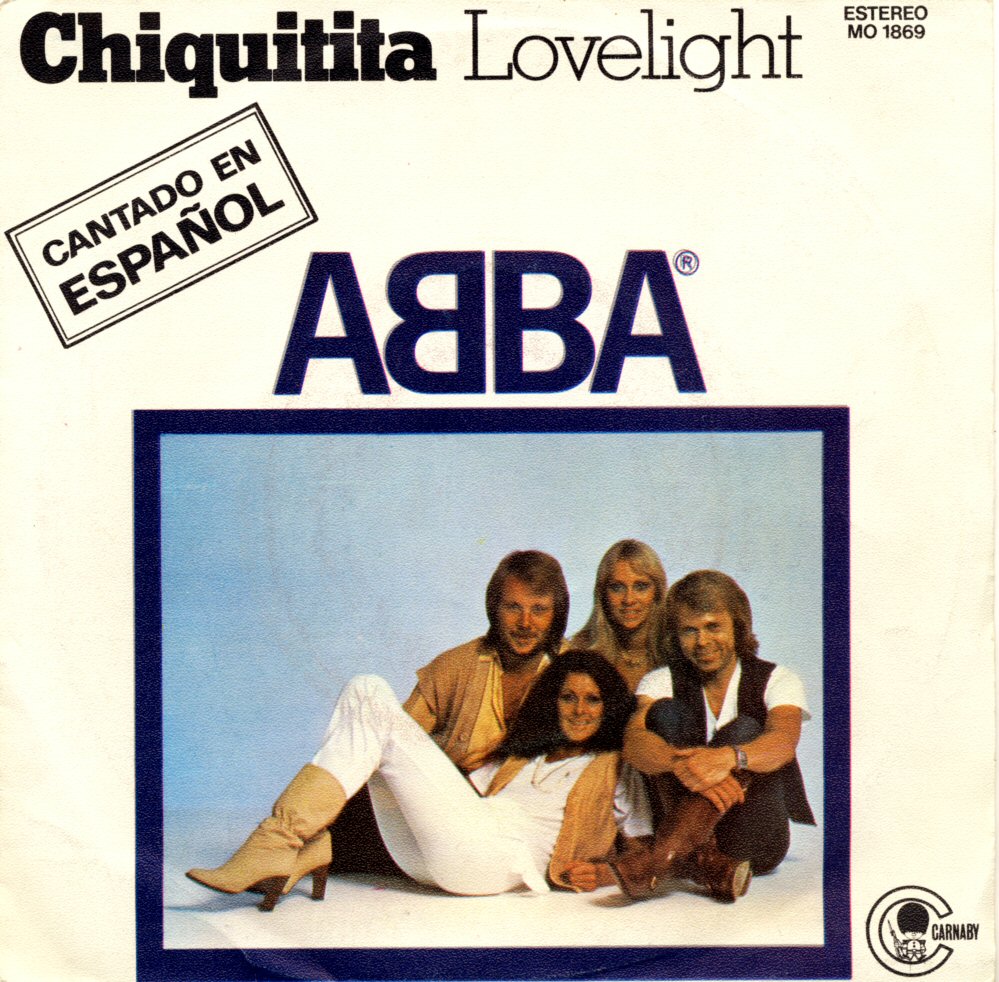
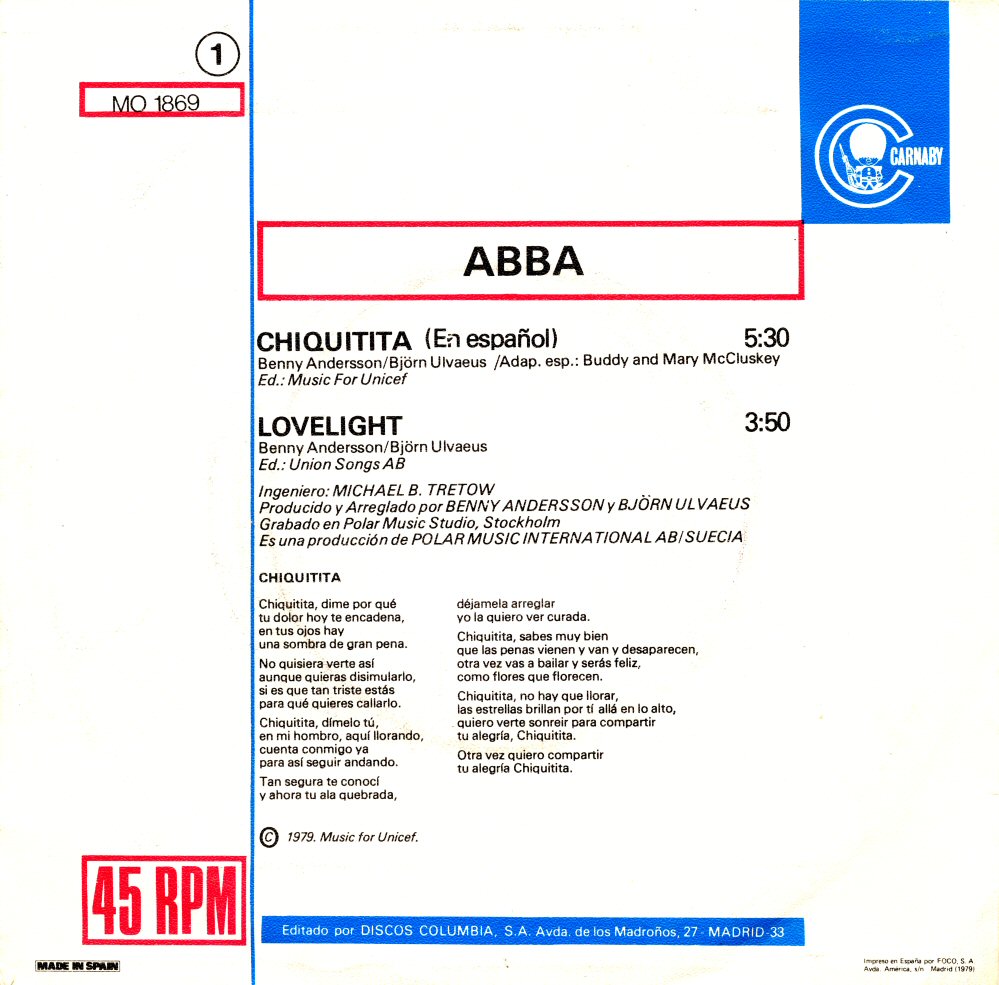
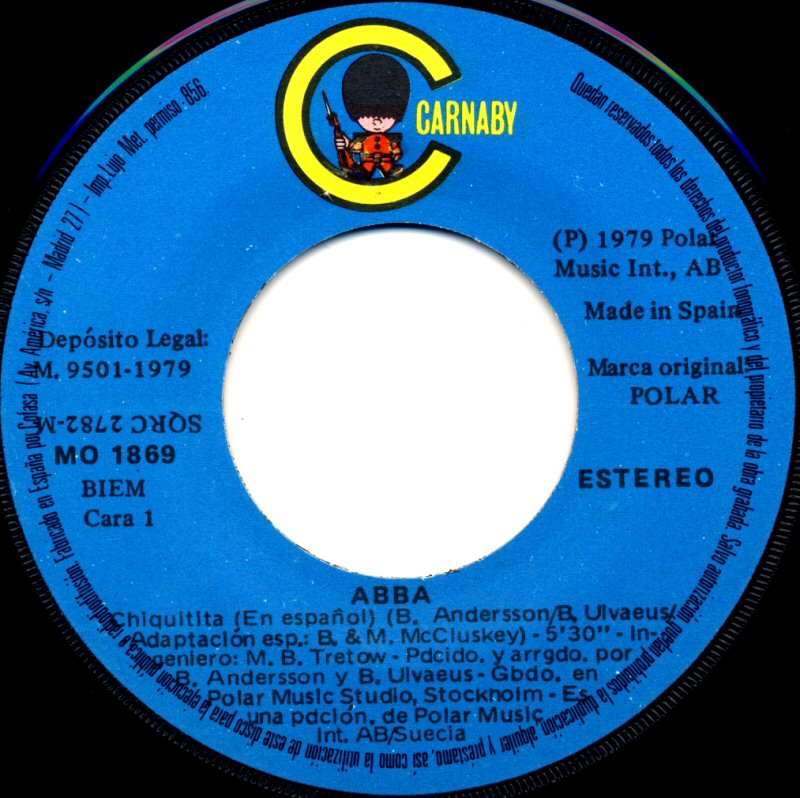
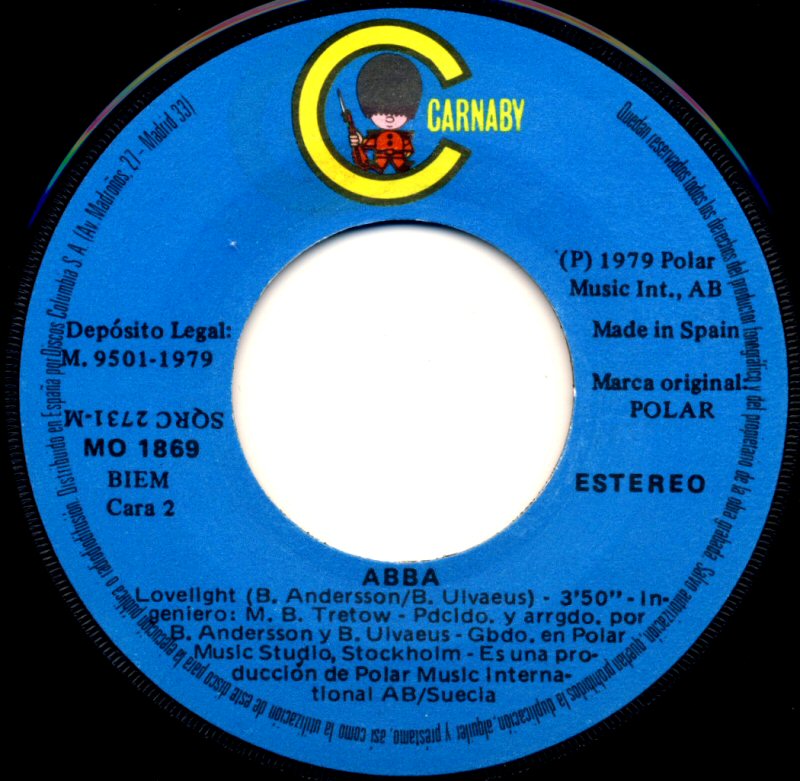
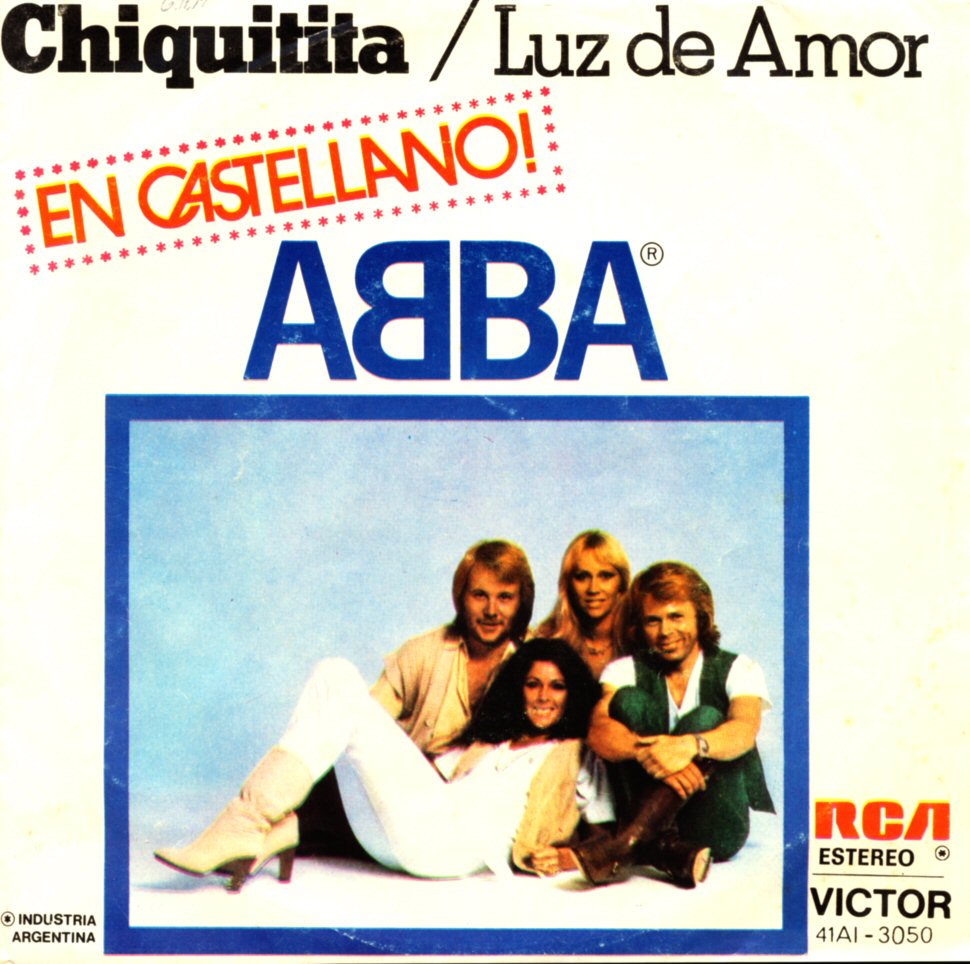
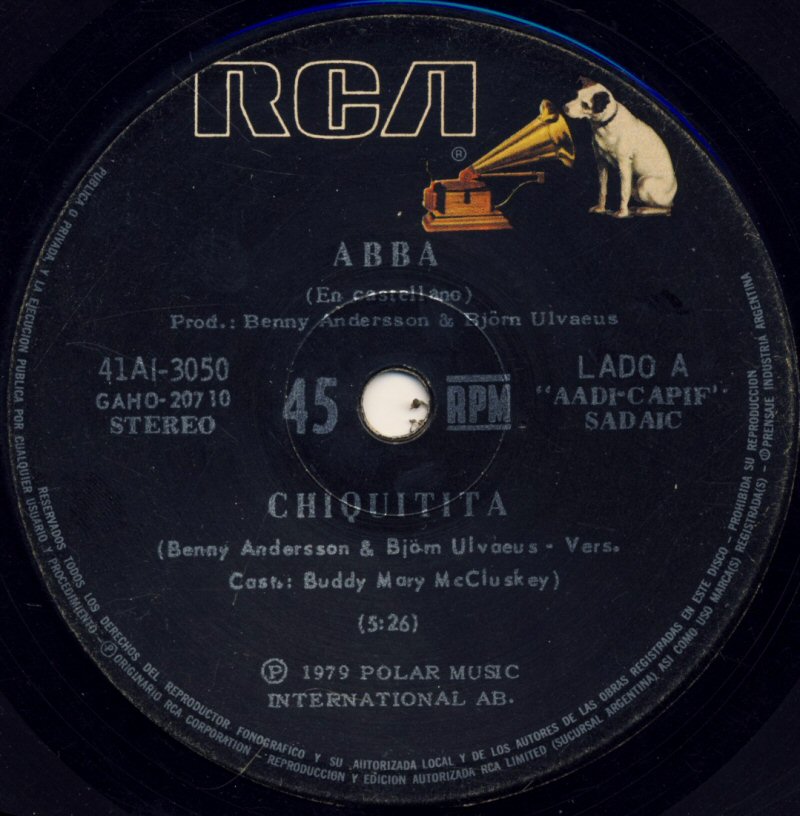
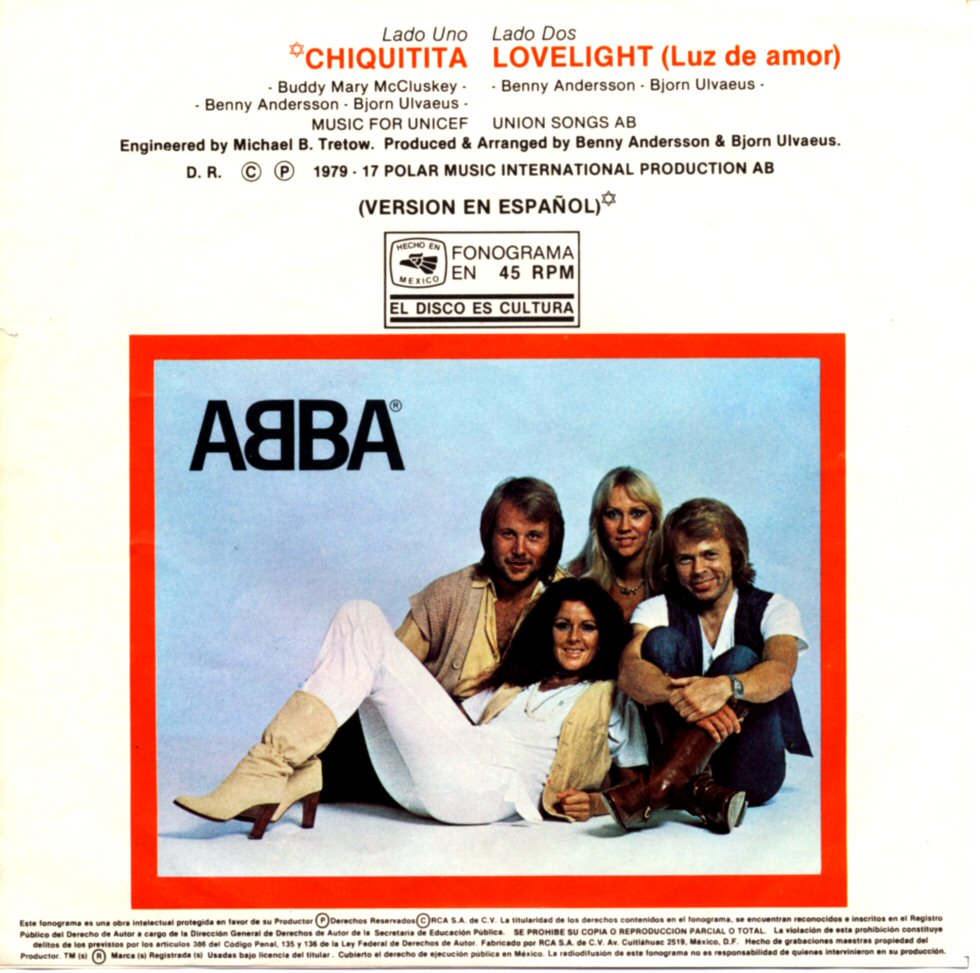
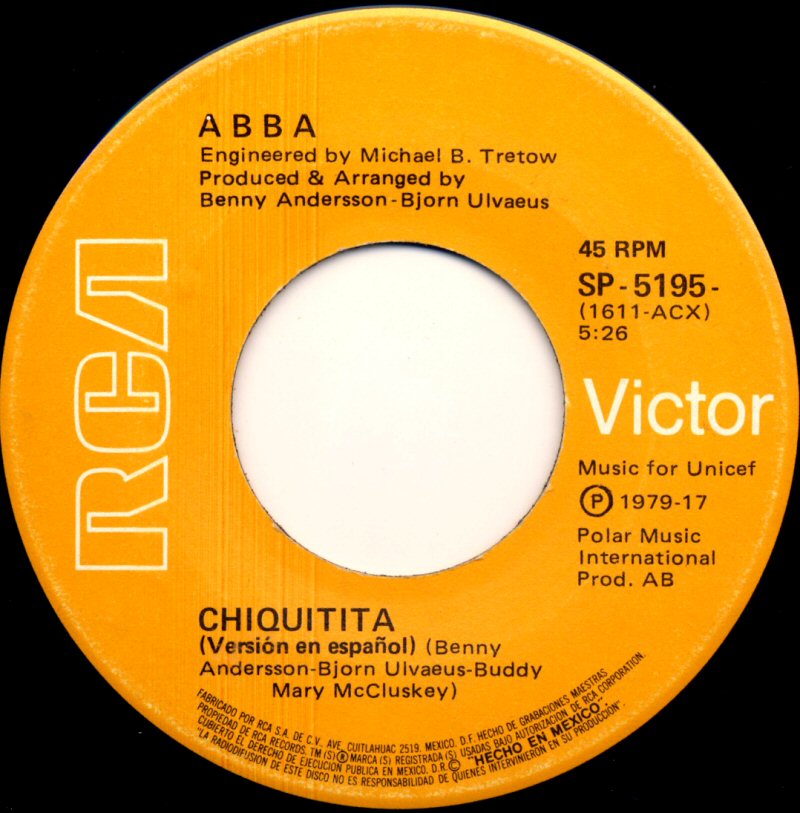
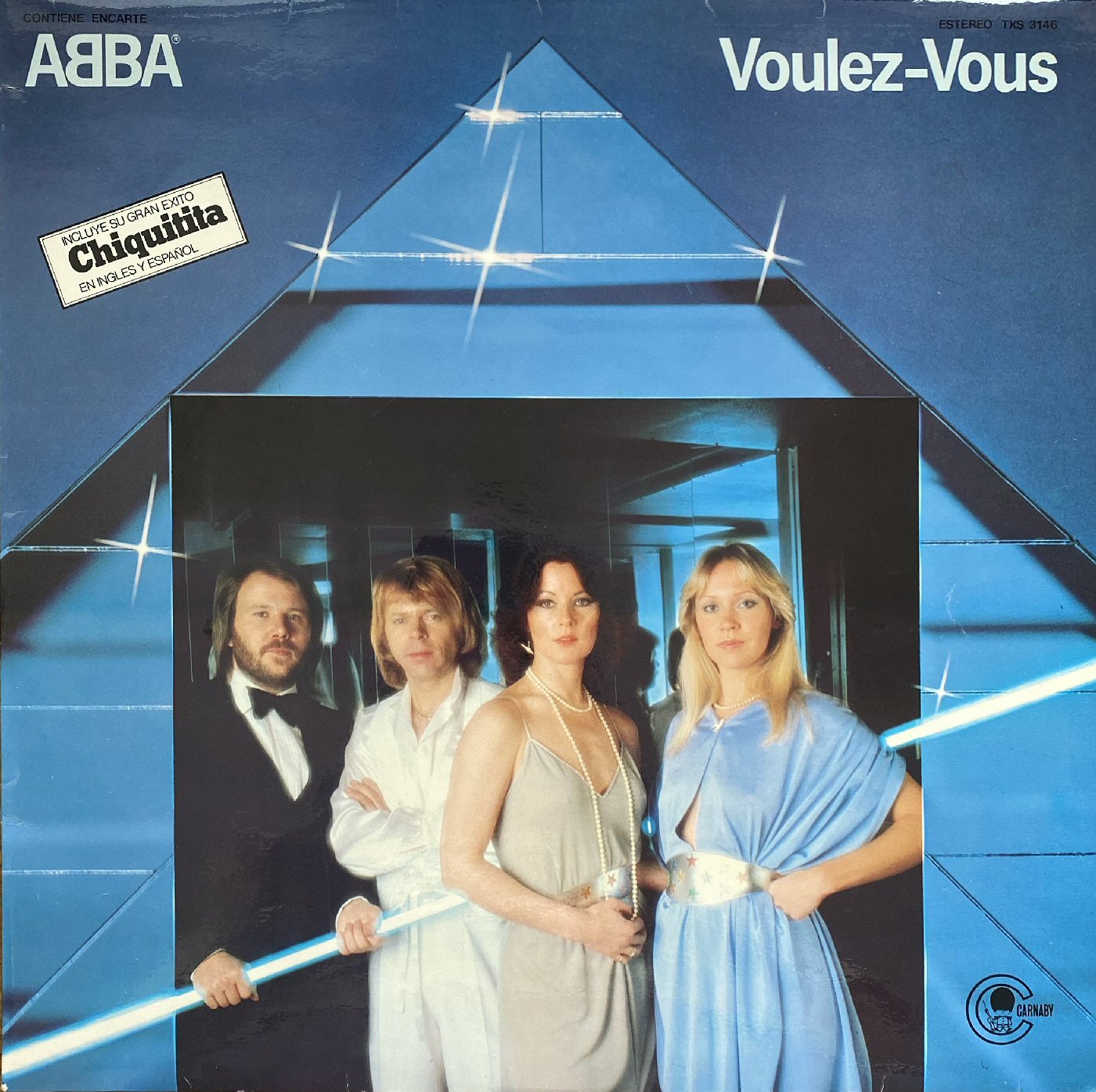
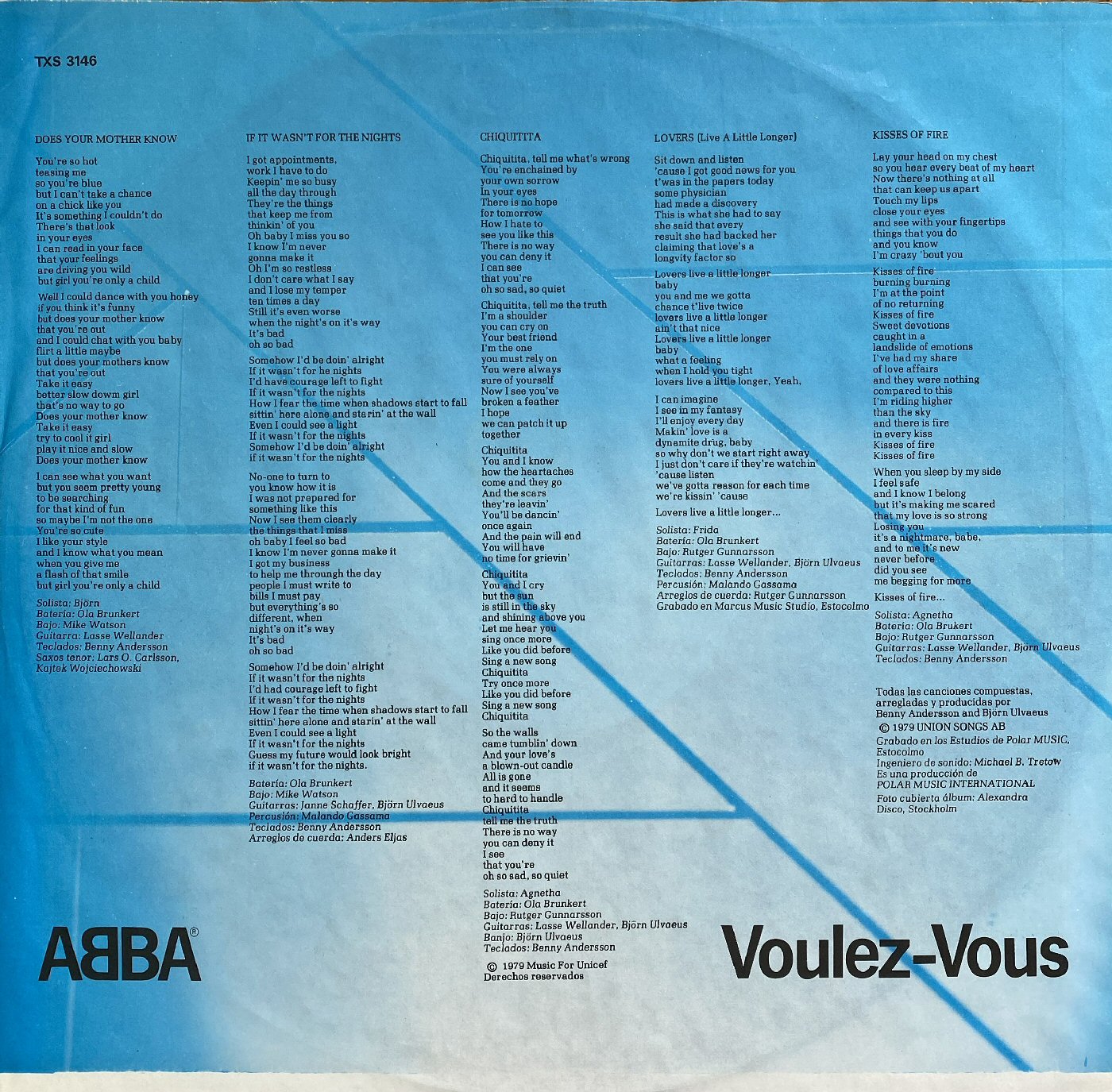
The first real attempt to approach the Spanish language markets came in March 1979 when the group re-recorded their hit "Chiquitita" in Spanish and released as a single in both Spain and several countries in South America. The management realized that ABBA were not big enough in these territories and it was high time for some extra actions. The lyrics were written by Buddy and Mary McCluskey working at RCA in Argentina. The single became not quite unawaited a huge success in Spain and South America topping all charts.
|
|
|
|
|
|
The single stayed on the Spanish chart for 18 weeks peaking at #5.
|
|
|
|
|
|
In Argentina the Spanish version of "Chiquitita" peaked at #1.
|
|
|
|
|
|
The Spanish language version of "Chiquitita" saw its release in Mexico in April 1979. It became a smash hit on the Mexican chart where it stayed on the top for 32 weeks.
|
|
|
|
|
|
Voulez-Vous - the album
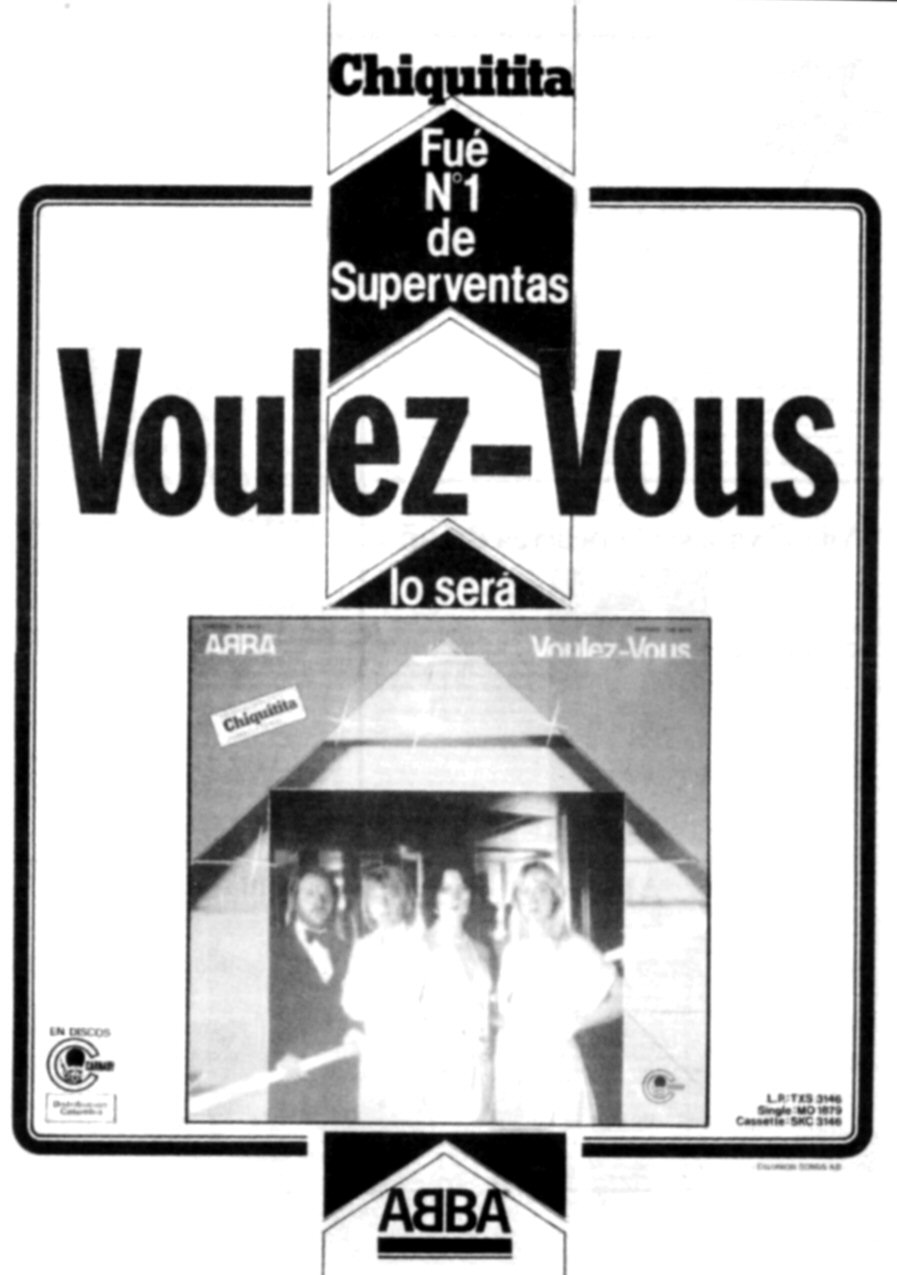
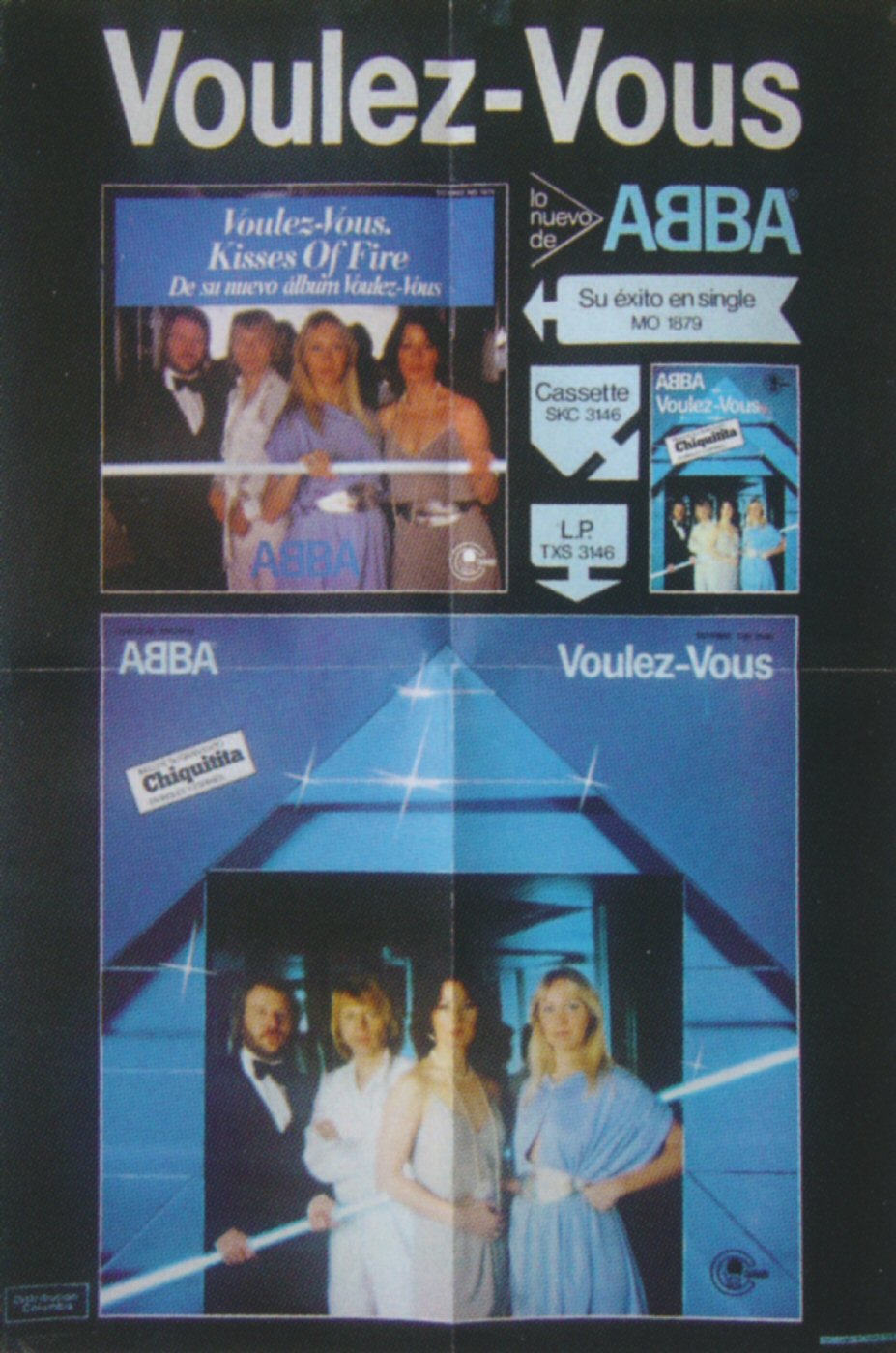
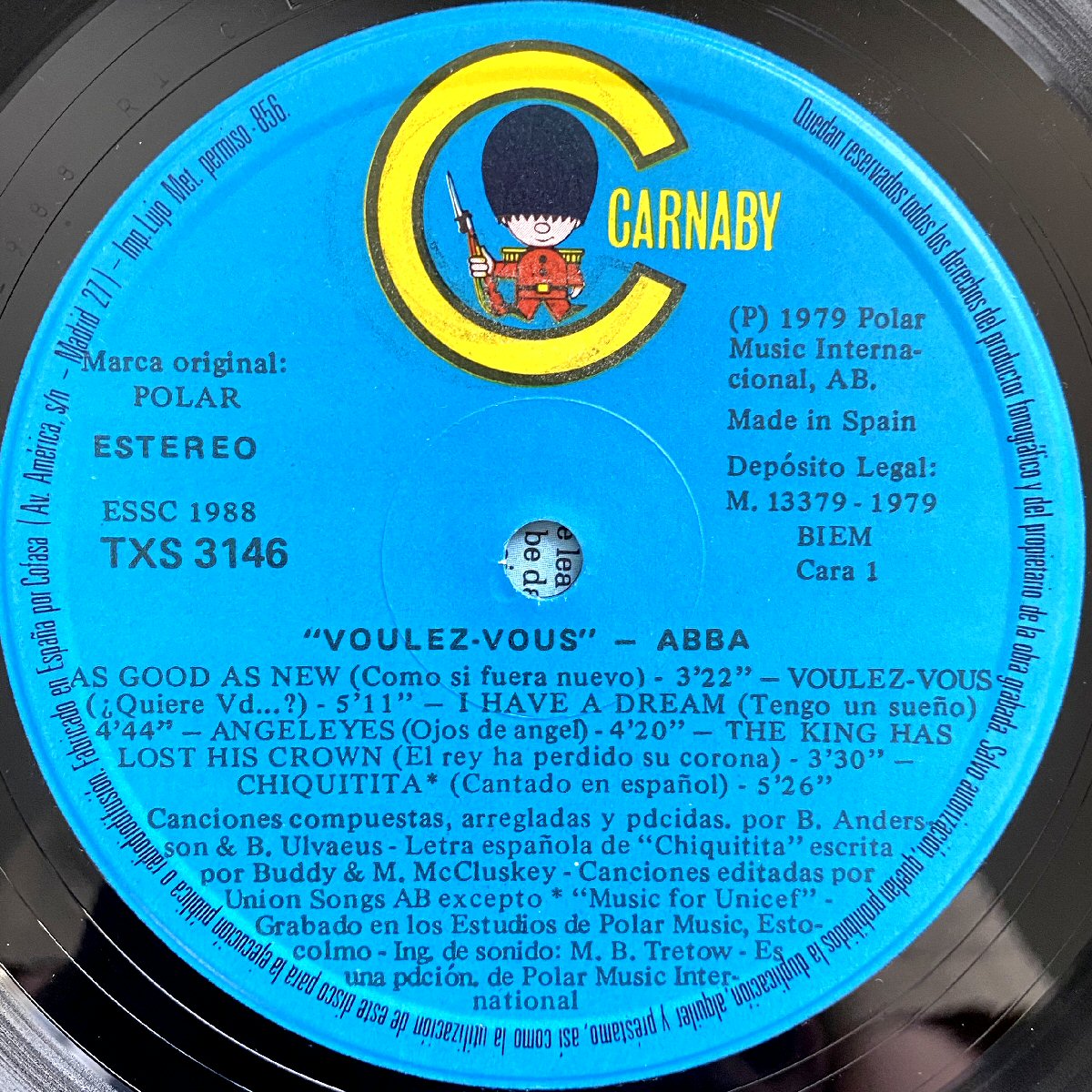
In April 1979 the new album "Voulez-Vous" was released all over the world. It was the first ABBA album released in two versions. The second version was prepared especially for Spain and South America and it featured both Spanish and English versions of "Chiquitita".
 |
 |
|||
|
|
|
|
|
|
 |
 |
ABBA in Madrid - May 79
|
|
|
|
|
|
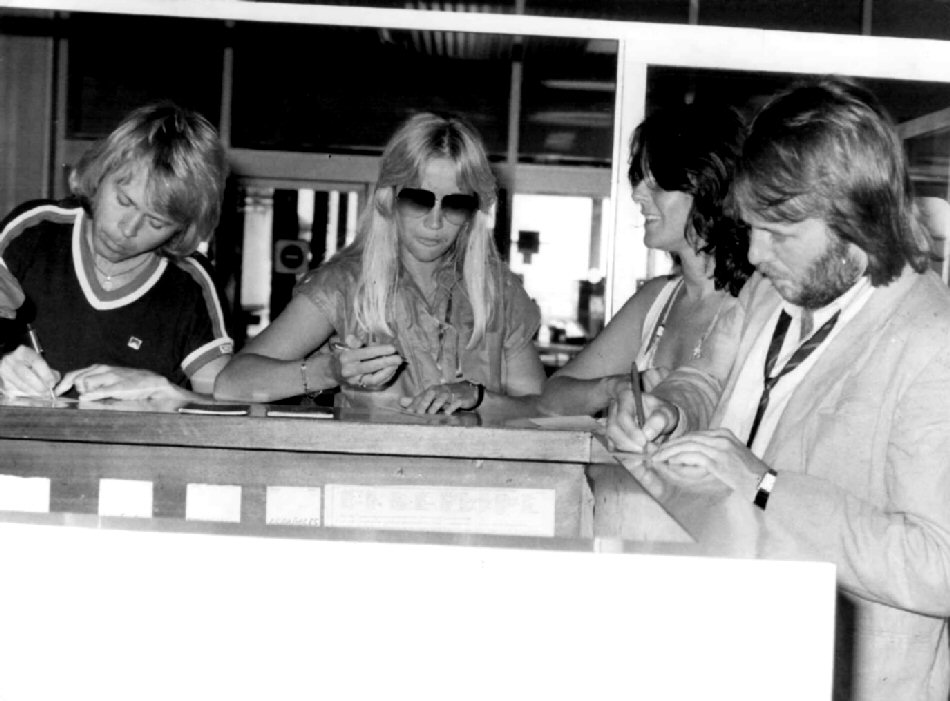
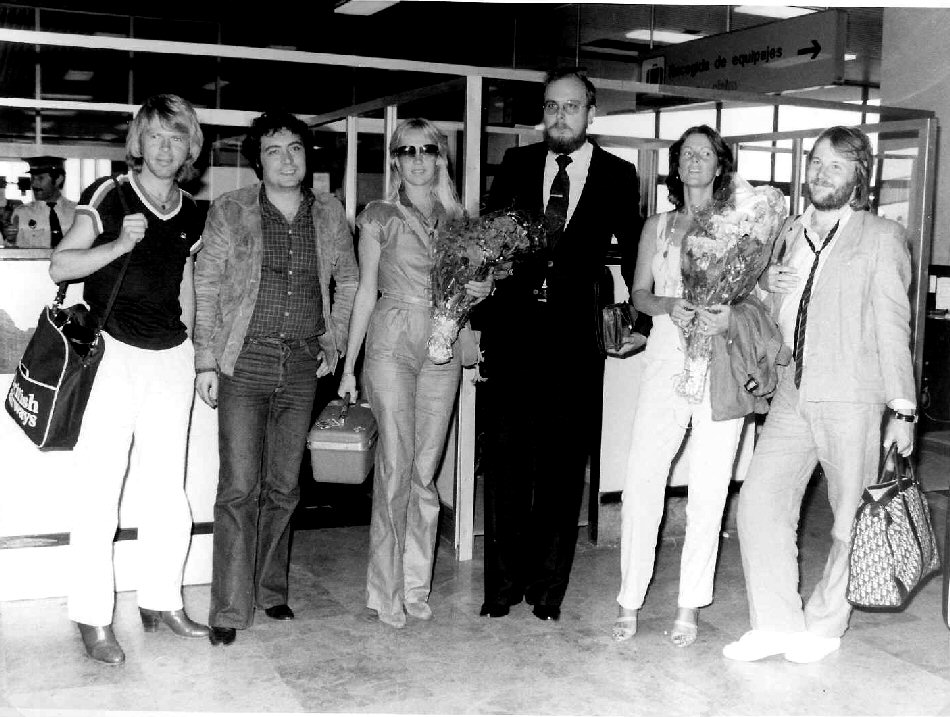
On arrival at the Madrid airport
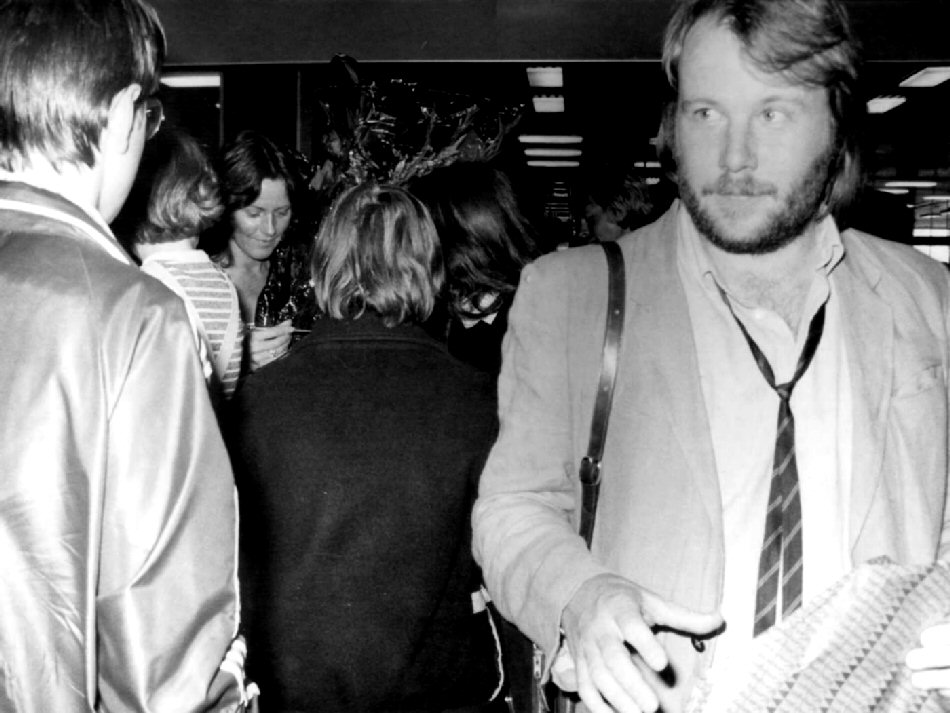
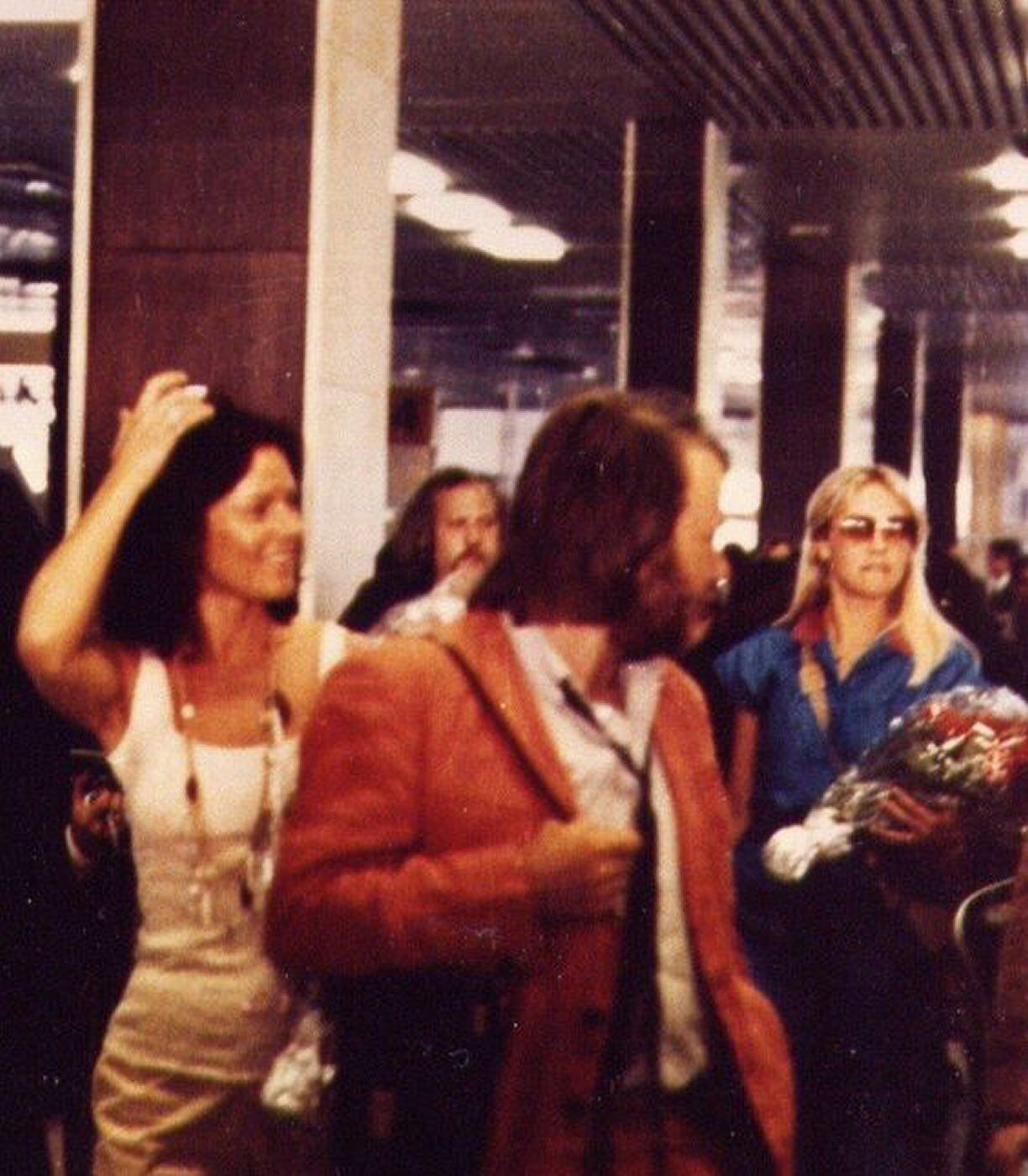
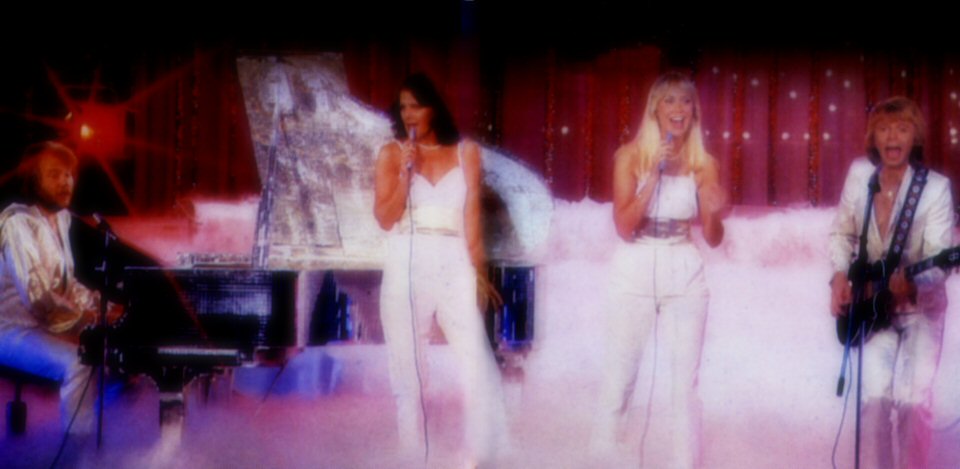
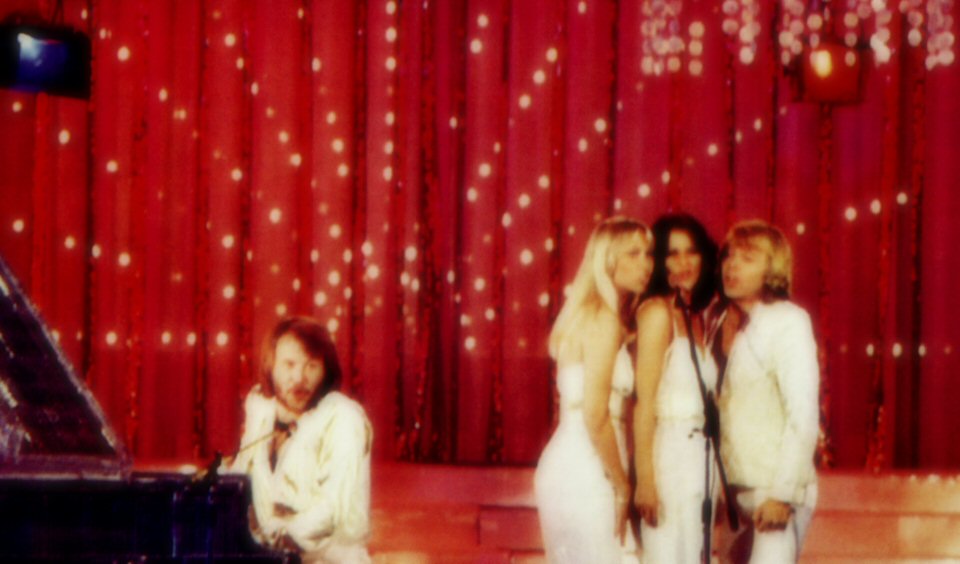
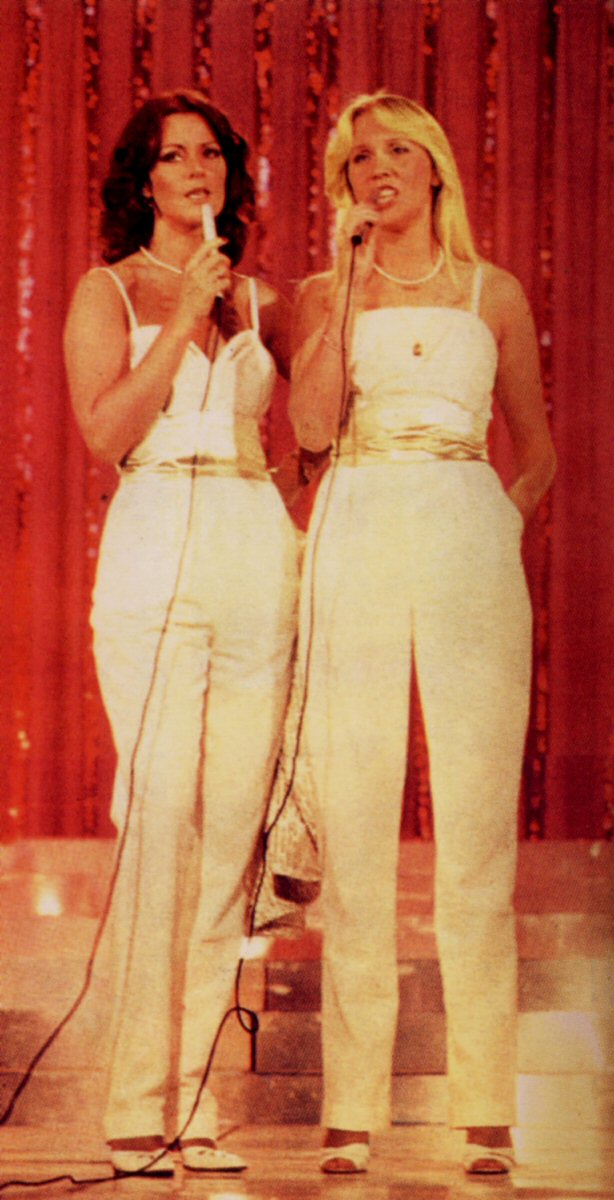
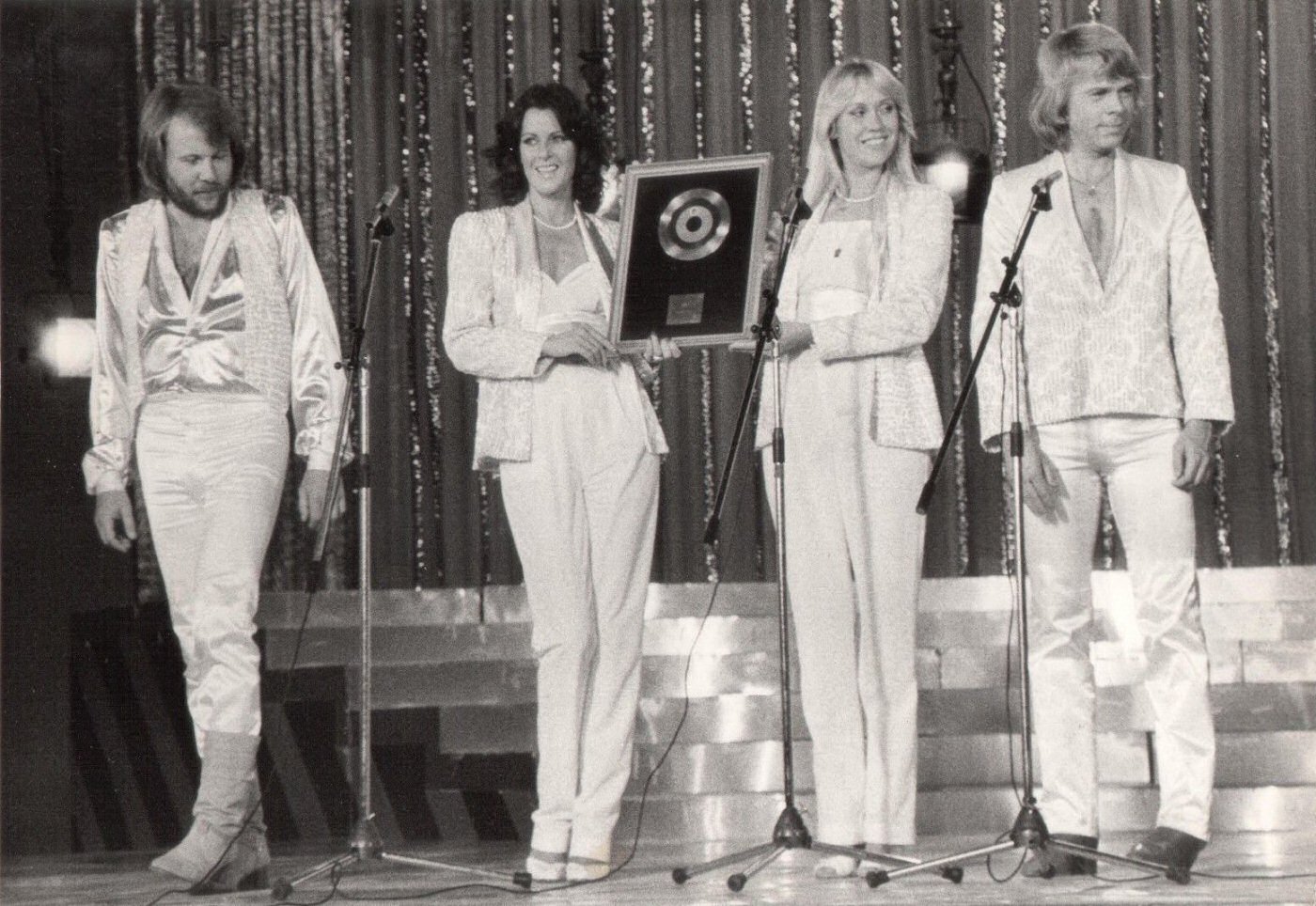
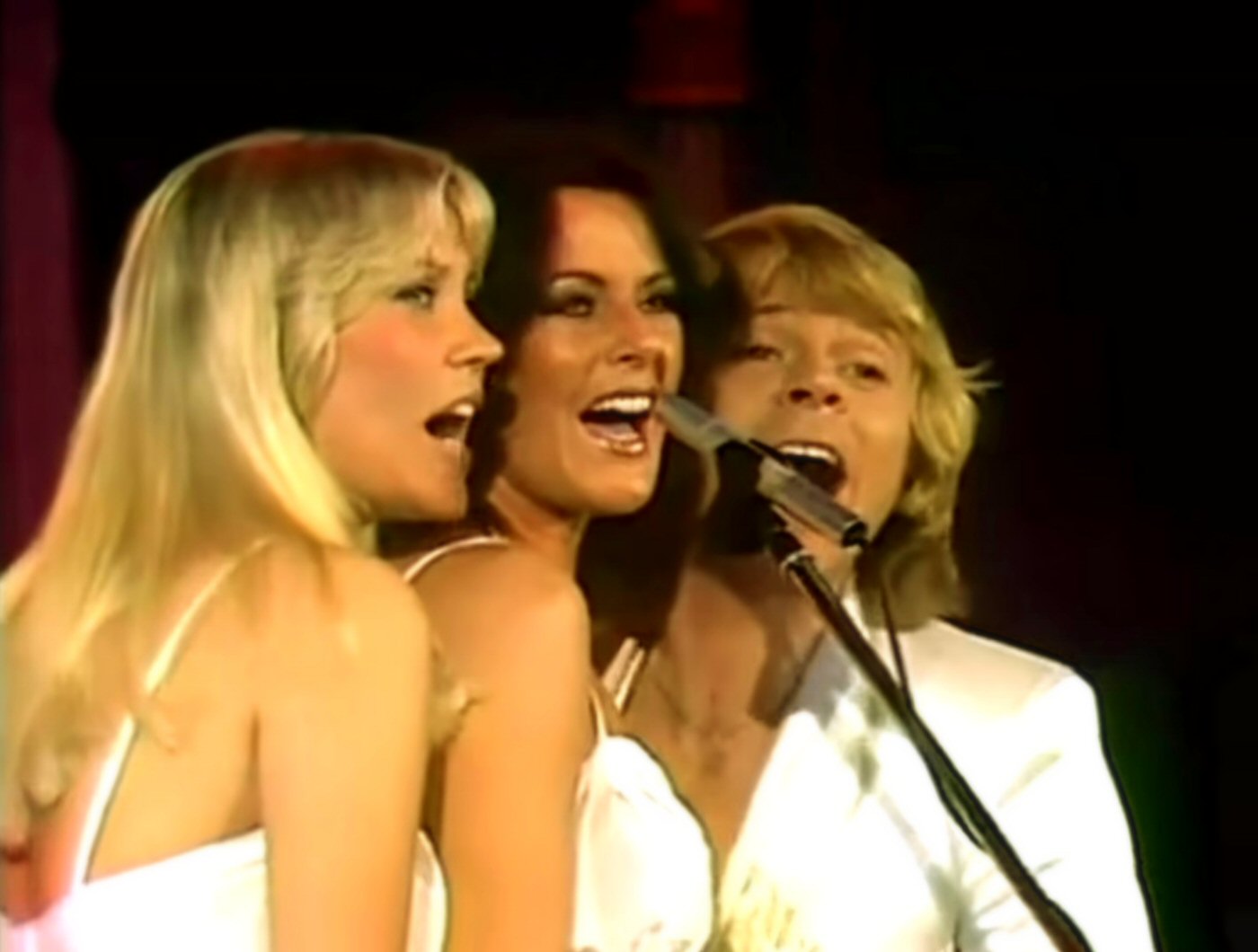
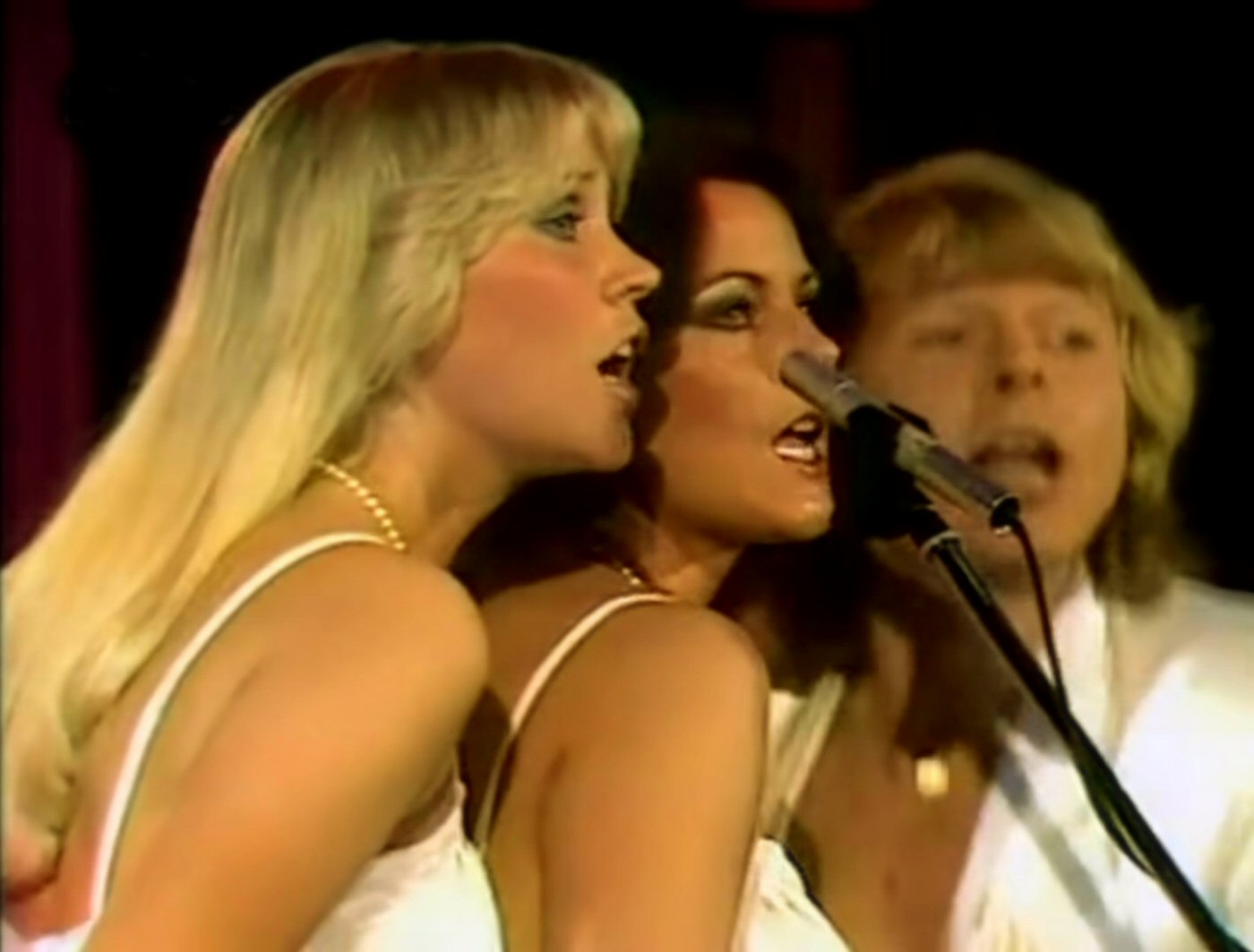
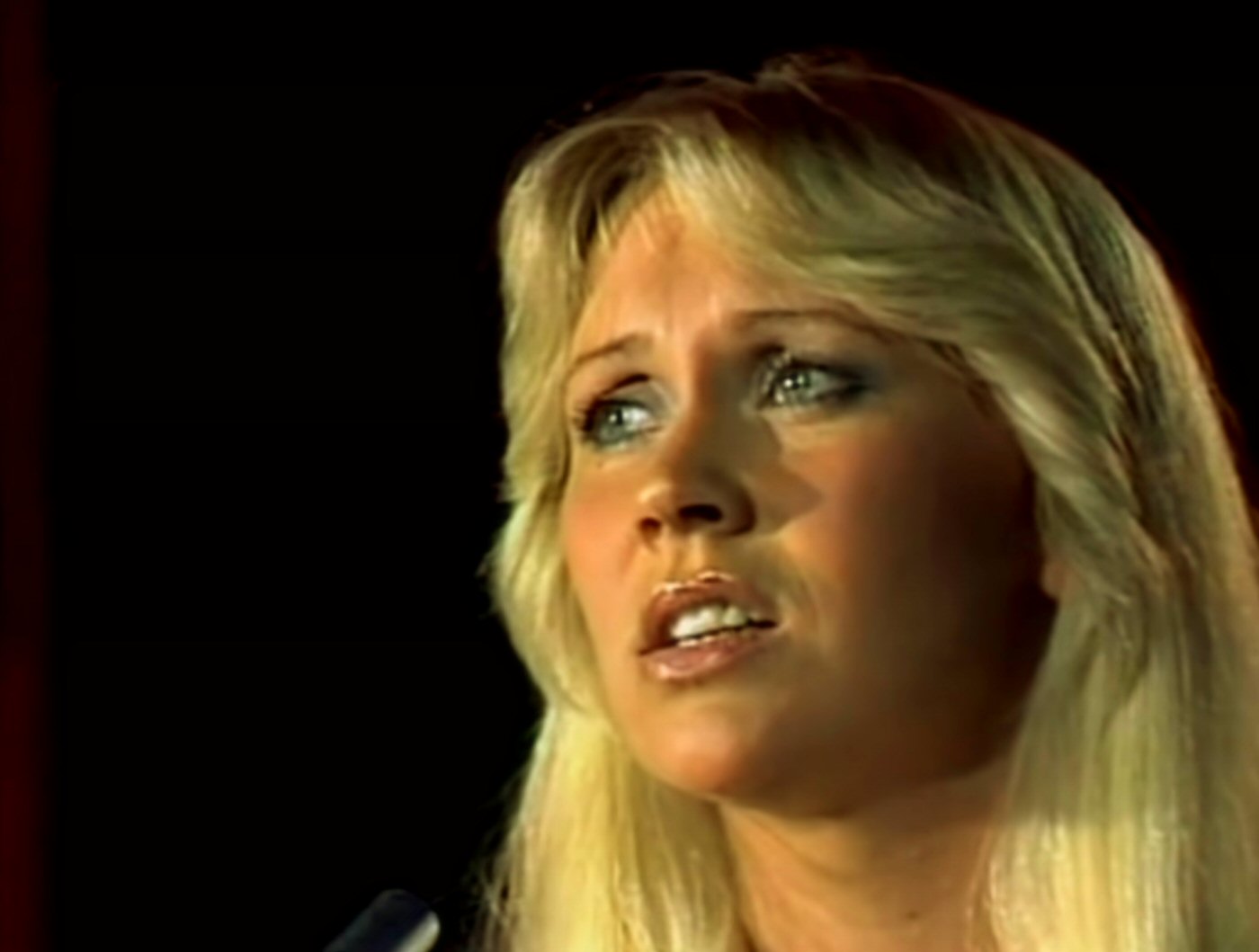
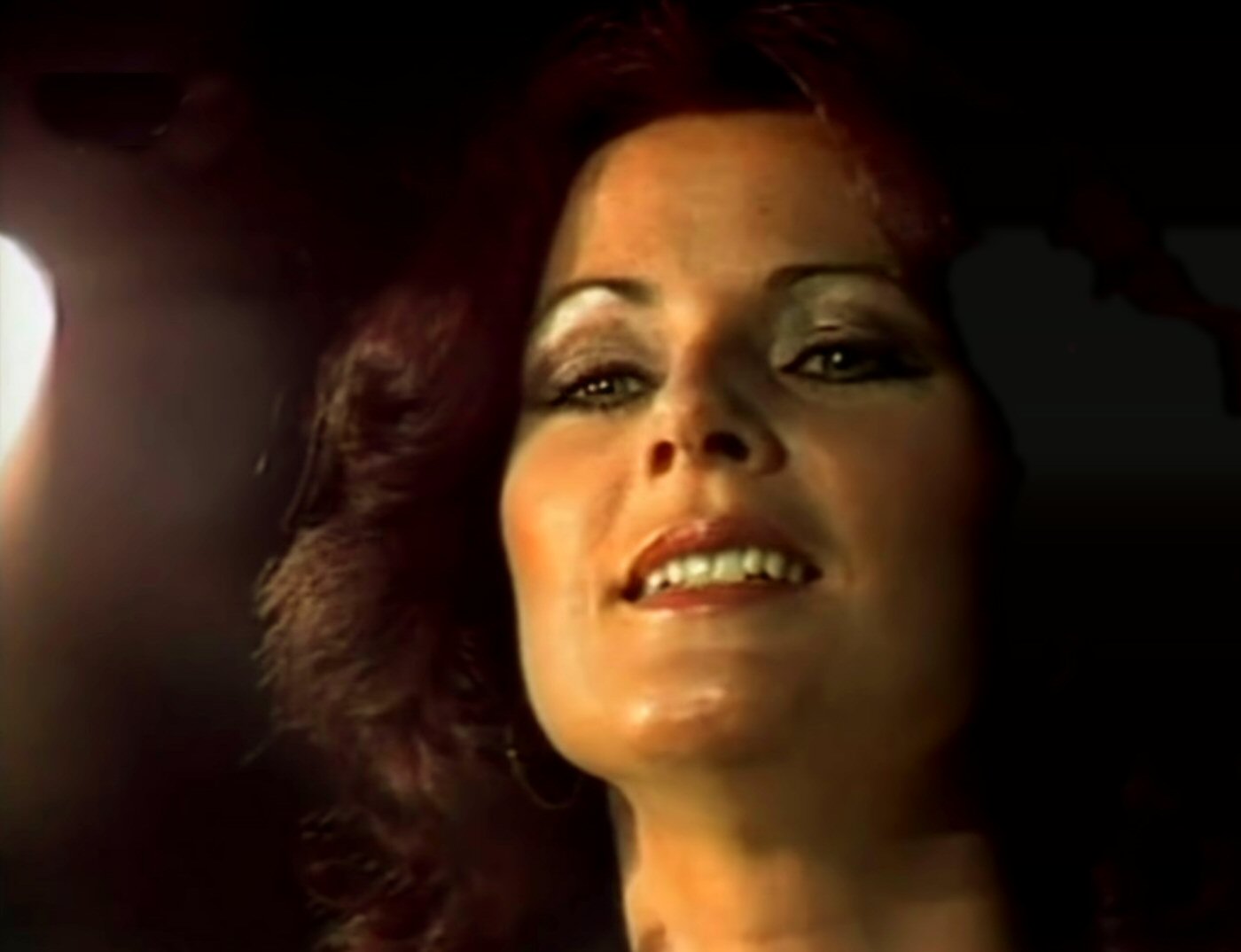
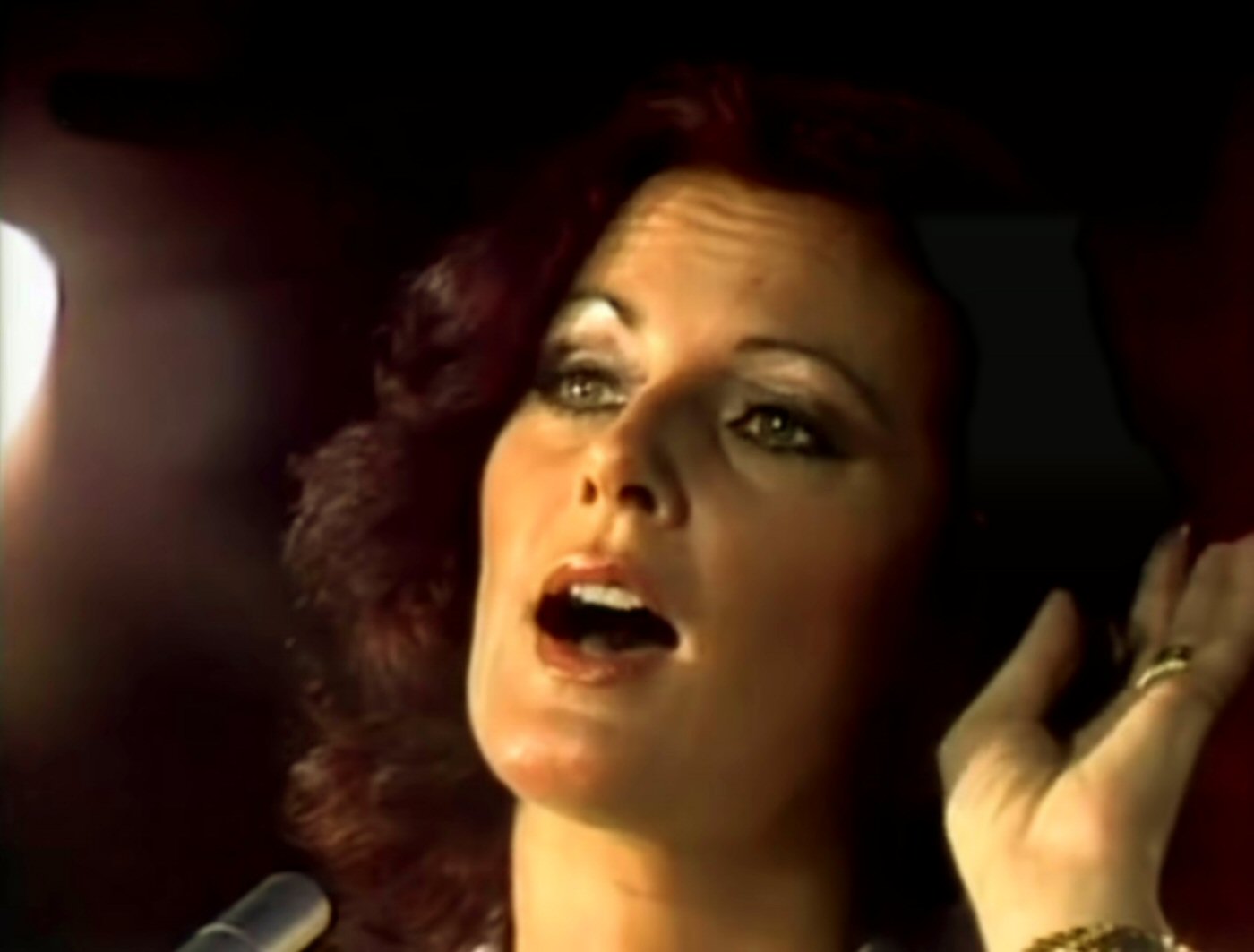
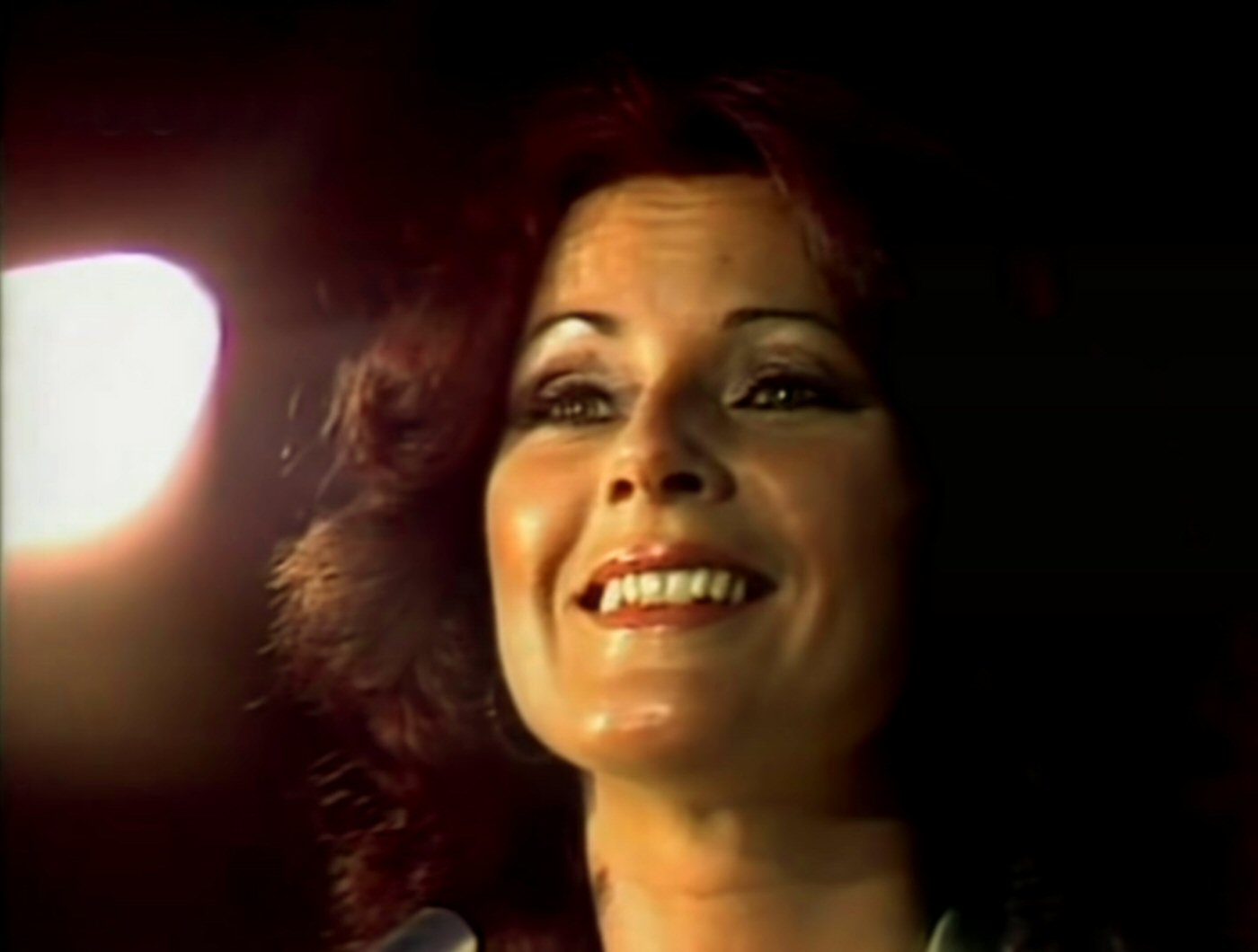
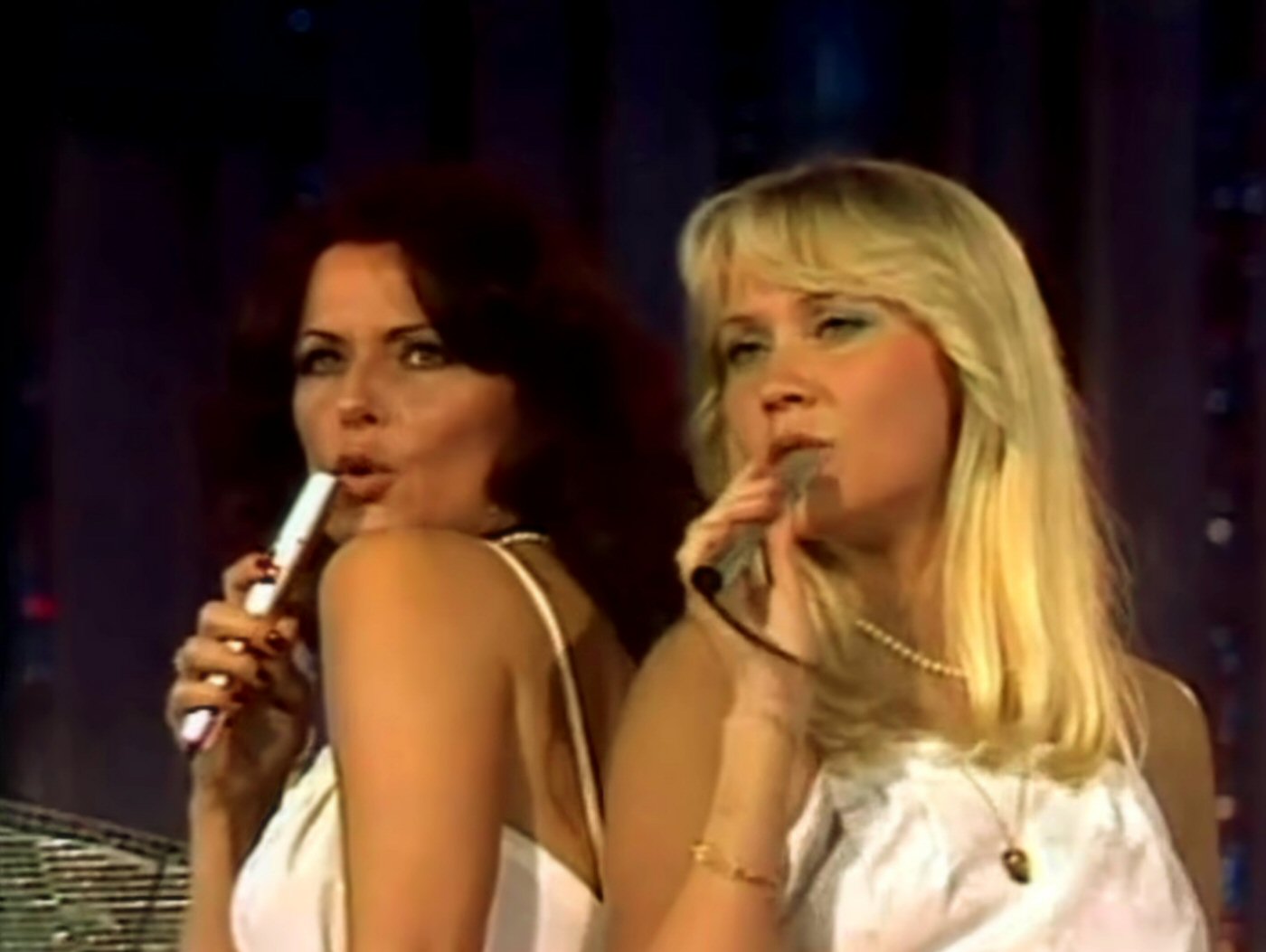
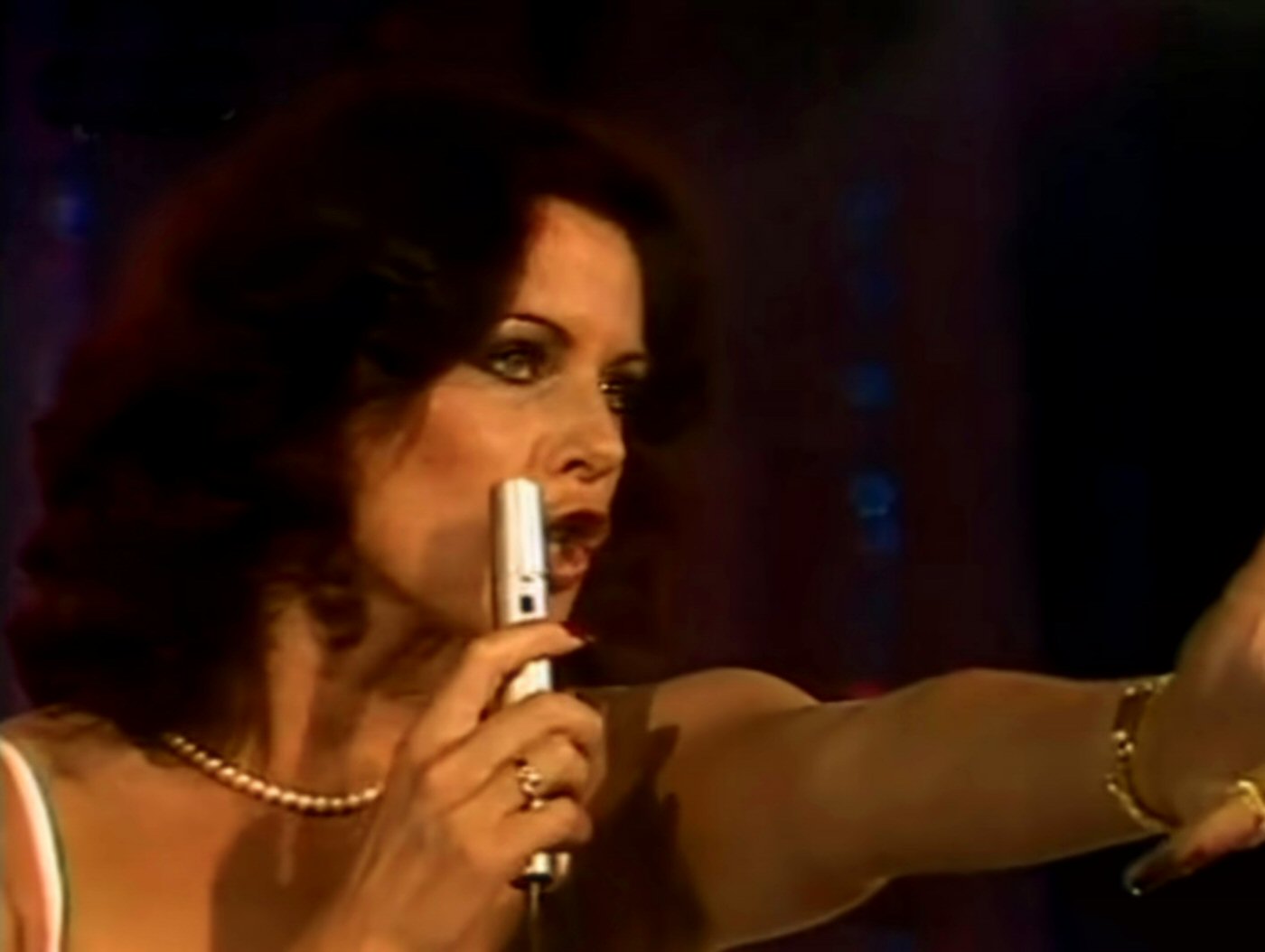
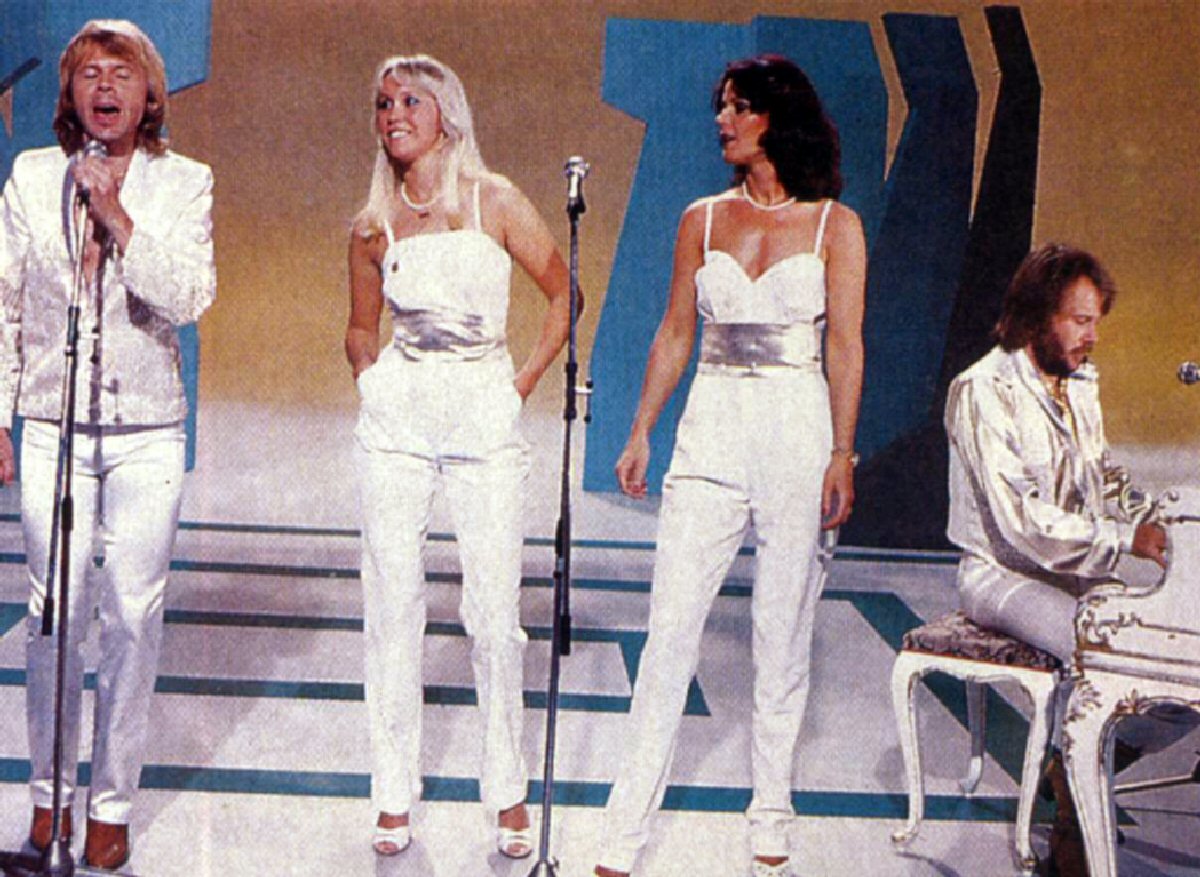
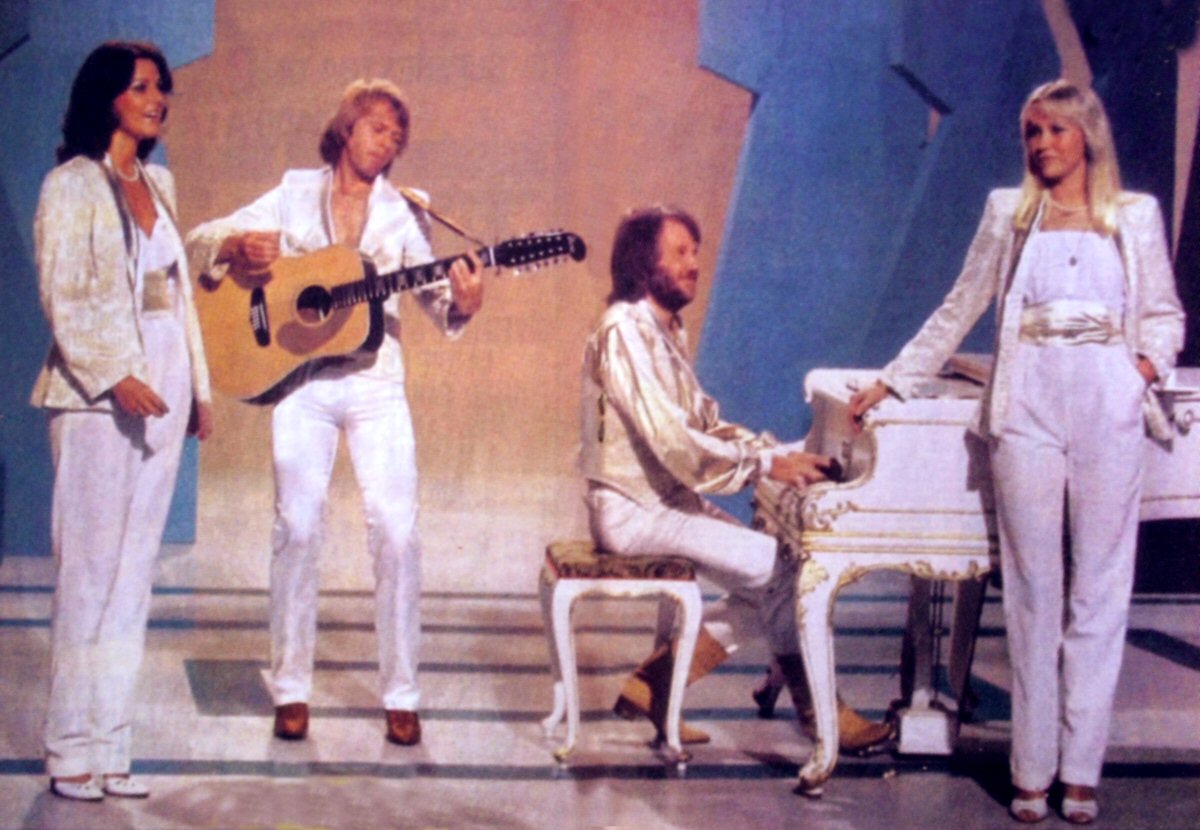
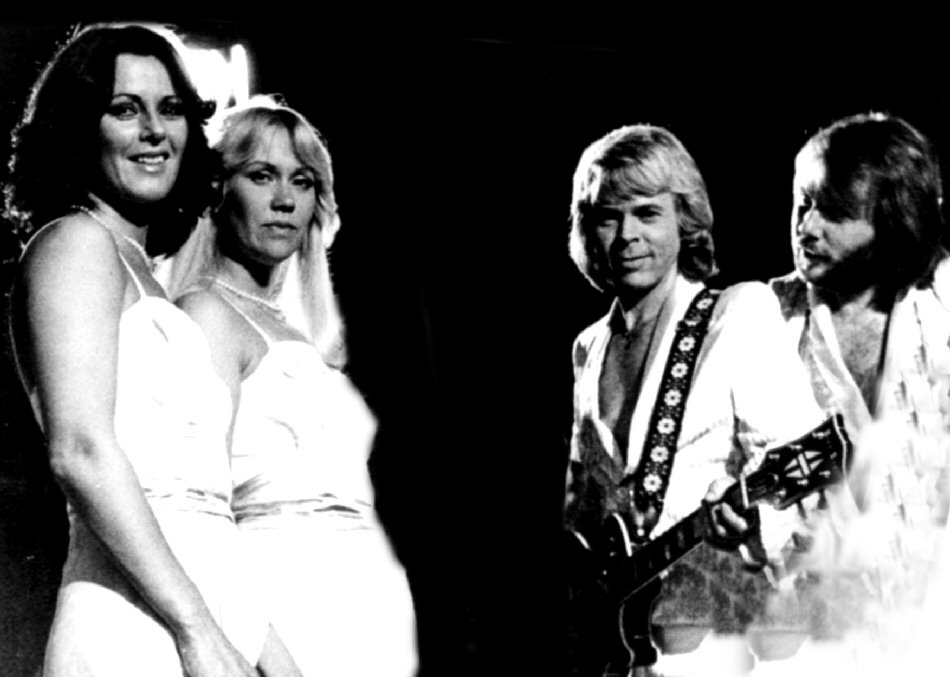
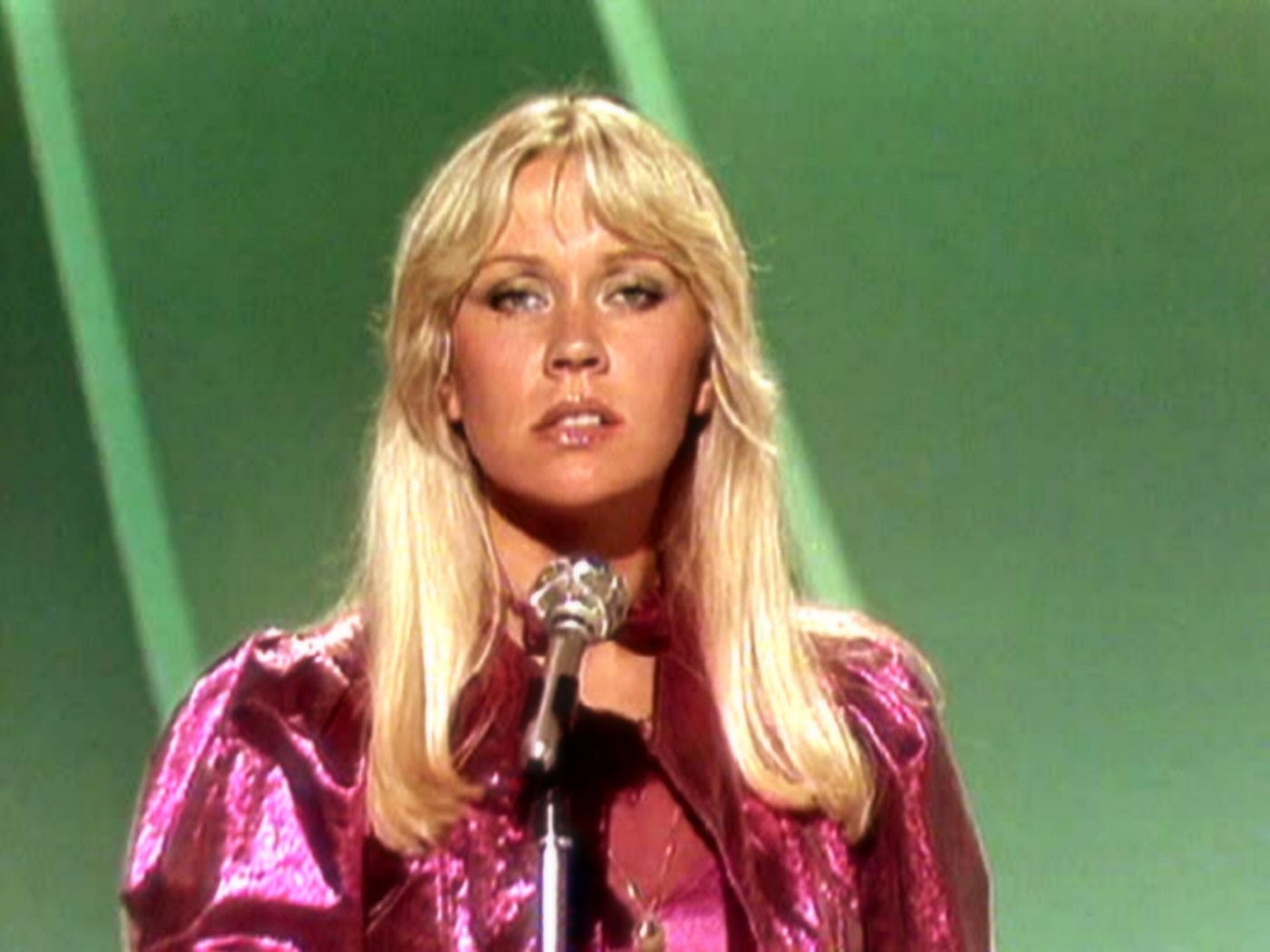
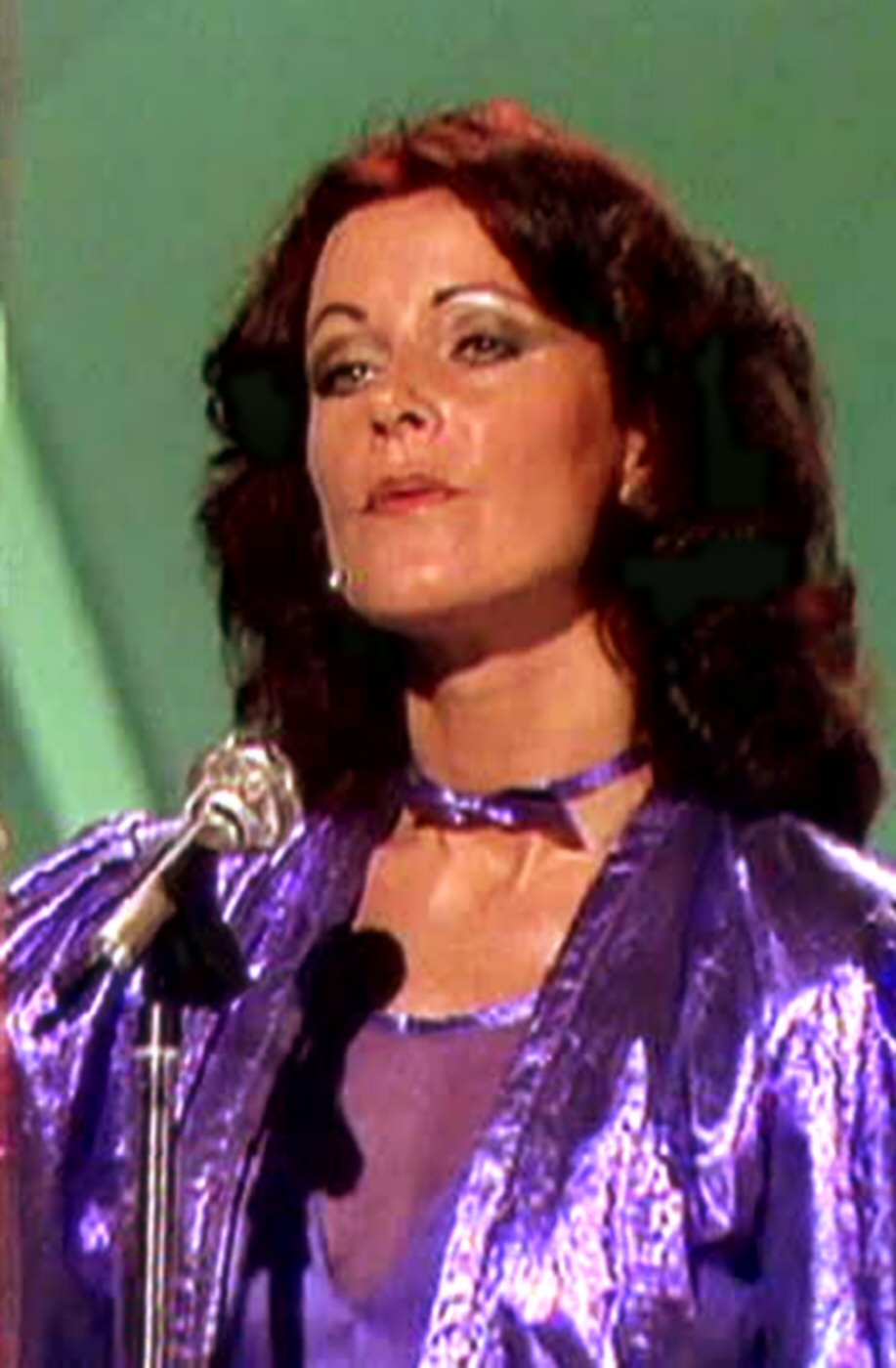
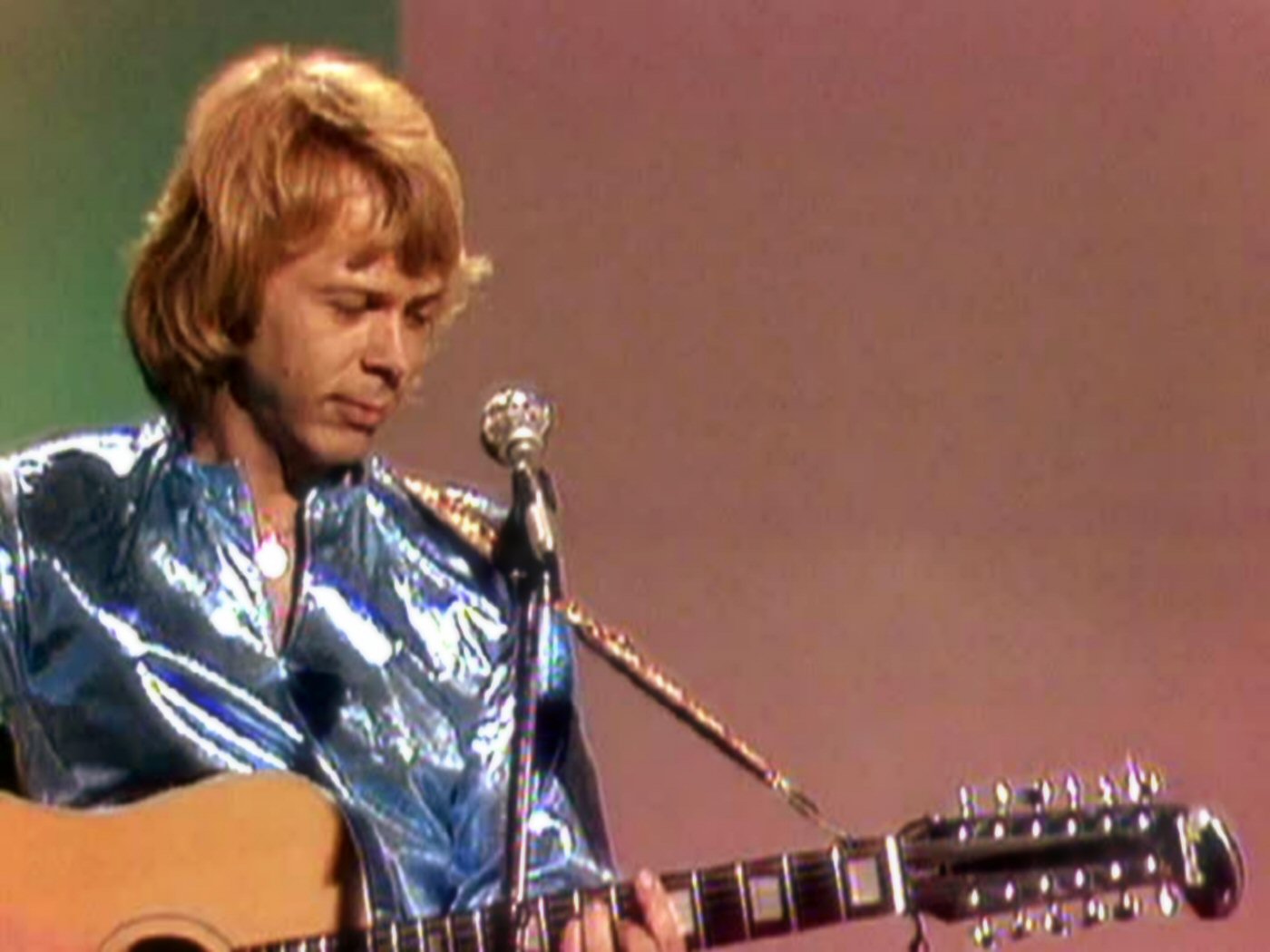
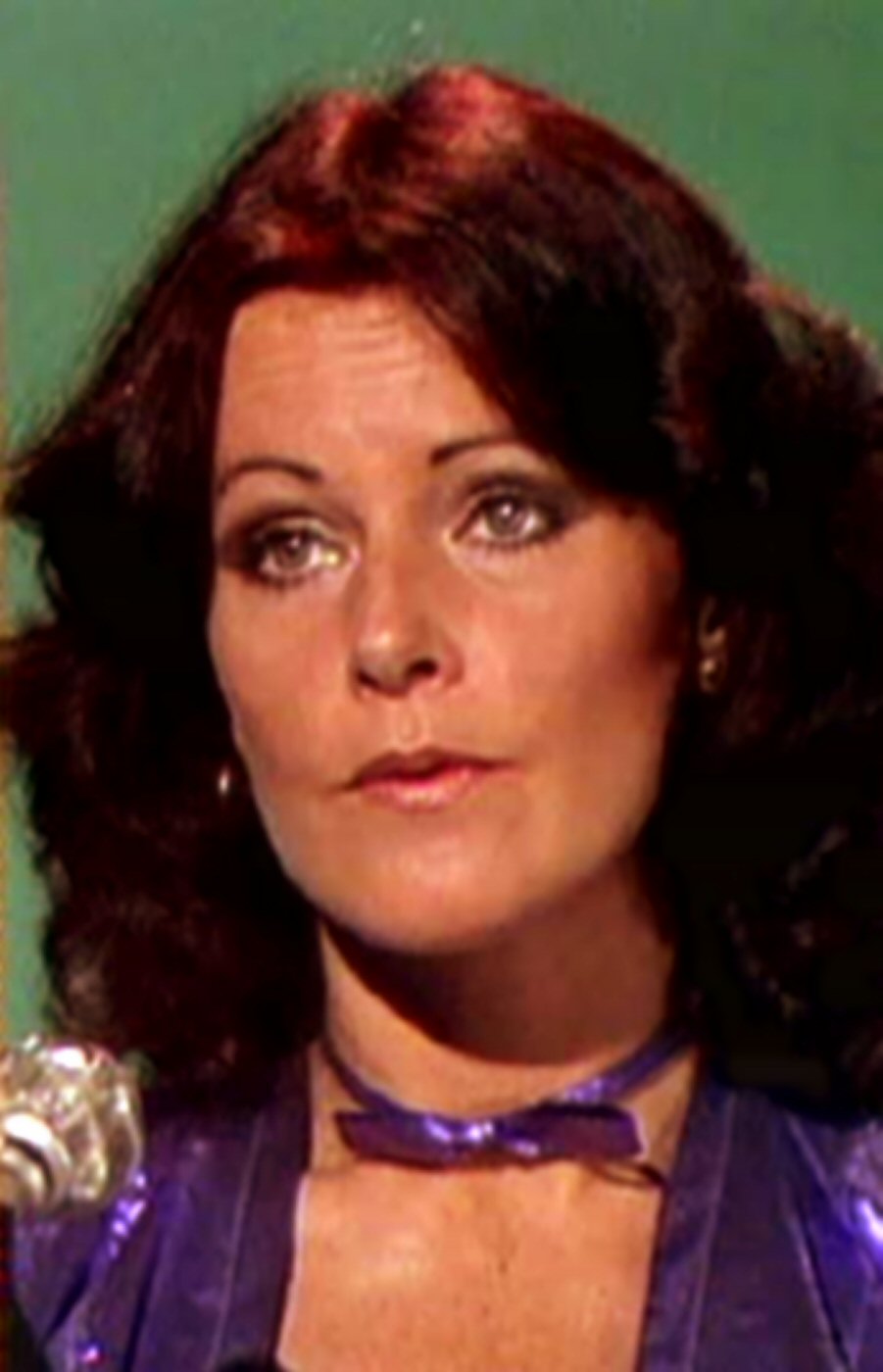
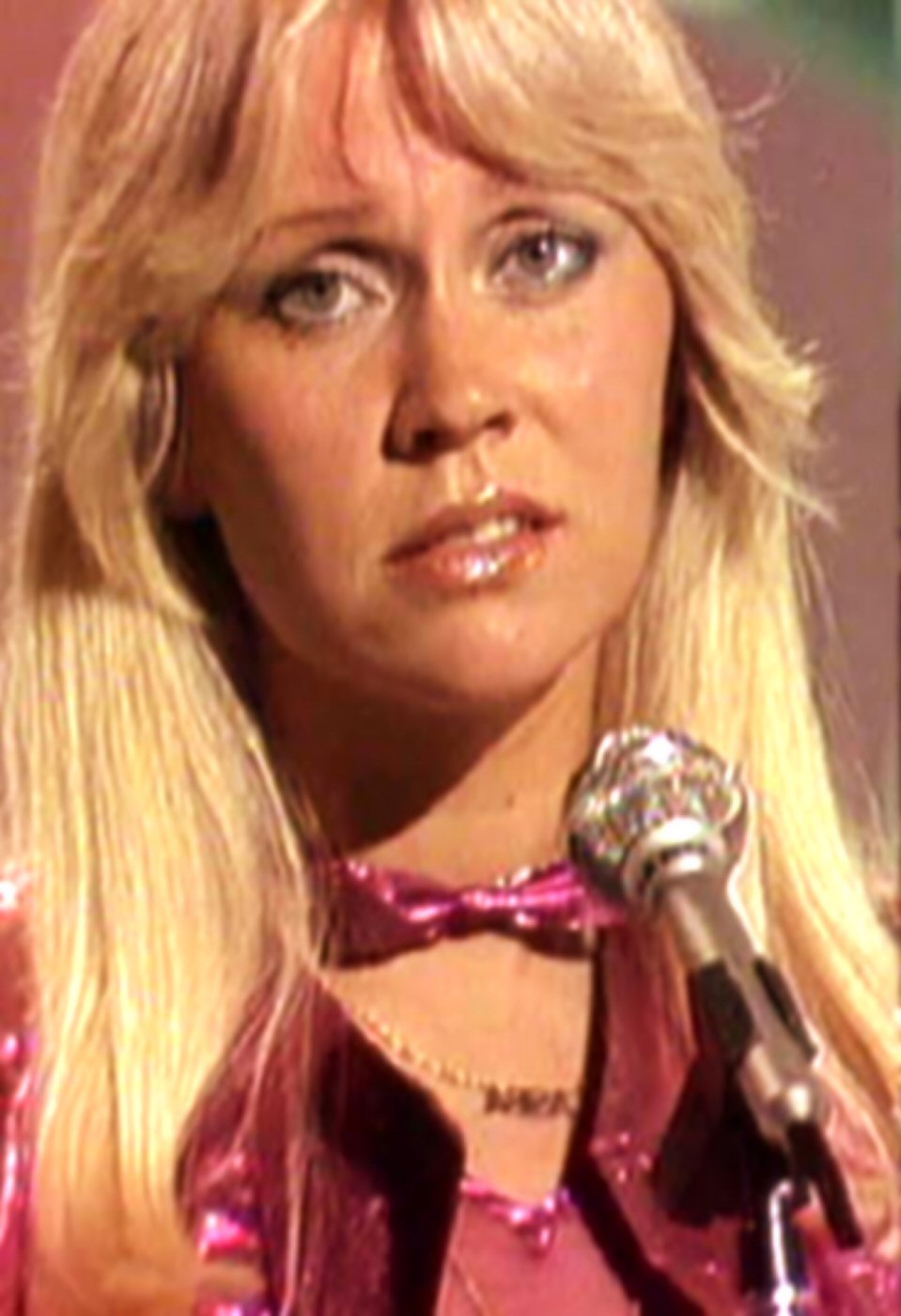
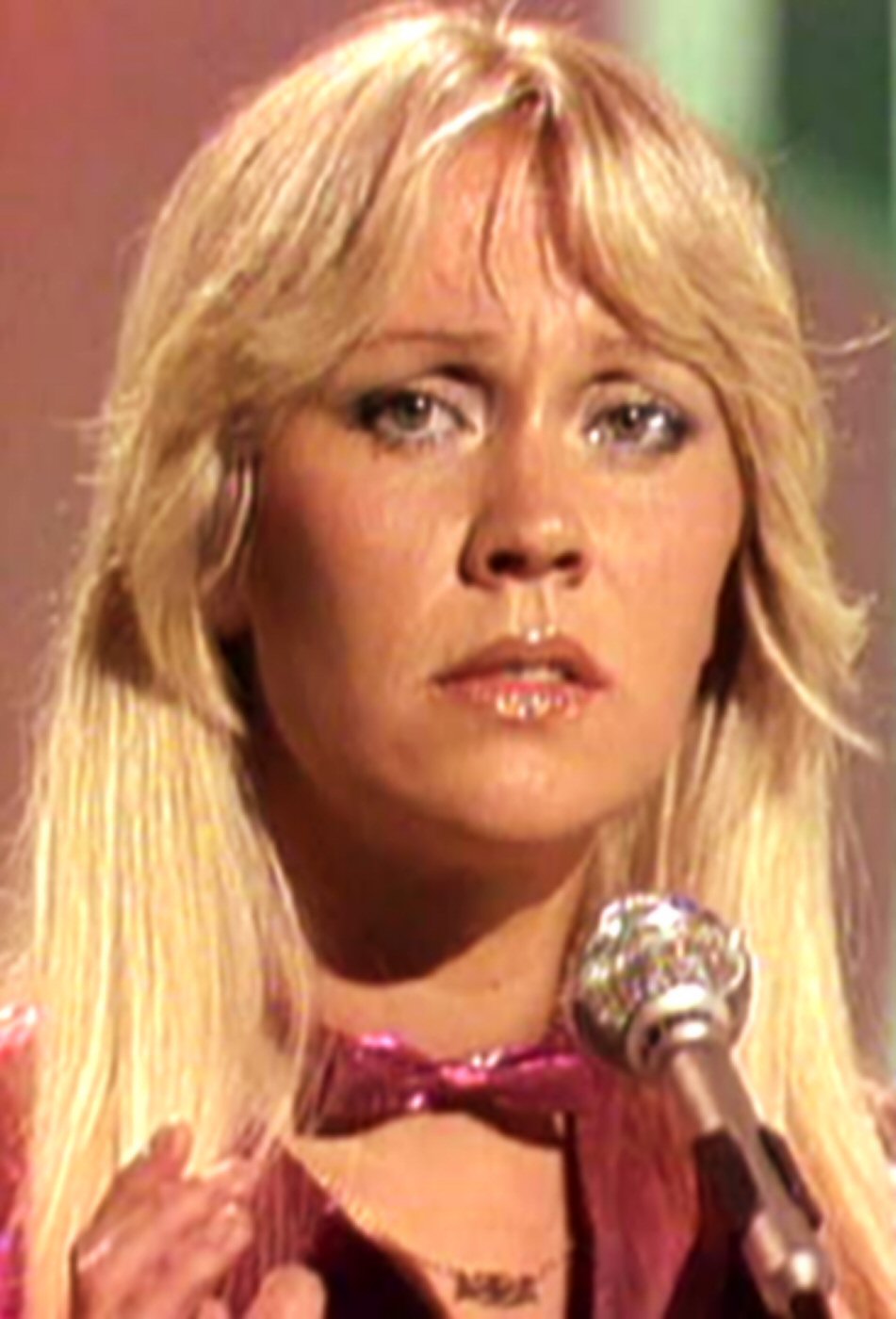
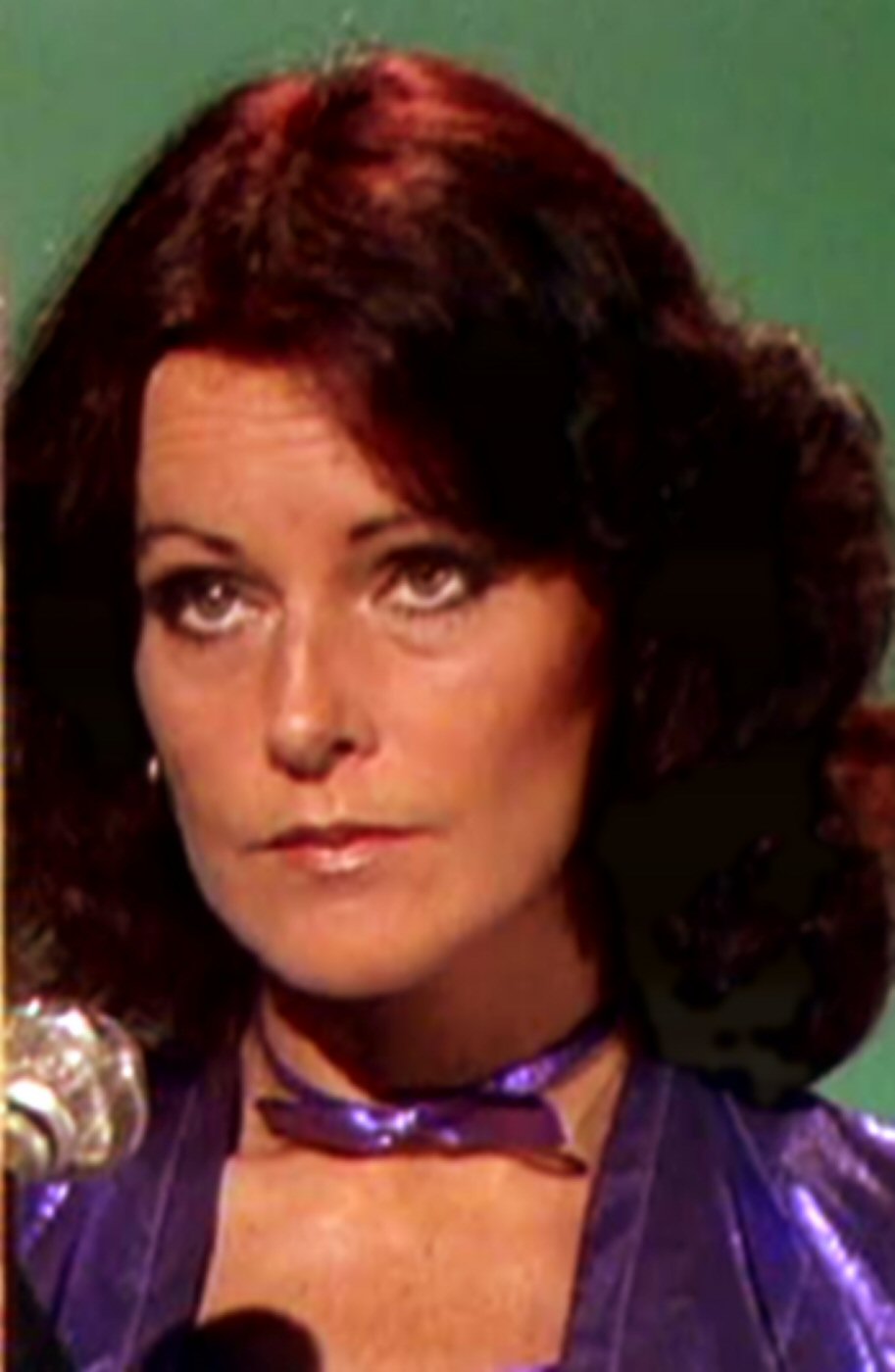
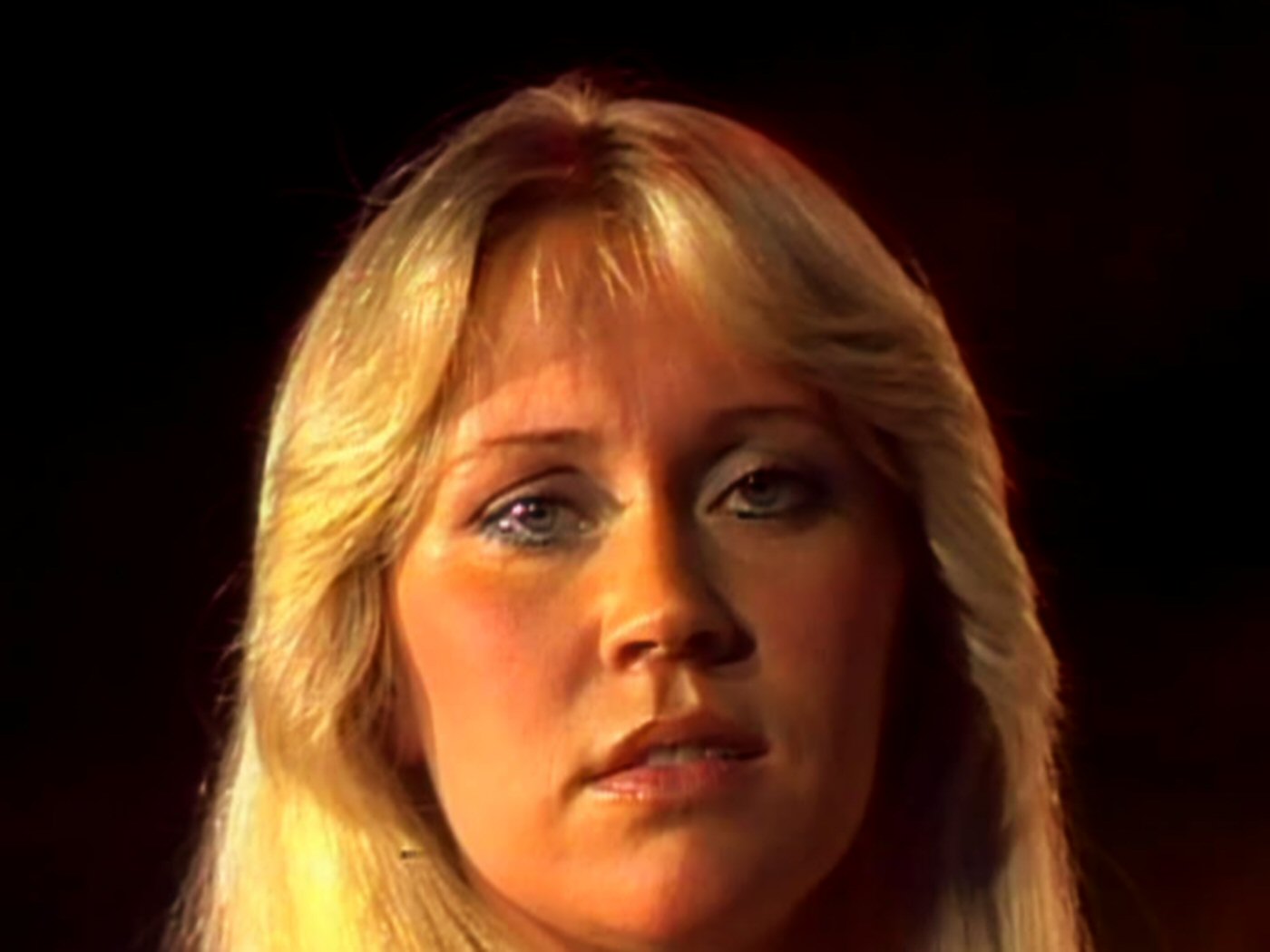
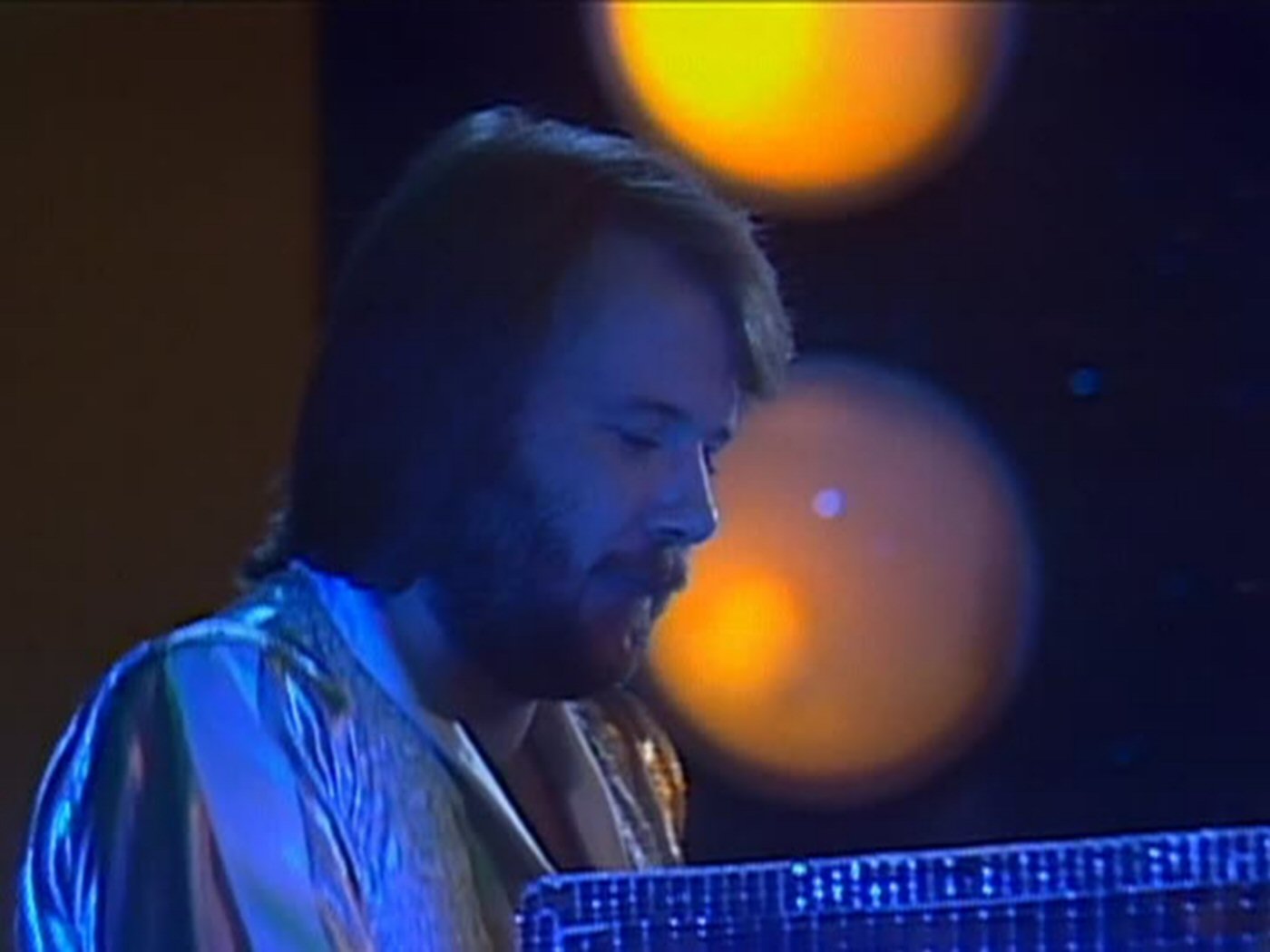
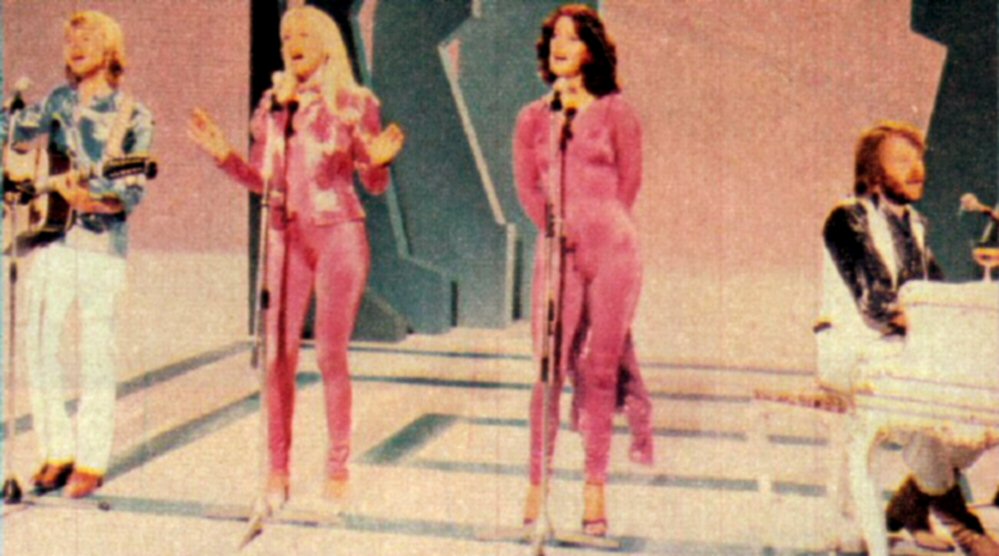
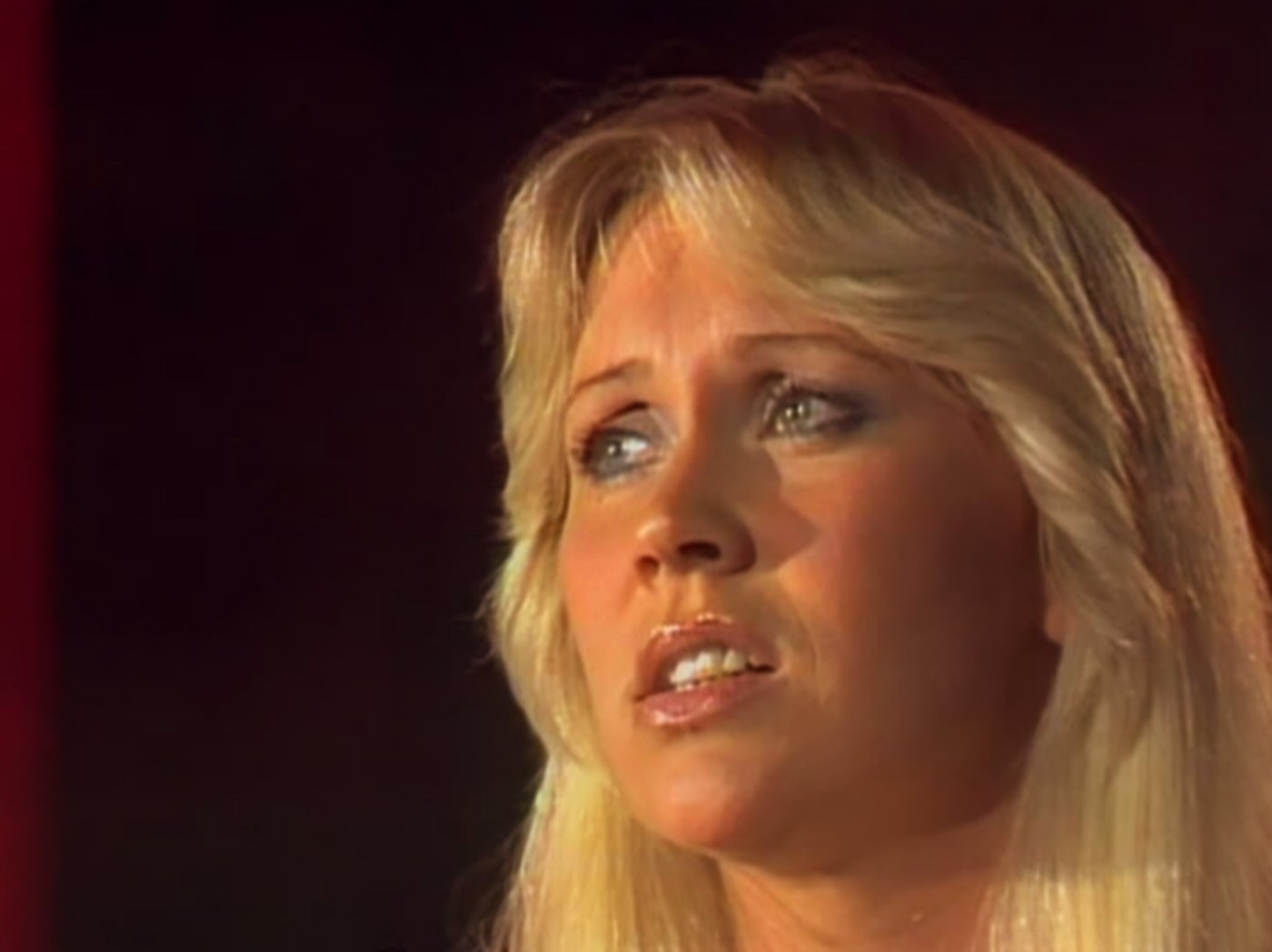
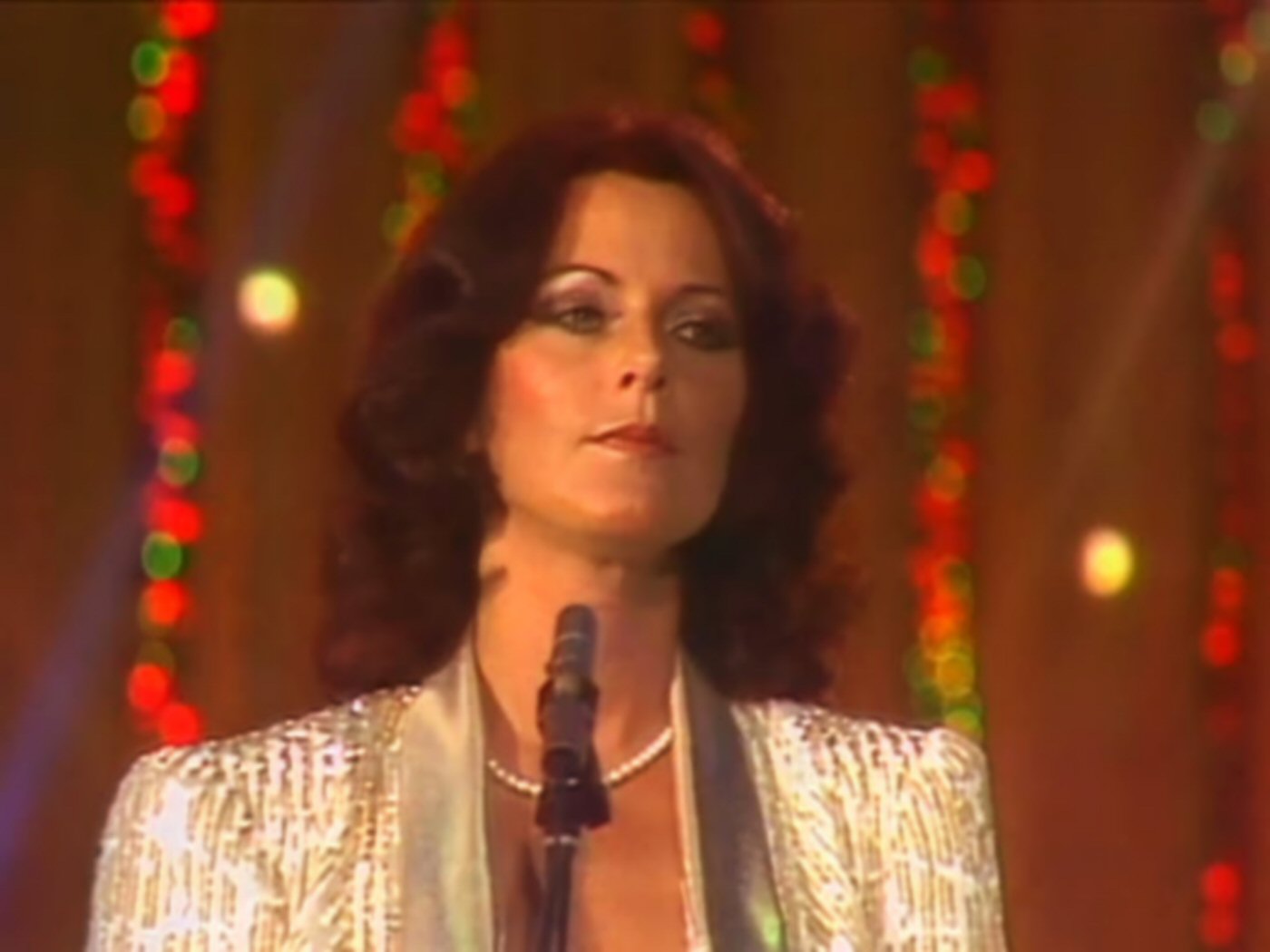
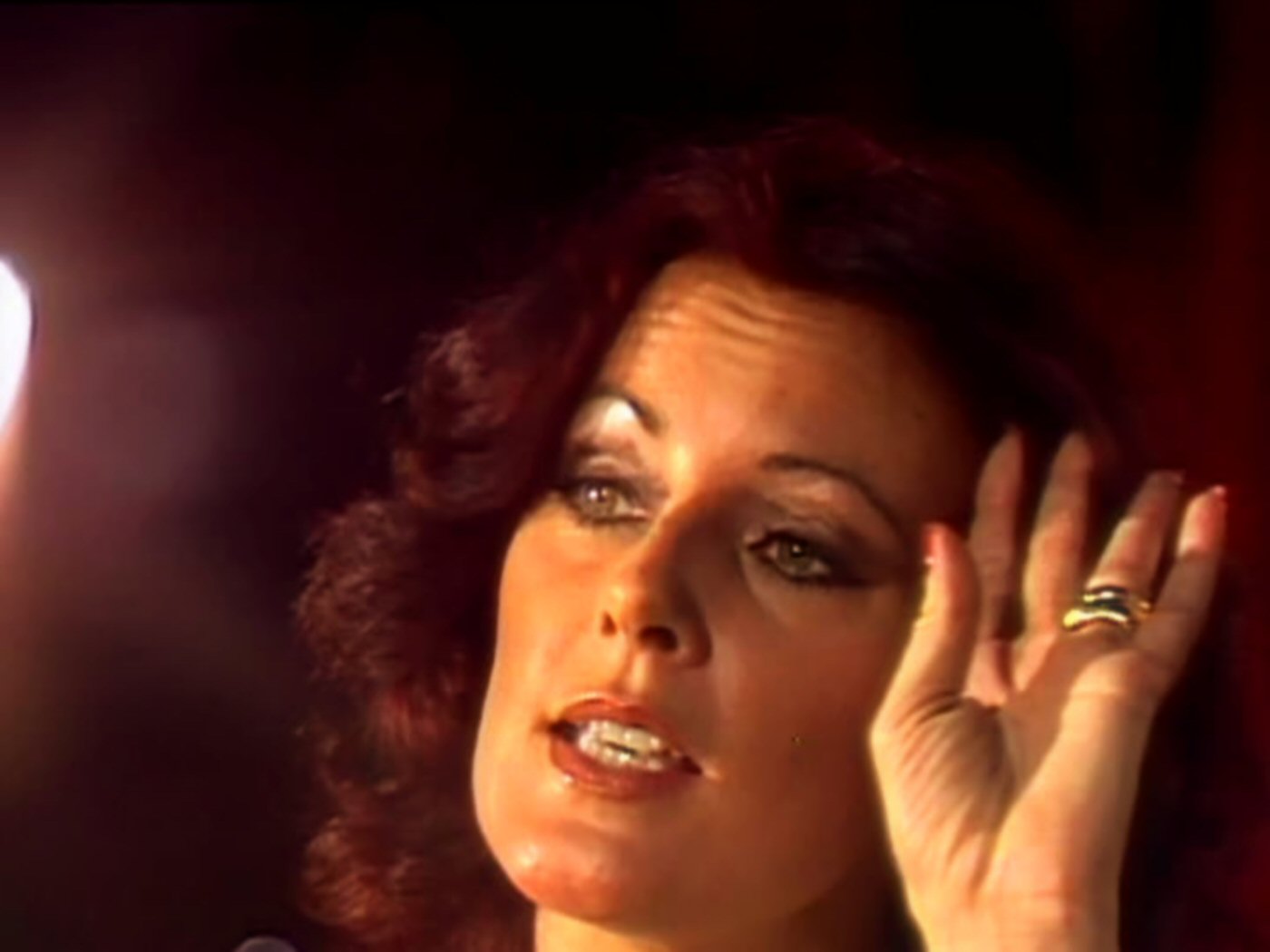
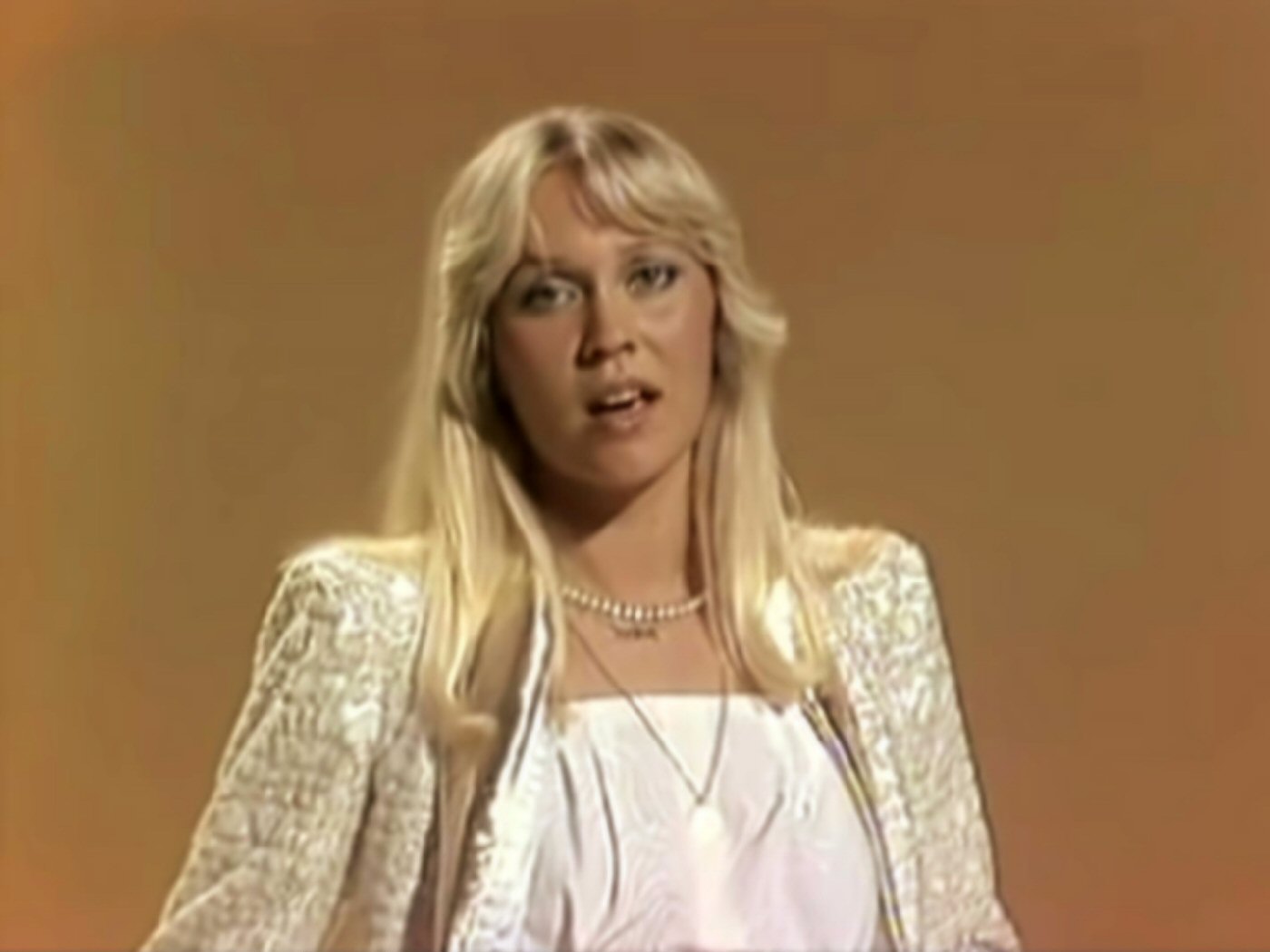
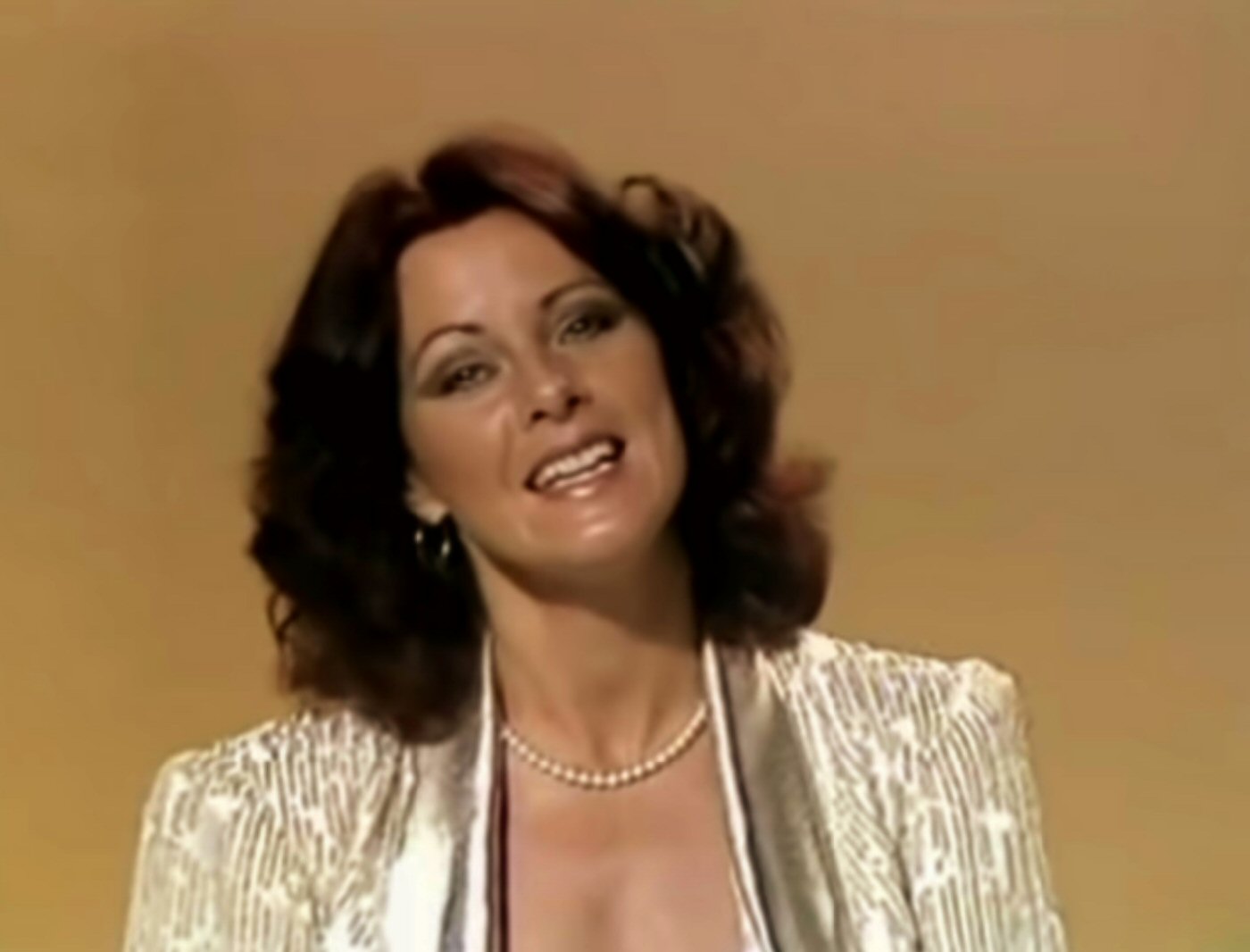
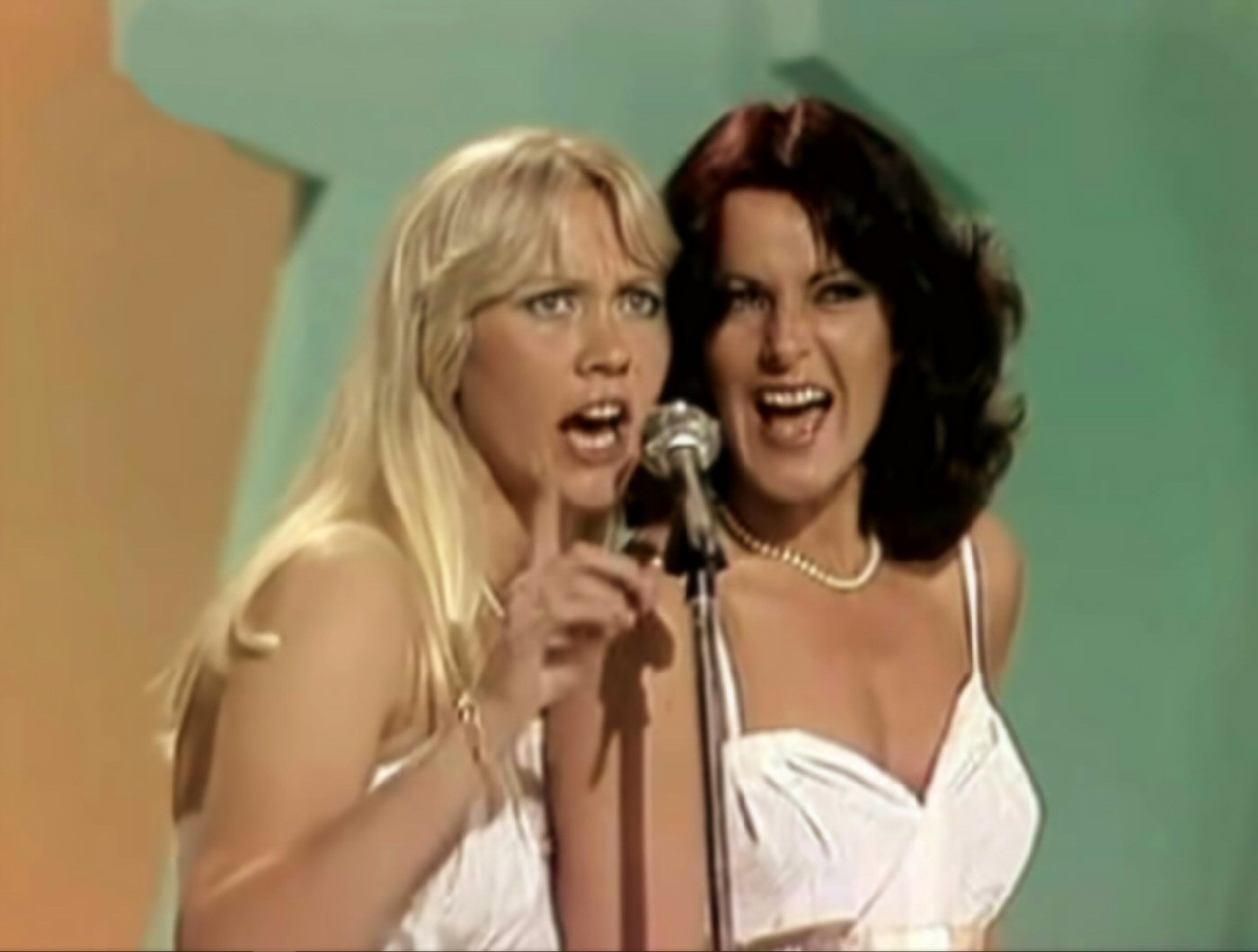
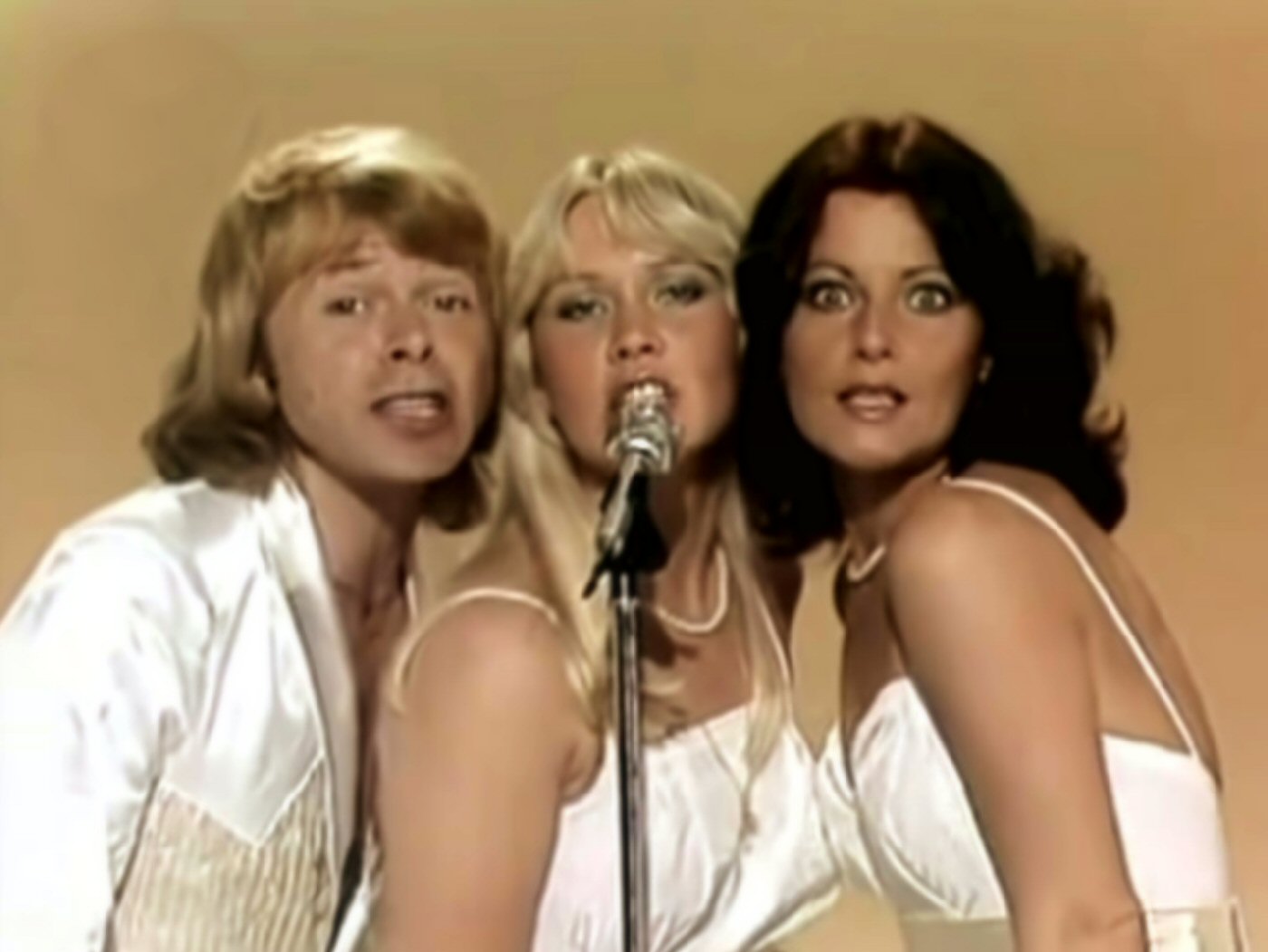
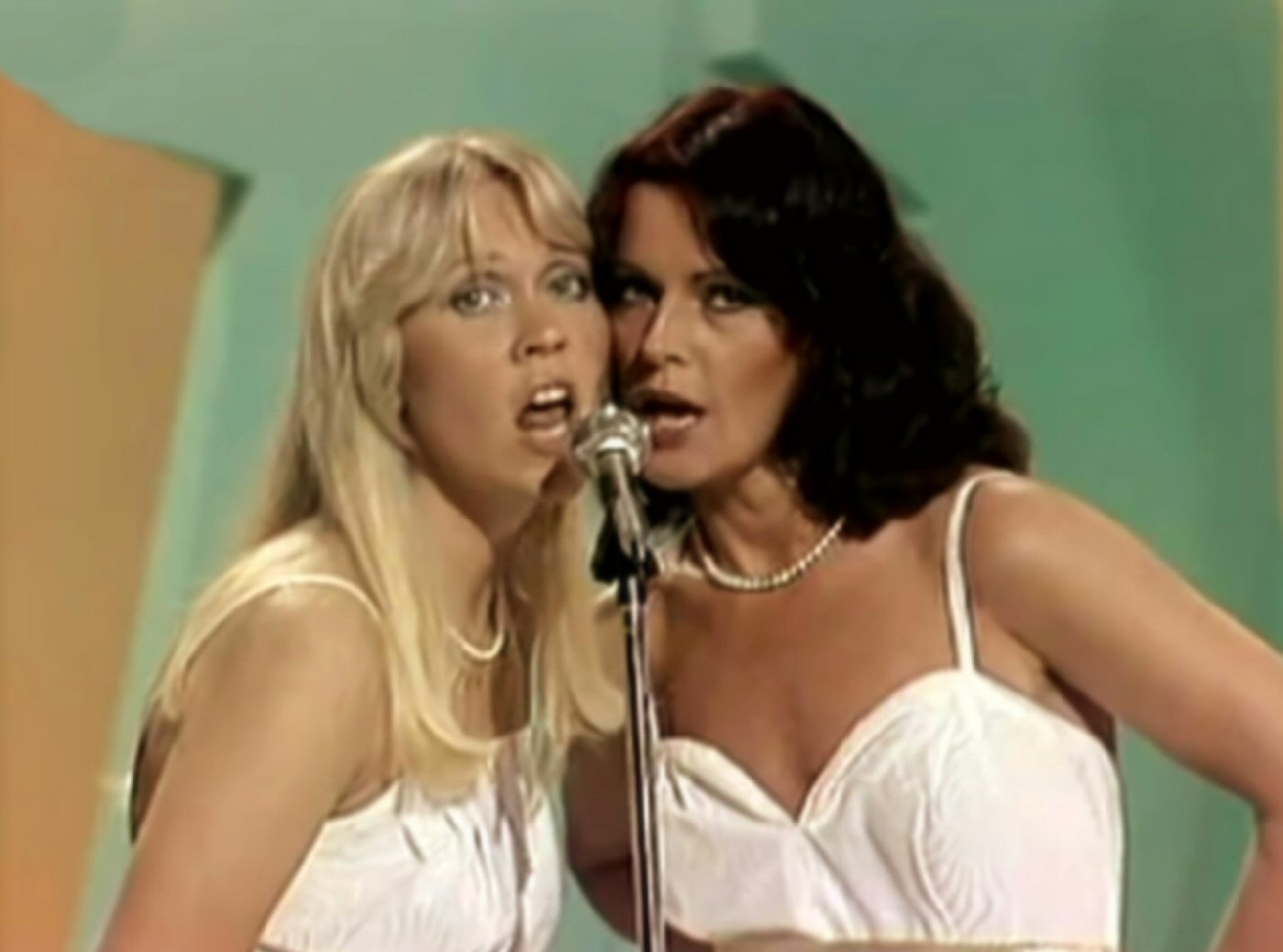
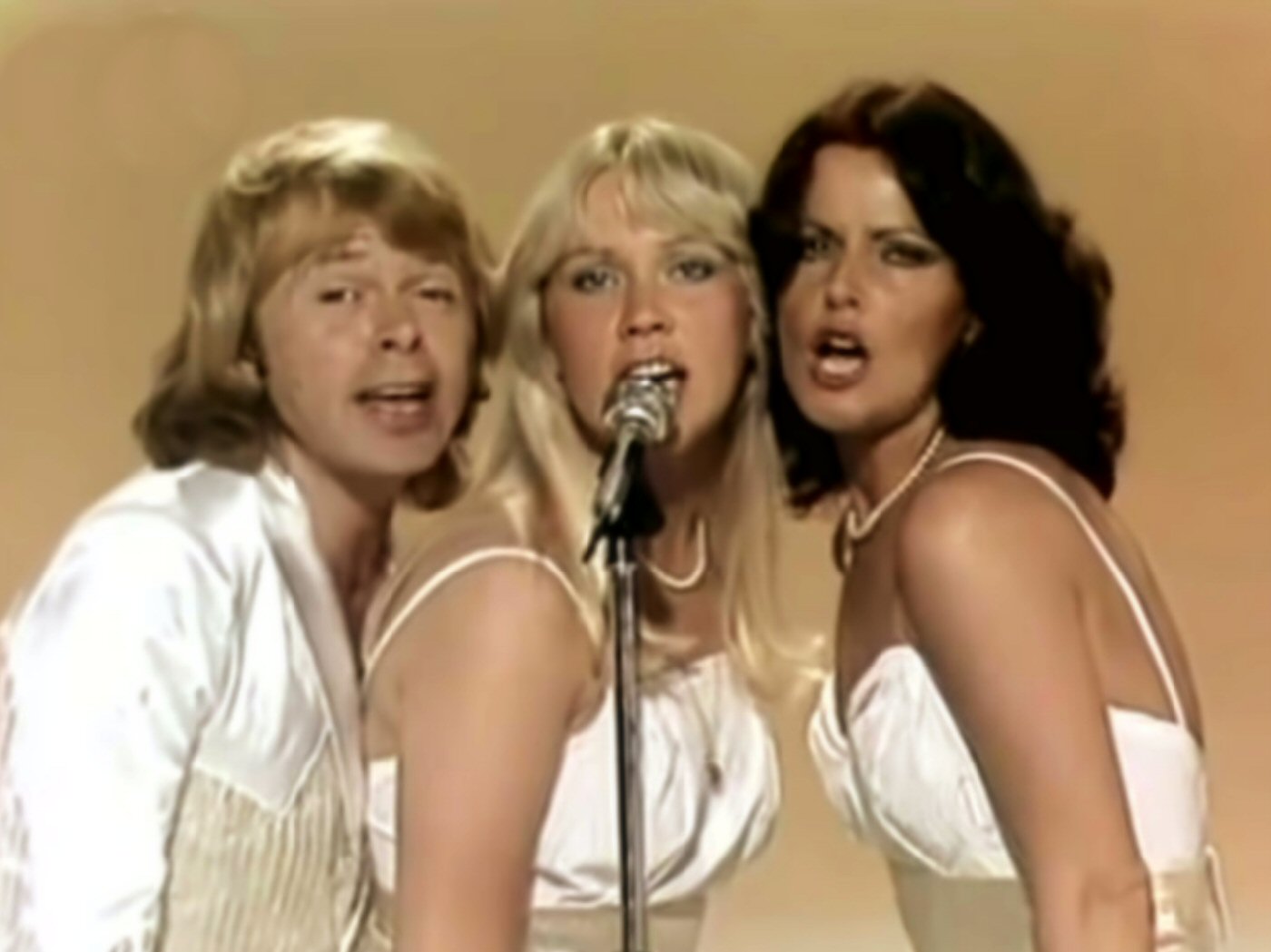
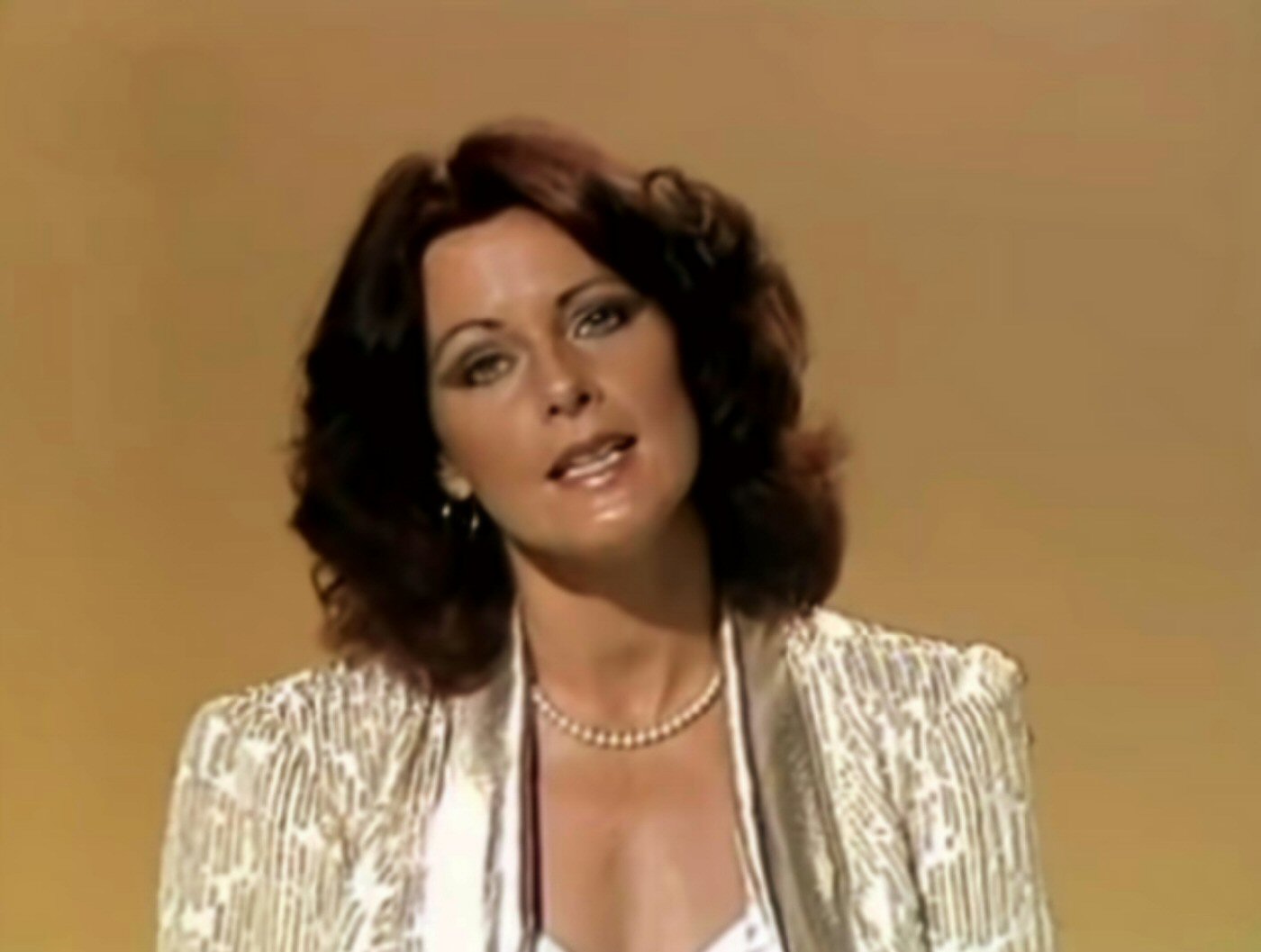
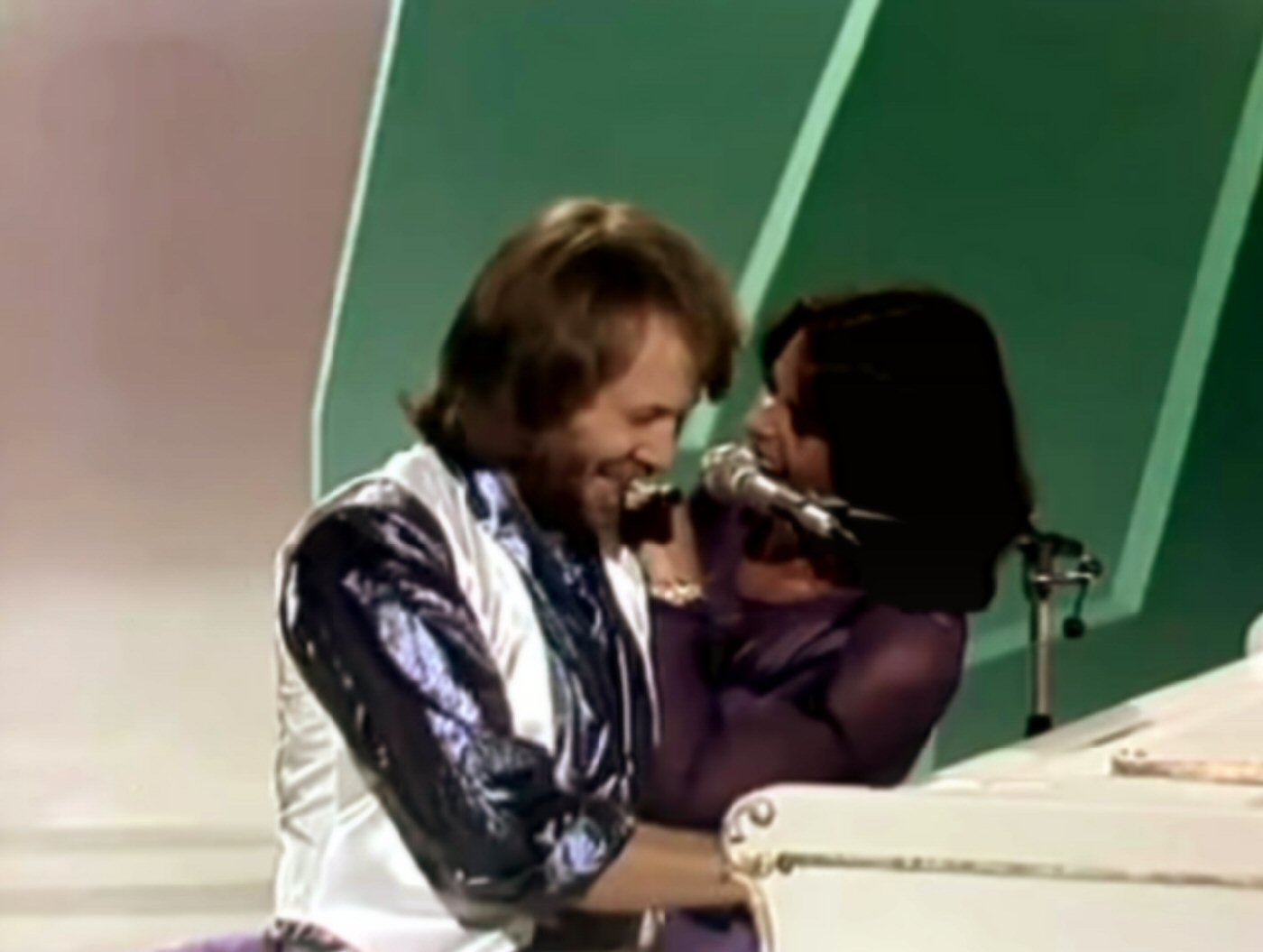
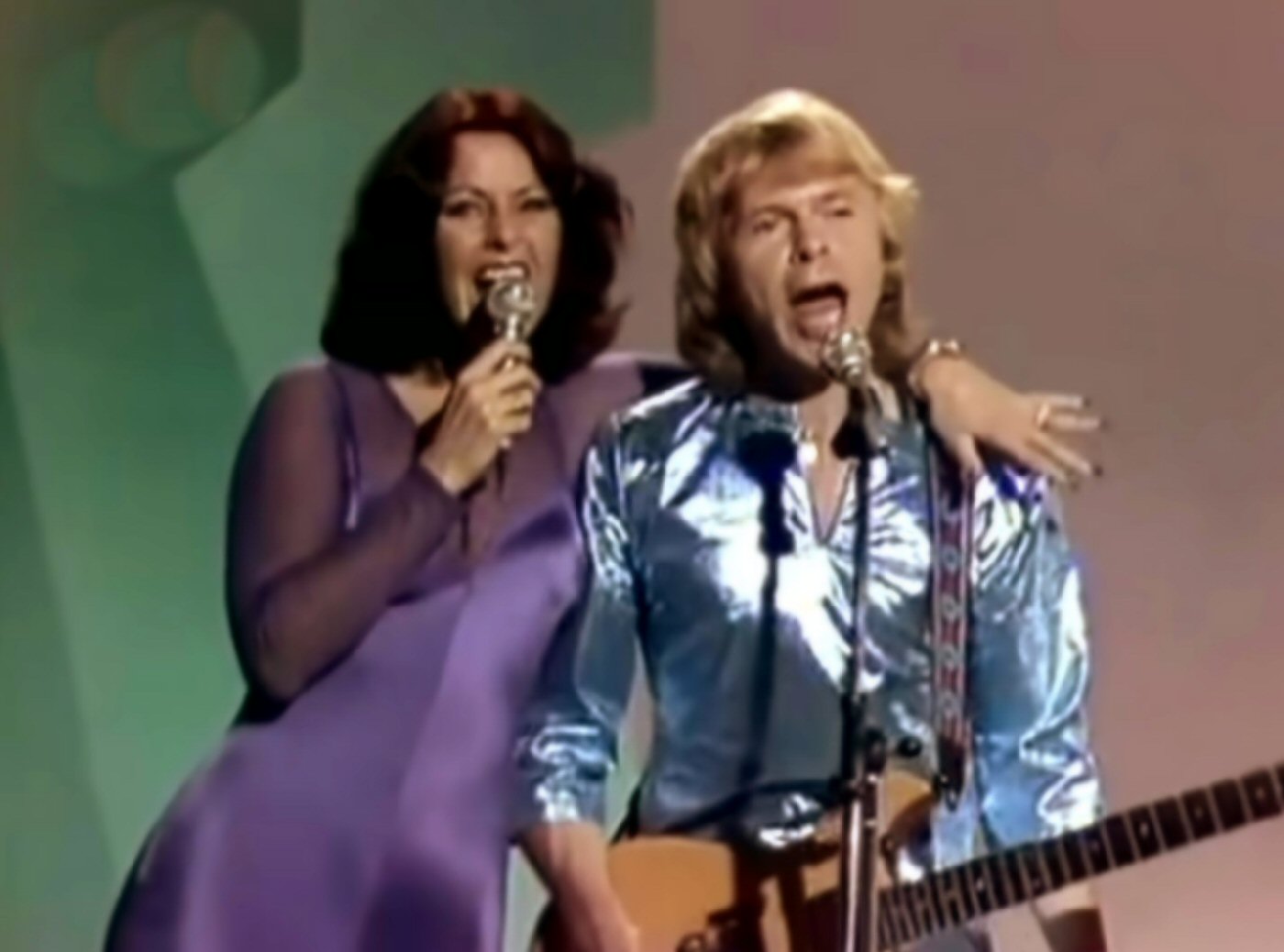
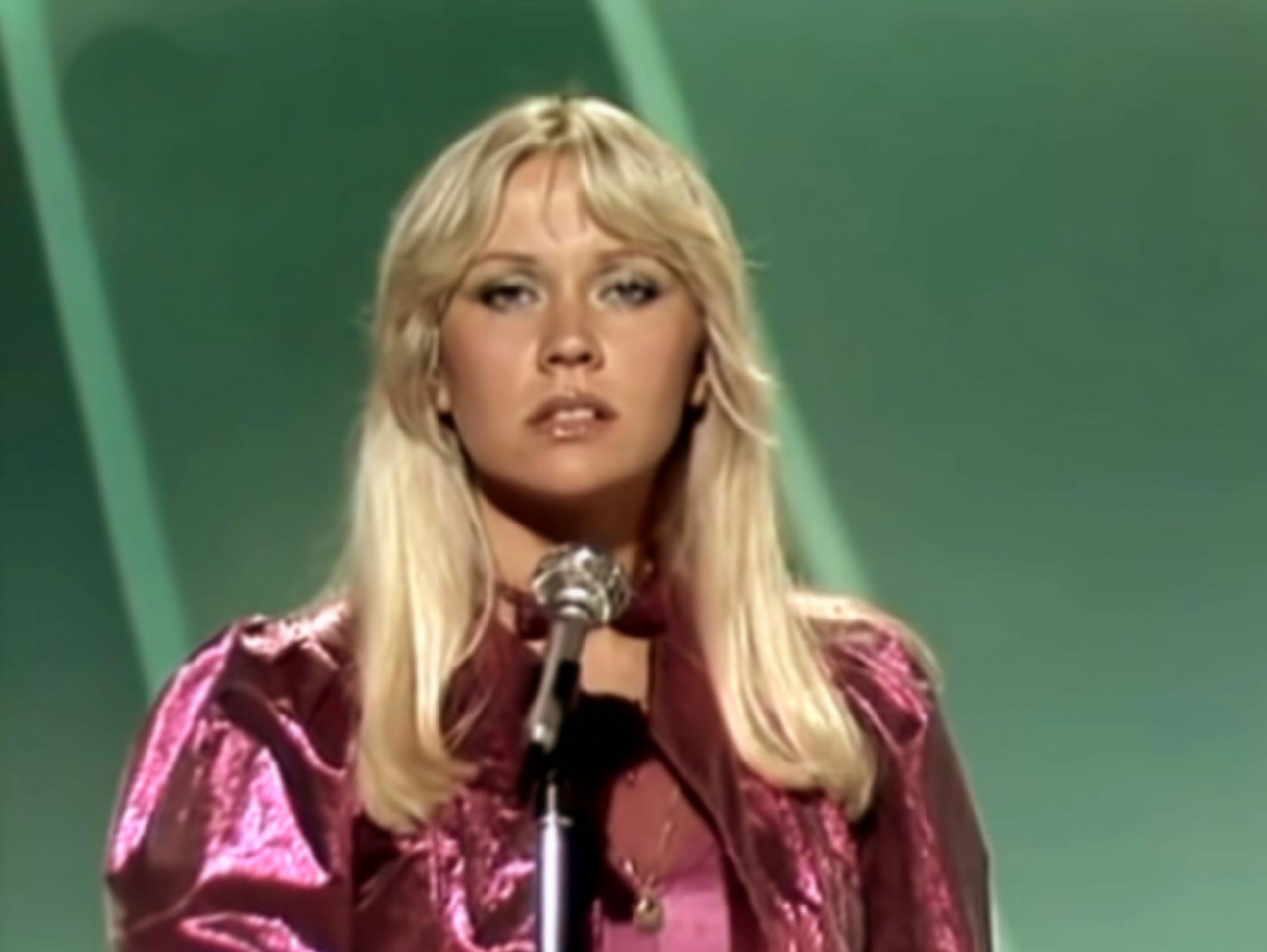
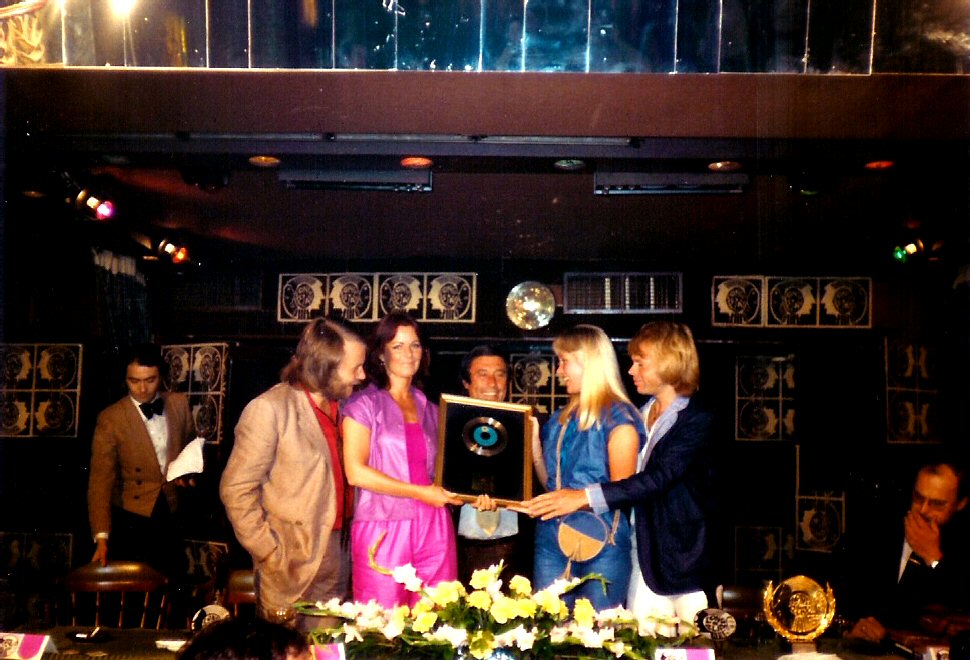
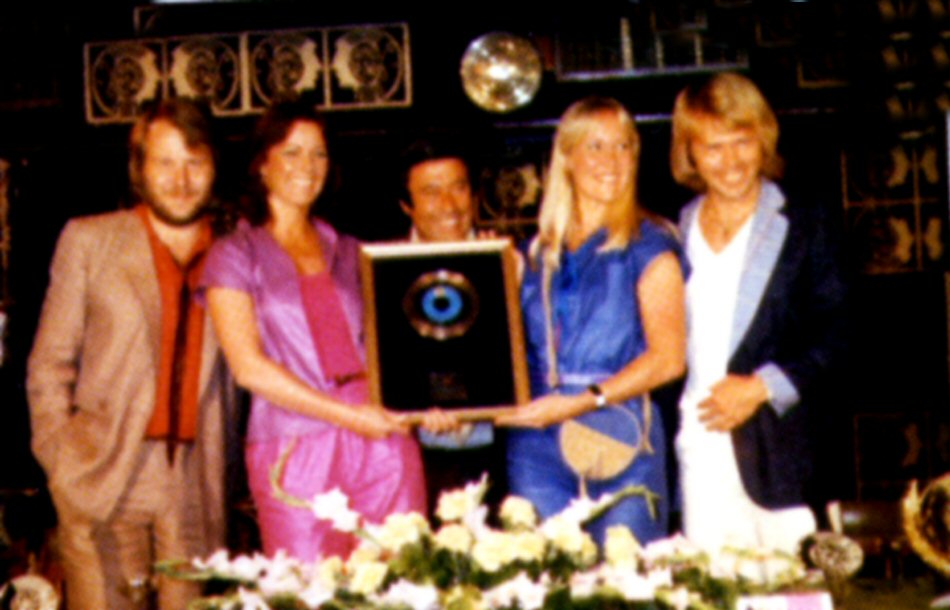
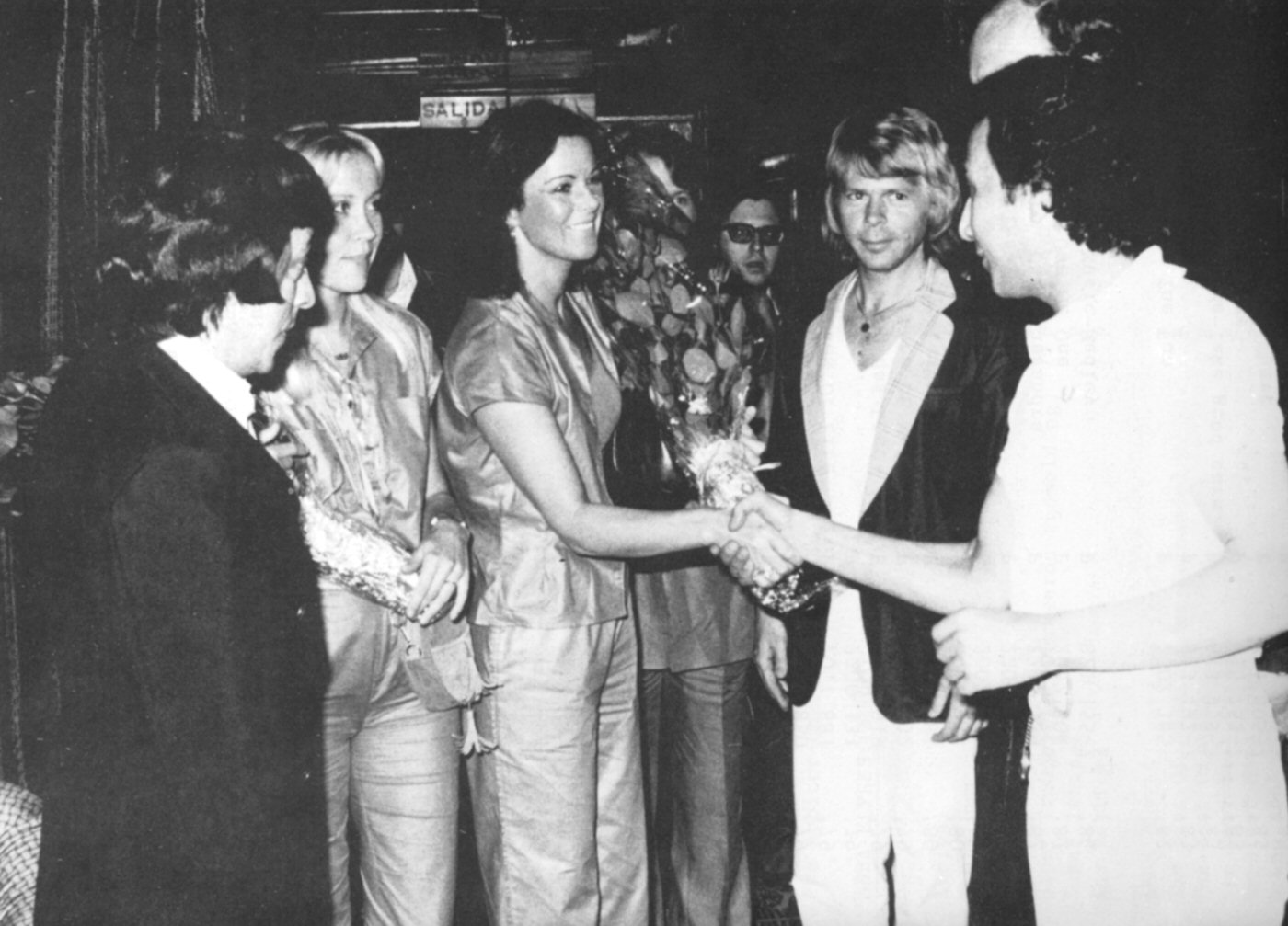
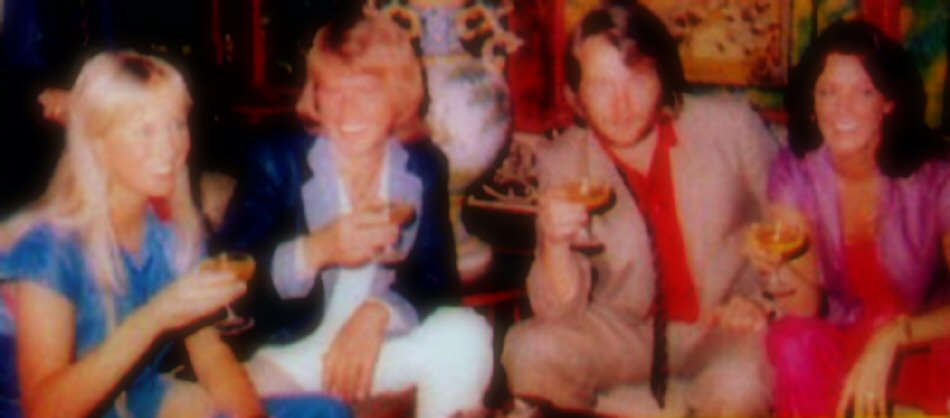
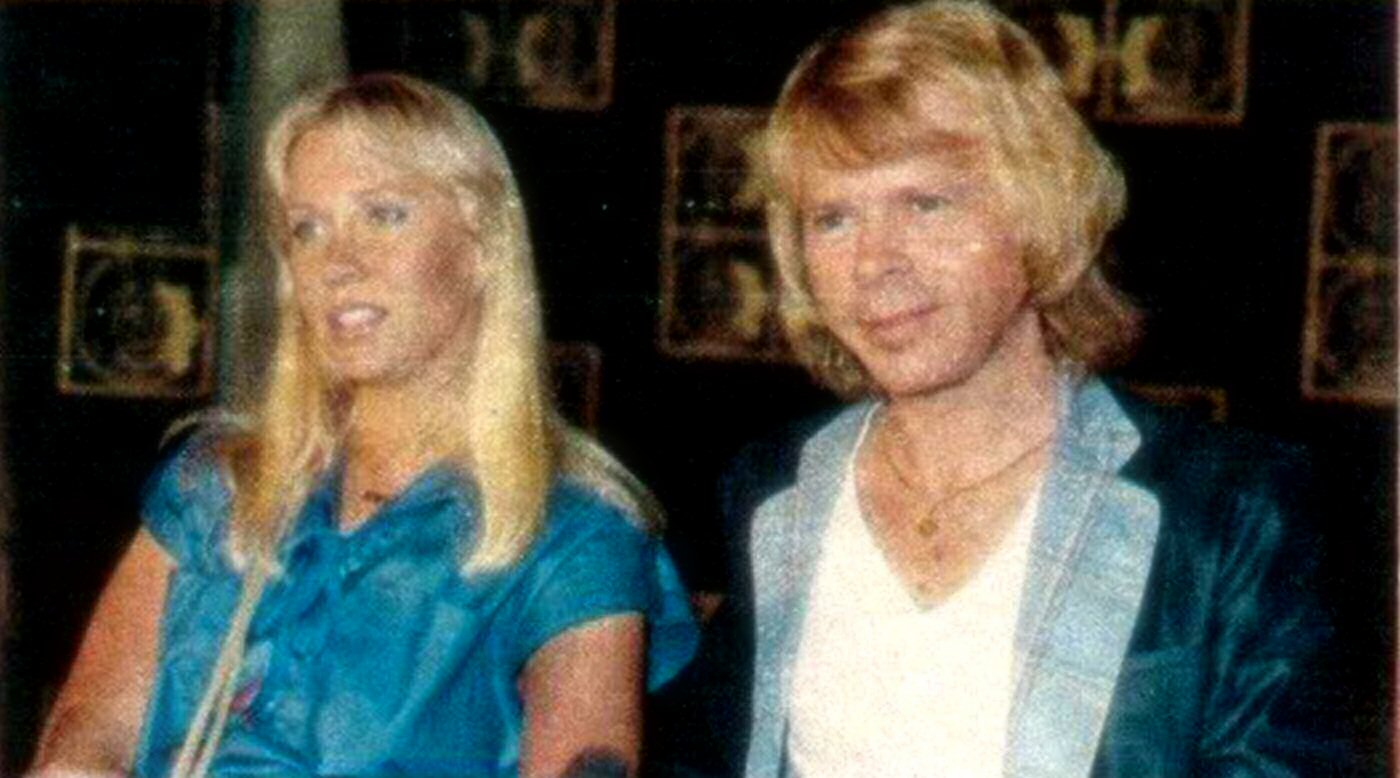
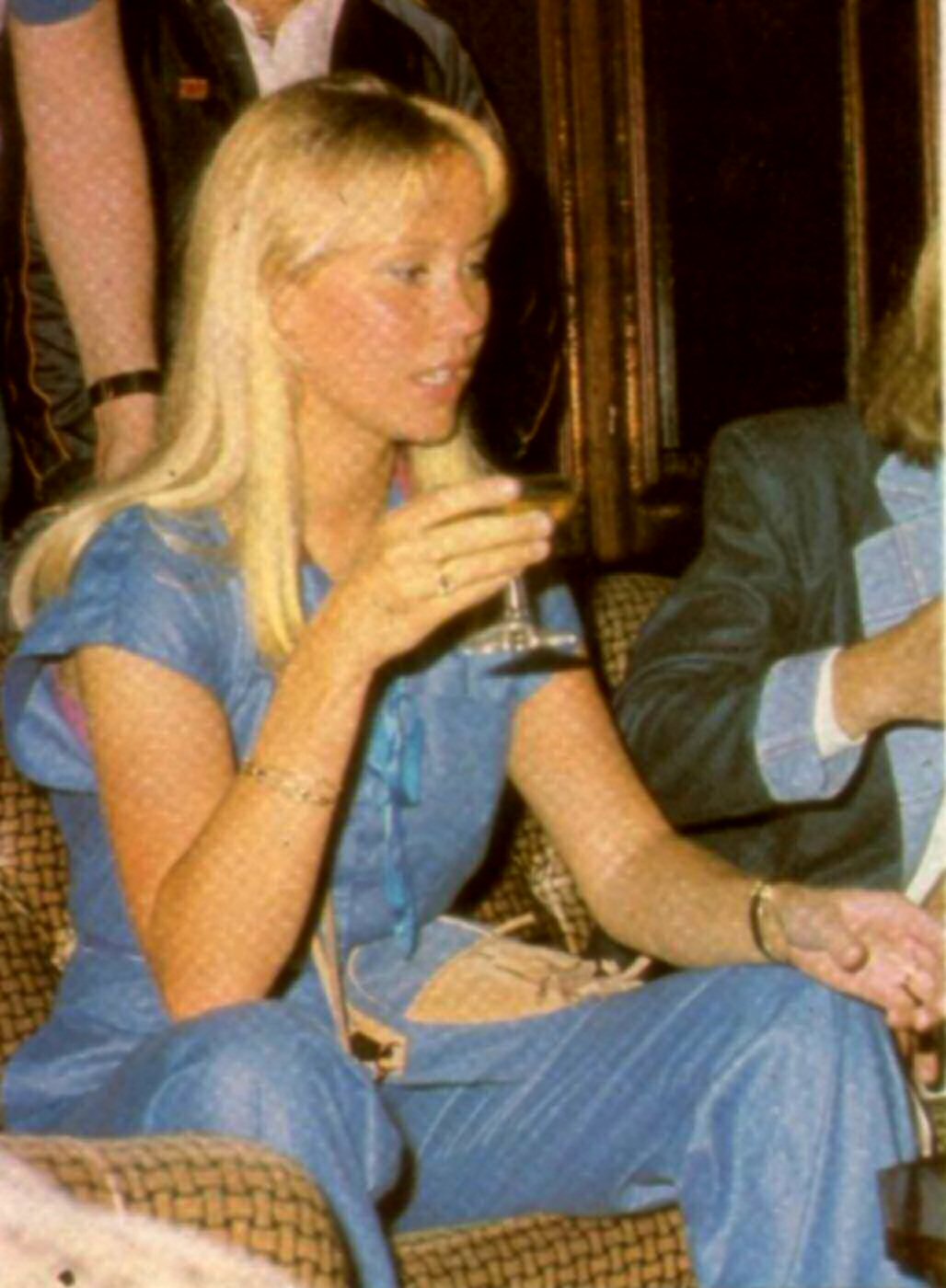
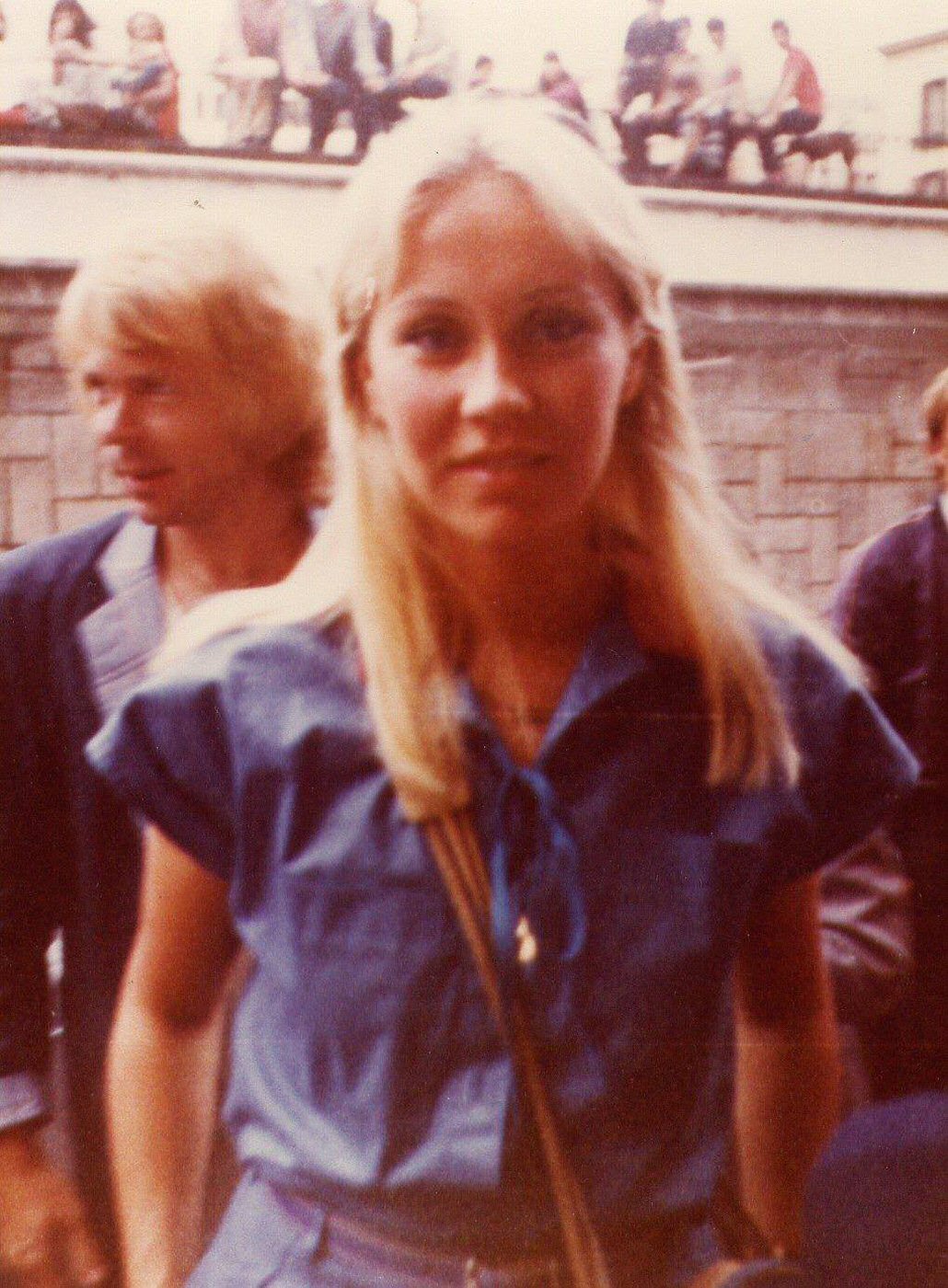
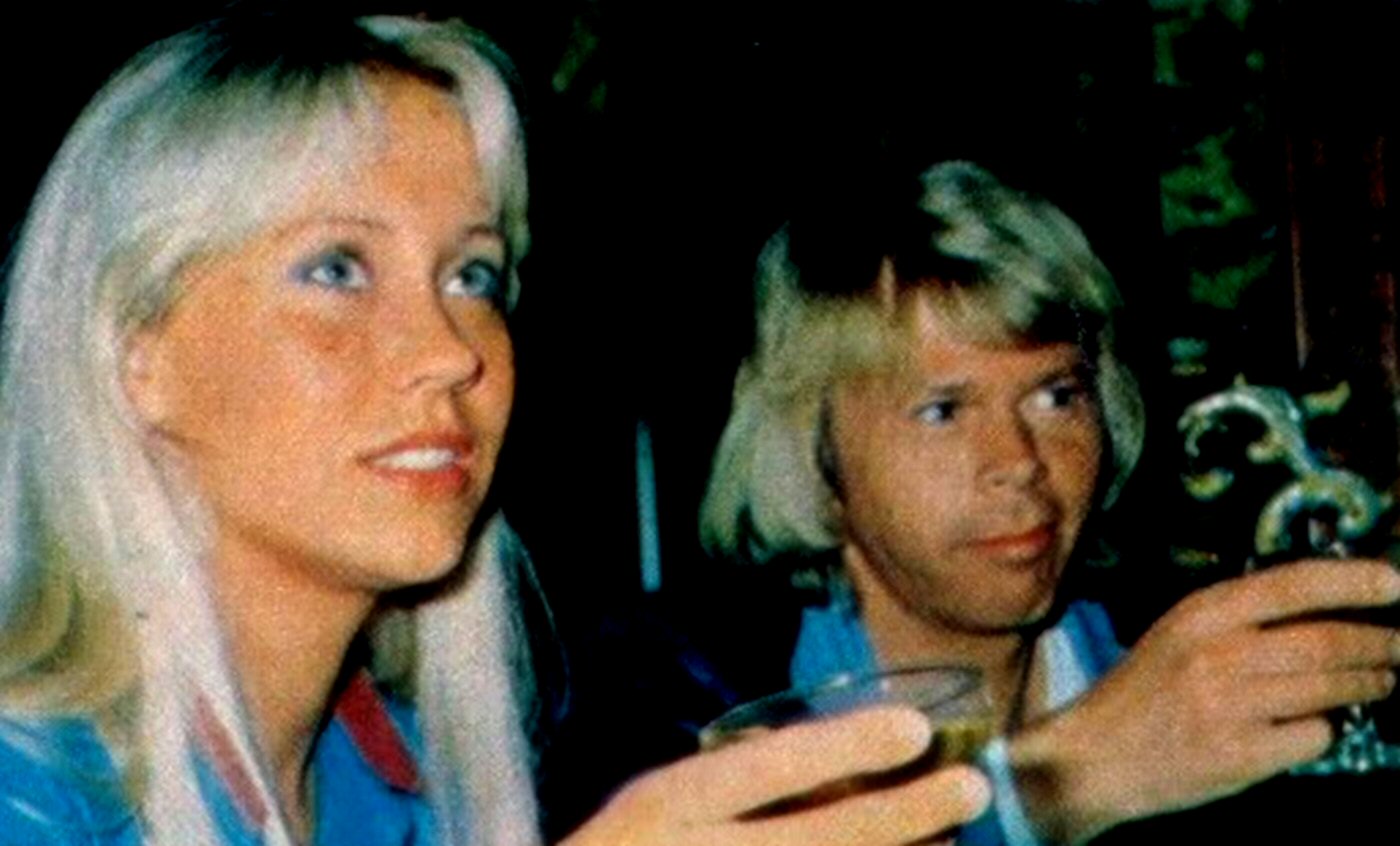
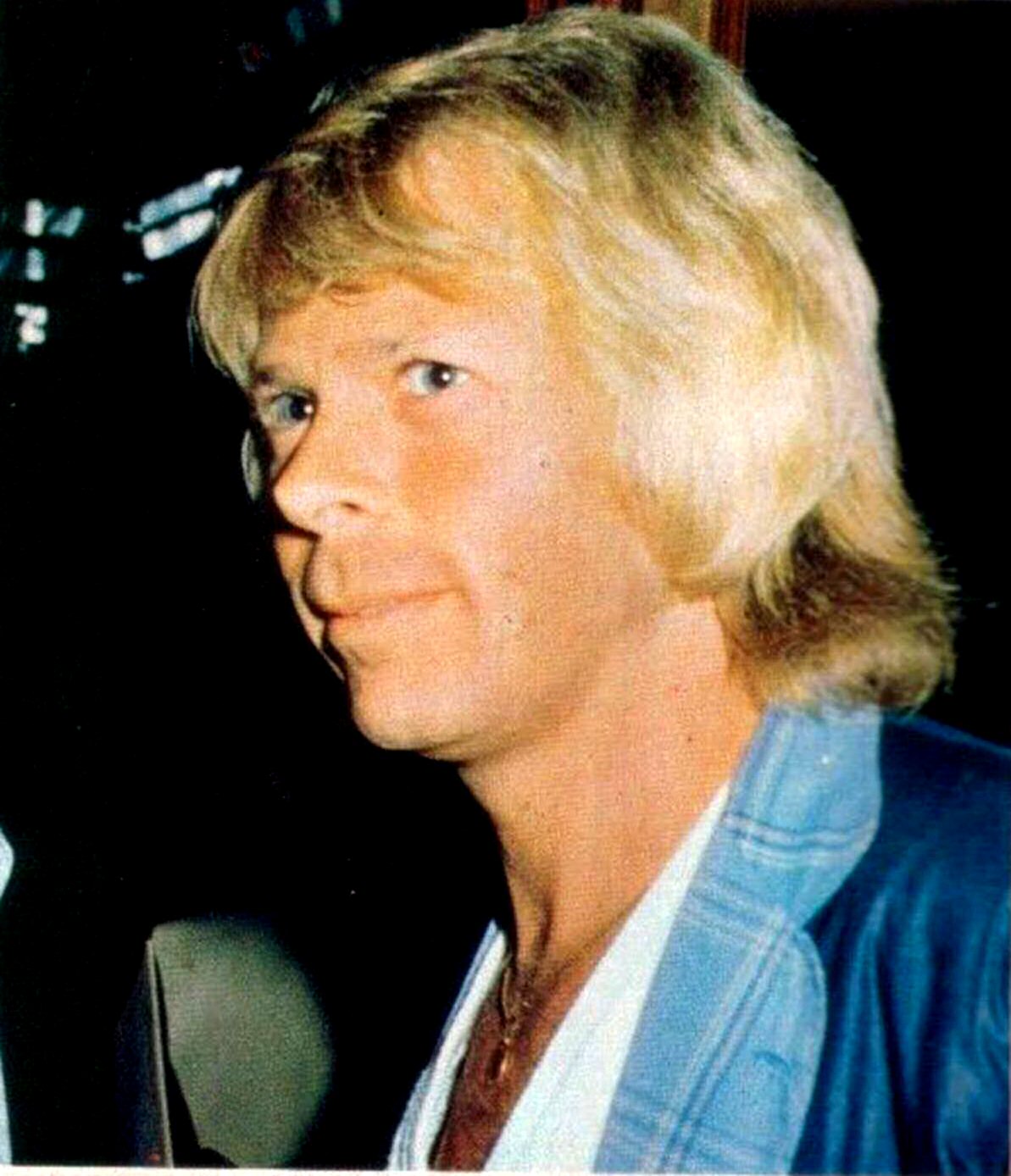
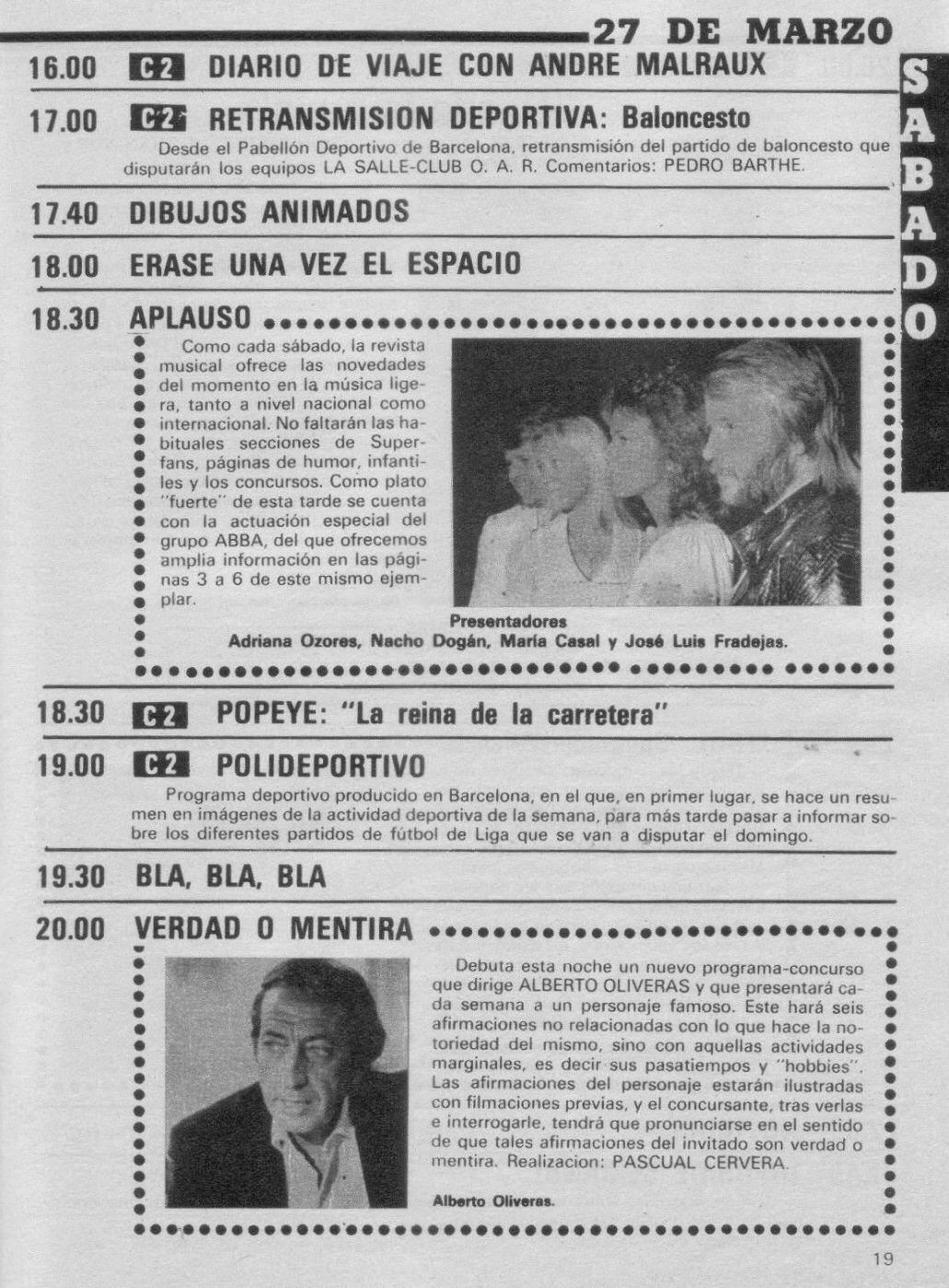
The group went to Madrid on 27 May 1979 and appeared in two TV shows: "300 millones" and "Aplauso". In "Applauso" they presented songs from their new album: "I Have a Dream", "Does Your Mother Know" (featuring Frida in absolutely top form), "Voulez-Vous" and "Chiquitita" - of course in Spanish. The second TV show recorded during their two-day stay in the capital of Spain was "Aplauso" where they sang "Does Your Mother Know", "Voulez-Vous" and the Spanish version of "Chiquitita". During the show they received a gold disc for sales of "Chiquitita".
|
|
|
|
|
|
 |
 |
 |
 |
 |
 |
 |
 |
 |
 |
 |
 |
 |
 |
 |
 |
 |
 |
 |
 |
 |
 |
 |
 |
 |
 |
 |
 |
 |
 |
 |
 |
 |
 |
 |
 |
 |
 |
 |
 |
 |
 |
 |
 |
 |
 |
 |
 |
 |
 |
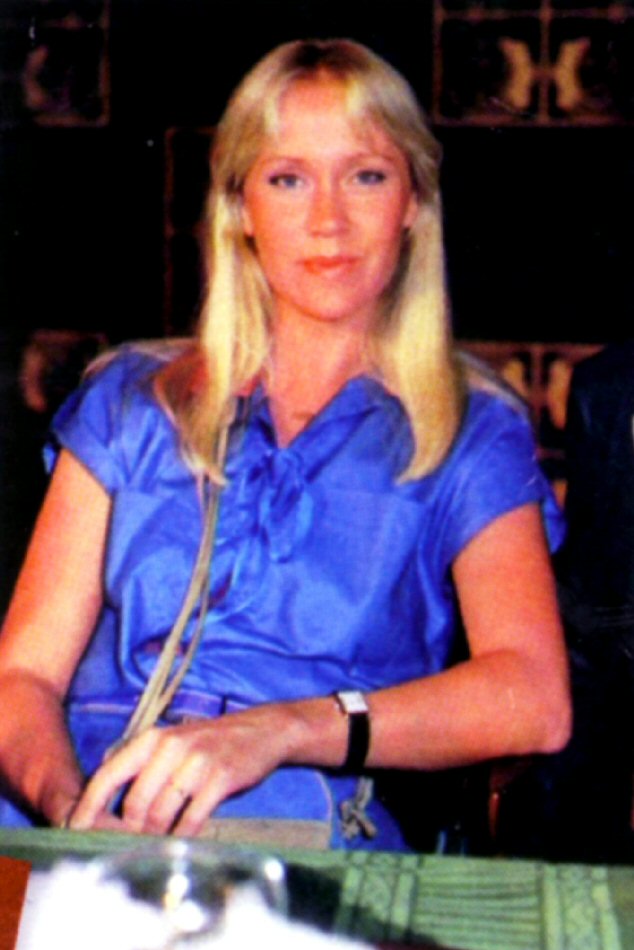
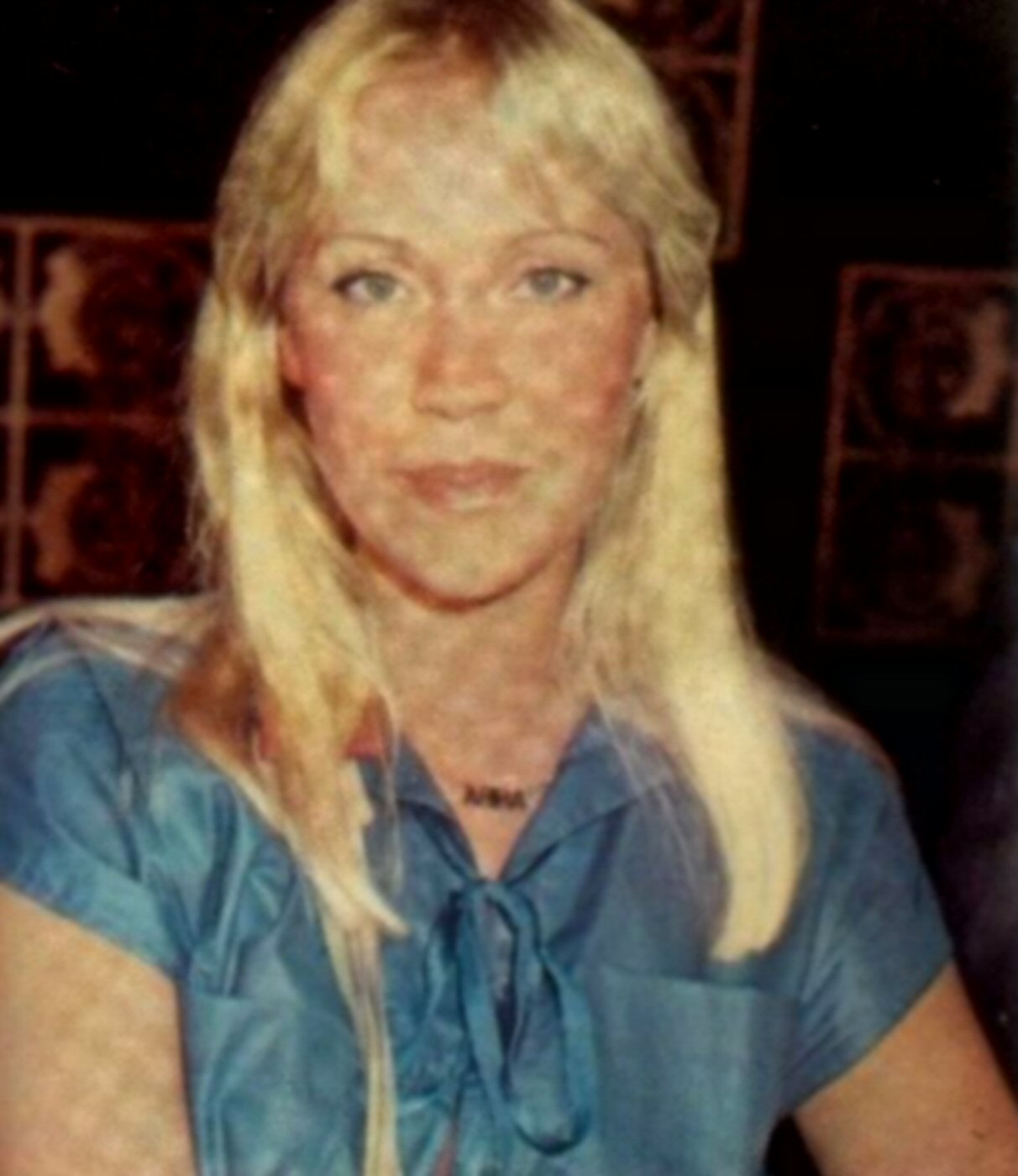
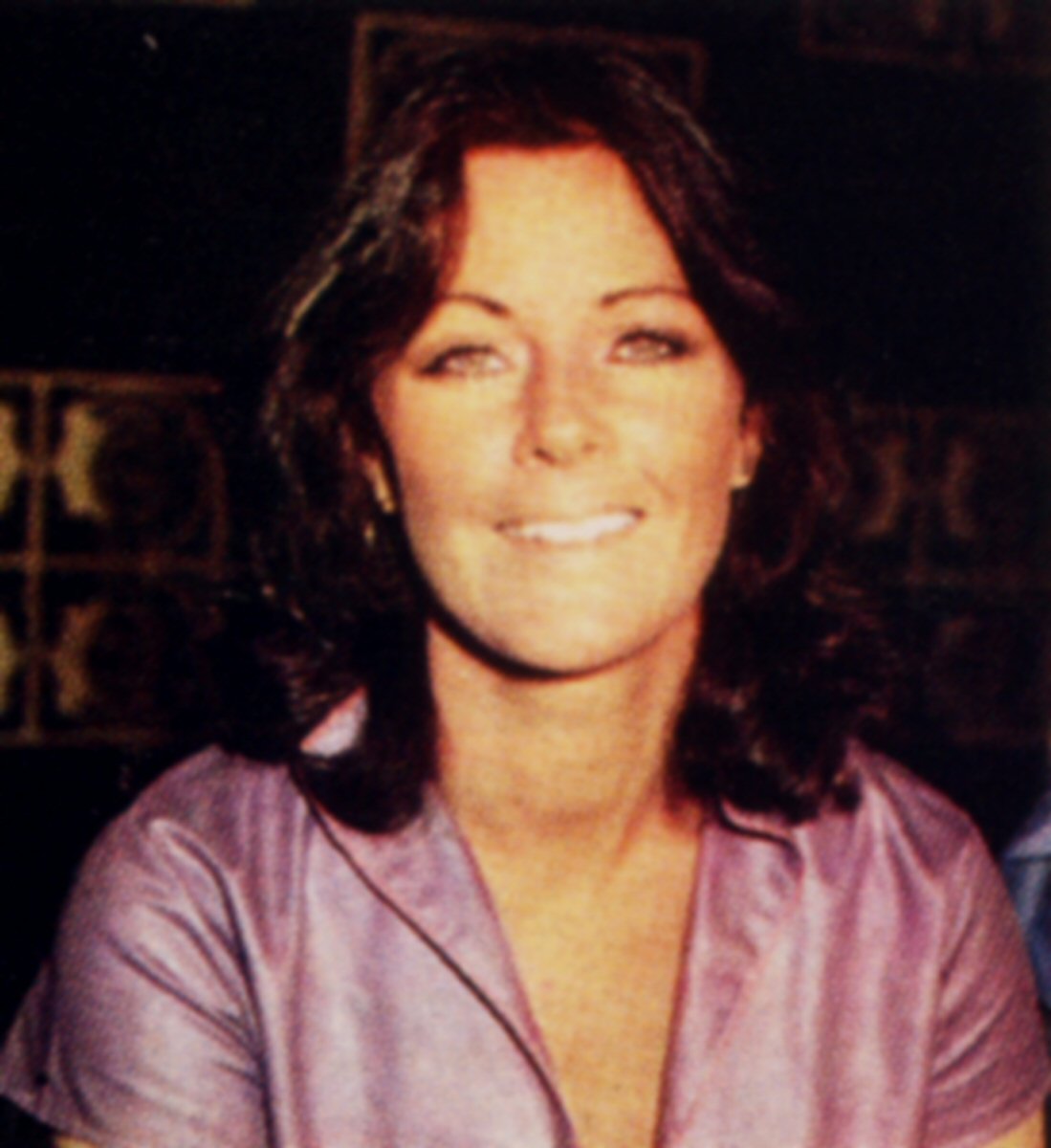
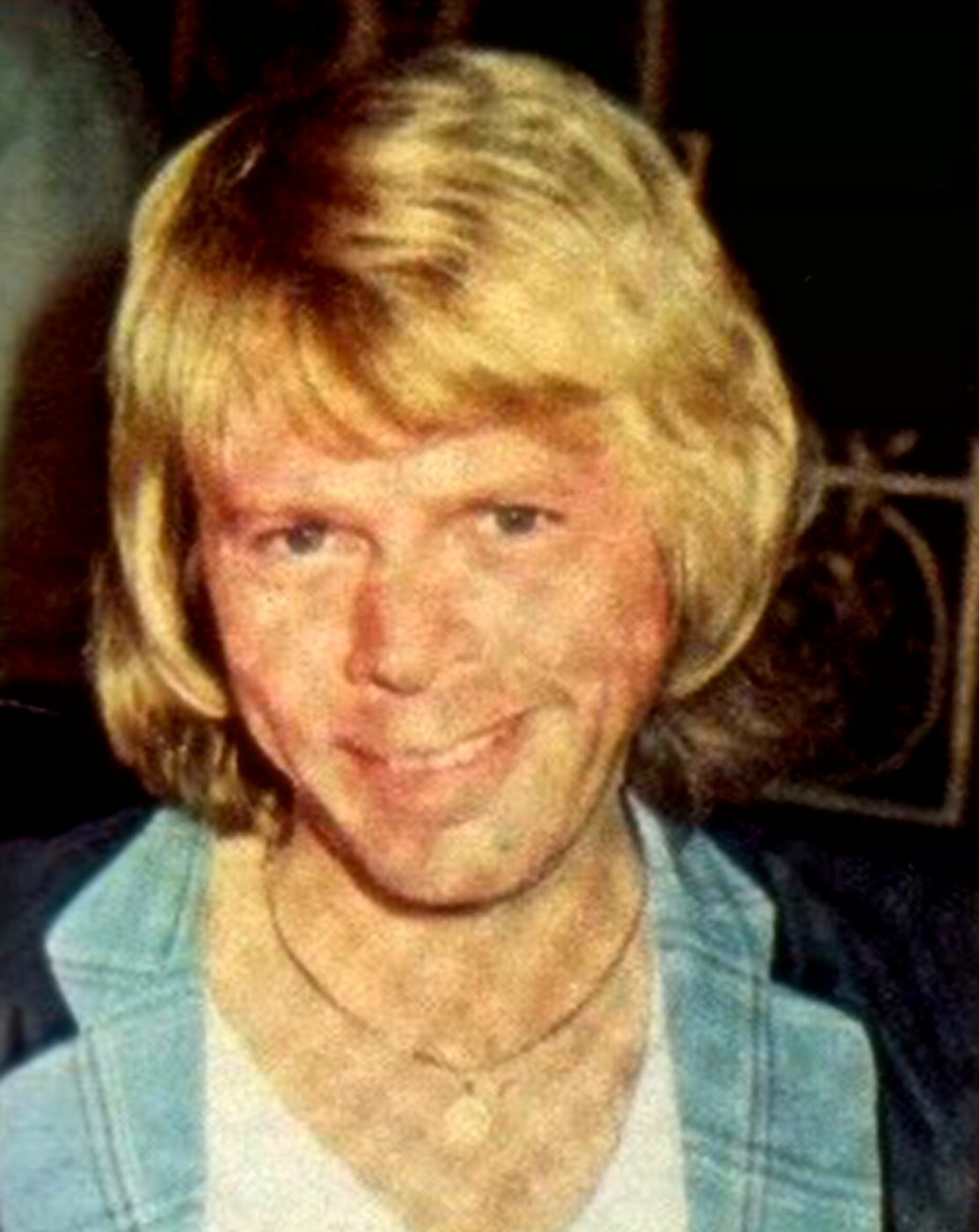
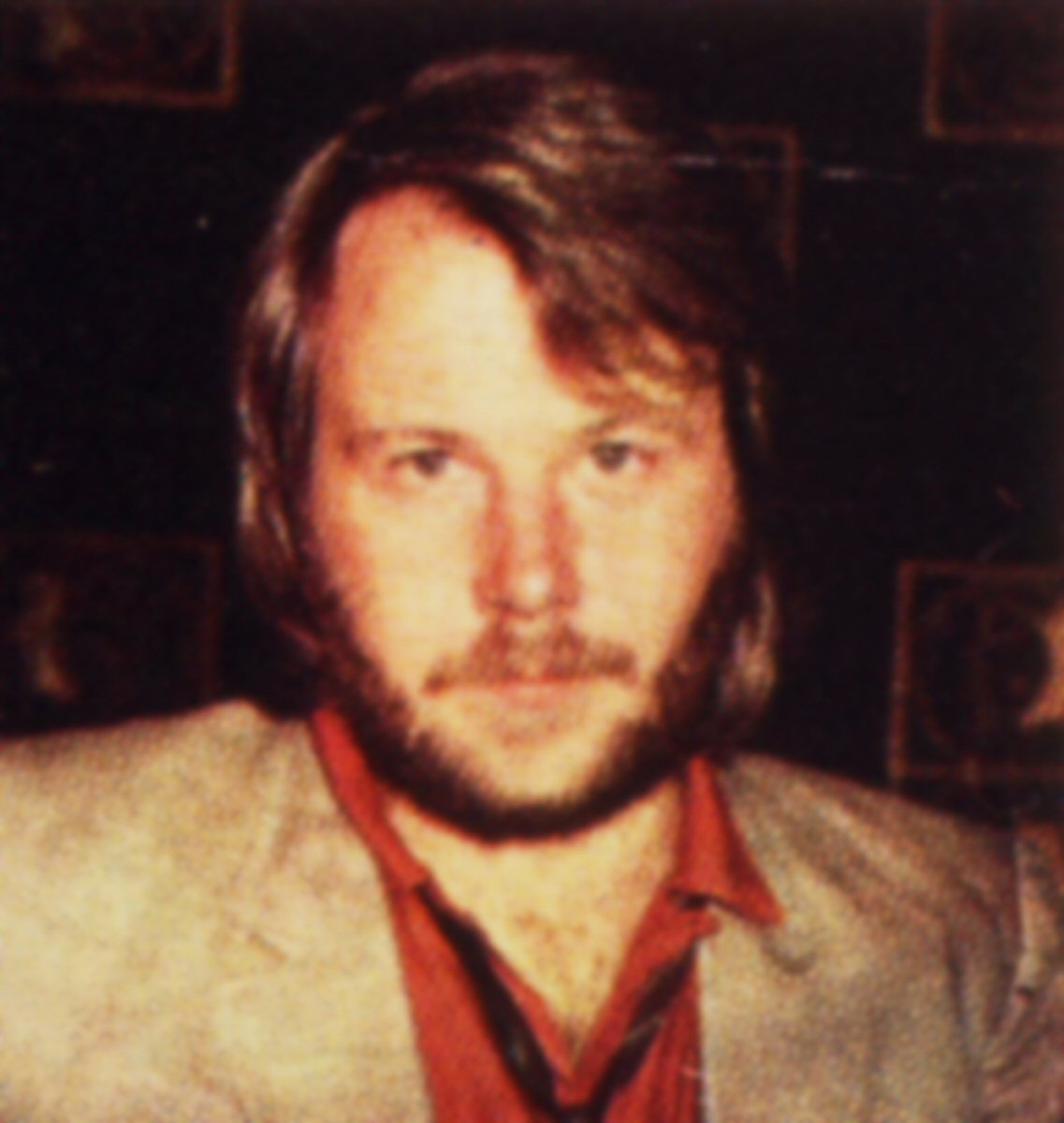
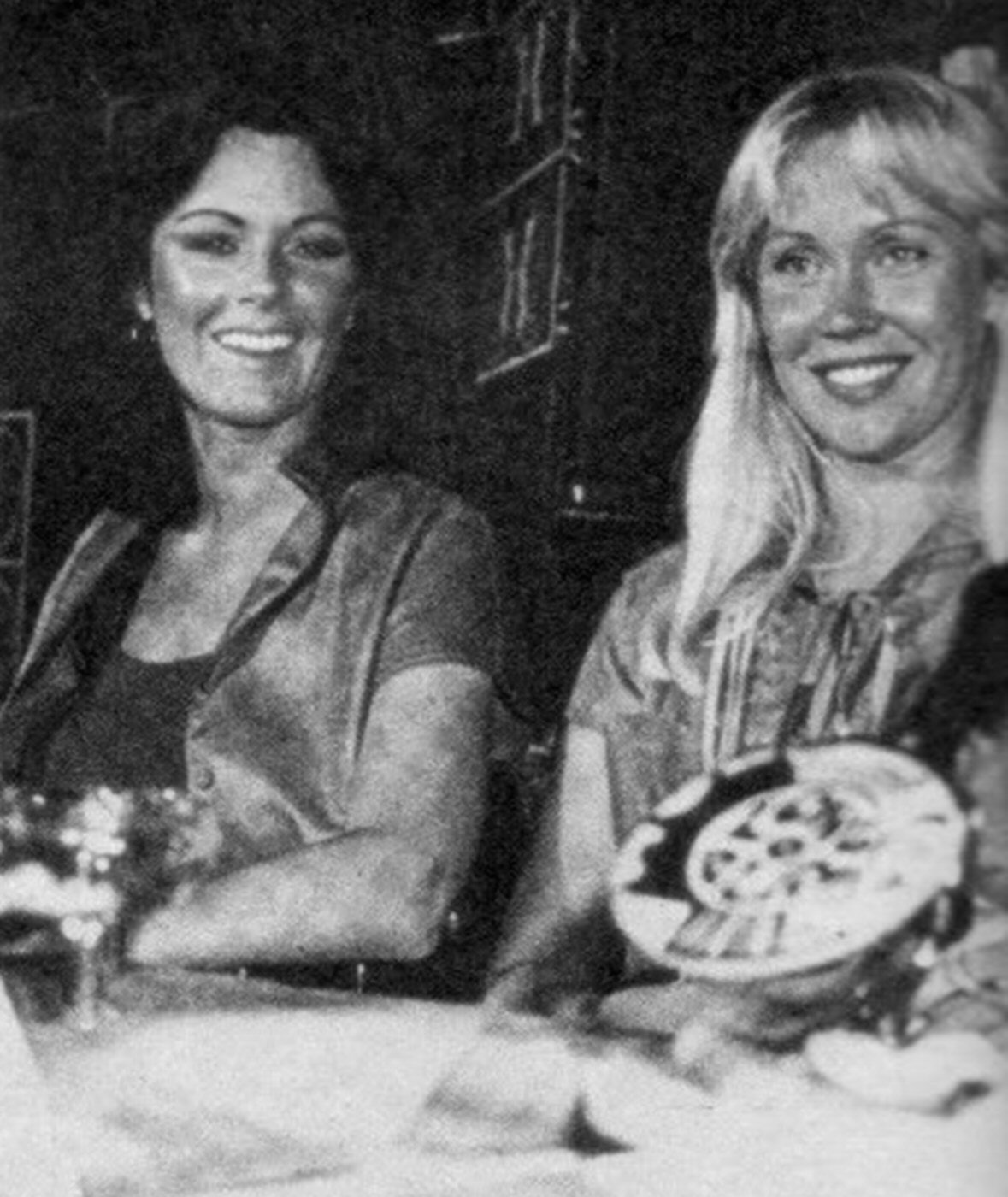
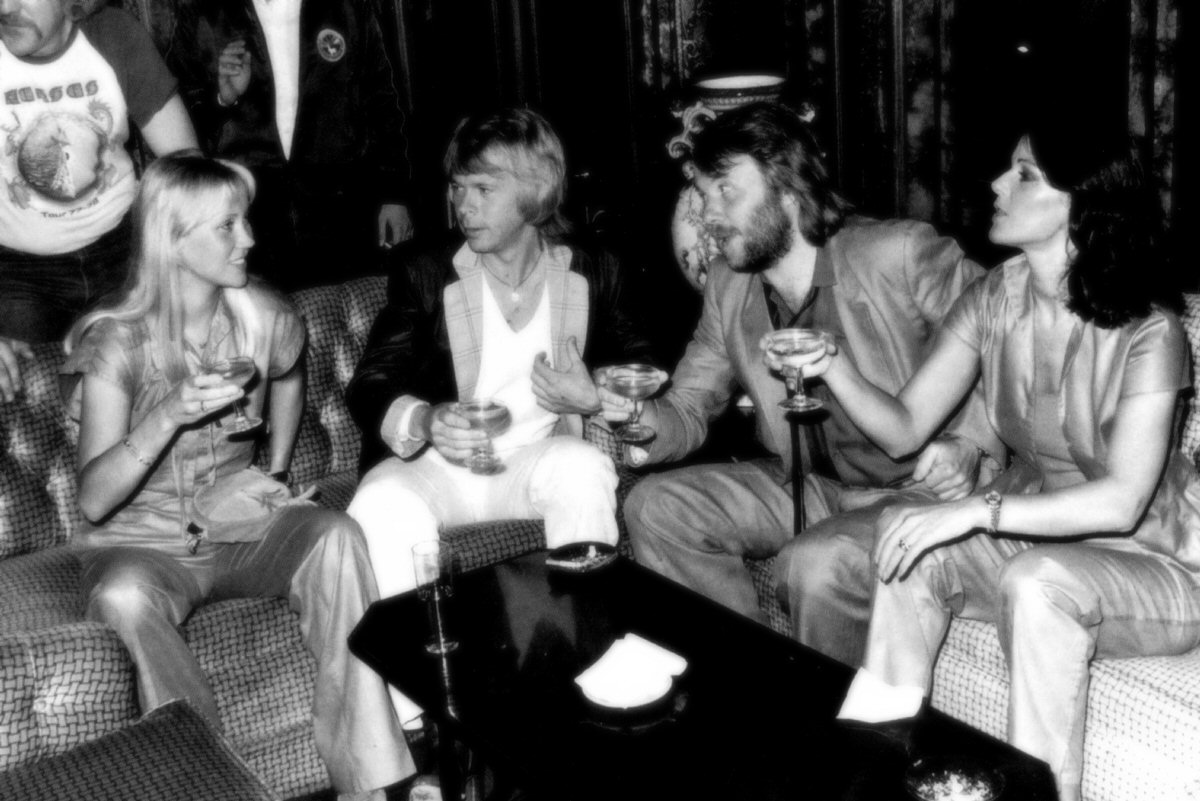
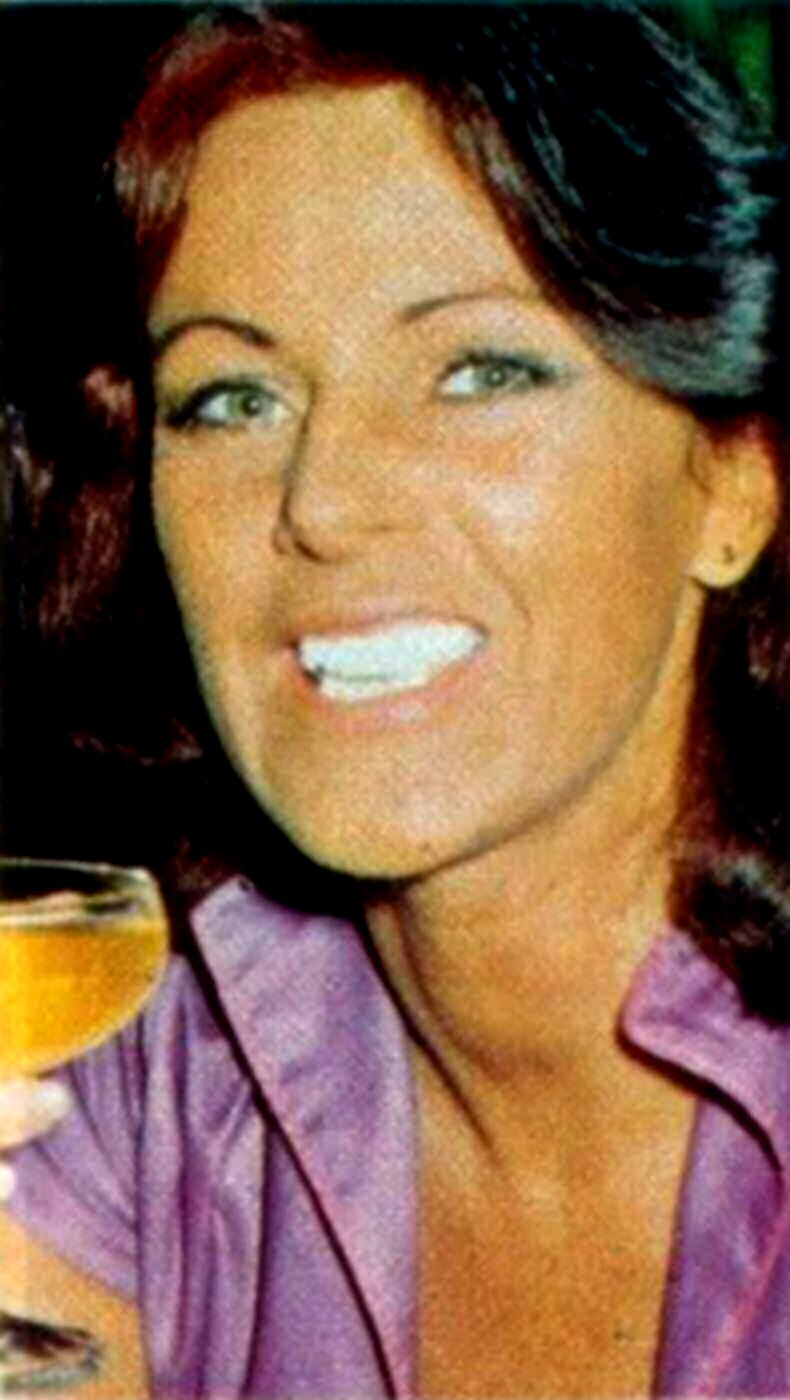
Meeting with the press
 |
 |
 |
 |
 |
 |
 |
 |
 |
 |
 |
 |
 |
 |
 |
 |
 |
 |
 |
 |
 |
 |
 |
 |
Estoy Soñando - the single
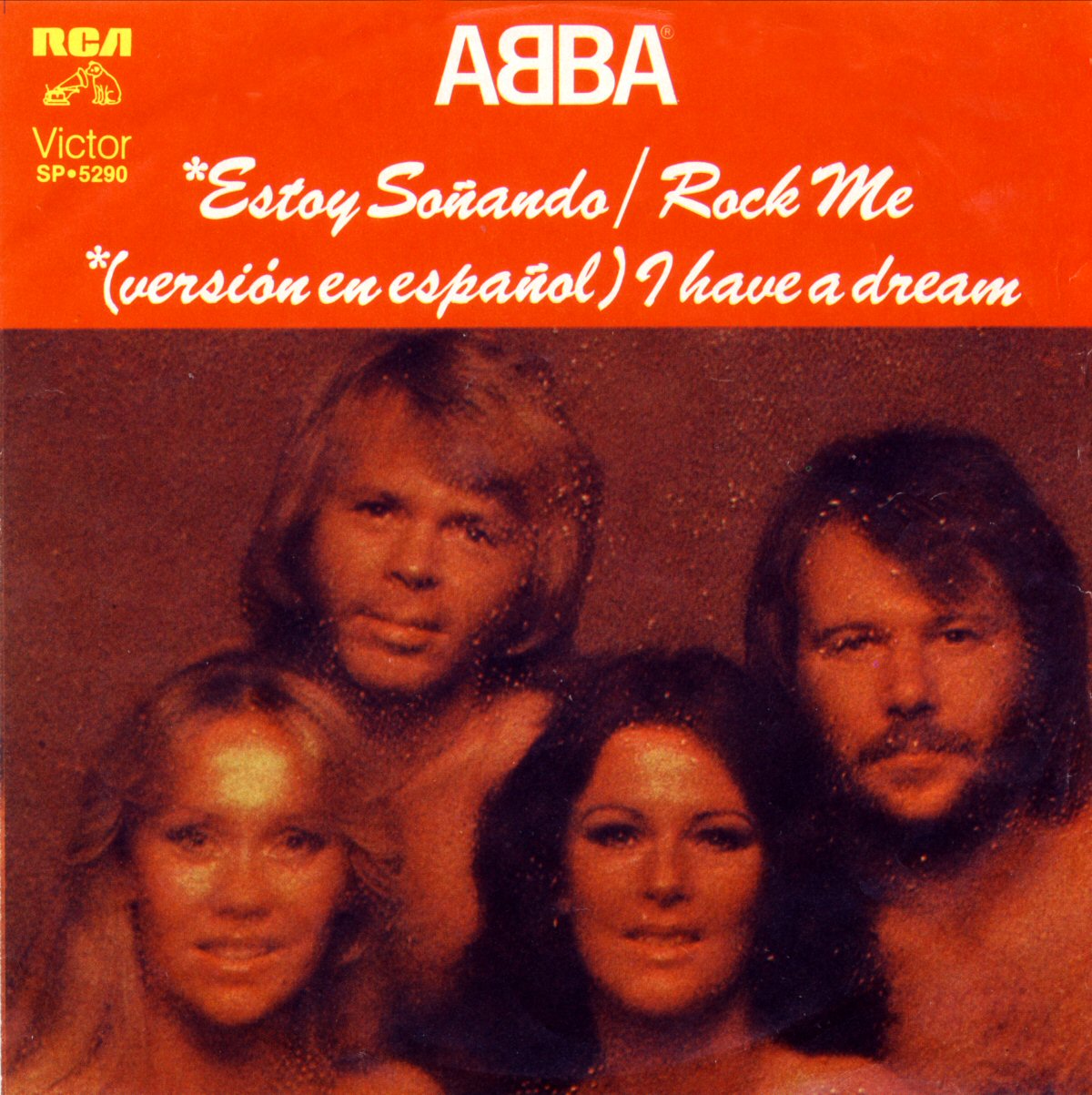
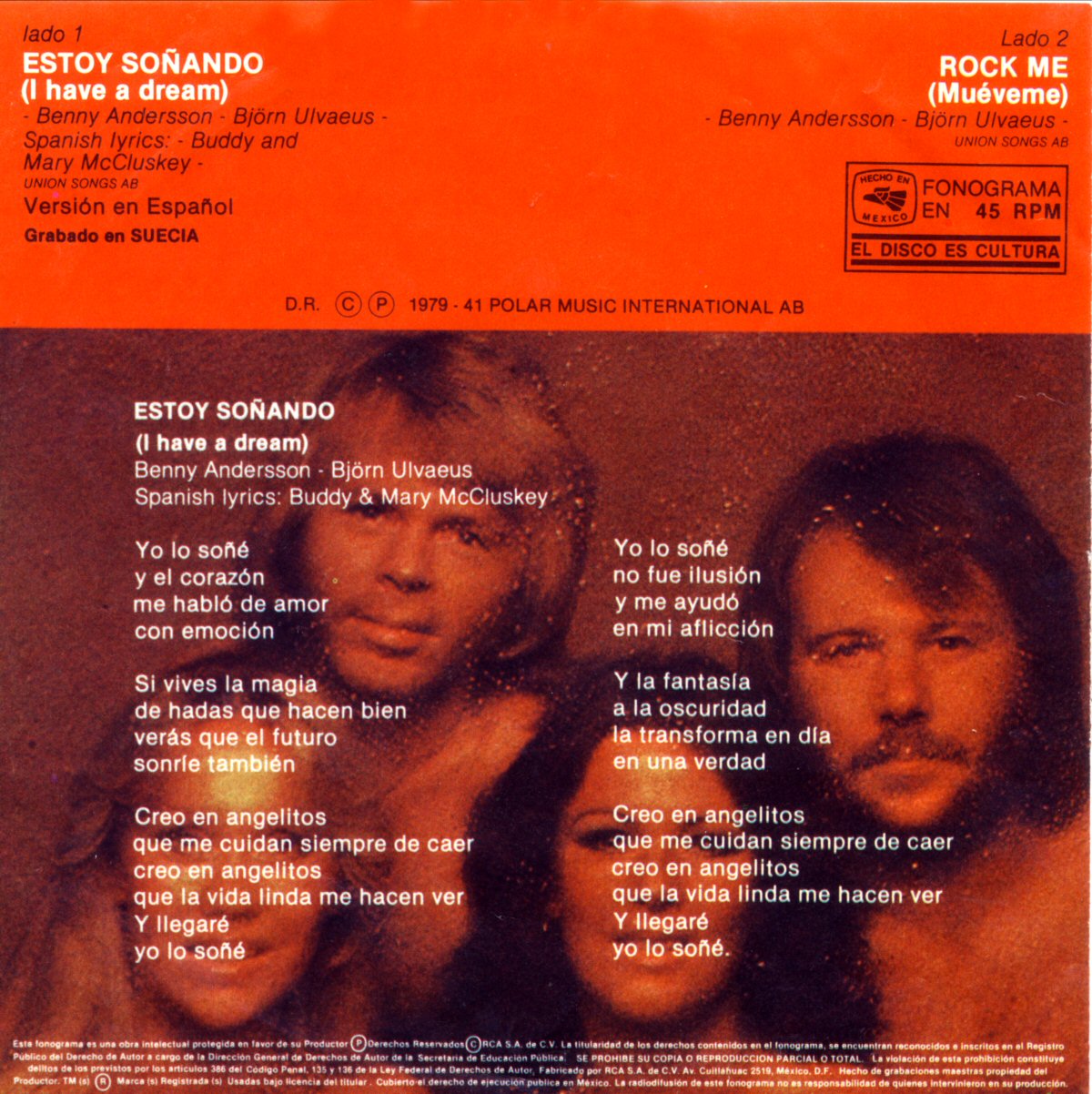
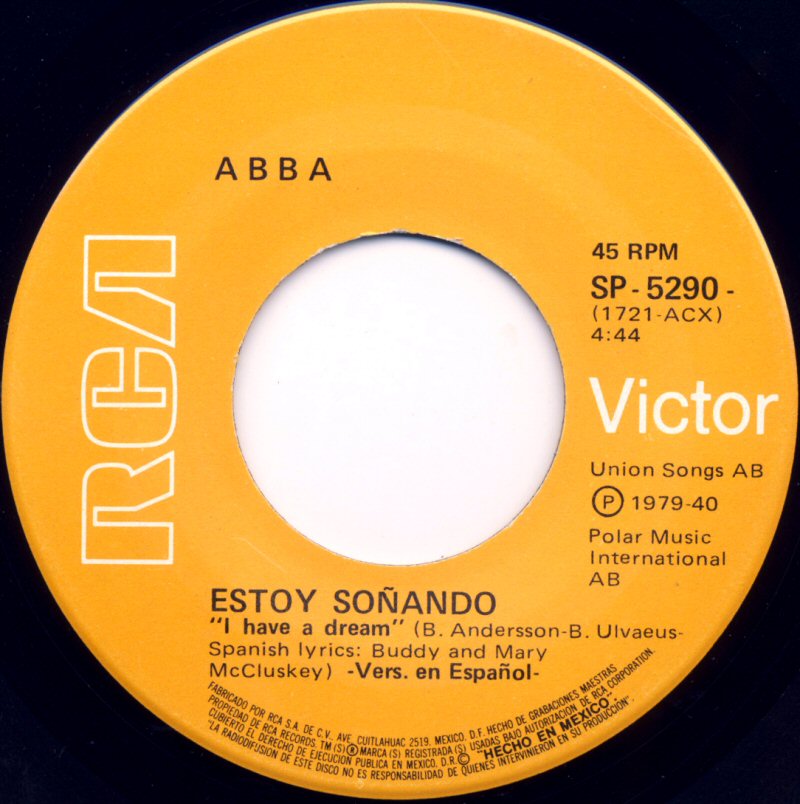
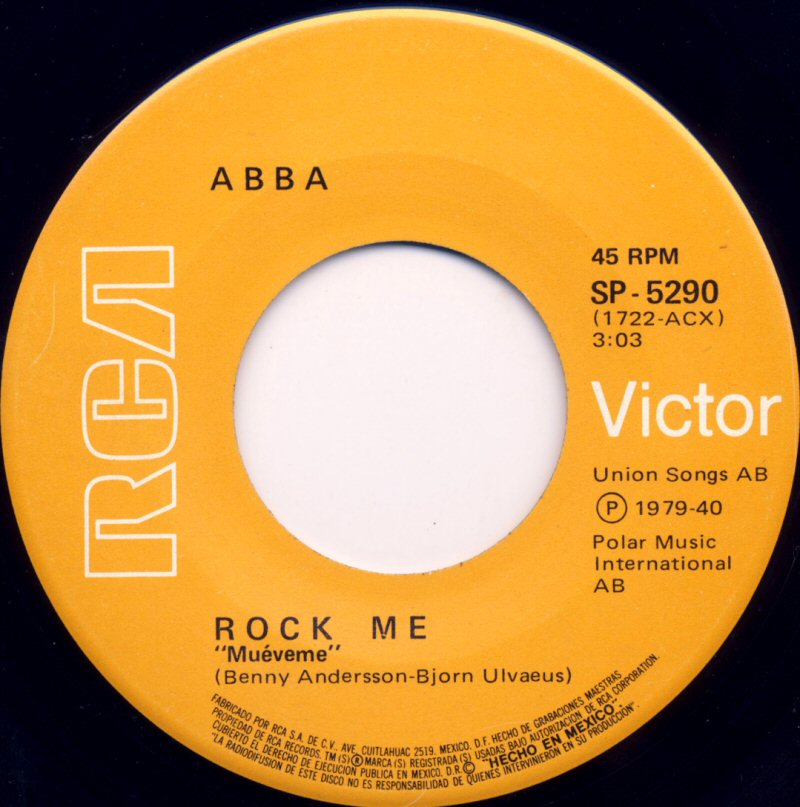
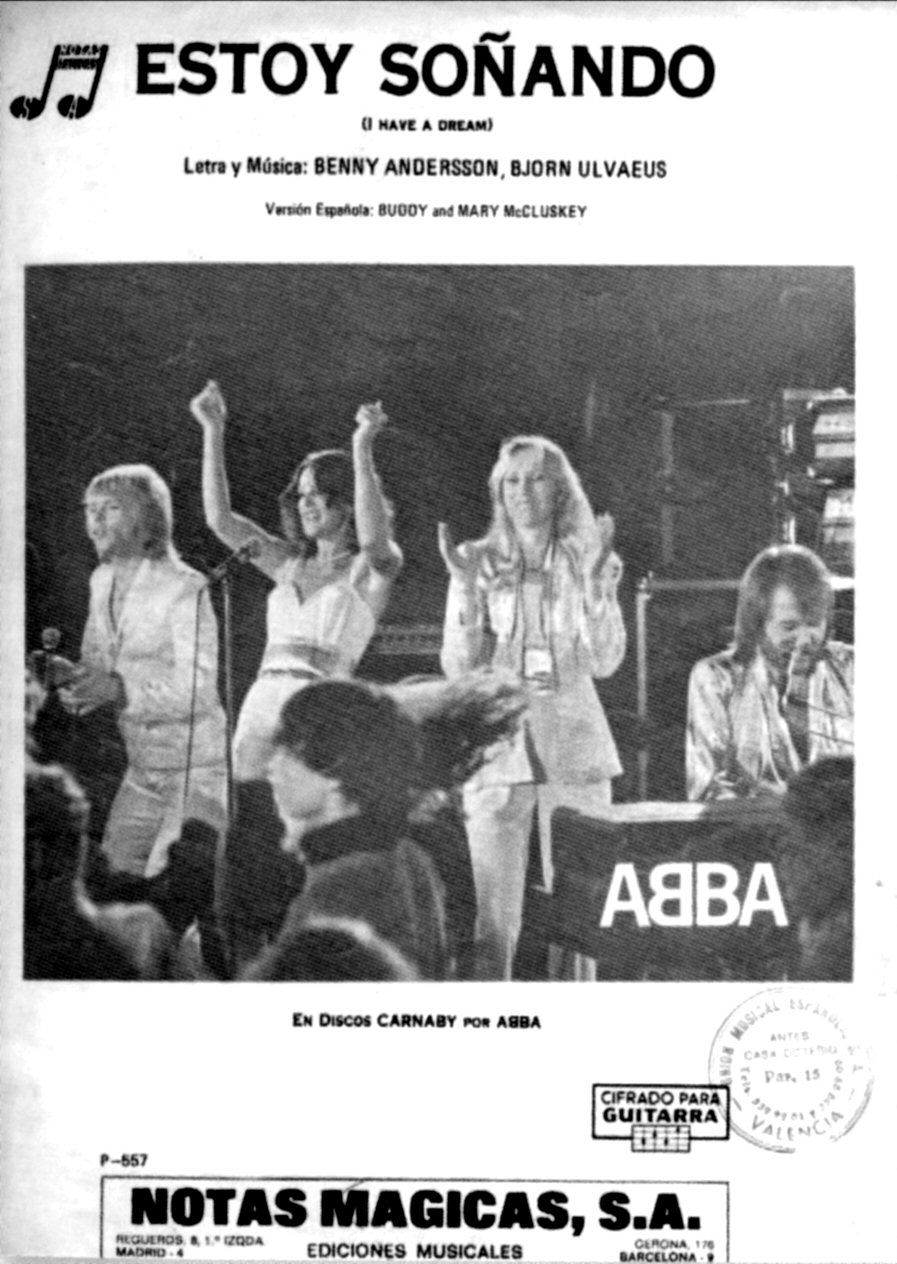
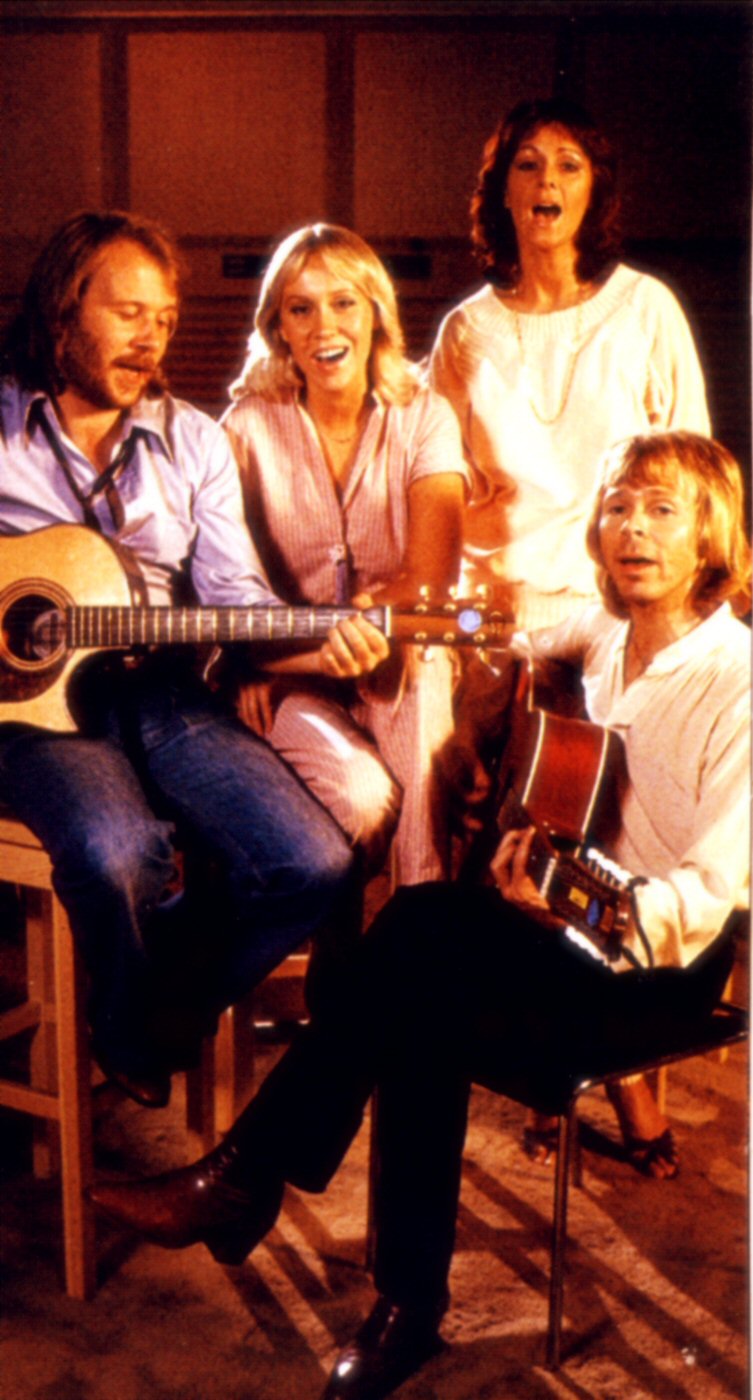
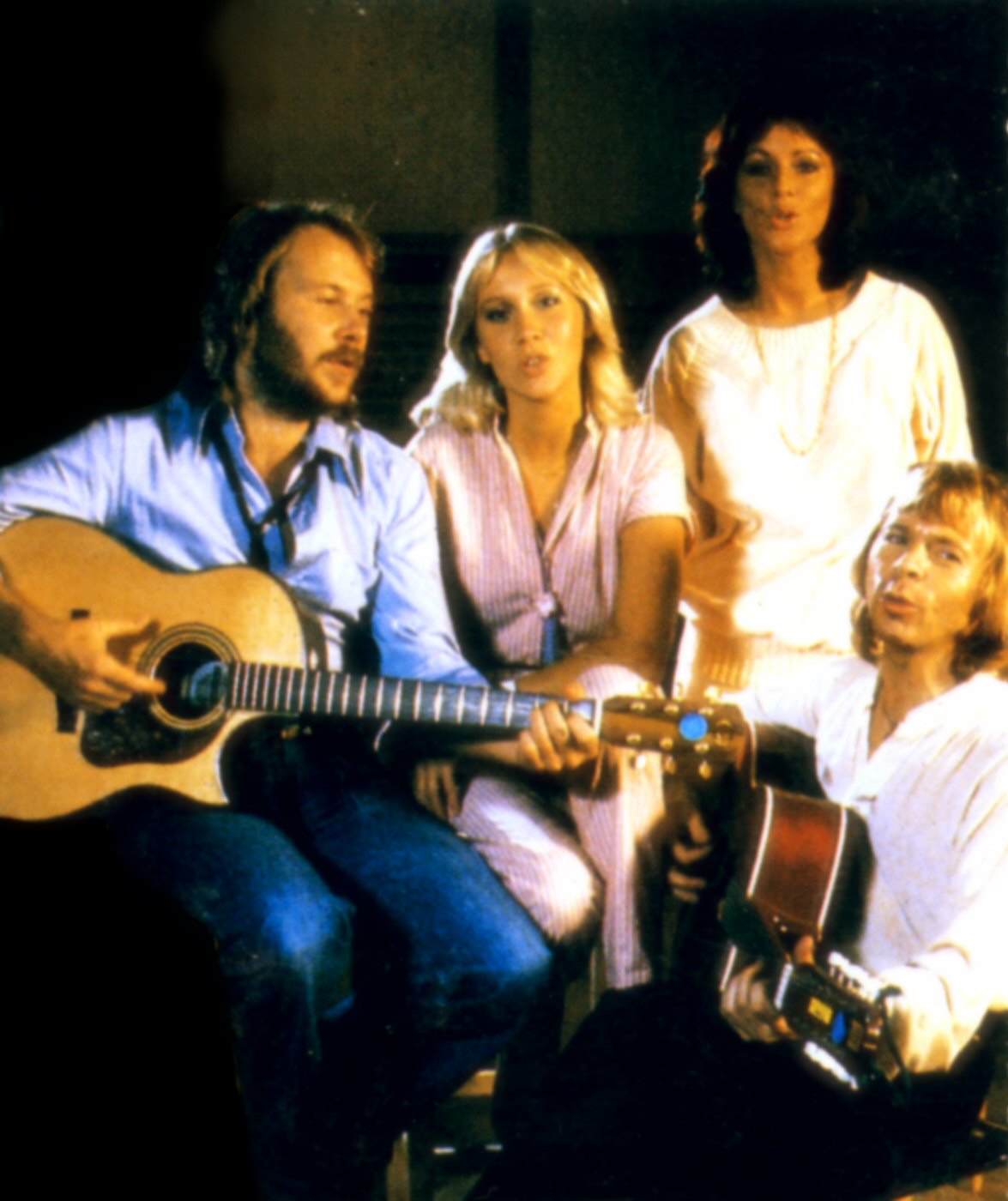
After the great success of the Spanish language version of "Chiqutita" one more track was re-recorded. "Estoy Soñando" was the Spanish version of "I Have a Dream" recorded in August 1979. "Estoy soñando" was released in Spain, USA and South America in September 1979. The b-side of the single was "Kisses of Fire" in most of territories except Mexico where "Rock Me" was chosen.
|
|
|
|
|
|
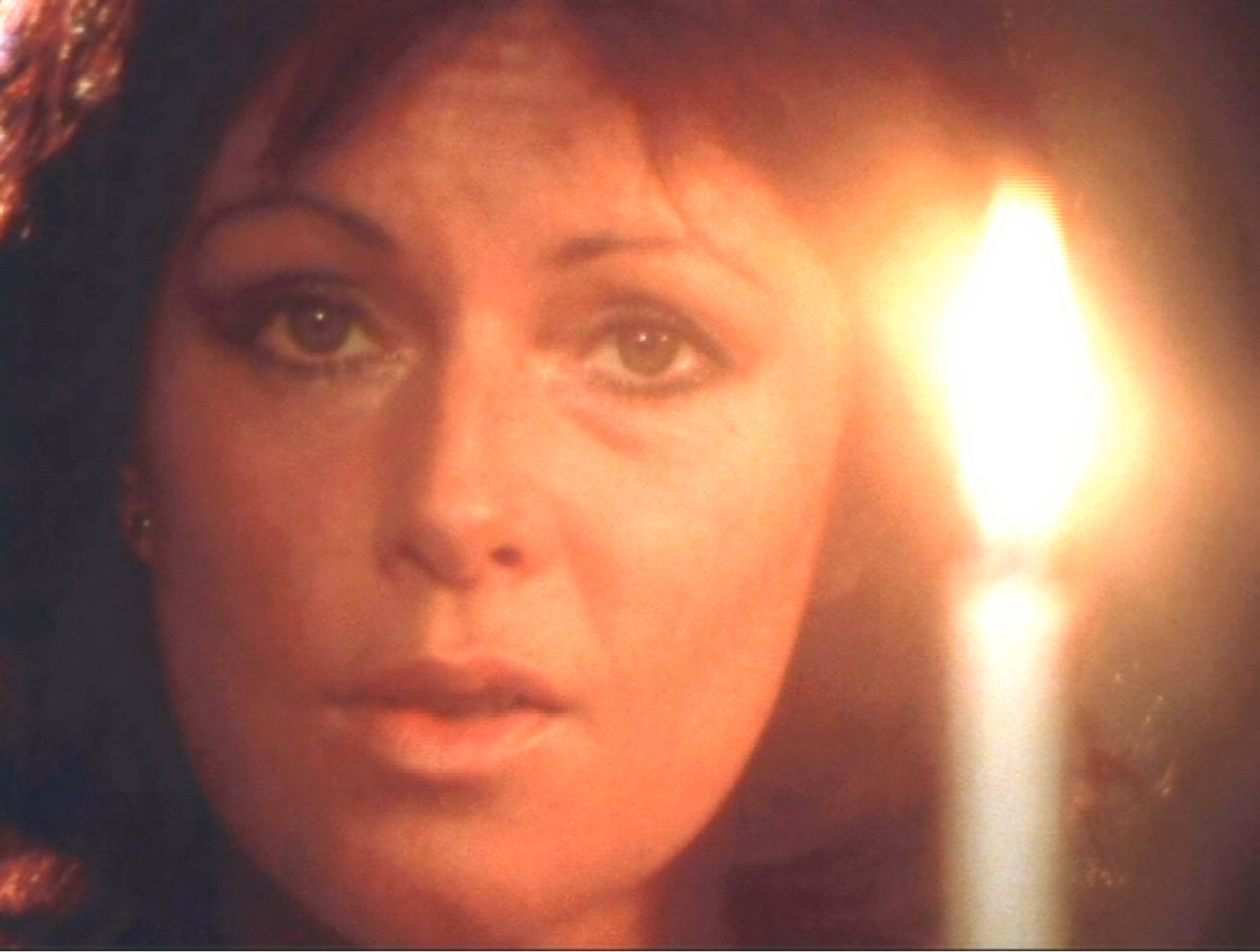
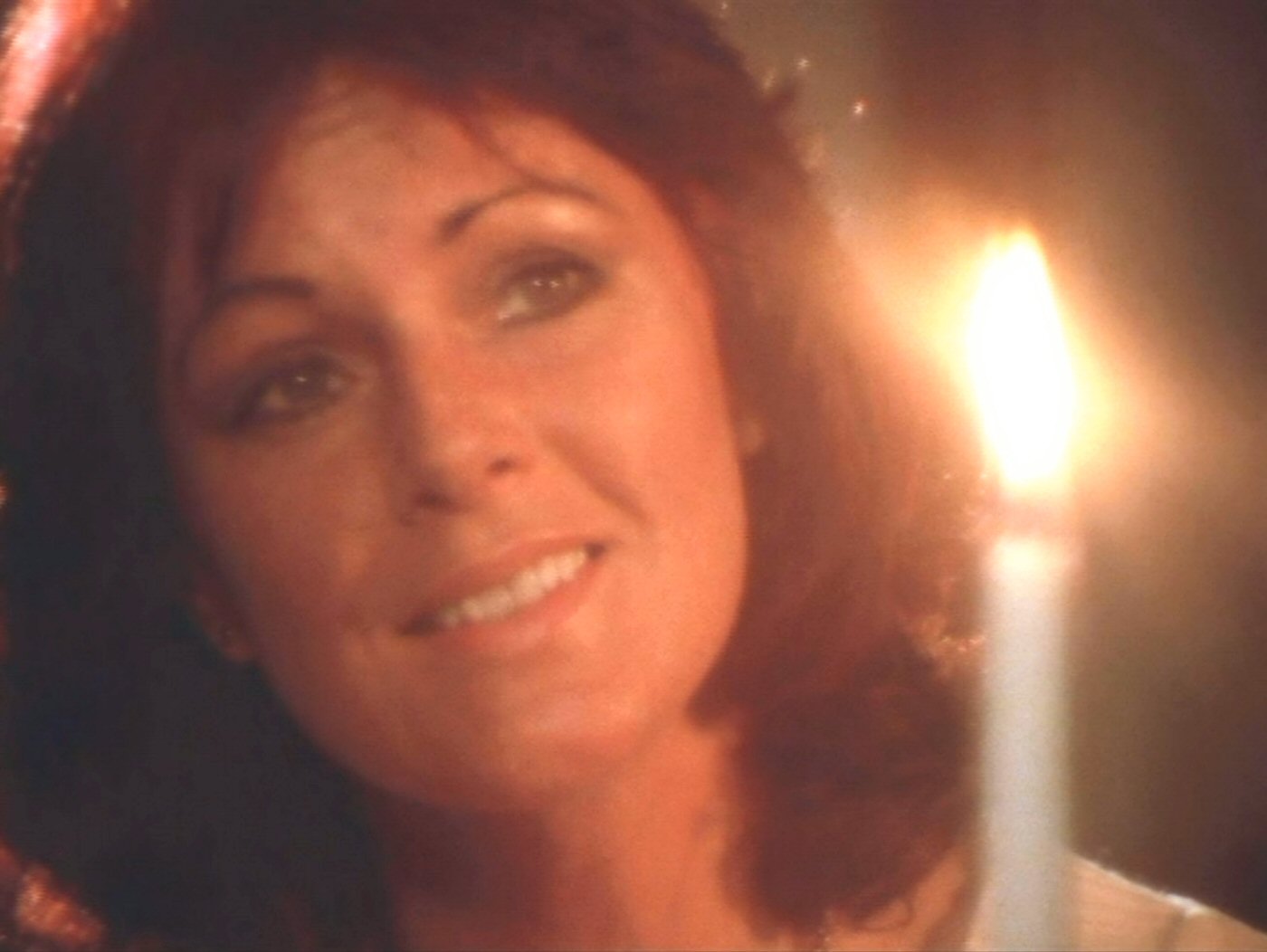
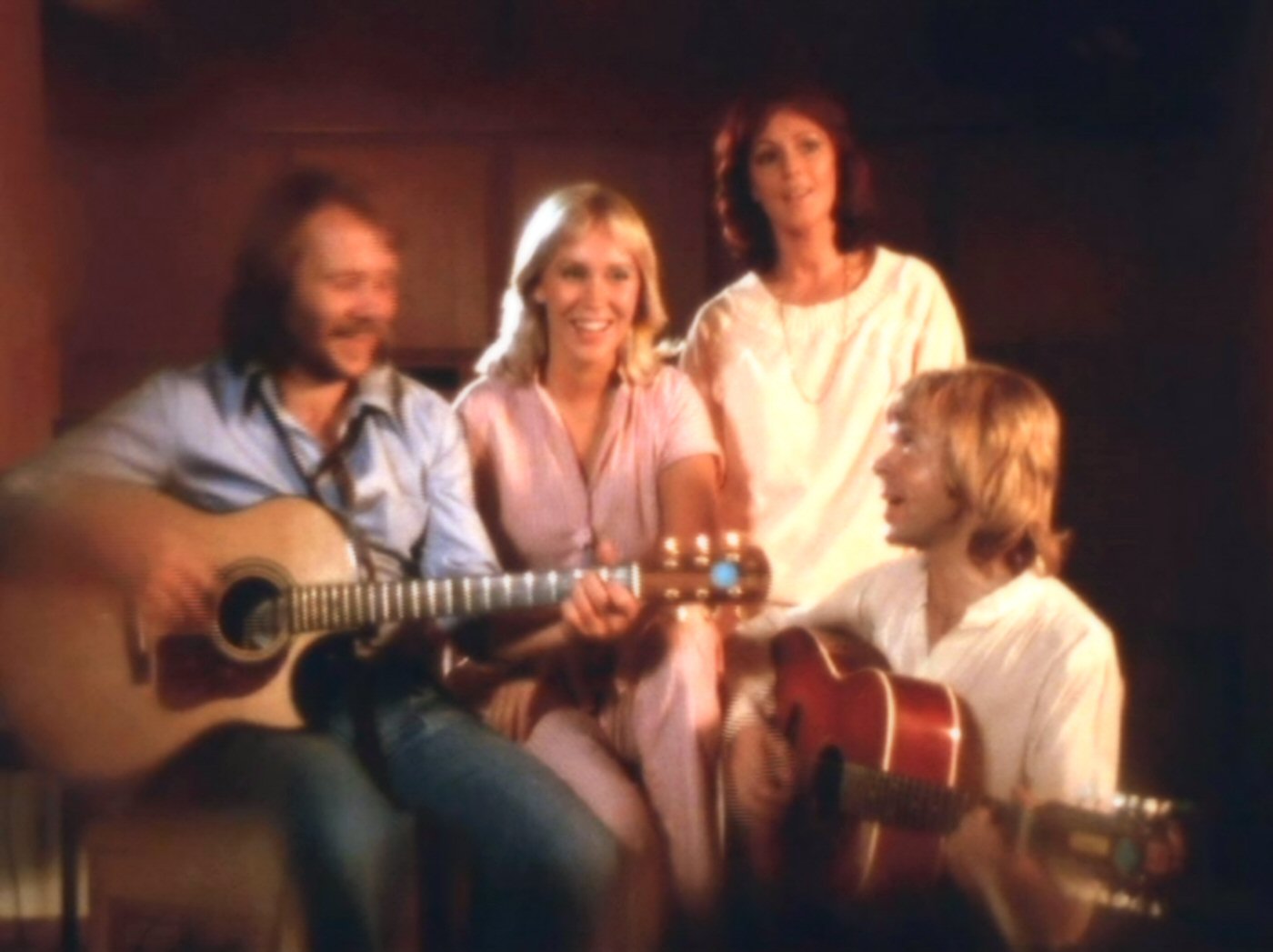
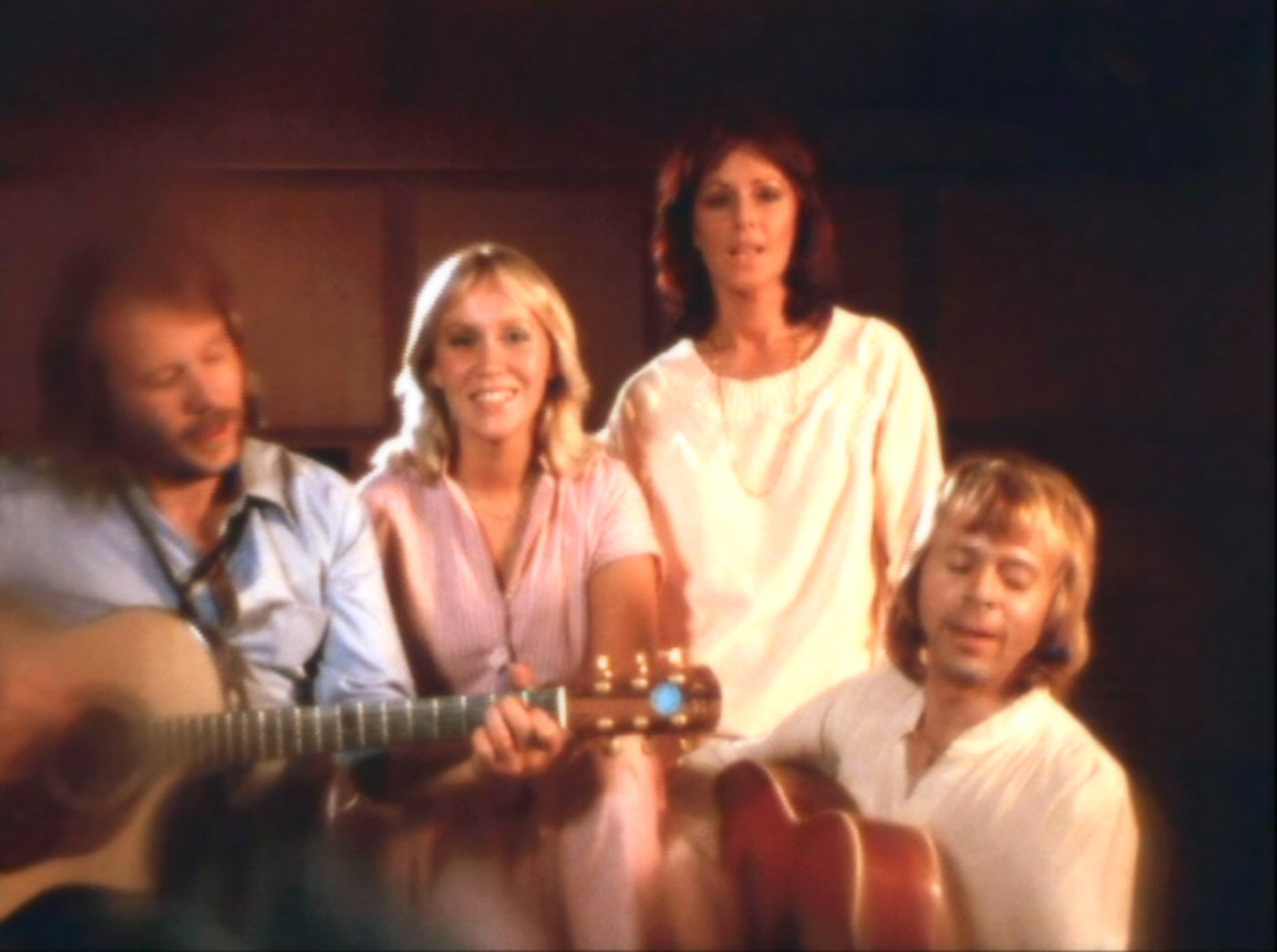
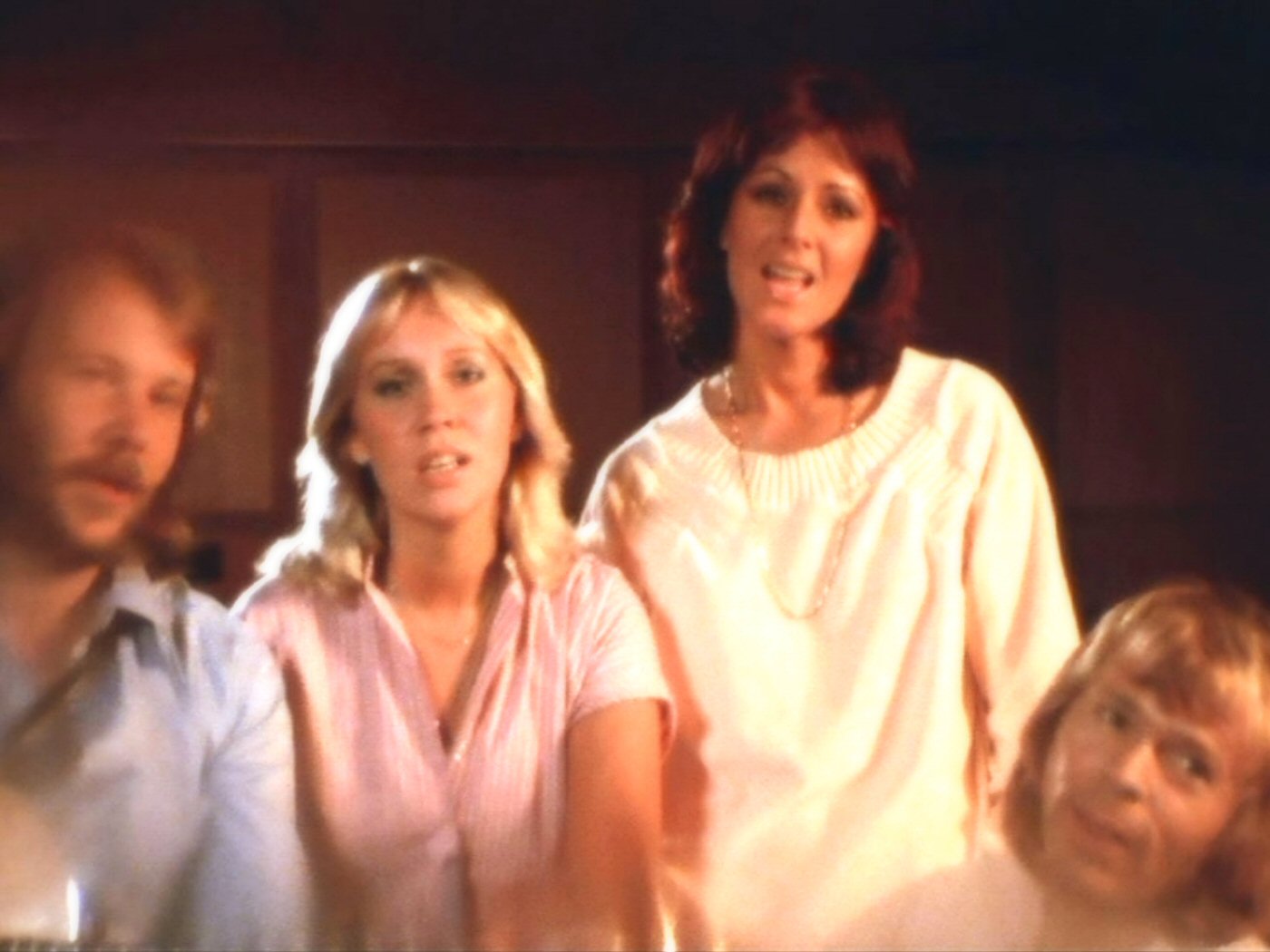
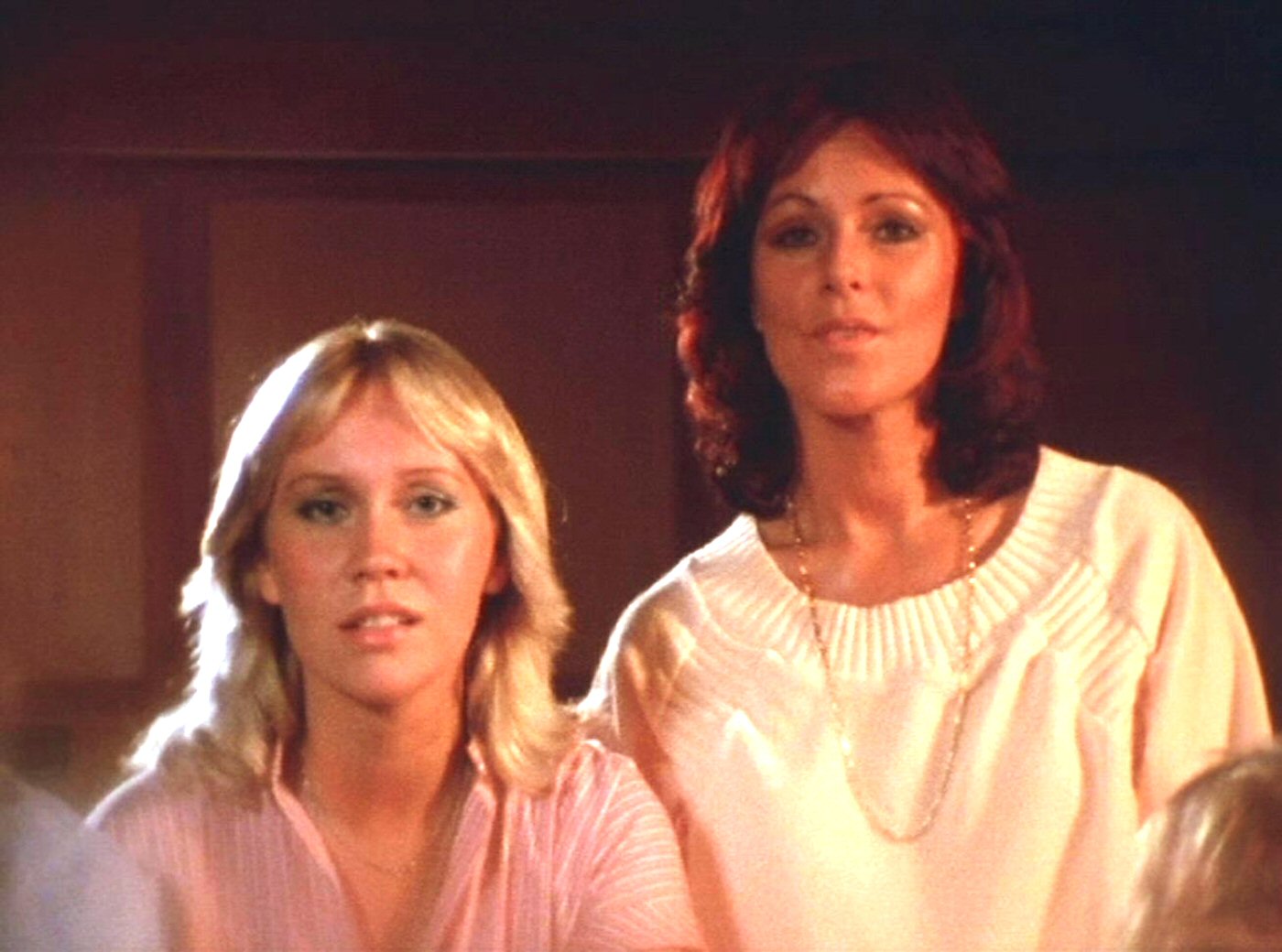
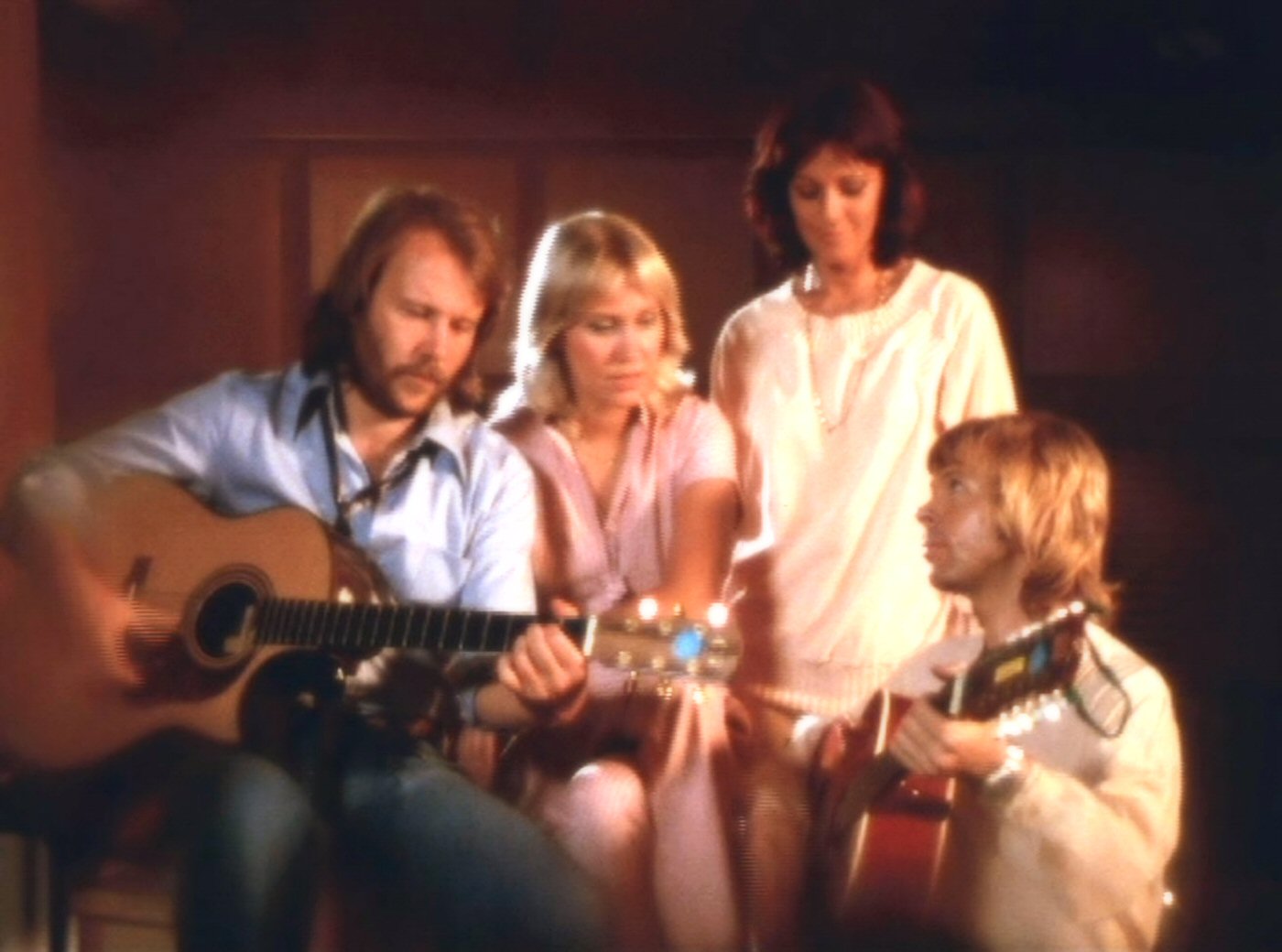
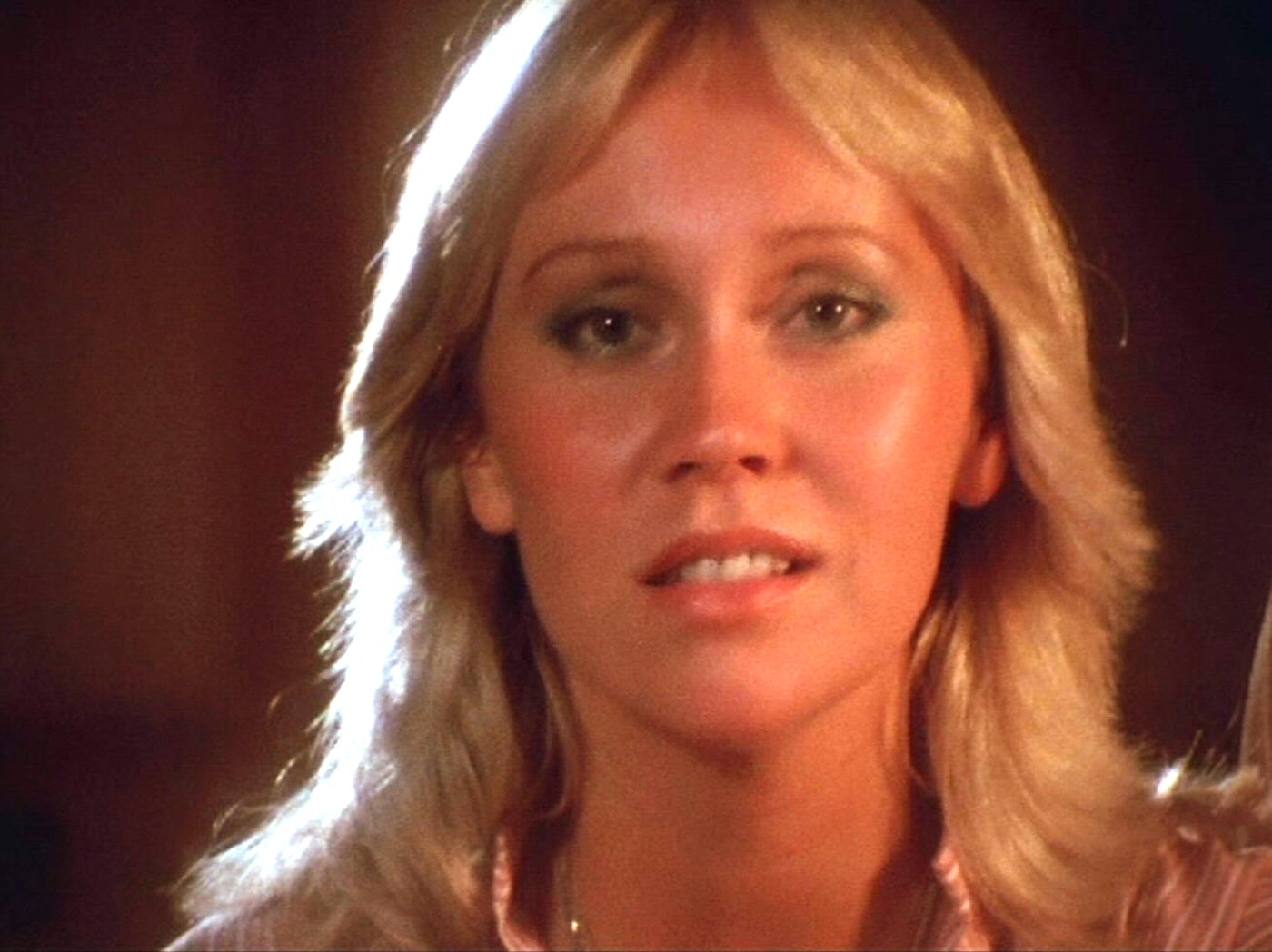
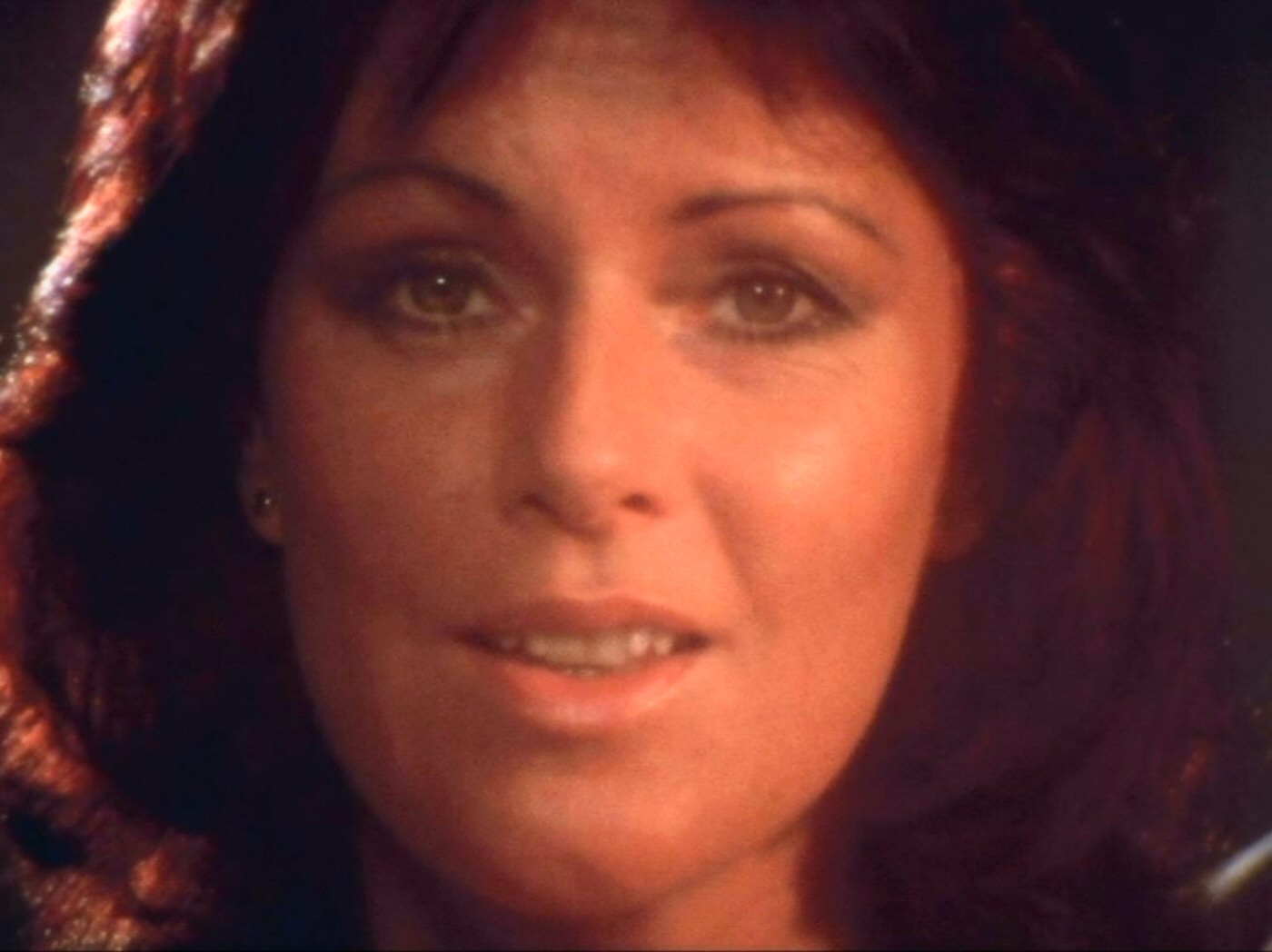
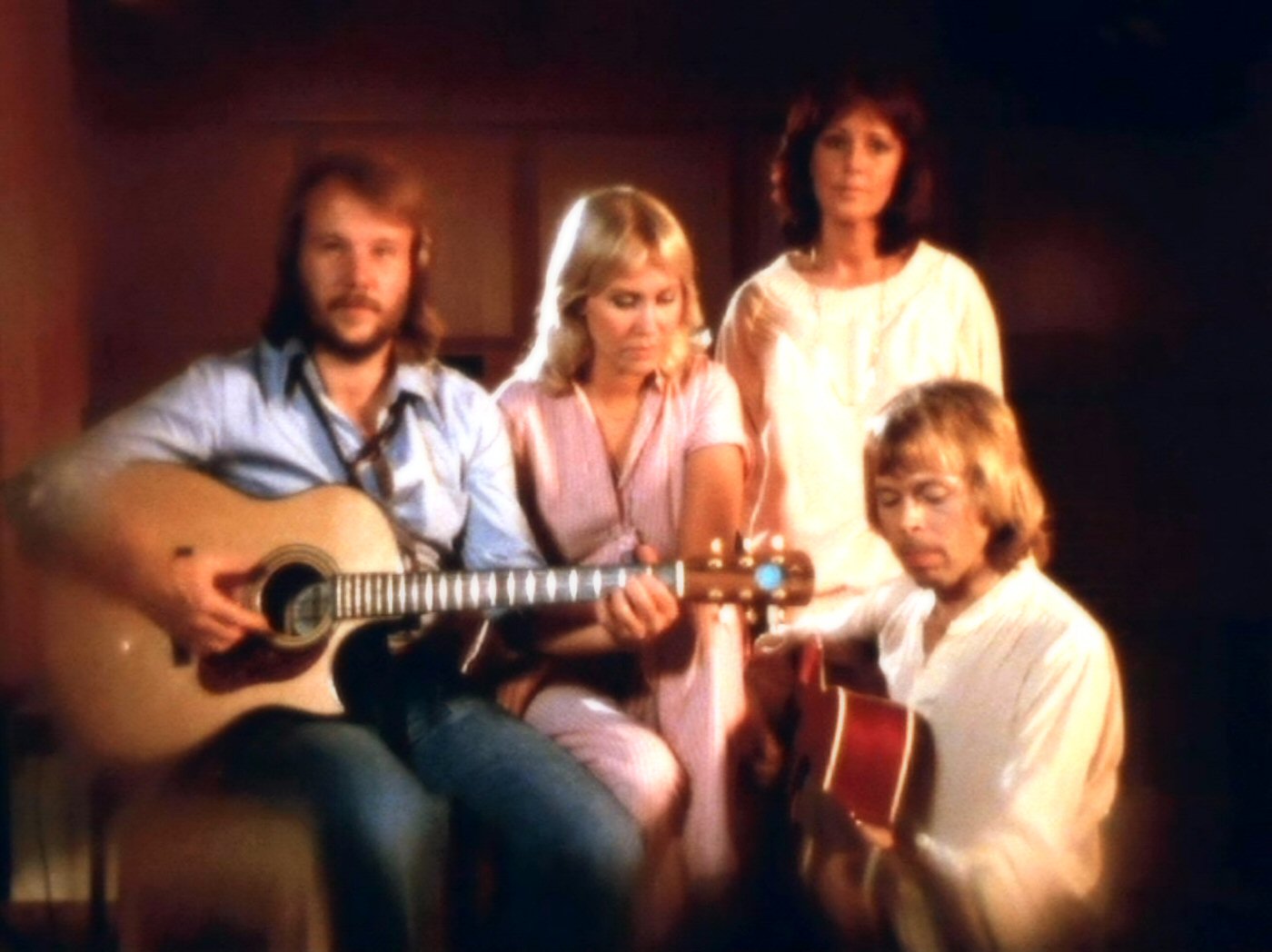
Estoy Soñando - the video
On 5 September 1979 the video for "Estoy Soñando" was filmed in the Polar Studios in Stockholm.
 |
 |
 |
 |
 |
 |
 |
 |
 |
 |
 |
 |
 |
 |
 |
As Good As New - the single
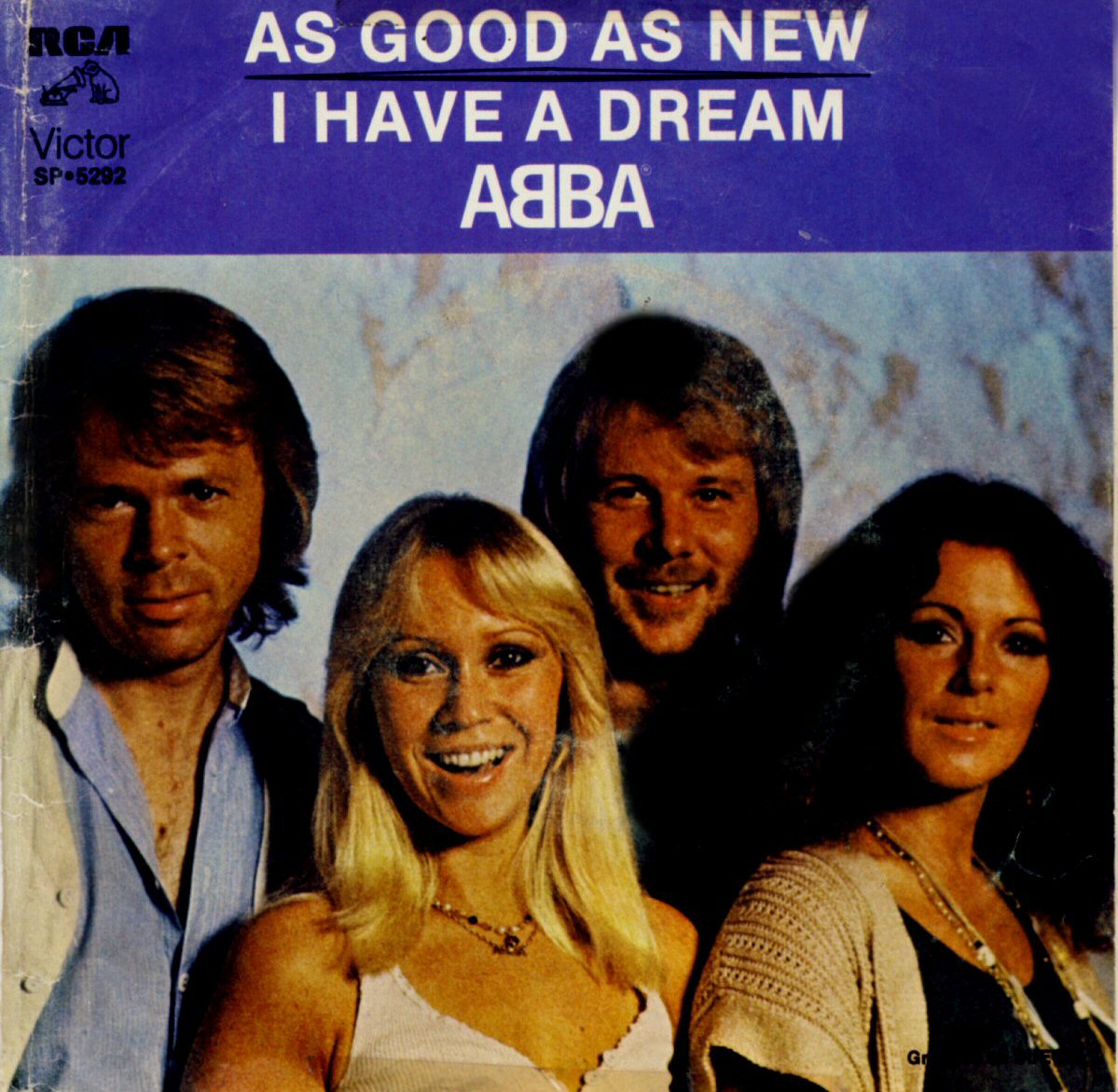
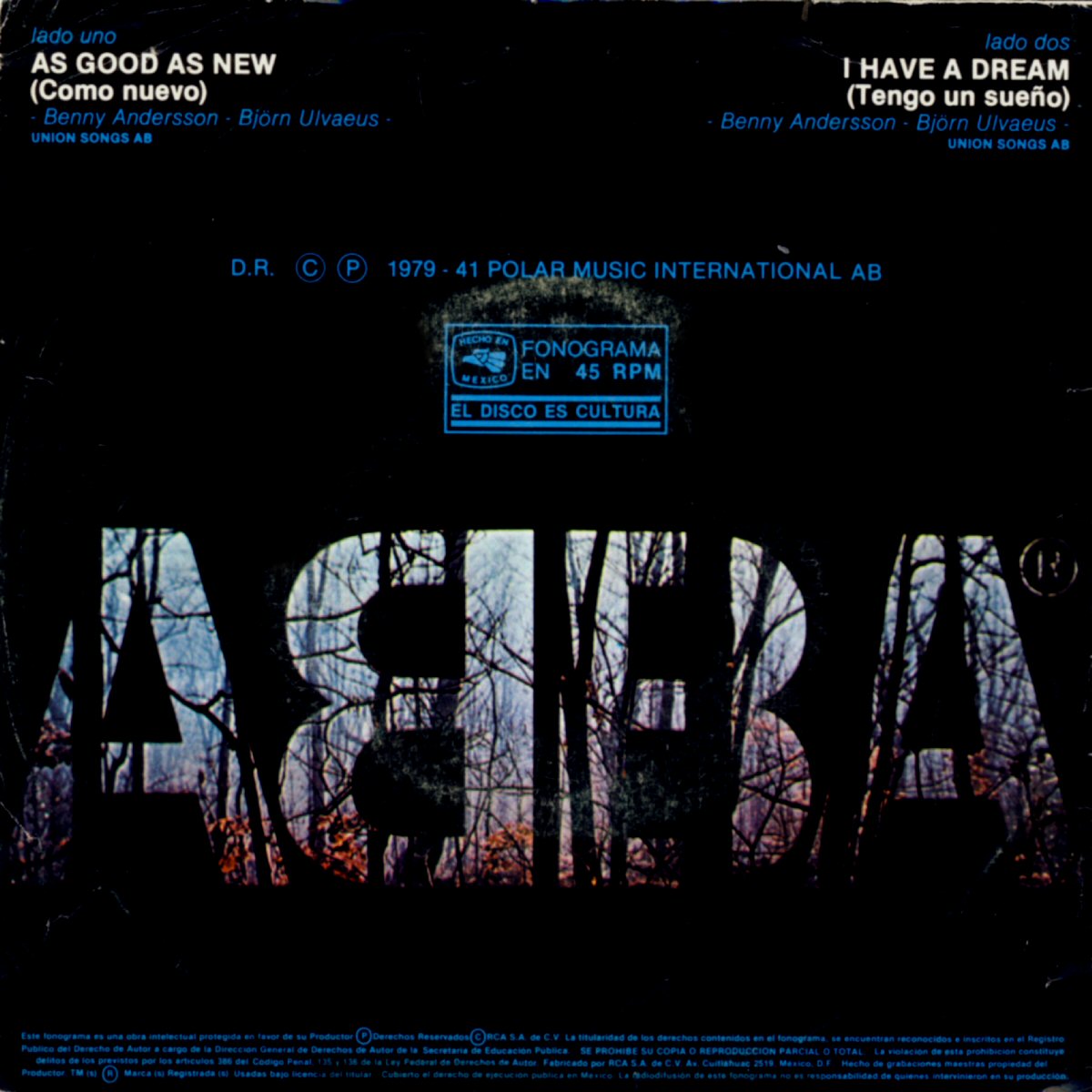
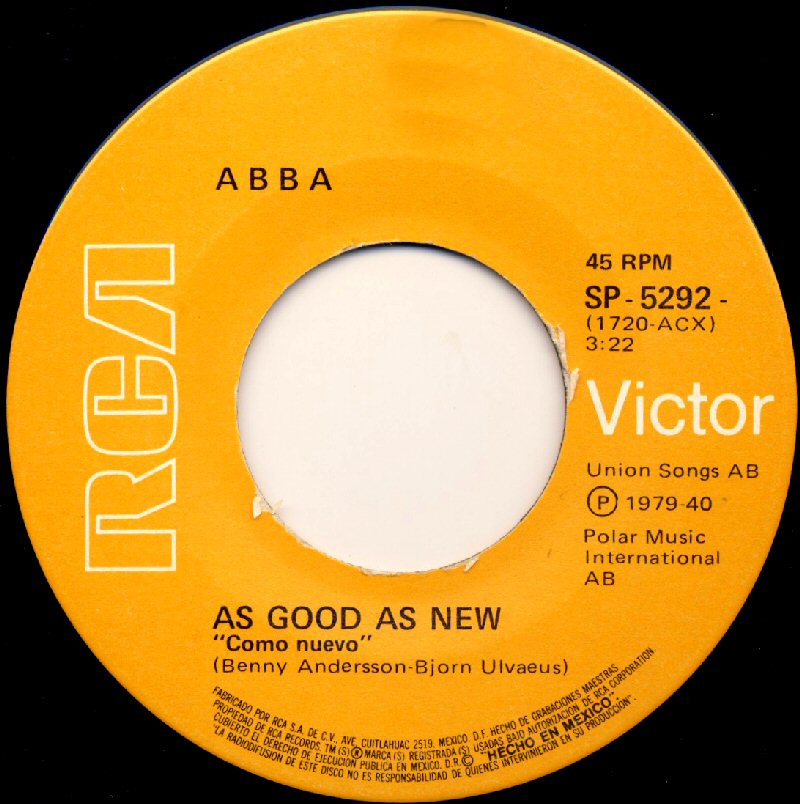
The third single from the Voulez-Vous album in some countries in South America featured "As Good As New" b/w "I Have A Dream" (English version) and it was released in the early autumn of 1979.
|
|
|
|
|
|
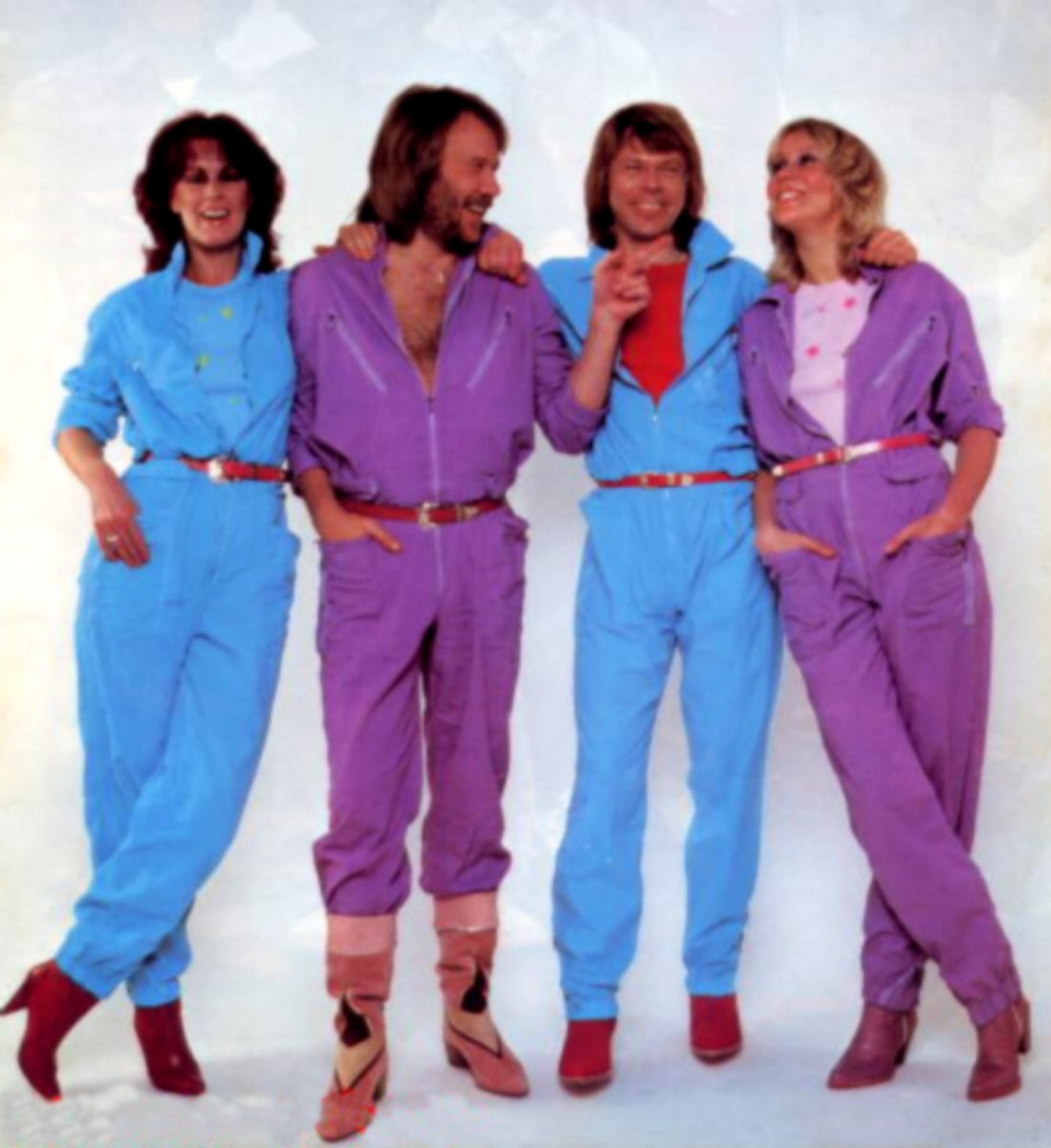
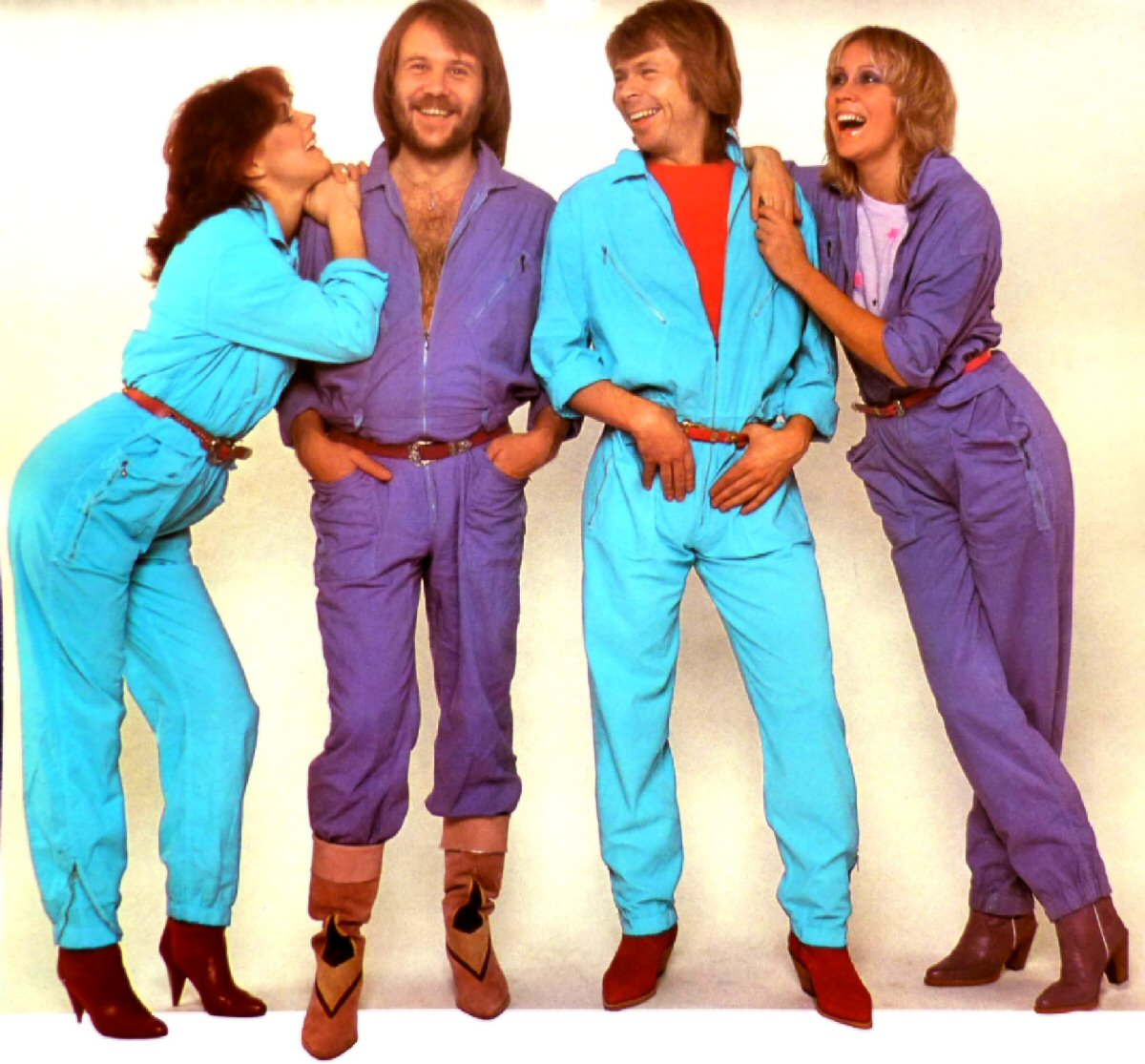
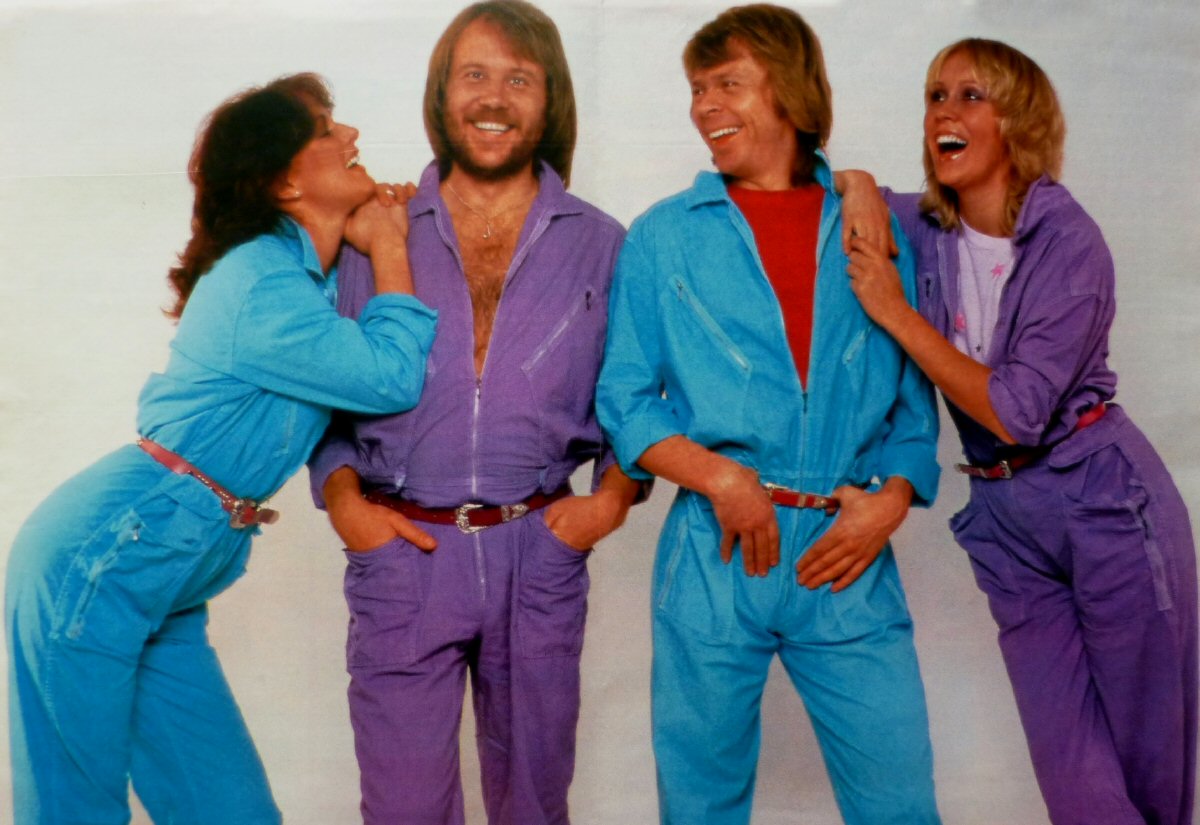
The year 1980 would bring two ABBA studio albums! Benny and Björn spent some time on Barbados trying to wake up their musical creativity. Frida and Agnetha stayed at home in Sweden with lots of spare time. The group's management decided that the girls would re-record some of the group's songs in Spanish which would be released later this year on a new album.
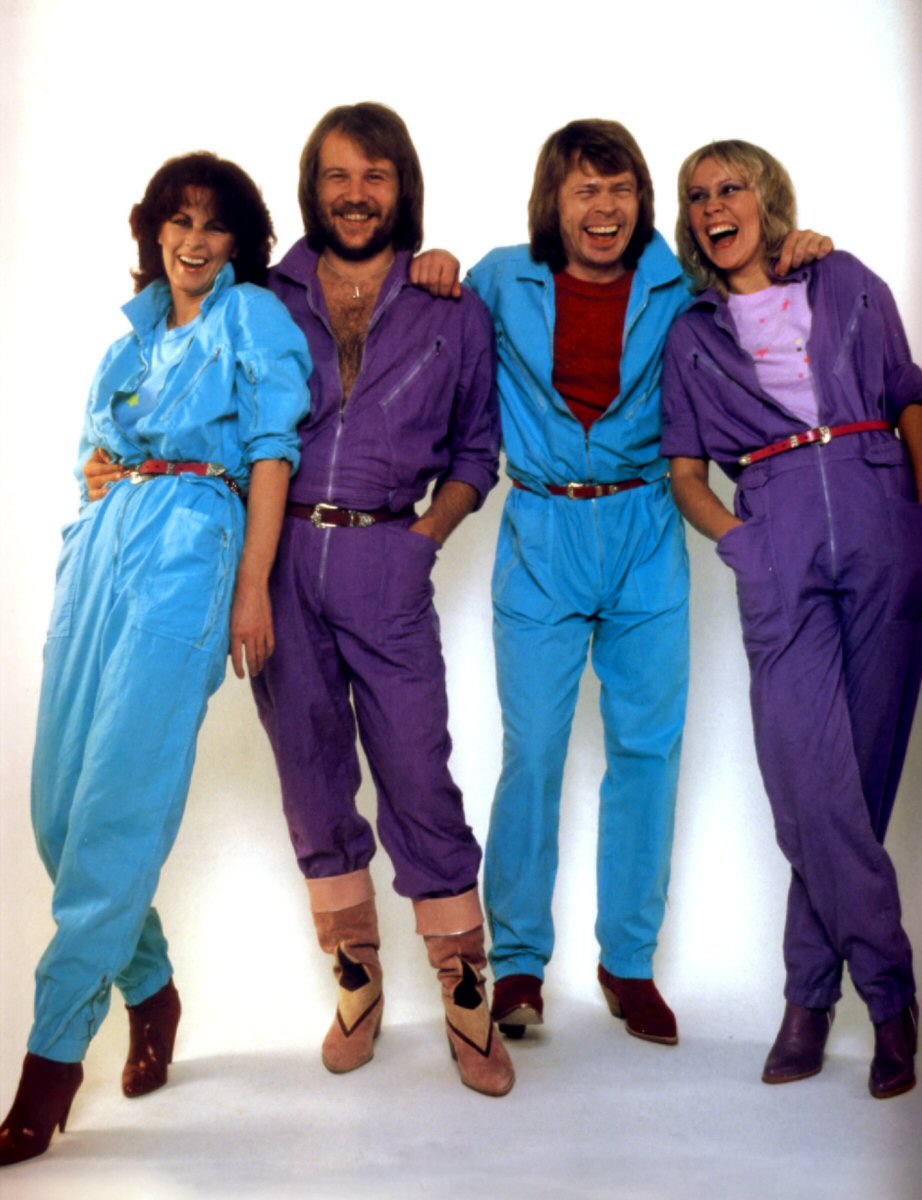
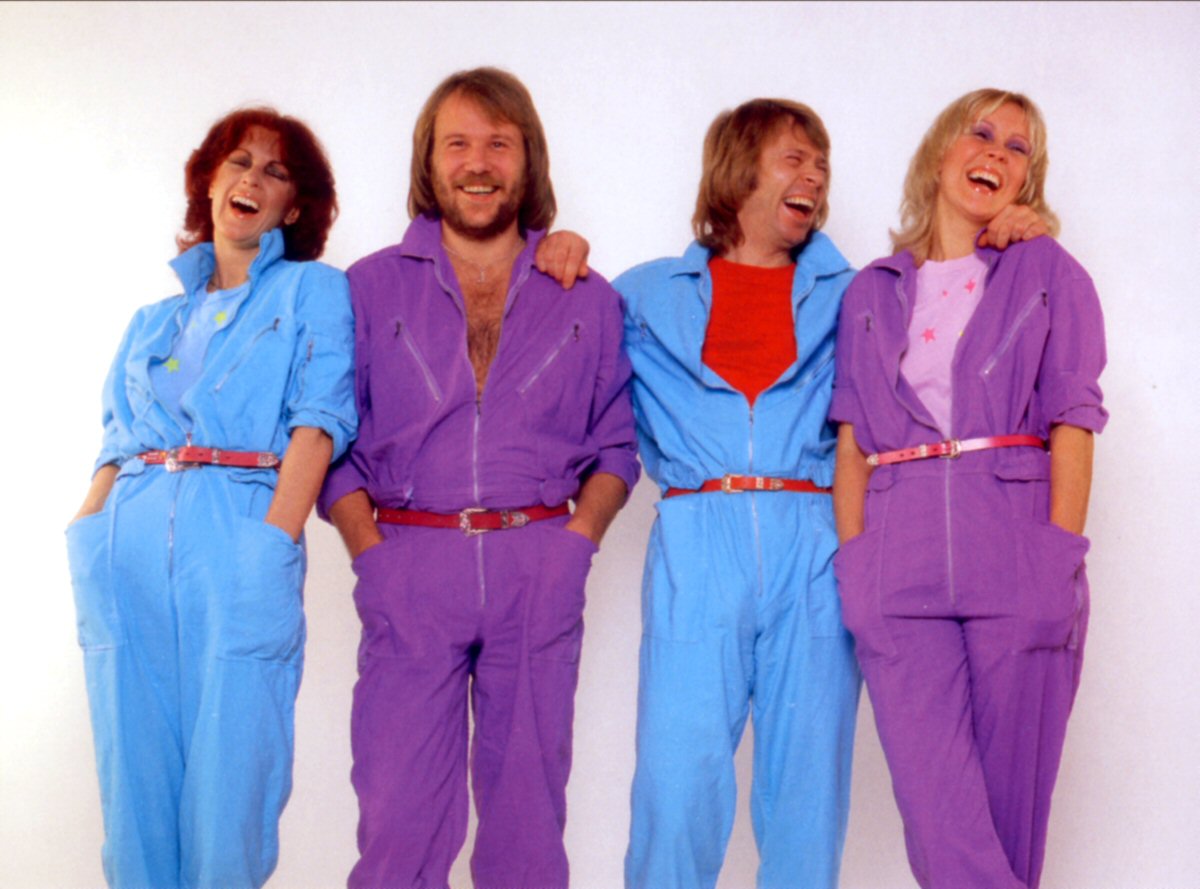
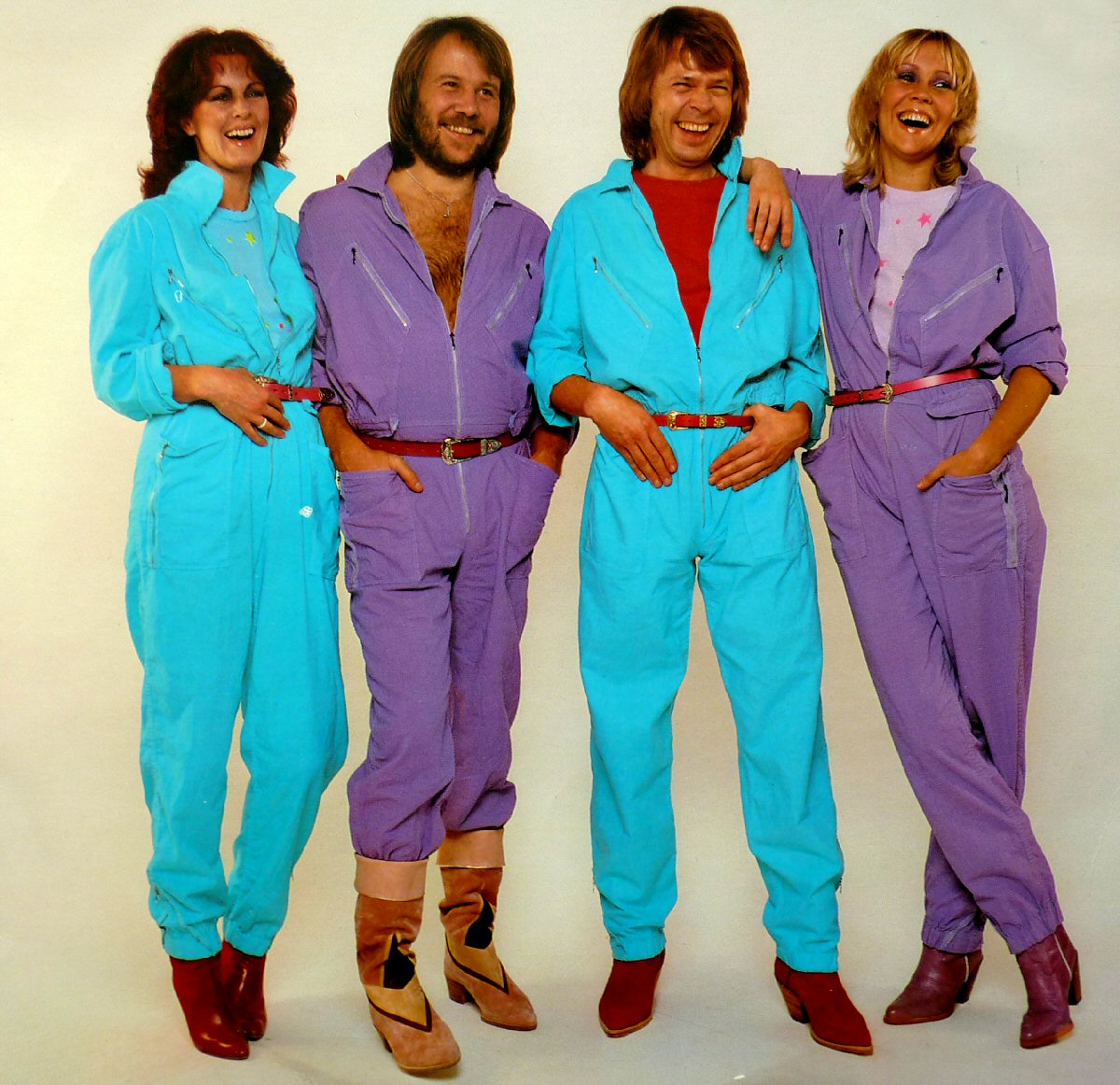
The Gracias photo session
 |
 |
 |
 |
|
 |
 |
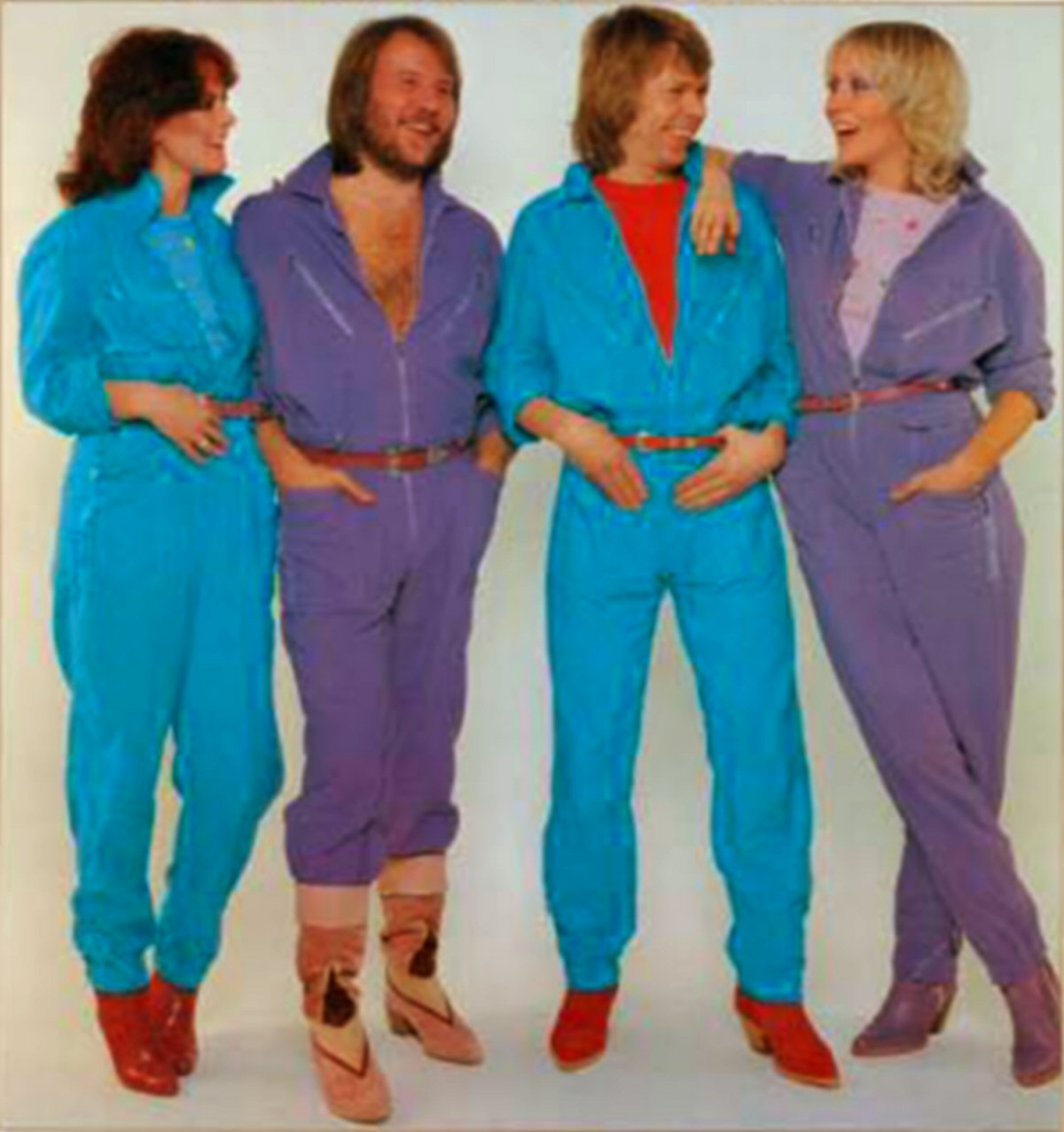 |
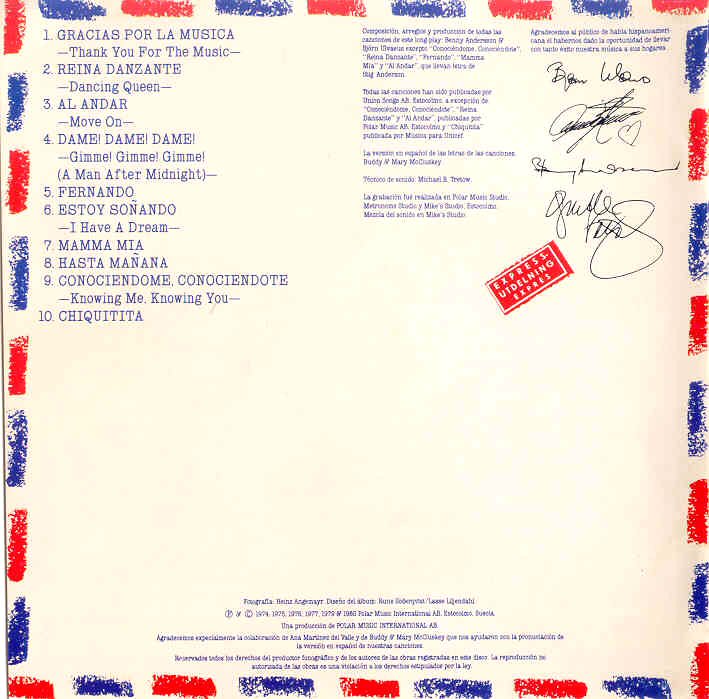
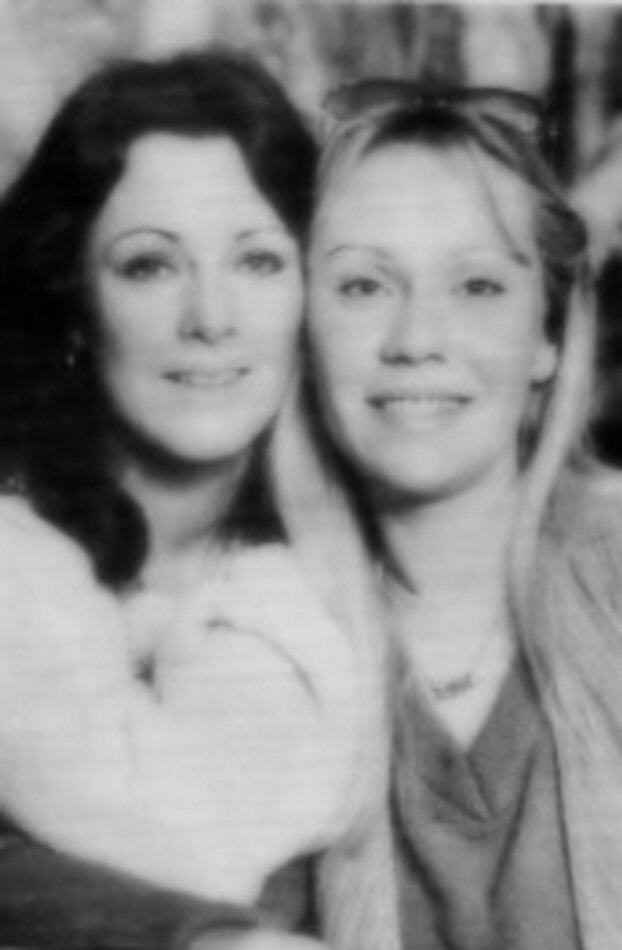
Agnetha and Frida started working with the new project at the beginning of January 1980. Eight songs were chosen for re-recording. The upcoming album would contain totally 10 tracks (including two smash hits which already had Spanish their versions: "Chiquitita" and "Estoy soñando"). The other songs re-recorded and remixed for this album were: "Dancing Queen", "Move On", "Mamma Mia", "Fernando", "Thank You For the Music", "Knowing Me Knowing You", "Gimme Gimme Gimme" and "Hasta Mañana". The lyrics were written by Buddy and Mary McClusky and the songs were remixed by Michael B. Tretow and sound quite different to the original English versions.
Dame! Dame! Dame! - the single
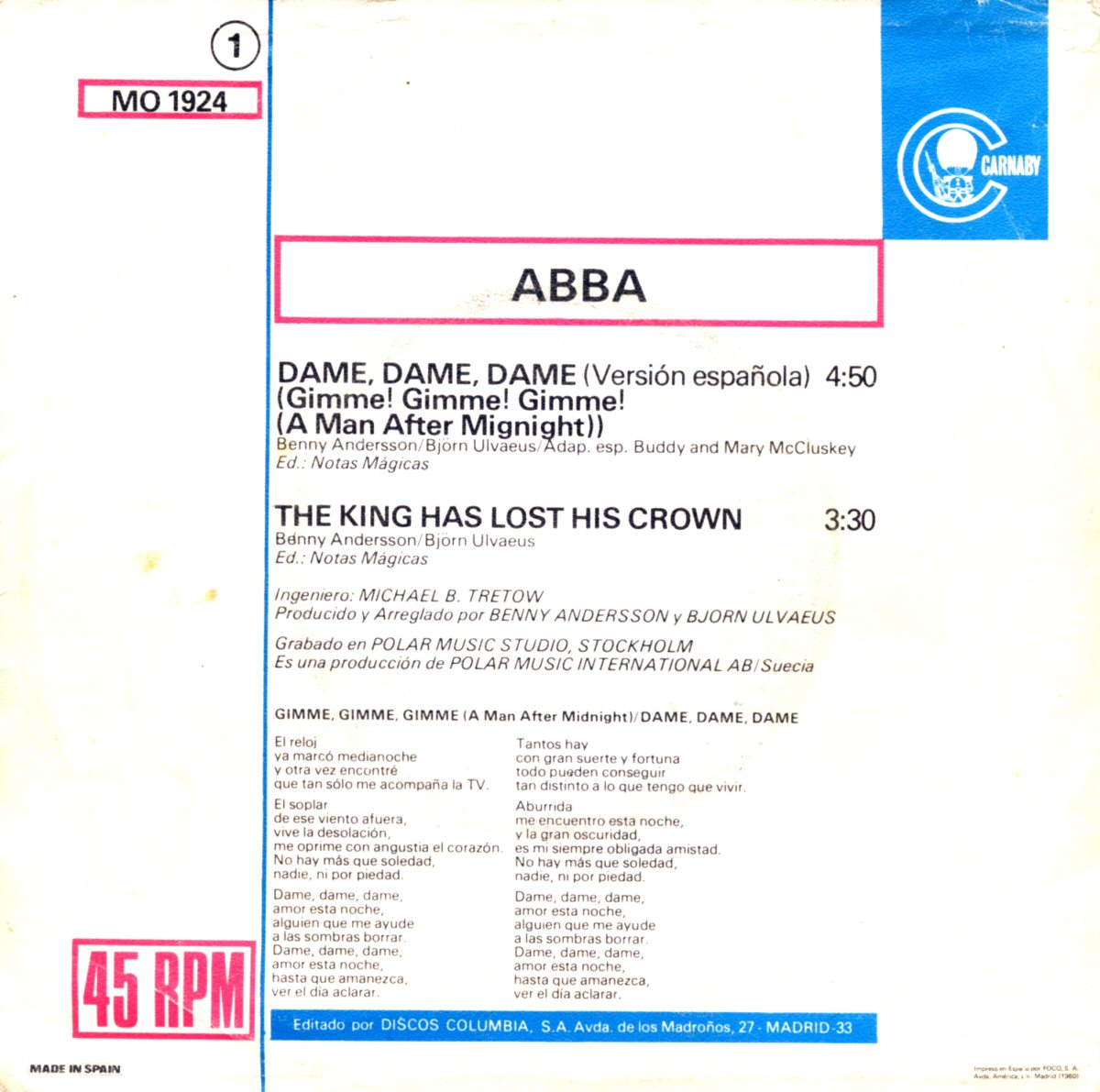
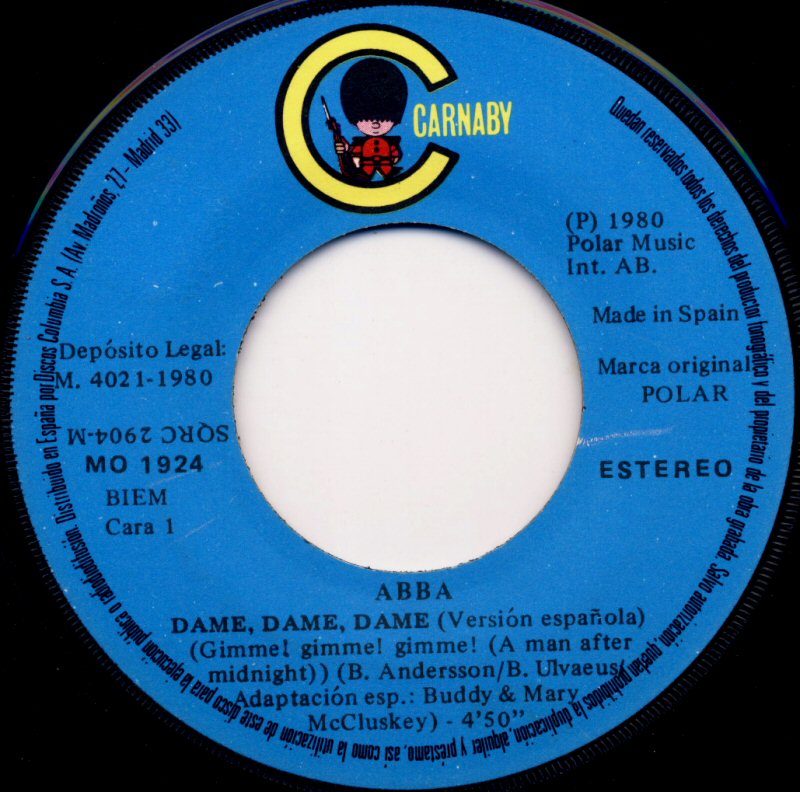
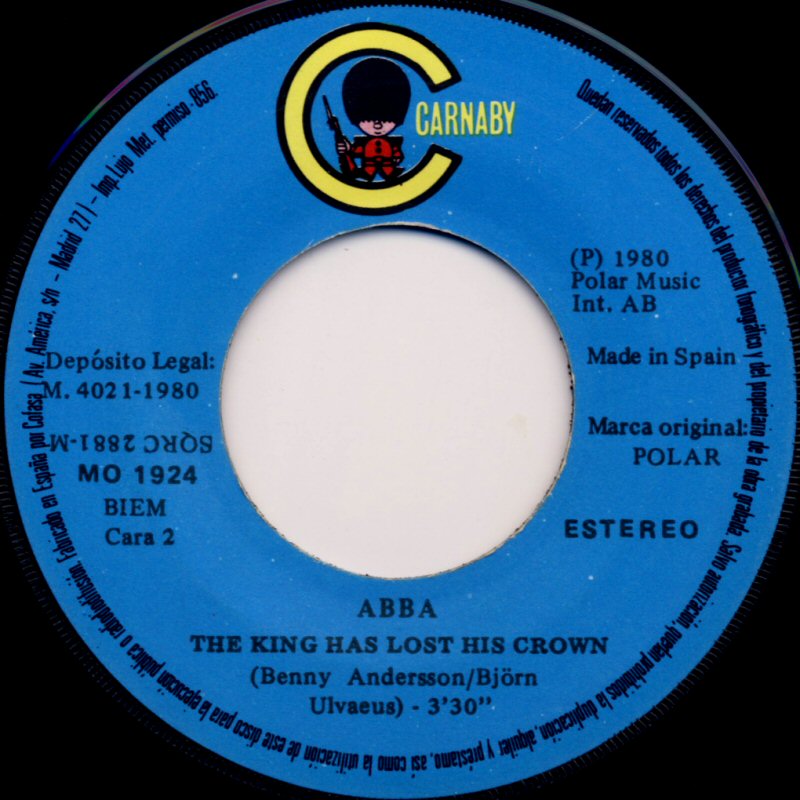
A new single in Spanish "Dame Dame Dame" (Gimme Gimme Gimme) was released in Spanish speaking territories in February 1980 as a part of the promotion process for the forthcoming Spanish language album "Gracias por la musica" later in 1980.
 |
 |
 |
 |
Gracias por la musica - the album
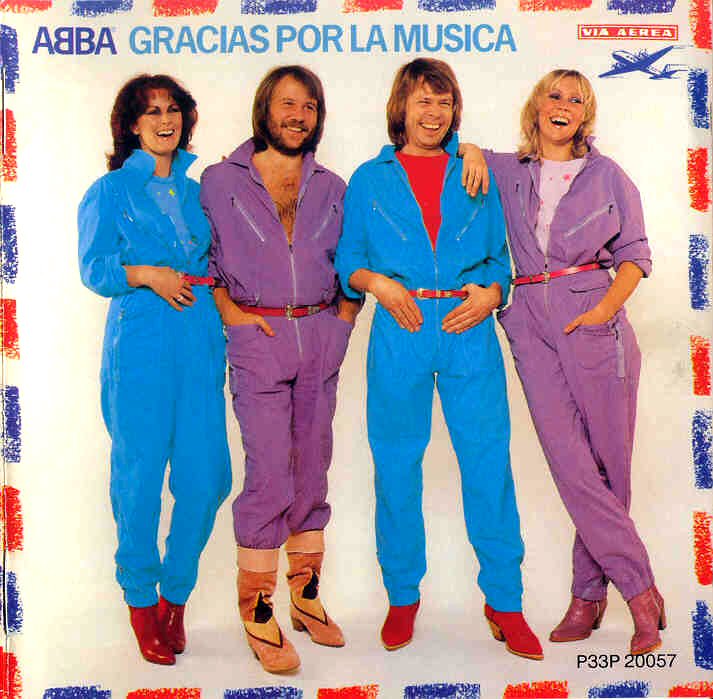
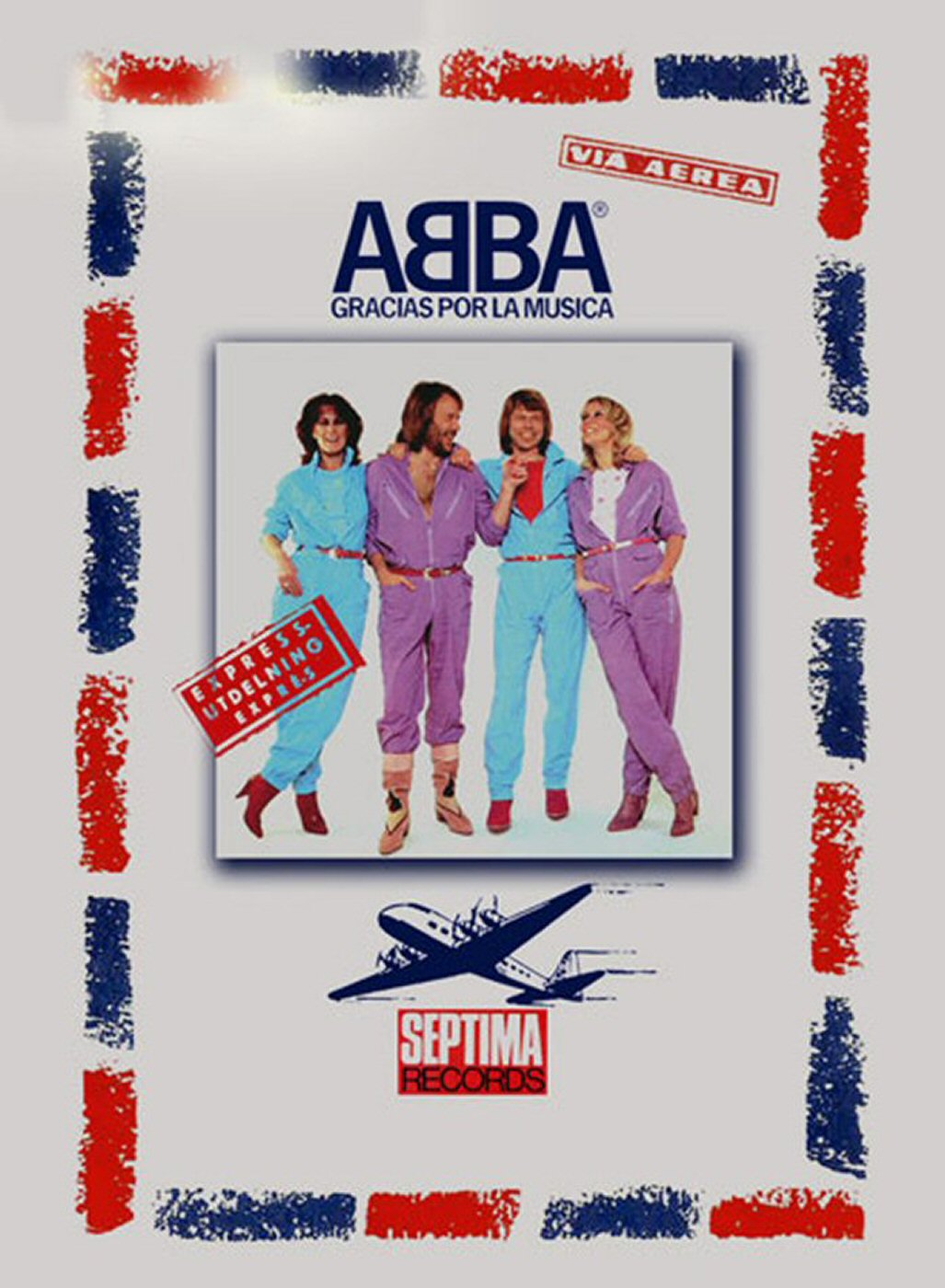
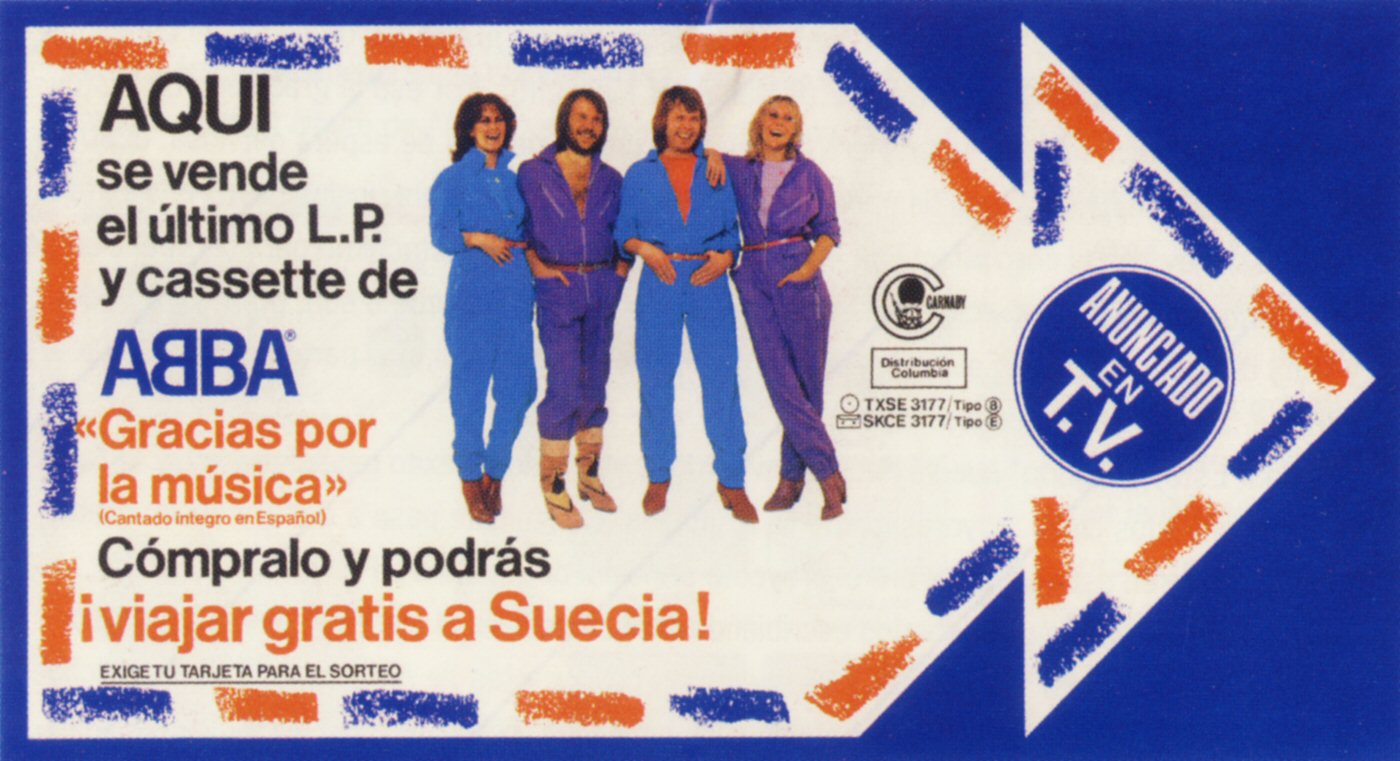
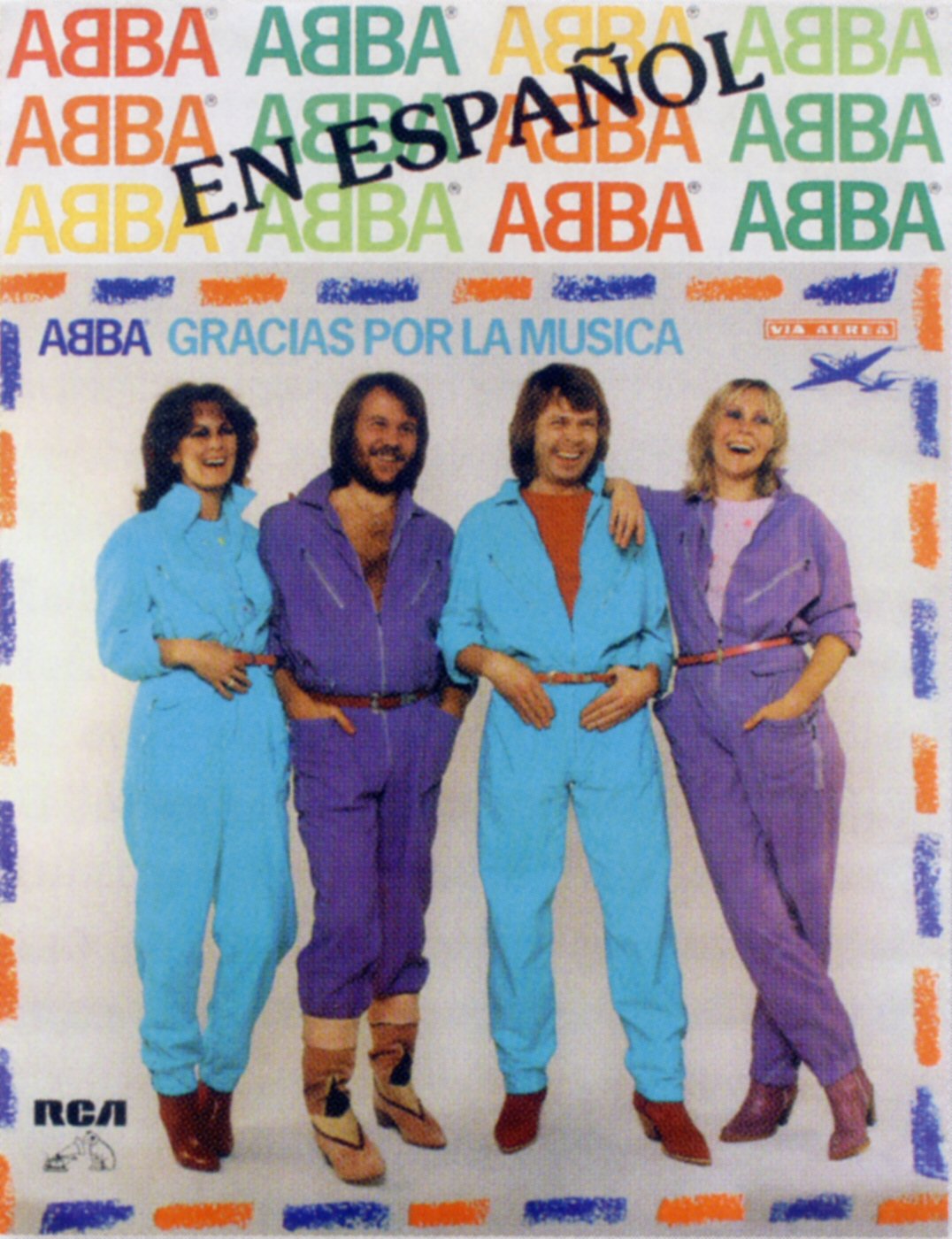
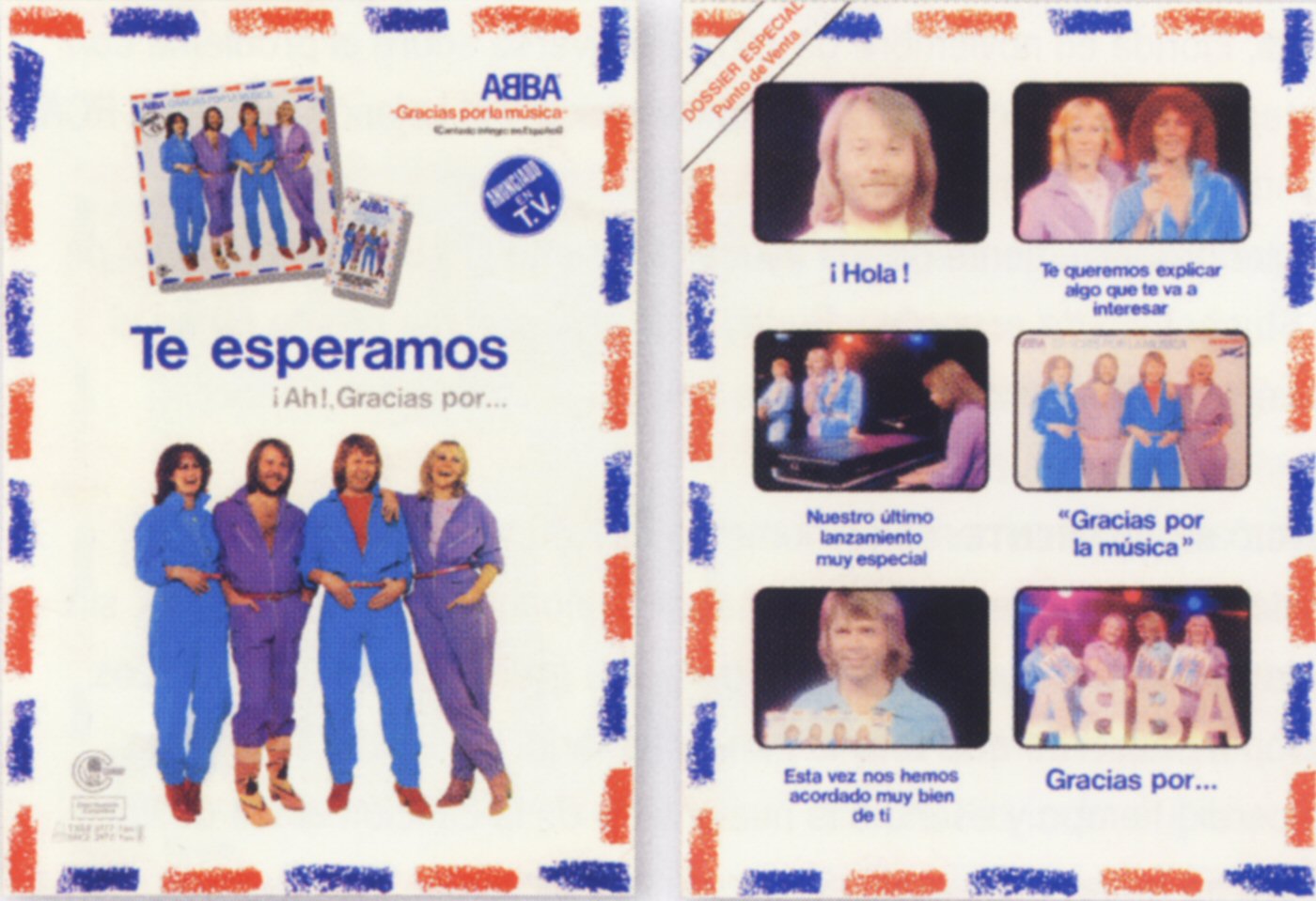
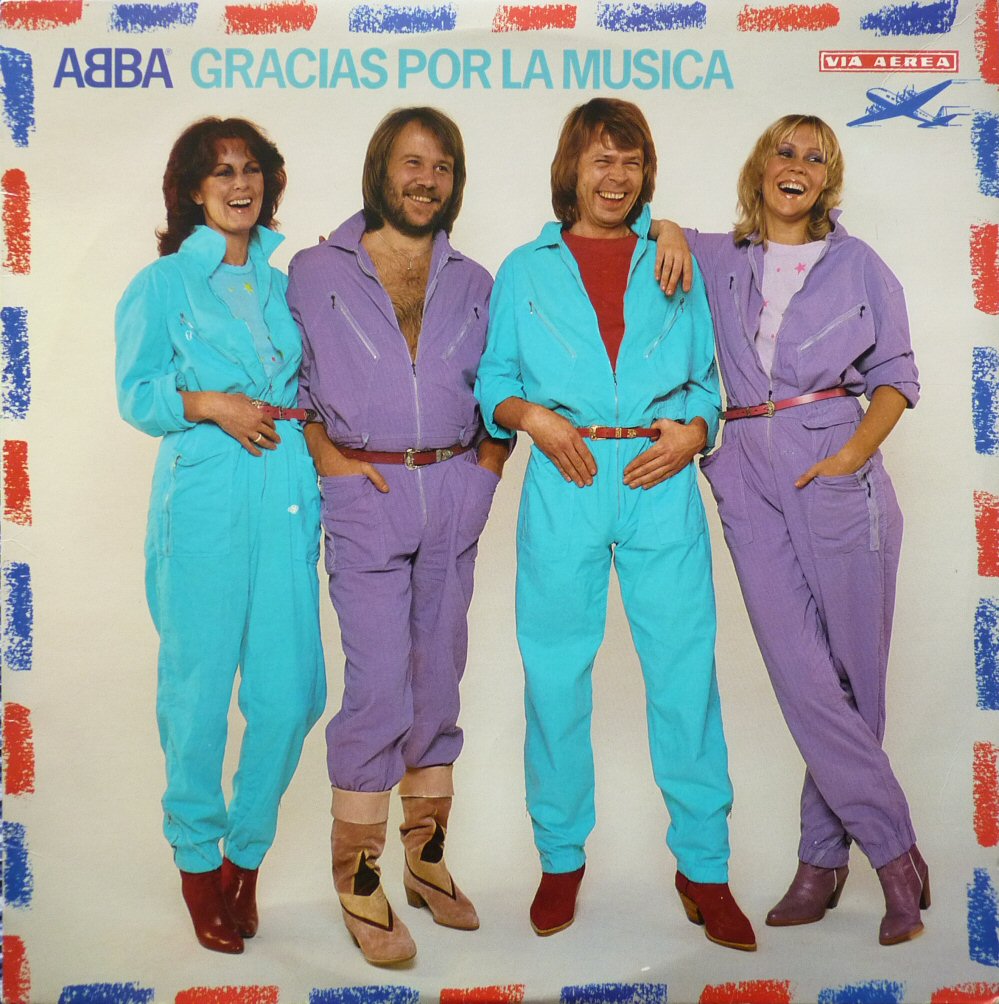
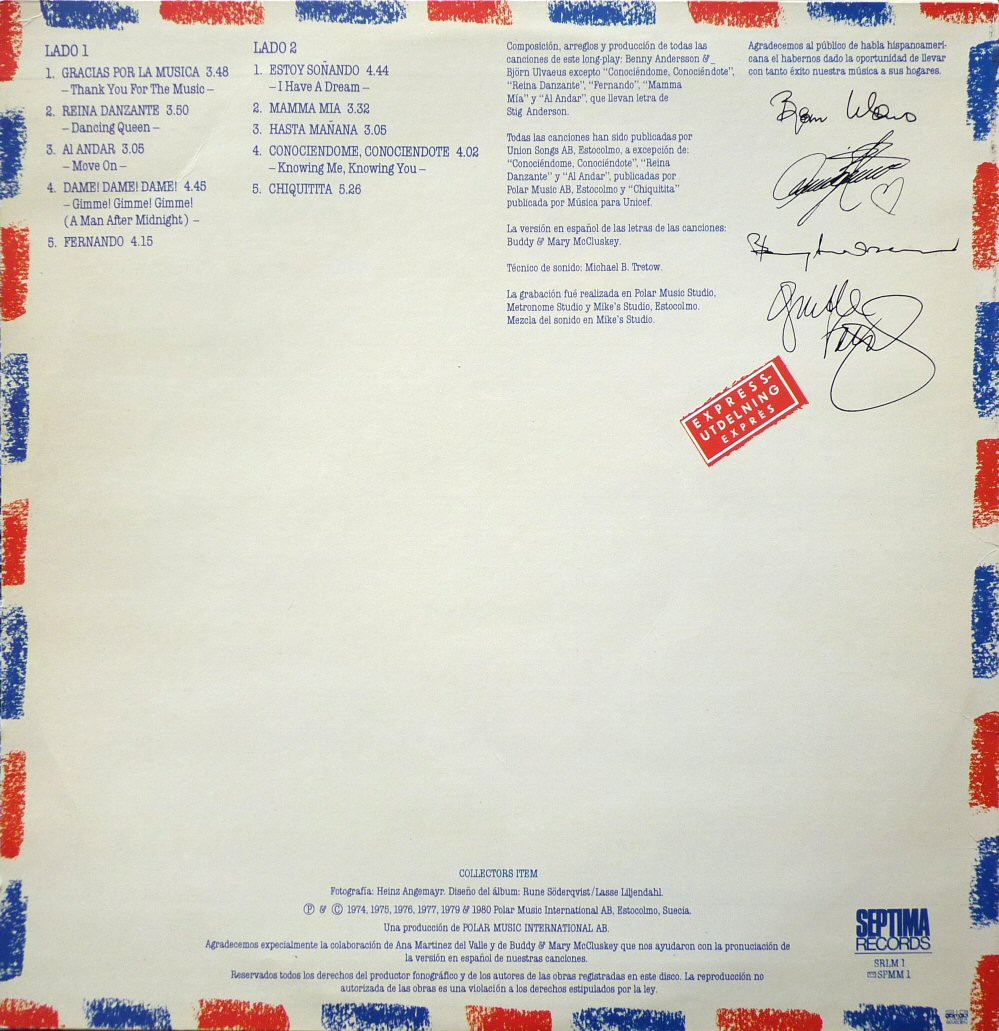
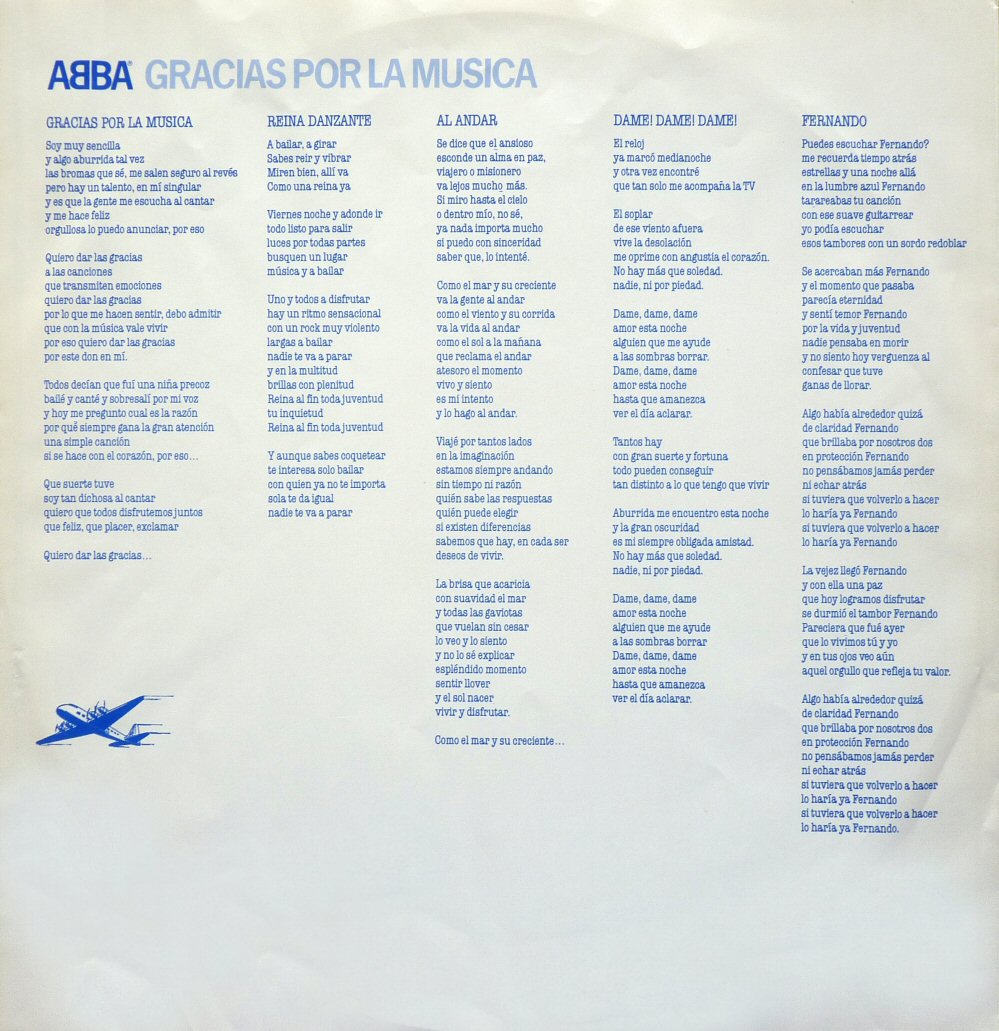
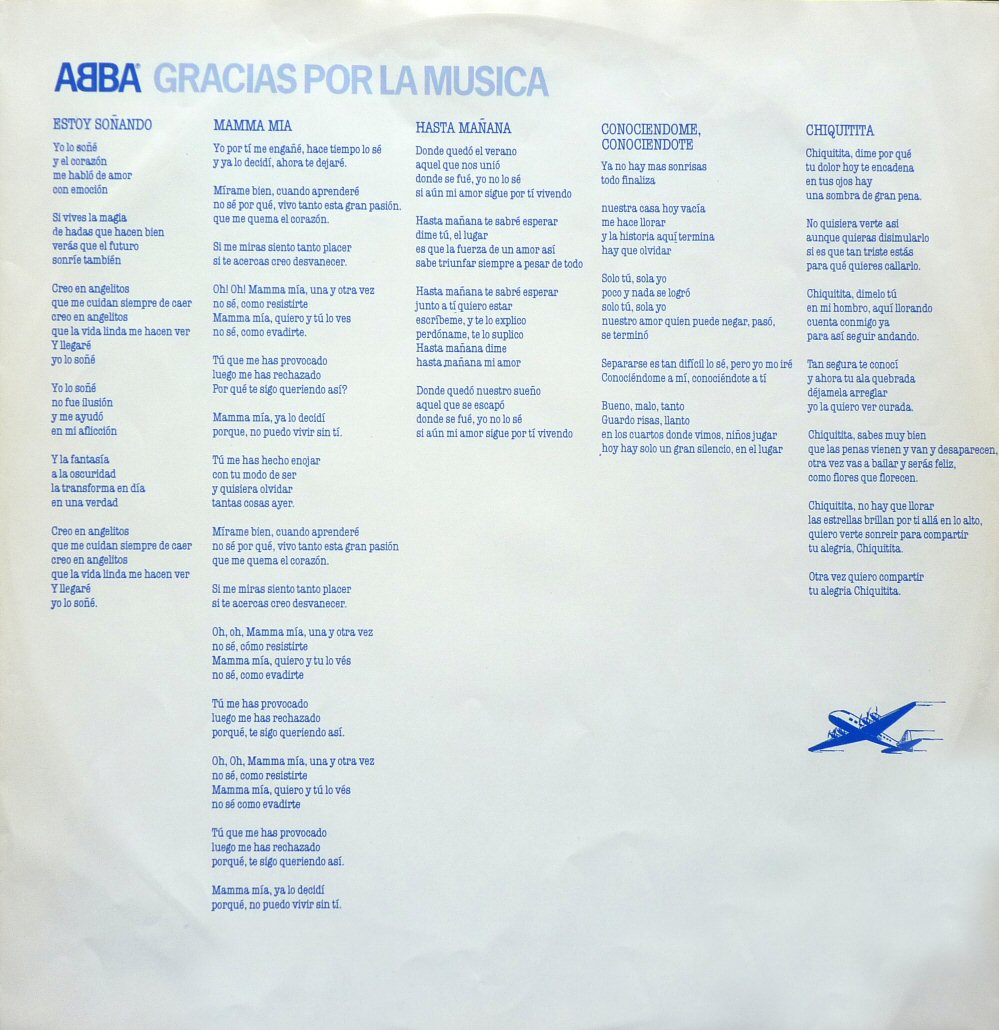
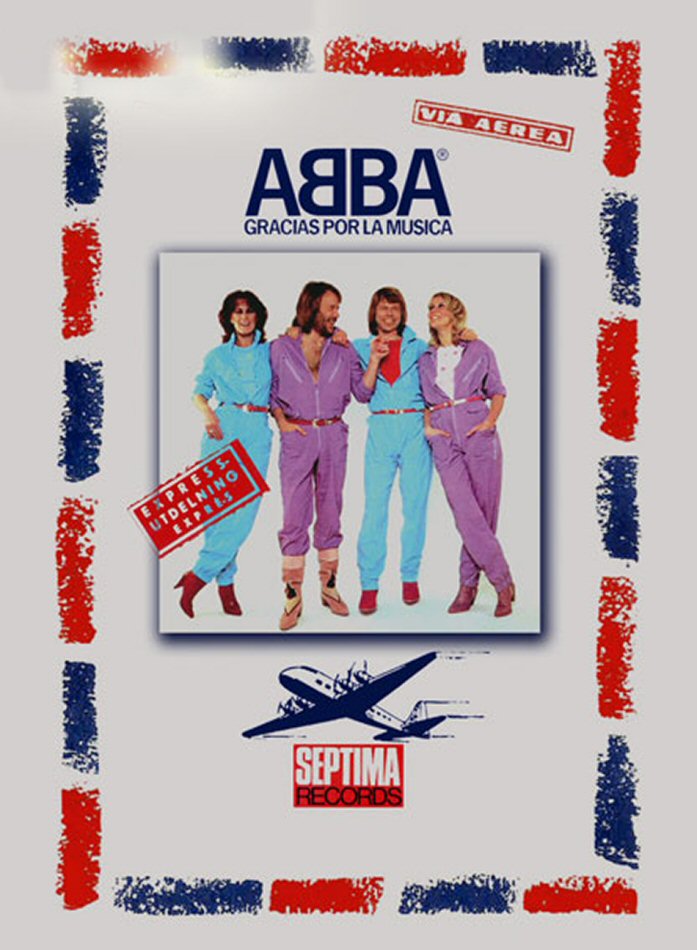
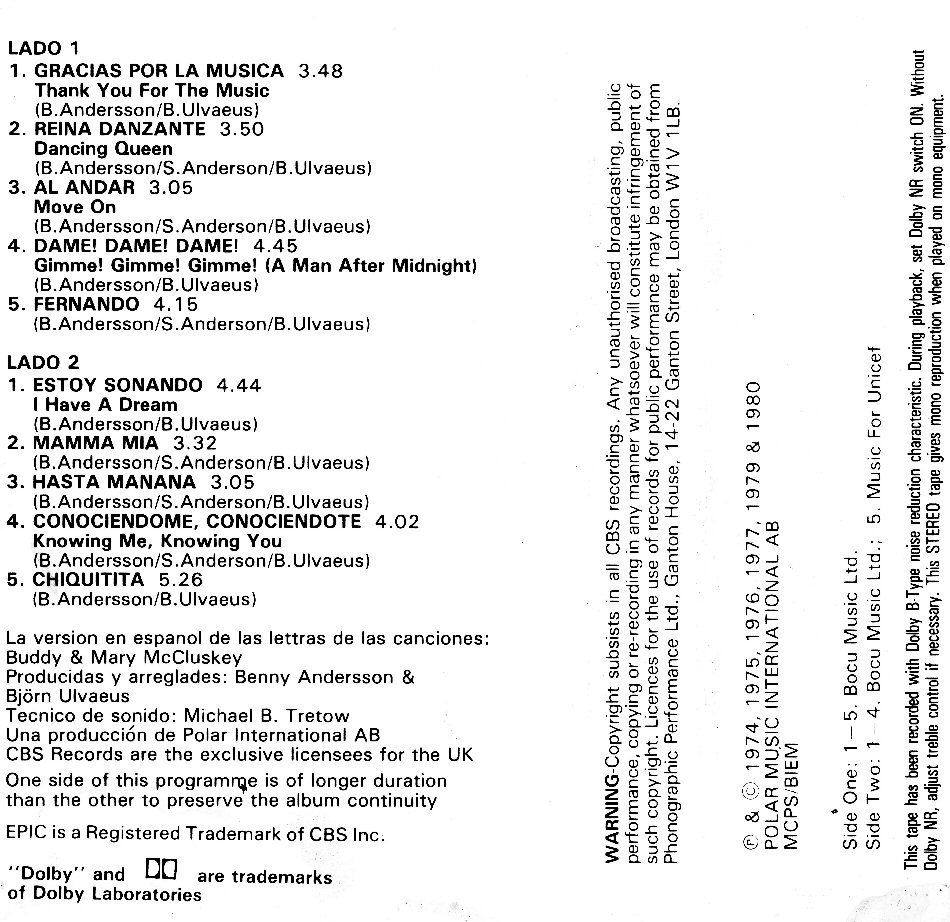
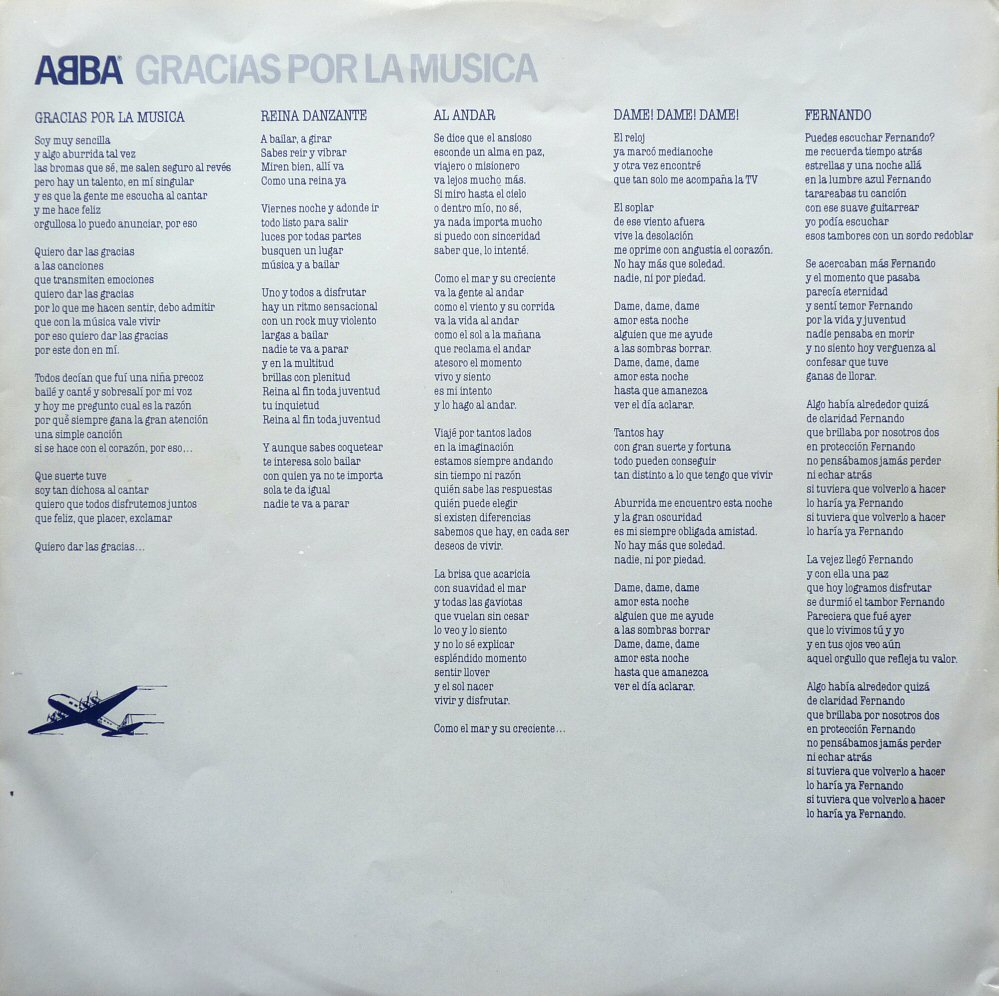
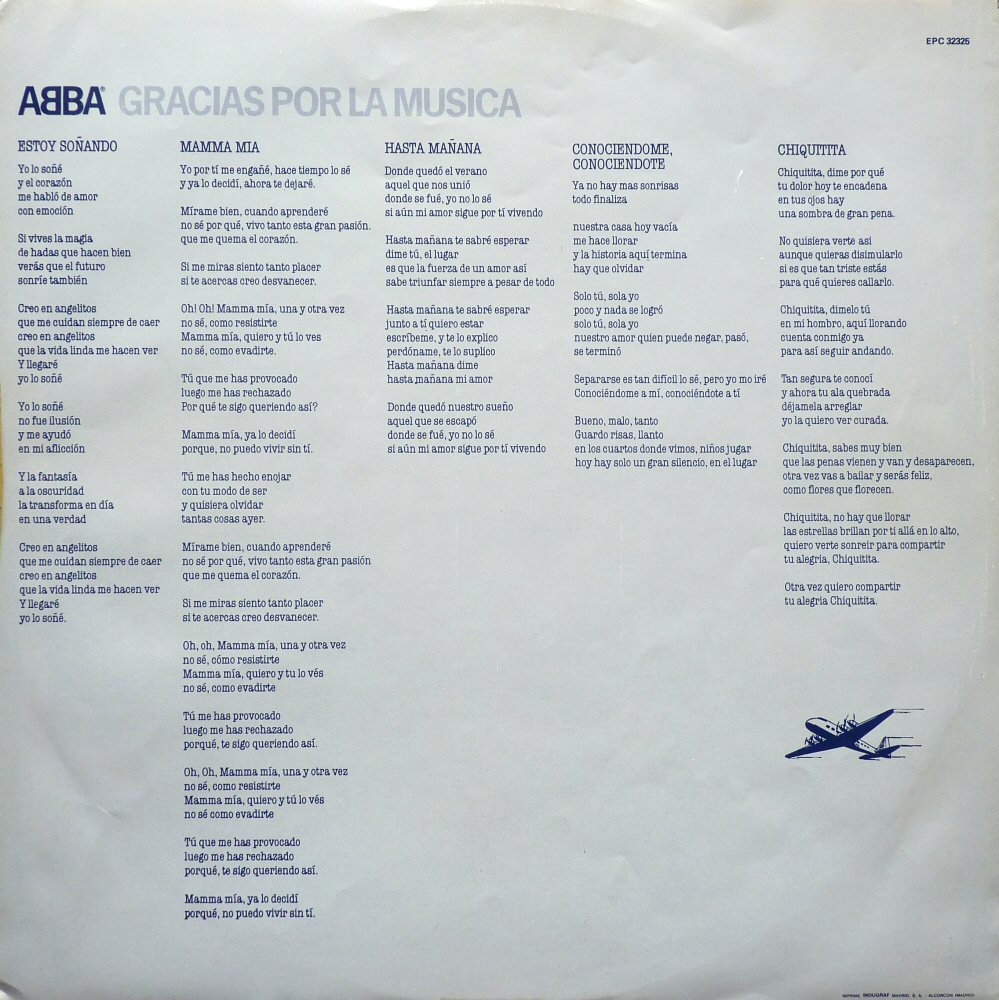
The Spanish album was entitled "Gracias por la musica" and it featured 10 tracks with Spanish lyrics translated from English by Buddy and Mary McCluskey who were South American agents for Polar Music. The album sold 130.000 copies in Argentina the first day and it peaked at #4 on the Argentinian LP chart.
 |
 |
 |
 |
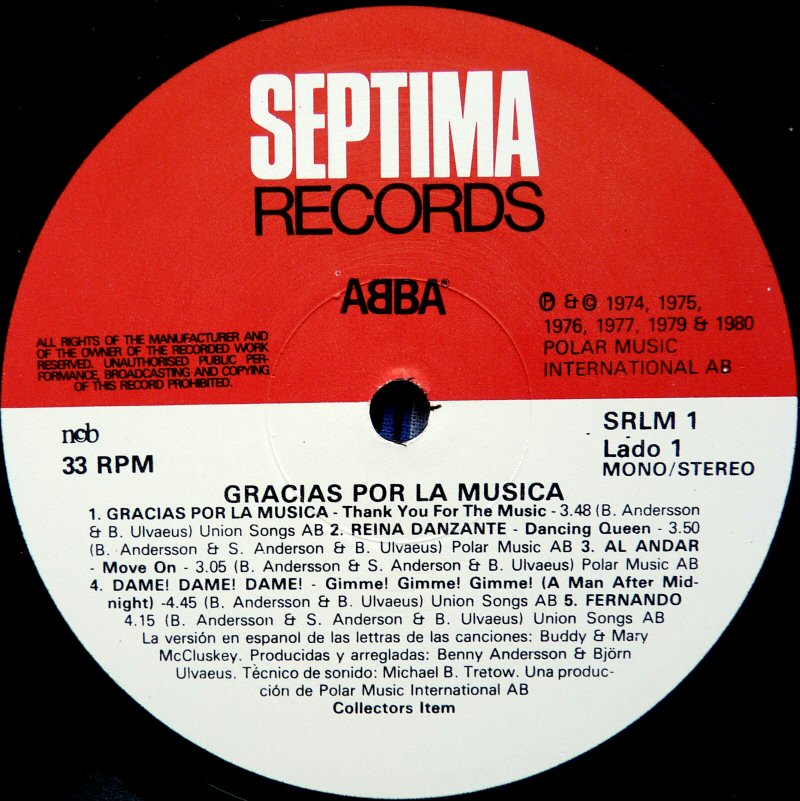
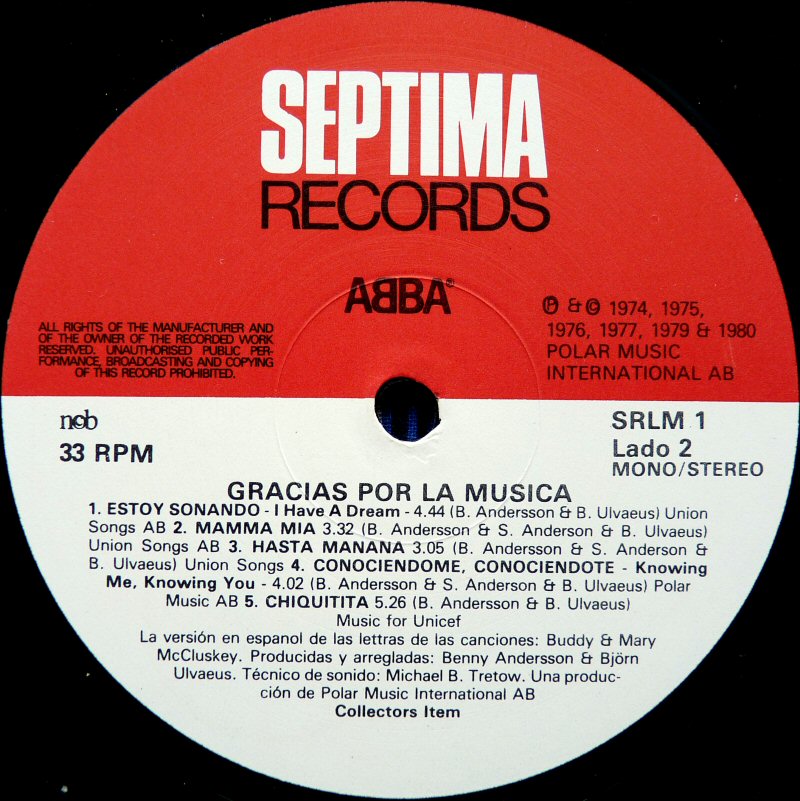
The album was released in Sweden and England on June 23, 1980 it was available as a collector's item on import on the Swedish label "Septima".
 |
 |
 |
 |
|
 |
 |
 |
||
 |
 |
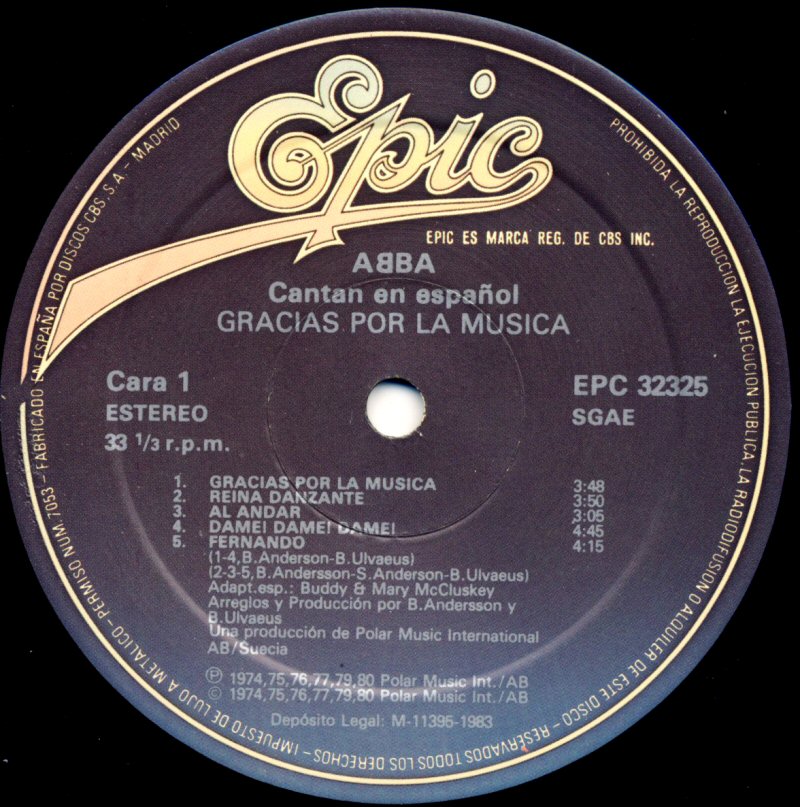
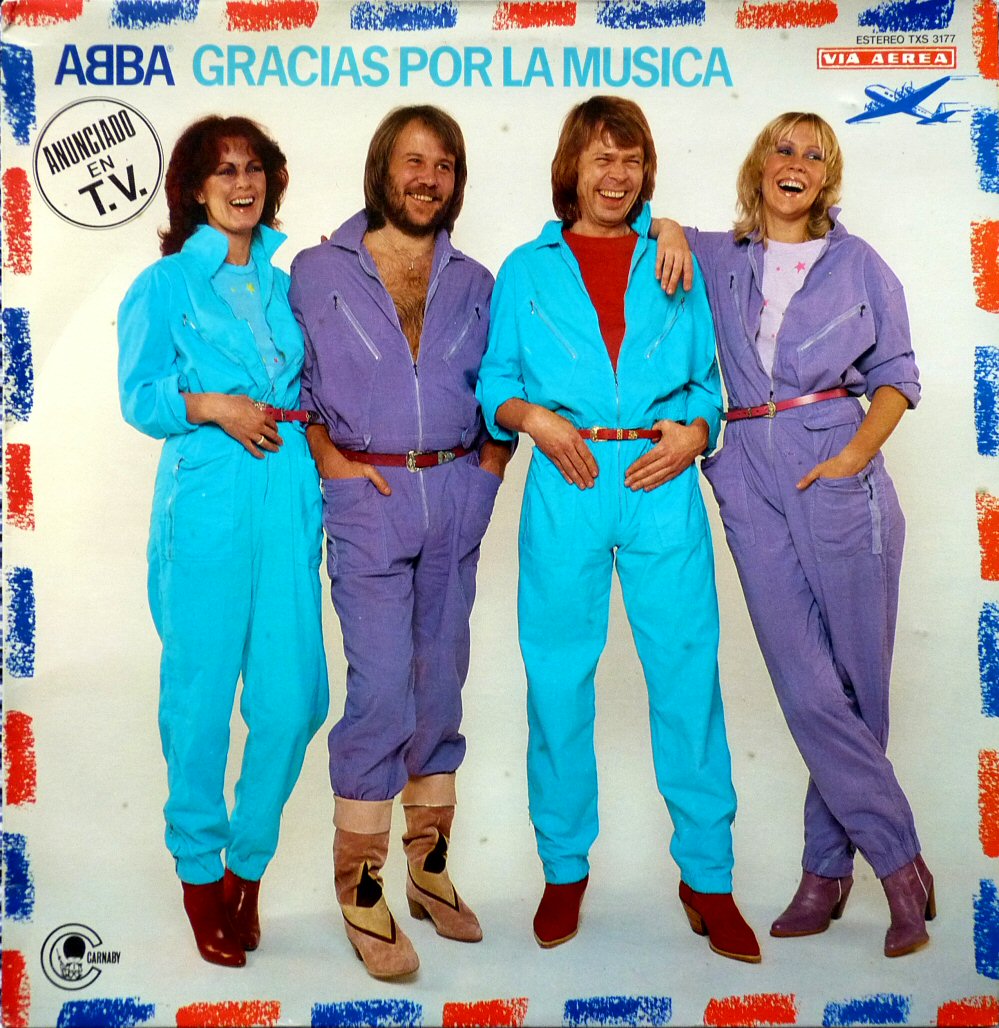
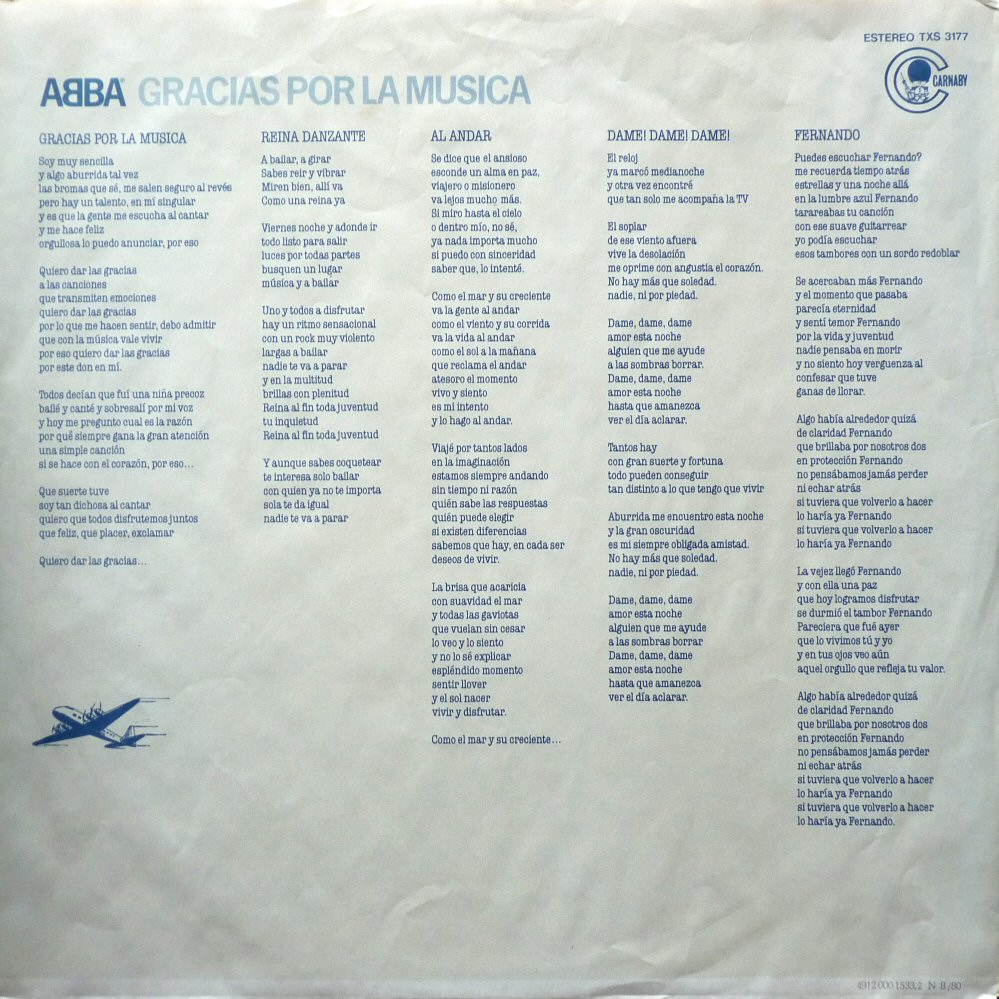
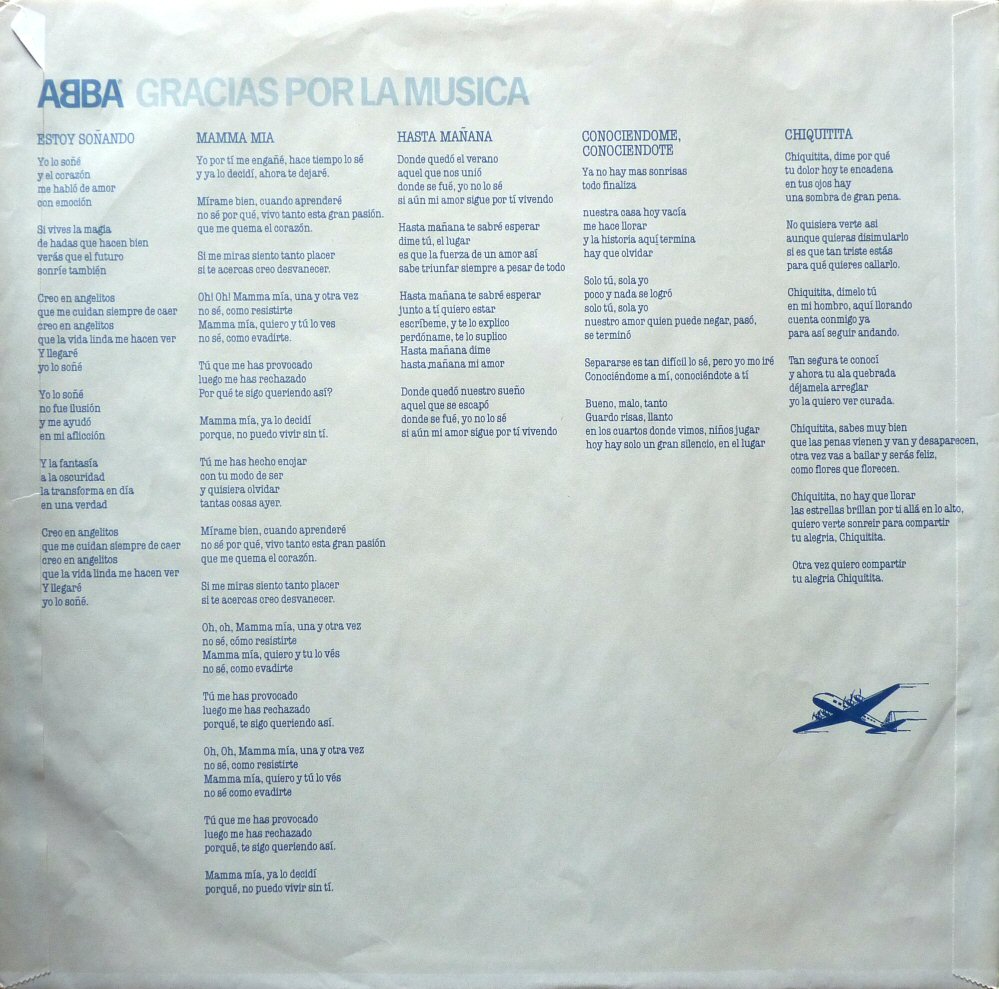
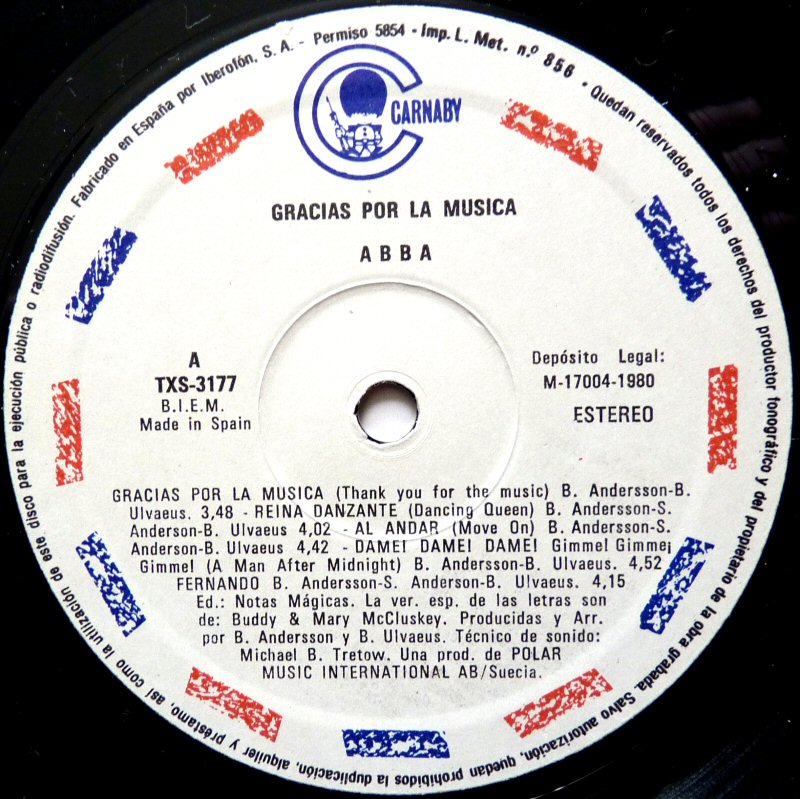
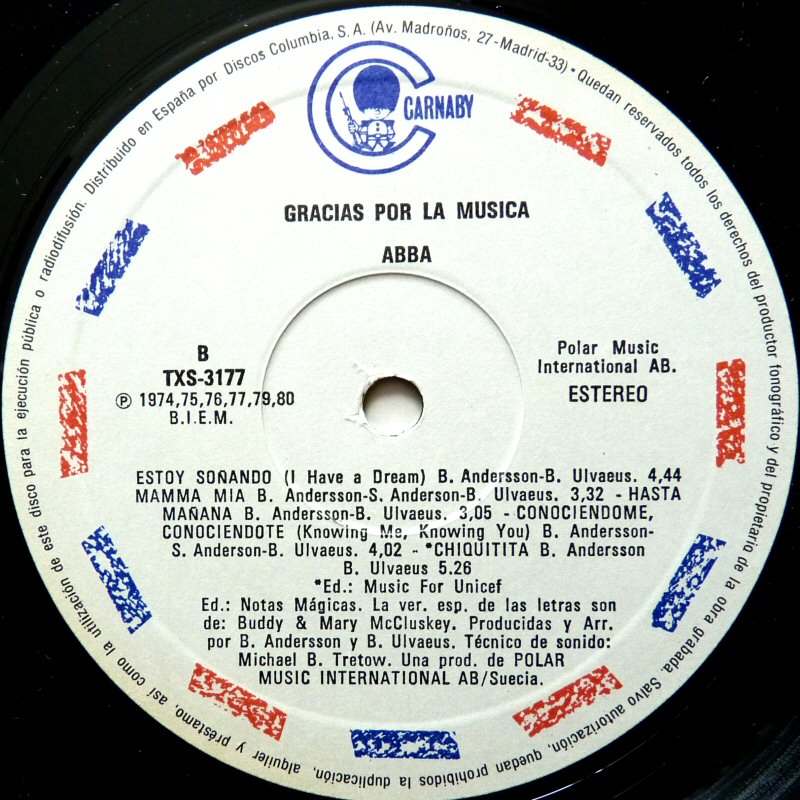
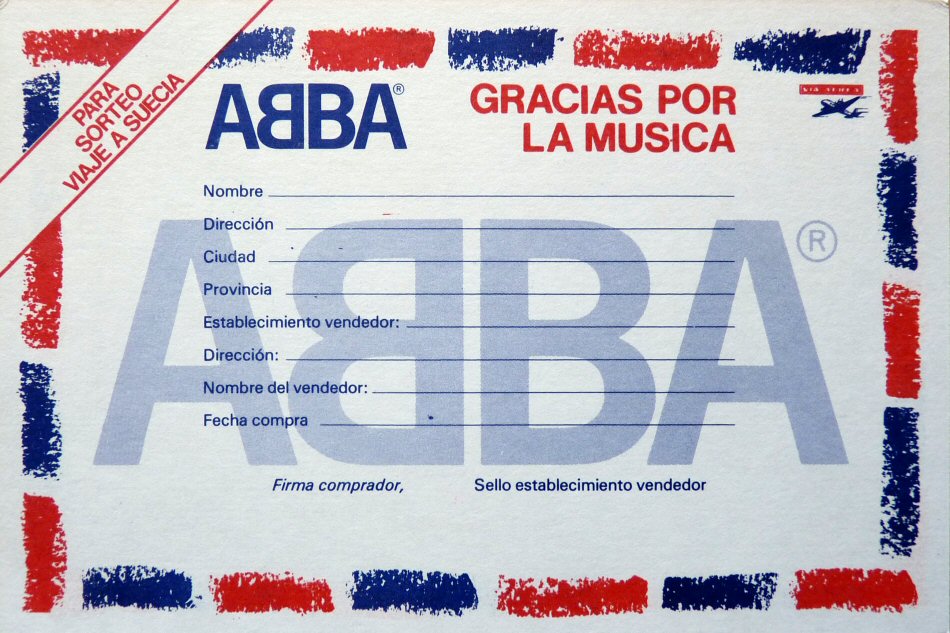
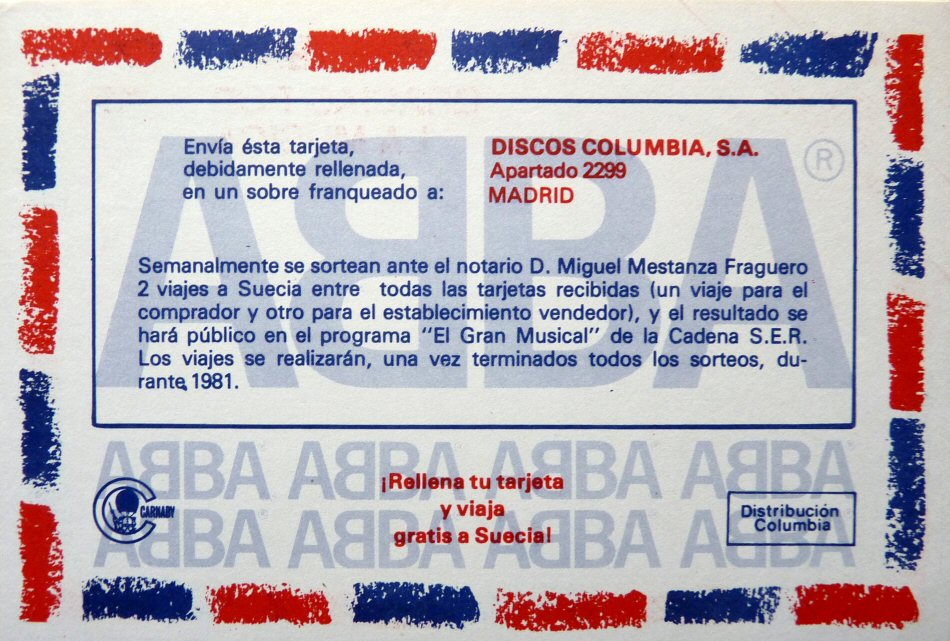
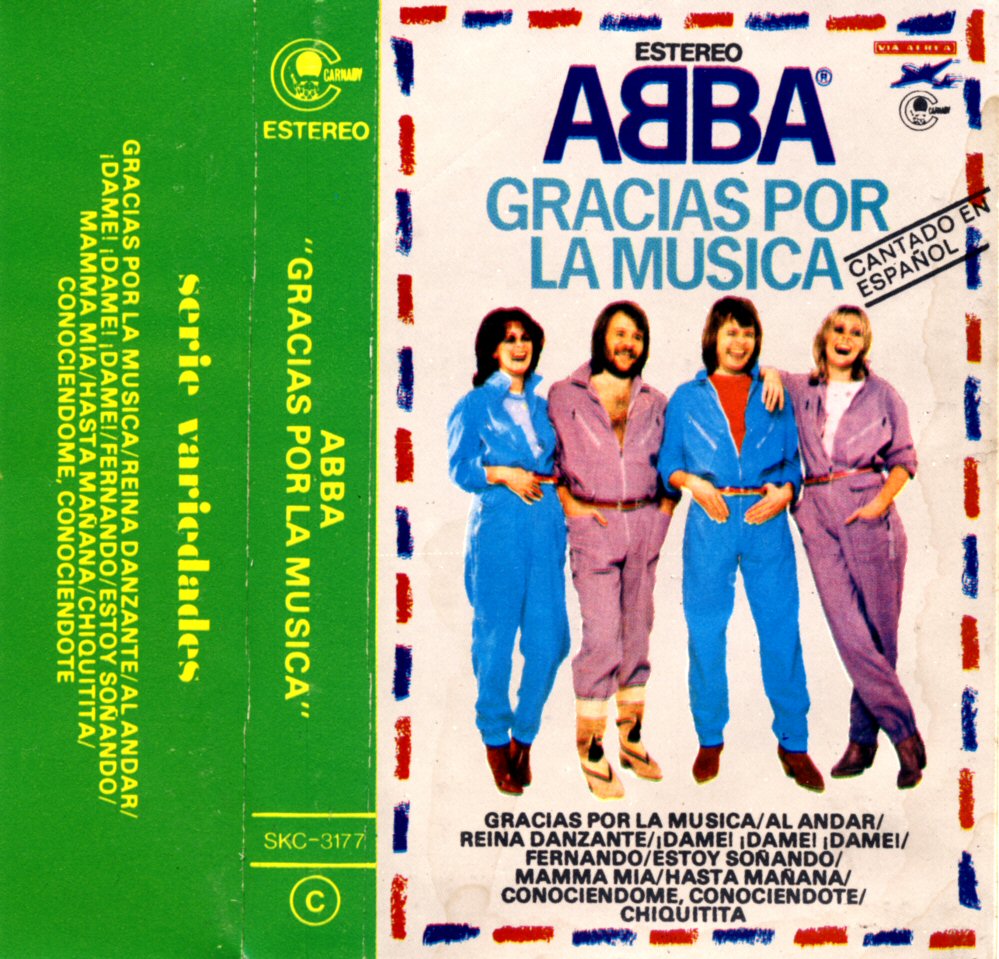
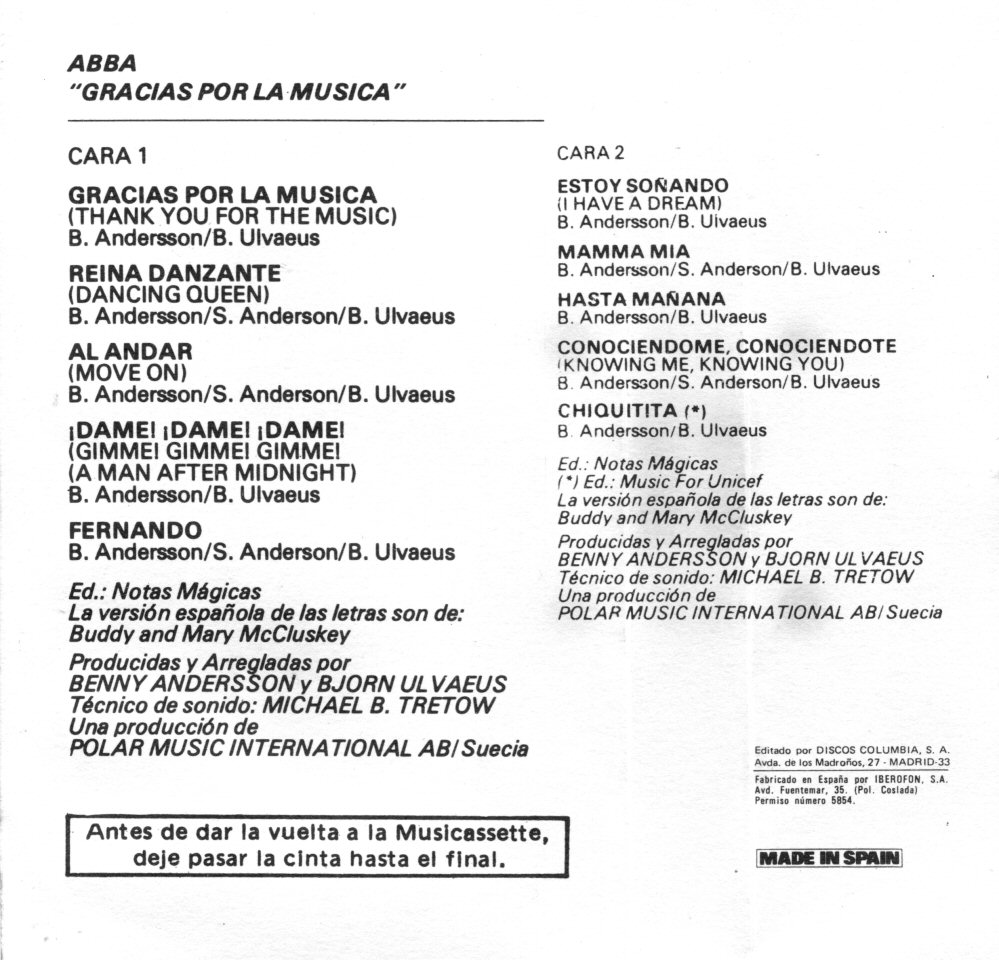
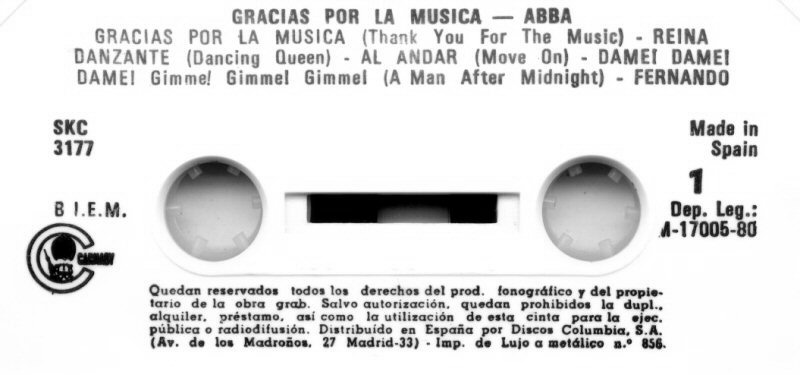
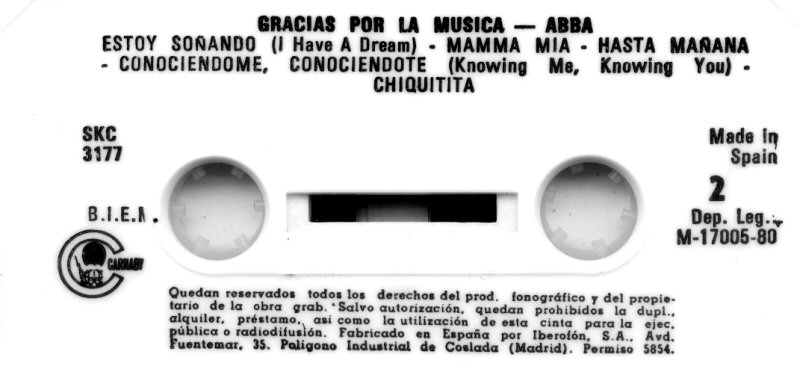
In Spain "Gracias Por La Musica" was released by both Epic and Carnaby and it stayed on the chart for 18 weeks peaking at #5.
 |
 |
 |
 |
|
 |
 |
Carnaby
 |
 |
 |
 |
|
 |
 |
 |
 |
|
 |
 |
 |
 |
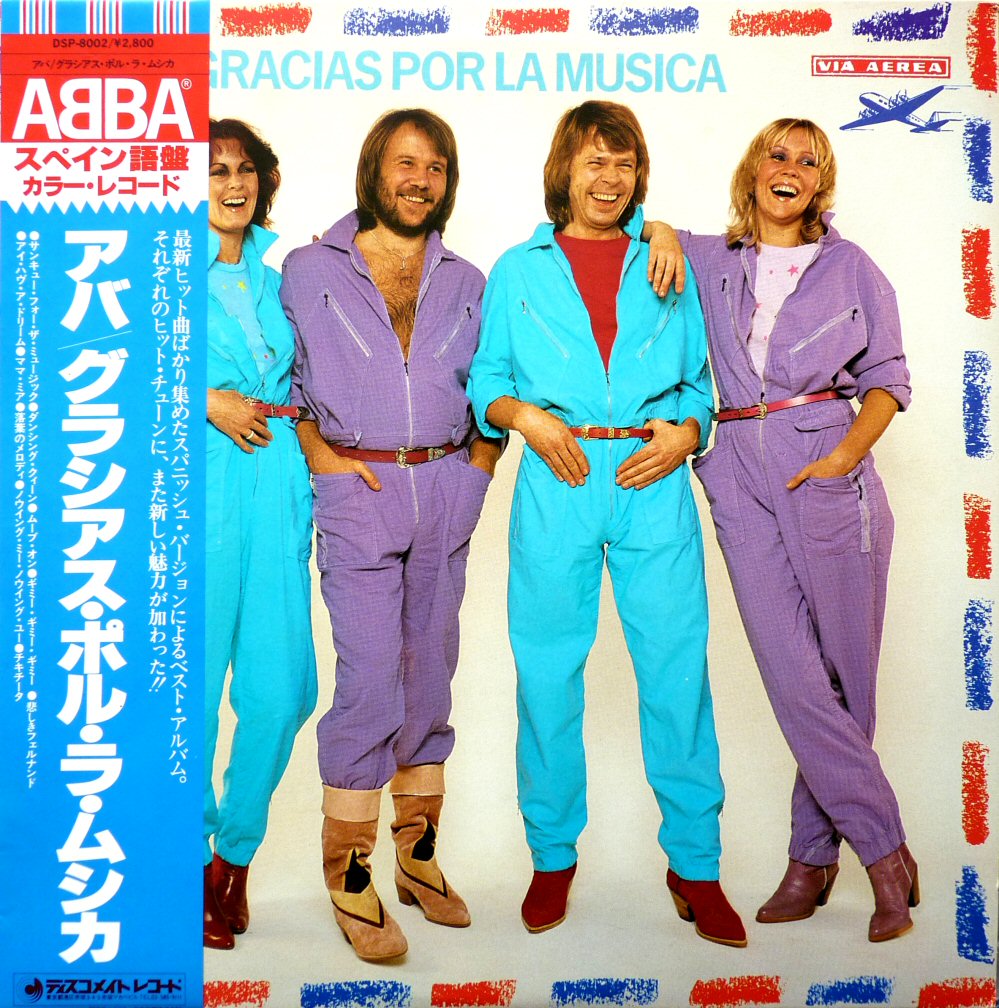
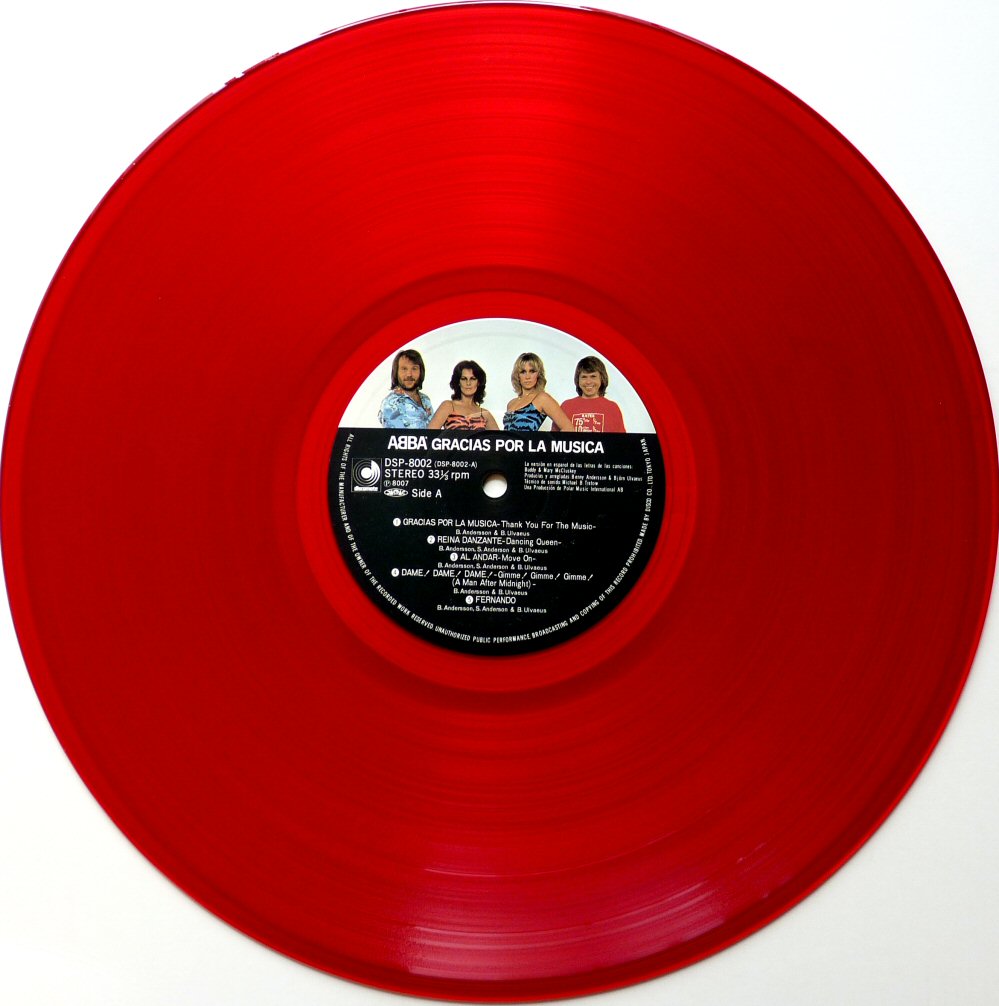
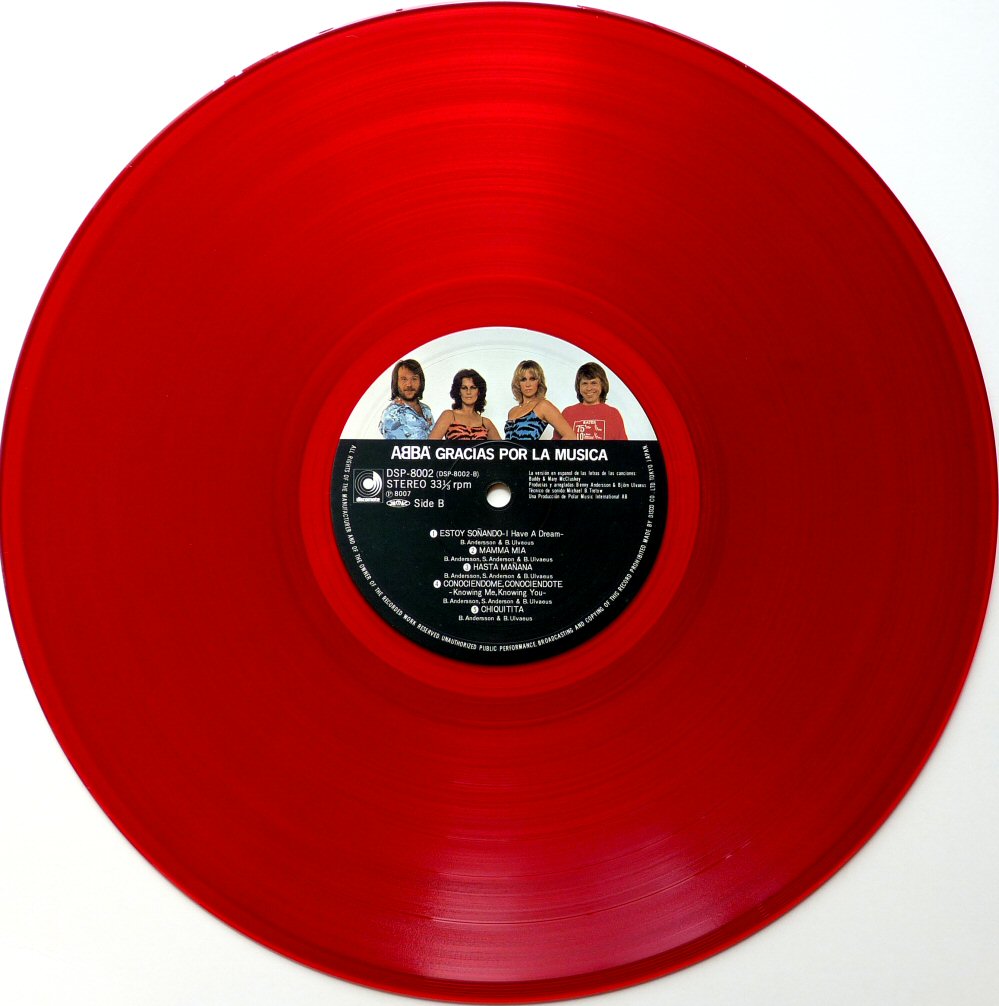
In Japan the album was released by Discomate and it entered the Japanese album chart in July 1980 where it stayed for 13 weeks peaking at #26.
 |
 |
 |
 |
 |
 |
 |
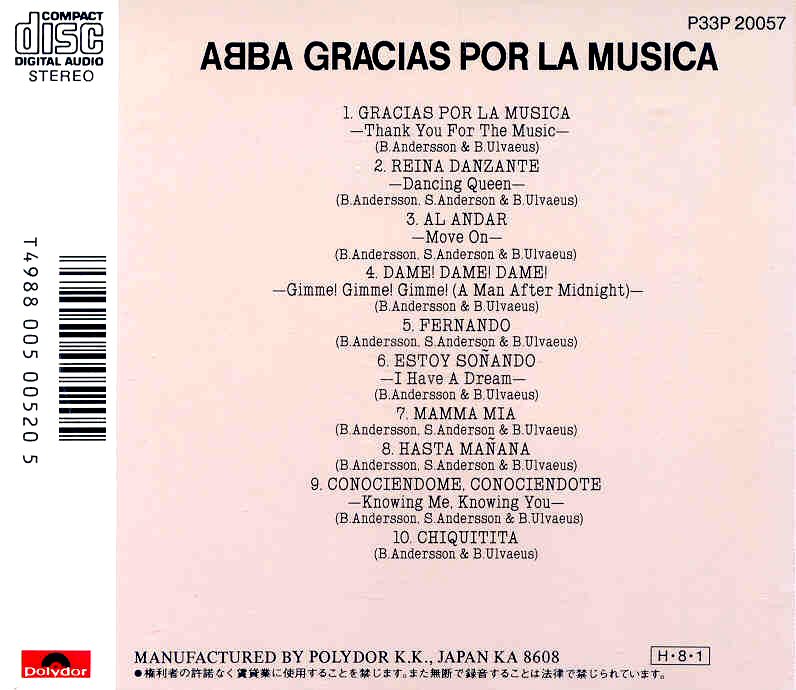
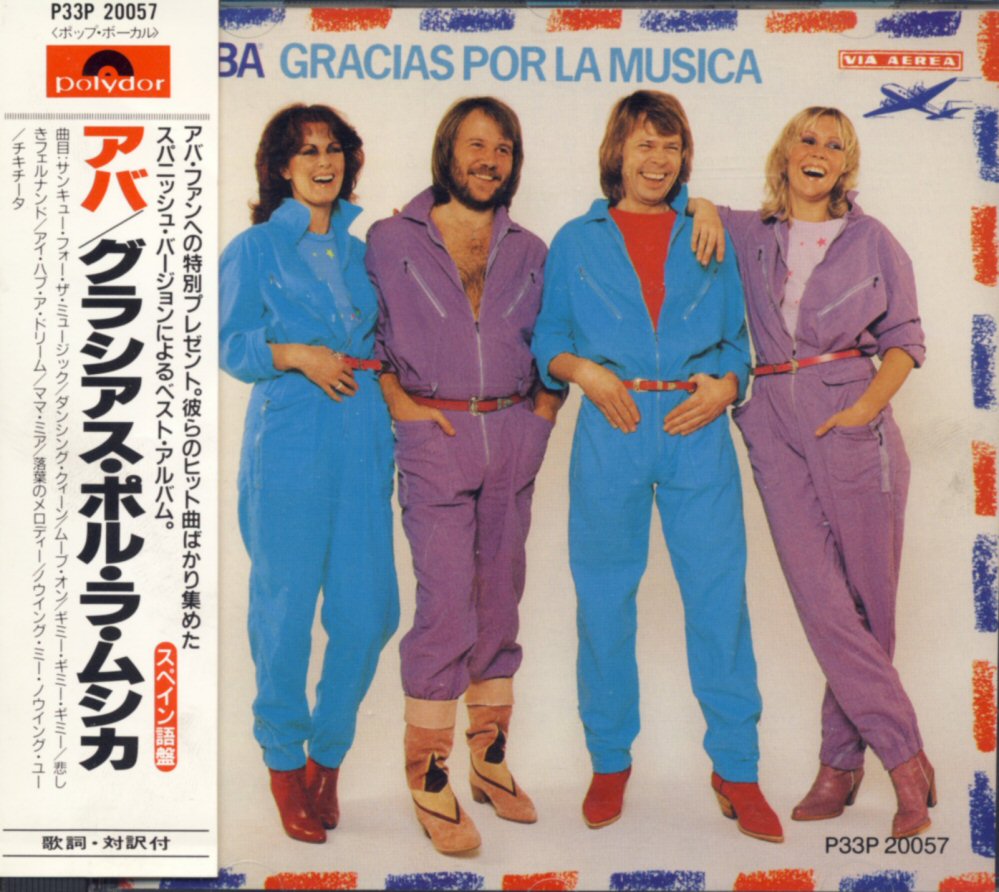
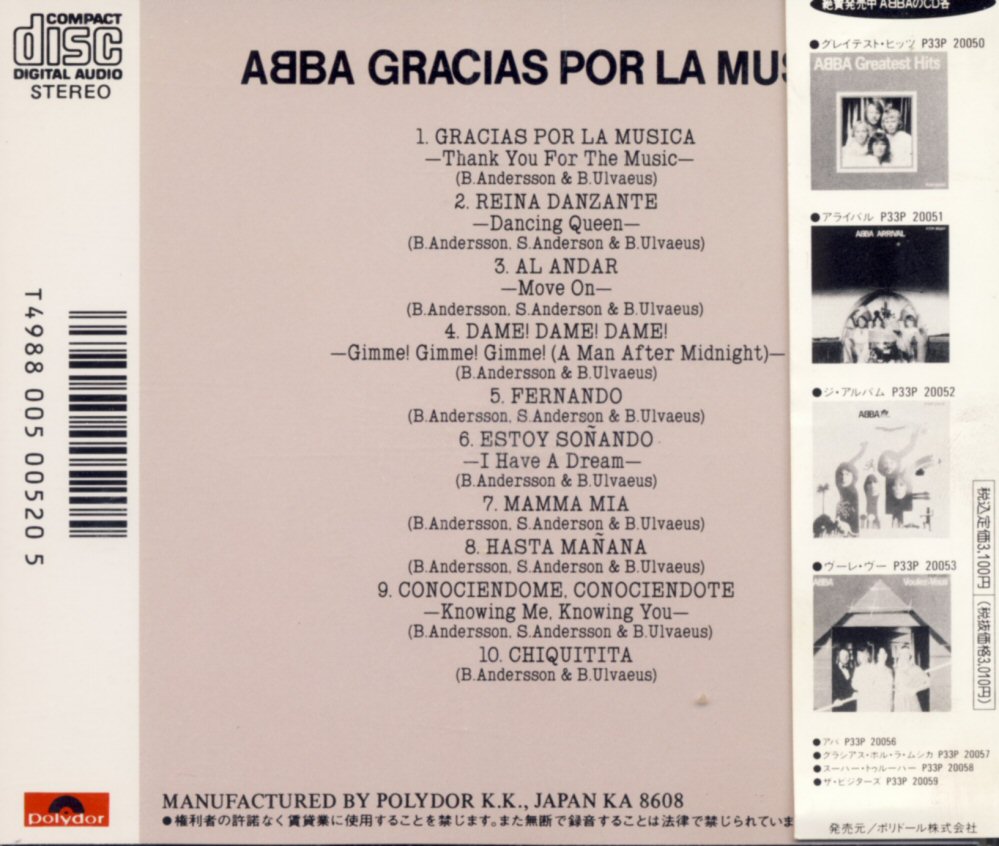
Even the first and only original CD release of the album came out in Japan.
 |
 |
 |
Applauso in Stockholm - May 1980
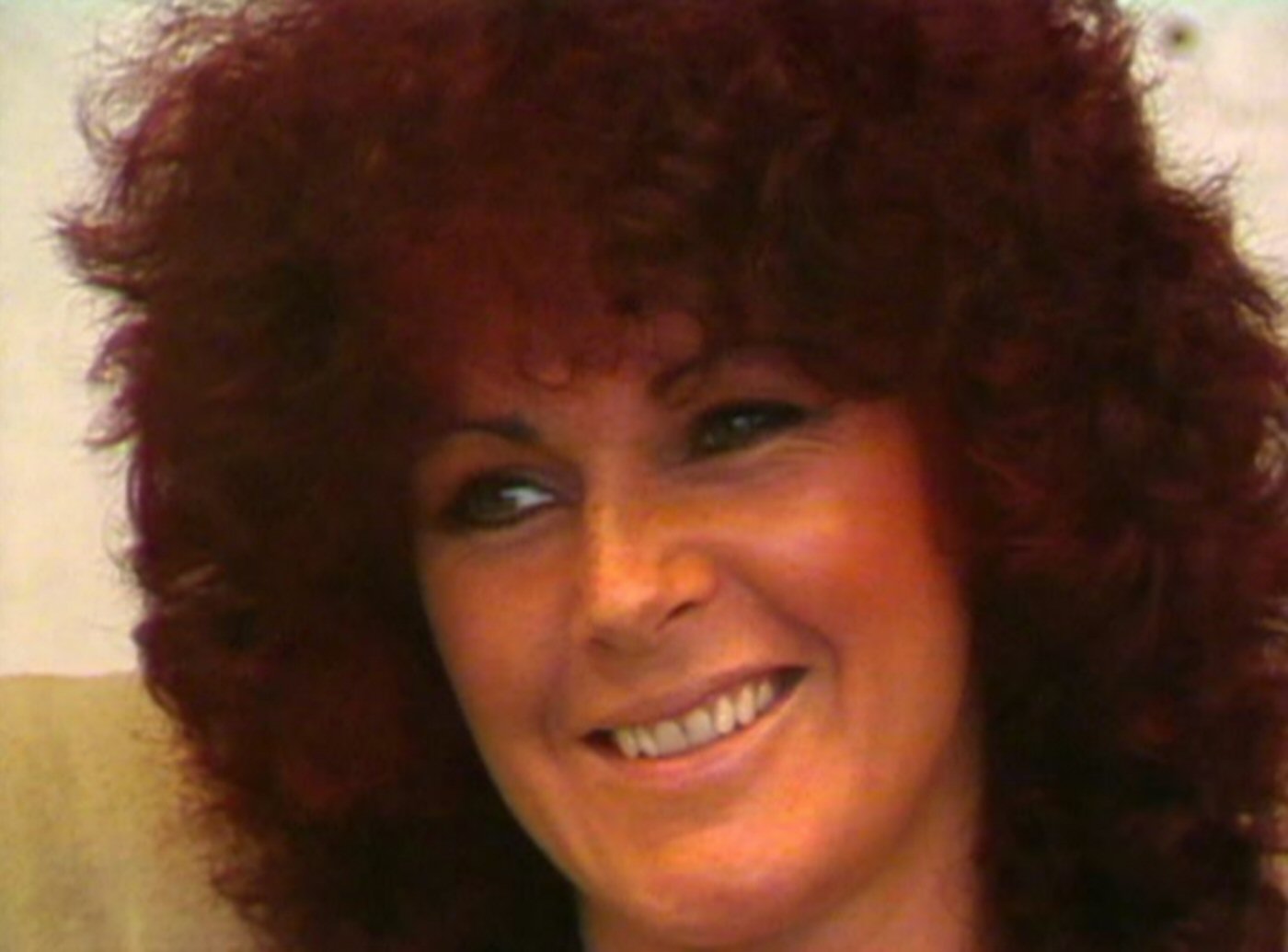
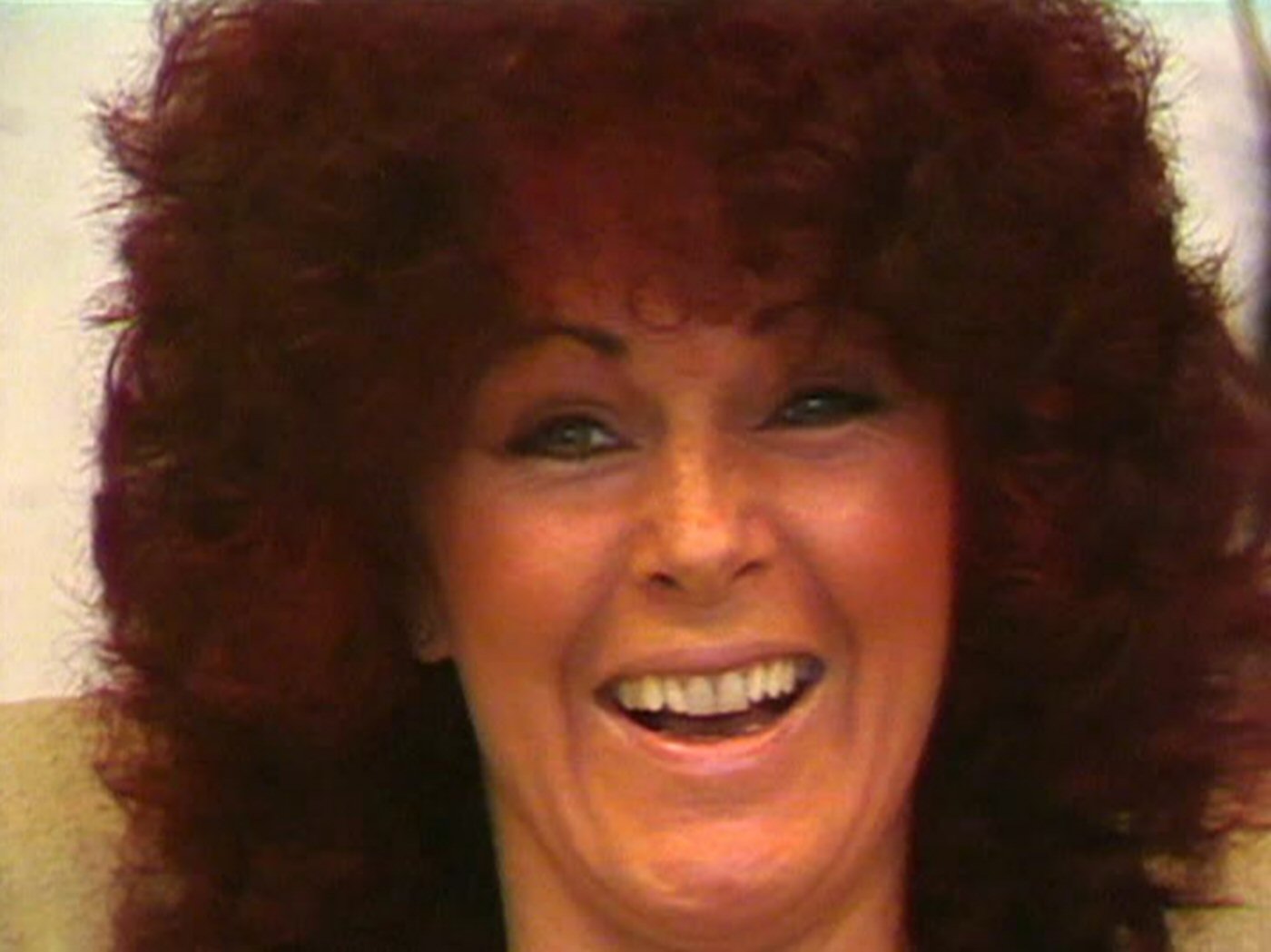
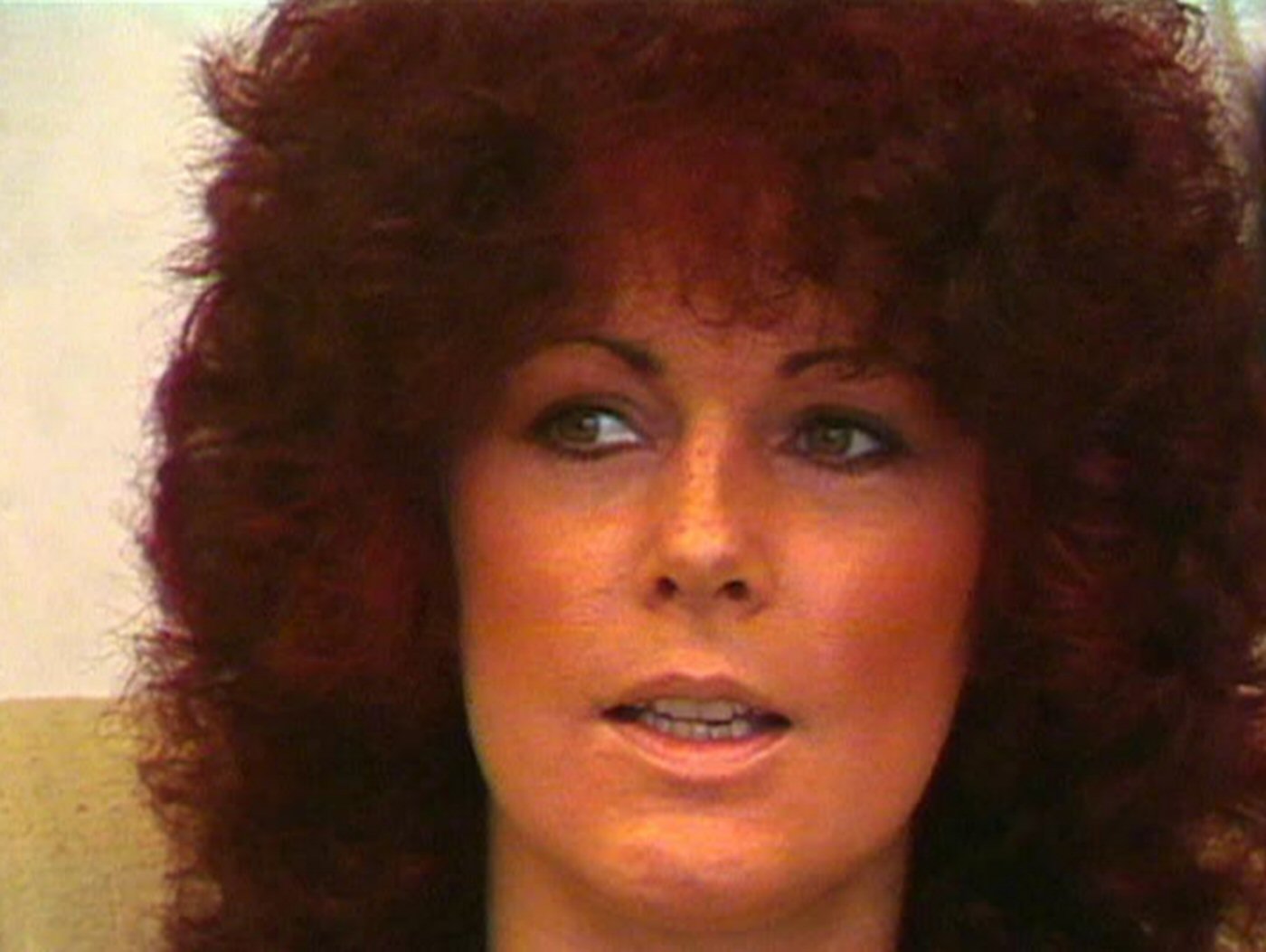
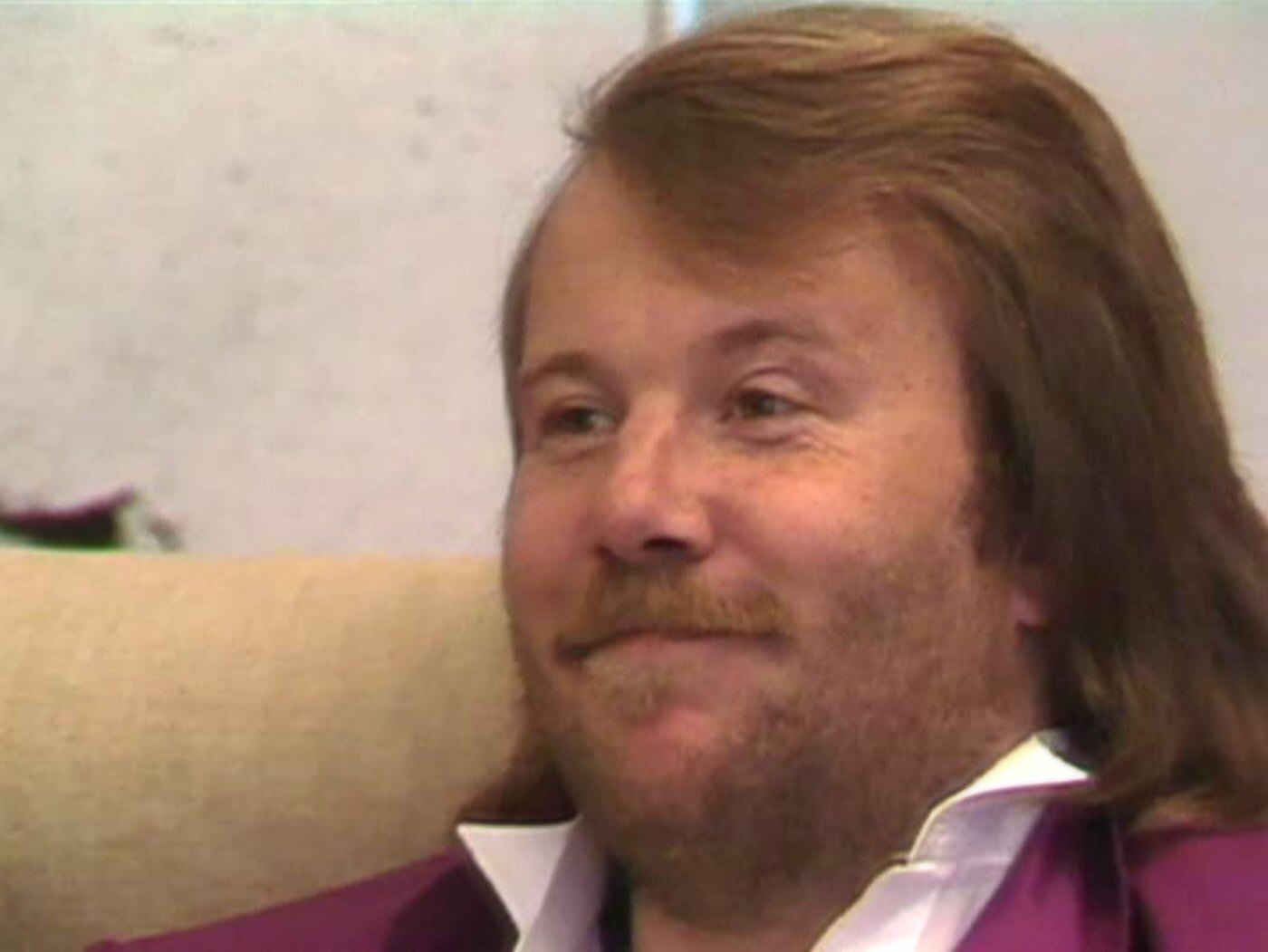
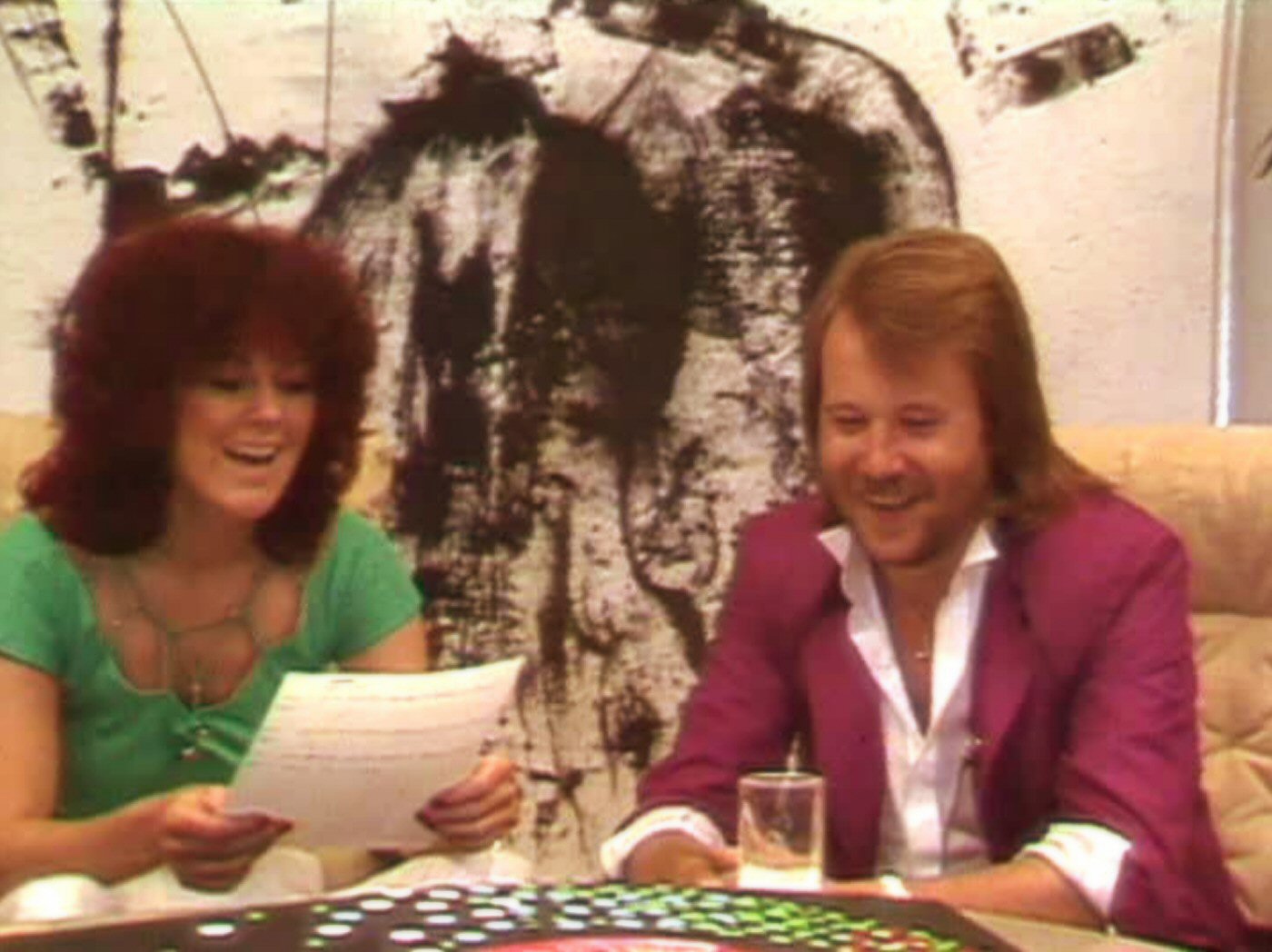
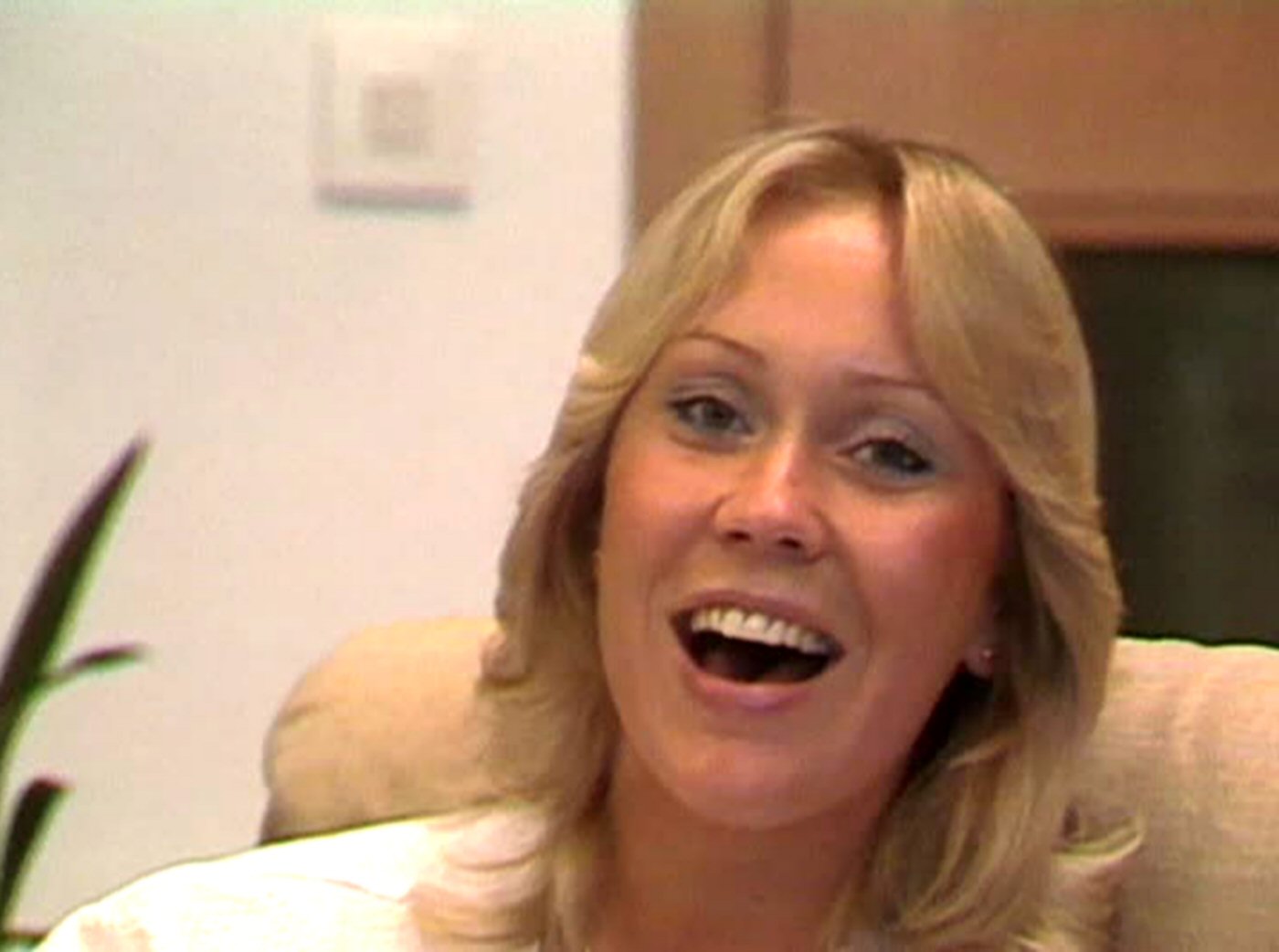
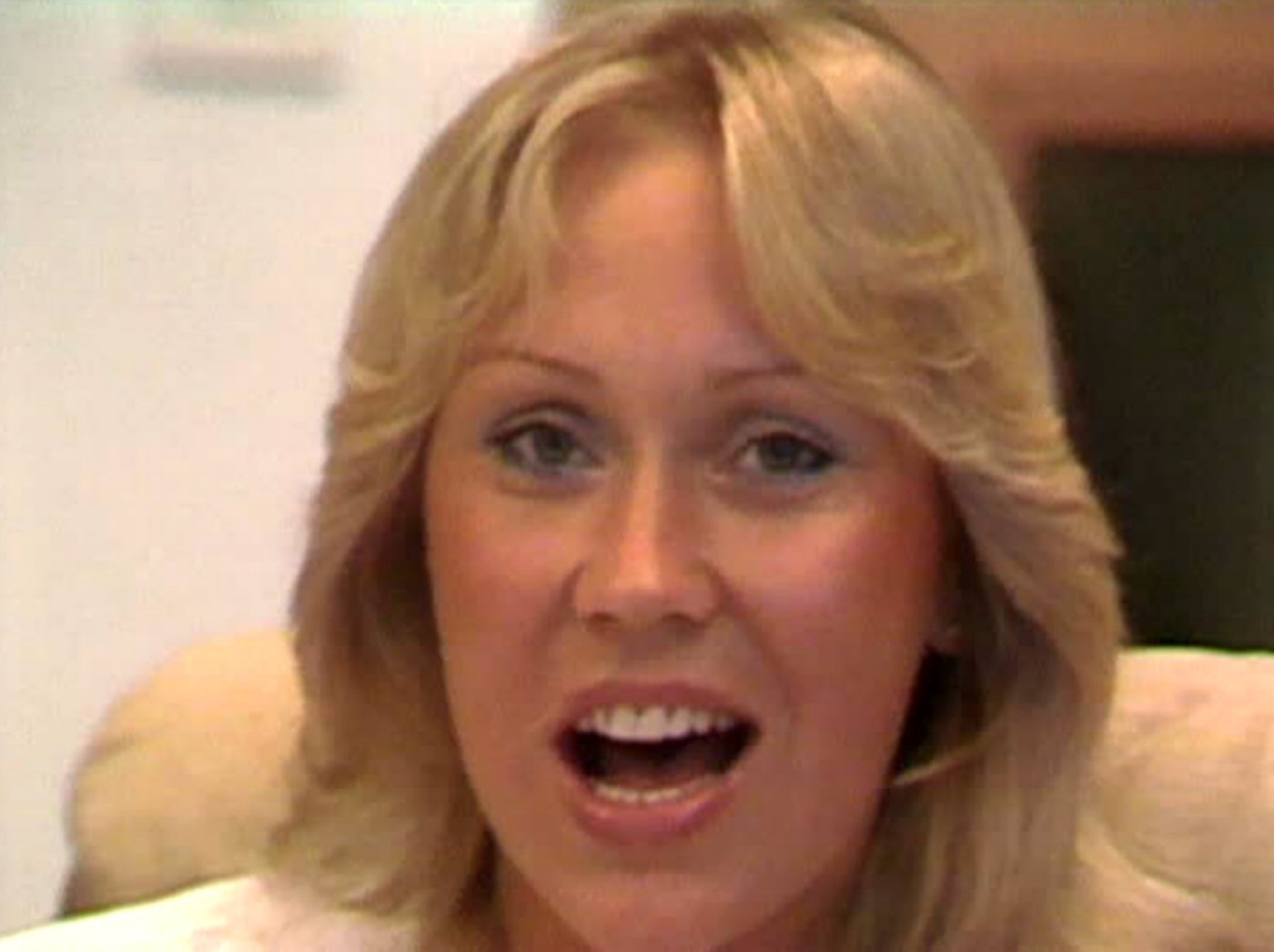
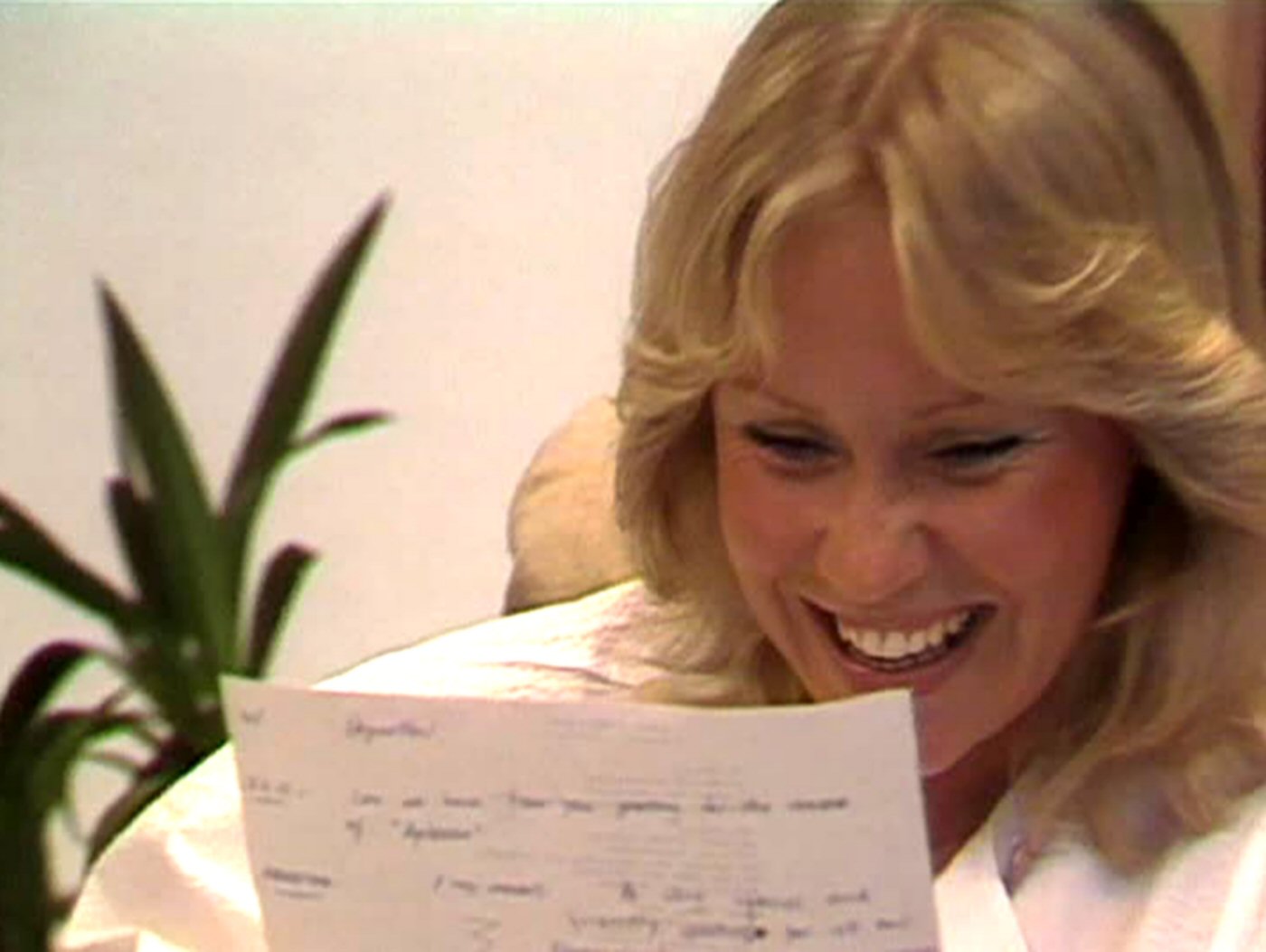
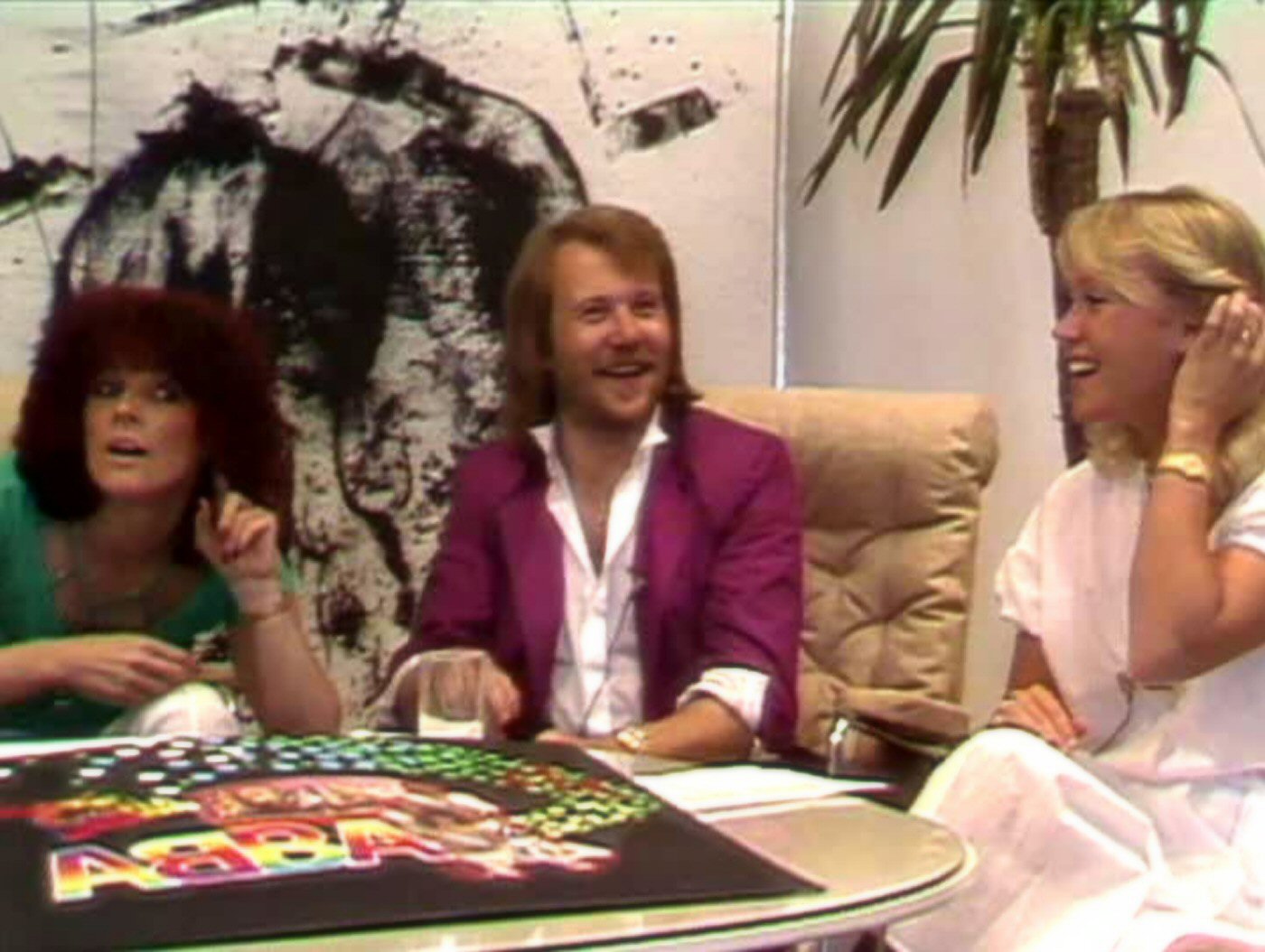
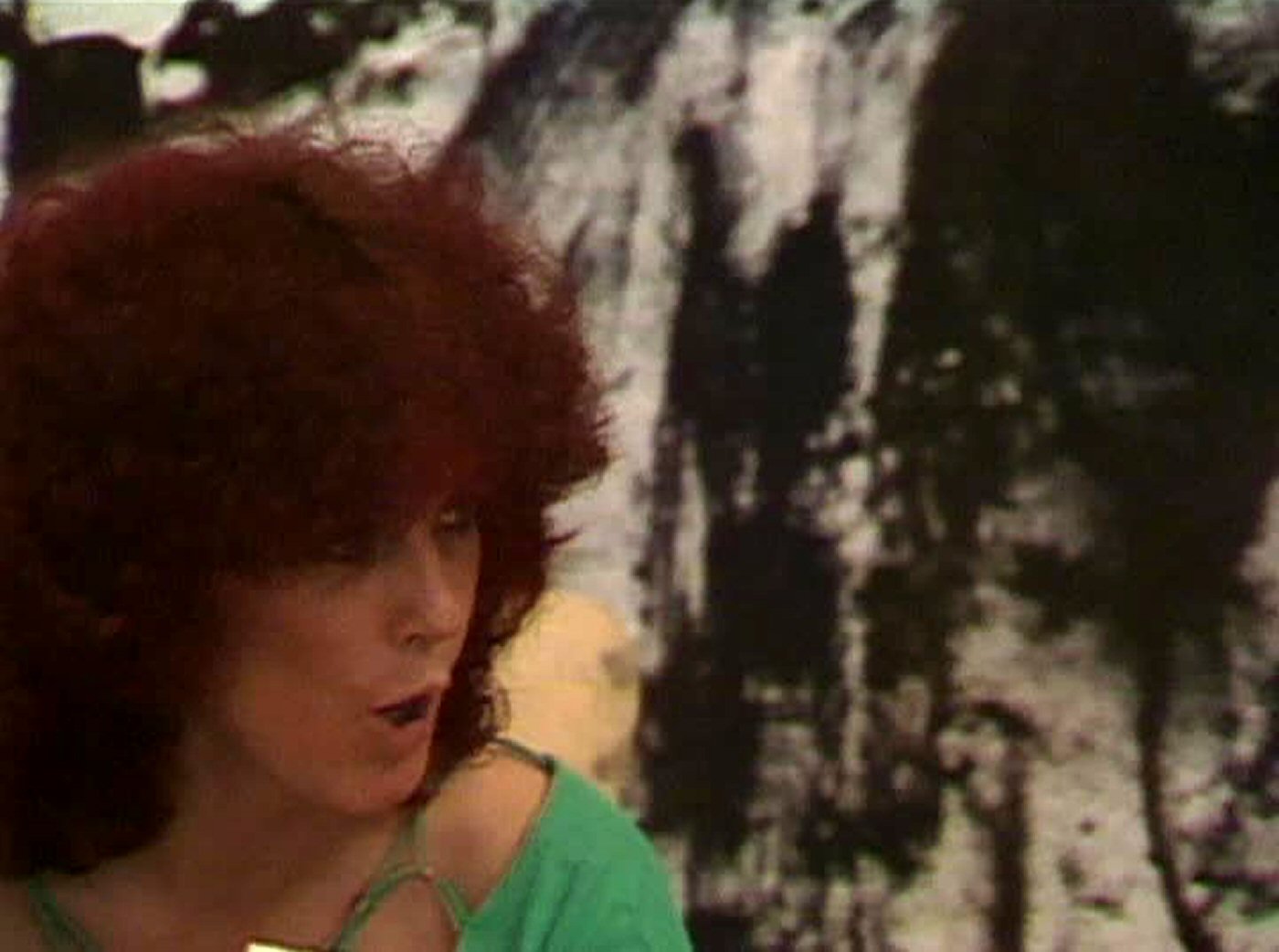
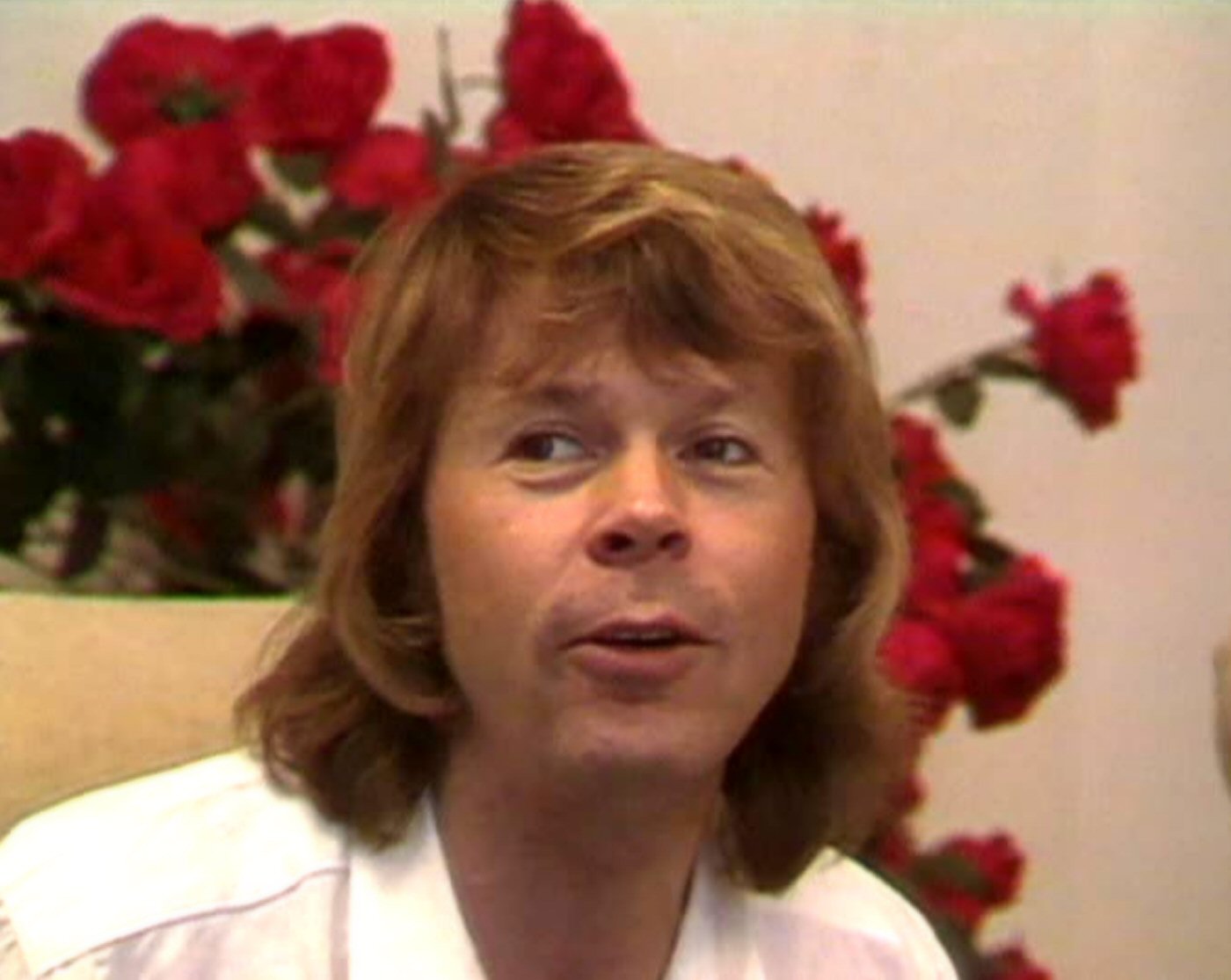
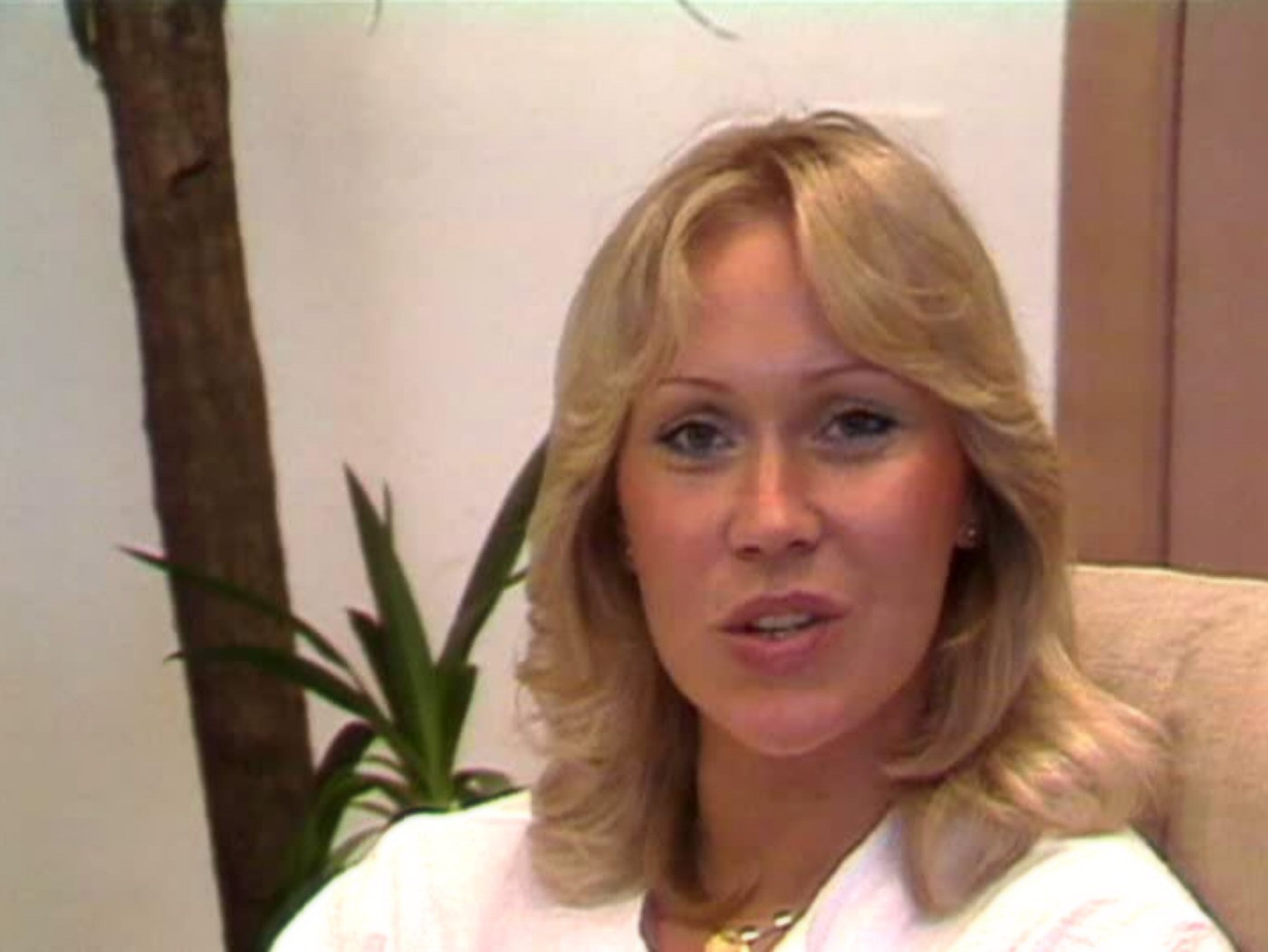
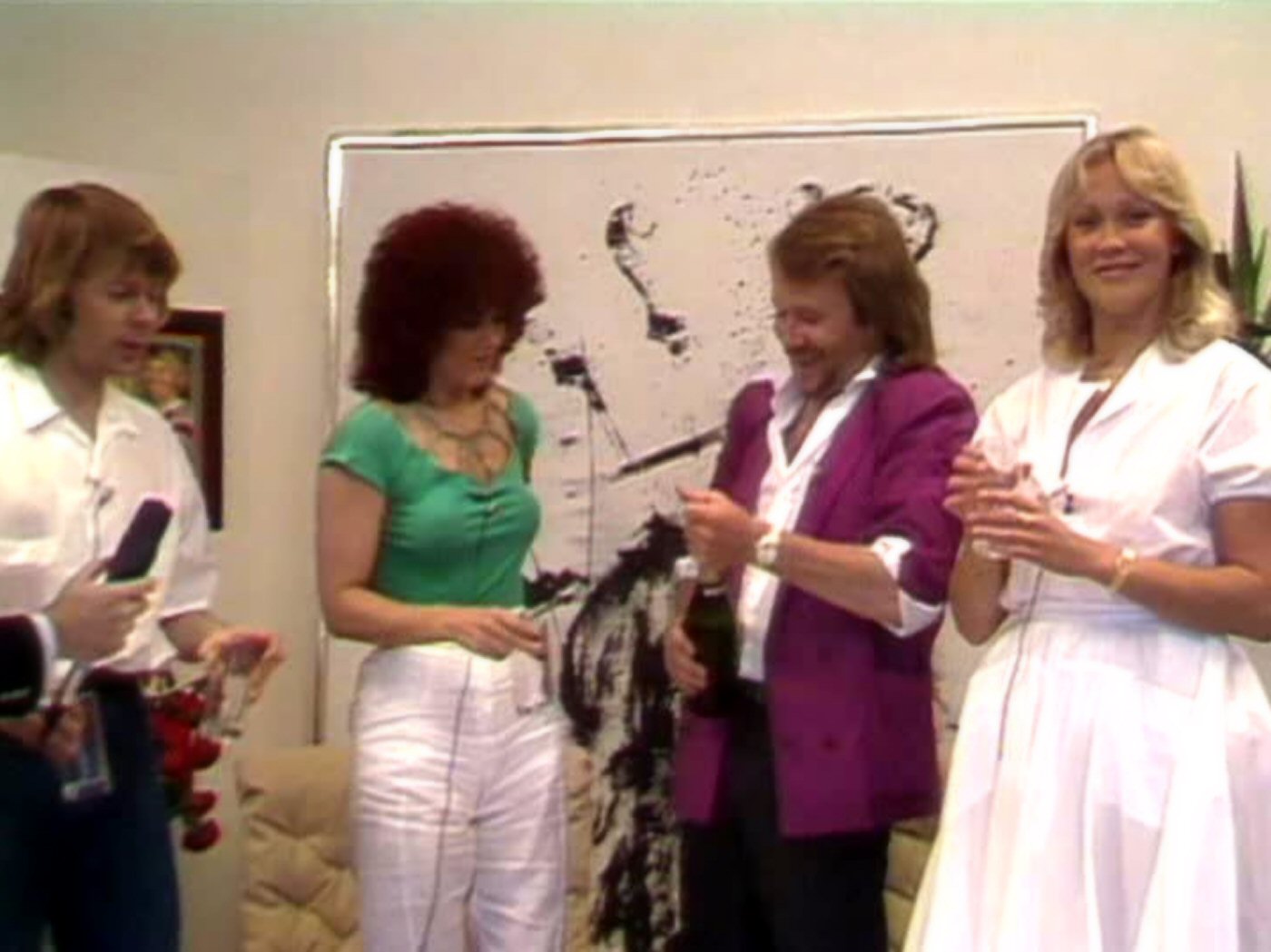
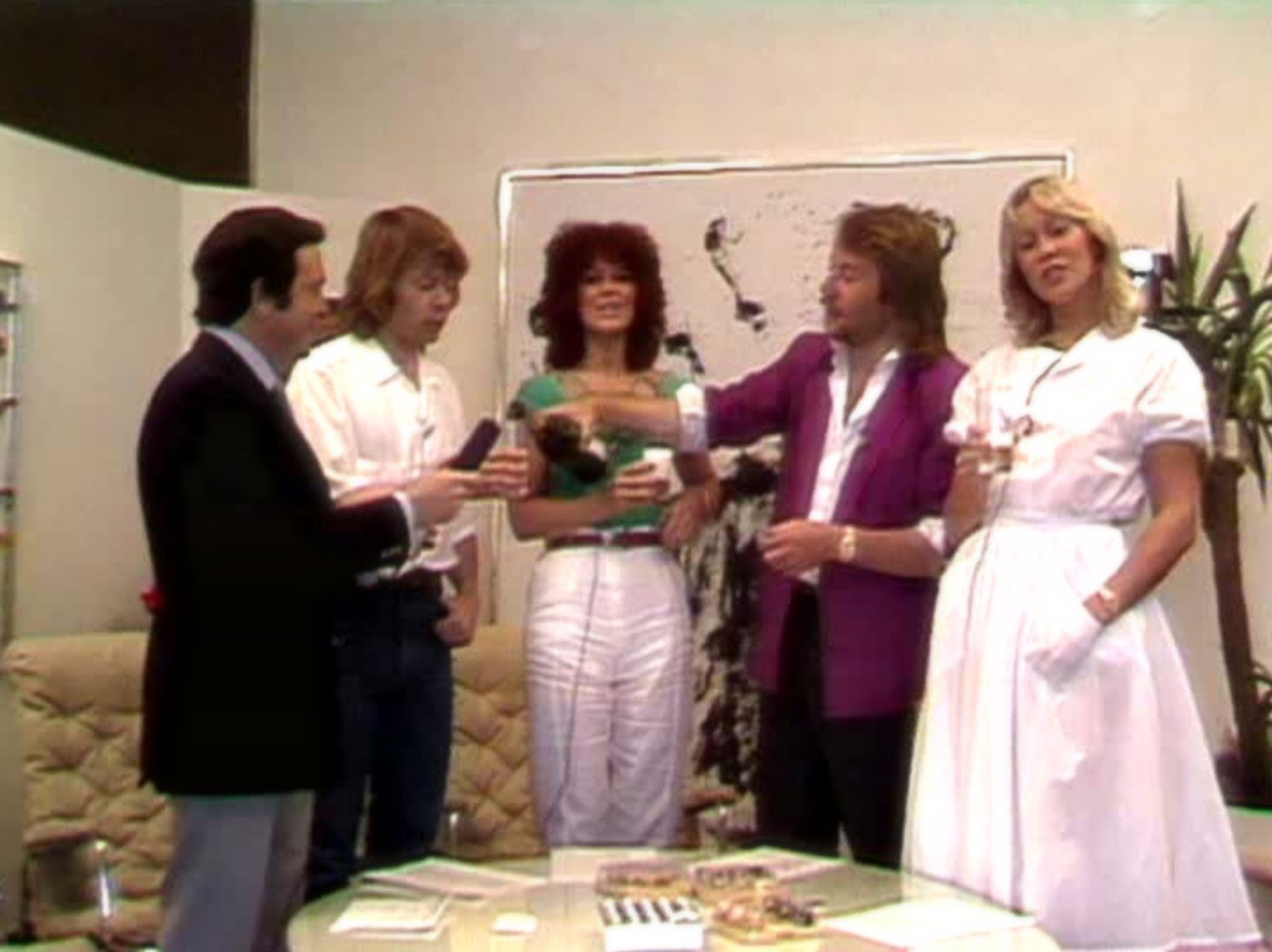
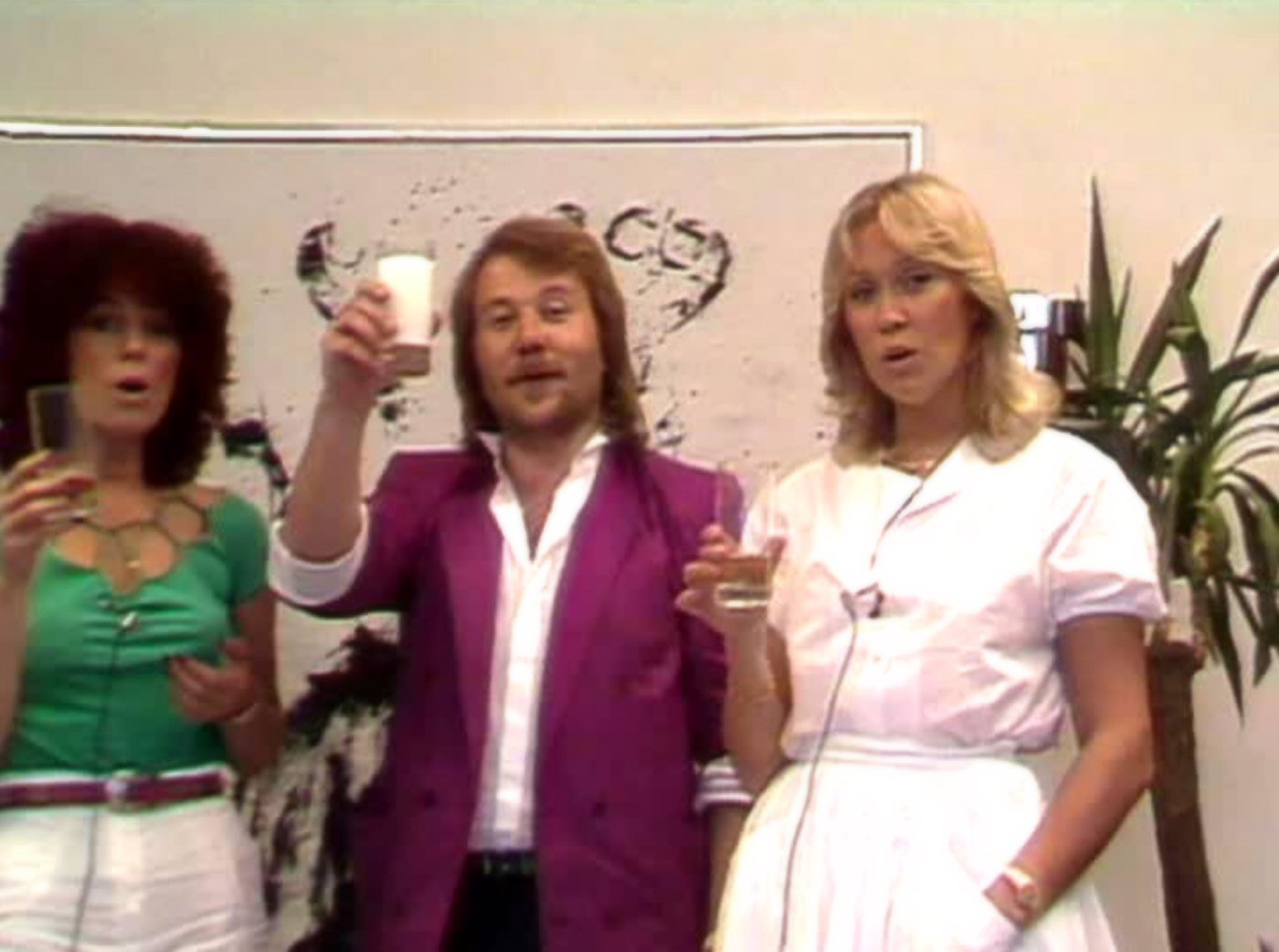
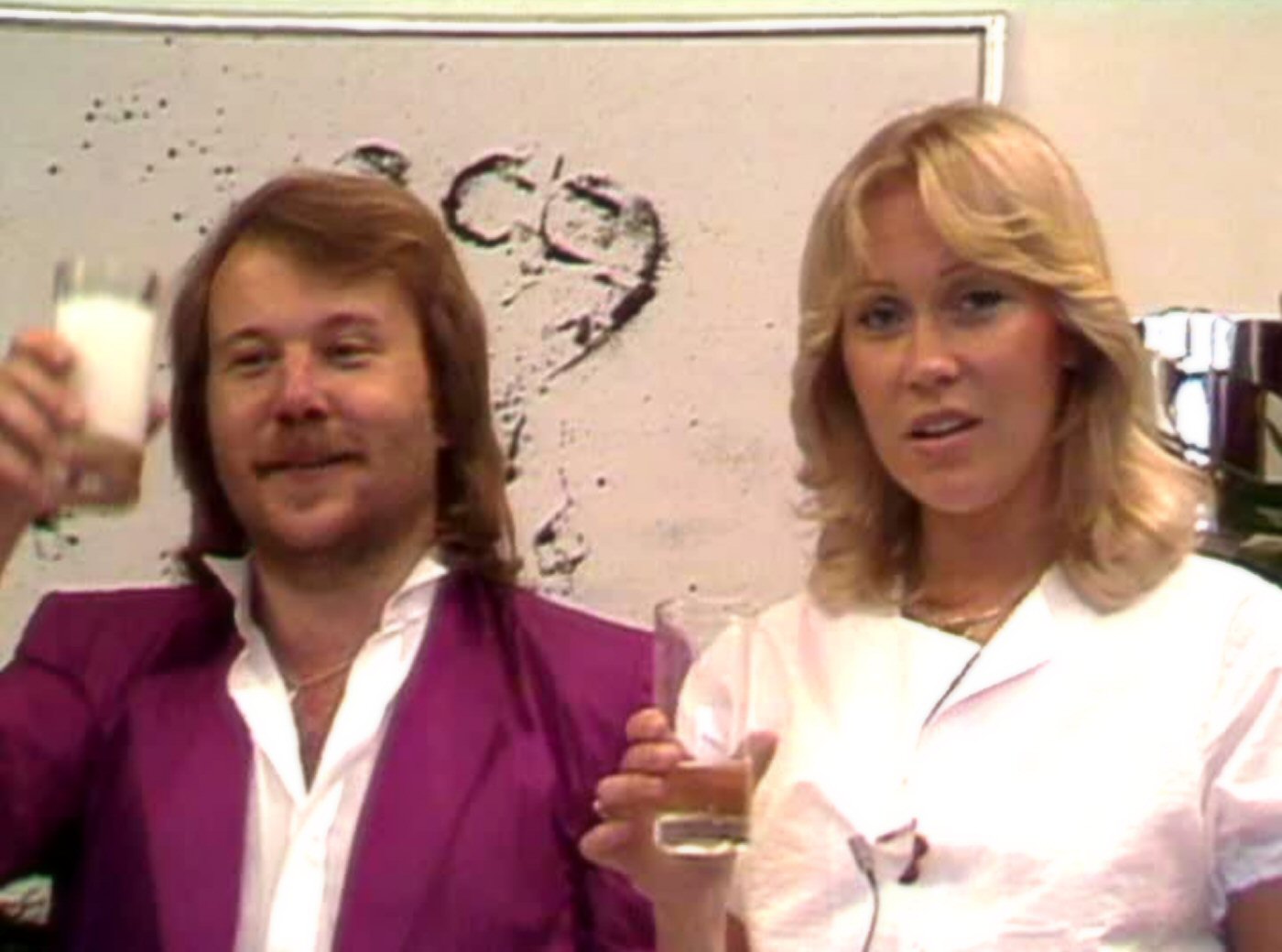
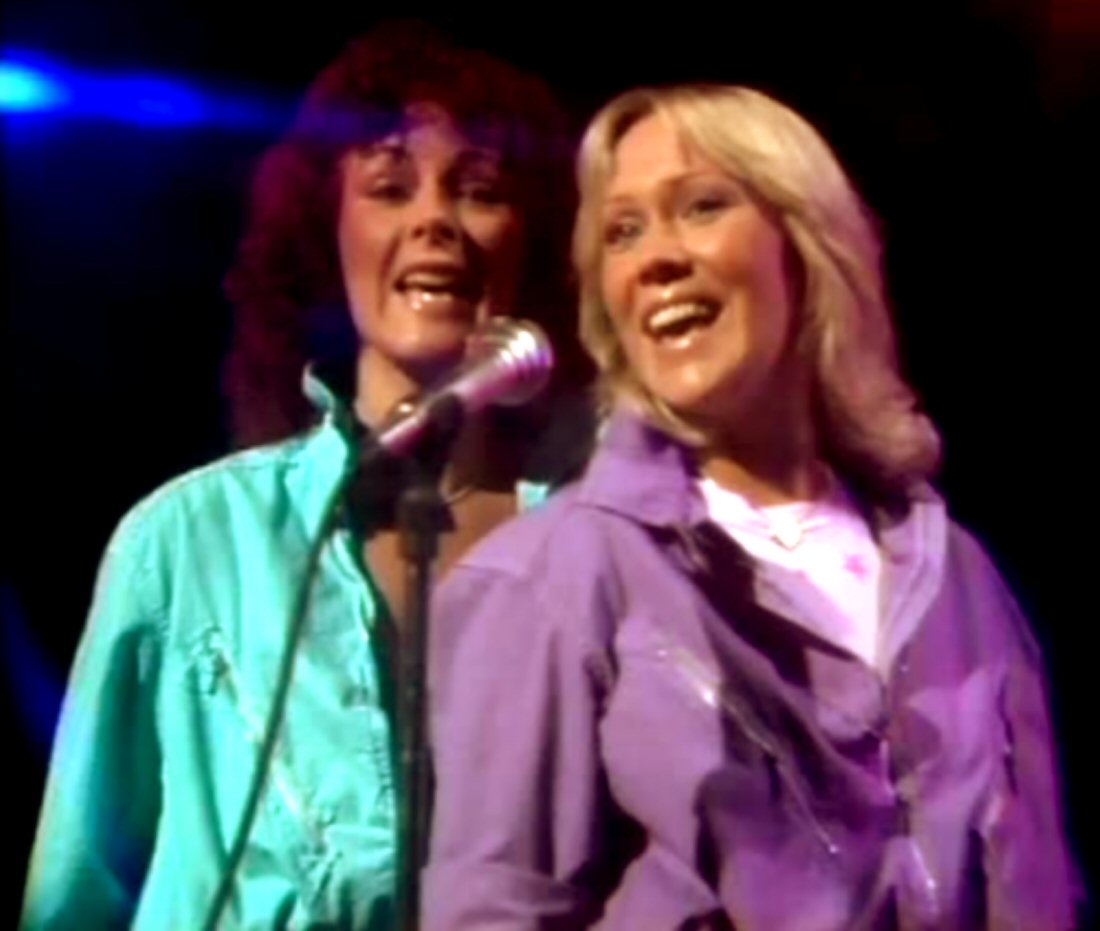
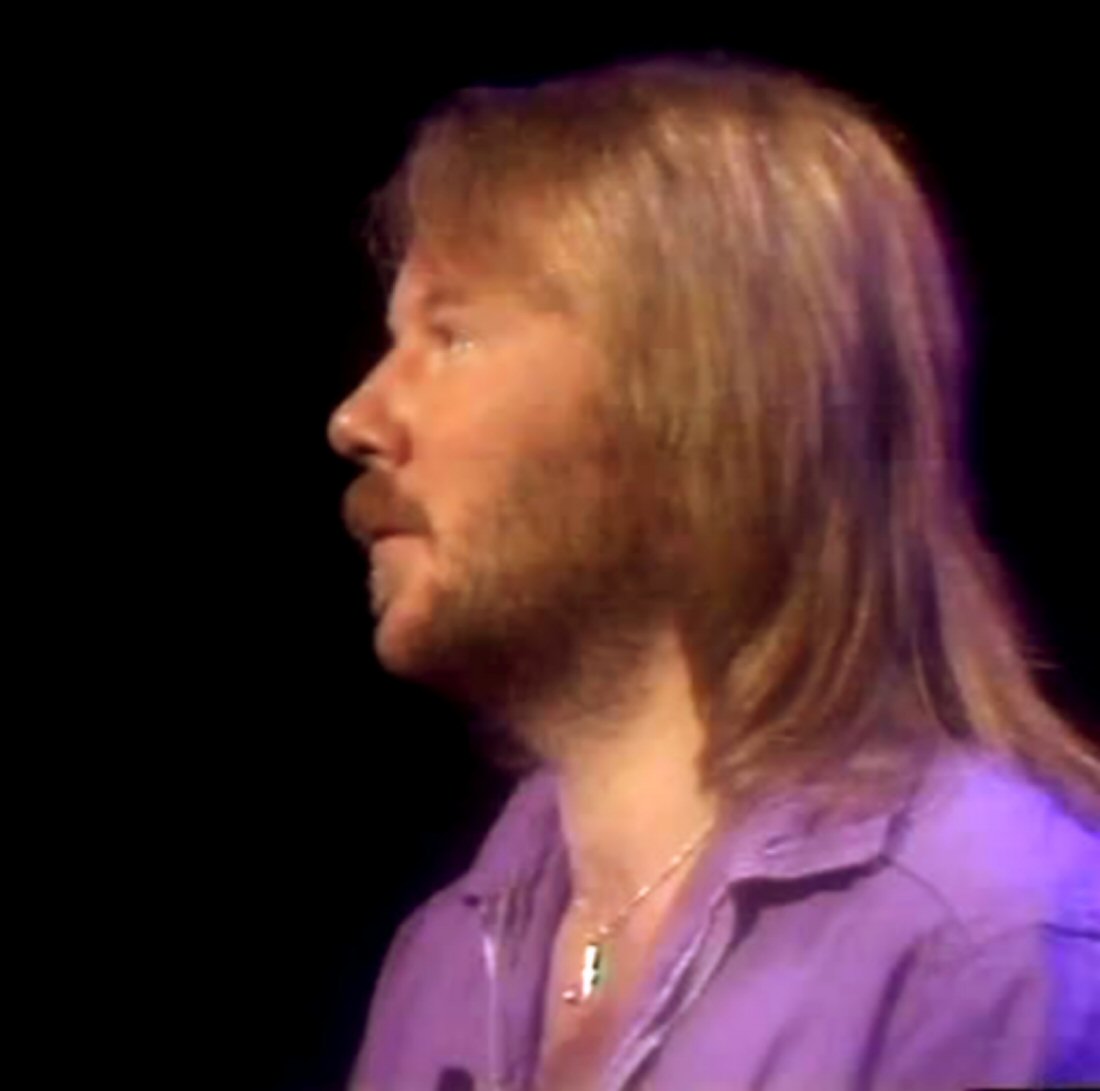
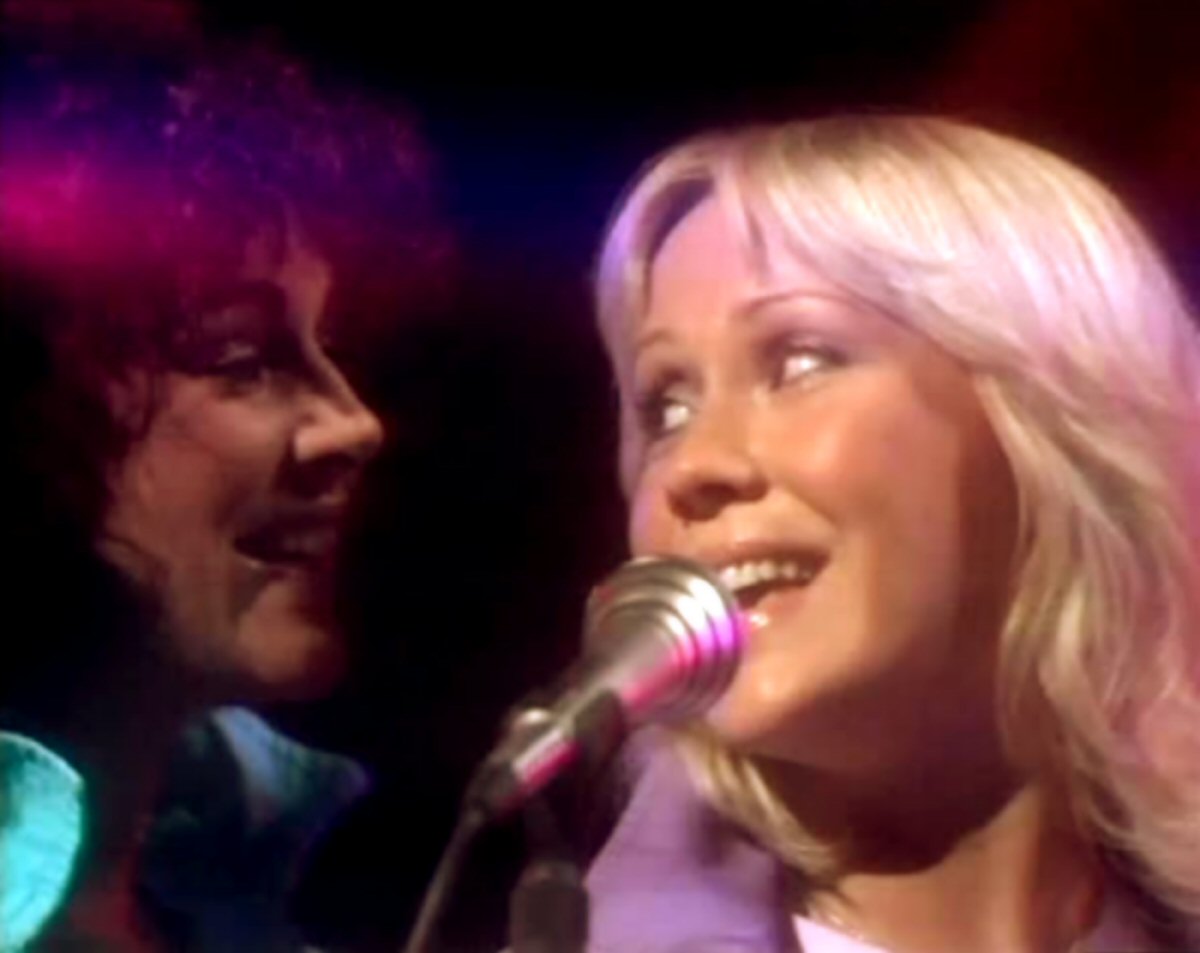
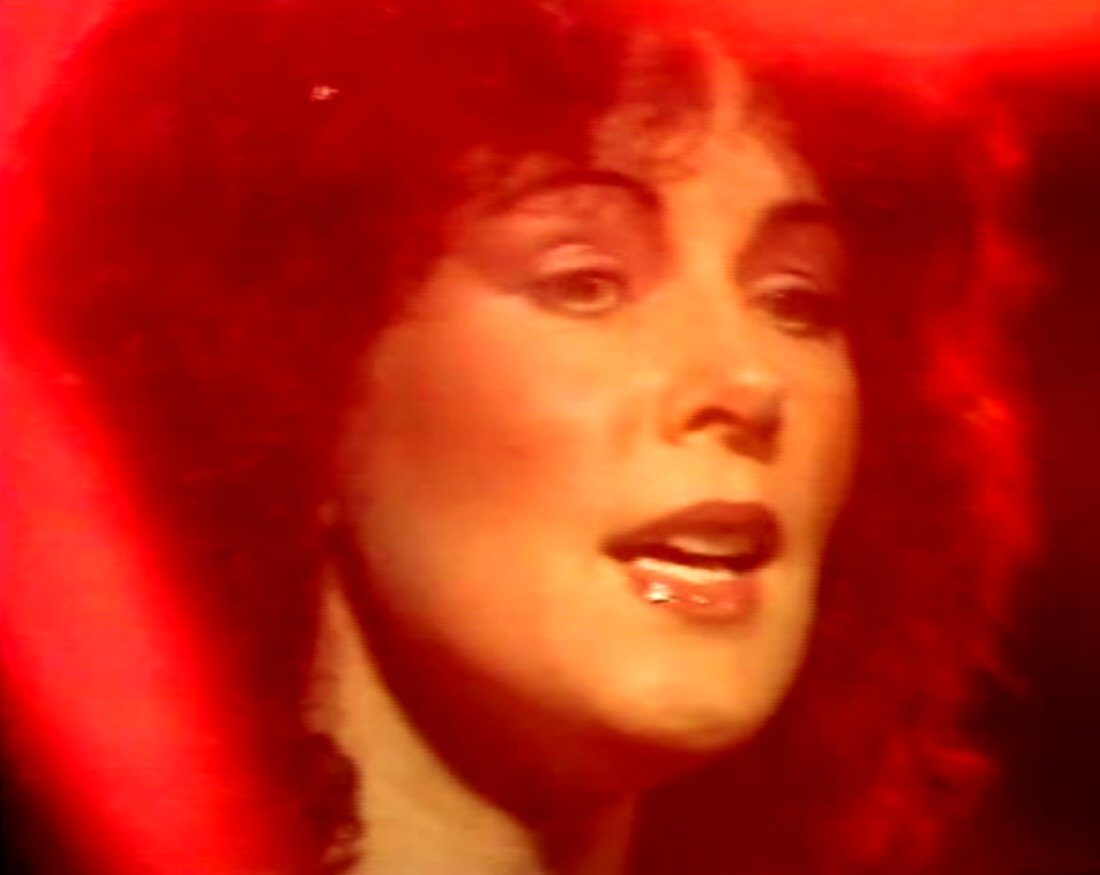
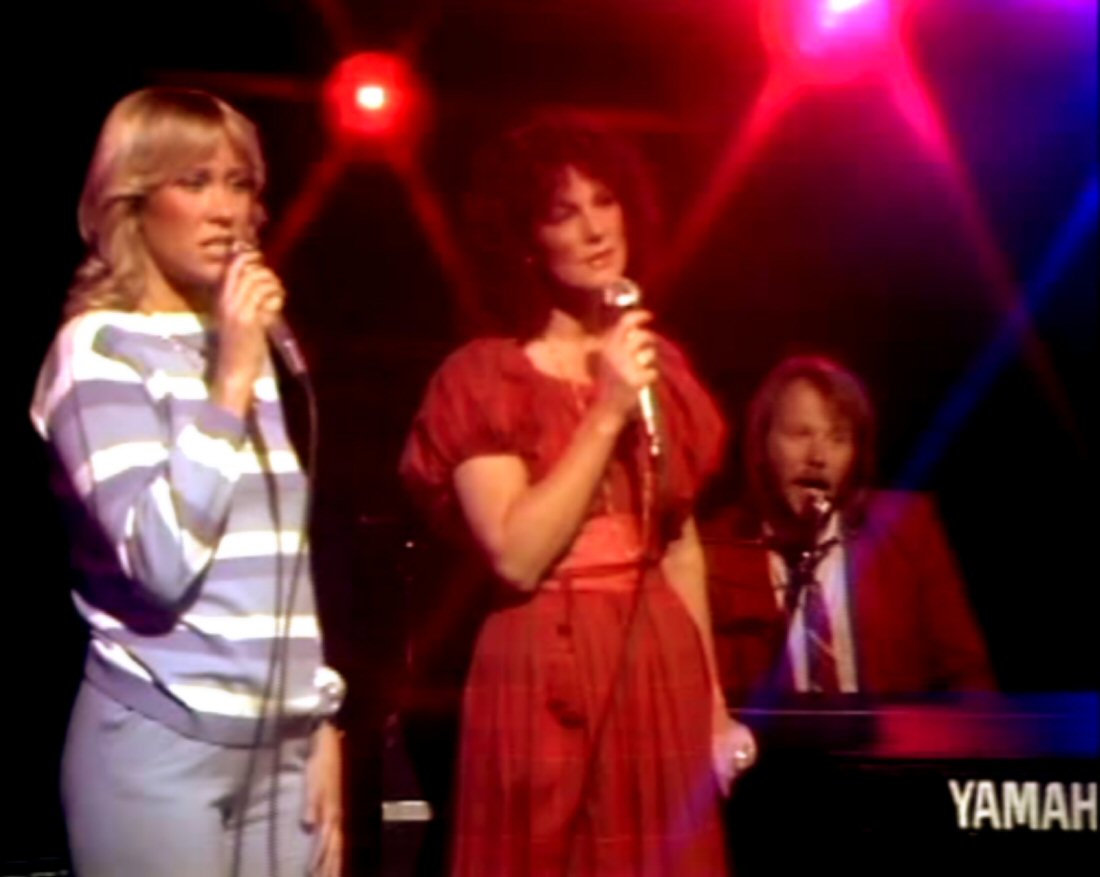
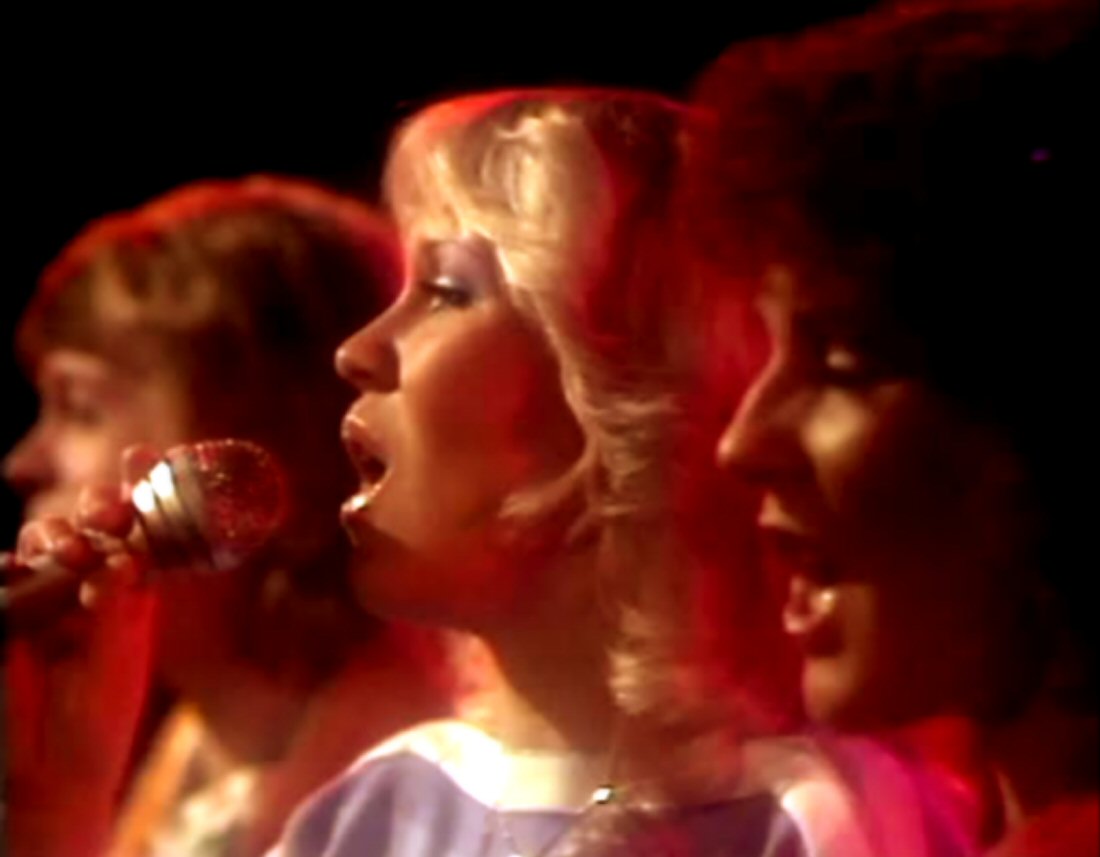
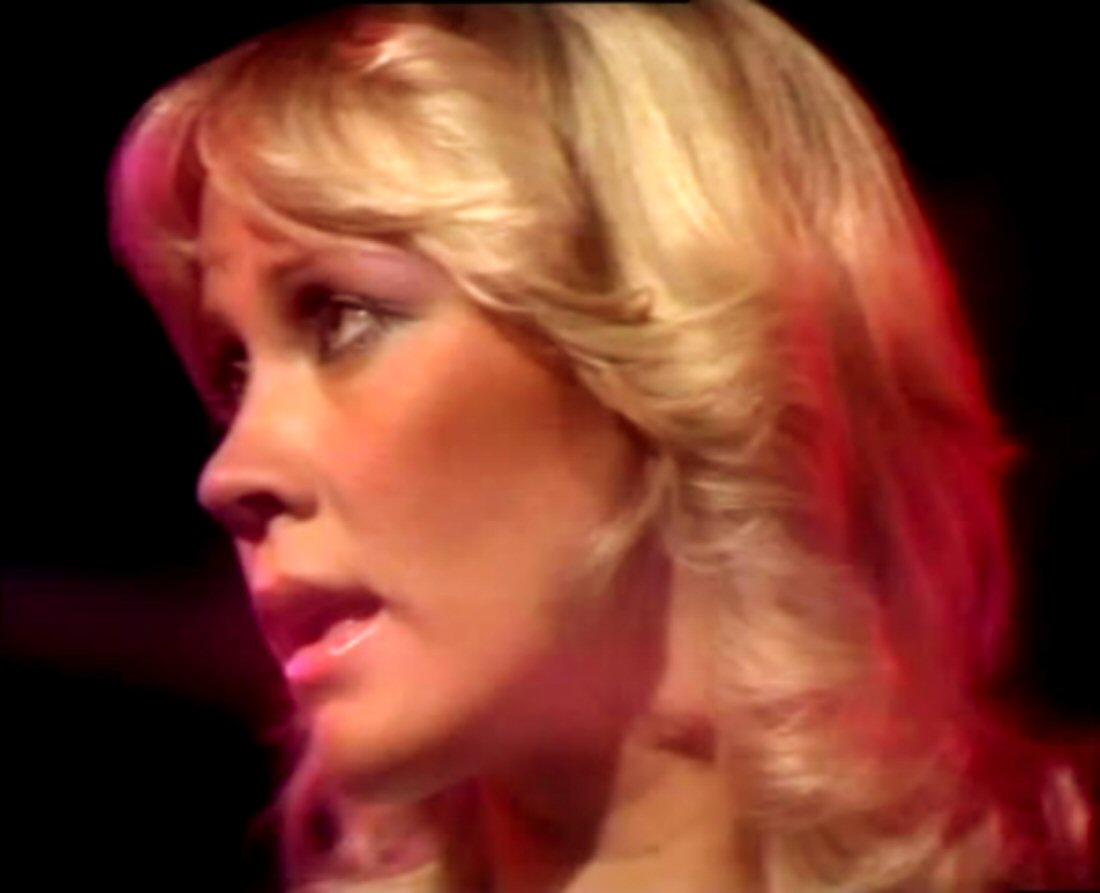
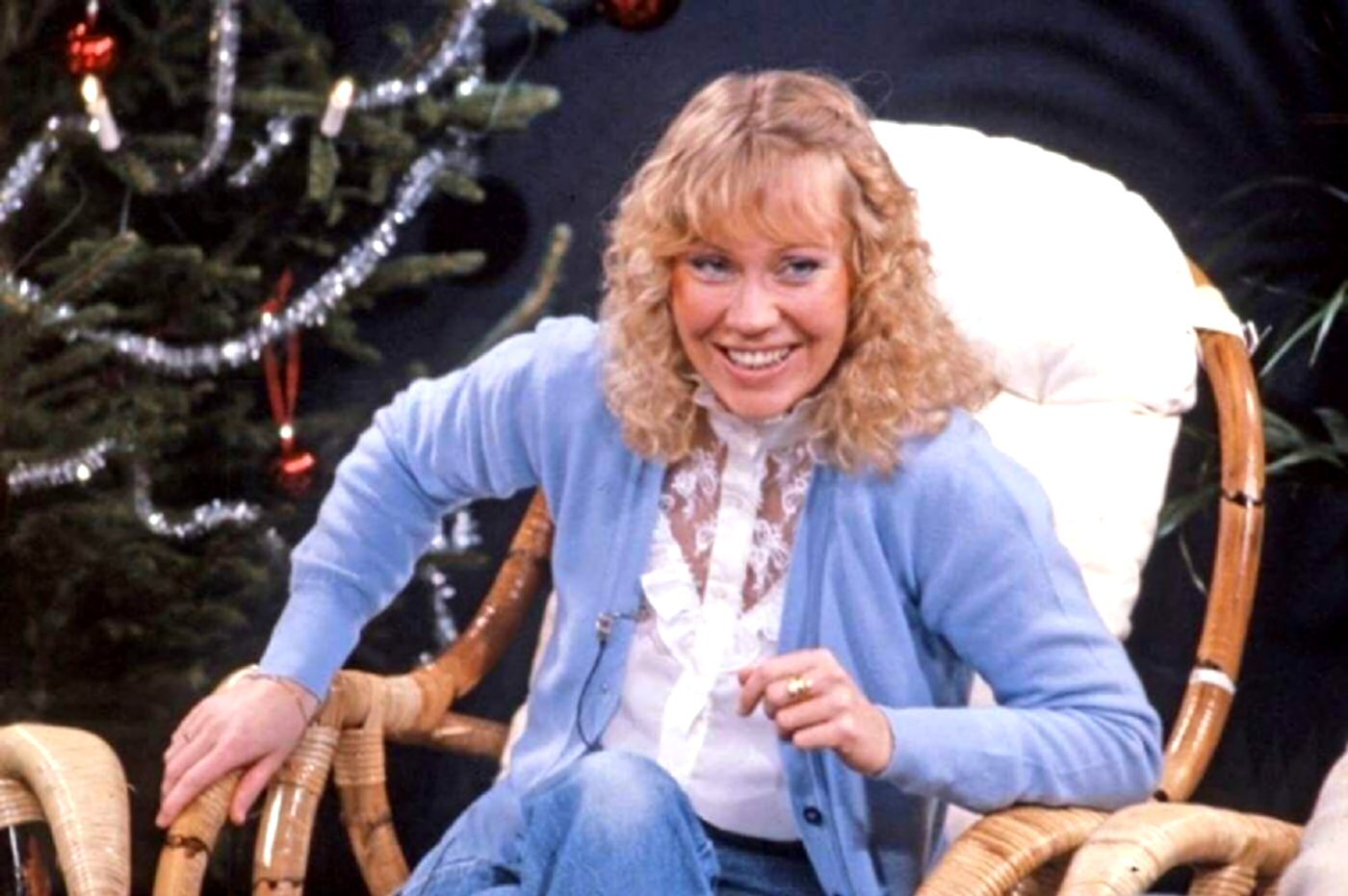
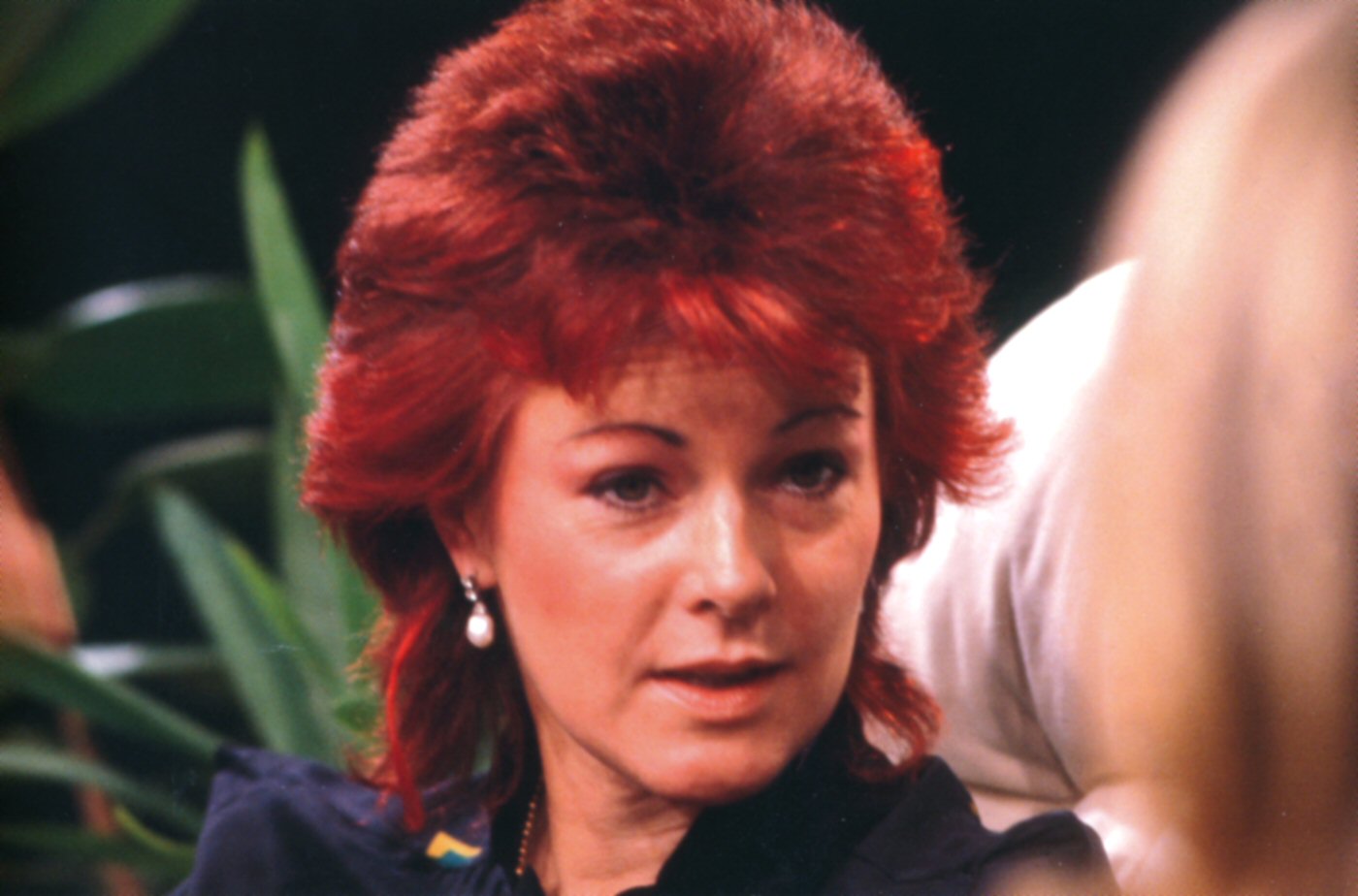
The Spanish TV team came to Sweden to record a TV show promoting the Spanish album. ABBA performed three songs: "Conociendome Conociendote" (Knowing Me Knowing You), "Gracias por la musica" (Thank You For The Music) and "Dame Dame Dame" (Gimme Gimme Gimme). The show was done in the "applauso way" i.e. the host talked to one ABBA member at the time. First Björn then Frida and Benny.
 |
 |
 |
 |
 |
 |
 |
 |
 |
 |
 |
 |
 |
 |
 |
 |
 |
 |
 |
 |
Agnetha did not answer any questions and she only read a kind of message to Spanish fans. The strangest thing in this show was the playback performance of "Dame Dame Dame" featuring Agnetha reading the lyrics from the sheet of paper. Frida had very difficult to sit down so she started dancing.
 |
 |
 |
||
 |
 |
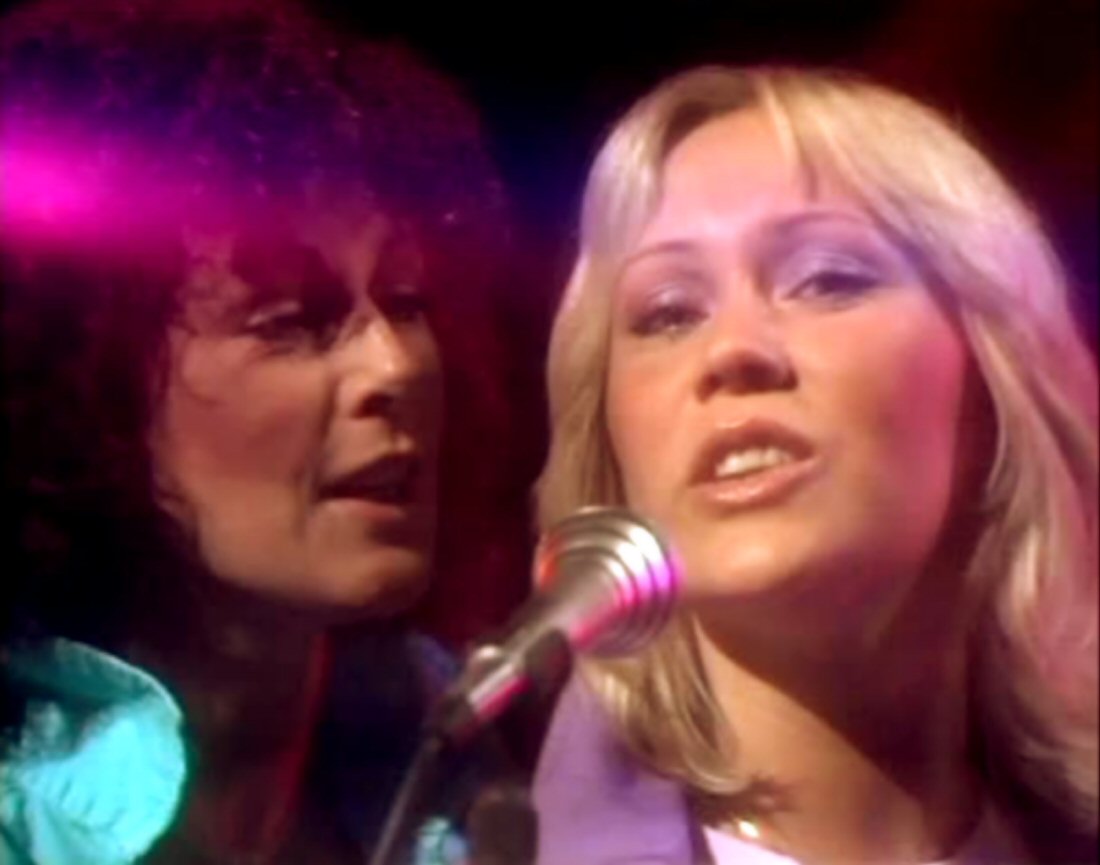 |
The video "Gracias por la musica" featured all four members in the outfits they even had on the cover of the "Gracias..." album. When performing "Conociendome Conociendote" the group members had other outfits. At the end of the show Benny opened up a bottle of champagne and the foursome sang together a traditional Swedish song. All ABBA members seemed to be totally relaxed and happy.
 |
 |
 |
 |
 |
Super Trouper - the album
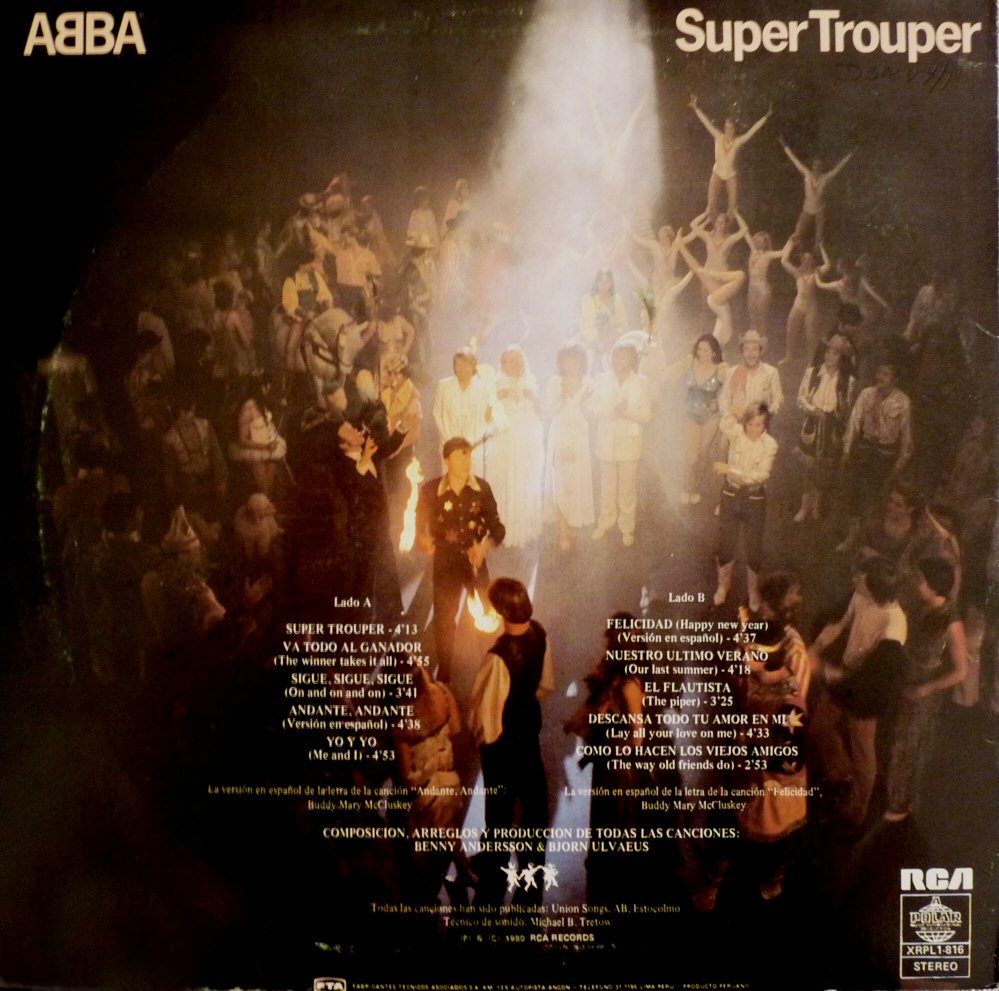
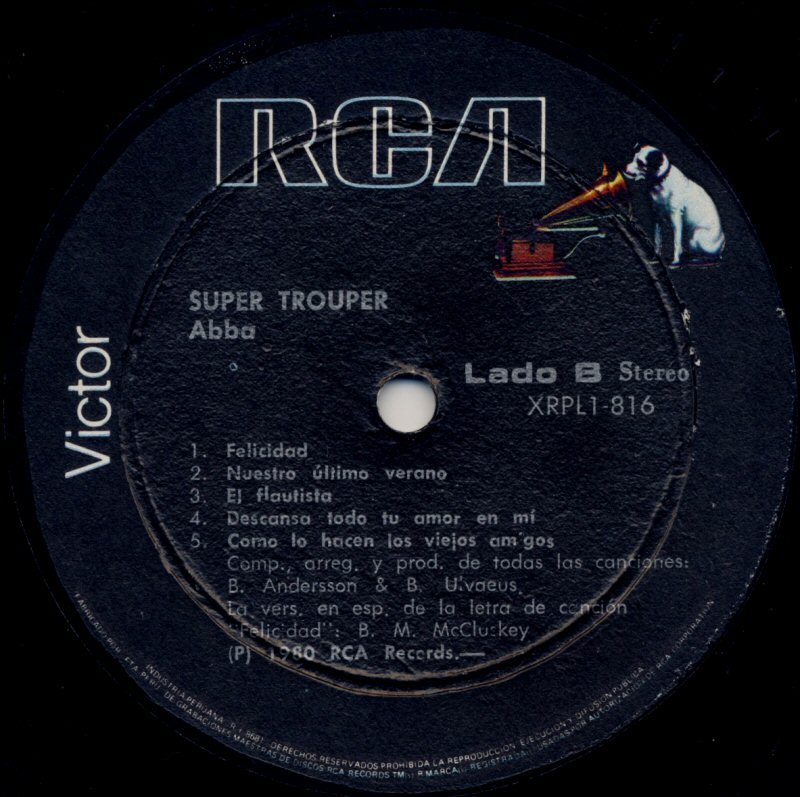
The album "Super Trouper" for Spanish language territories featured two tracks in Spanish: "Andante Andante" and "Felicidad" (Happy New Year)-
|
|
|
|
|
|
Applauso Especial
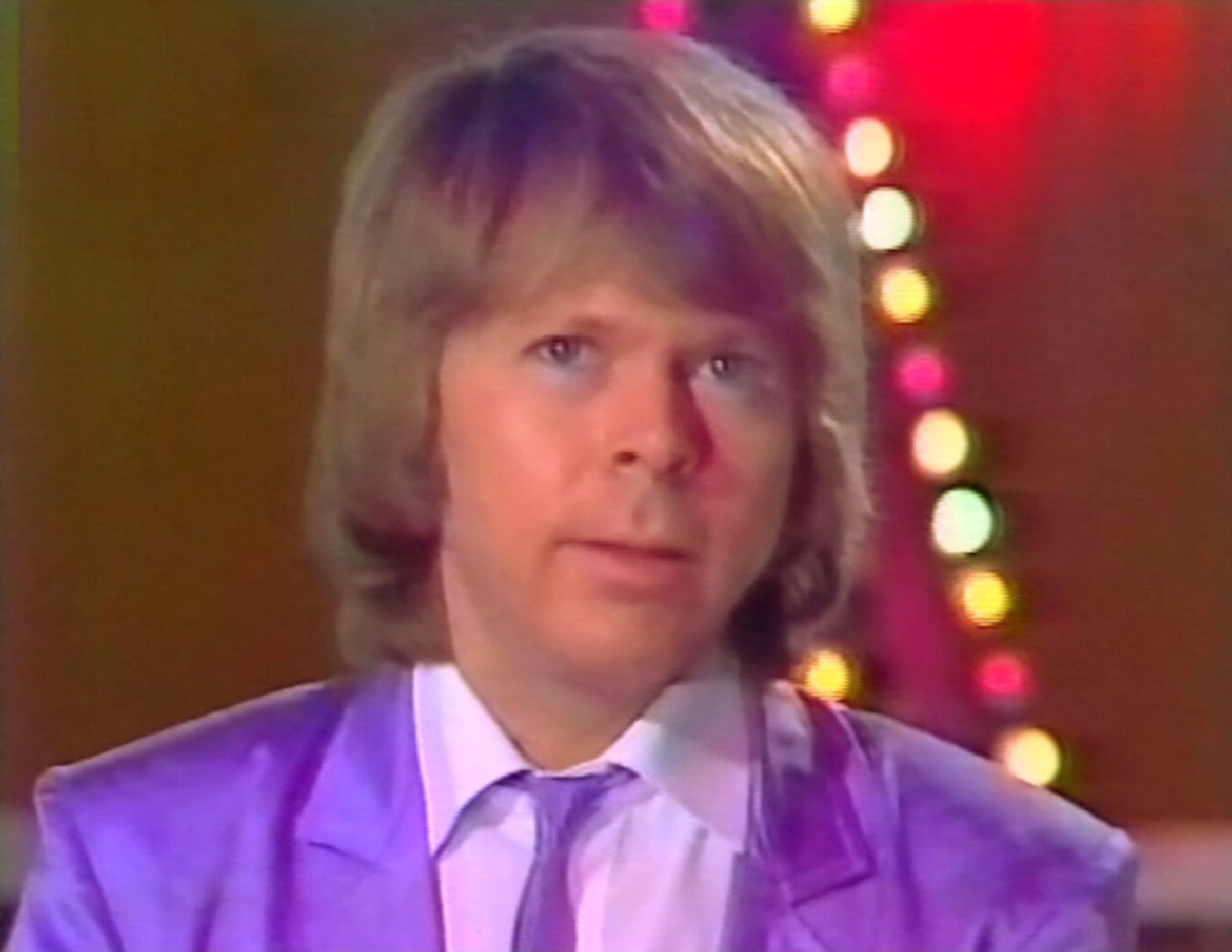
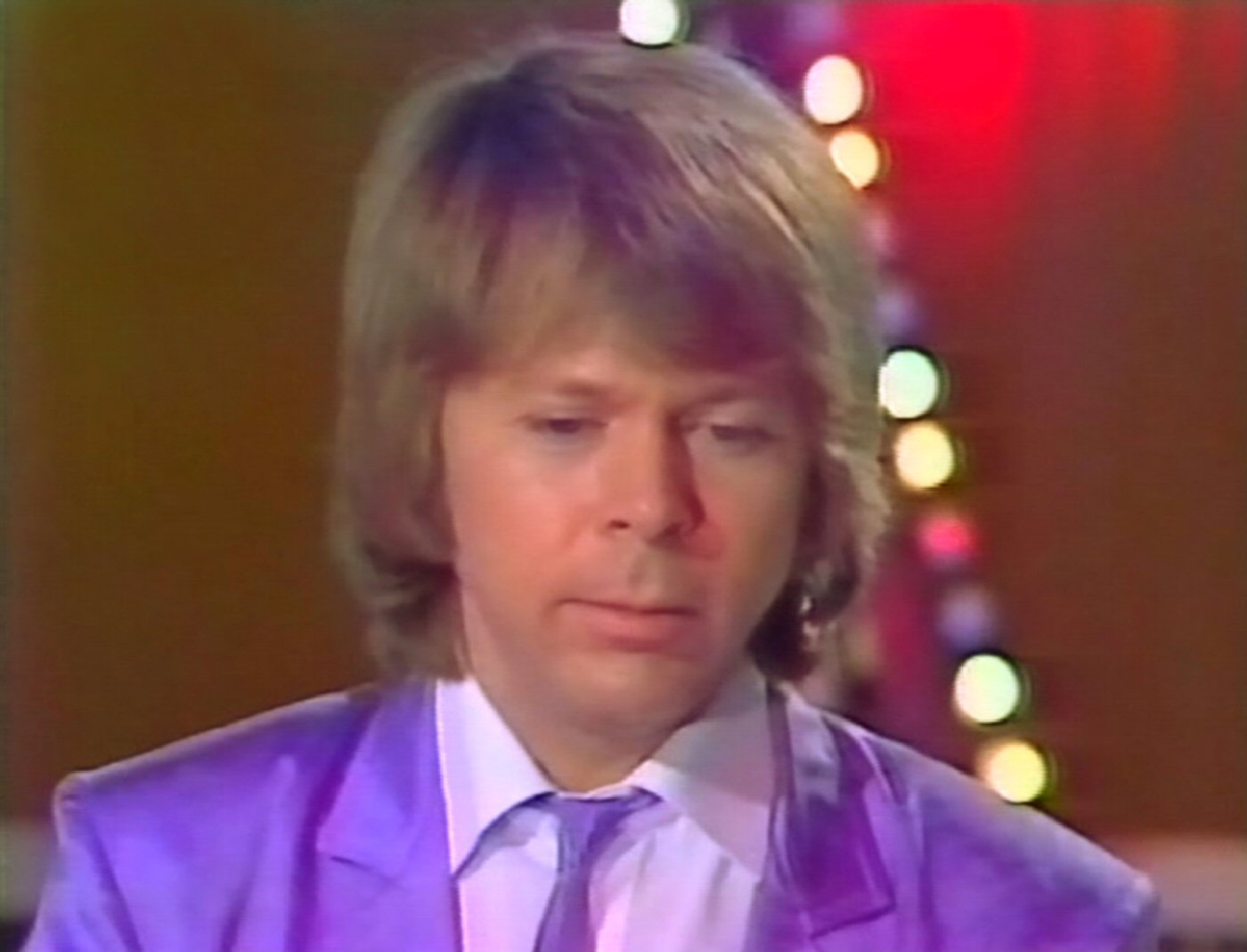
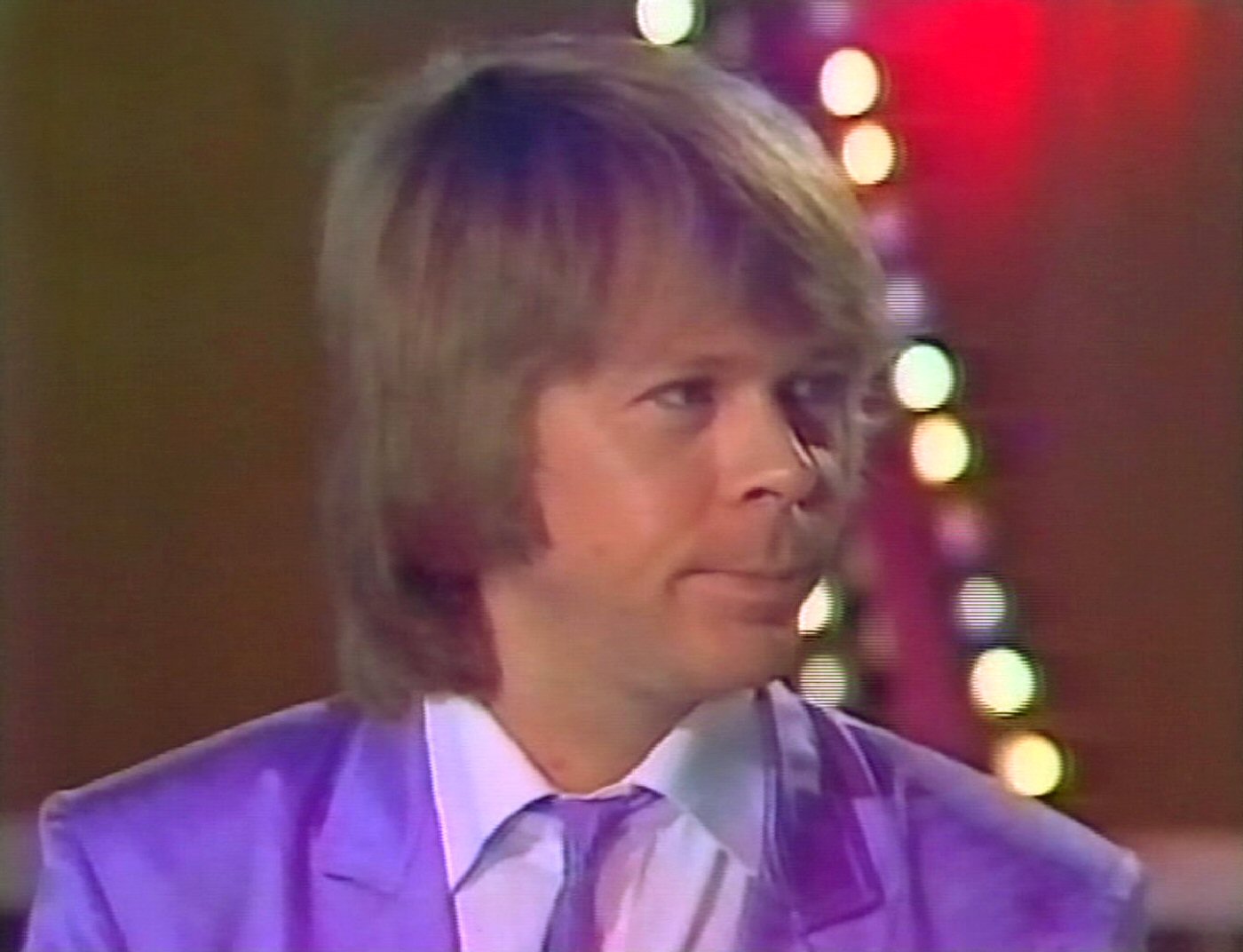
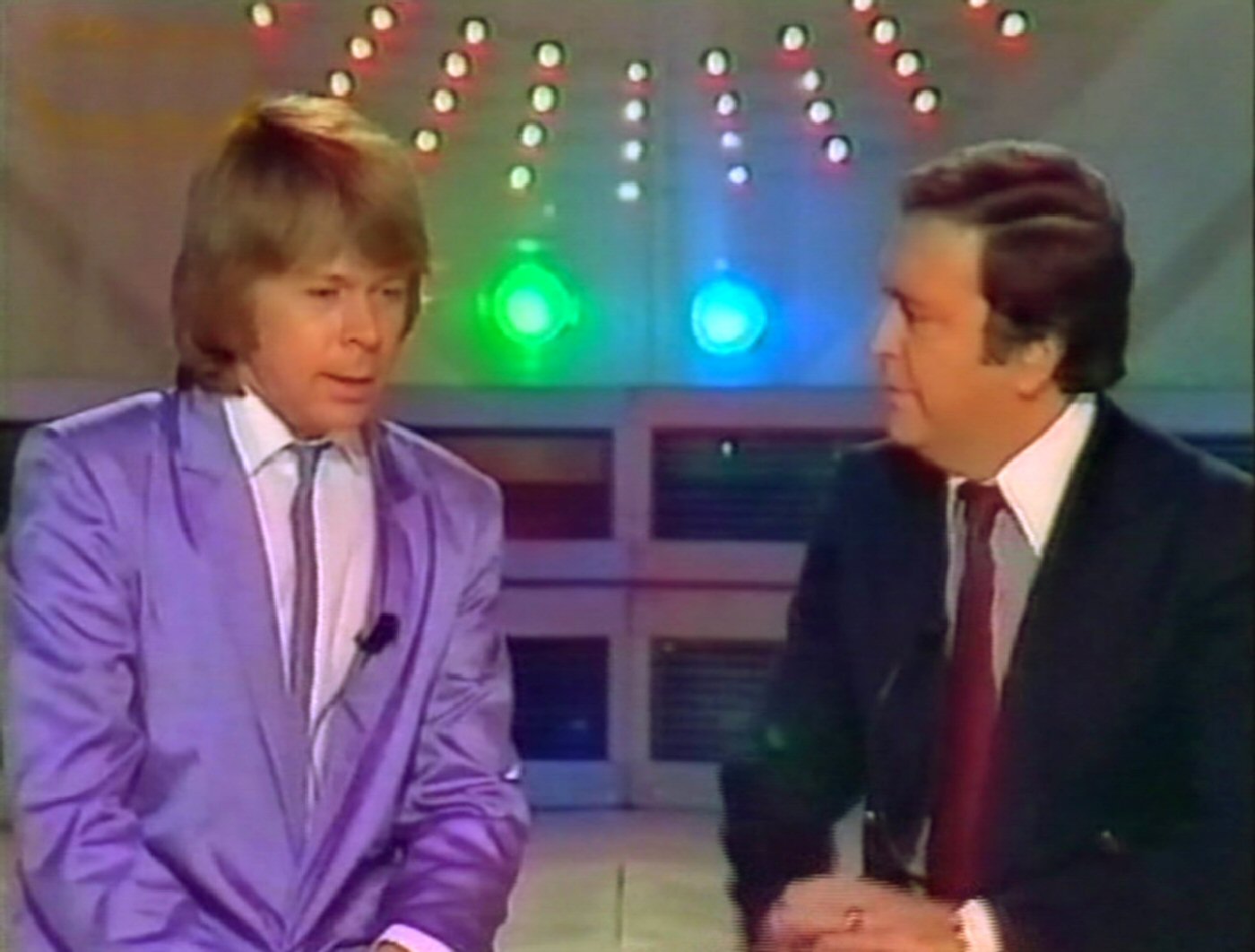
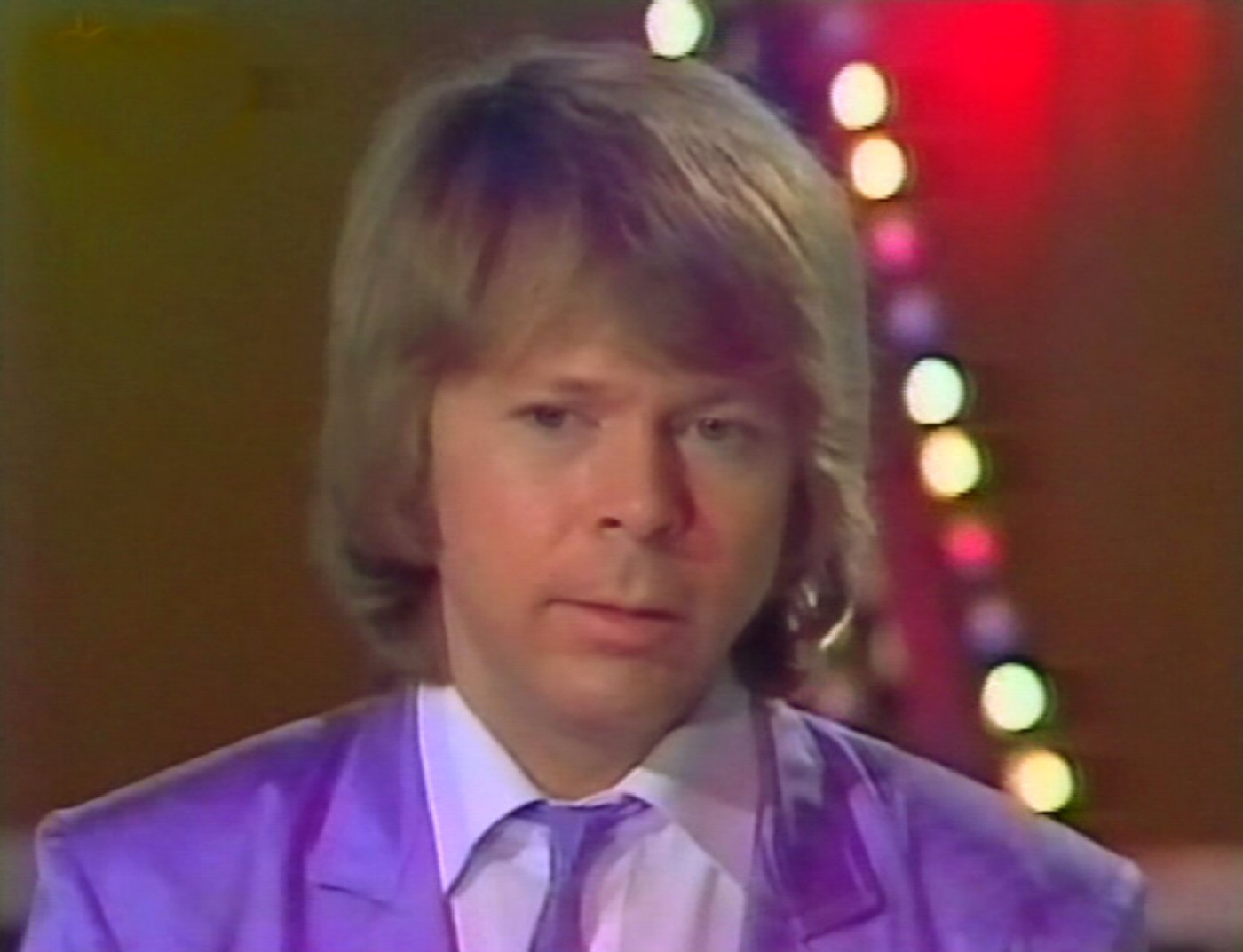
In November Björn promoted both the TV special "ABBA in Concert" and the new album "Super Trouper" in Madrid. He gave a 5-minute interview for "Aplauso Especial" in fluent Spanish. Spanish TV showed the ABBA in Concert show the same evening.
 |
 |
 |
 |
 |
Felicidad
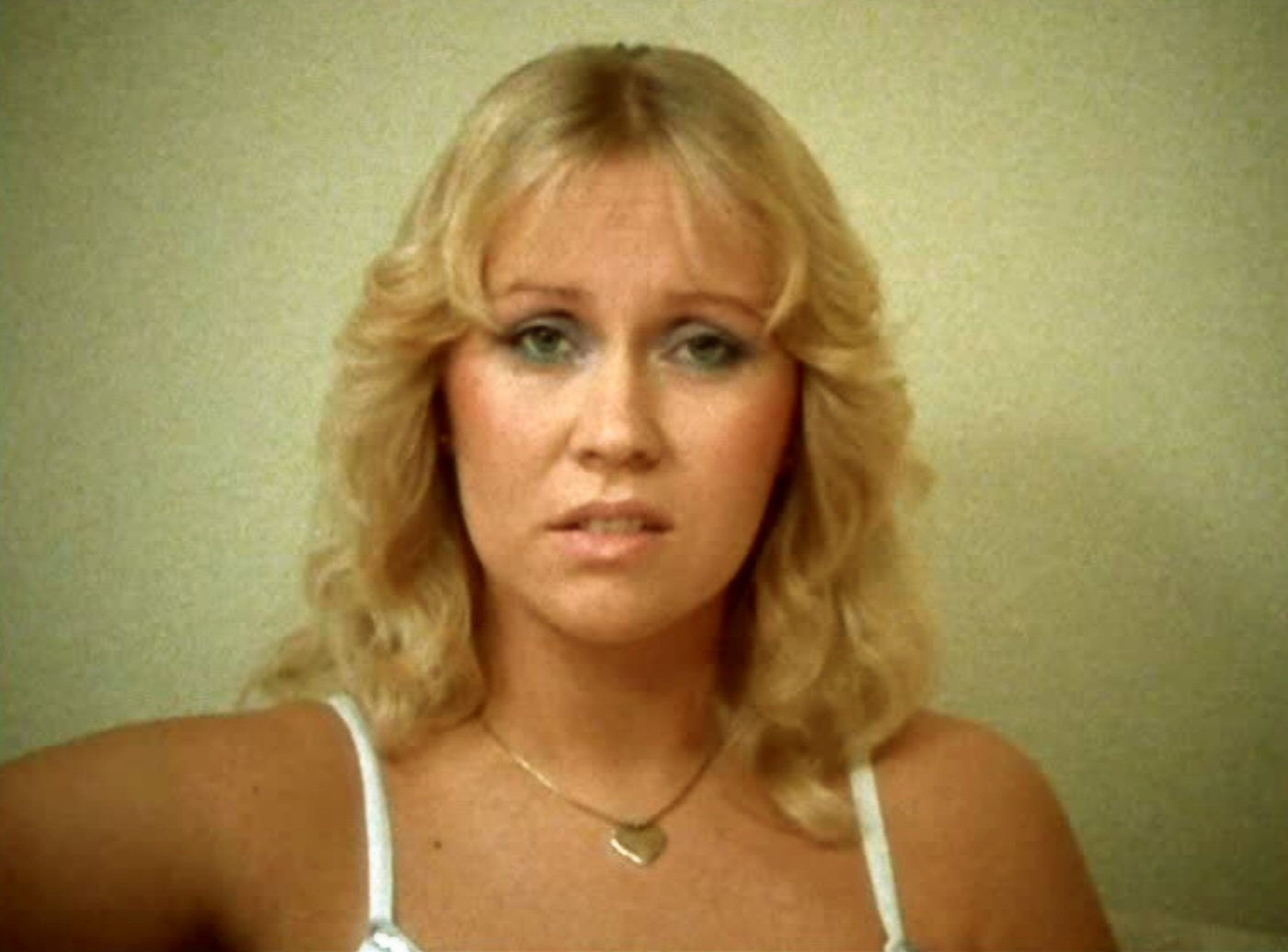
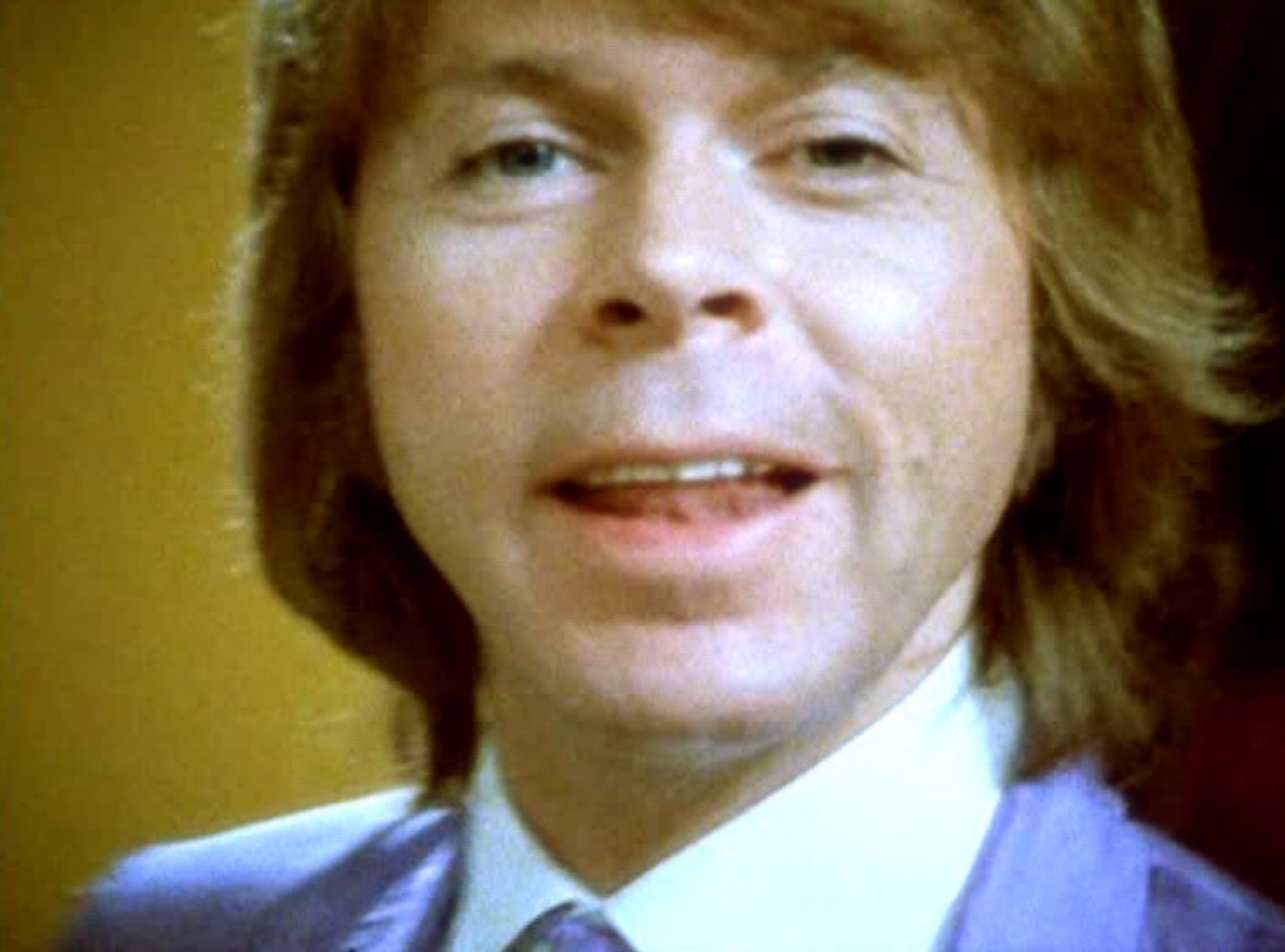
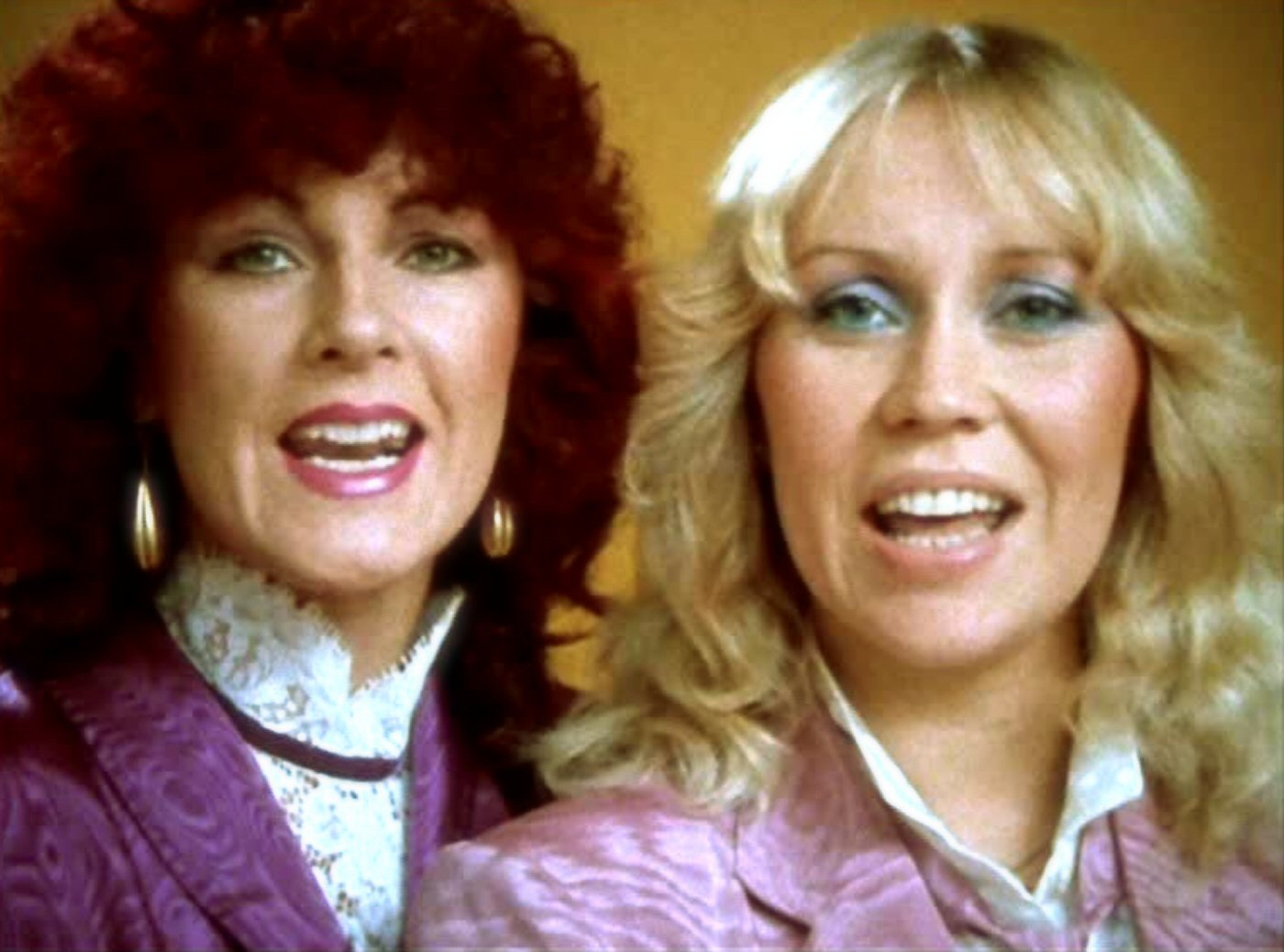
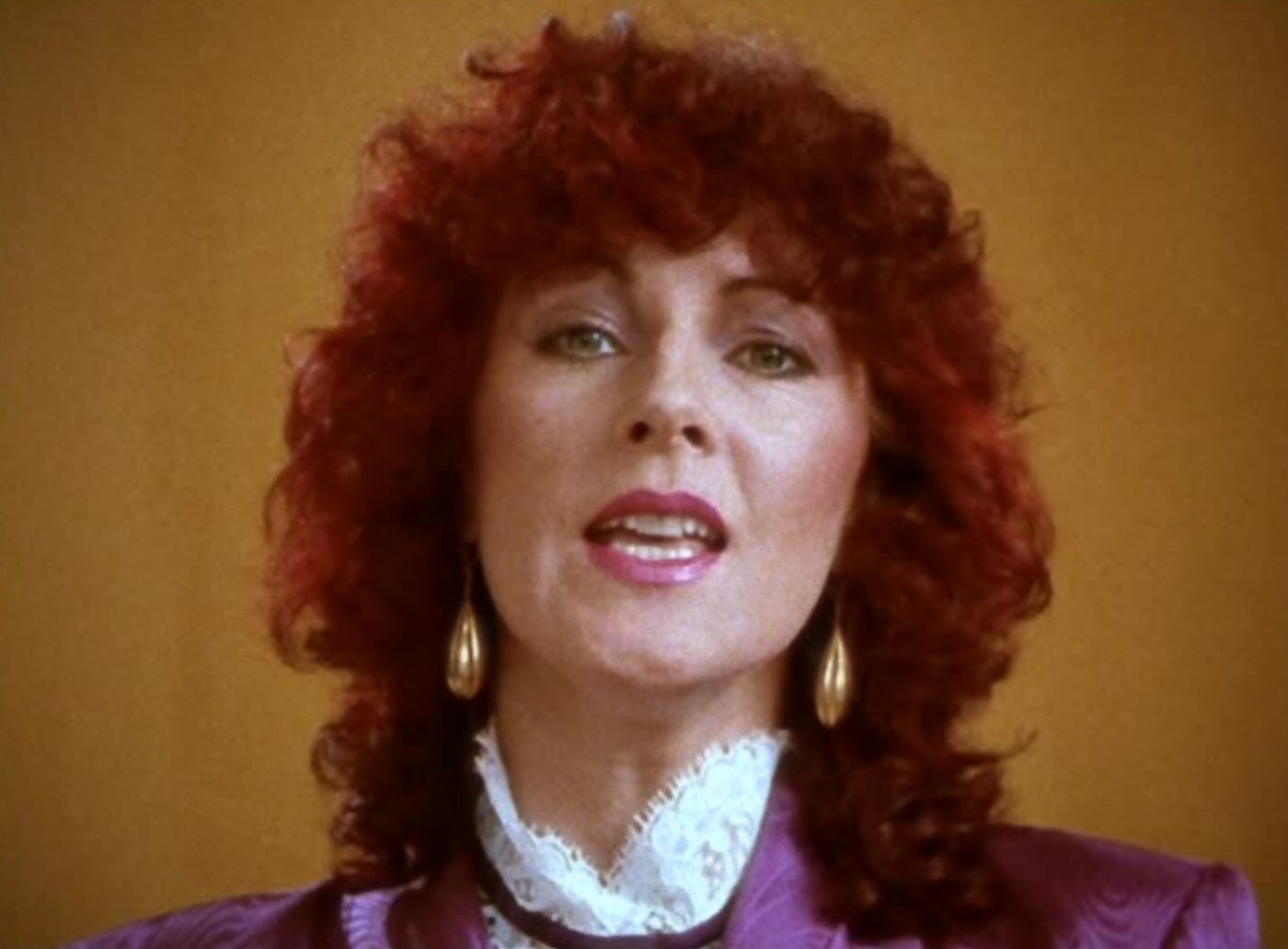
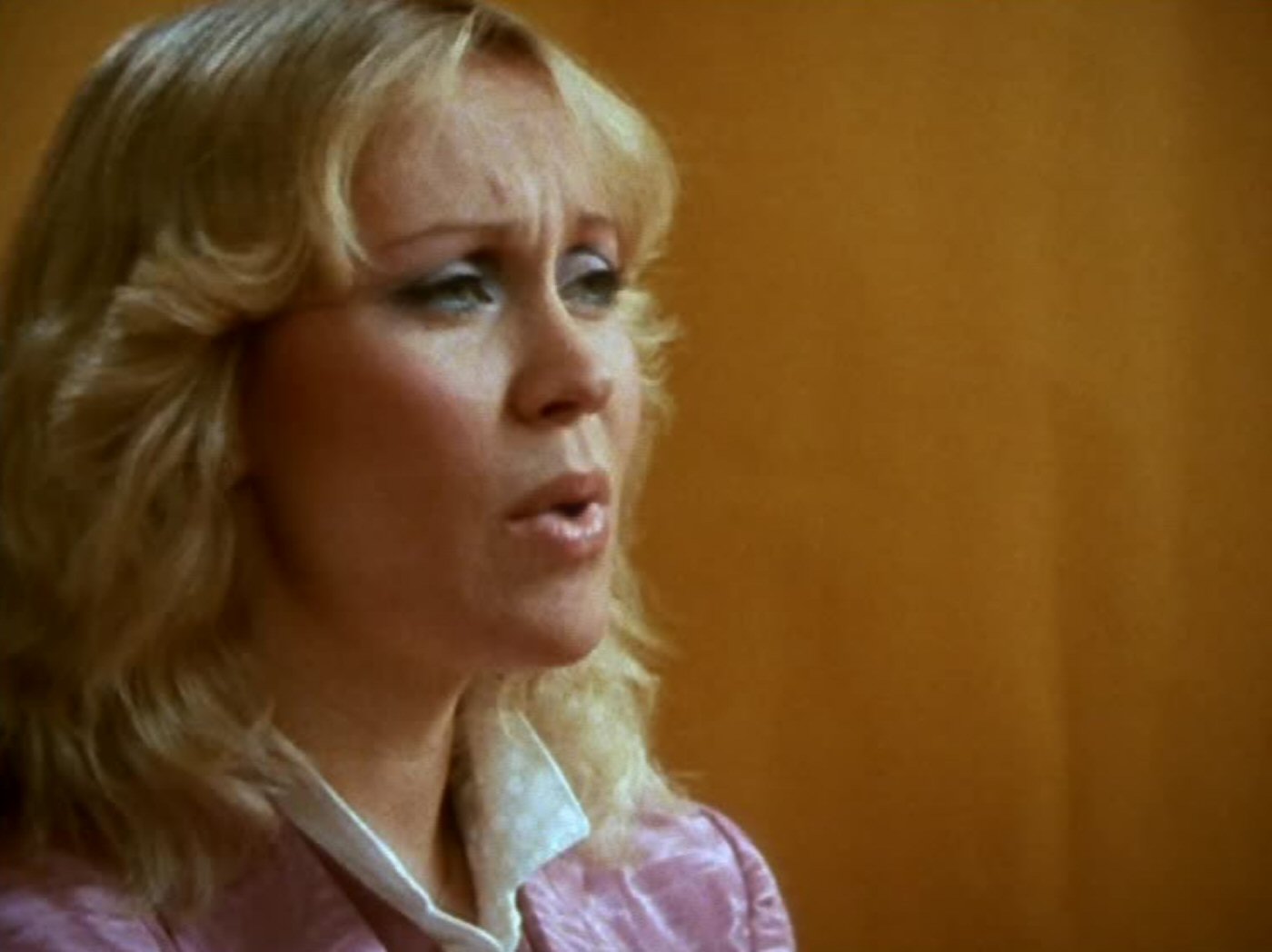
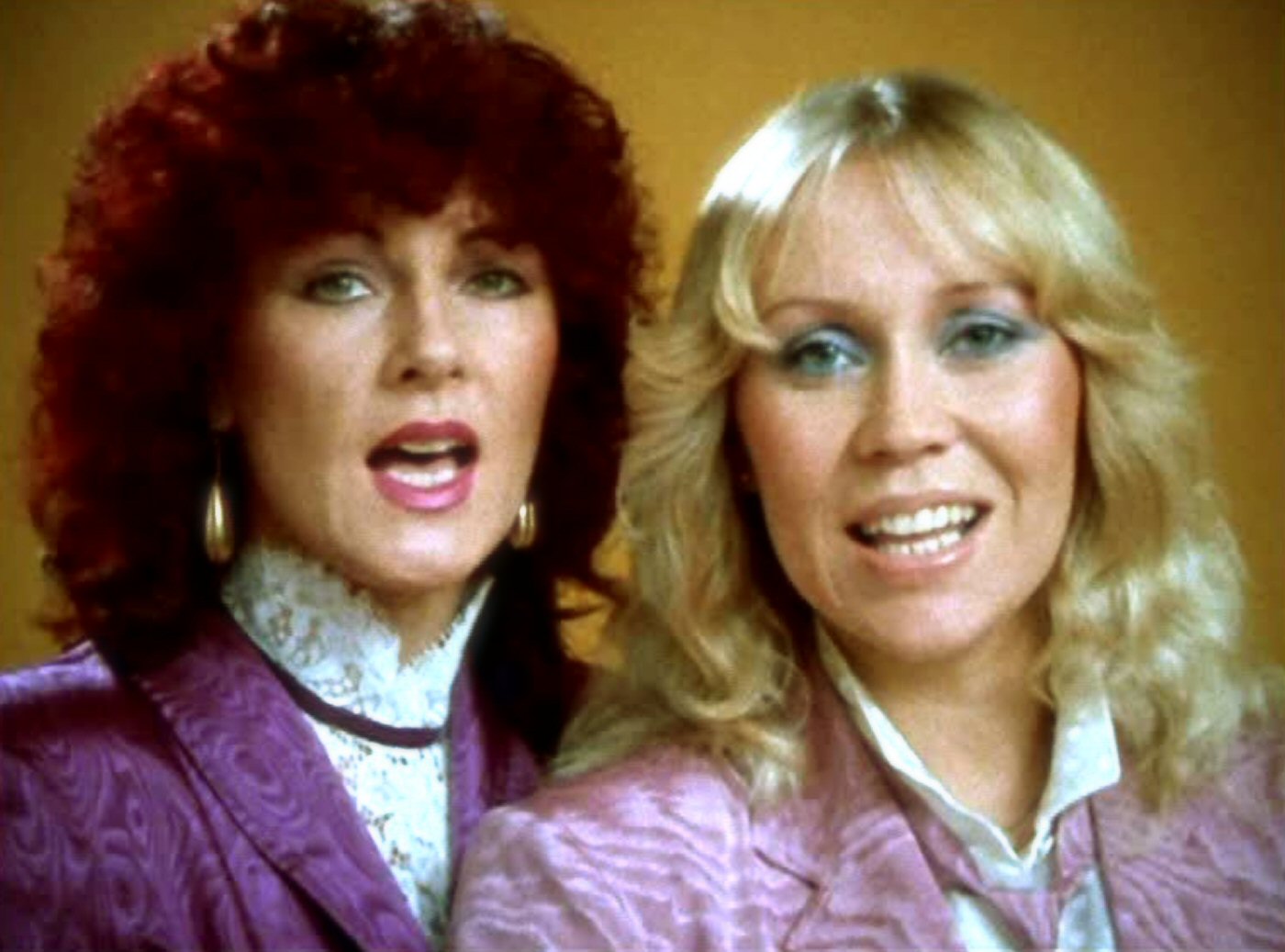
On November 8. 1980 the video for "Felicidad" was filmed by Lasse Hallström in his flat in Stockholm. If you look at Frida, you can see that she does not remember the lyrics. Many times during the recording her eyes move quickly to the left where the singers had a screen with lyrics.
 |
 |
 |
 |
 |
 |
 |
 |
 |
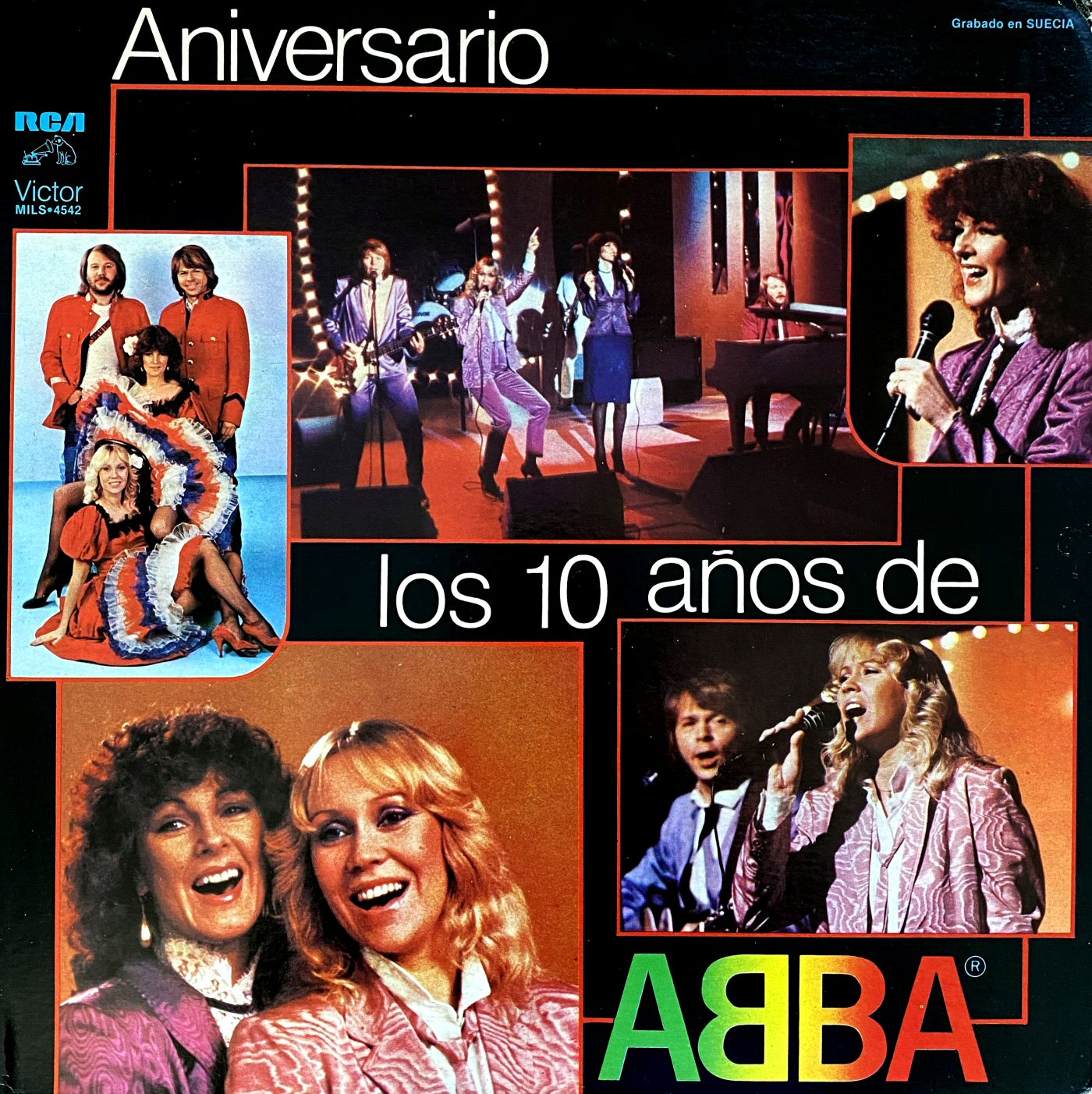
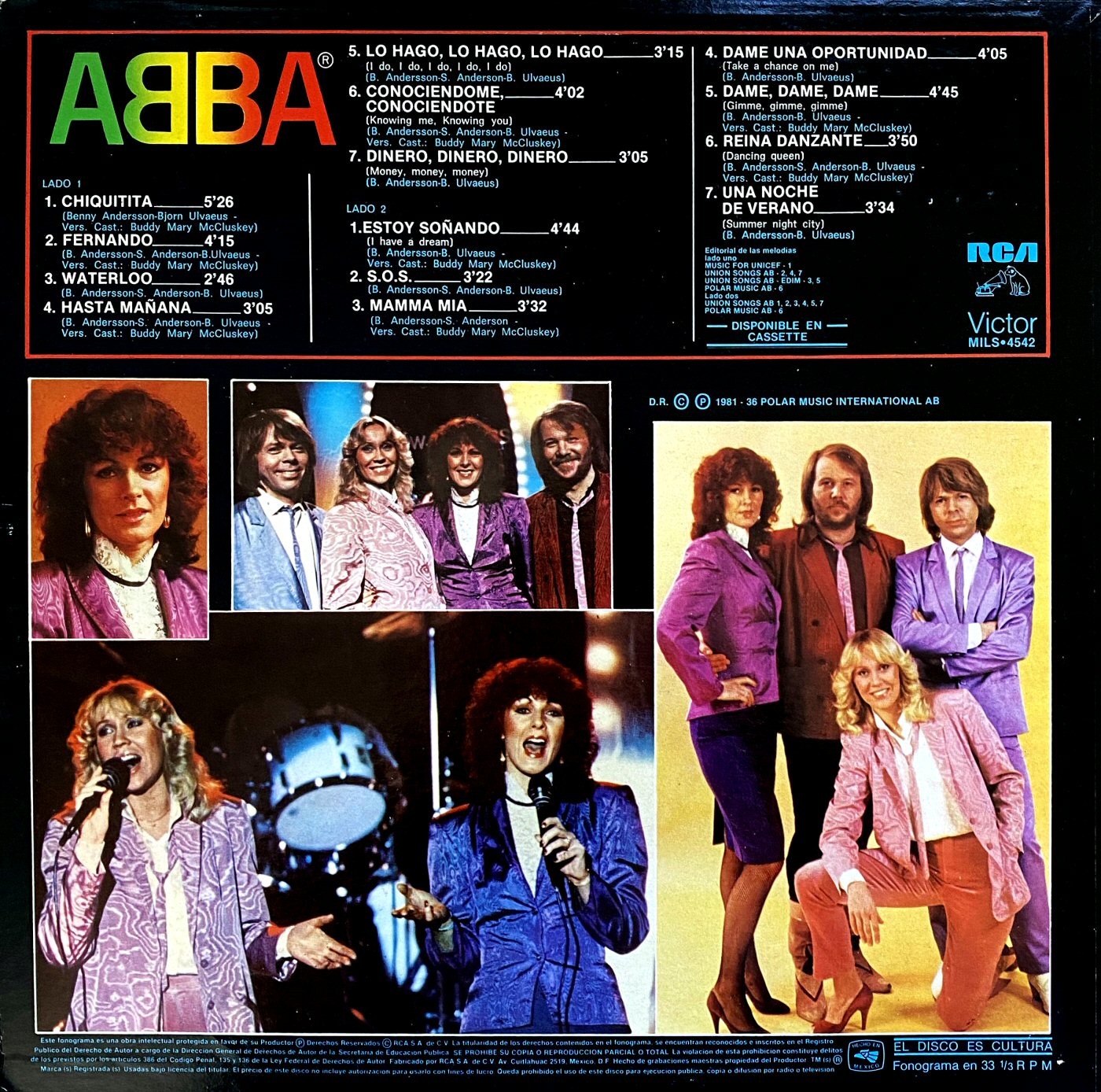
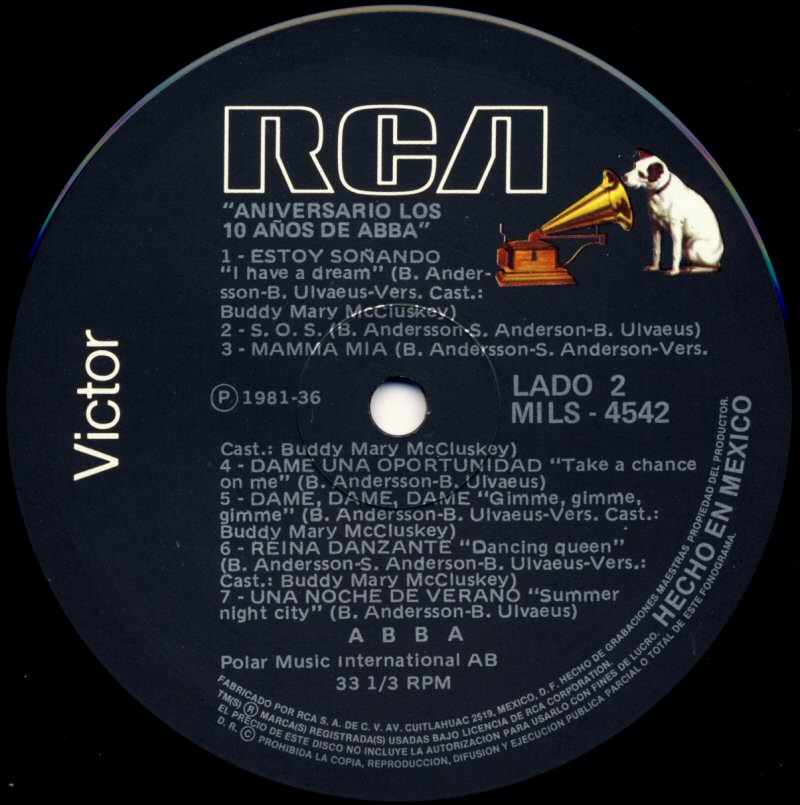
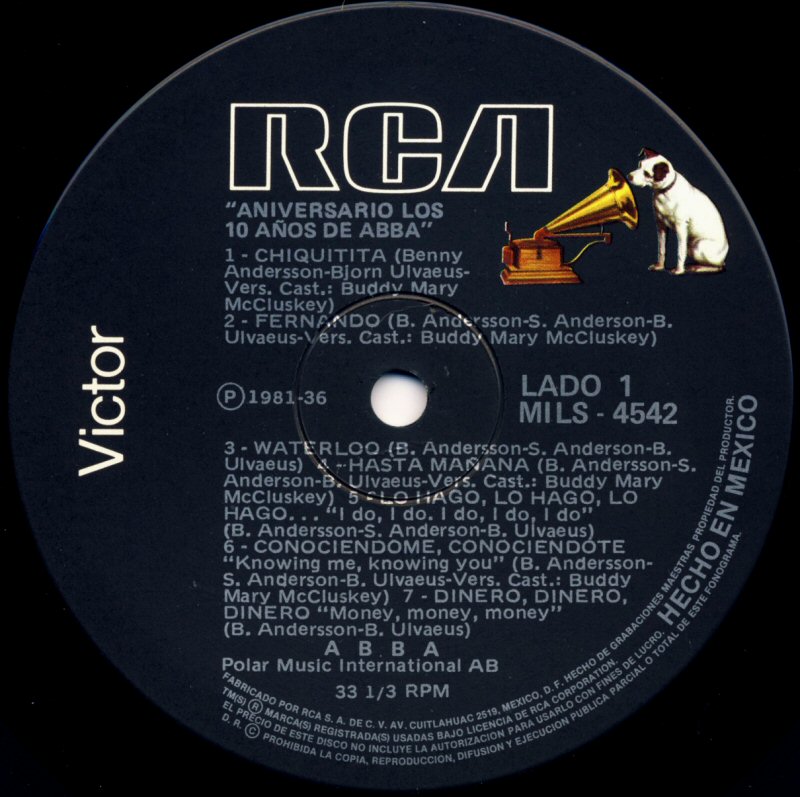
Aniversario los 10 años de ABBA
The 10th anniversary was celebrated In South America in 1981. The new compilation album contained 14 songs featuring 8 songs from the album "Gracias Por La Musica". Other songs included on this album were smash hits as: SOS, Money Money Money, I Do I Do I Do..., Waterloo and Take A Chance On Me. No songs from Super Trouper were included which can mean that the compilation was pressed already in 1980.
|
|
|
|
|
|
Dez anos
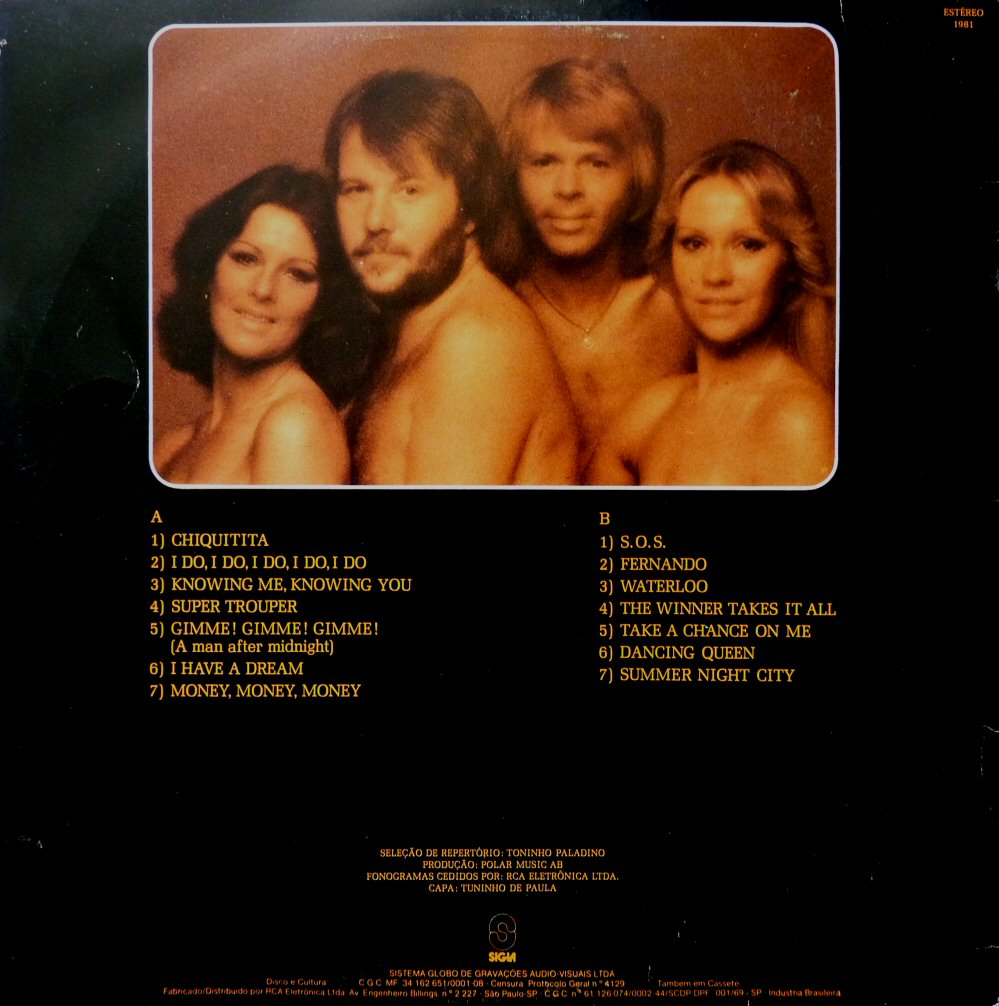
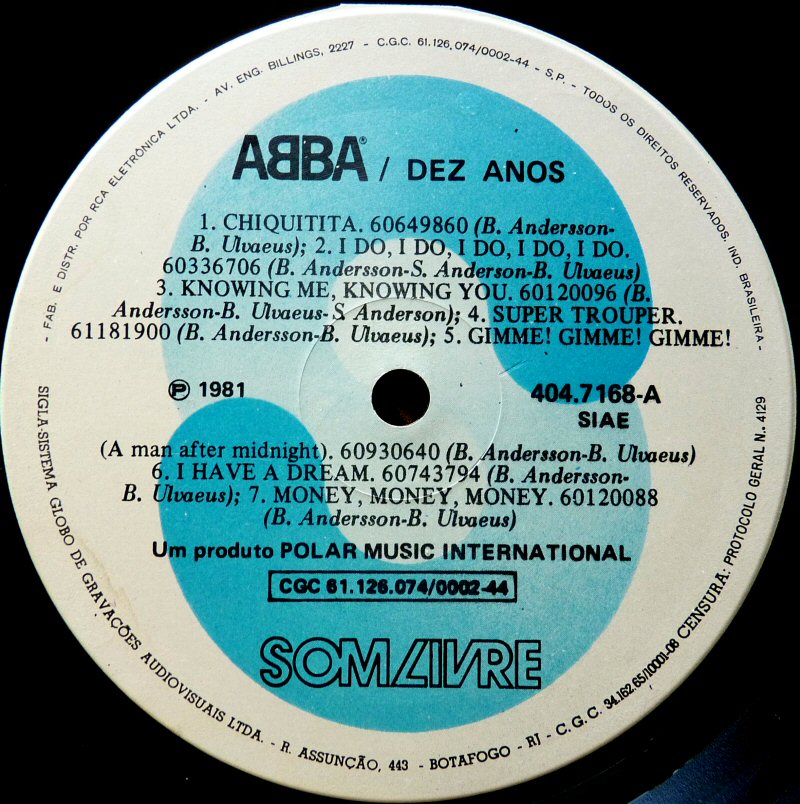
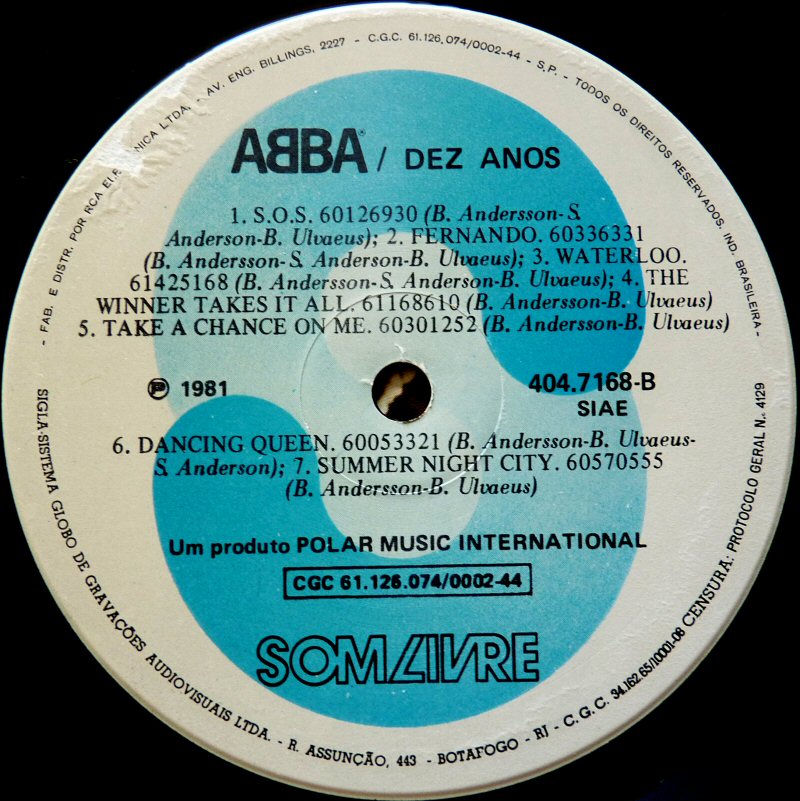
Another compilation album was released in Brazil. It was entitled "ABBA Dez anos" and it contained 14 songs.
|
|
|
|
|
|
The Visitors
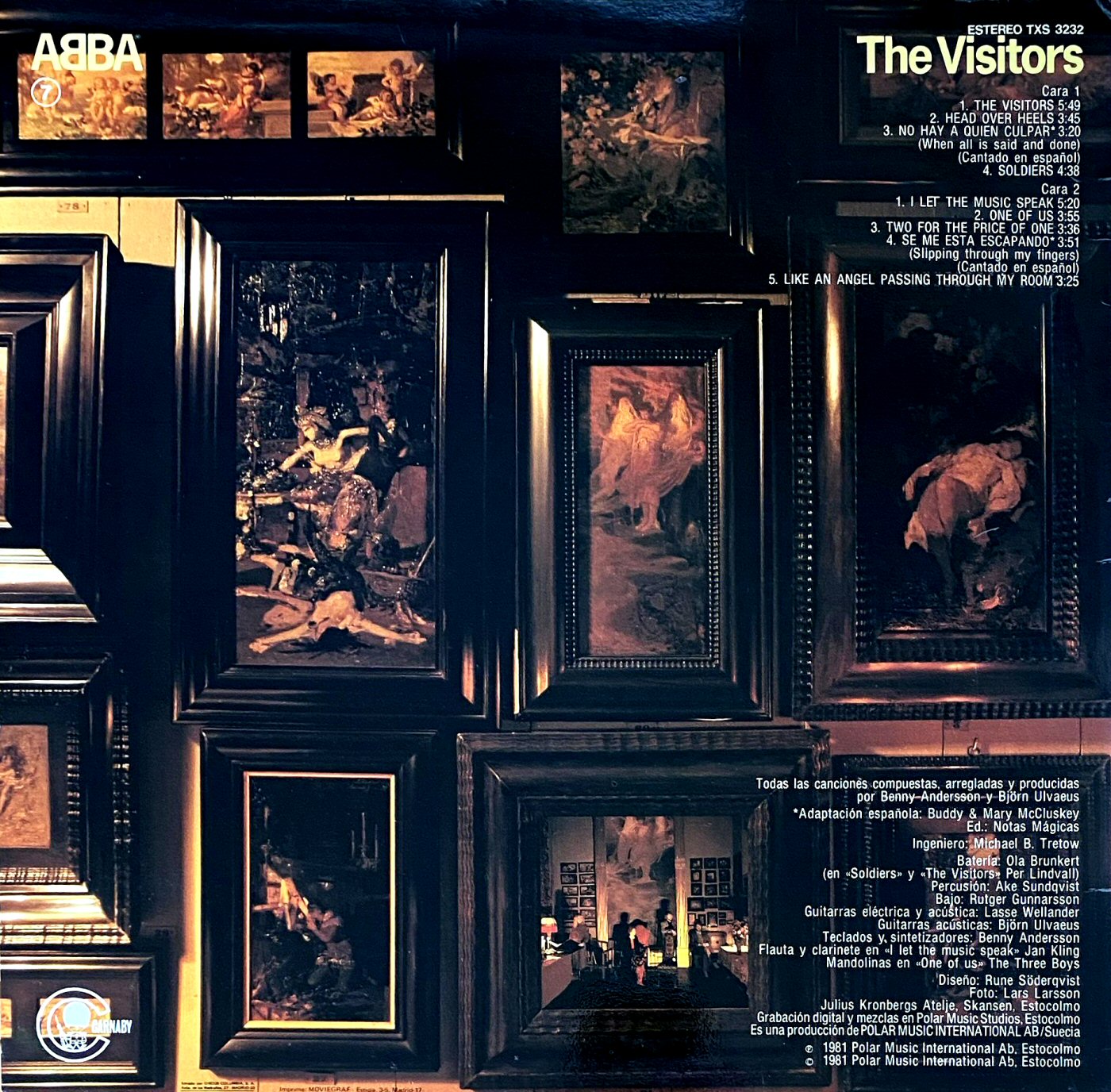
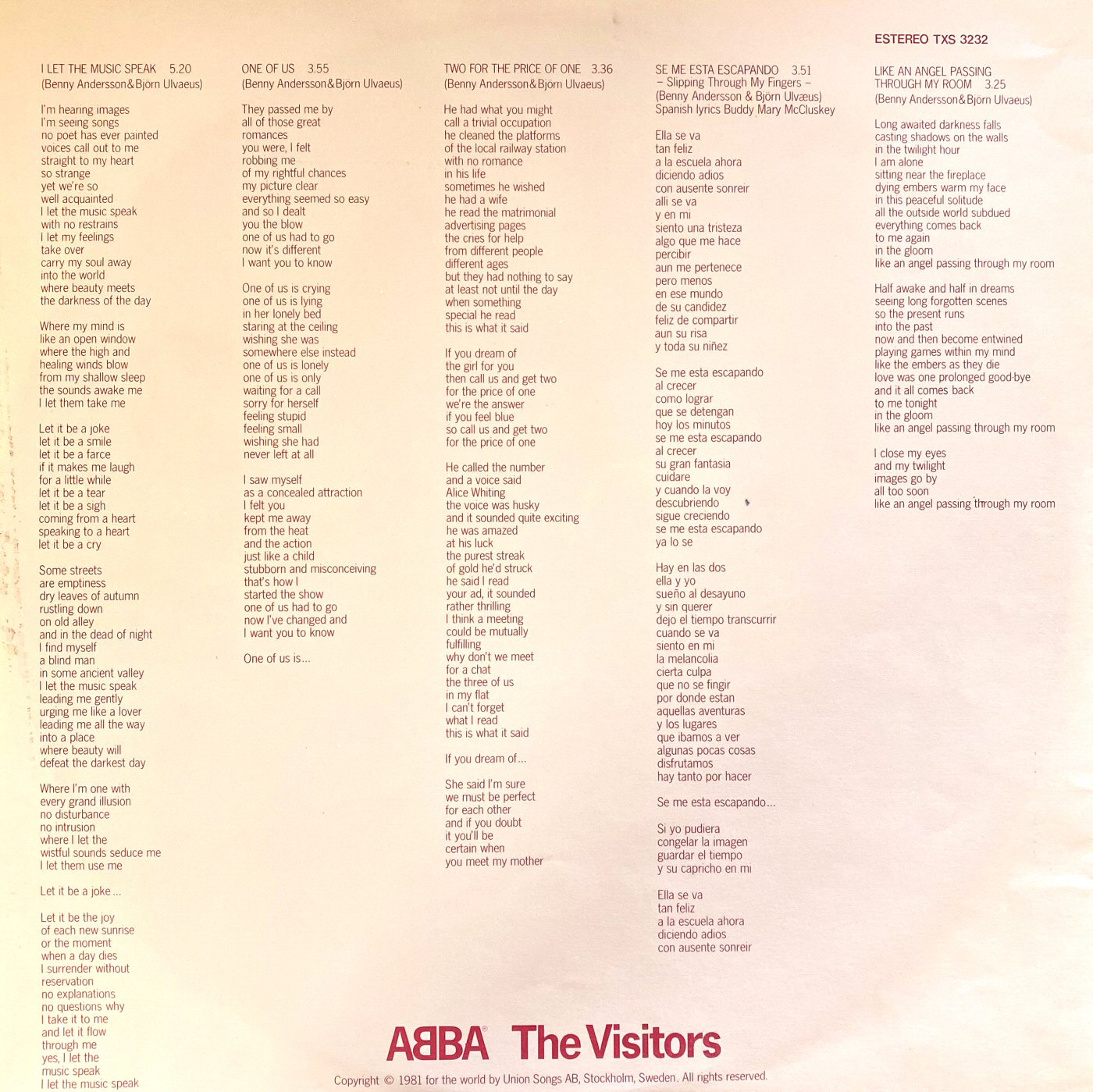
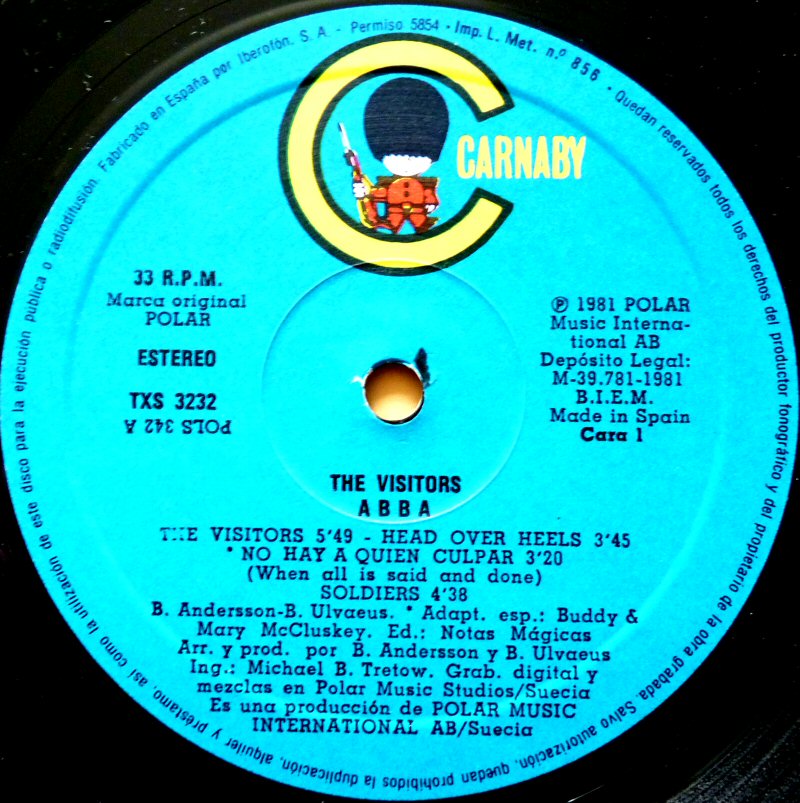
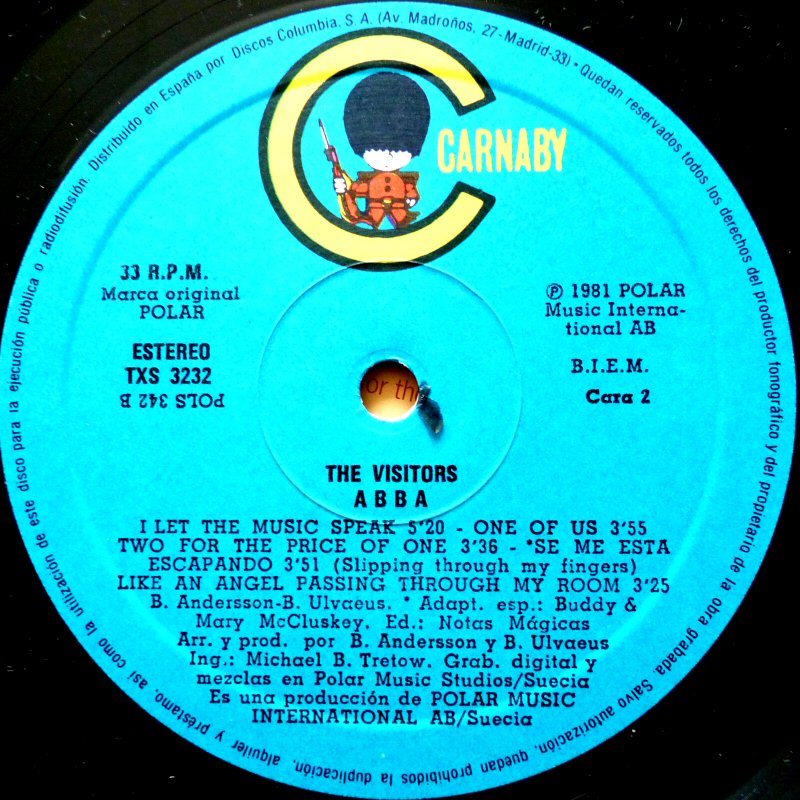
The Spanish version of "The Visitors" featured two songs sung in Spanish: "When All Is Said and Done" sung by Frida and "Slipping Through My Fingers" sung by Agnetha. The Spanish versions were recorded on November 24, 1981.
|
|
|
|
|
|
 |
 |
No hay a quien culpar - the video
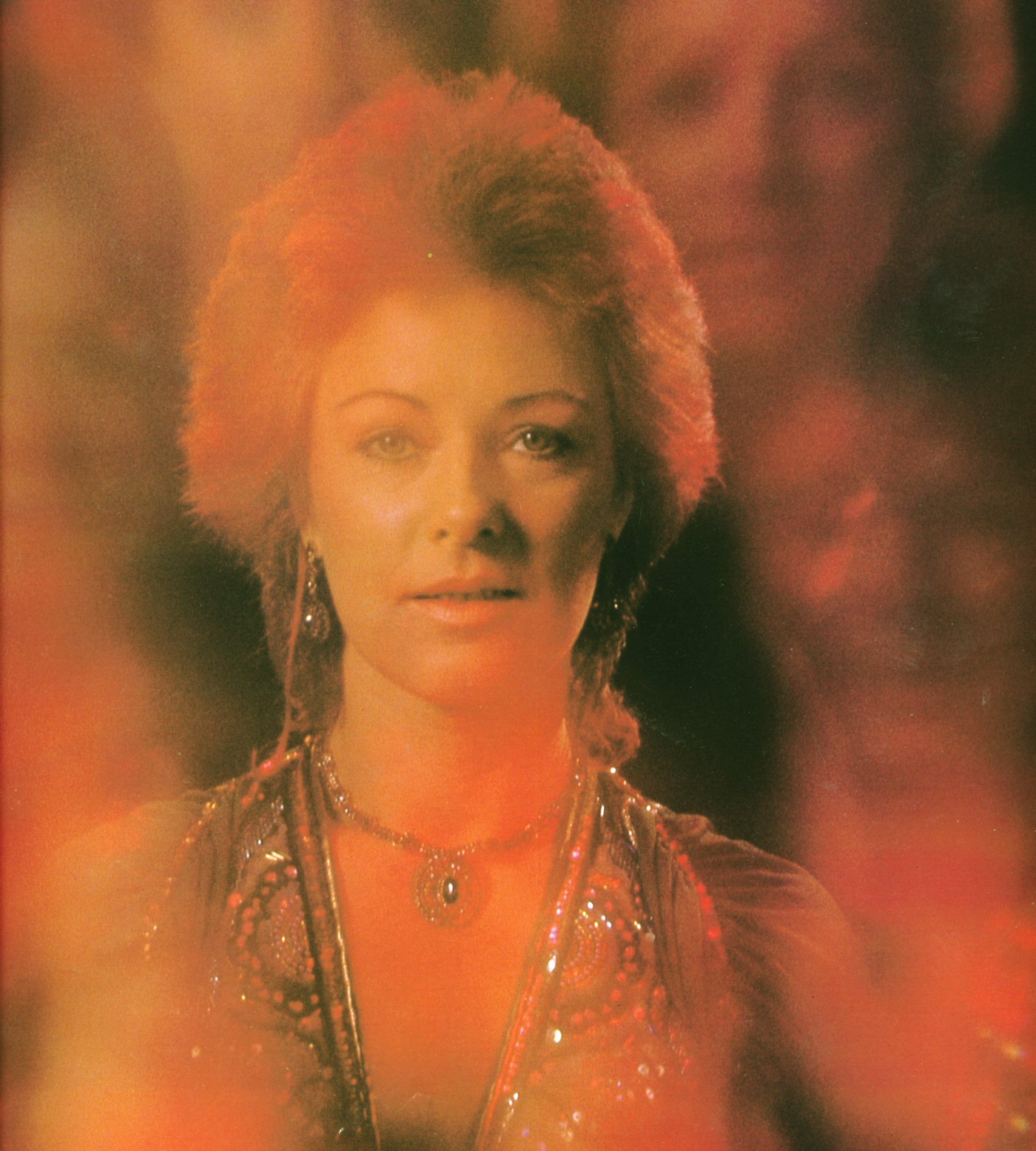
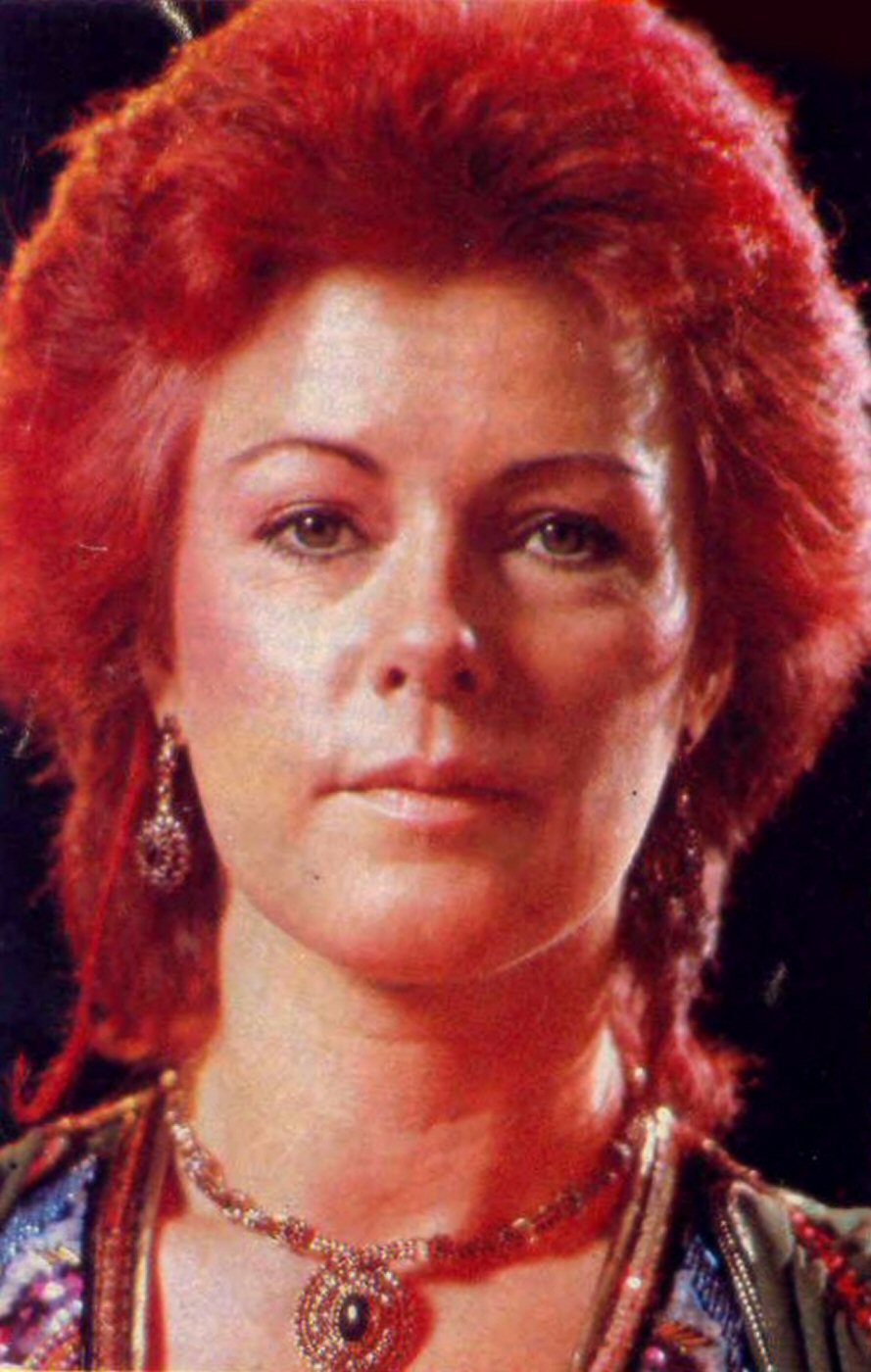
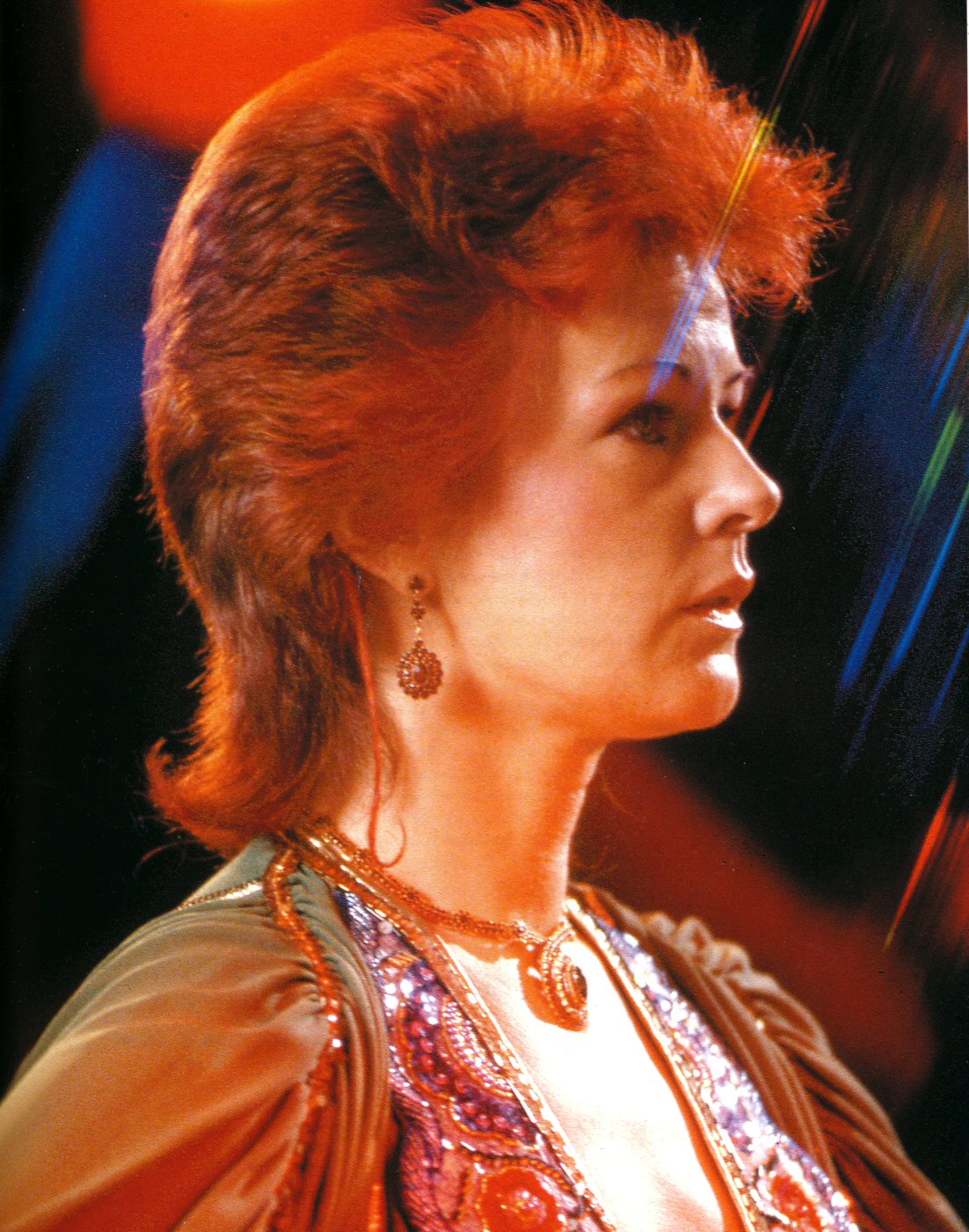
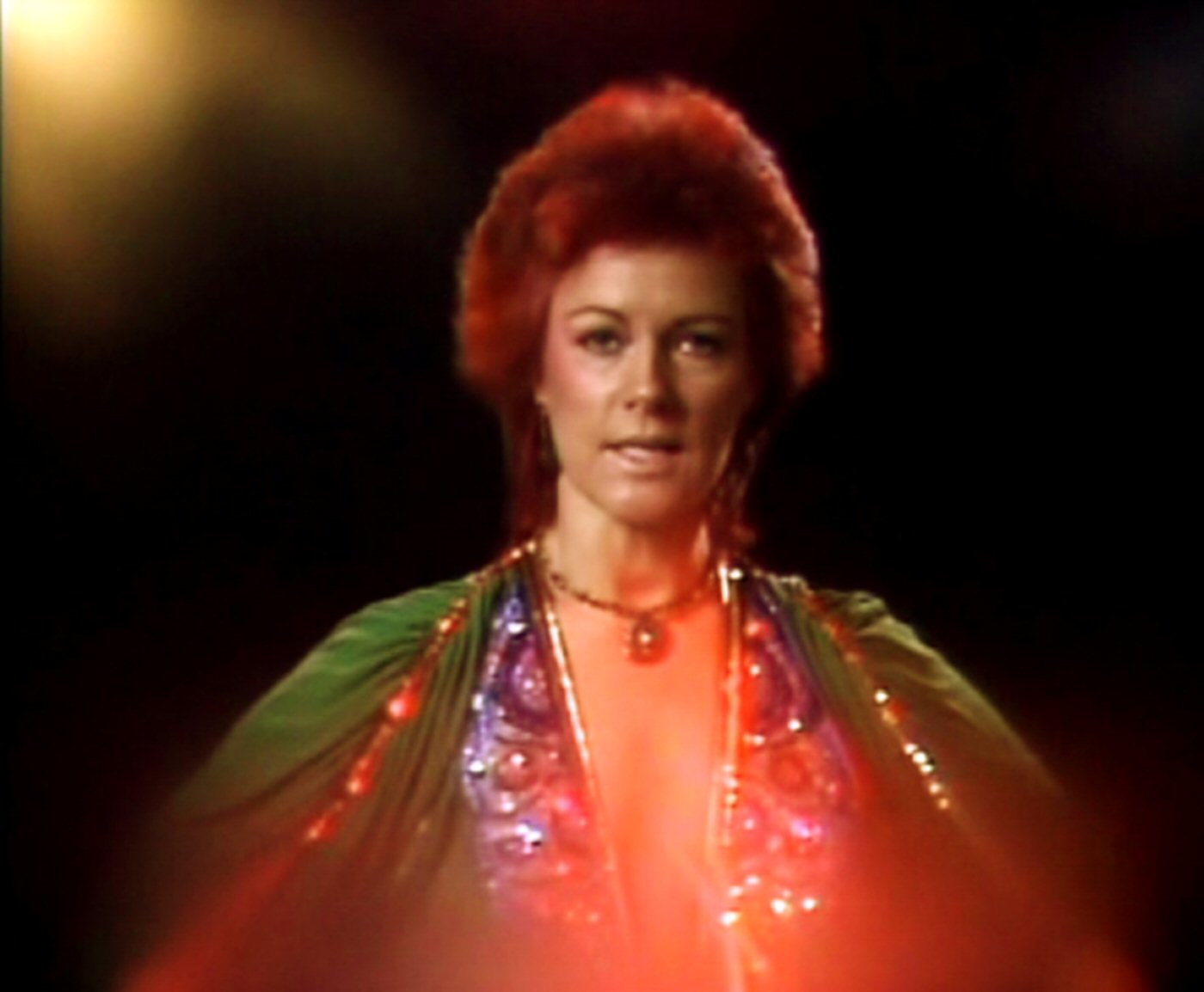
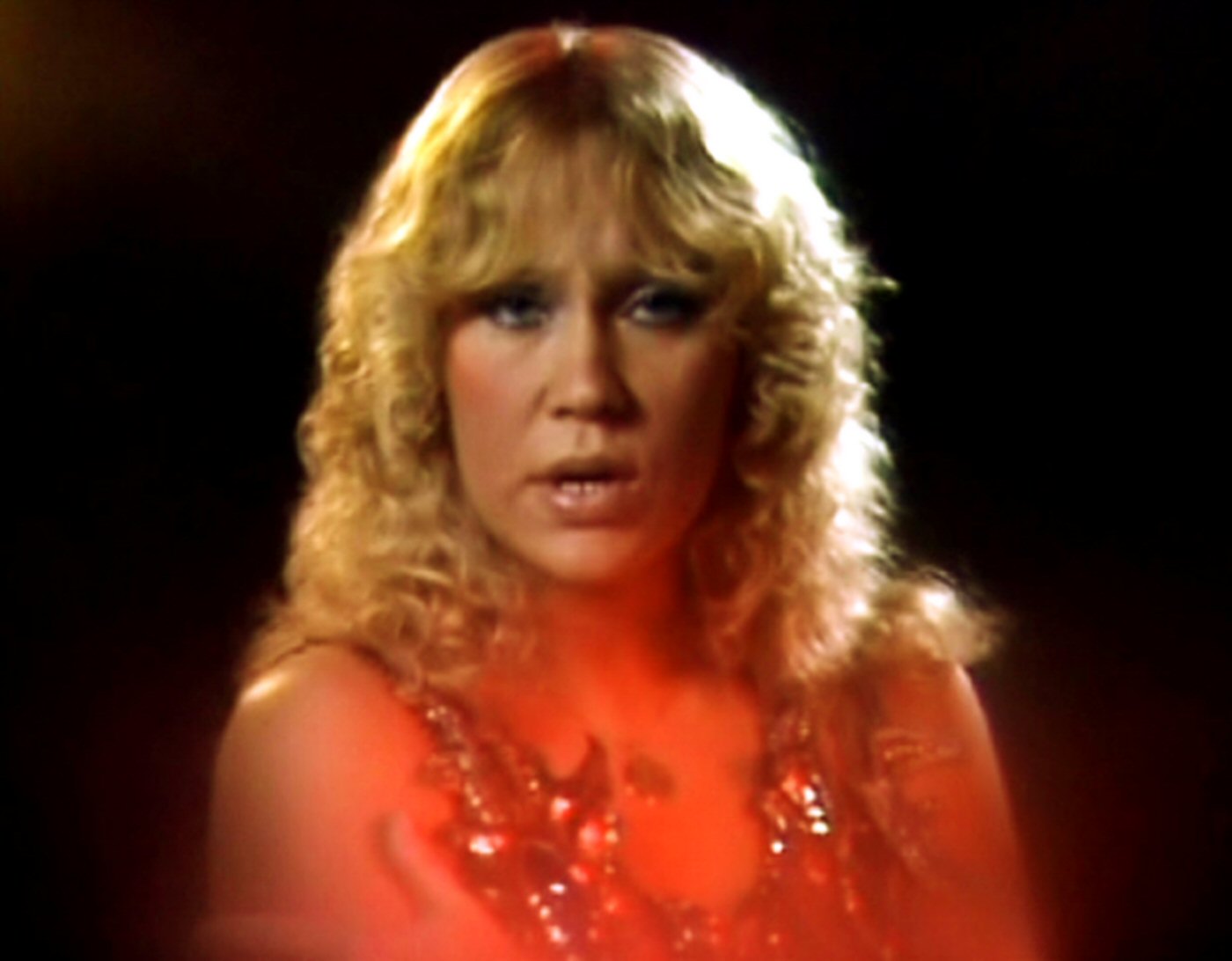
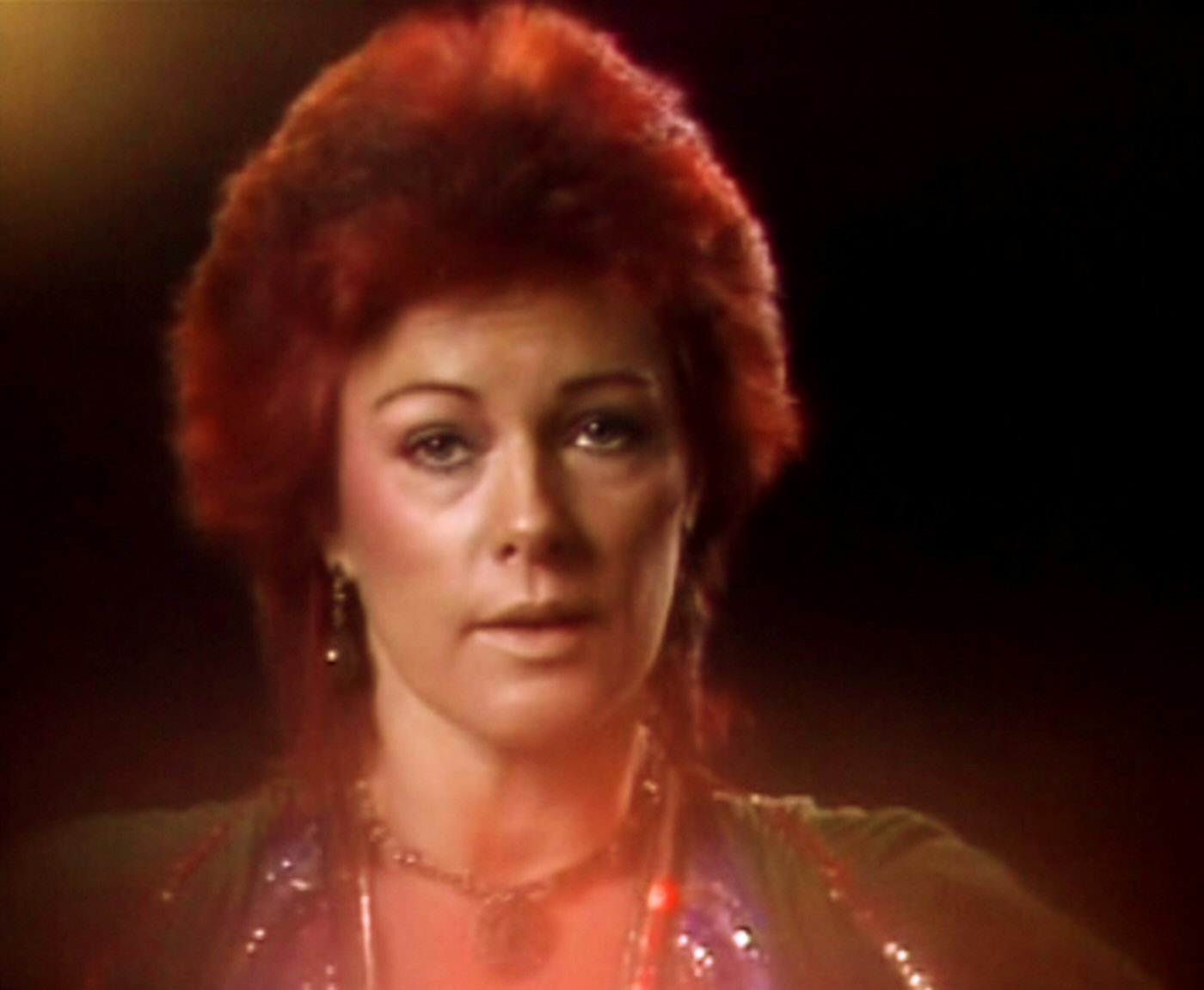
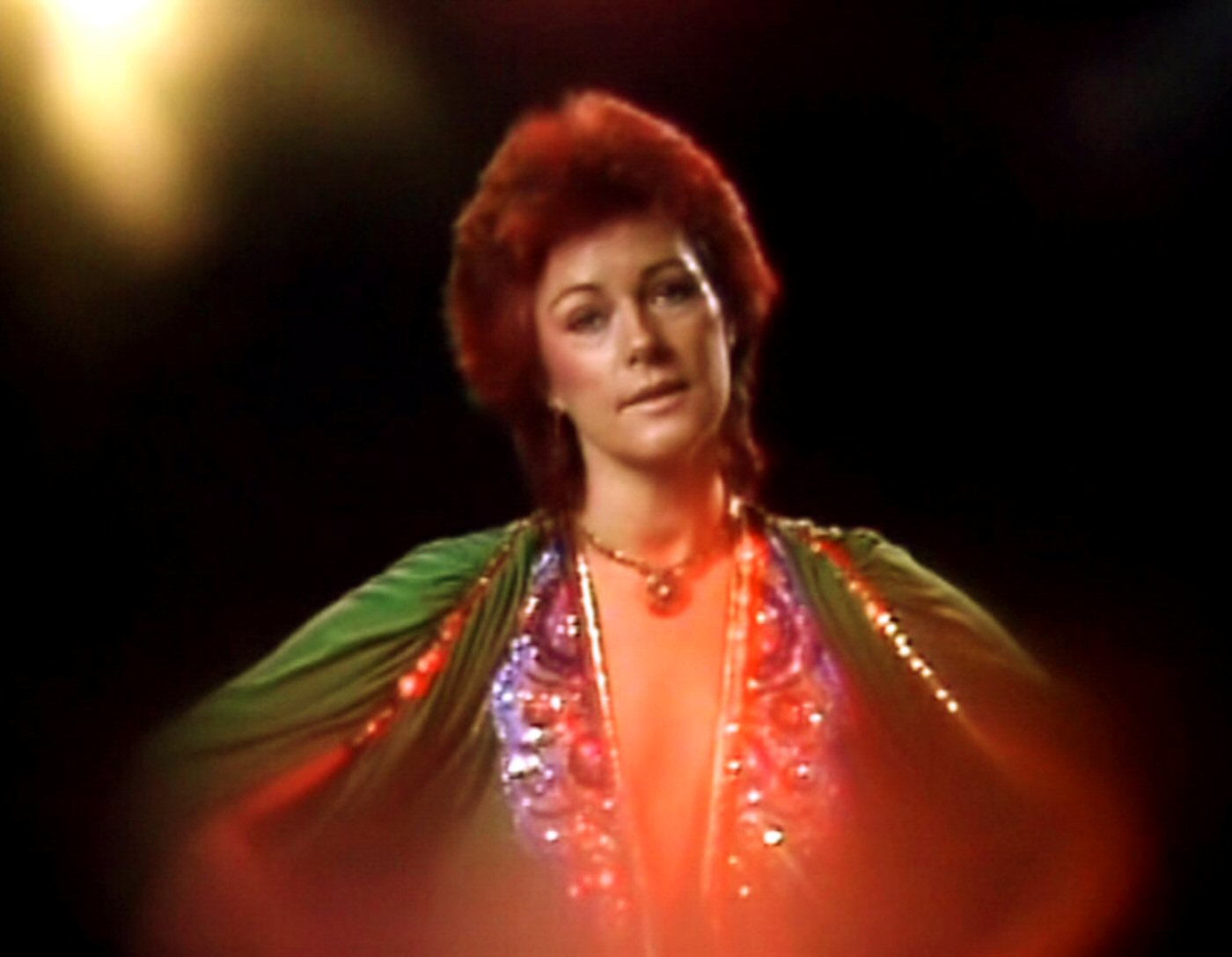
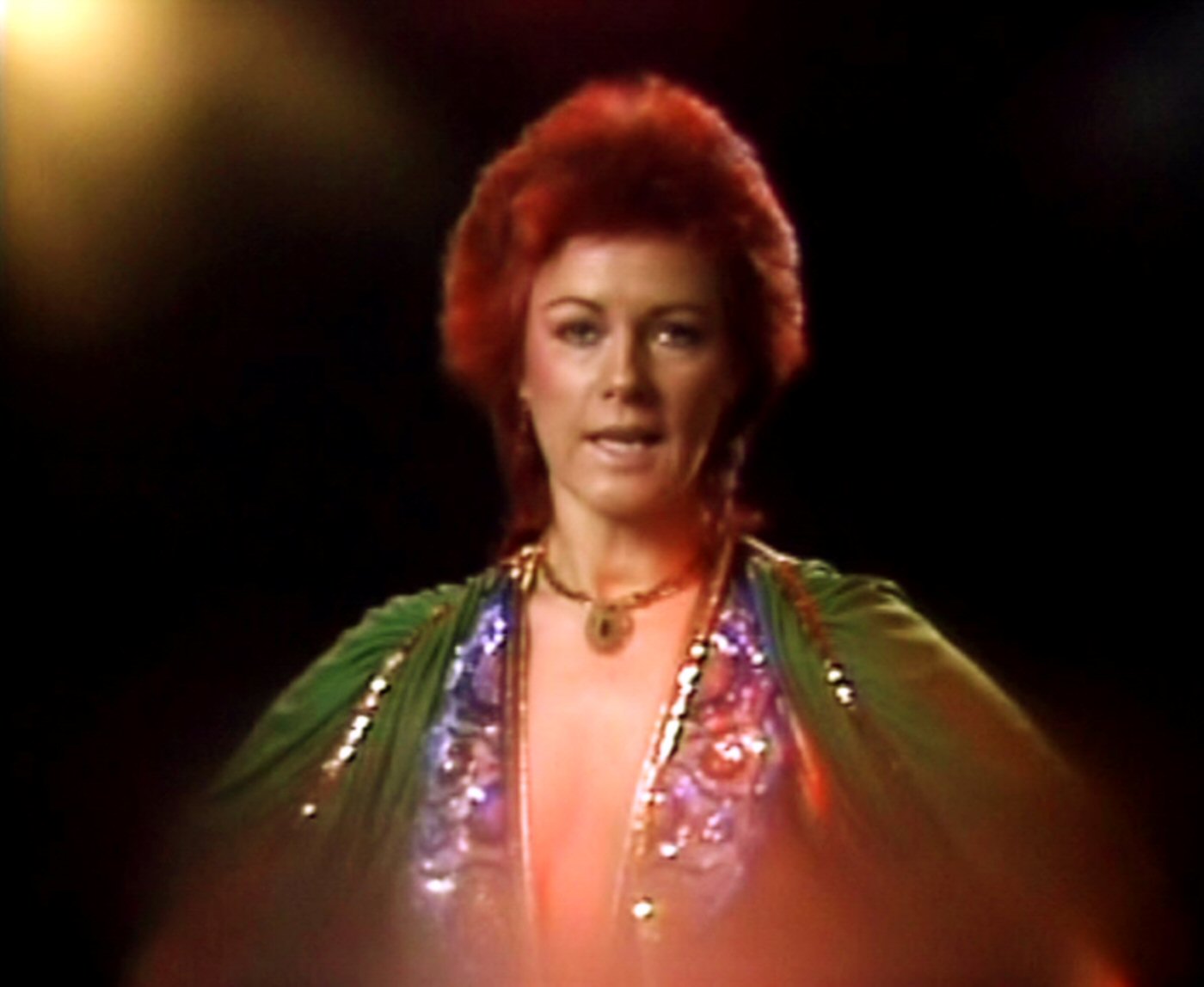
The video for "No hay a quien culpar" was partly filmed on November 27, 1981. It was quite funny as the new parts of the film for the Spanish video were mixed with the old ones from the English version of "When All Is Said And Done" video which had been filmed 3 months earlier and featured Frida with long hair. In November 1981 Frida was cut according to the latest trends in the "punk" style. Only Agnetha and Frida participated in this video recording.
 |
 |
 |
 |
 |
 |
 |
 |
 |
 |
La Carta Indiscreta - December 1981
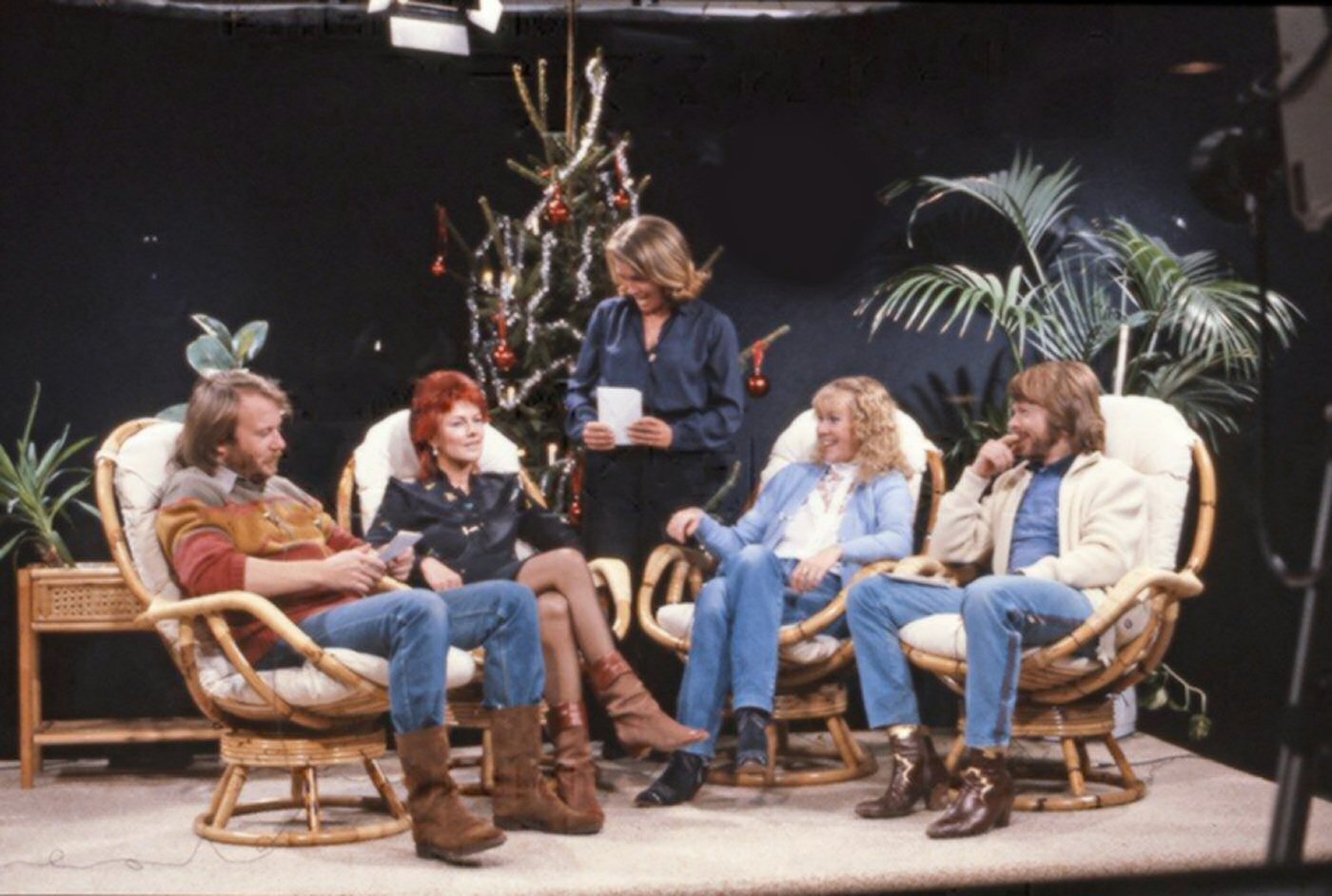
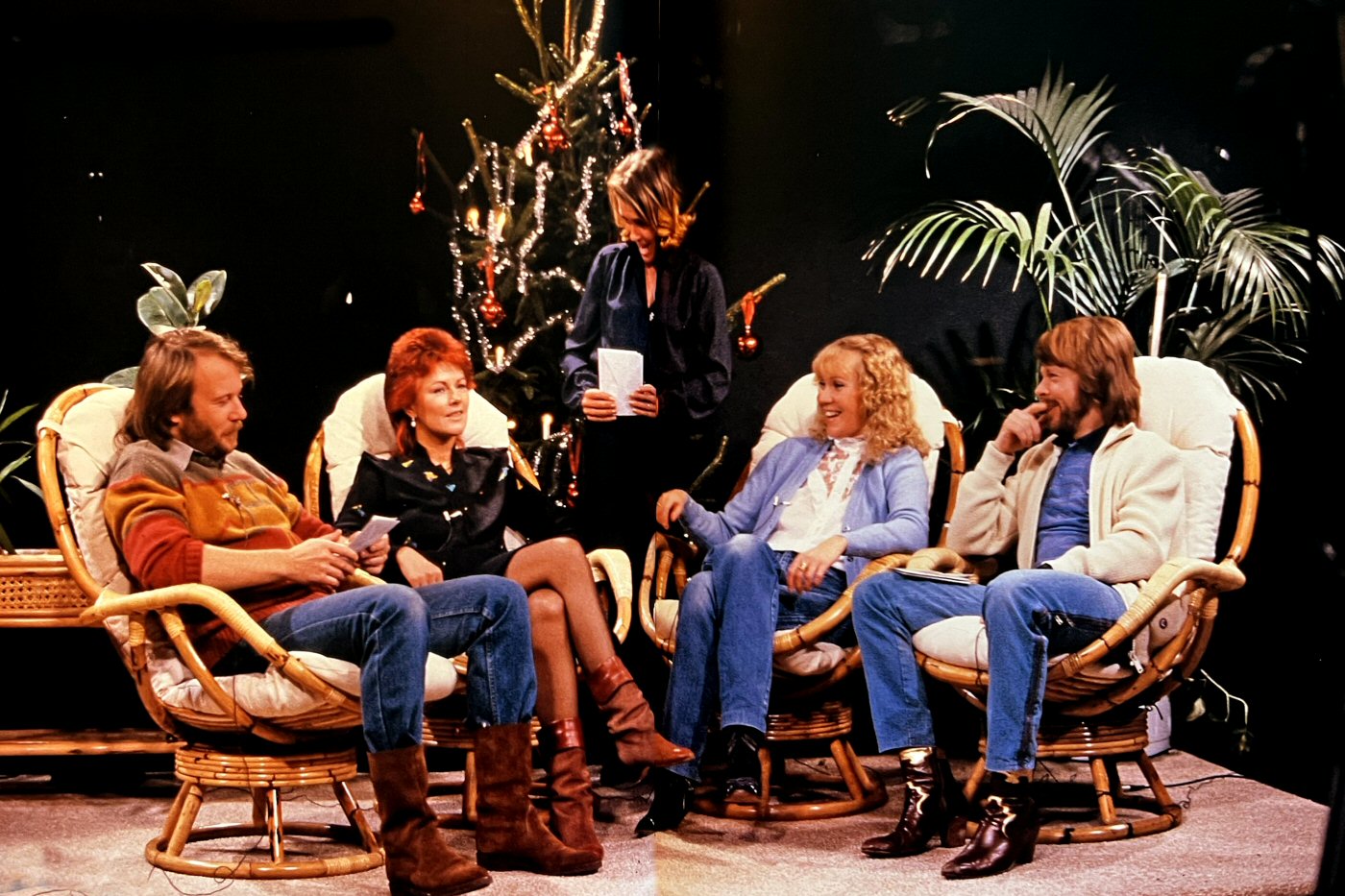
Argentinian TV team arrived in Stockholm in December 81 and made a Christmas TV special. New videos: No hay a quien culpar and One of Us were presented as well. The show was divided into several parts. The first one was featuring the all ABBA members answering funny questions with funny answers.
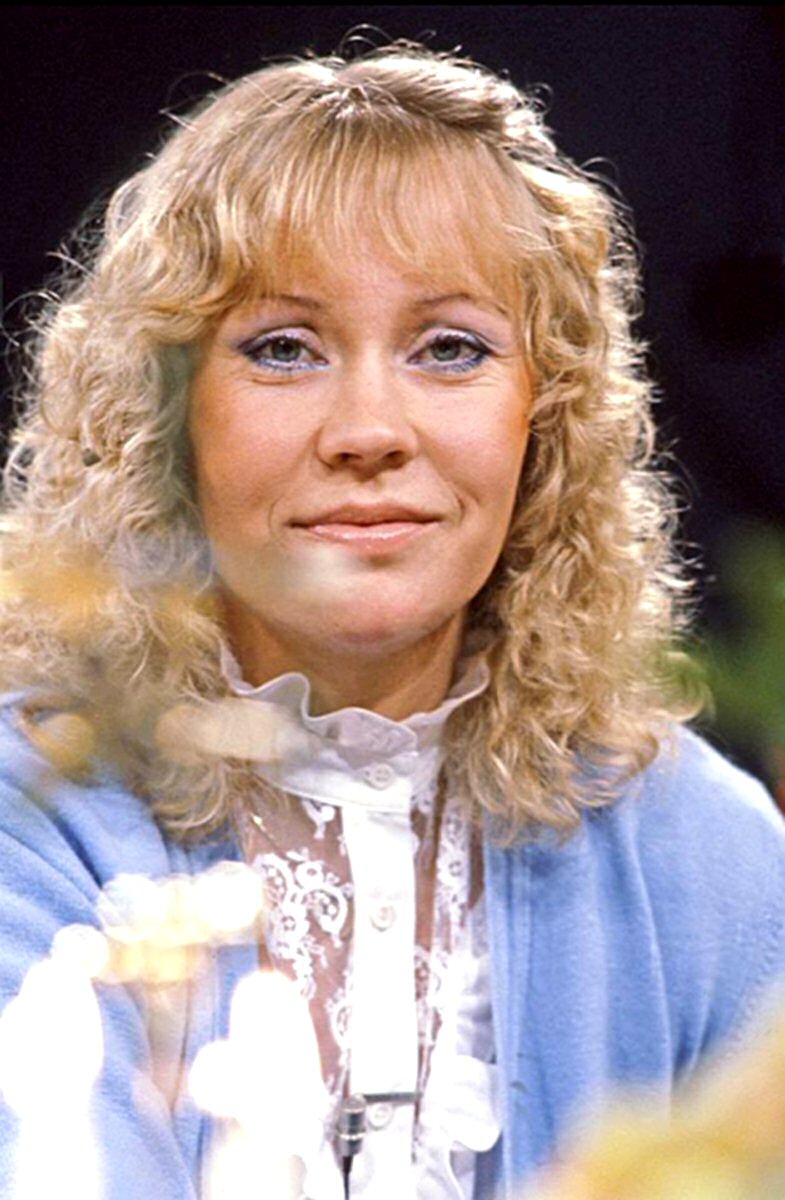
Part two of the show contained four individual interviews with all the members. The first and longest one was with Agnetha, the shortest with Frida. At the end of each interview the other three would describe the person who had been interviewed. An interesting thing was said by Agnetha when she was describing Frida. Agnetha said: "Frida is one of my best friends..."
 |
 |
 |
||
 |
 |
 |
||
One of Us/No hay a quien culpar - the single
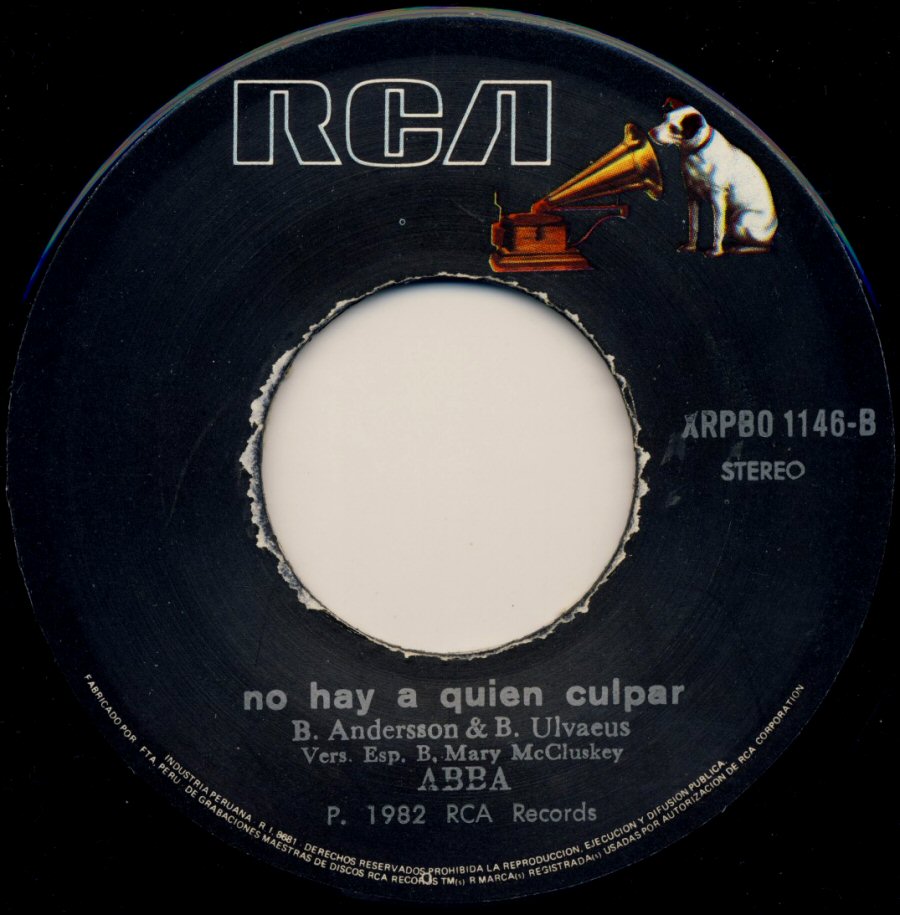
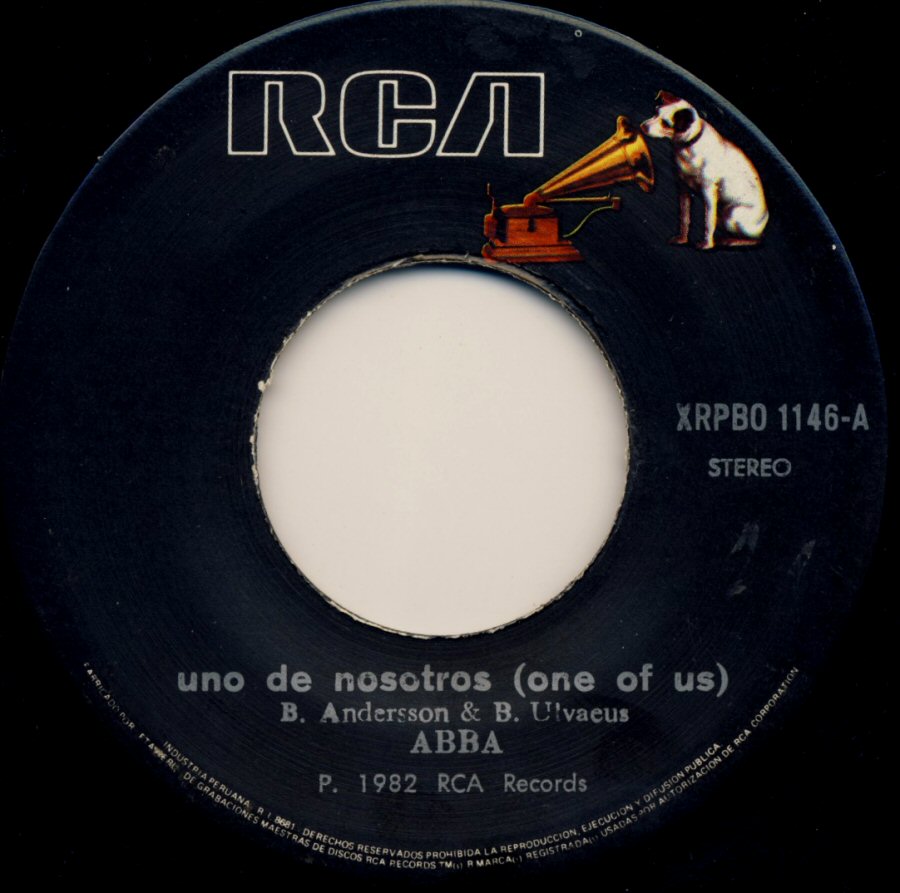
Two main single releases from the LP "The Visitors" in South America were "Head Over Heels" and "One Of Us" alt. "No hay a quien culpar" (Spanish version of "When all is said and done"). The first single was released at the beginning of 1982 and the second one about April/May 1982 - depending on country. The single in Peru featured "Uno de nosotros" (One of Us - sung in English) on side A and "No hay a quien culpar" on side B.
|
|
|
|
|
|
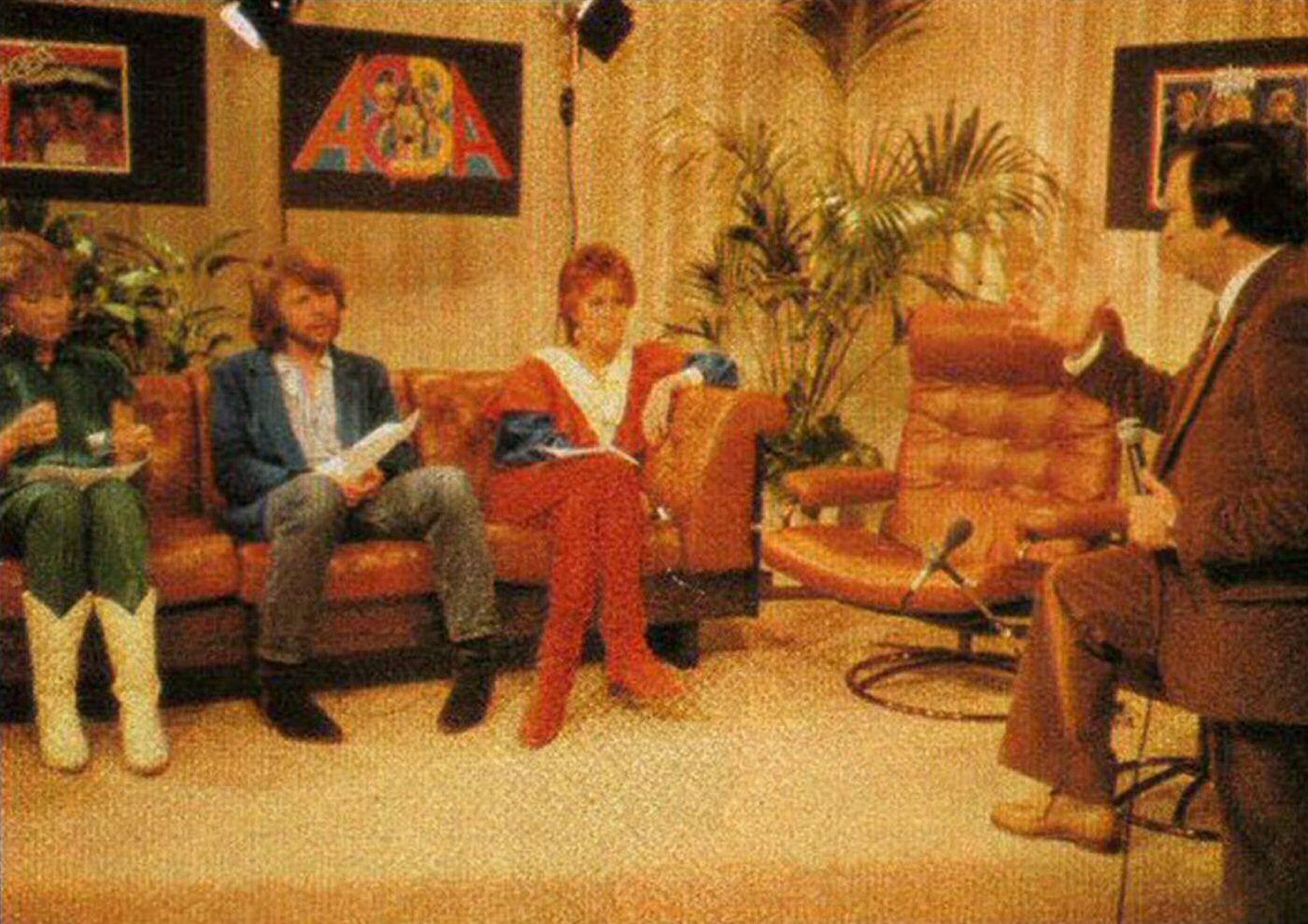
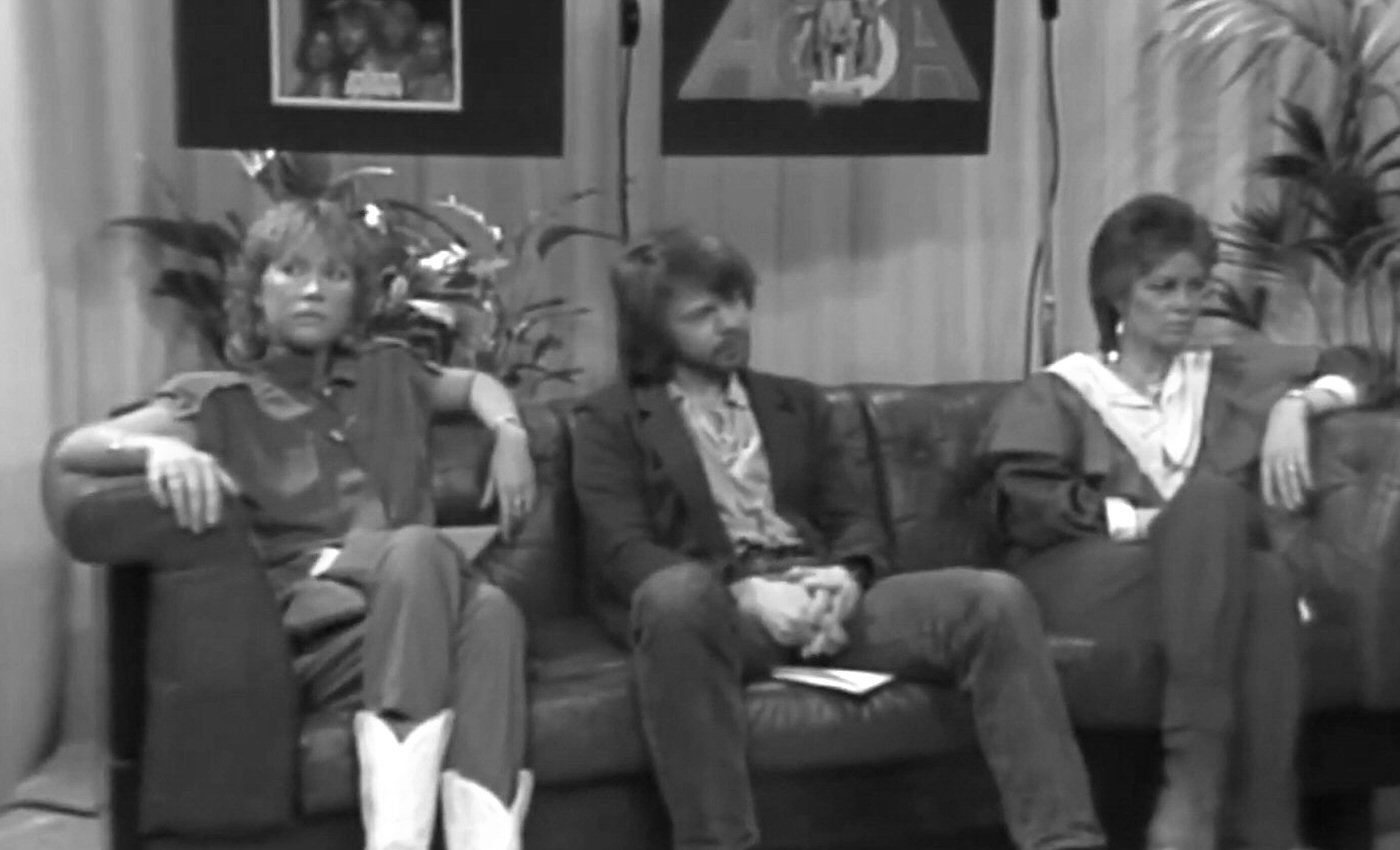
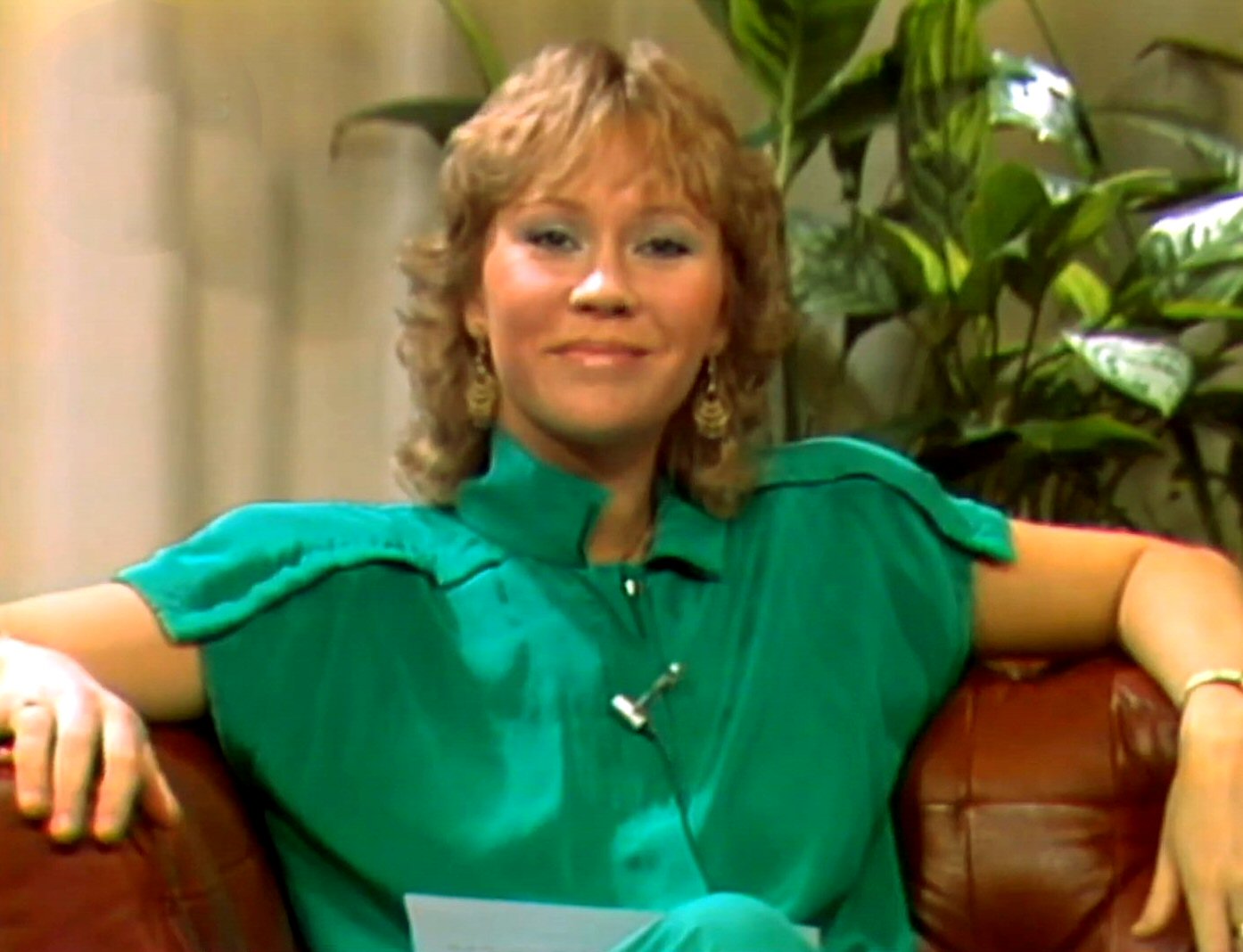
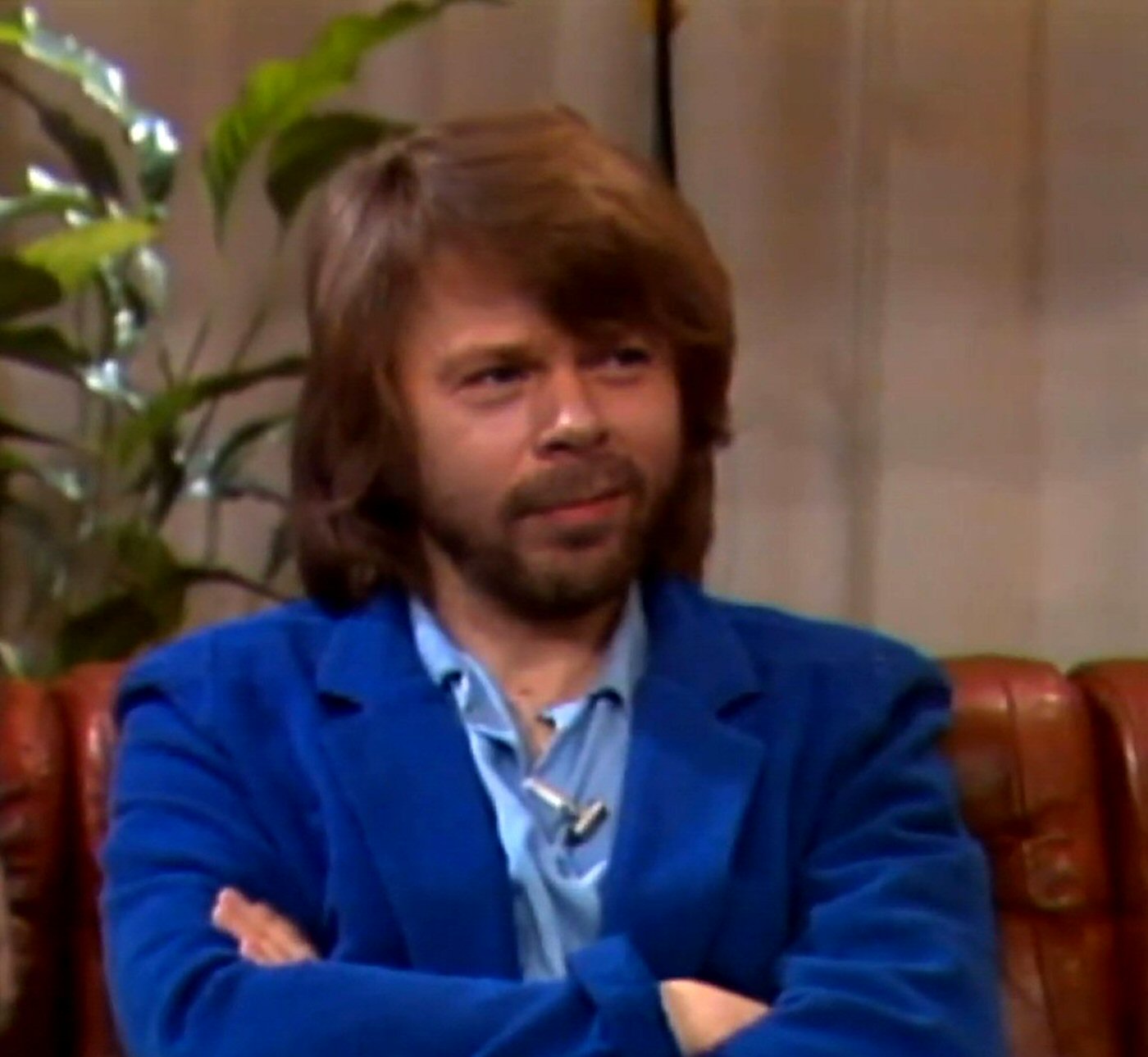
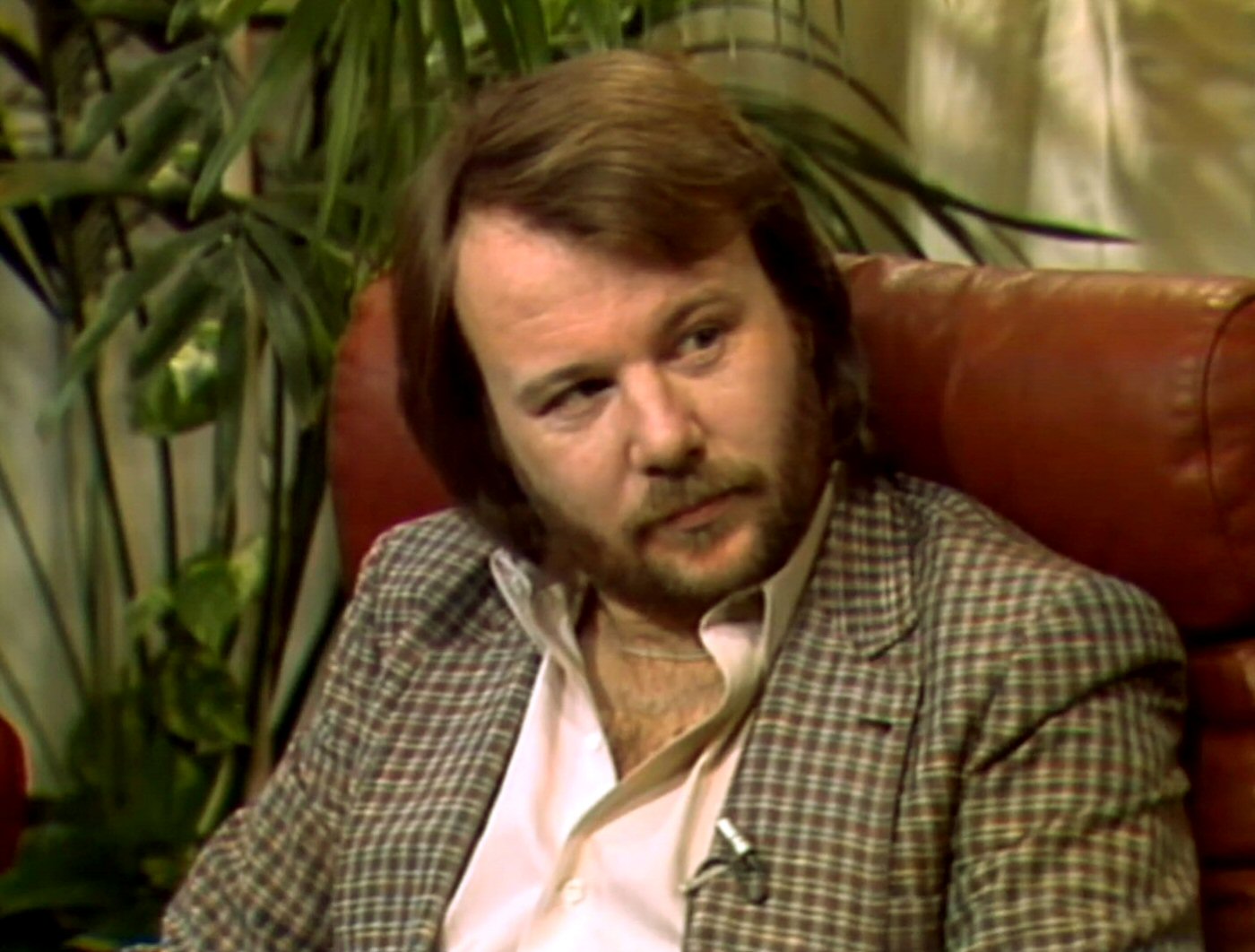
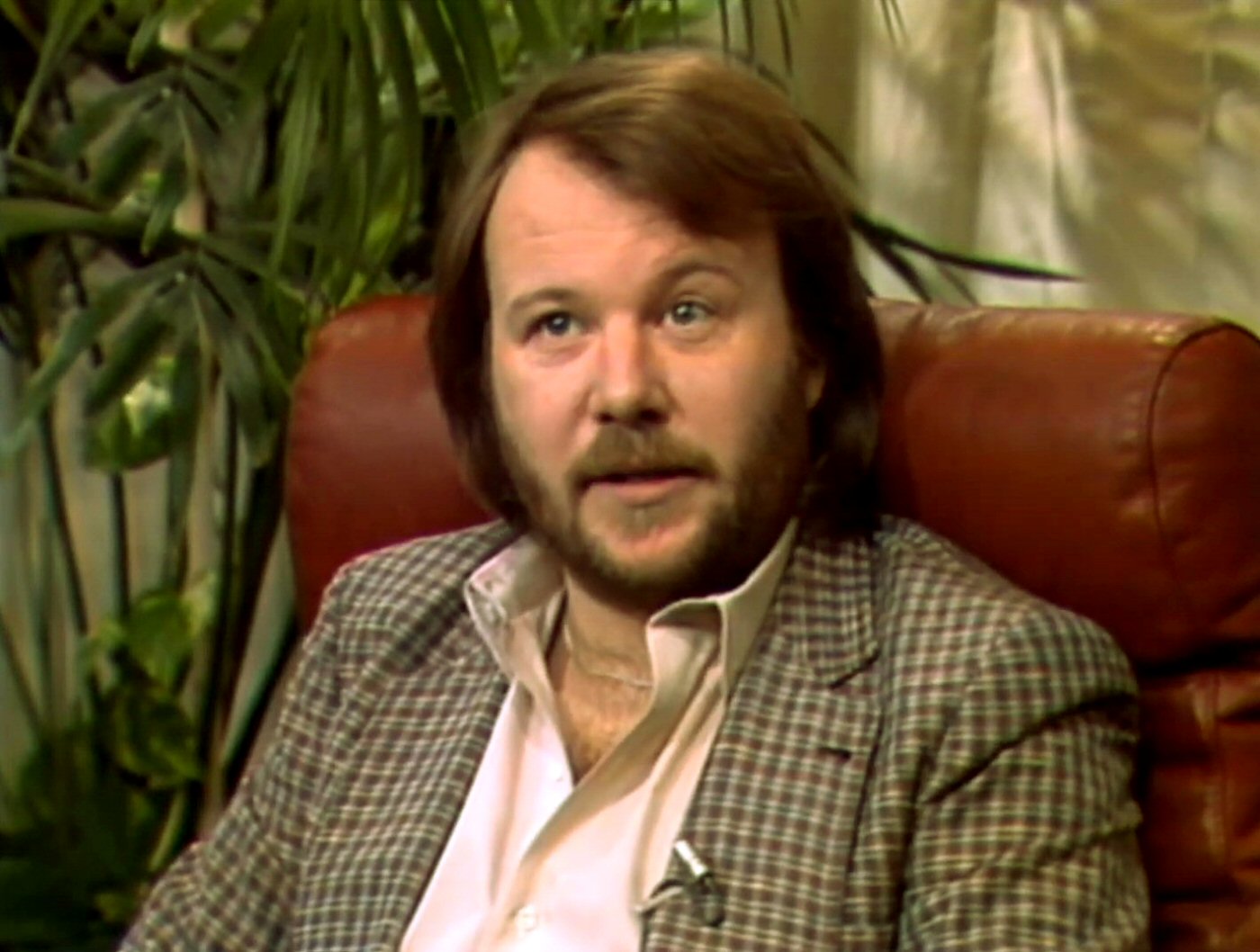
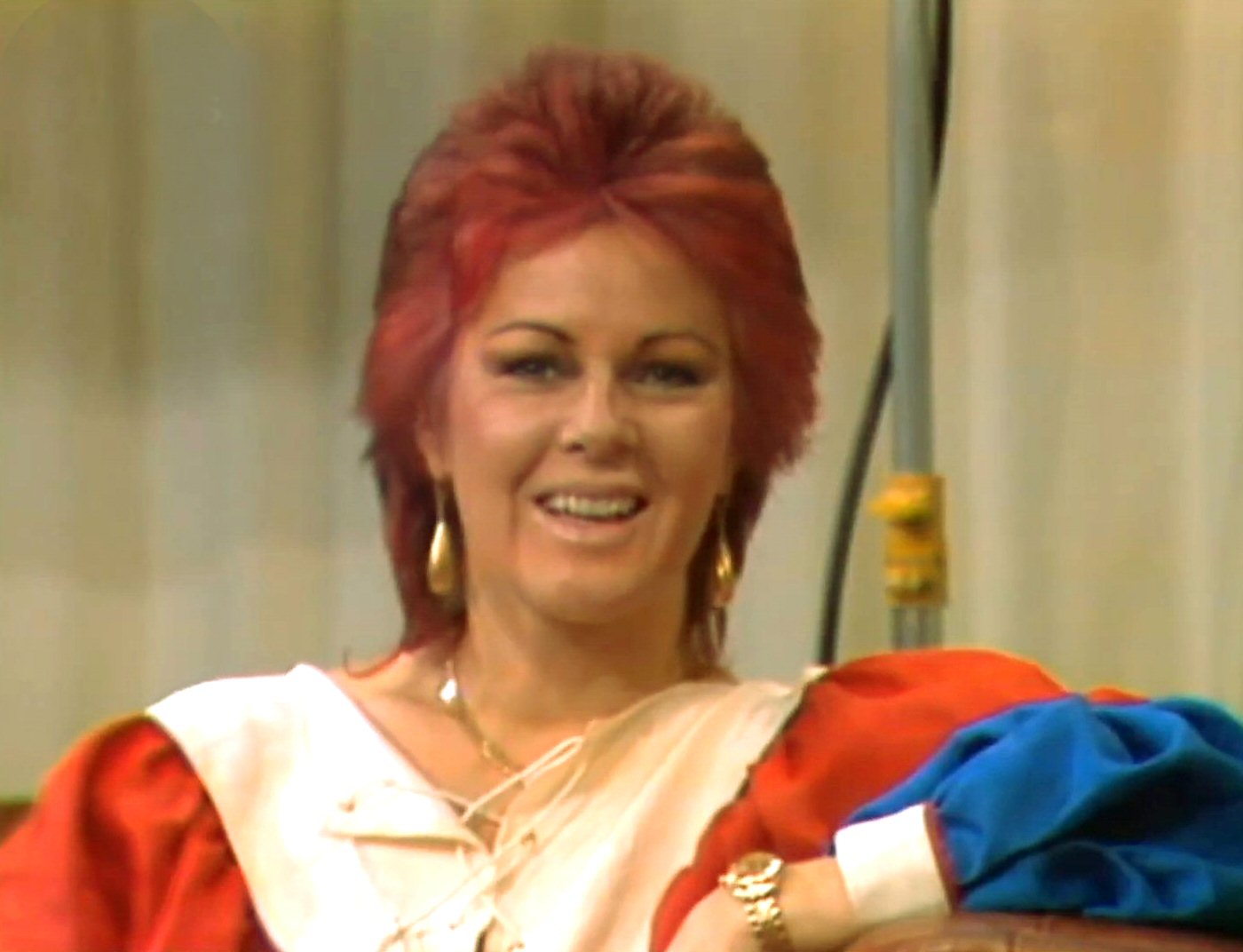
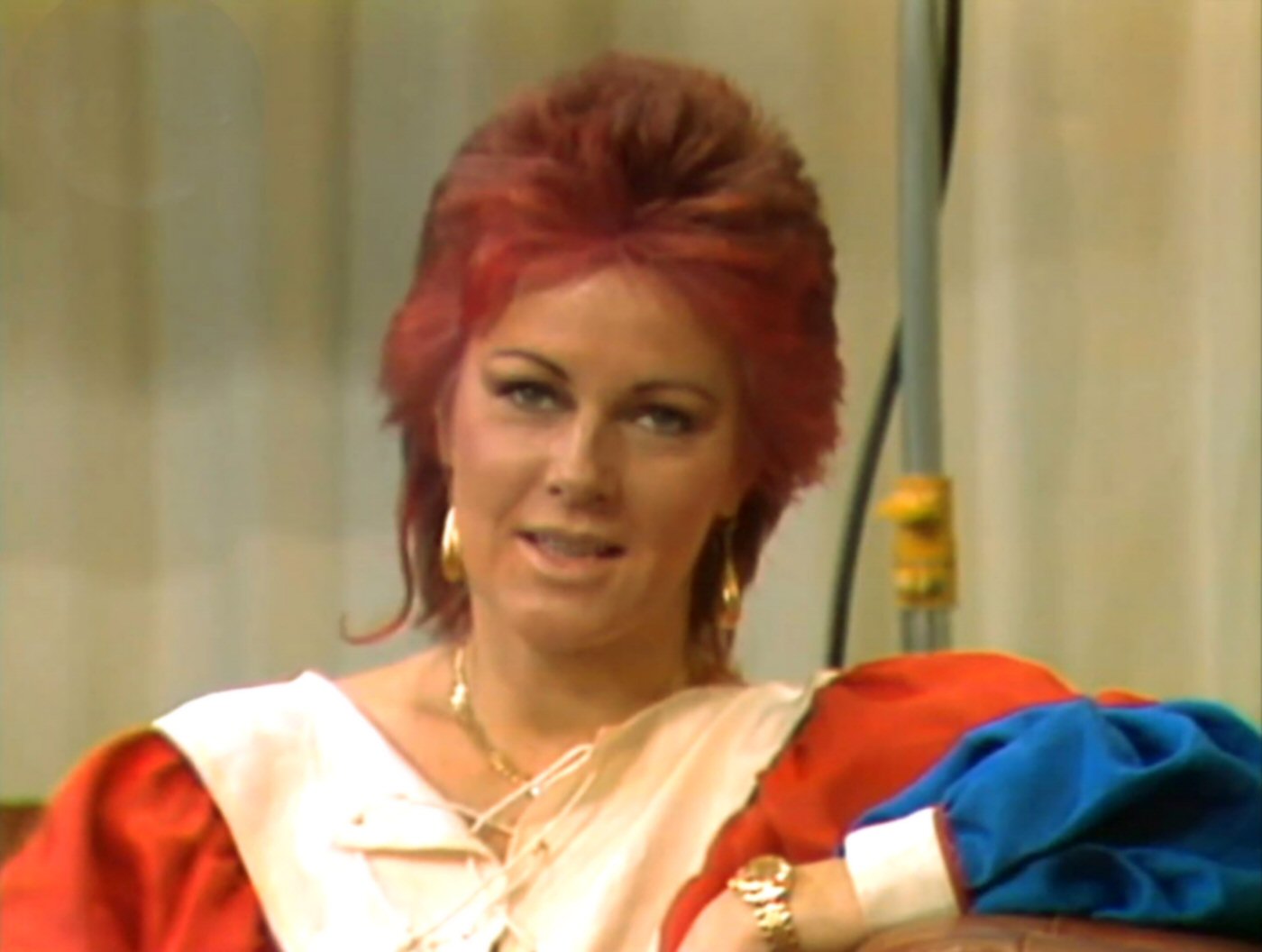
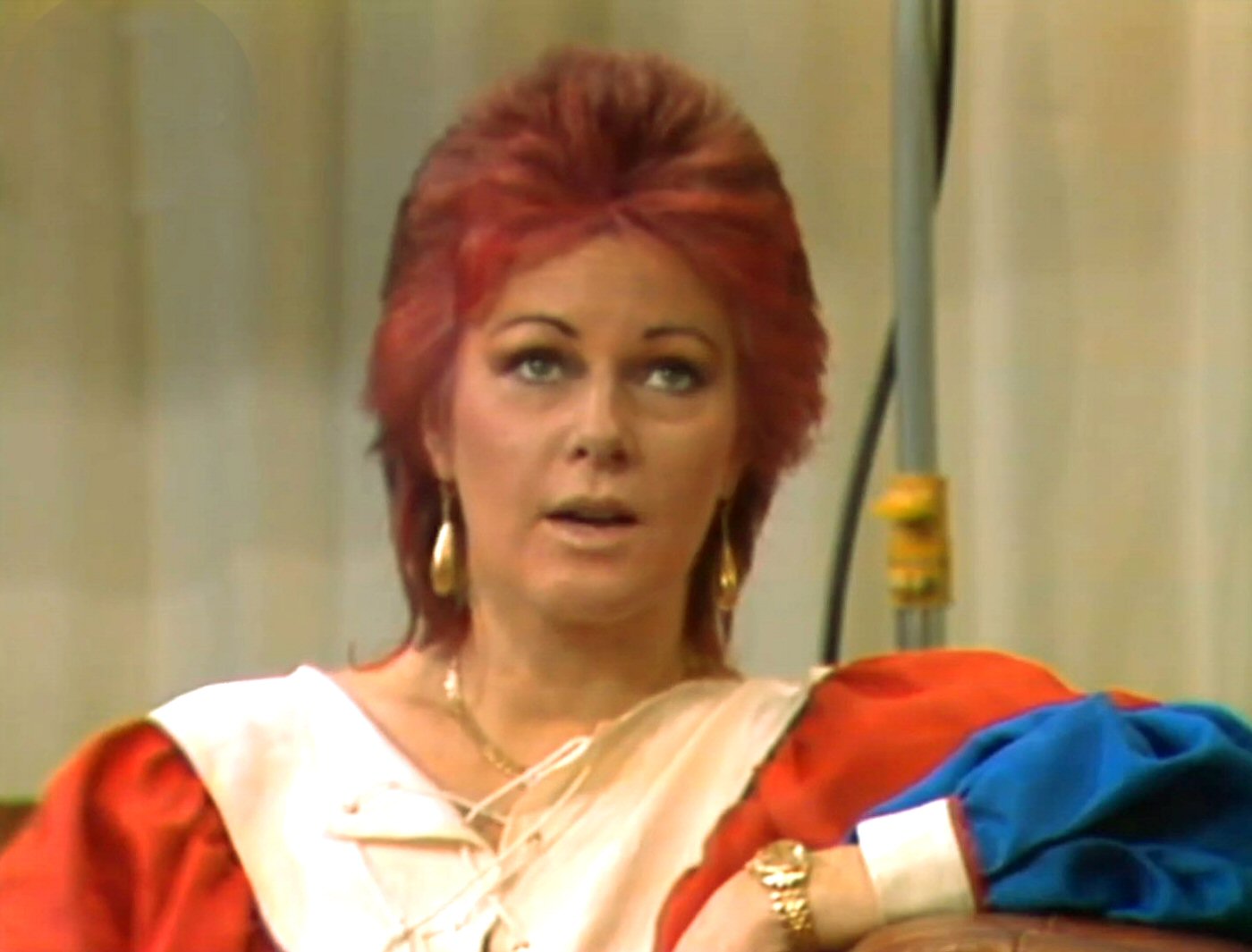
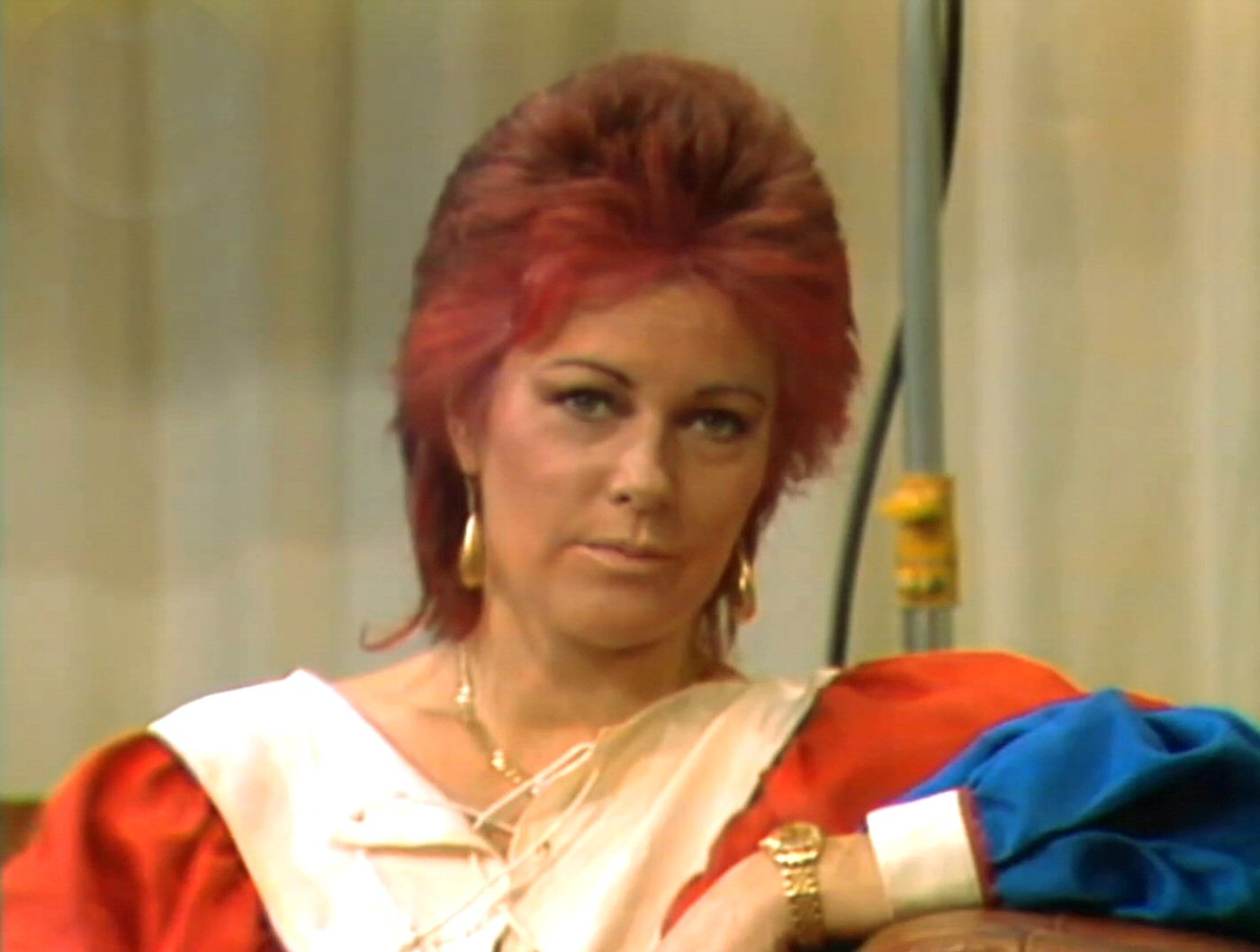
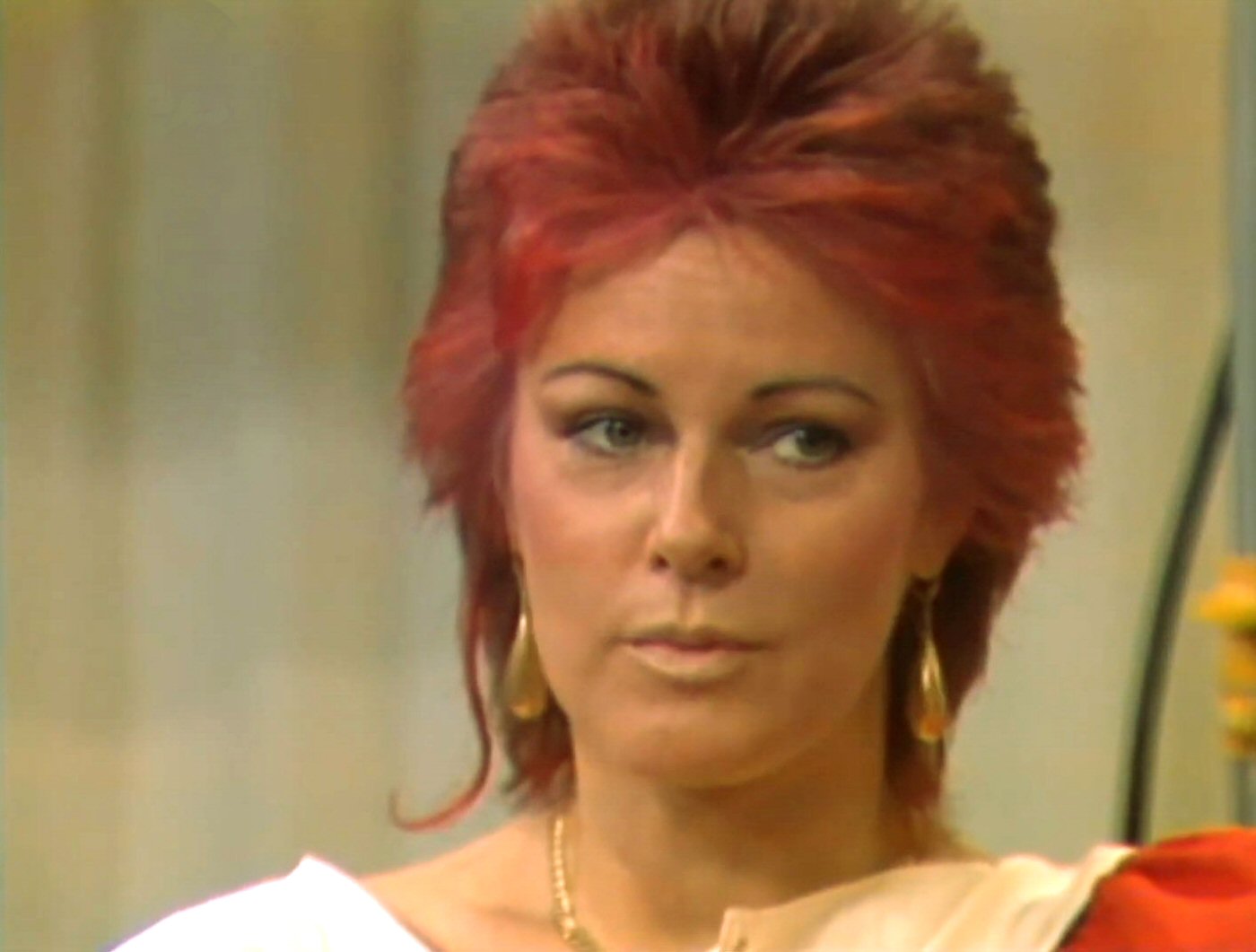
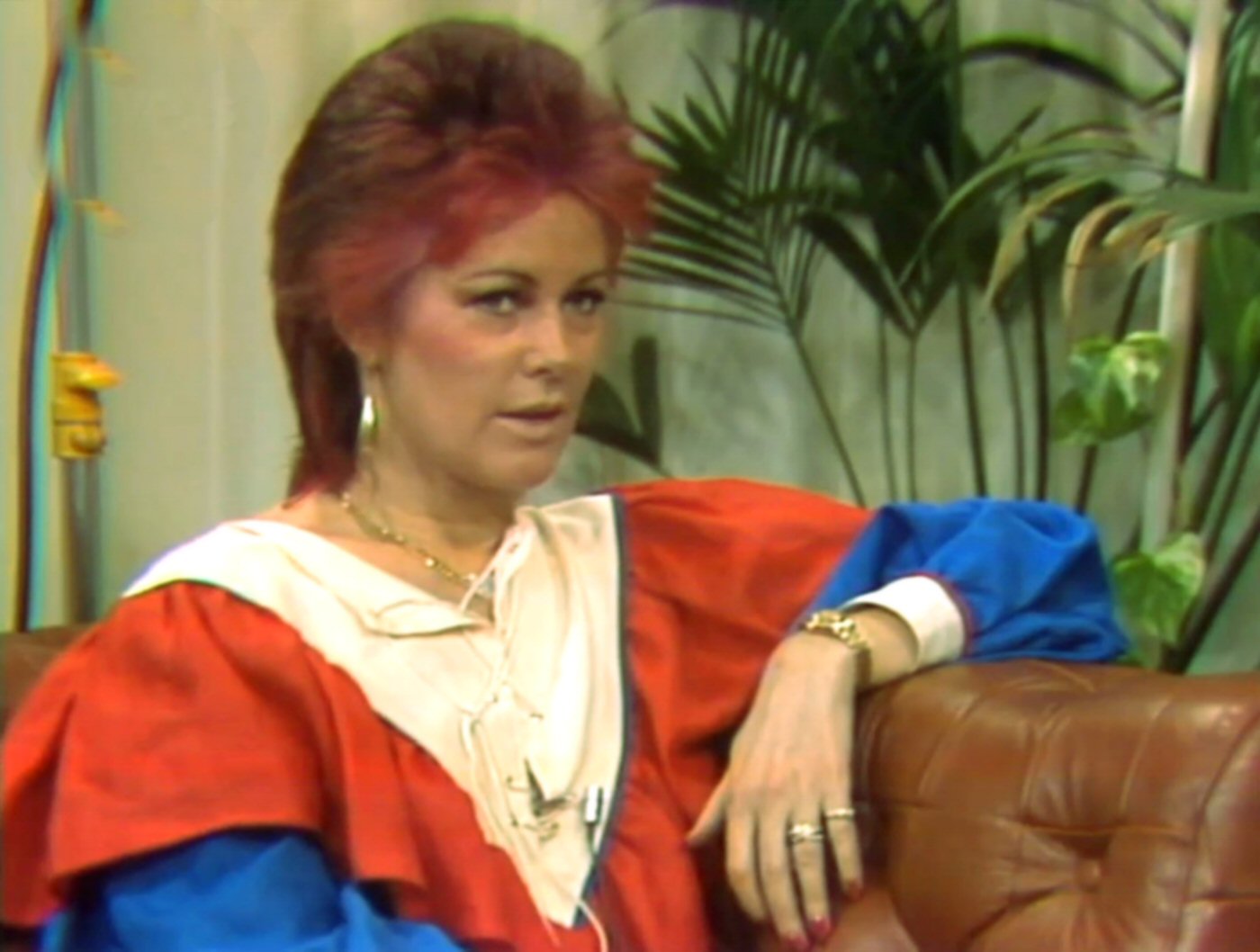
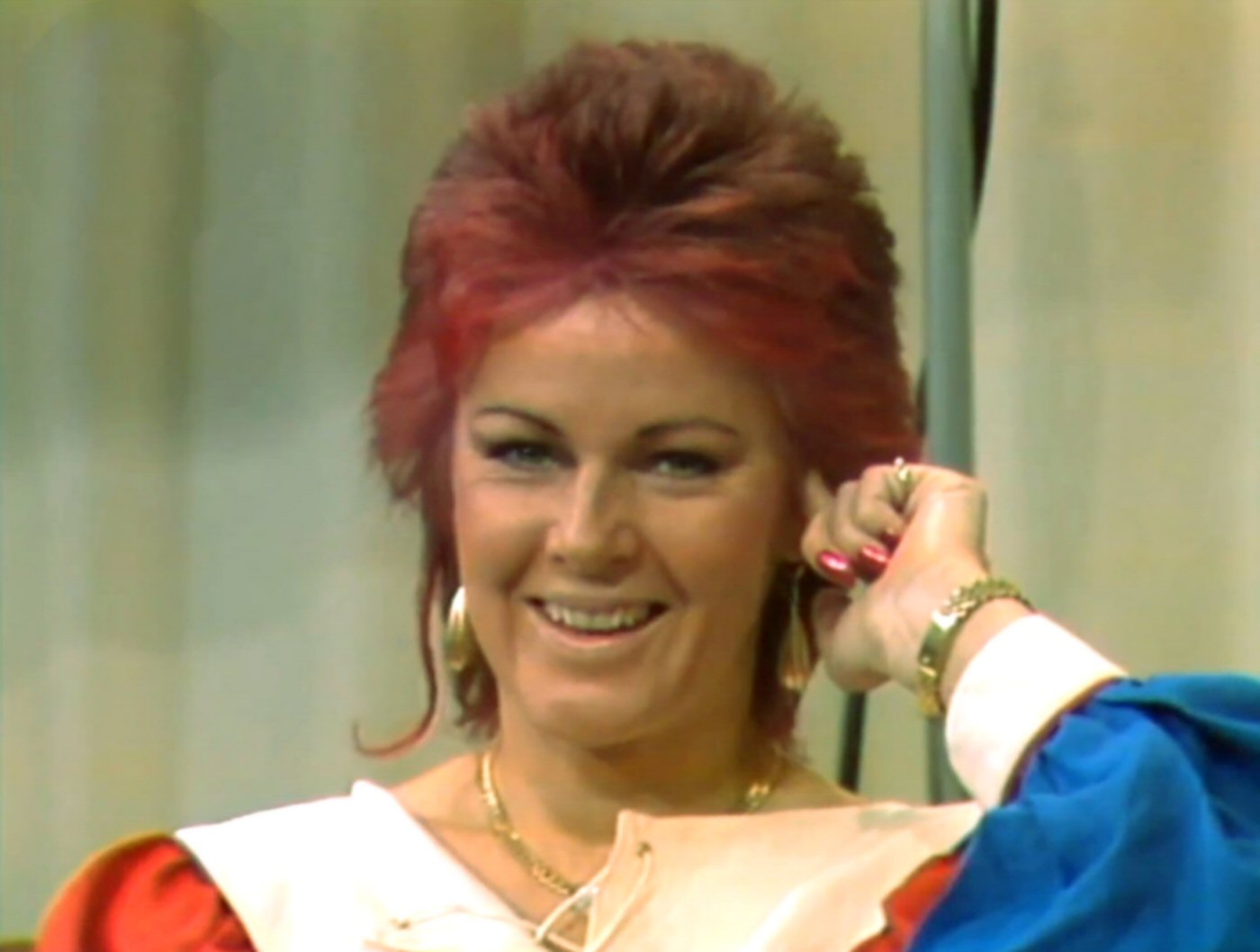
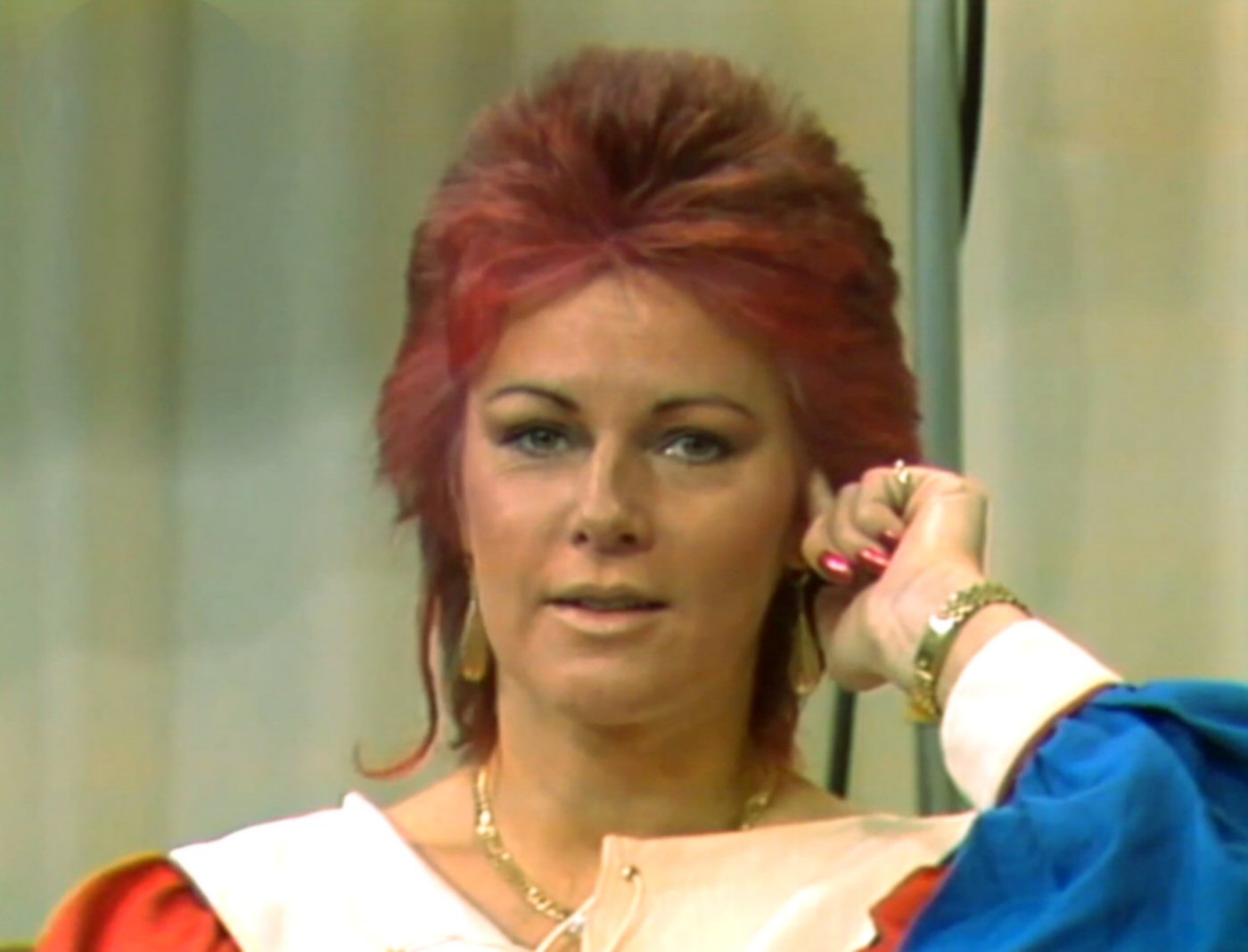
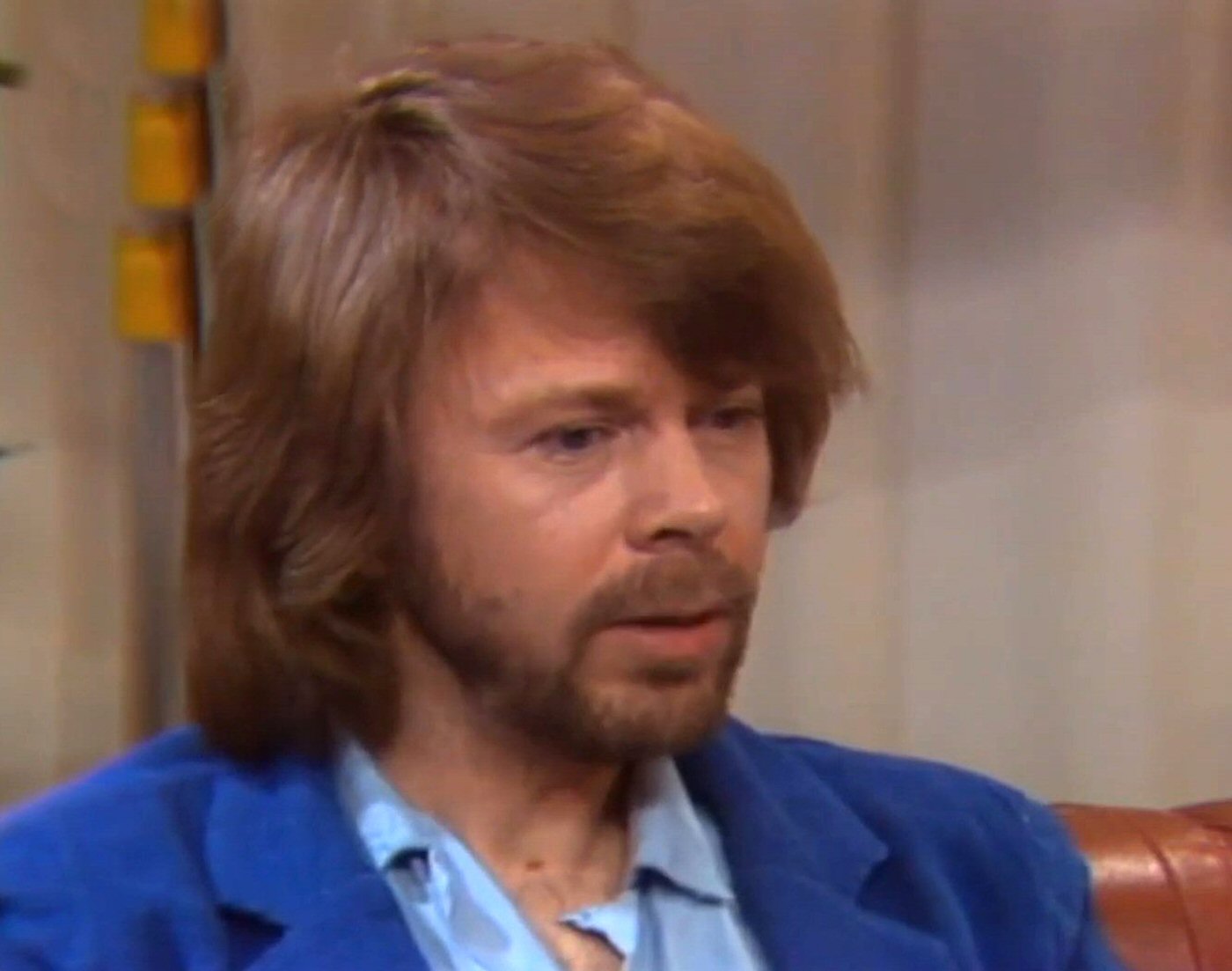
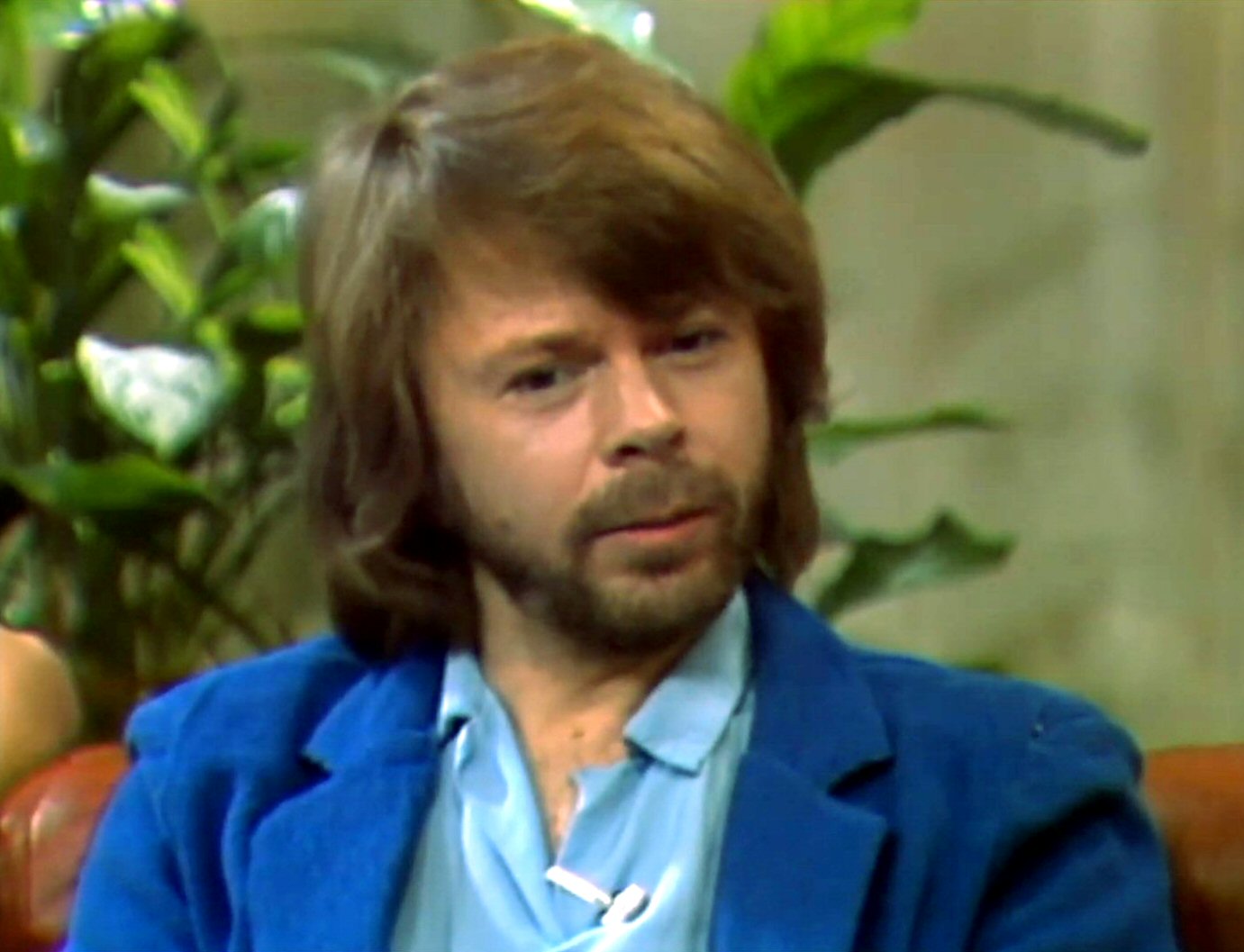
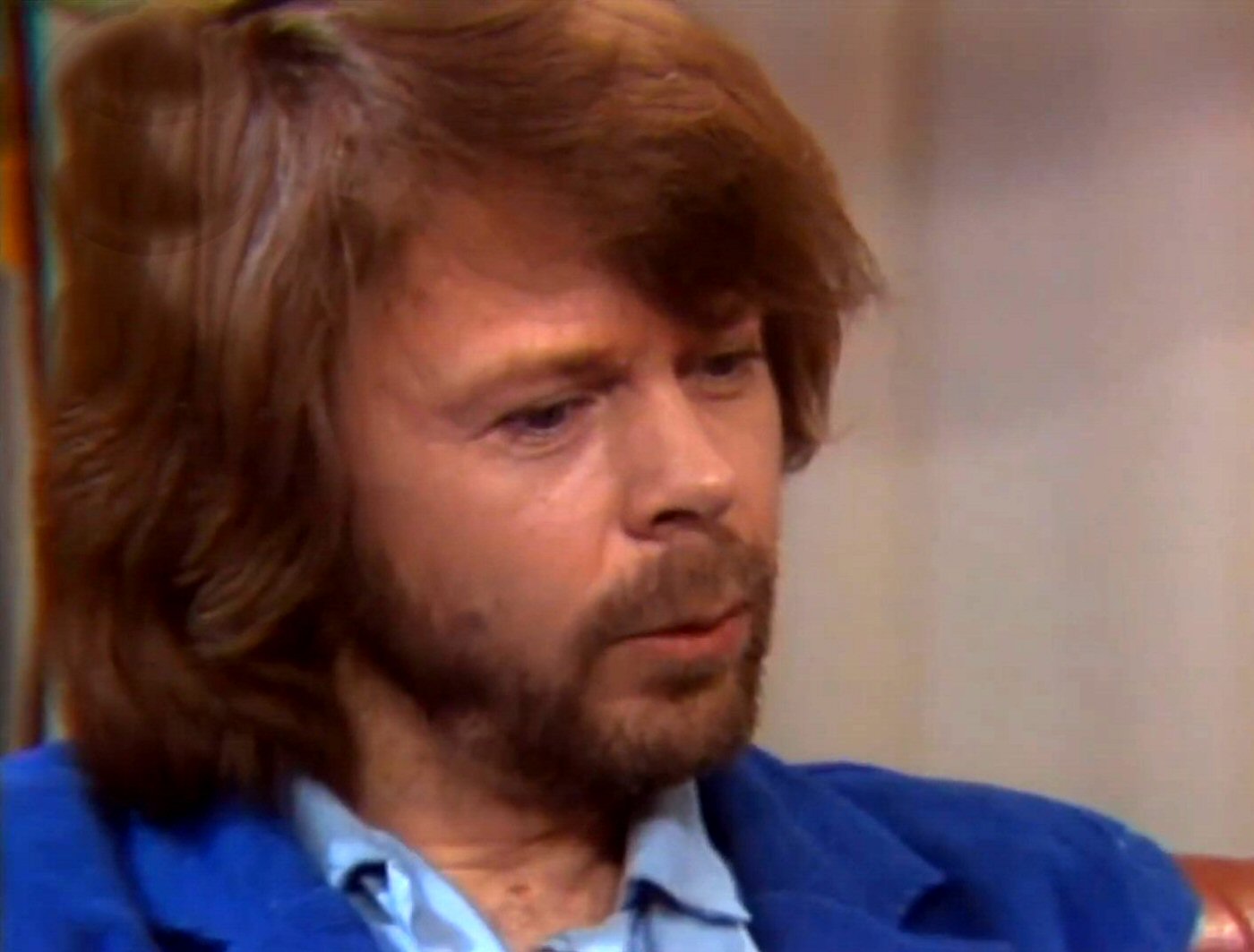
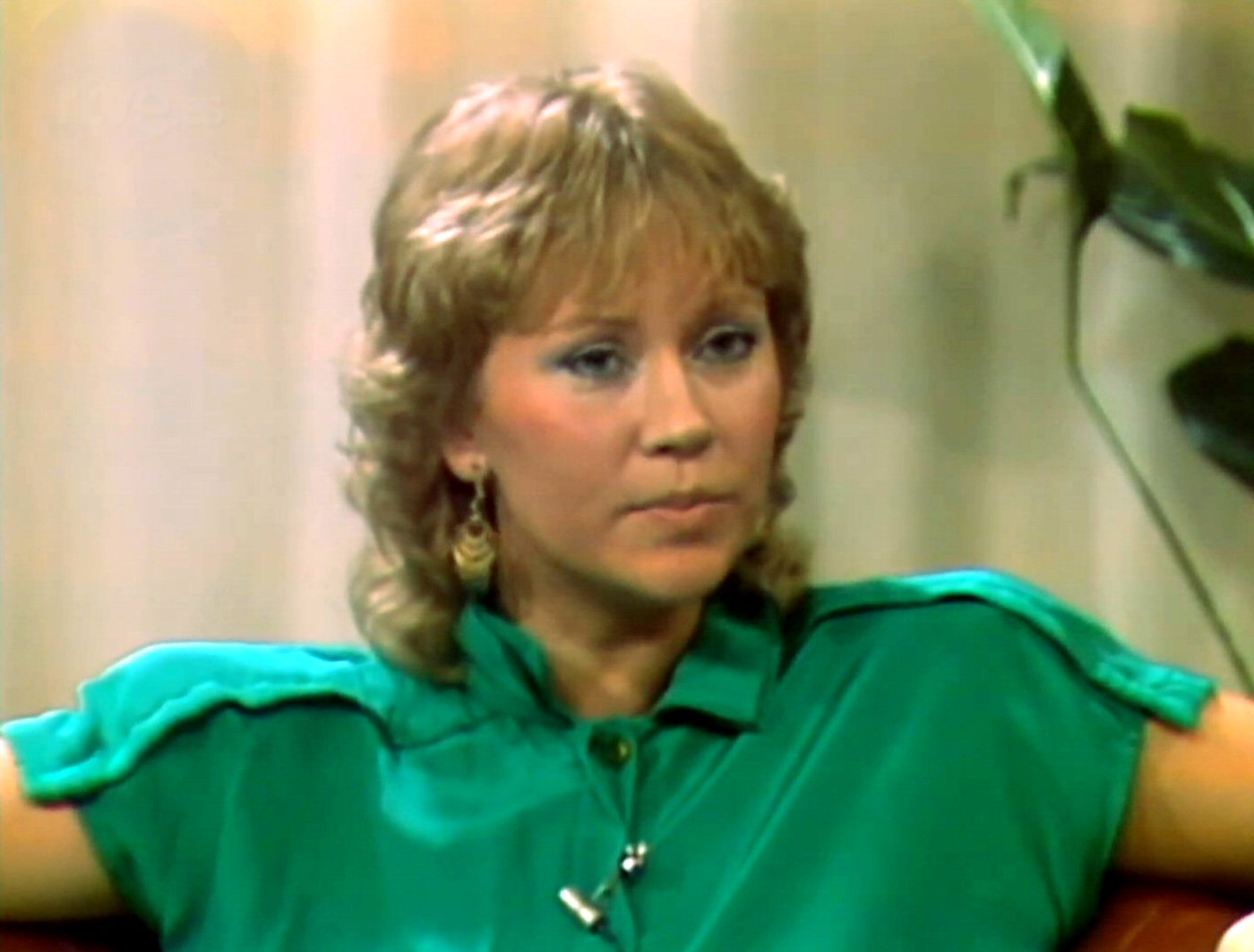
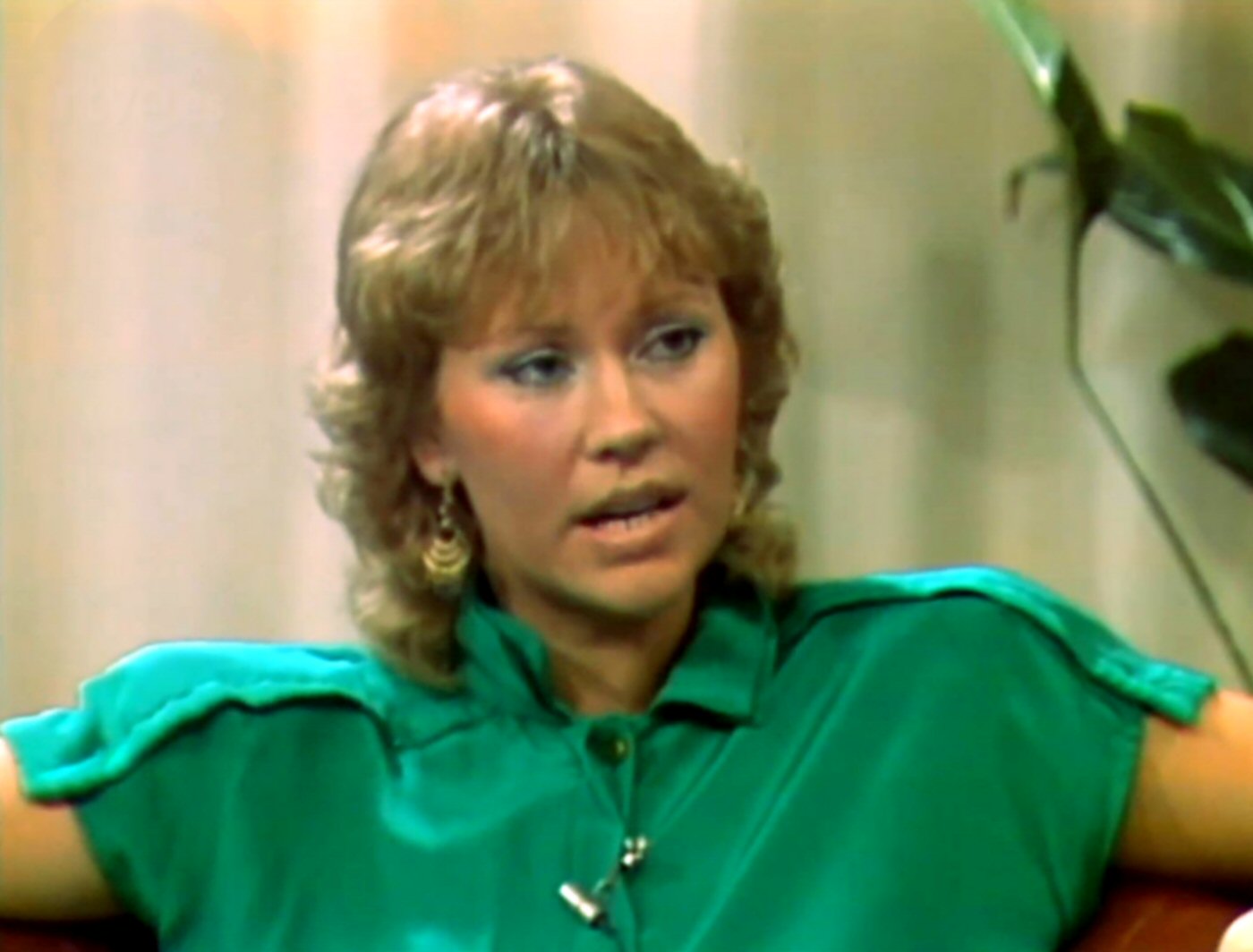
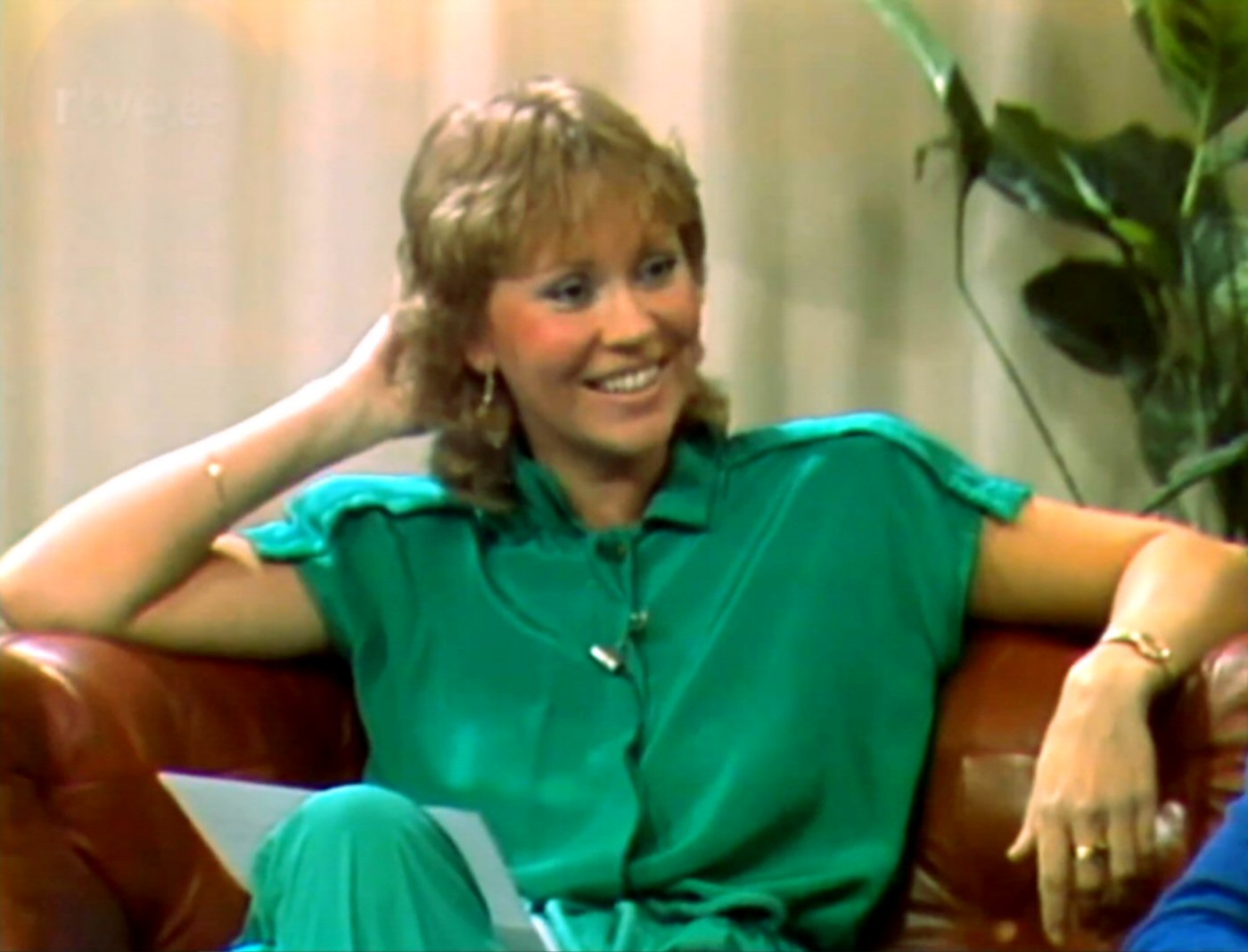
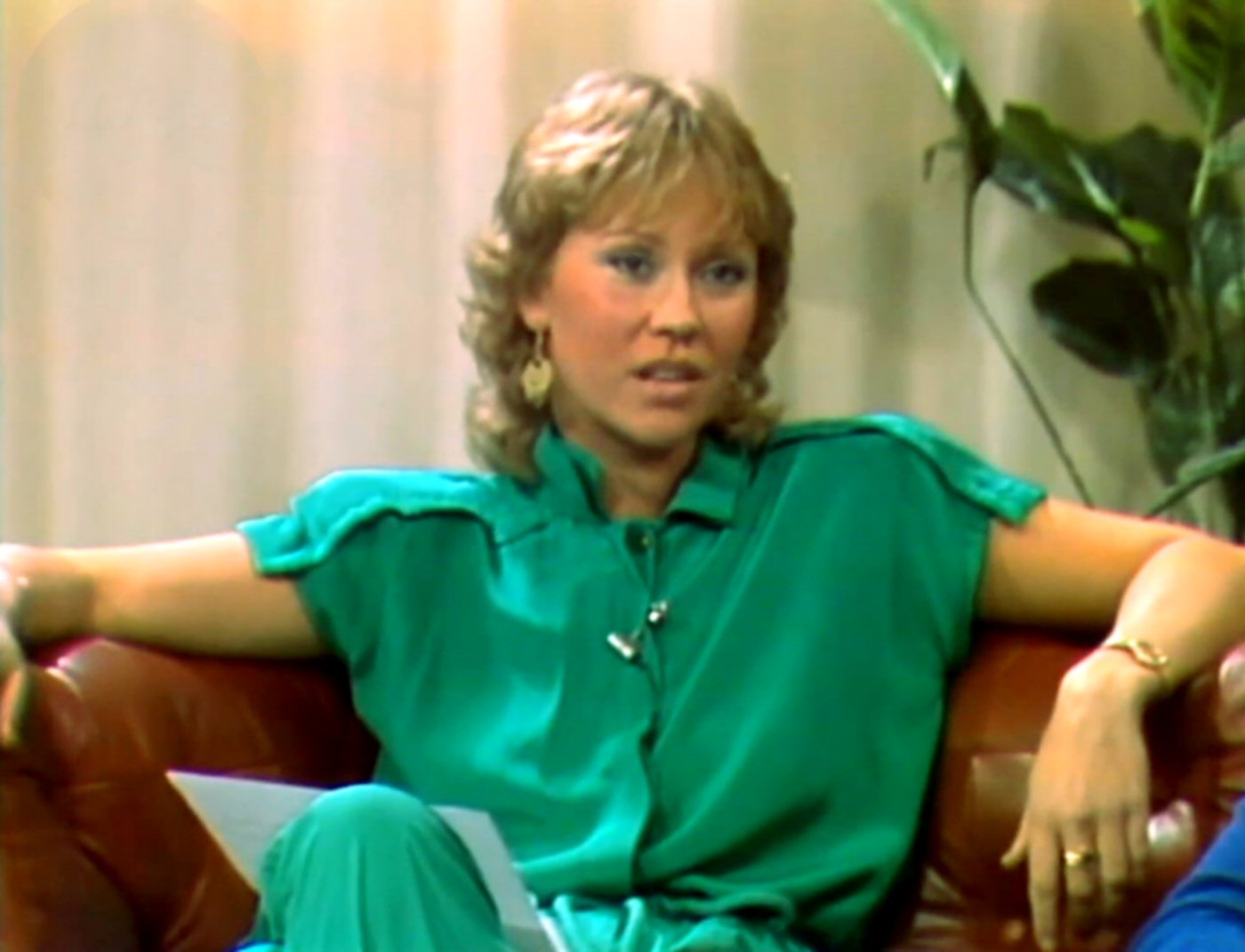
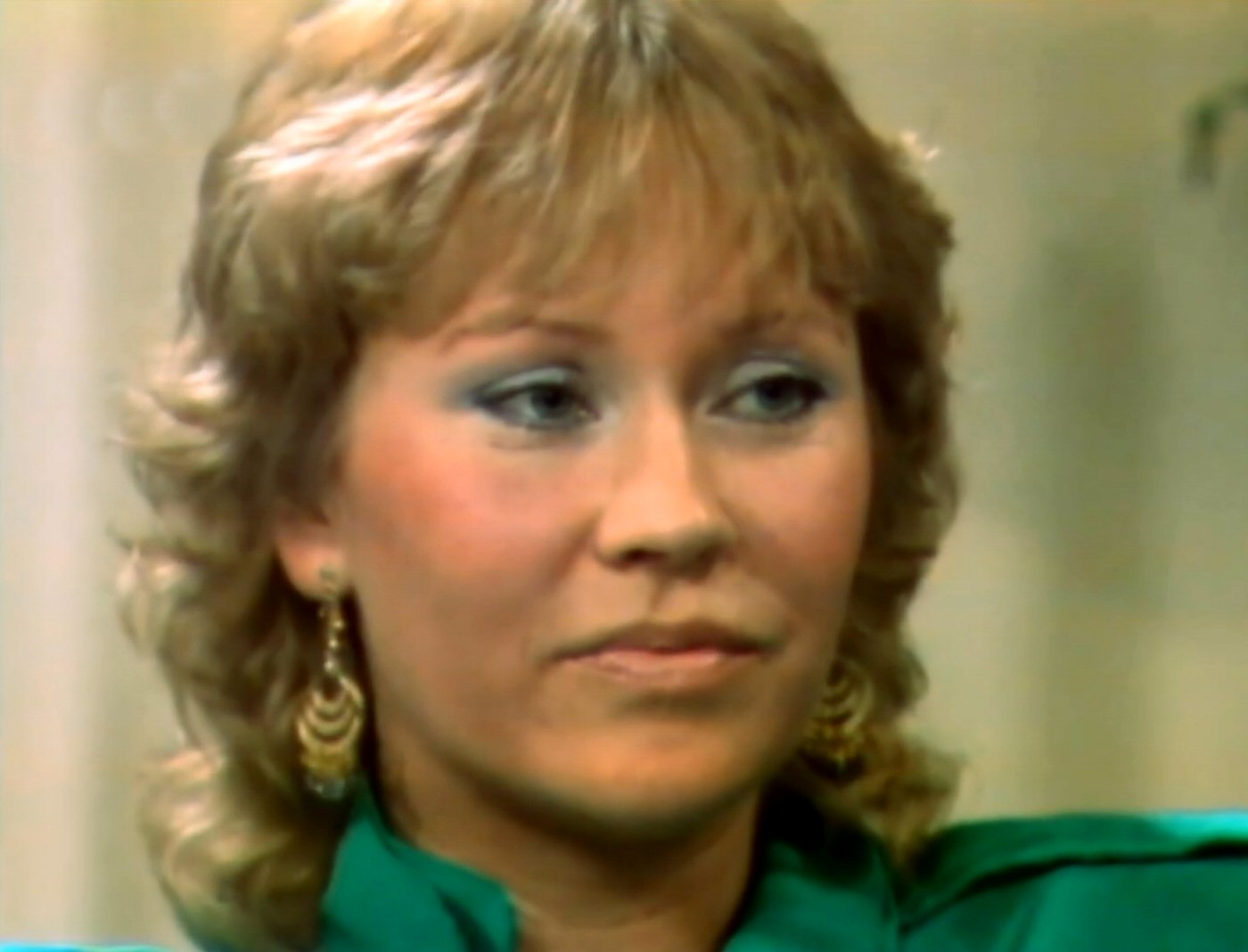
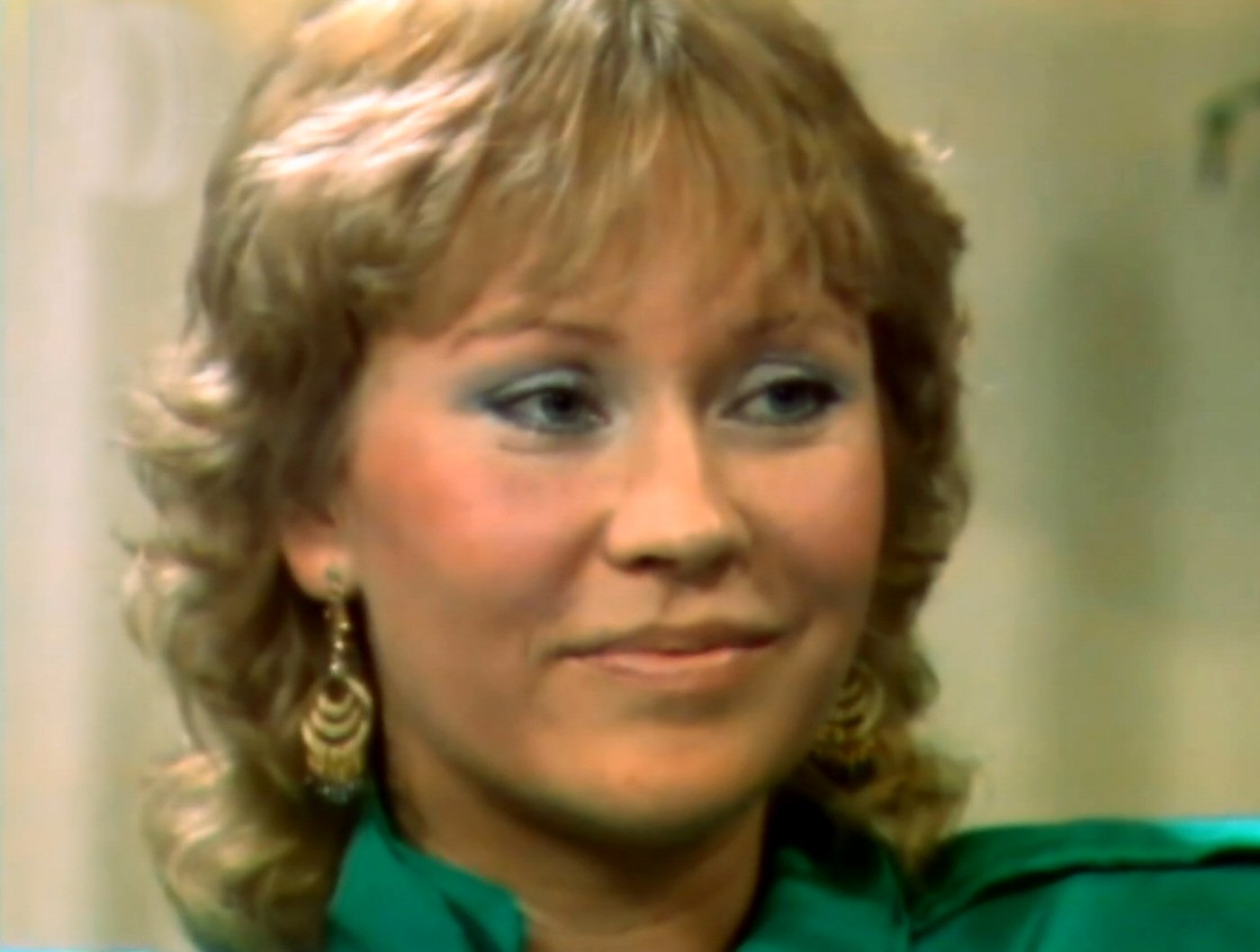
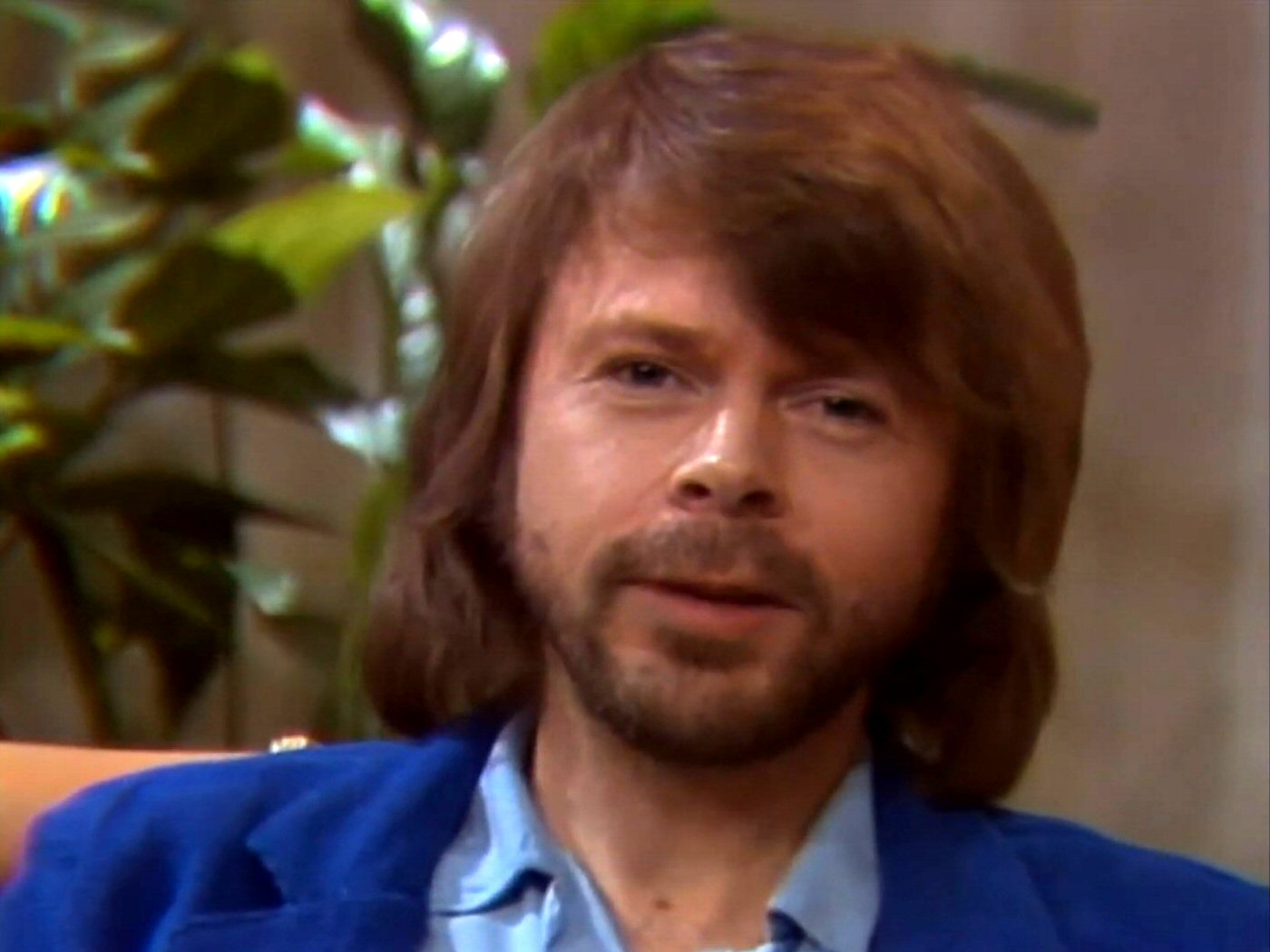
In February 1982 Spanish TV team went to Stockholm in order to make a TV special with ABBA about their new album "The Visitors". It was probably the strangest interview ABBA ever gave. All the four members seemed unhappy especially Frida. Agnetha was quite bored and Björn did not speak that much which is quite unusual.
 |
 |
 |
||
|
|
|
|
|
|
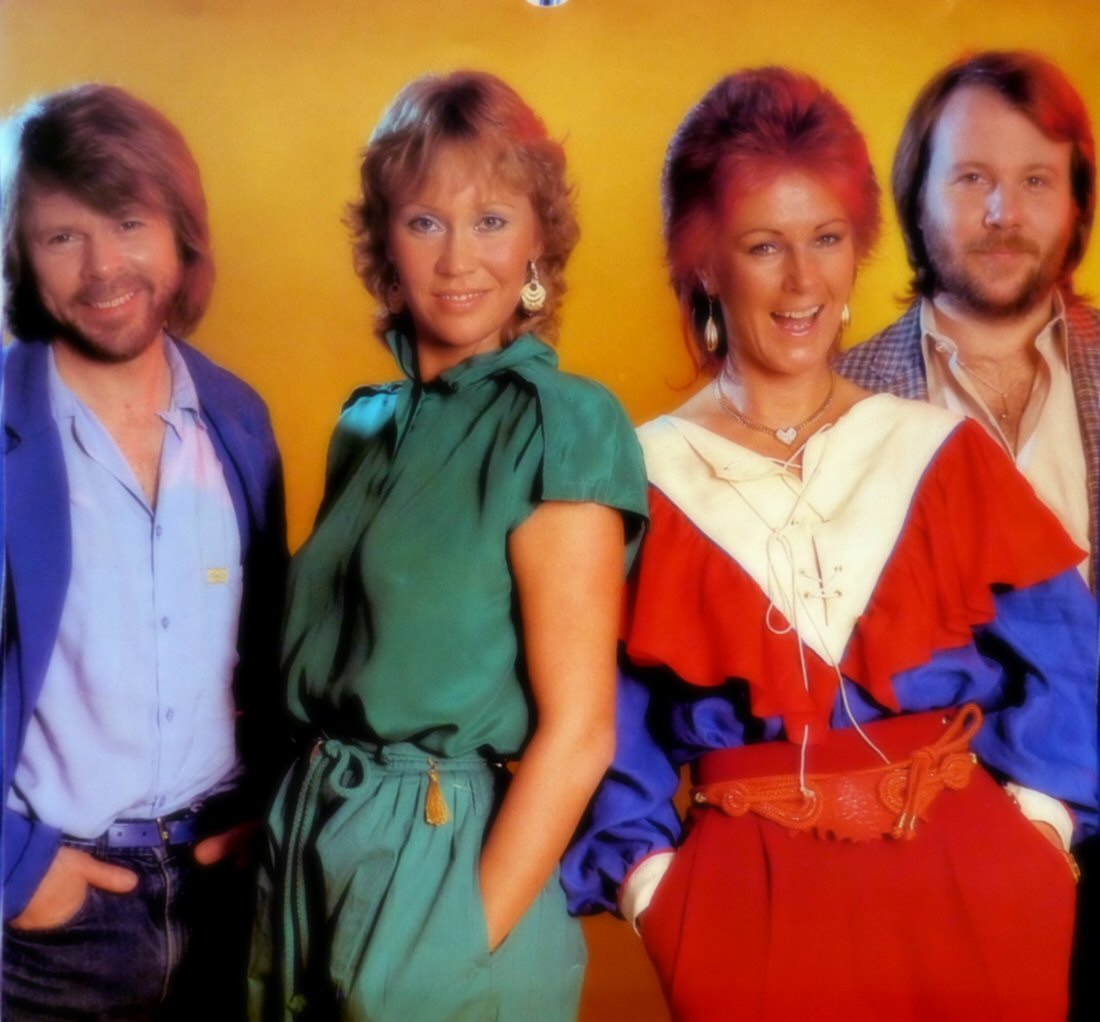
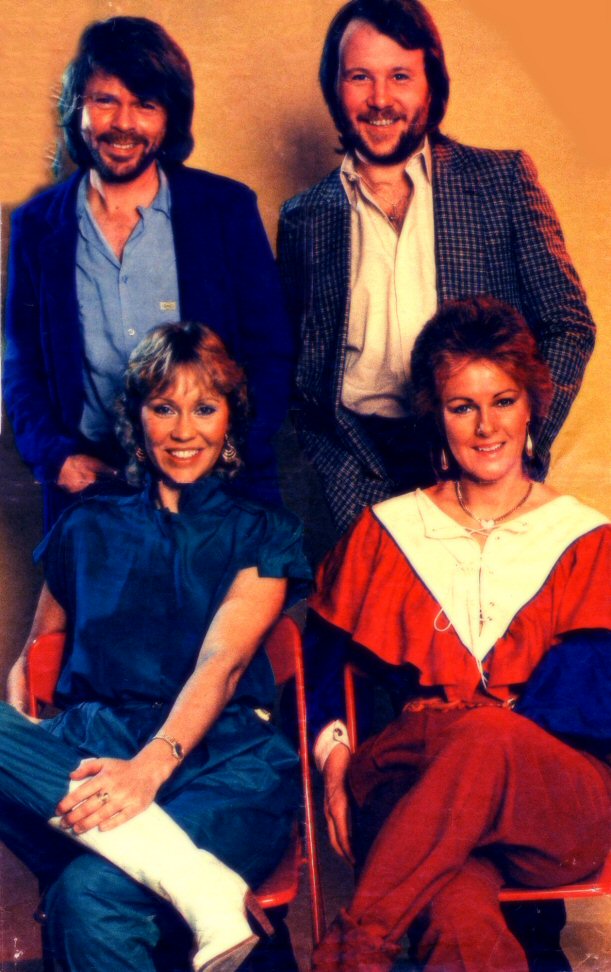
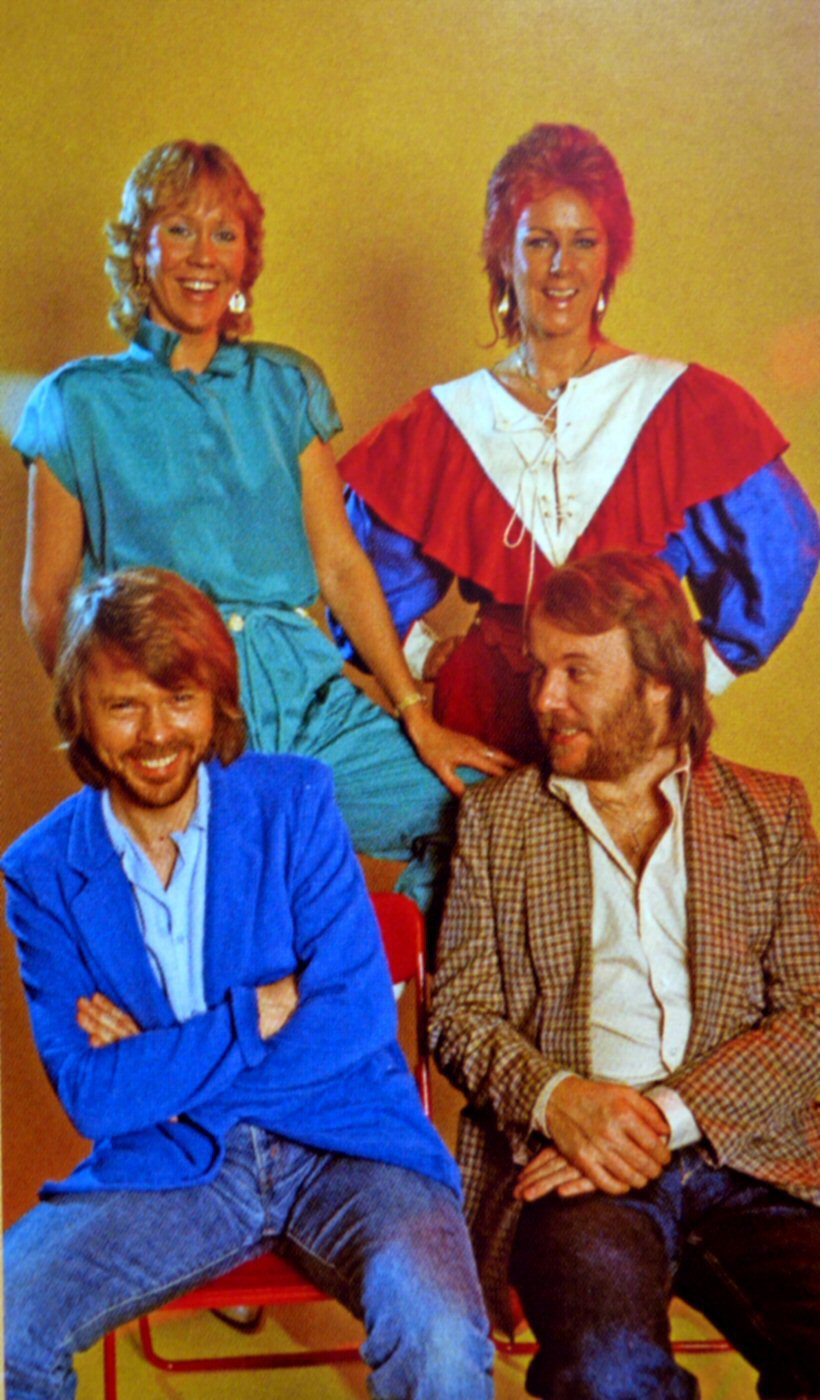
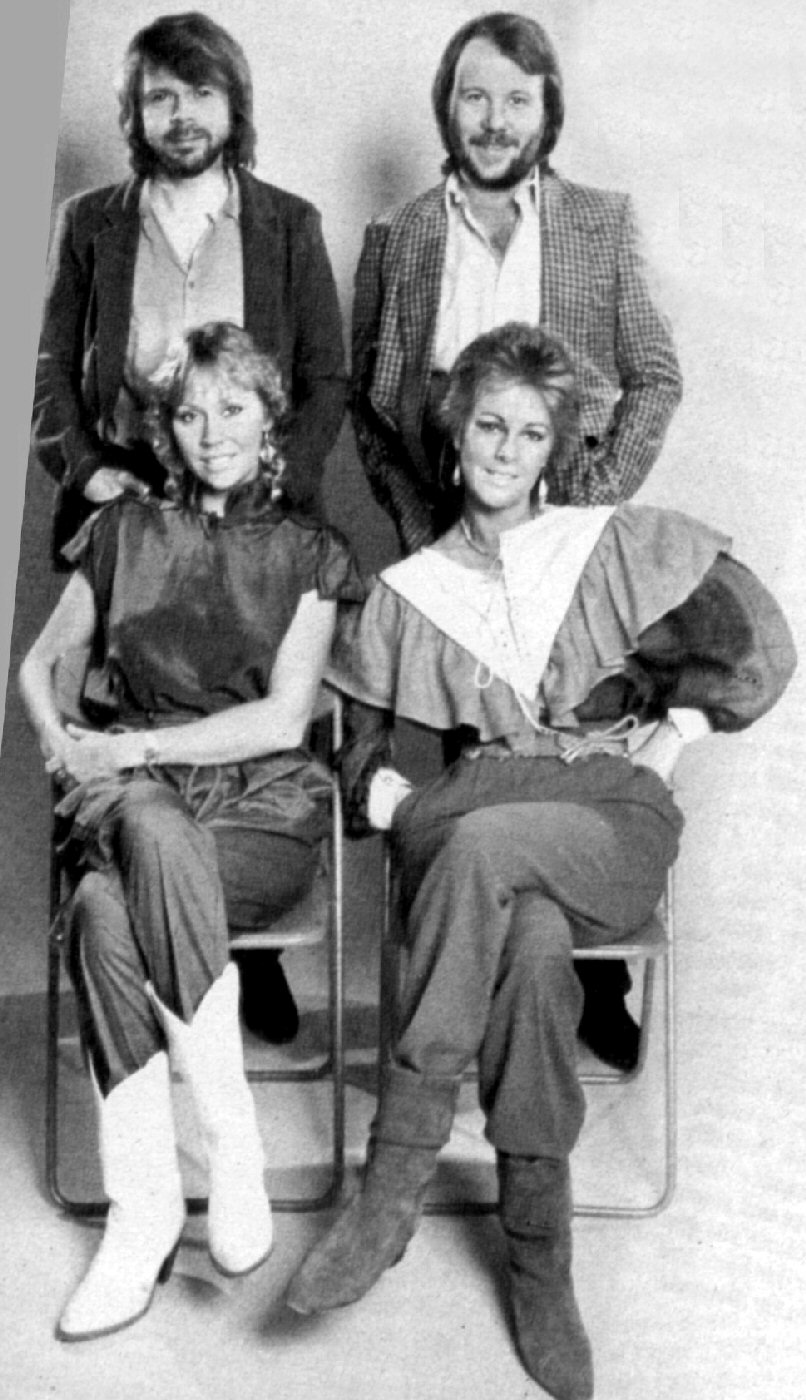
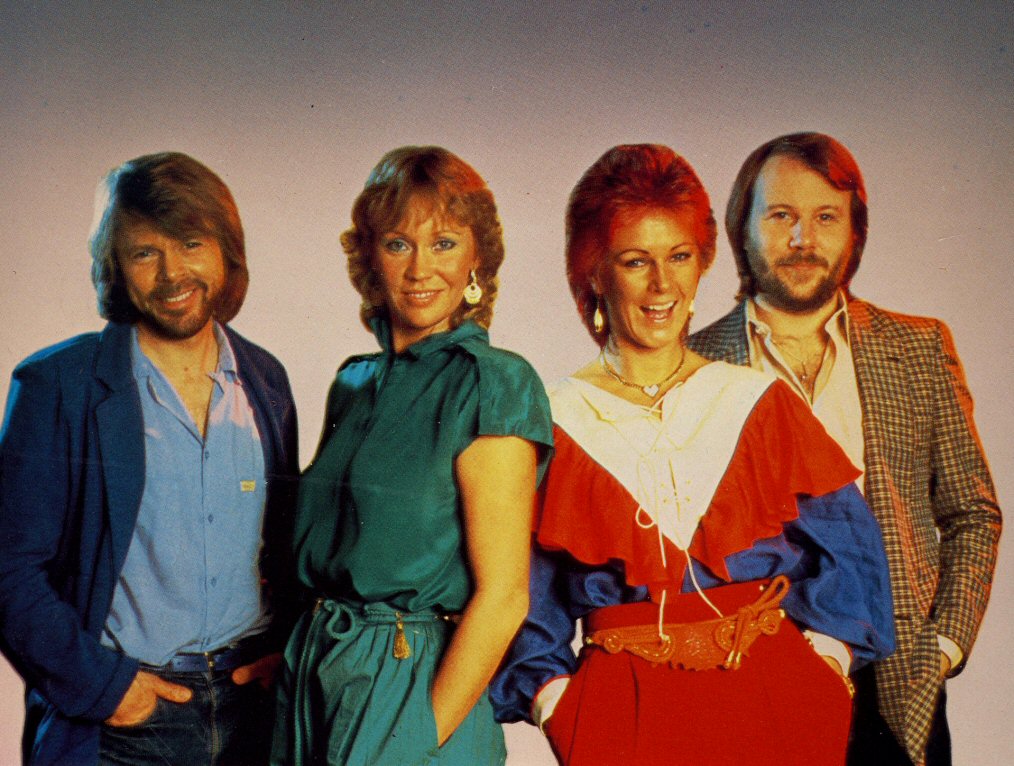
The clothes they wear in this TV special are well known from one of their photo sessions in the beginning of 1982. These pictures were used on many covers of various compilation albums released in 1983-1985 ("Thank You For The Music", "I love ABBA" and many more).
 |
 |
 |
 |
 |
 |
 |
 |
 |
 |
 |
 |
 |
 |
 |
 |
 |
 |
 |
 |
 |
 |
 |
 |
 |
 |
The Applauso photo session
|
|
|
|
|
|
|
|
|
|
|
|
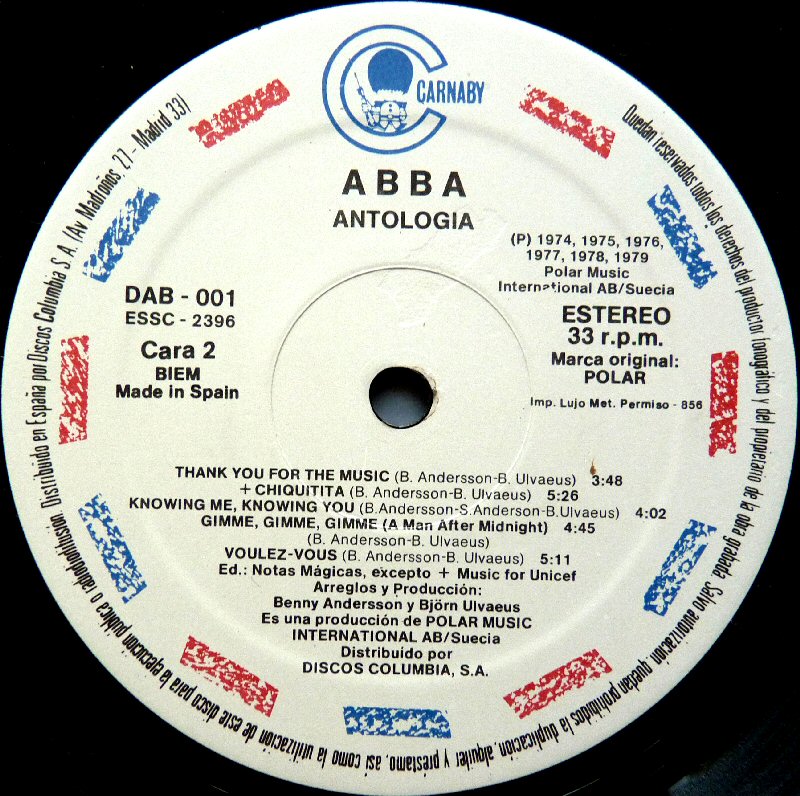
ABBA Antologia
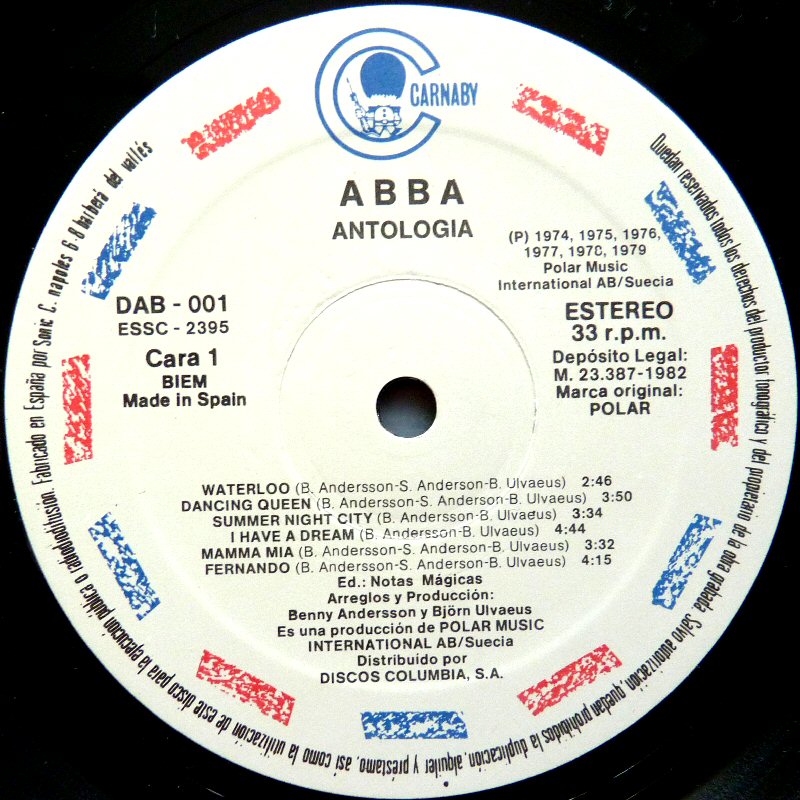
In Spain there was released a compilation album entitled "Antologia" at the end of 1982. The compilation featured ABBA's greatest hits from the period 1974 - 1979.
|
|
|
|
|
|
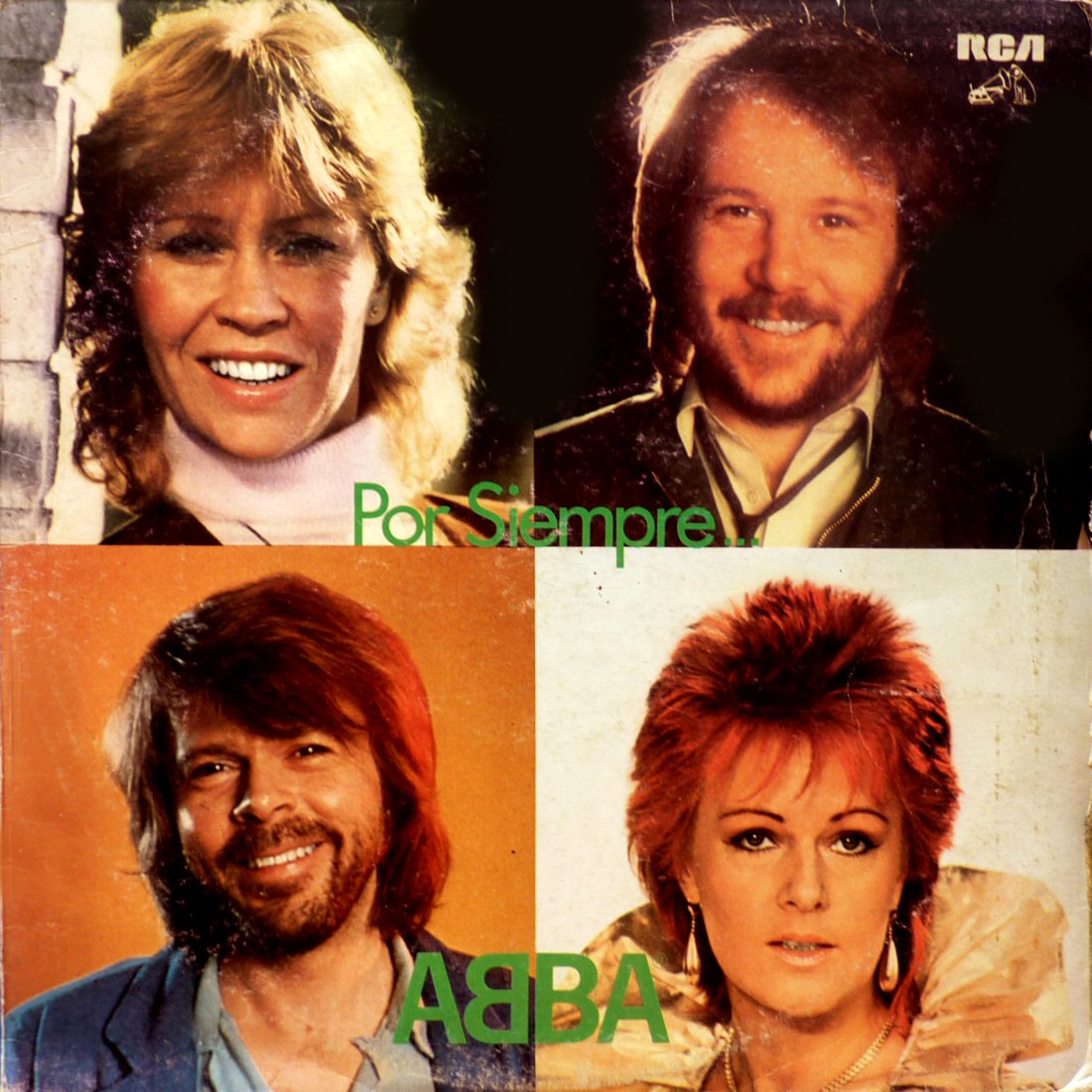
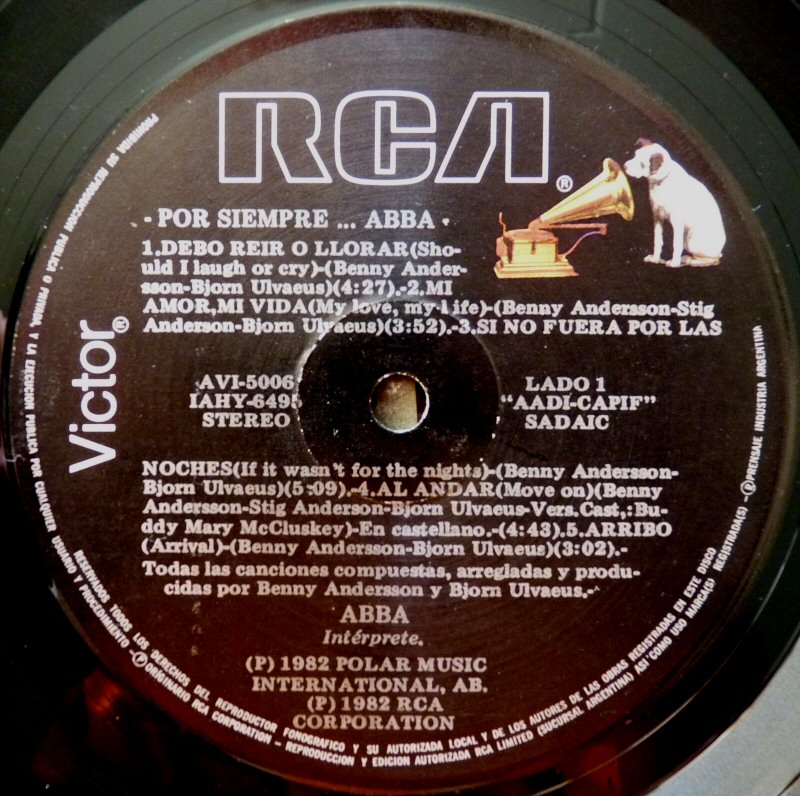
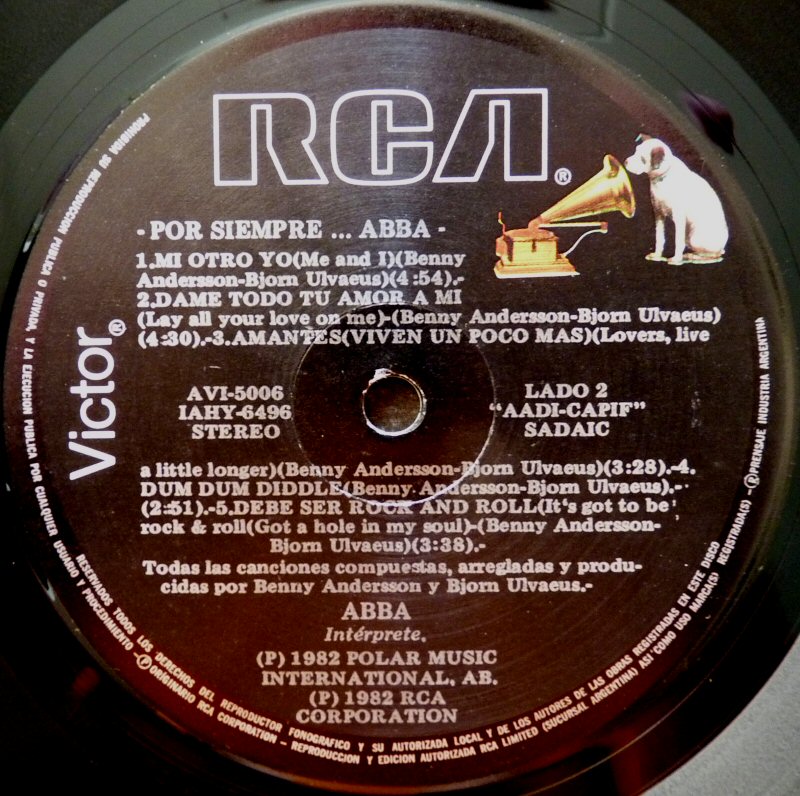
Por siempre - a rarity from Argentina
"Por siempre" was an Argentinian compilation LP released in 1982. This rare LP contains still unreleased on any other LP/CD live track "It's Got to Be Rock'n'Roll" better known as "Hole in Your Soul". The LP contains mostly no single hits as: Should I Laugh Or Cry, My Love My Life, If It Wasn't For the Nights, Lovers, Dum Dum Diddle or Move On. The only single hit featuring on this compilation is Lay All Your Love On Me.
|
|
|
|
|
|
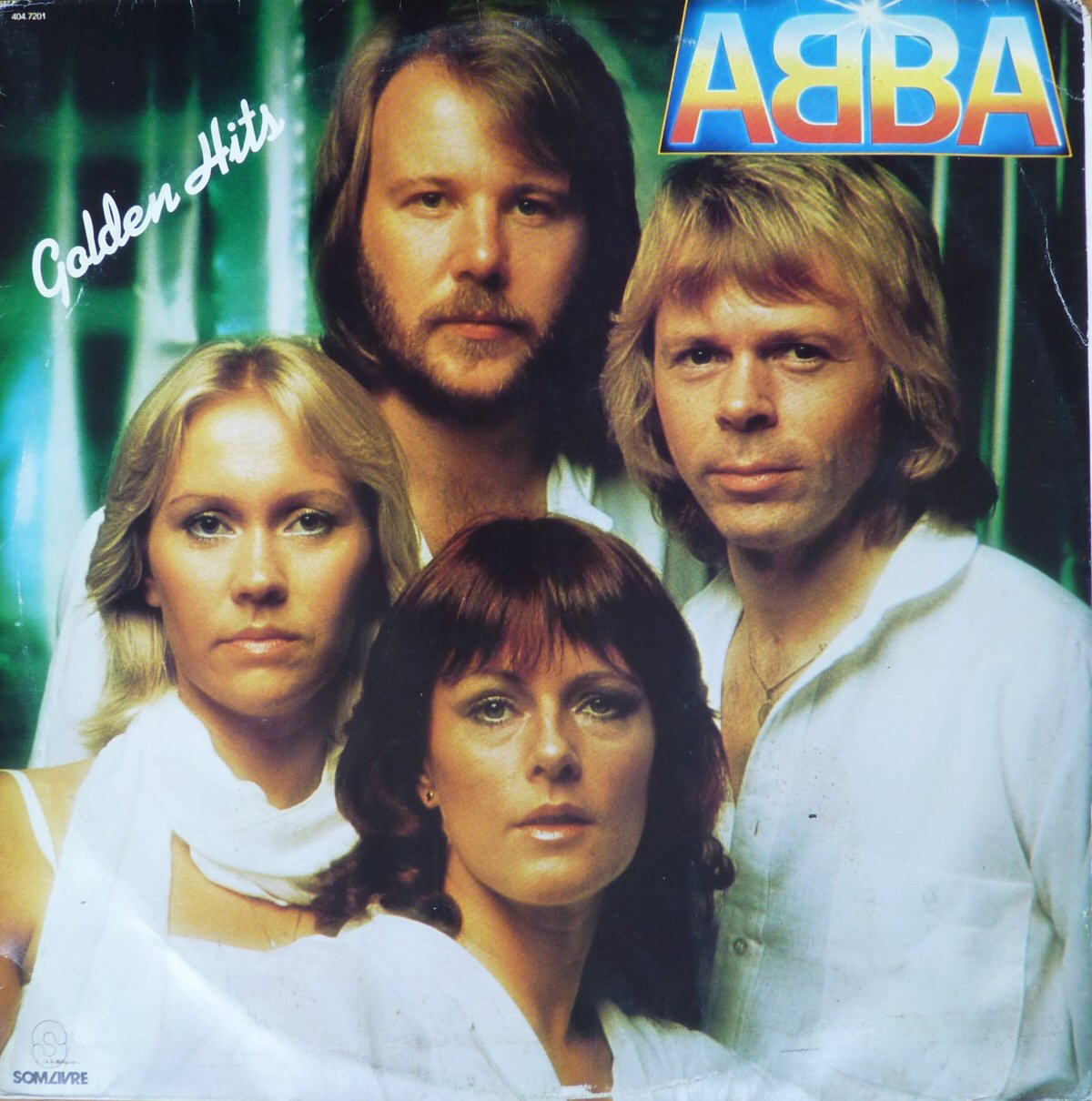
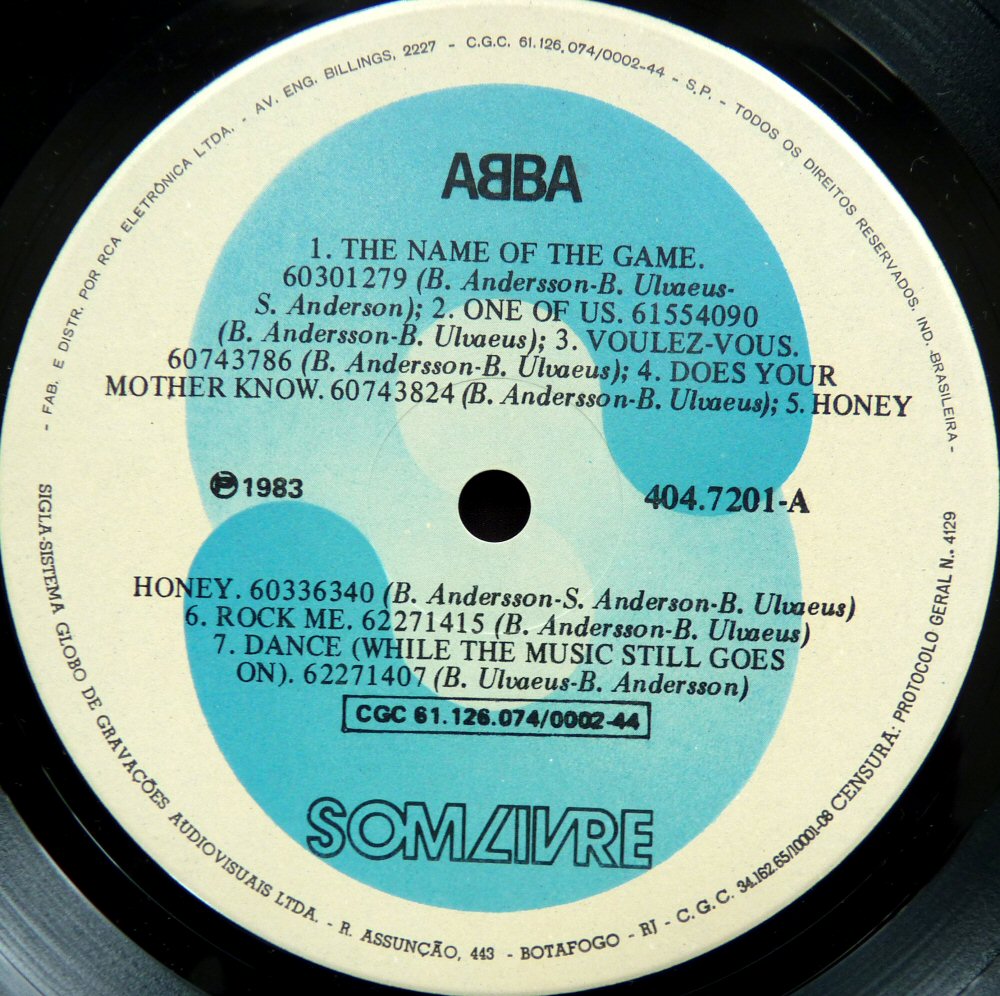
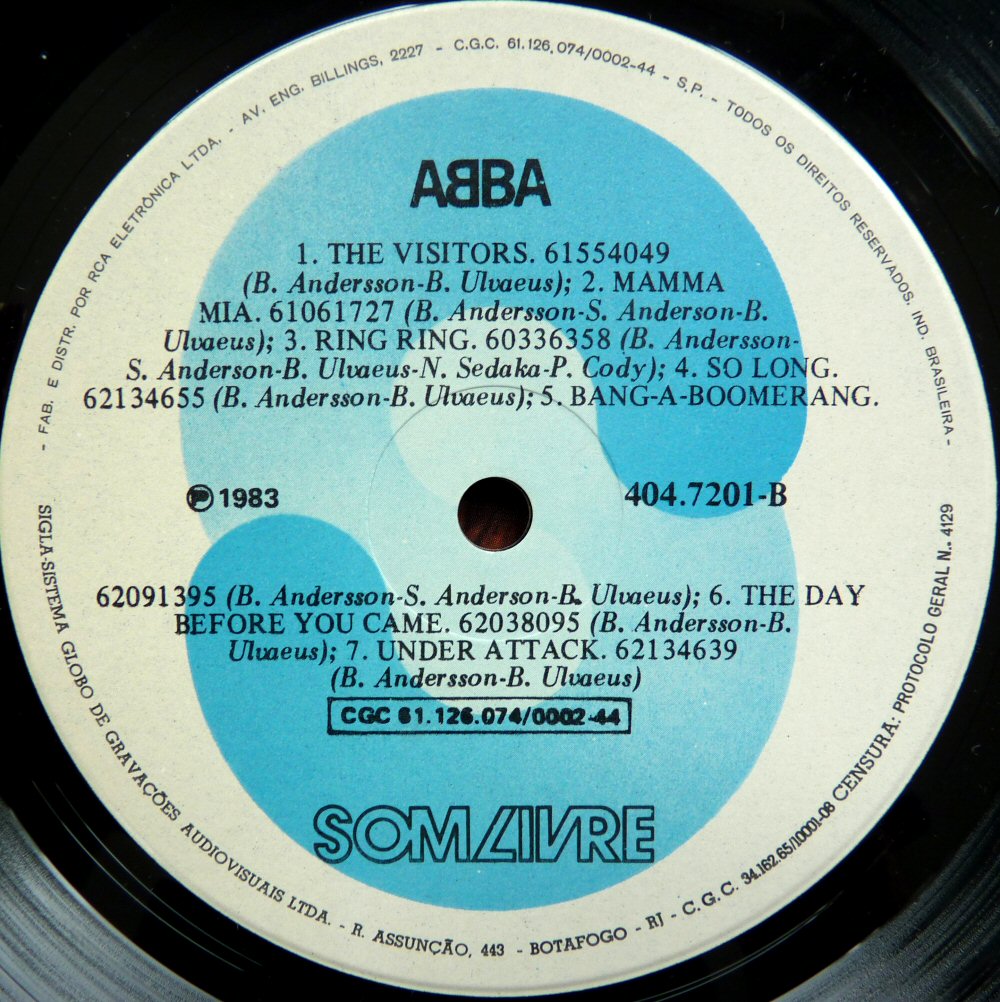
ABBA Golden Hits was a compilation LP released in Brazil in 1983. The LP contained 14 songs and among them the last two singles "The Day Before You Came" and "Under Attack".
|
|
|
|
|
|
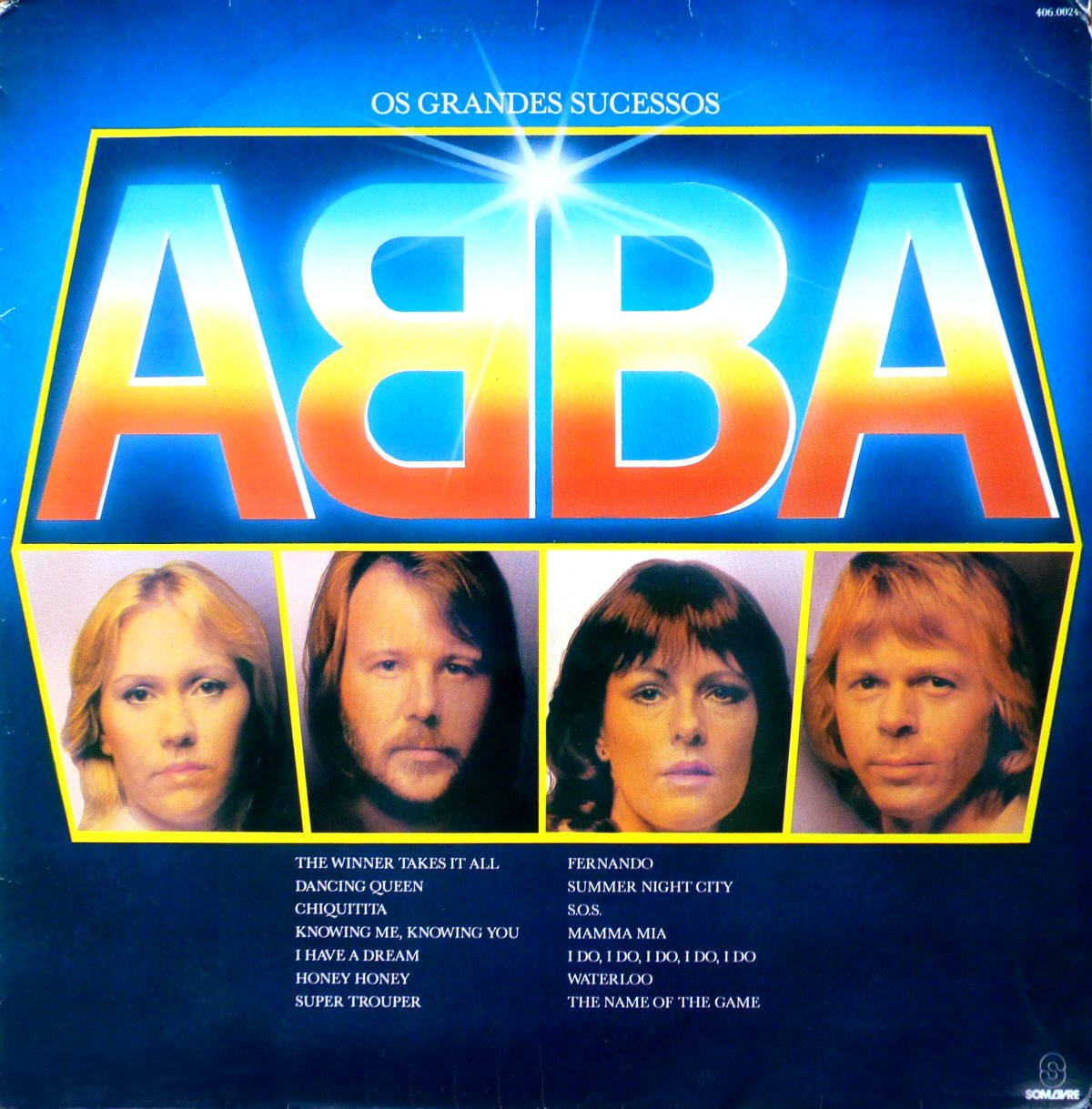
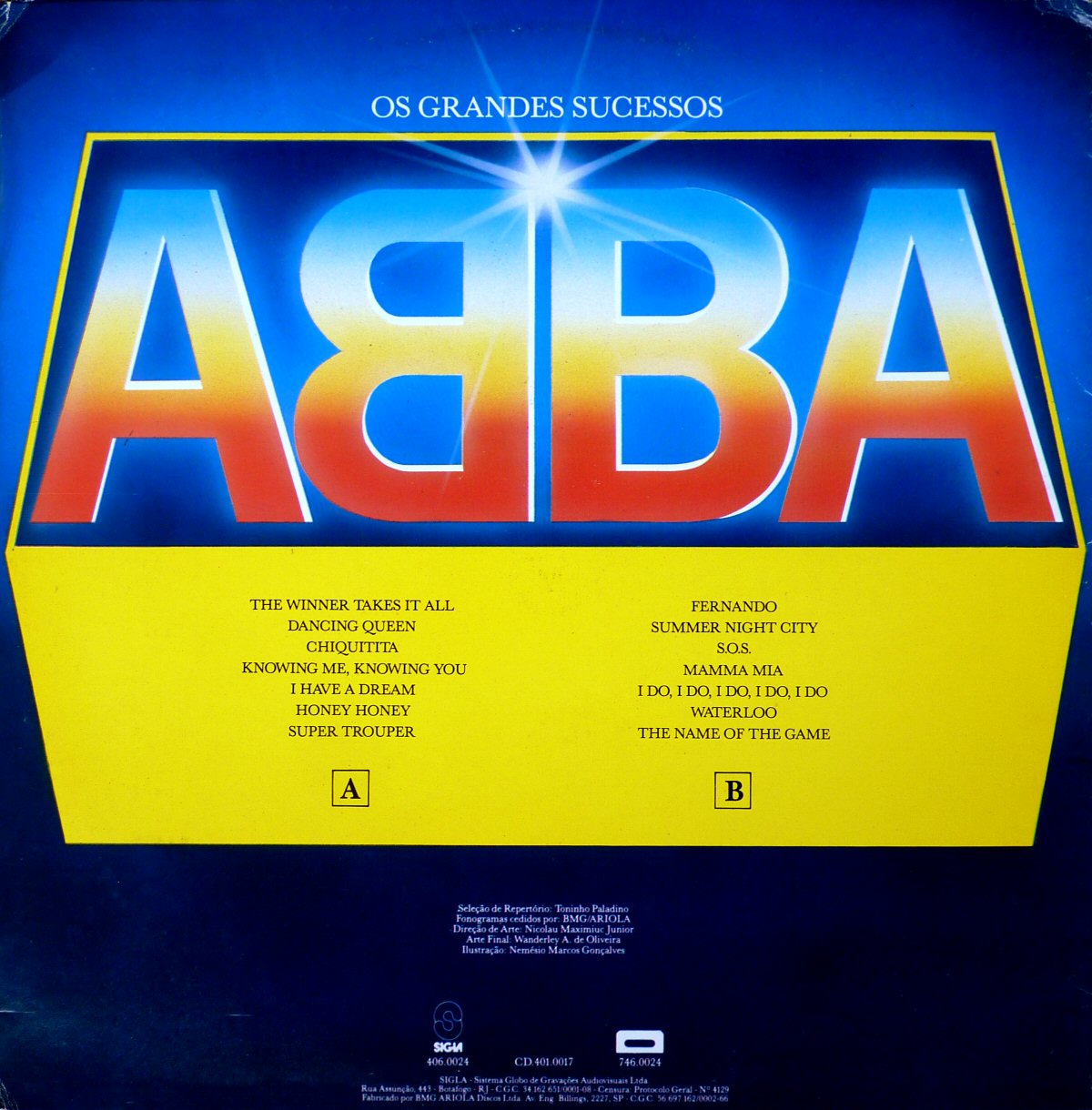
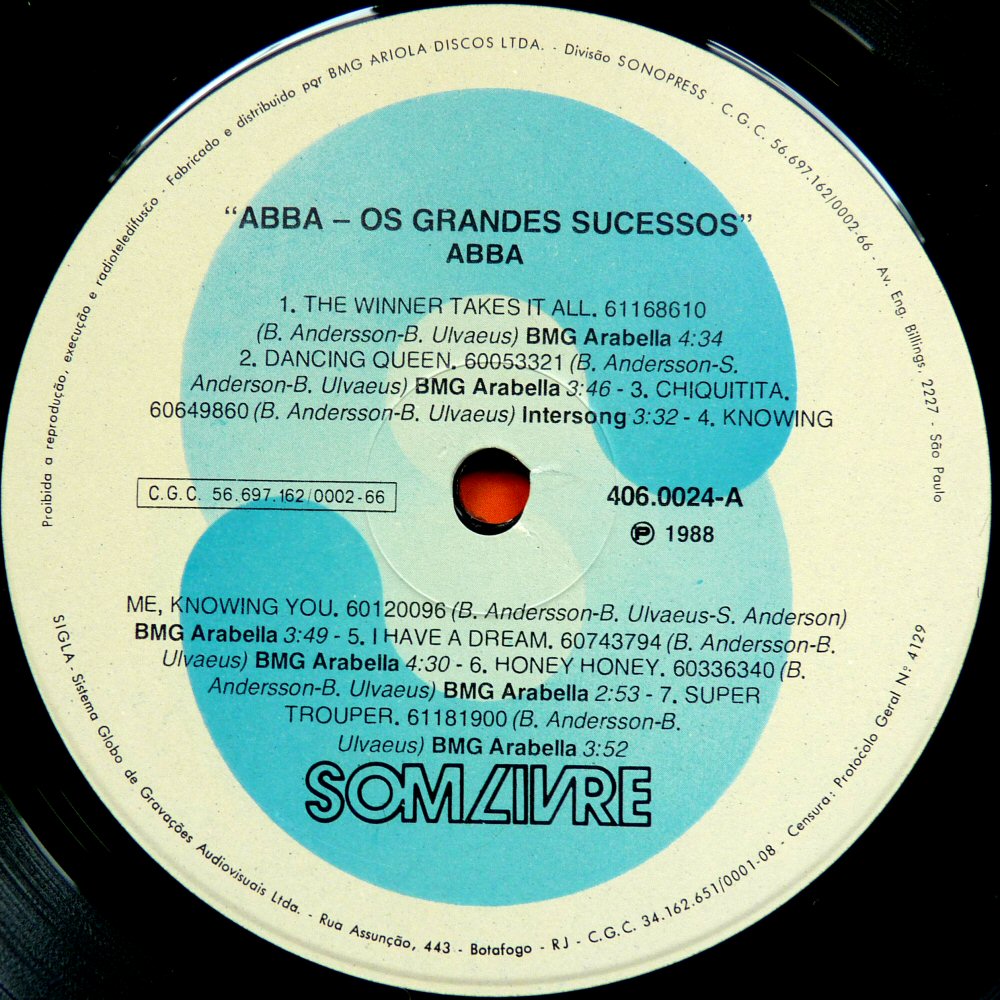
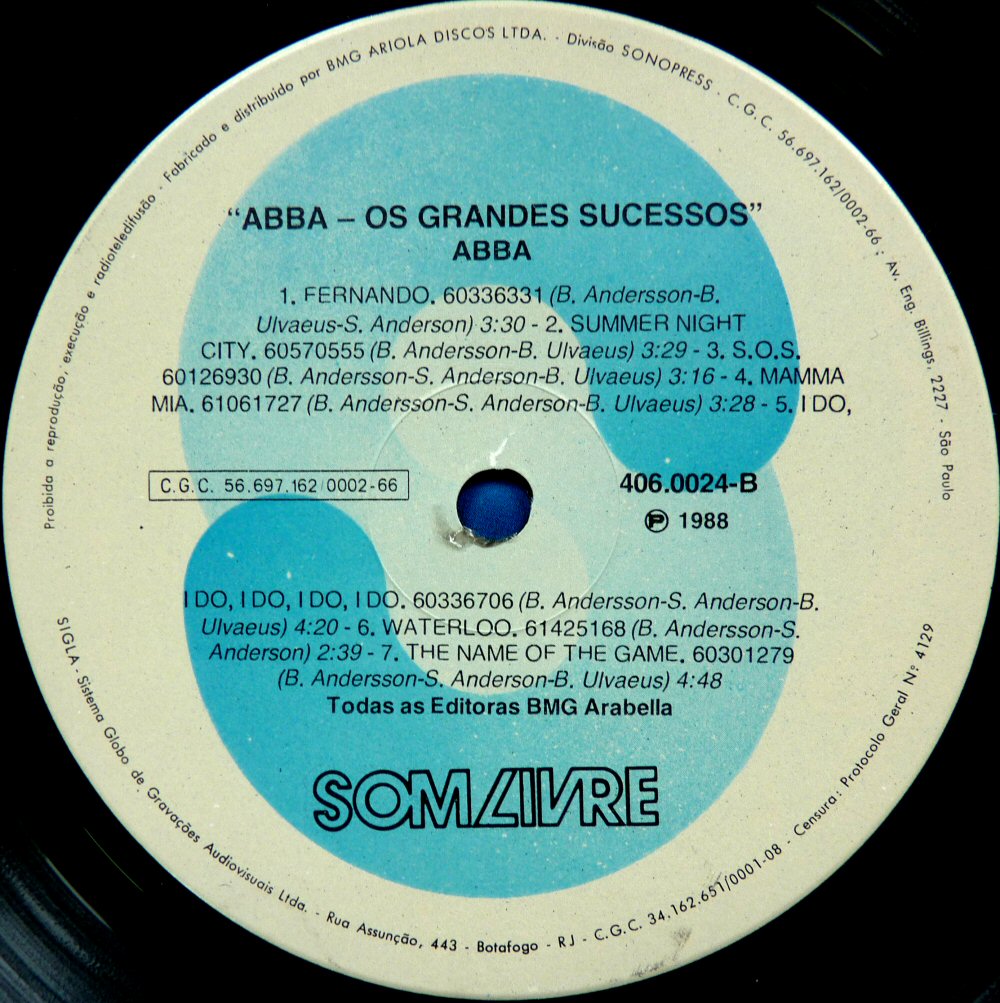
"Os Grandes Sucessos" was the Brazilian compilation which was released in 1988. The LP contained 14 songs and among them a real rarity available only on this compilation - an extended remix of "I Do I Do I Do I Do I Do".
|
|
|
|
|
|
The album "Gracias Por La Musica" was released by Polydor in Japan in its original shape with the original cover. The sound on the CD was digitally remastered.
|
|
|
|
|
|
ABBA Oro
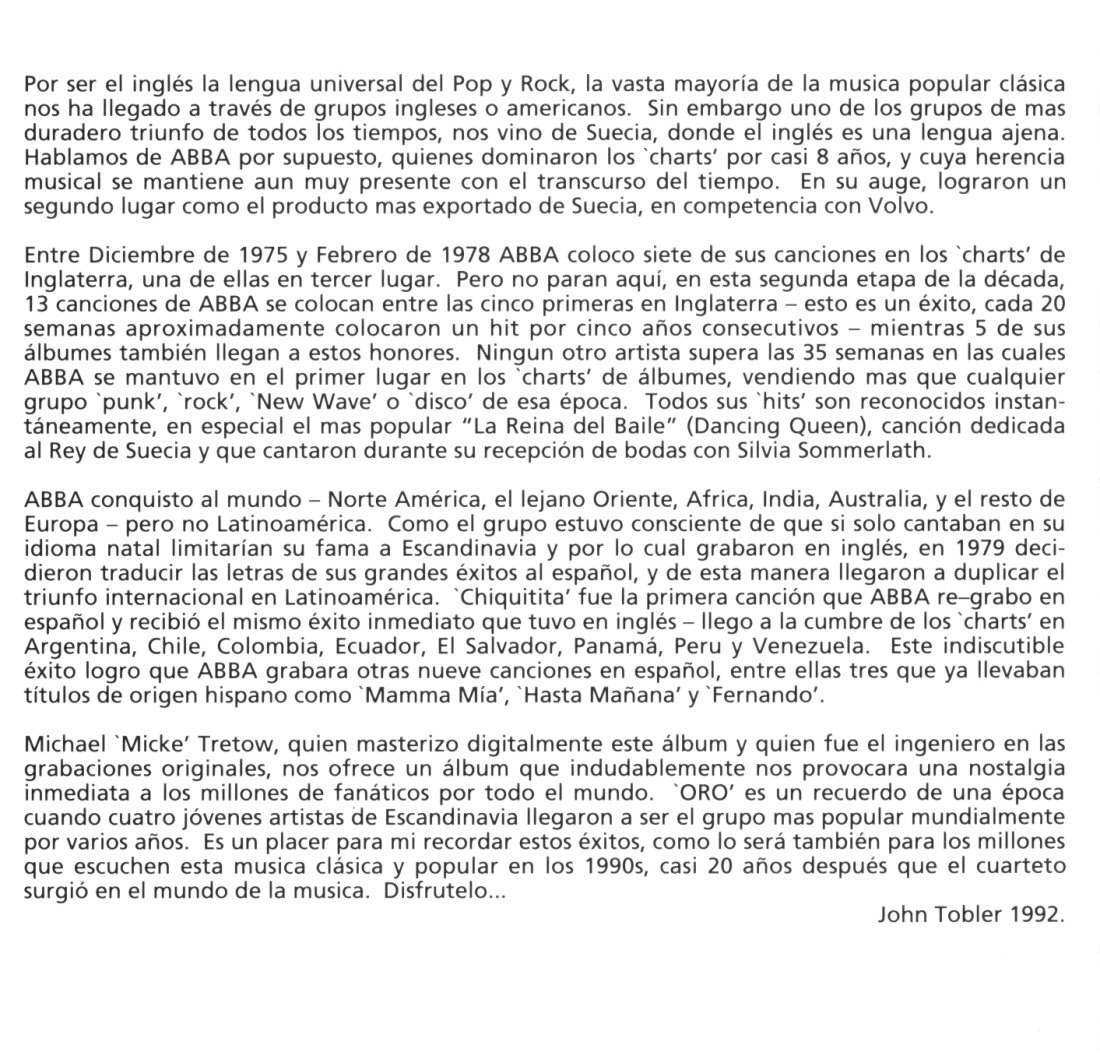
In 1992 all 10 songs from the album "Gracias por la musica" saw their rerelase on the compilation "ABBA Oro" which was Spanish parallel release to "ABBA Gold". The track listing was slightly changed and Fernando and Chiquitita were opening tracks on this compilation.
|
|
|
|
|
|
 |
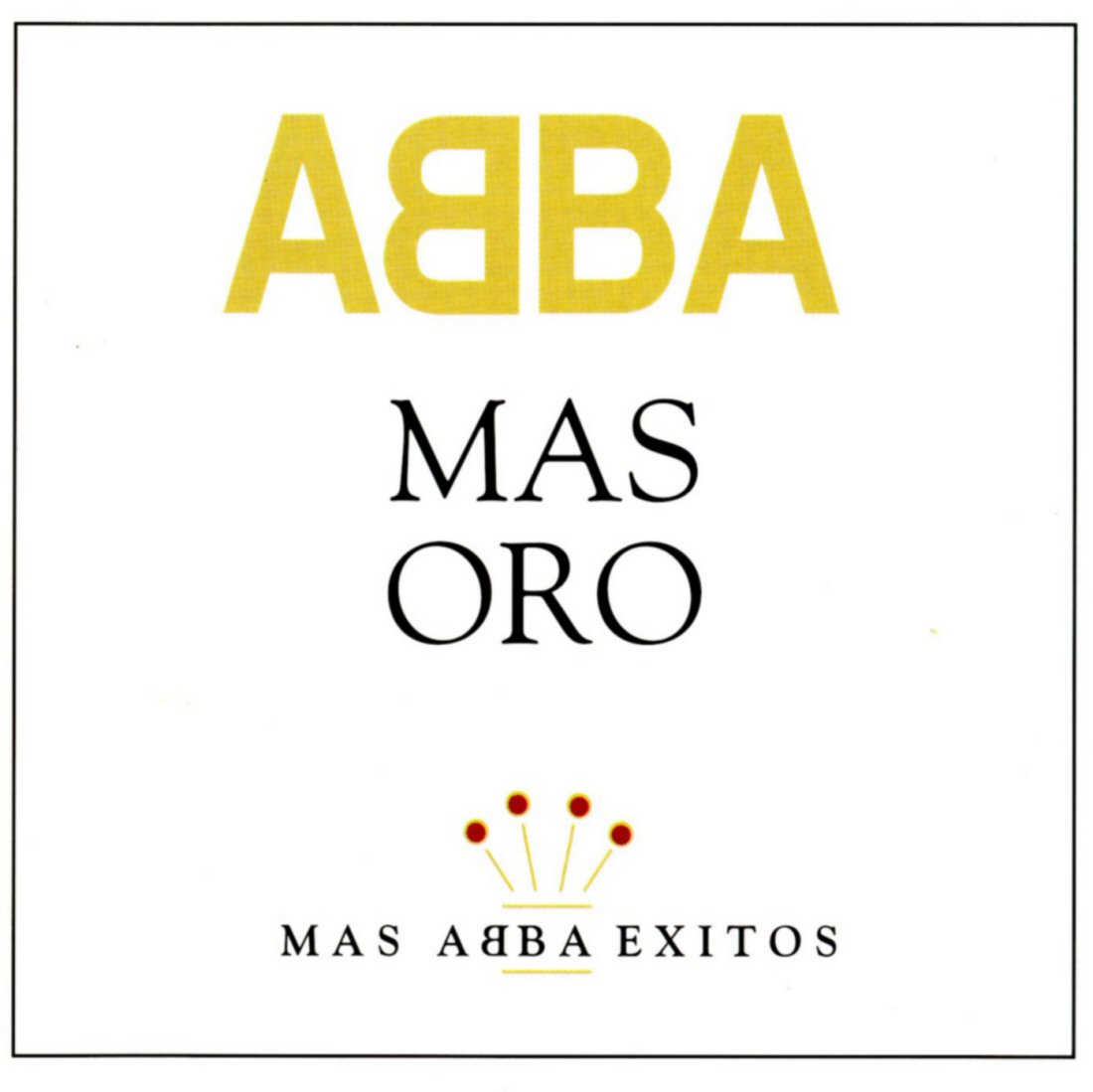
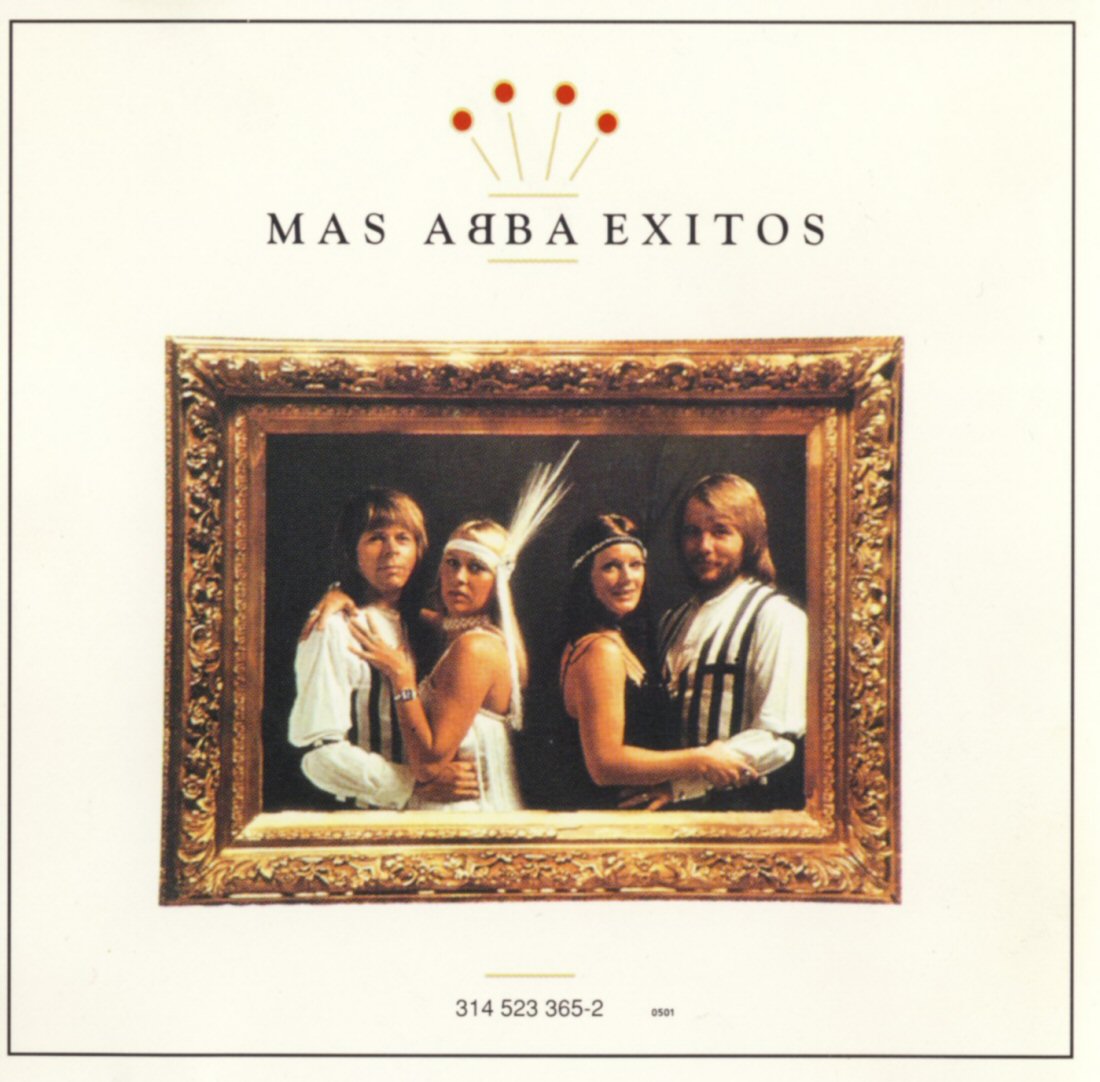
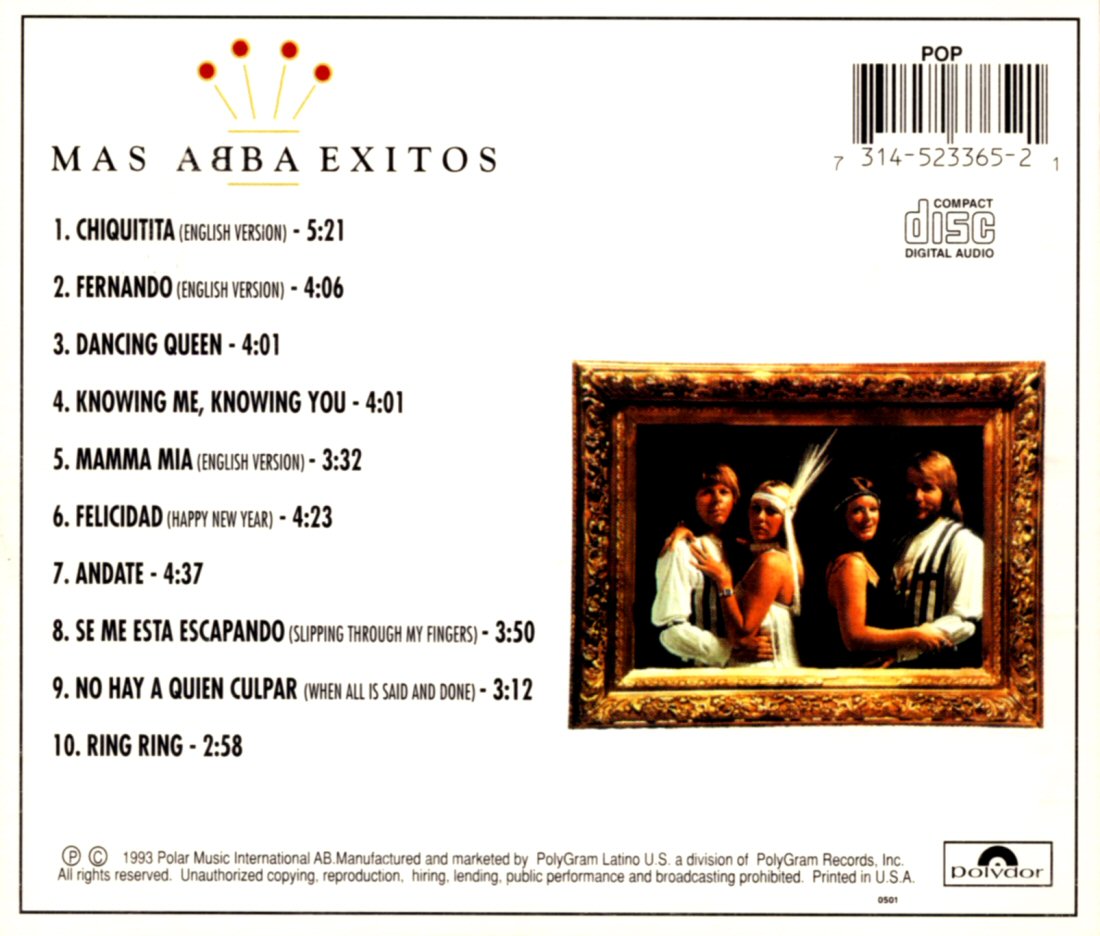
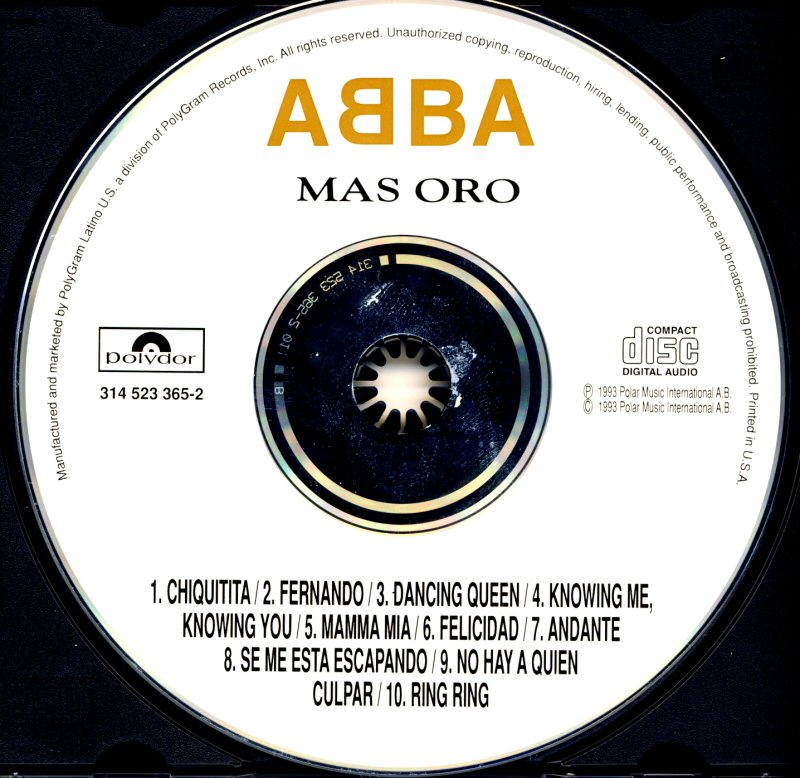
Mas Oro
The follow-up to the 1992 compilation "ABBA Oro" was "ABBA Mas Oro" released simultaneously with "More ABBA Gold" in 1993. "Mas Oro" featured 10 songs - five of them performed in Spanish and among them previously unreleased Spanish version of "Ring Ring". The other songs were: "Felicidad" and "Andante Andante" (on this release quoted as "Andate") from the Spanish edition of the album "Super Trouper" and "Se me esta escapando" and "No hay a quien culpar" from the Spanish edition of the album "The Visitors".
 |
 |
 |
 |
 |
 |
ABBA Oro
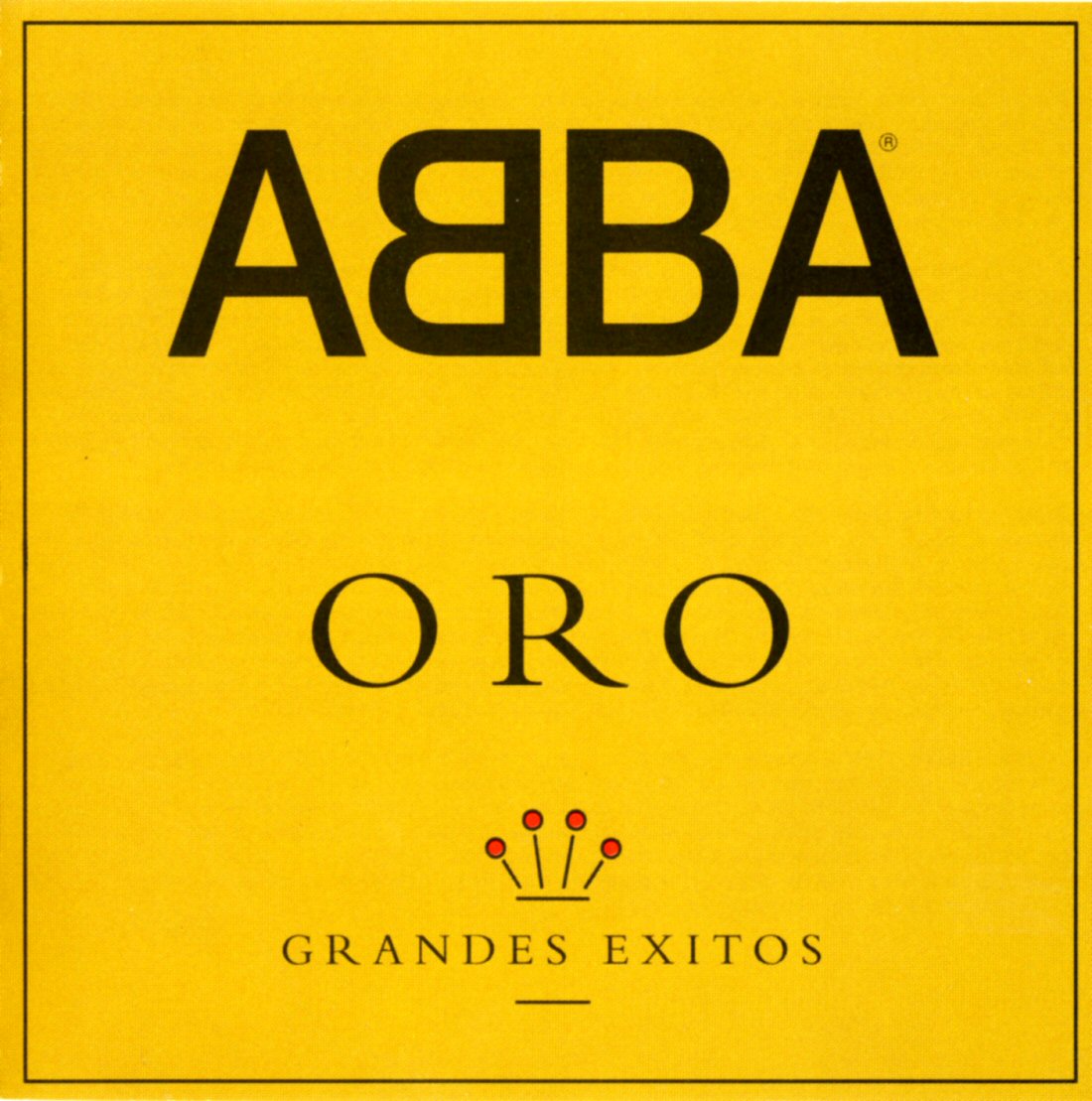
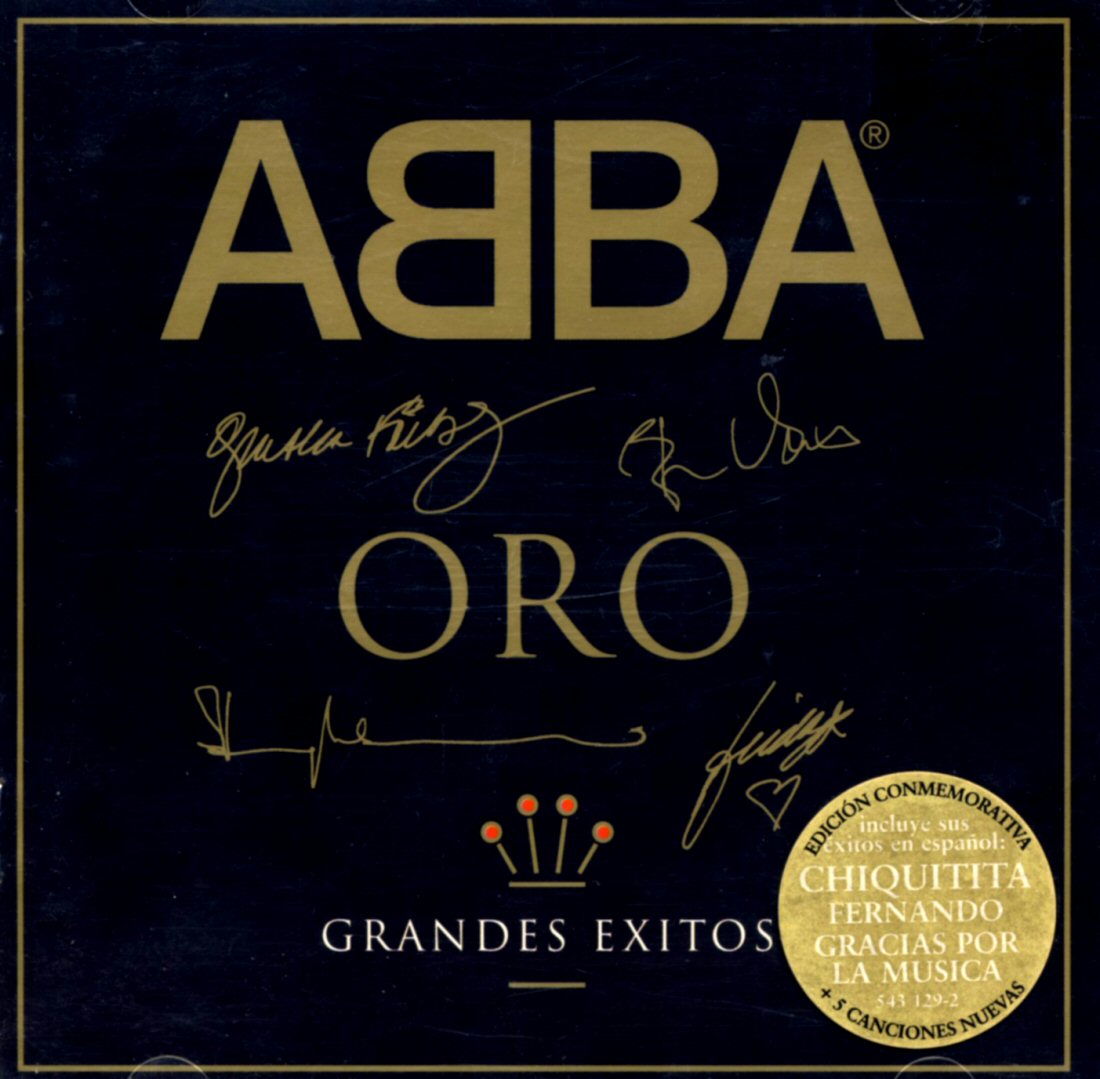
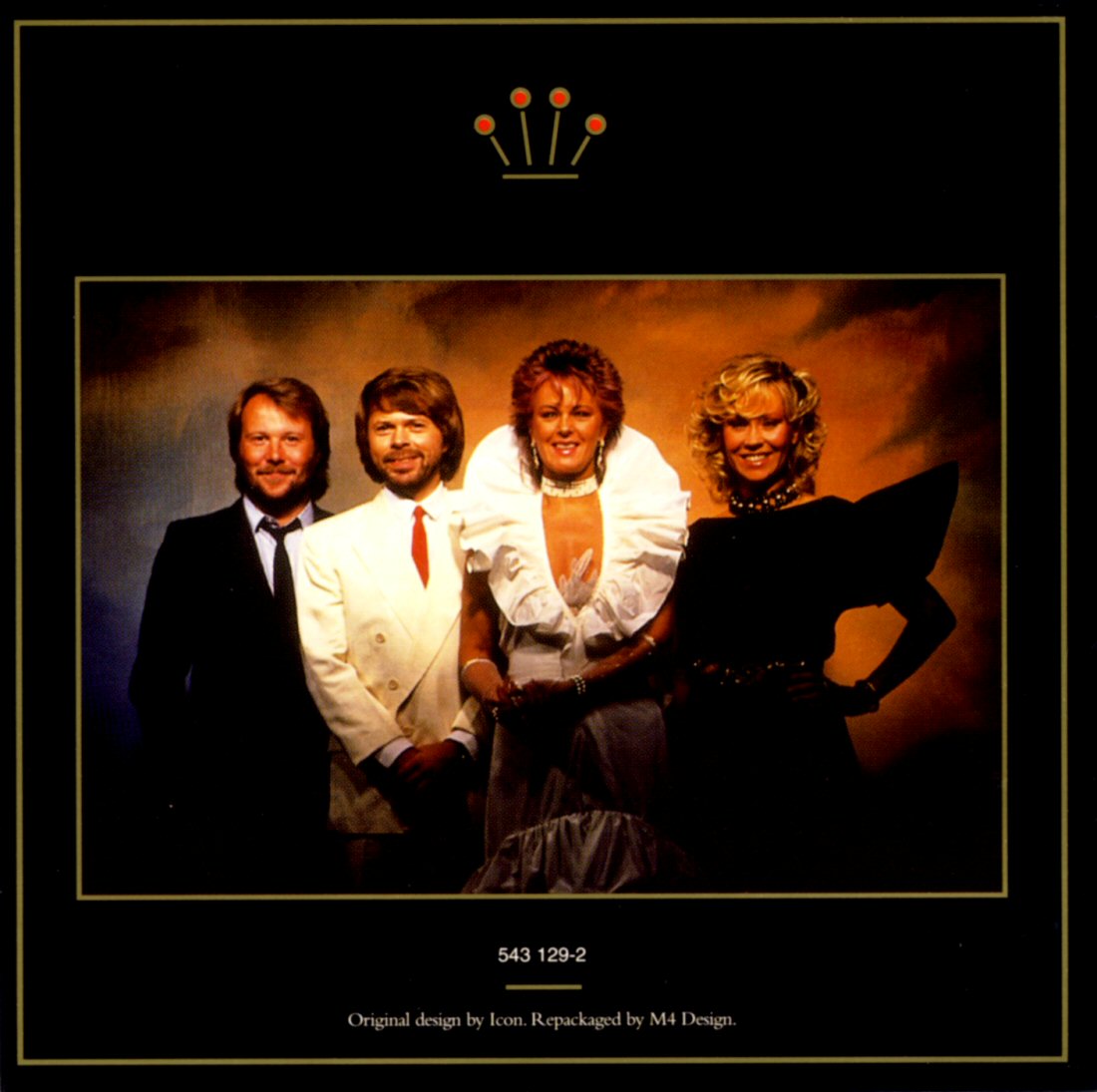
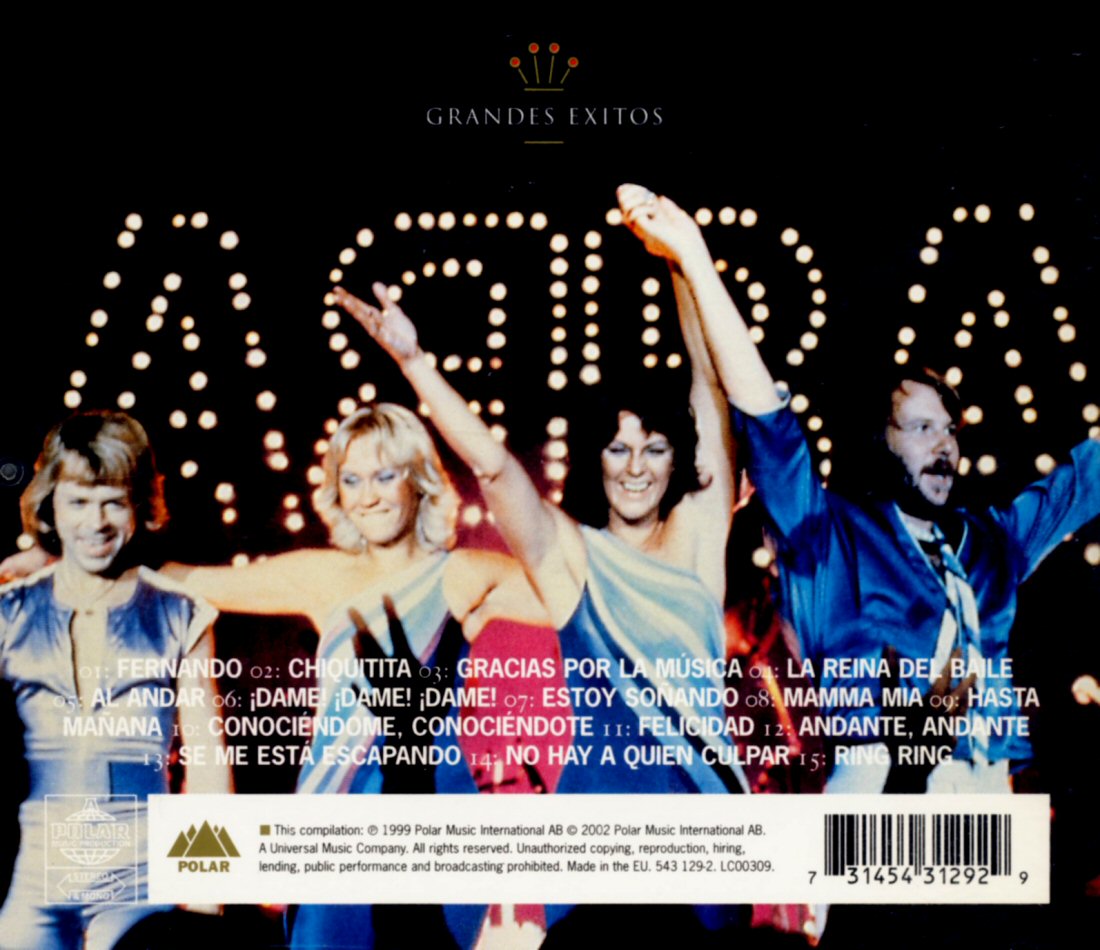
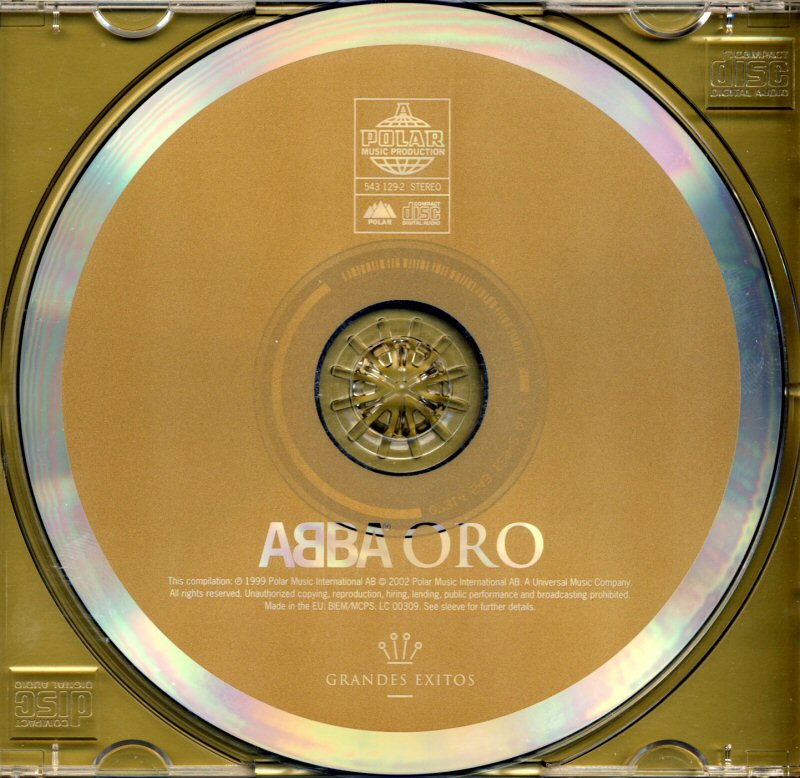
Finally in 1999 all 15 tracks recorded by ABBA in Spanish language between 1973-1981 saw their world-wide CD release on the compilation "ABBA Oro - Grandes Exitos".
 |
 |
 |
 |
One more "Oro"
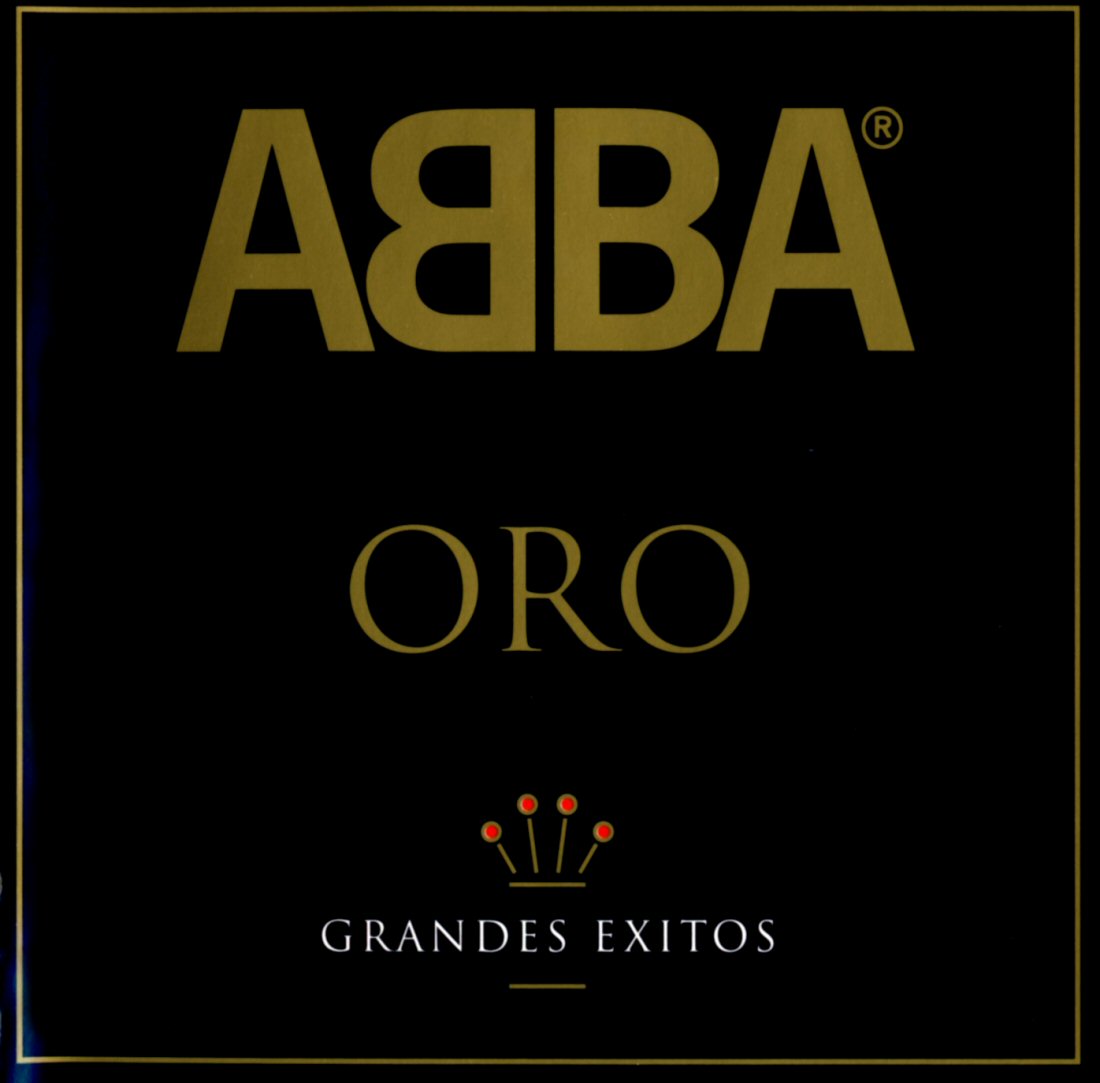
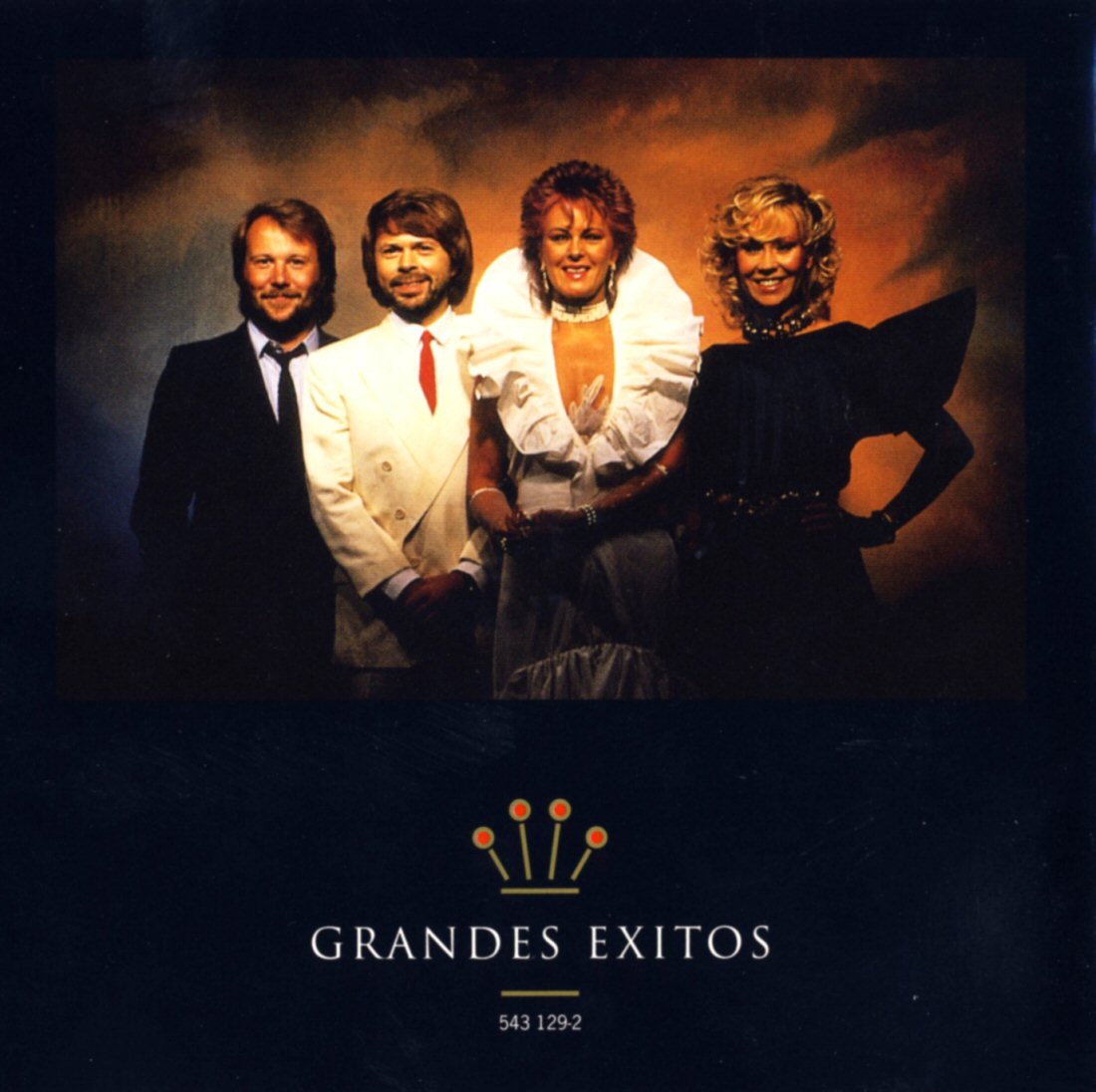
The compilation "ABBA Oro - Grandes Exitos" was rereleased in 2002 with partly changed cover and the right ABBA logotype. This edition of "Oro" was the 10th anniversary edition of the first "ABBA Oro"/"ABBA Gold" release in 1992.
 |
 |
 |
 |
Todo ABBA
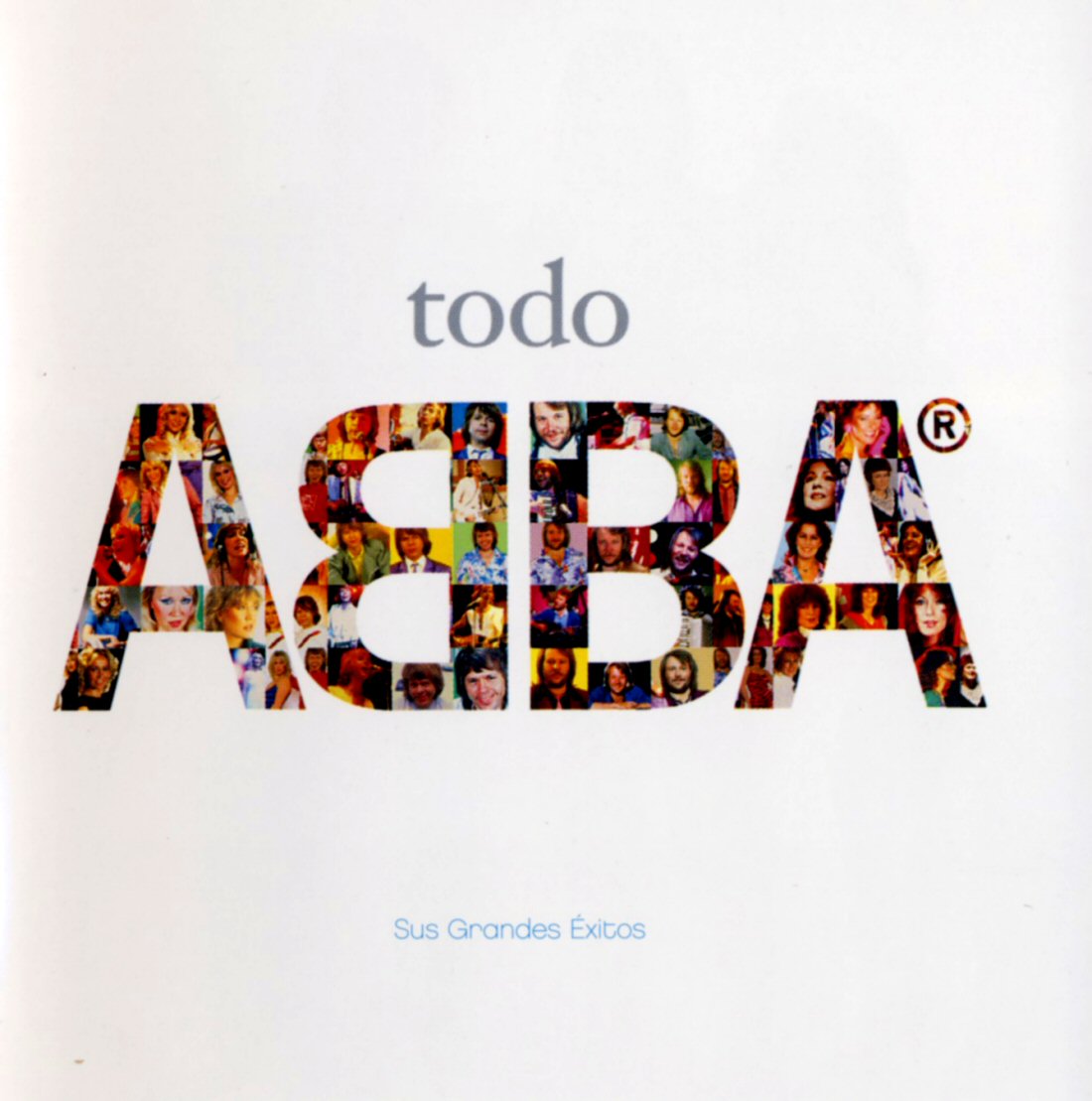
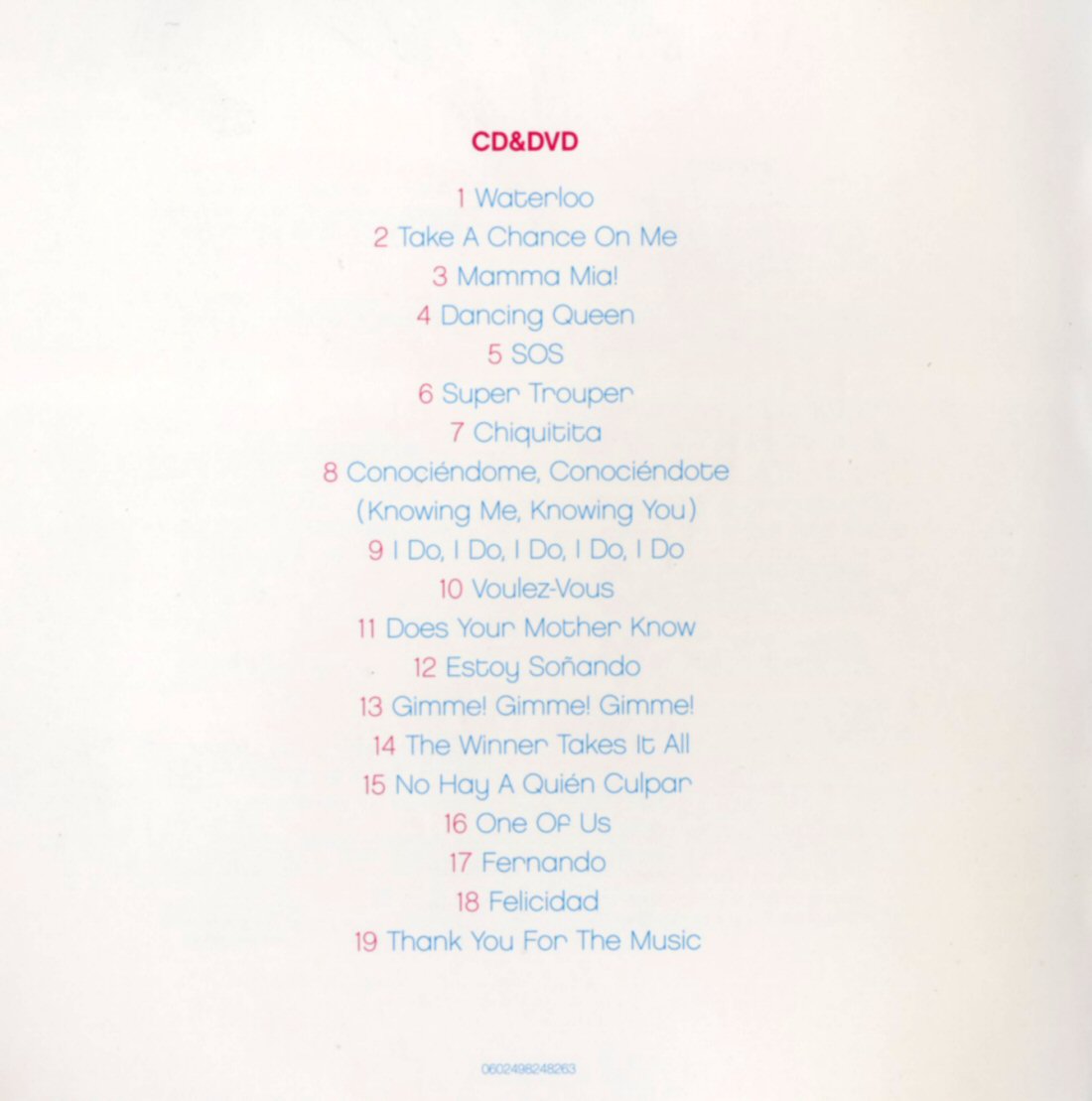
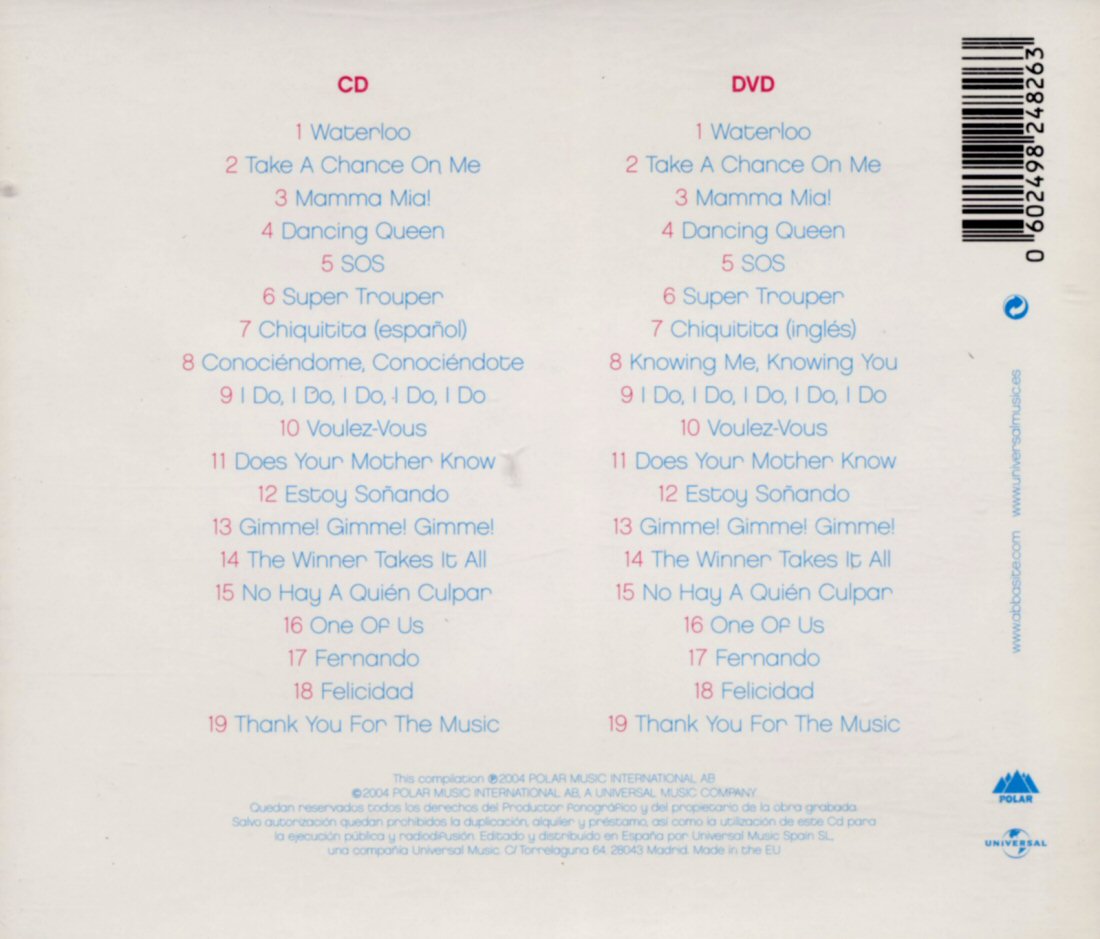
A compilation entitled "Todo ABBA" was released in Spain in 2004. The compilation contained 1 CD and 1 DVD with 19 songs and among them Spanish versions of "I Have a Dream", "When All Is Said and Done" and "Happy New Year". A special single edition with "Mamma Mia" and "Waterloo" promoted the release.
|
|
|
|
|
|
Gracias por la musica deluxe
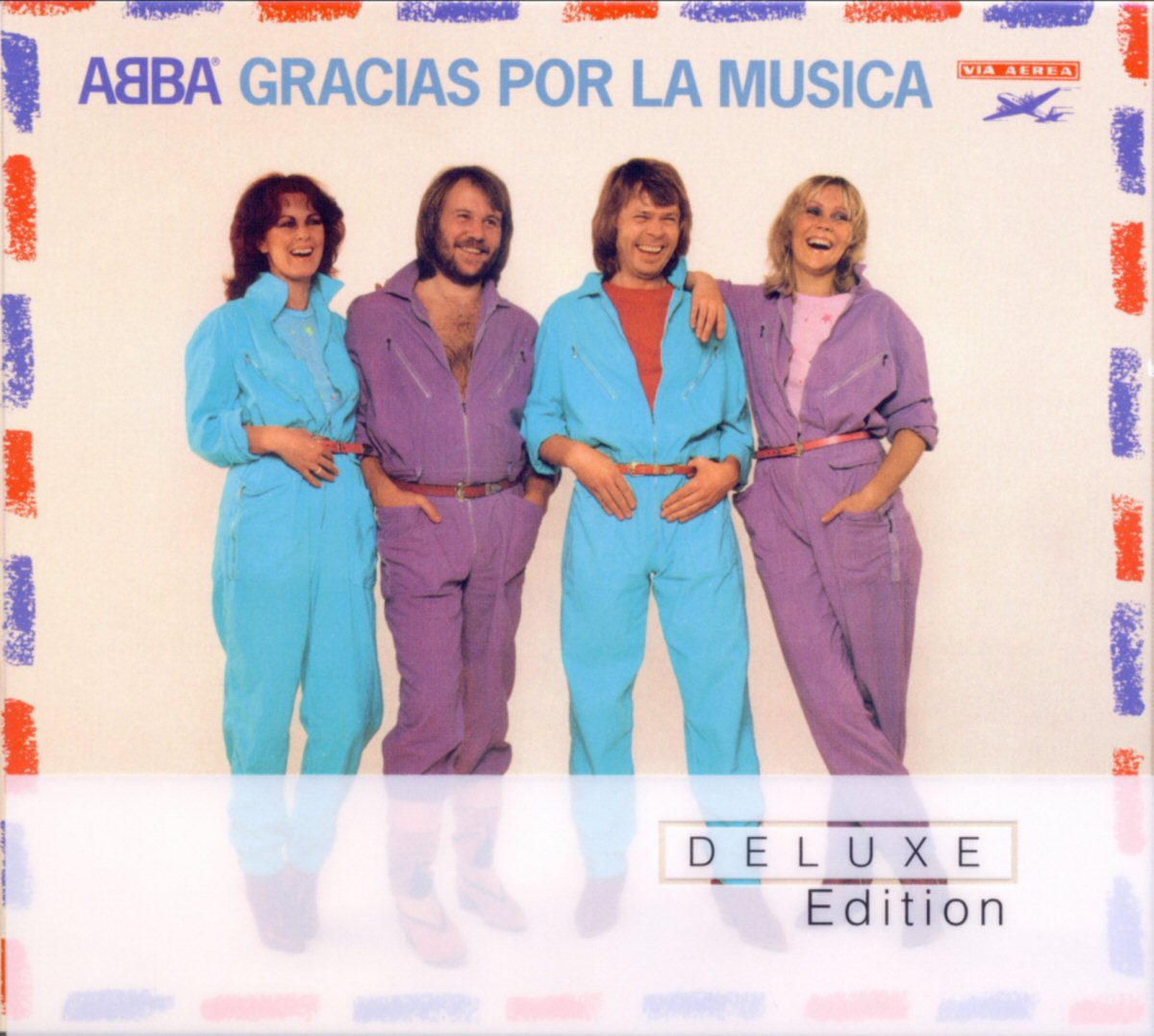
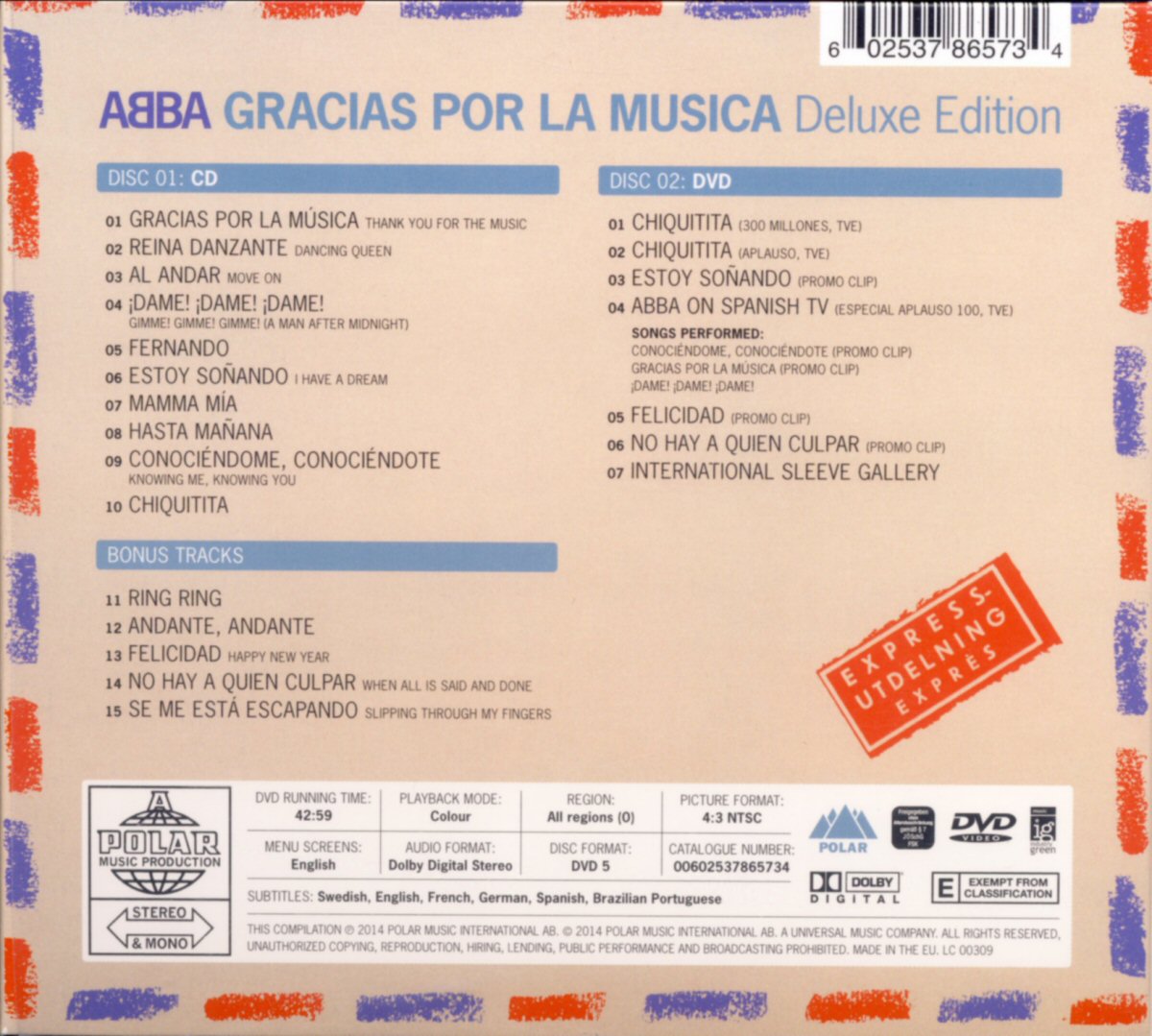
The deluxe edition of the Spanish album "Gracias por la musica" was released on November 10, 2014. It contains 10 recordings which from the original 1980 album and 5 bonus tracks. The DVD contains some performances from Spanish TV from 1979 and 1980 as well as some video clips.
 |
 |